
Reviewed · WAGASHI & MOCHI MAKING
Private Mochi Sweets Making class near Shibuya area
This private mochi sweets making class near Shibuya is interesting because you learn in Sakura’s real home, with a local neighborhood vibe instead of a workshop room. I love the hands-on step-by-step cooking, where you shape and make fruit daifuku and dango yourself. I also like that the lesson wraps up with tea and taste time, so you get to enjoy what you just made.
One possible consideration: the class happens on the second floor with stairs, and Sakura has a dog at home. If you have a dog allergy, the host notes you should not join.
Key highlights before you go
- Sakura’s home, not a demo kitchen: small group, warm hospitality, and everyday Tokyo atmosphere.
- Fruit daifuku plus dango: you make more than one sweet during the 2-hour session.
- Dango with clear ingredient notes: no gluten, no alcohol, and no additives are specifically mentioned.
- Tea included, with matcha and decaf options: you can choose green tea or matcha, and decaffeinated black tea if needed.
- You leave with leftovers packed: a take-out bag is included for extra sweets.
- Max 8 people means real guidance: the format is set up for personalization, not crowd herding.
A quiet sweets class in Sangenjaya, close enough to Shibuya
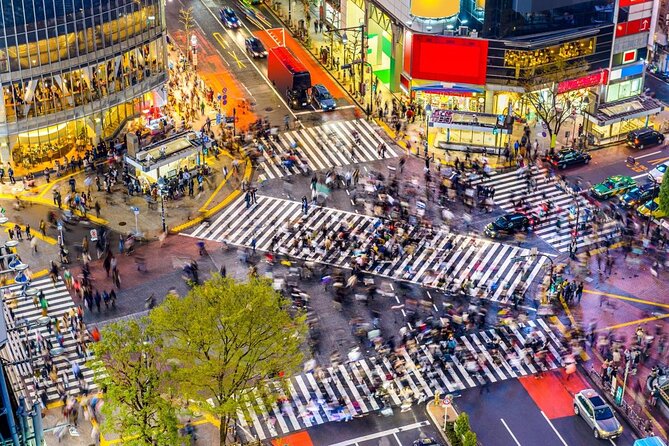
If your Tokyo plan includes Shibuya, you’ll like how this class uses that energy but escapes the main chaos. The meeting point is in Sangenjaya (Setagaya City), at 1-chōme-11-13. You’re not far from the Shibuya area, but you get streets that feel more like a local Tokyo day than a tourist corridor.
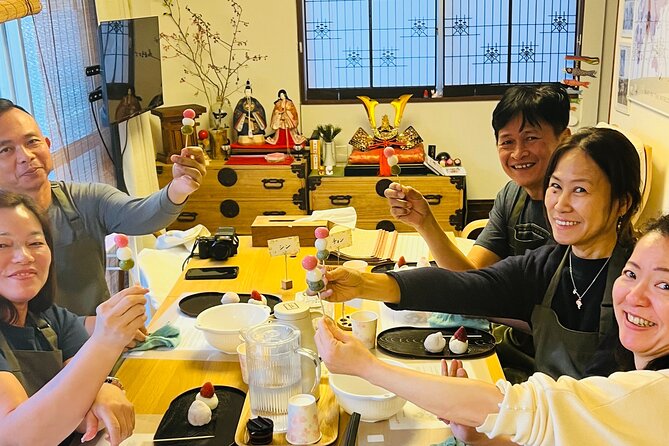
The key thing here is that you’re stepping into a real home setting. That changes how the lesson feels. You’re not working in a staged environment, and it does not feel like you’re being rushed through a “watch, then eat” routine. Instead, you get a calm start, then the instructor guides you while you do the work yourself.
This also matters for timing. The class is about 2 hours, so it can fit into a morning or afternoon plan without stealing your whole day. And since it ends back at the meeting point, you can easily roll into nearby walking, shopping, or an easy transit hop to Shibuya afterward.
More Wagashi & Mochi Making in Tokyo
- Tokyo Sumo Experience: Chanko & Mochi with a Former Pro
★ 4.8 · 567 reviews - Tokyo: Matcha Making Experience with Mochi Sweets in Asakusa
★ 4.9 · 388 reviews - TokyoSumoShow, ChickenHotPot, and Mochi-Pounding by Pro Wrestlers
★ 5.0 · 226 reviews
The 2-hour flow: tea first, then mochi stories, then cooking hands-on
The lesson has a clear rhythm. It starts with you settling in, then you’re served green tea and/or matcha (the host also offers coffee and tea). If caffeine is an issue, there’s a decaffeinated black tea option, which is a thoughtful touch.
After that, Sakura explains what you’re making and why it matters. The class includes cultural history and traditional recipes, and the way she teaches is not just a lecture. Some participants note she uses a slideshow-style introduction, then she connects mochi to Japanese culture and the occasions people eat it.
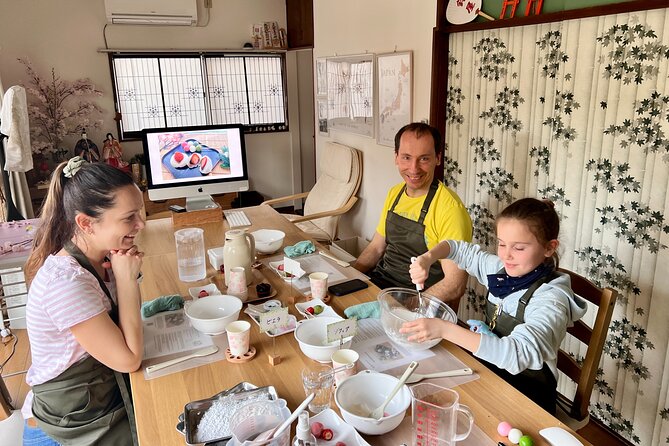
Then comes the part you will actually remember. This is not a demonstration. You work through the process yourself, with Sakura guiding you step-by-step. Reviews consistently highlight how patient she is, and how clearly she explains each step. That matters even if you have never cooked anything in your life, because mochi and dango are very specific sweets, not generic “dessert-making.”
By the end, you taste what you created with the tea served in class. It turns the lesson into something more satisfying than a one-time food stop. You get a “now I can do this” feeling, even if you will probably want to practice once you’re back home.
Fruit daifuku and dango: what you’ll learn to make
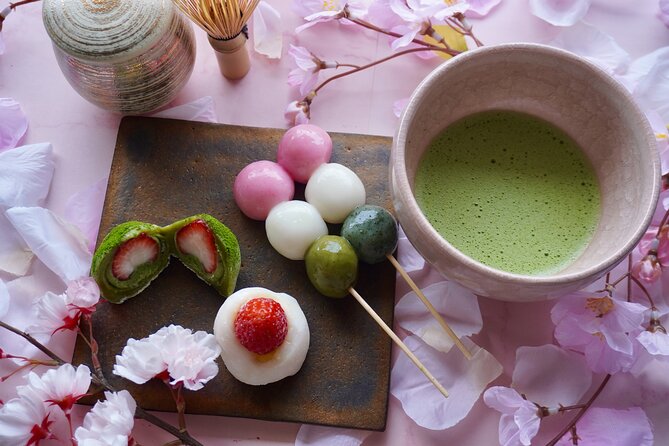
The core of the menu is straightforward: you’ll learn to make mochi sweets, including fruit daifuku and dango. Mochi is the familiar part, but daifuku and dango are different enough that you’re not just repeating the same technique twice.
Fruit daifuku is the kind of sweet that feels special because it has that soft mochi exterior paired with a fruit filling. During the class, you shape and cook what you make rather than handling a pre-made item. That difference is why this works for people who like food, but also for people who want a cultural activity that feels active, not passive.
Dango is the other focus. The class description specifically notes that dango contains no gluten, no alcohol, and no additives. That ingredient note can be genuinely useful when you’re planning what you’ll eat in Japan, because it gives you a clearer idea of what the sweet is made with and what it is not.
Also, multiple reviews mention you may make more than one version during the lesson. One person specifically referenced making two types of daifuku and two types of dango, with flavors like strawberry mentioned. Even if the exact options vary, the big takeaway is that you’ll leave with a small set of homemade sweets, not just one single piece.
Tea tasting and take-home sweets: the part that makes it feel complete
A lot of cooking classes stop at “you made it.” This one tries to finish the job with tasting and packing.
You’ll have matcha or green tea in a cozy setting, and it’s served as part of the experience, not as an afterthought. If you don’t want caffeine, the host notes decaffeinated black tea is available, so you’re not forced into matcha just because it’s the theme.
You’re also given a take-out bag. That sounds small, but it changes how you plan your day. You can eat some of what you make during class, then bring the rest with you. Several reviews mention leftovers being packed for later, so it’s normal to leave with extra sweets.
Aprons are available for rent. That can help if you tend to get a little messy, and it also makes the whole thing feel like a real workshop rather than just a kitchen visit.
One practical note: bottled water is not included. If you are doing this during a hot Tokyo afternoon, I’d plan to grab a bottle nearby before you start, or have one with you.
A change of pace from Tokyo:
- Mt Fuji and Hakone 1-Day Bus Tour Return by Bullet Train
★ 5.0 · 26,383 reviews - 1-Day Tokyo Bus Tour
★ 5.0 · 14,250 reviews - Tokyo: TOKYO SKYTREE® Admission ticket
★ 4.5 · 11,192 reviews - Tokyo: teamLab Planets TOKYO Digital Art Museum Entry Ticket
★ 4.6 · 9,779 reviews
Sakura’s teaching style: why the home setting changes everything
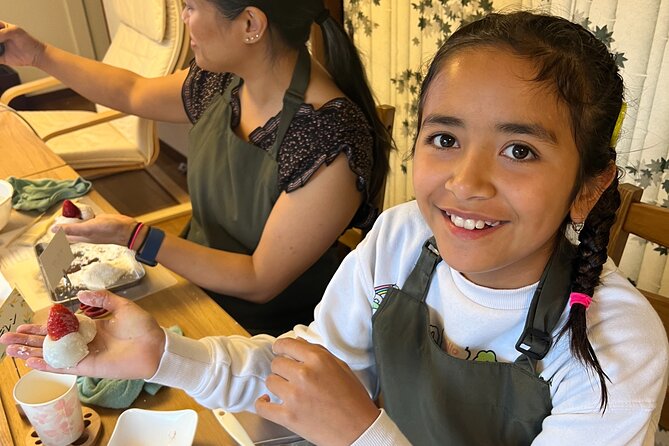
The biggest reason this class gets consistently high marks is not just the food. It’s how Sakura teaches and how she hosts.
Sakura has taught more than 1,000 guests from over 35 countries in her home. She has also been invited to Switzerland as a guest instructor. That credential matters because it suggests she knows how to explain tricky steps to people who do not speak Japanese.
Reviews repeatedly mention that her English is good and that she is friendly and patient. You also see the “mothering” teaching approach show up in comments about kids. One review specifically notes she raised two children and knows how to teach kids gently and effectively. That tends to matter in a hands-on cooking class, where kids need clarity and reassurance, not frustration.
The home setting also helps her instruction land. When you’re in someone’s living space, you’re not just a pair of hands at a station. You feel like you are being welcomed into a Japanese household. That’s why so many participants call it an authentic experience rather than a gimmick.
There’s also a friendly dog factor. The host has a dog at home, often referenced by name in reviews. If you enjoy animals, it can add a light, relaxed tone to the class. If you do not, you still will likely find the focus stays on the sweets.
Neighborhood context: Sangenjaya is a smart base for a food lesson
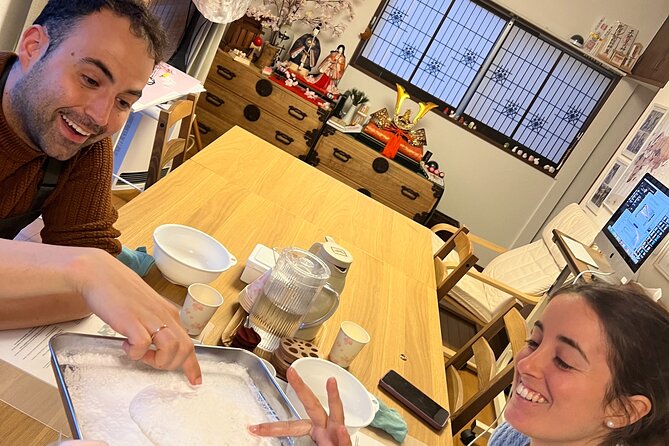
Even though the class is near Shibuya, the actual start point is in Sangenjaya. That gives you a nice tradeoff. You get a local neighborhood with walkable streets, and you can add a little exploration before or after.
Because the class ends back at the meeting point, you do not need a complicated route plan. I like activities like this when my Tokyo itinerary is already packed, since you can keep transit friction low.
It also helps you get a different side of Tokyo. Shibuya can be intense. Sangenjaya feels calmer. Doing a hands-on sweet lesson there is a good “change the pace” move.
Small group limits: max 8, and you feel it during the lesson
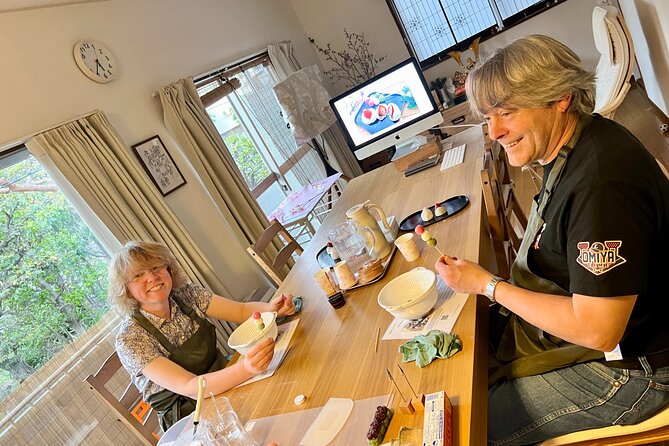
This is built for small groups, with a maximum of 8 participants. That number matters. In a larger class, you might wait your turn and lose momentum. Here, you’re more likely to get quick corrections and clear guidance when something is not going right.
You can also ask questions without feeling like you’re interrupting a conveyor belt. Several reviews mention communication is easy and instructions are clear, which usually means the group size is doing its job.
If you’re traveling with family, the small cap is especially useful. One review talks about a group that included kids, and another mentions teens enjoying the class. When the teacher can slow down and personalize, it works across ages.
Price and value: is $79.28 per person fair in Tokyo?
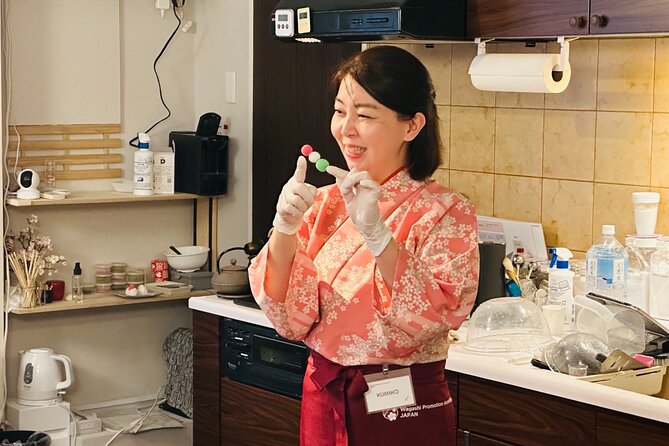
At $79.28 per person for about 2 hours, this sits in the middle range for Tokyo food experiences. It is not cheap in the way a market snack is cheap. But it also is not expensive in the way you’d expect for a heavily branded tour.
Here’s the value logic:
- You’re paying for hands-on instruction in a private home, which is harder to scale and harder to fake.
- Tea and matcha are included, plus a take-out bag means you can actually extend the experience after class.
- The group is capped at 8, so you’re buying attention, not just access.
- Sakura’s teaching background, including experience with international guests, reduces the risk of a confusing or awkward class.
If you’re the type who likes to eat in Tokyo but also wants a “learn something real” day, this price can make sense. If you only want a quick dessert stop, then sure, it will feel steep. But that is not what this class is selling. It’s selling a skill, a cultural story, and a homemade result you can take with you.
Who should book this mochi class near Shibuya
This is a great fit if you:
- want a hands-on food activity that lasts about 2 hours
- like matcha and green tea, or at least want tea included with decaf options
- prefer small groups where you can ask questions
- enjoy culture that shows up in daily life, like traditional sweets
It can also work well for families, since the instructor is described as patient with kids and several reviews include children and teens.
If you have a dog allergy, you should take the host’s note seriously. The class is in a home, and the dog is there. Also, because the venue is on the second floor, it may be uncomfortable if stairs are a problem for you.
Finally, the class requires good weather. If you hit a weather day, you should expect scheduling changes or refunds to be offered, depending on what’s available.
Should you book Sakura’s mochi sweets making class near Shibuya?
I’d book it if you want more than a tasting. The lesson format, with tea included, small-group size, and real step-by-step guidance in Sakura’s home, makes it a strong “Tokyo day” choice. You walk away with food you made, a clearer understanding of mochi culture, and a skill you can try again later.
I would not book it if you cannot handle stairs, have dog allergies, or you only want a quick dessert with no interest in learning.
If you fall into the first group, this class is one of those rare experiences where the price feels tied to the result: homemade wagashi, tea tasting, and a teacher who knows how to guide people from many countries.
FAQ
How long is the mochi and dango class?
The class lasts about 2 hours.
Where is the meeting point for this experience?
You meet at 1-chōme-11-13 Sangenjaya, Setagaya City, Tokyo 154-0024, Japan. The activity ends back at the meeting point.
What sweets will I make?
You’ll learn to make mochi sweets by hand, including fruit daifuku and dango.
Is matcha included, and do you offer non-caffeinated tea?
Yes. Coffee and/or tea are served, including Japanese green tea or matcha. If you do not like caffeine, decaffeinated black tea is available.
What’s included besides the food and instruction?
Coffee and/or tea, a take-out bag, and aprons available for rent are included.
How large is the group?
The class has a maximum size of 8 travelers.
Is the venue upstairs, and is there a dog at the home?
Yes. The venue is on the second floor, so there are stairs. The host has a dog at home and notes that people with dog allergies should not join.
Is transportation included or provided?
Private transportation is not included.
What is the cancellation policy if weather is bad or I need to cancel?
You can cancel for a full refund if you cancel at least 24 hours in advance. The experience requires good weather, and if it’s canceled due to poor weather, you’ll be offered a different date or a full refund.
Latest write-ups near Tokyo
- Tokyo Customized Private Tour: See Top Attractions in 1 Day★ 4.8 · 67 reviews
- From Tokyo: Top 5 Scenic Spots of Mount Fuji Full-Day Tour★ 4.5 · 67 reviews
- Tokyo: Shinjuku Izakaya and Golden Gai Bar Hopping Tour (2h)★ 4.9 · 67 reviews
- Traditional Japanese Music ZAKURO SHOW in Tokyo★ 5.0 · 67 reviews
- Tsukiji: Unlimited Sake Tasting Experience★ 4.9 · 67 reviews
- Tokyo: Not a show- a professional sumo practice with experts★ 4.9 · 67 reviews
- Samurai Ninja Museum Asakusa: Kid-Friendly Ninja Training★ 4.7 · 67 reviews
- Private Harajuku Omotesando Architecture Walking Tour★ 5.0 · 67 reviews
Wagashi & Mochi Making, compared.
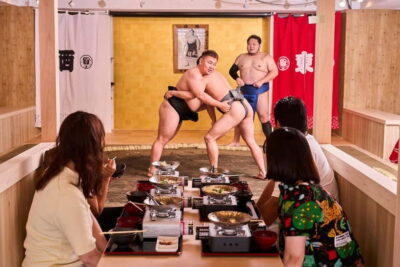
Tokyo Sumo Experience: Chanko & Mochi with a Former Pro
Read our review →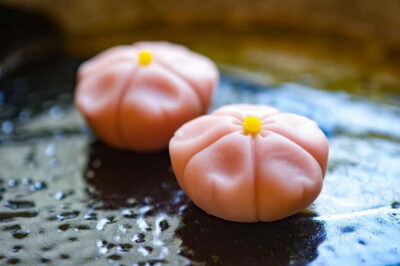
Matcha Making Experience with Mochi Sweets in Asakusa
Read our review →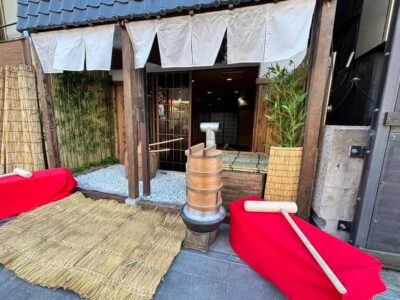
Traditional Mochi Pounding Experience with Tasting
Read our review →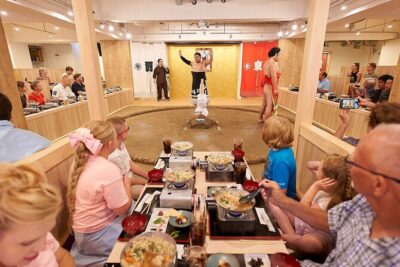
TokyoSumoShow, ChickenHotPot, and Mochi-Pounding by Pro Wrestlers
Read our review →
Kyoto Food Tour of 10 Tastings with Wagyu, Mochi & More Surprises
Read our review →
Kyoto near Fushimiinari Wagashi making&Small Group Tea Ceremony
Read our review →Browse the lists this tour appears in