
Reviewed · WAGASHI & MOCHI MAKING
【For adult】Traditional Mochi Pounding Experience with Tasting
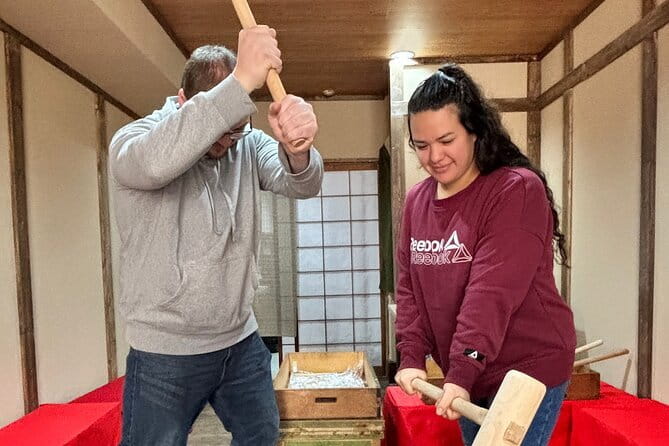
Learning to make mochi by pounding steamed rice is one of those Osaka experiences that feels both playful and deeply Japanese. You get the full arc, from a quick primer on the tradition to doing the work yourself, then tasting what you made with classic toppings.
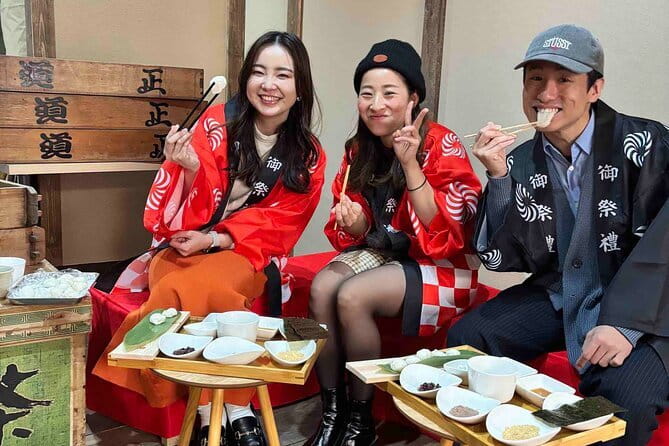
Two things I especially like: you’re not just watching. You use traditional tools and take turns pounding, which makes the hour feel active and real. And you finish with freshly pounded mochi, served with tea and multiple toppings like kinako and sweet red bean paste. One possible drawback to plan for is that mochi is chewy and can be sticky. If you’re older or you tend to eat very slowly, take small bites, and follow the staff advice.
This is built for convenience too. You can usually fit it into a busy day in Osaka with morning or afternoon sessions, and it runs about one hour in a small group.
Key Highlights You’ll Actually Care About
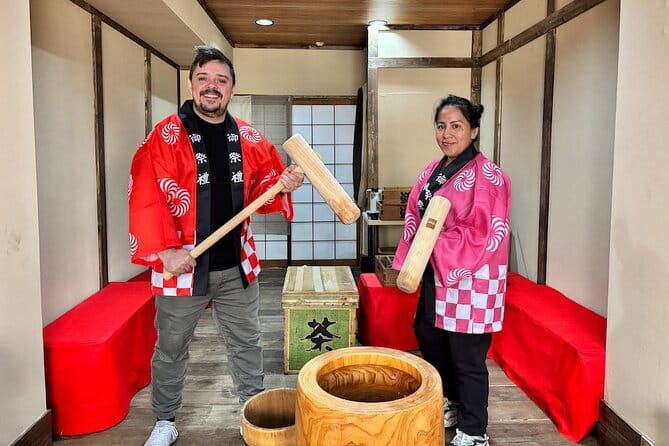
- Hands-on pounding using traditional mortar-and-pestle style tools, with staff guiding your turns
- Short mochi tradition talk before you start, so the activity has context not just sugar
- Fresh mochi taste test right after making it, plus tea
- Classic flavor choices such as kinako and sweet red bean paste, alongside other seasonings
- Small group size (maximum 10) that helps everyone get a turn
- English and Chinese support (English is direct, Chinese is handled with slides or interpreted)
Why Mochi Pounding in Dotonbori Feels More Than a Food Stop
Osaka is famous for eating your way through neighborhoods, but this is different. You’re not buying mochi from a counter and calling it a day. You’re turning sticky, hot rice into mochi with your own hands, which makes the flavor land harder because you know what you did to get there.
The “art” part isn’t mystical. It’s physical. The timing, the texture, and the way the rice compresses into something smooth and stretchy all happen because you’re pounding it. That’s why so many people leave smiling, even if they’re not big on cooking classes.
I also like that you get a bit of the cultural why before the pounding starts. A short talk sets the stage, then you jump in. You walk out understanding what mochi is in Japan, not just how to eat it.
More Food & Drink in Osaka
- Osaka: Shinsekai Food Tour with 13-15 Dishes at 5 Eateries
★ 4.8 · 2,204 reviews - Osaka Food Tour: 13 Dishes at 5 Local Eateries
★ 5.0 · 2,149 reviews - Hungry Osaka Street Food Tour:15 Tastings & 3 Drinks with a Local
★ 5.0 · 1,727 reviews
Getting There at Oh Mochi and Knowing What 1 Hour Really Means
The meeting point is Mochi Pounding Experience Osaka “Oh Mochi,” 2-chōme-4-11 Dōtonbori, Chuo Ward, Osaka, 542-0071, Japan. It’s in the heart of Dotonbori, so you can pair it with a wander before or after your class day.
Duration is about 1 hour. In practice, that hour is packed: a brief introduction, steaming and working the rice, shaping, then tasting with tea. If you’re the type who likes buffer time, I’d plan to arrive a few minutes early so you’re not rushing right when the tools come out.
You’ll have a mobile ticket, which is handy if you’re juggling maps, transit, and photos all day. And the class stays small, with a maximum of 10 travelers, so it doesn’t feel like a mass-production show.
The Flow: Steam, Pound, Shape, and Tasting Starts Fast
Here’s the rhythm you can expect, step by step.
1) A short talk on mochi pounding
You start with about 10 minutes of history and cultural significance. This matters because mochi is more than dessert. In Japan, it’s tied to seasonal food customs and everyday ritual moments, and that context helps you appreciate what you’re doing with the mortar and pestle.
More Wagashi & Mochi Making in Osaka:
- Osaka: Traditional Mochi Pounding Experience with Tasting
★ 4.9 · 306 reviews - 【Family Friendly】Traditional Mochi Pounding Experience
★ 5.0 · 26 reviews - Tokyo Sumo Experience: Chanko & Mochi with a Former Pro
★ 4.8 · 567 reviews - Tokyo: Matcha Making Experience with Mochi Sweets in Asakusa
★ 4.9 · 388 reviews
2) Steaming the glutinous rice
Next comes the part you can smell immediately. You’ll join the process of steaming glutinous rice. Even if you’ve never steamed anything, the point here is clear: you’re learning how the texture starts, and why the rice needs to be hot and ready before pounding.
3) Pounding with traditional tools
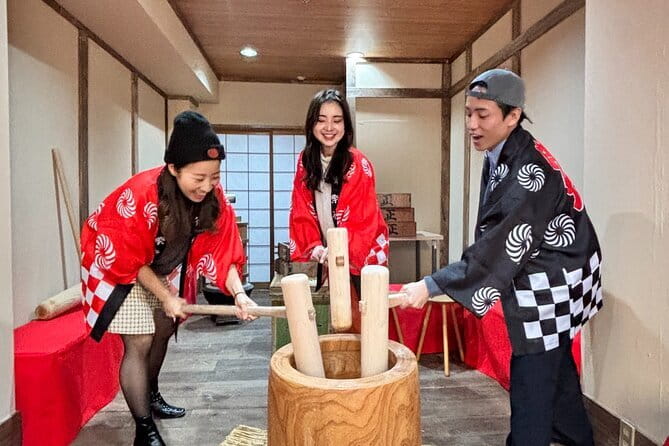
Then the fun part starts. You use traditional tools to pound the steamed rice into mochi. You’re not standing there waiting for a demonstration. You take turns, and staff keep things organized so everyone gets a real shot at pounding.
From what I’ve seen people report, the vibe here is friendly and energetic. You’ll likely get help adjusting your turn so you’re not fighting the tool. This is also when that small group size pays off, because you’re less likely to be pushed to the sidelines.
4) Shaping mochi by hand
After pounding, you’ll portion and shape the mochi. This step turns the sticky mass into individual bites you can eat with toppings.
5) Tasting with tea and multiple seasonings
Finally, you taste freshly pounded mochi served alongside a cup of tea. The class focuses on multiple seasonings and ingredients, including favorites like kinako and sweet red bean paste. One tip: even if you think you know your favorite, try one bite plain first or lightly topped. It helps you understand what each topping is doing to the mochi texture.
Toppings Like Kinako and Sweet Red Bean Paste, Plus How to Eat the Whole Thing
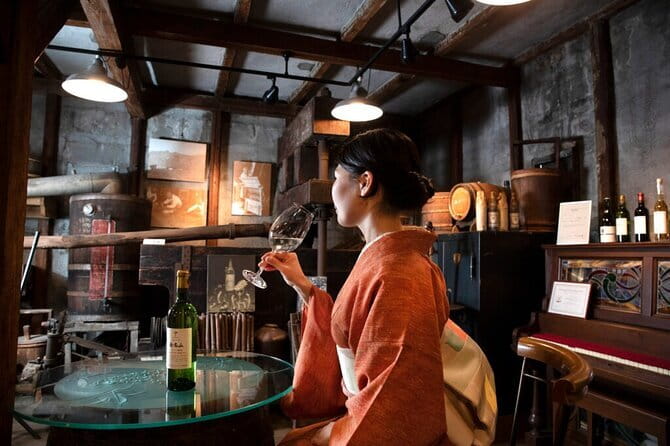
Mochi tastes like comfort food when it’s warm and freshly made. The texture is the headline: chewy, soft, and stretchy, especially right after pounding. Store-bought mochi can be good, but fresh mochi has a different bite, and that difference is the payoff for doing the work.
You’ll get mochi with five beloved Japanese seasonings and ingredients and you can expect classic options such as kinako (roasted soybean flour) and sweet red bean paste. In real-world terms, kinako gives a nutty, lightly sweet coating that makes mochi feel more like a snack than a heavy dessert. Sweet red bean paste brings a deeper sweetness and a smoother contrast to the chewy rice.
Staff will also explain how to enjoy mochi, which helps if you’re new to eating it. And because it’s served with tea, you’ll get a built-in palate reset between bites.
One practical consideration: mochi can be sticky in your mouth. Take small bites, chew well, and sip tea. If you’re bringing an older family member, follow the guidance to eat rice cakes in small portions since they may choke if swallowed too quickly.
Guide Energy, Language Support, and Who You Might Meet
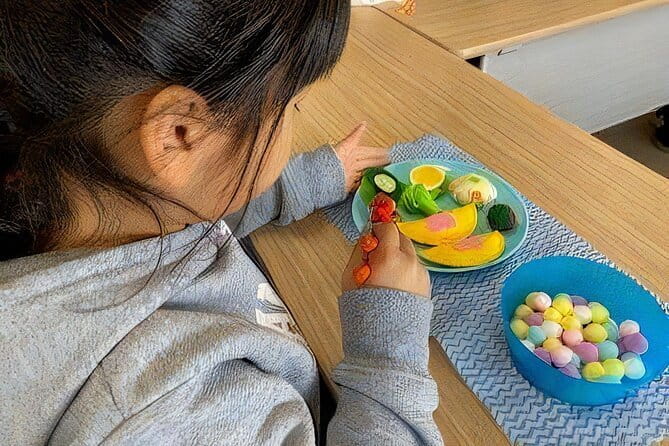
This class leans on people, not gadgets. The experience is built around an instructor who walks you through the steps, then helps you during the pounding. Names you might meet include Aiko, Grace, Seina, Runa, Mao, and Riki. It’s a small team, and the common thread is keeping things upbeat while staying clear about what to do next.
Language coverage is part of the value. The class is offered in English and Chinese. Chinese support is provided through slides or interpretation. If you don’t speak Japanese, you’re in good shape either way.
Also, staff tend to guide everyone into the flow so you don’t feel lost. Several people report that the team makes it easy to take pictures and videos during the experience. If you care about documenting the pounding part, you’ll likely have enough time to grab photos without slowing down the group.
What to Wear and Bring for a Warm Room and Active Turns
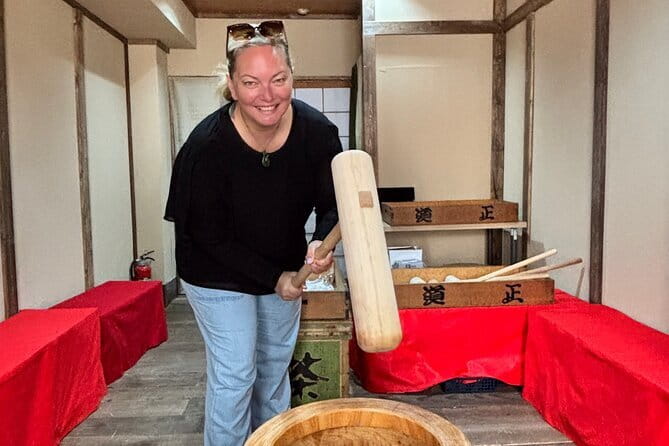
This is hands-on. It’s also likely to feel warm once the class starts. I’d wear something lightweight that lets you move. Comfortable sleeves help too, since you’ll be close to hot tools and sticky rice.
You might also be given a light mochi-making costume. The idea is simple: keep your clothes safe and make it more fun. Either way, plan for a bit of mess. Mochi ingredients and rice dust can land where you don’t expect, especially when you’re taking your turn.
What to bring:
- A reusable water bottle for after (tea is provided, but you’ll still want water later)
- Wear shoes you can stand in comfortably
- If you’re sensitive to heat, choose breathable clothing
If you’re doing this as part of a full Osaka day, schedule it when you’re not rushing straight to something formal. You’ll leave sticky and happily tired.
Price and Value: Why $32.37 Feels Fair for a Small-Group Craft
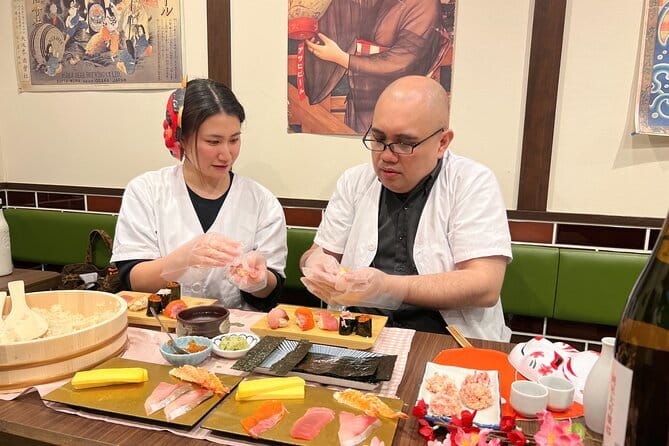
At $32.37 per person for about one hour, this is not the cheapest thing you can do in Osaka. But it’s also not a “pay to watch” activity. You’re paying for three tangible parts:
1) The labor time and instruction to make mochi, including steaming and pounding
2) The freshly pounded food you eat right away
3) The cultural context so it isn’t just sugar on a plate
Because the group is capped at 10 travelers, you generally get more hands-on time than you would in a larger, faster class. And you’re not relying on restaurant pricing or desserts from a shop. You’re basically buying an experience plus a snack with tea.
If you like authentic, hands-on cultural food activities, this is good value. If you only want to eat mochi and nothing else, you might wonder why you’re paying for the work. For me, the best way to decide is simple: if you want the process, this price makes sense. If you want only the taste, you can probably satisfy that elsewhere for less money.
Who Should Book This Mochi Class in Osaka
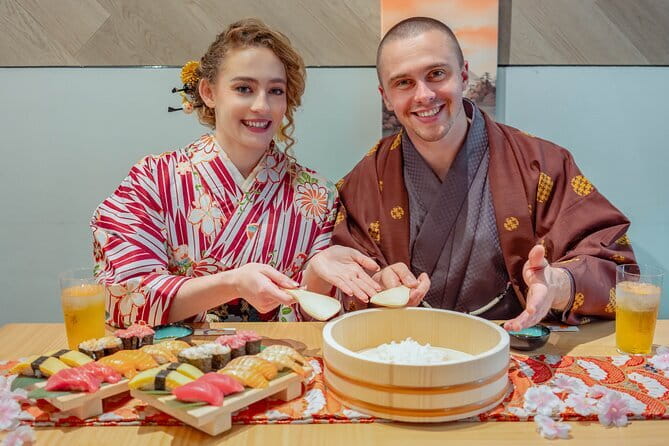
This works best if you fit one of these profiles:
- You love mochi and want to taste it fresh, right after pounding
- You want a rare, Osaka-specific activity beyond tea ceremonies and sake tasting
- You like small-group experiences where staff can correct and guide you
- You’re traveling with kids or families, since kids are welcome and the pounding is naturally fun
It also includes practical dietary consideration. The experience accommodates vegan and vegetarian needs, so you should be able to participate without worrying about being excluded from the tasting.
If you hate being hands-on, this may not feel relaxing. But if you can laugh while pounding sticky rice for an hour, you’ll probably have a great time.
Quick Practical Notes on Sessions, Timing, and Weather
The class offers morning and afternoon sessions, so you can pick the time that fits your Osaka day. It’s designed to be easy to squeeze in, but still treat it as a real activity, not a quick stop.
Weather matters because the experience requires good weather. If it gets canceled for weather reasons, you’ll be offered a different date or a full refund. For planning, I’d keep one flexible window that can absorb small schedule changes.
Should You Book This Mochi Pounding Experience in Osaka?
Yes, if you want a hands-on food activity that feels genuinely Japanese and not just a themed snack stop. The strongest reasons to book are the small group size, the chance to pound with traditional tools, and the fact you eat freshly made mochi with tea right after.
Skip it only if you strongly prefer low-effort experiences, or if you know sticky chewy foods are a problem for you. For everyone else, this is a fun hour you’ll remember, because you create the thing you’re eating.
FAQ
How long is the mochi pounding experience?
It lasts about 1 hour (approx.).
How much does the class cost?
The price is $32.37 per person.
Where does the experience start?
The meeting point is Mochi Pounding Experience Osaka “Oh Mochi,” 2-chōme-4-11 Dōtonbori, Chuo Ward, Osaka 542-0071, Japan.
Is it a small group activity?
Yes. The class has a maximum of 10 travelers.
What languages are available?
English is available. Chinese is also available through slides or interpreted by ChatGPT.
What do I do during the experience?
You’ll learn about mochi’s cultural significance, join the steaming of glutinous rice, pound it with traditional tools to make mochi, and then shape and taste it.
What toppings and drinks are included?
You’ll taste freshly pounded mochi with multiple Japanese seasonings and ingredients, such as kinako and sweet red bean paste, and it is served with a cup of tea.
Can vegans or vegetarians participate?
Yes. The experience accommodates vegan and vegetarian preferences.
Is it okay for older adults?
Elderly people should eat rice cakes in small portions, since they may choke.
Is there a weather requirement?
Yes. The experience requires good weather, and if it’s canceled due to poor weather, you’ll be offered a different date or a full refund.
Latest write-ups near Osaka
- Osaka Private Tour with Government-Licensed Guide★ 4.8 · 20 reviews
- Guided Photography Tour in Osaka: Capturing Memories★ 4.5 · 20 reviews
- Osaka: Food Tour at Night with Tastings★ 4.9 · 20 reviews
- Kansai/KIX Airport to or from Osaka/Kyoto Private Transfer★ 5.0 · 20 reviews
- Osaka: City Highlights Bike Tour★ 4.7 · 20 reviews
- From Osaka/Kyoto: Amanohashidate Day Tour【Including tickets】★ 3.7 · 20 reviews
- Osaka Okonomiyaki Cooking Class “Learn here and make it at home”★ 5.0 · 20 reviews
- Volleyball in Osaka & Kyoto with Locals!★ 5.0 · 21 reviews
Wagashi & Mochi Making, compared.
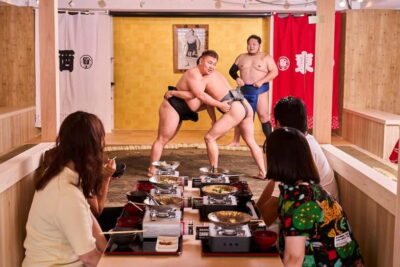
Tokyo Sumo Experience: Chanko & Mochi with a Former Pro
Read our review →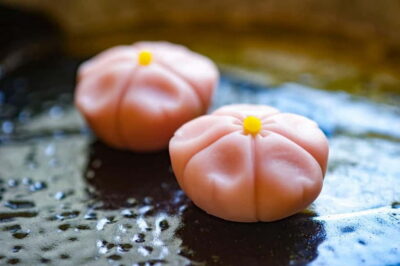
Matcha Making Experience with Mochi Sweets in Asakusa
Read our review →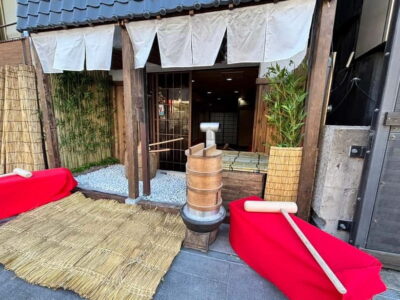
Traditional Mochi Pounding Experience with Tasting
Read our review →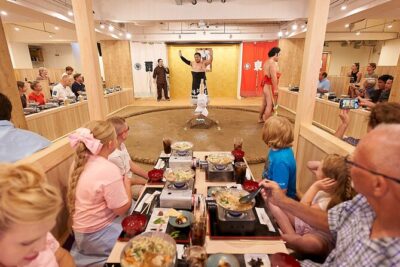
TokyoSumoShow, ChickenHotPot, and Mochi-Pounding by Pro Wrestlers
Read our review →
Private Mochi Sweets Making class near Shibuya area
Read our review →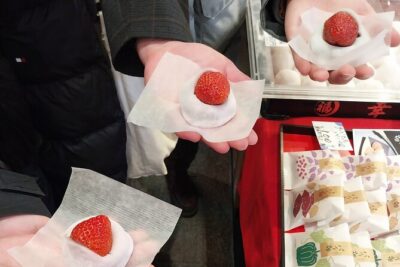
Kyoto Food Tour of 10 Tastings with Wagyu, Mochi & More Surprises
Read our review →
Kyoto Wagashi(Japanese sweets) Cooking Class near Fushimiinari
Read our review →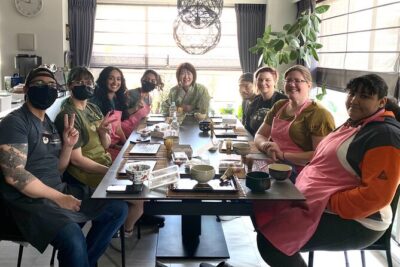
Browse the lists this tour appears in