
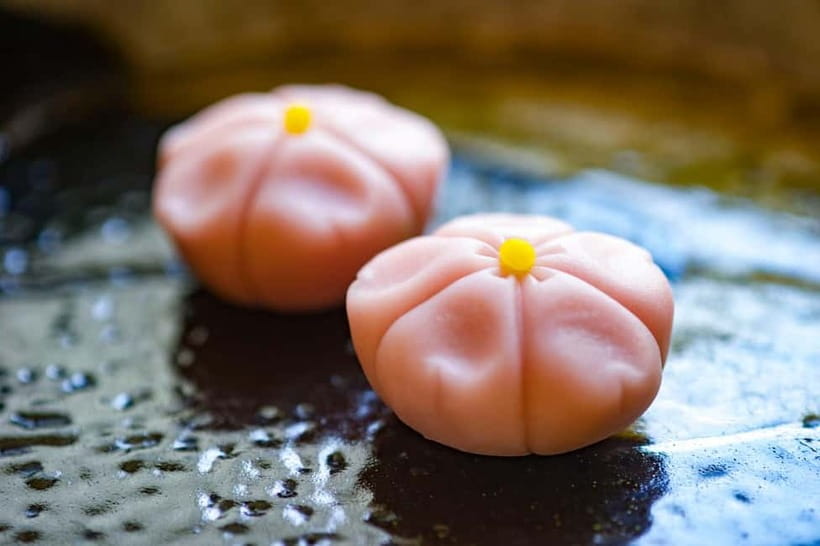
Reviewed · WAGASHI & MOCHI MAKING
Tokyo: Matcha Making Experience with Mochi Sweets in Asakusa
Matcha making in historic Asakusa is interesting because you learn the basics fast, then you actually do it with the tea tools right in front of you, and you finish with a sweet pairing. I love the interactive quiz that turns matcha history into something you remember, and I love how Ken-style hosting makes technique feel simple and fun. One possible drawback is that this is a 1 hour class, so it is not a full, formal tea ceremony.
I also like the practical side: this is an English-led experience with a seated setup, so you can focus on taste and technique without worrying about kneeling. With a 4.9/5 rating from 388 reviews, it has a proven track record for being well organized and easy to jump into.
Key Points You Will Care About
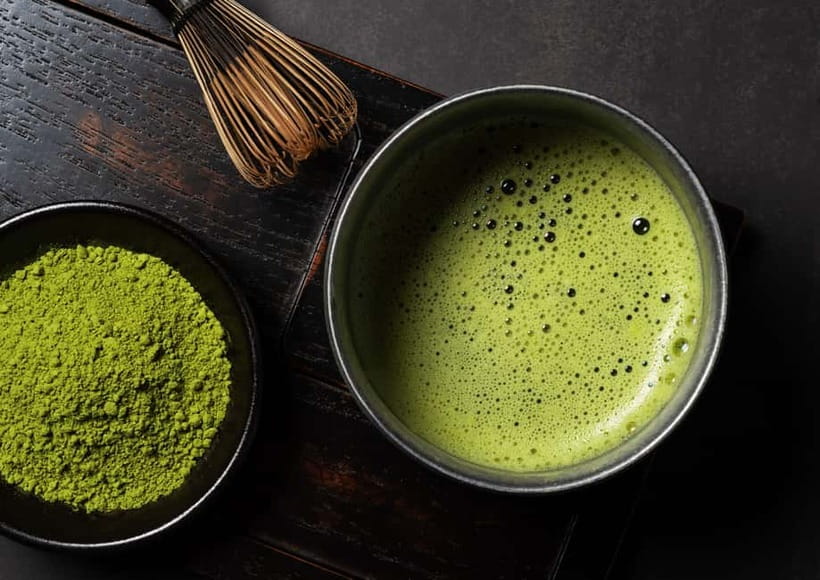
- Interactive matcha quiz keeps the tea story light and memorable before you start whisking
- Seated, not kneeling-based learning helps if you want tea technique without going fully formal
- Hands-on whisking with traditional tools gives you the muscle memory to make matcha later
- Tasting with Japanese sweets and mochi-style pairings shows how matcha changes with sweetness
- English-first instruction from hosts such as Mana, Midori, Hayato, and Honoka
- Very central location in Asakusa near Asakusa Station, close to the Tokyo Skytree area
Matcha and Mochi in Asakusa, the Fast Way to Learn Tea Culture
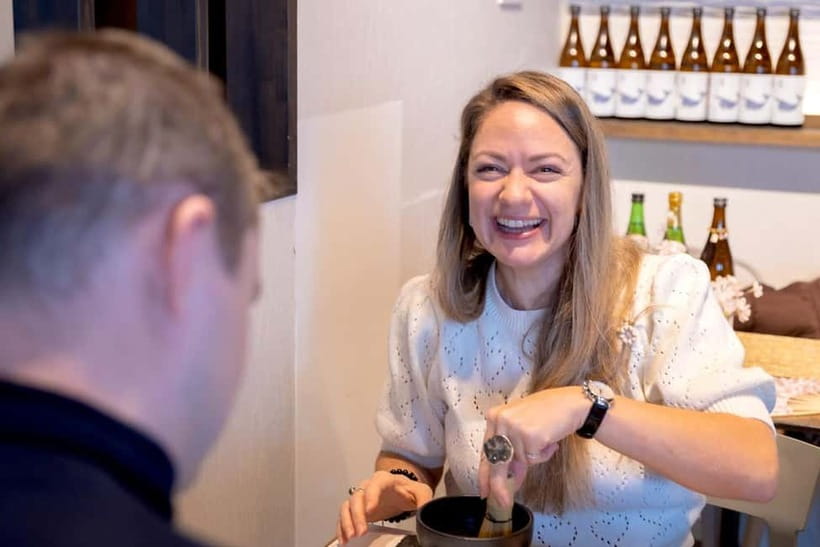
If you have tried matcha at a cafe in Tokyo and wondered what makes it taste right, this is a smart next step. You do not just hear about matcha, you practice it and then taste it with Japanese sweets that make the flavors click.
What I like most is the teaching style. The session is built around an easy, lighthearted quiz about matcha history, then it moves into hands-on whisking with traditional tools. The result is you learn the background without it turning into a lecture, and you get a real sense of the technique because your hands do the work.
The mochi sweets pairing matters too. Matcha can taste earthy and grassy, while sweets add sweetness and texture that help you notice balance. Even if you are not a die-hard tea person, the tasting makes you understand what matcha is supposed to be like on its own, then how it behaves with something comforting.
More Tea Ceremonies in Tokyo
- Matcha Making Class in Tokyo with Authentic Japanese Sweets Set
★ 5.0 · 744 reviews - Tokyo: Traditional Tea Ceremony with a Tea Master
★ 5.0 · 528 reviews - Tokyo: Matcha and Kimono Experience
★ 4.7 · 219 reviews
Getting There at Relink KAMINARIMON, 1 Minute From Asakusa Station
Location is part of the value here. Your meeting point is only about a minute from Asakusa Station, at Relink KAMINARIMON building 6F.
You will be close to major sights in this part of Tokyo, including the Tokyo Skytree area, so this fits well as a planned “food and culture” block rather than a long detour. Also, there is no hotel pickup or drop-off, so you will want to rely on your own transit and follow the meeting instructions.
One practical note: since the class is only 1 hour, arrive a few minutes early. You want time to check in, get settled, and start at the same pace as your group.
The 60-Minute Flow: Quiz, Whisking, and a Sweets Pairing
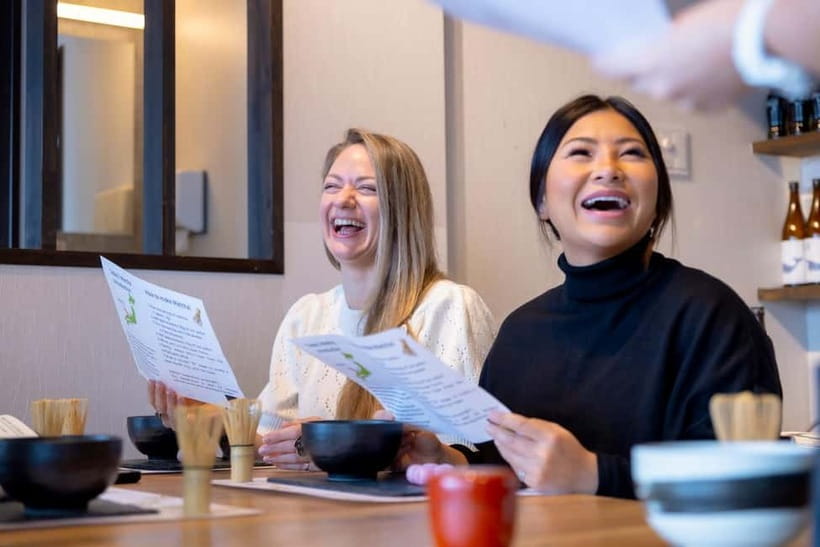
This class is structured to move at a comfortable pace, with a clear arc from story to hands-on to tasting.
1) Warm welcome and an English-friendly setup
From what the session is described like, it is designed to be easy for first-timers. English instructions are part of the core experience, and the format includes seated learning with clear guidance, with some teaching supported by video. That helps you avoid the common problem in demonstrations, where you are trying to translate while also trying to copy the motion.
If you are traveling solo, this also feels manageable. The whole hour is short enough that you are not stuck for long, but long enough that the instructor can explain, guide, and check on your whisking.
More Wagashi & Mochi Making in Tokyo
- Tokyo Sumo Experience: Chanko & Mochi with a Former Pro
★ 4.8 · 567 reviews - TokyoSumoShow, ChickenHotPot, and Mochi-Pounding by Pro Wrestlers
★ 5.0 · 226 reviews - Private Mochi Sweets Making class near Shibuya area
★ 5.0 · 93 reviews - Mochi Making at a Private Studio in Tokyo
★ 5.0 · 54 reviews
2) A matcha history quiz that stays light and memorable
Before you mix anything, you get the background. Expect an interactive, lighthearted quiz that covers matcha history and tea basics in a way that feels like a game.
I like this approach because it gives meaning to what you are about to do. Instead of whisking for the sake of whisking, you understand why the preparation and the etiquette matter, and you start tasting with curiosity rather than guesswork.
3) Whisk your own matcha using traditional tools
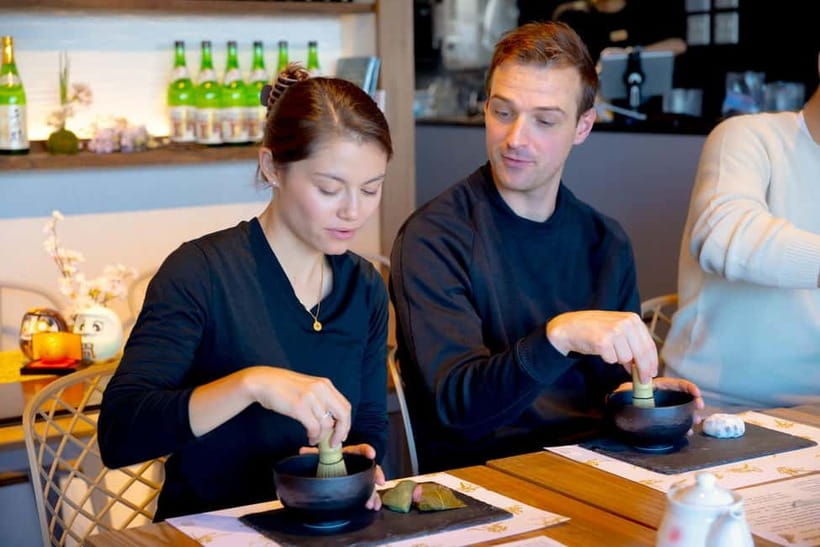
Then comes the main event: you whisk matcha yourself, guided by the instructor. Multiple hosts are described as funny, engaging, and patient, which matters because matcha preparation can feel fiddly the first time.
You learn technique by doing. You are not just watching someone else make tea. Your hands learn the motion, and the instructor can correct your approach if needed.
4) Drink your matcha and eat Japanese sweets
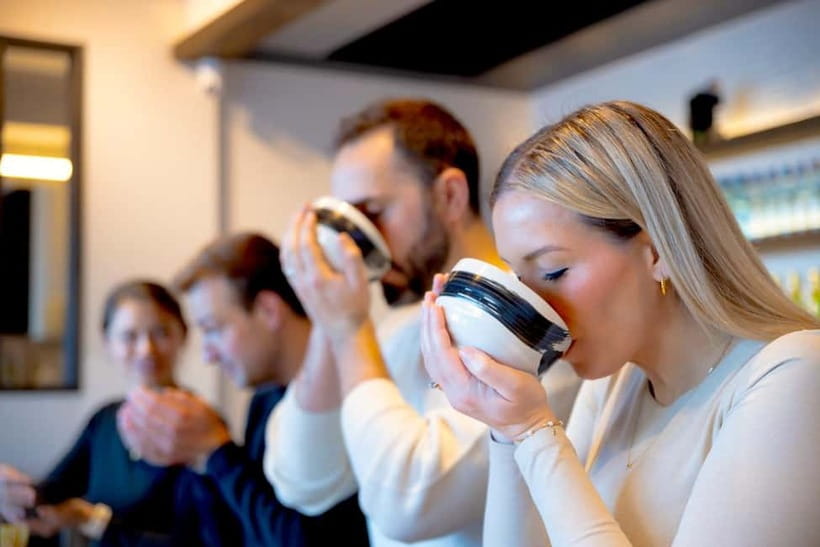
After whisking, you taste what you made. You also eat Japanese sweets alongside the matcha, and mochi-style pairings show up in the experience.
This is where you can really judge the result. Matcha can taste different depending on how it is prepared, and sweets change how you perceive bitterness and aroma. It is also a satisfying end to the hour because you get to enjoy the fruits of your work immediately.
5) Optional time to buy matcha tools
At the end of the class, you may have a chance to buy matcha making equipment. This is useful if you want to keep practicing after you leave Tokyo, because good results depend on the right tools.
Even if you do not buy anything, you will likely leave with enough knowledge to understand what you need if you try at home.
The Hosts Make or Break It, and Here They Do
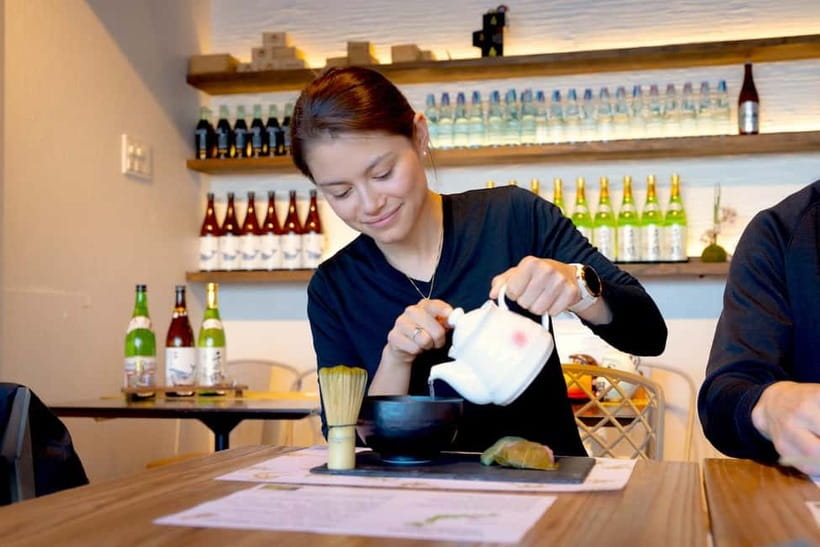
The instructors are the standout feature. People repeatedly describe hosts as funny, engaging, and personable, with a strong focus on explaining things clearly in English.
You will hear names like Ken, Mana, Midori, Hayato, Honoka, Hiyo, Hiho, Yui, Rino, Moe, and Miyu mentioned in connection with guiding the experience. That kind of consistent staff praise usually means the teaching approach is well built, not left to chance.
A few things that come up again and again:
- Interactive pacing so the session does not feel stiff
- Patient coaching when guests are learning the whisk motion
- Relaxed tone that feels friendly rather than overly formal
- Tea etiquette basics explained in a practical way
One detail I especially appreciate: the class is described as being conducted seated, with a format that works even if you cannot adopt the kneeling position typical of some tea ceremonies. That makes it more inclusive without watering down the cultural element.
Price and Value: What You Get for About $22
At $22 per person for a 1 hour class, the value is in three buckets: instruction, ingredients, and the tasting experience.
You get:
- A cooking-style class format
- Ingredients included
- An instructor who guides the process
Because ingredients are included, you avoid the classic downside of some food experiences where you are paying mainly for the venue and instruction, then hit extra costs for what you actually consume.
Also, the location is a big part of convenience. Meeting at Relink KAMINARIMON near Asakusa Station means you are not spending your limited time transferring across Tokyo. When a timeboxed experience like this is done well, being close to transit can be as important as the content itself.
If you want to learn something you can repeat, this class has another hidden value: you leave understanding what good matcha prep feels like and how it tastes with sweets. That is more useful than a photo-only activity.
Who This Class Fits Best (and Who Might Skip It)
I think this works especially well for:
- Matcha lovers who want more than ordering it, they want to make it
- People curious about Japanese tea etiquette and culture, but who want it explained clearly
- Solo travelers who want an hour that is social without being long
- Families, including kids, since the quiz and hands-on format tend to hold attention
- Anyone who prefers seated instruction over kneeling positions
You might consider skipping if:
- You are looking for a longer, fully formal tea ceremony with a slow pace
- You dislike hands-on food activities, since the class centers on whisking and tasting
Also, remember there is no hotel pickup. If you rely heavily on door-to-door transit, plan a short walk or train stop instead.
Tips to Get More From Your Hour
Here are a few ways to make this type of class land better.
First, treat it like practice, not performance. The goal is not perfect matcha on your first whisk. The instructors are there to guide you, and the tasting at the end lets you see improvement quickly.
Second, be ready to slow down for flavor. Matcha has a distinct taste, and sweets change the way you perceive it. Take a small sip, then another with a bite. You will learn more by paying attention than by rushing through.
Third, ask questions while you are whisking. When you are in the moment, it is easier to understand the “why” behind technique and etiquette basics.
Should You Book Matcha Making Tokyo in Asakusa?
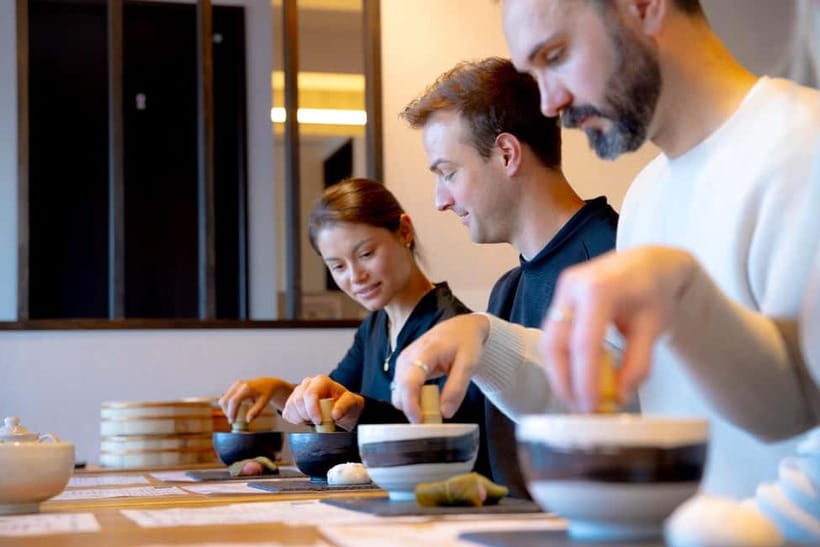
If you want a one hour, English-led, hands-on matcha experience near Asakusa Station, this is a strong pick. The combination of an interactive history quiz, guided whisking, and a sweets pairing hits the sweet spot for most travelers who want something memorable without spending half a day.
I would book it if your ideal Tokyo day includes food with a story and an activity you can repeat later at home. If you only care about looking at things, or you want a full ceremony pacing, then you might want to choose a longer tea experience instead.
Latest write-ups near Tokyo
- Tokyo Customized Private Tour: See Top Attractions in 1 Day★ 4.8 · 67 reviews
- From Tokyo: Top 5 Scenic Spots of Mount Fuji Full-Day Tour★ 4.5 · 67 reviews
- Tokyo: Shinjuku Izakaya and Golden Gai Bar Hopping Tour (2h)★ 4.9 · 67 reviews
- Traditional Japanese Music ZAKURO SHOW in Tokyo★ 5.0 · 67 reviews
- Tsukiji: Unlimited Sake Tasting Experience★ 4.9 · 67 reviews
- Tokyo: Not a show- a professional sumo practice with experts★ 4.9 · 67 reviews
- Samurai Ninja Museum Asakusa: Kid-Friendly Ninja Training★ 4.7 · 67 reviews
- Private Harajuku Omotesando Architecture Walking Tour★ 5.0 · 67 reviews
Wagashi & Mochi Making, compared.
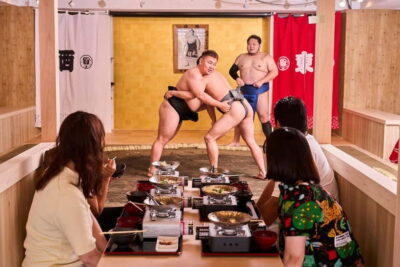
Tokyo Sumo Experience: Chanko & Mochi with a Former Pro
Read our review →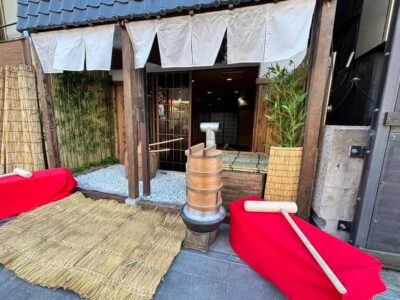
Traditional Mochi Pounding Experience with Tasting
Read our review →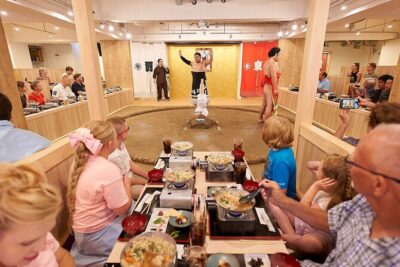
TokyoSumoShow, ChickenHotPot, and Mochi-Pounding by Pro Wrestlers
Read our review →
Private Mochi Sweets Making class near Shibuya area
Read our review →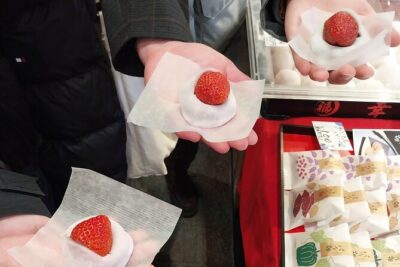
Kyoto Food Tour of 10 Tastings with Wagyu, Mochi & More Surprises
Read our review →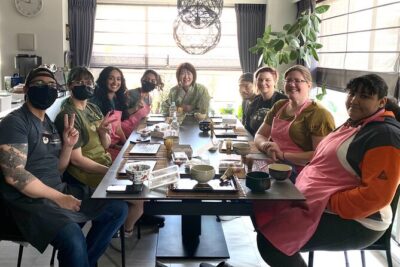
Kyoto near Fushimiinari Wagashi making&Small Group Tea Ceremony
Read our review →Browse the lists this tour appears in