
Reviewed · WALKING TOURS
Tokyo Private Walking Tour With Fresh Eyes, Local Hearts
This experience is interesting because it turns Tokyo sightseeing into a guided day you can actually control. I like the private setup, so you get a calm rhythm instead of being herded. I also like that the itinerary is customizable, so a local guide can steer you toward what you care about. One possible drawback is that some major sights have limits, like the Imperial Palace being outside the main areas and the Kabuki-za visit not including the inside of the main theater.
If you want a first trip that feels organized, this is a smart way to get your bearings. You can do it in as little as 1 hour or go longer (up to about 8 hours), and hotel pickup is offered. Just keep in mind that several gardens list admission as not included, so you’ll want a small extra budget if you add those.
Key things I’d watch for before you book
- A true private guide: only your group joins, and you get undivided attention
- Fresh eyes planning: you skip decision fatigue, your guide builds a plan around your interests
- A stop menu, not a fixed route: you might see Tsukiji, Shibuya, shrines, neighborhoods, and gardens, depending on time
- Some sites are outside-only: Imperial Palace and Kabuki-za main interior are not included
- Admission varies by stop: many are free, but some gardens and shrines say admission not included
A private Tokyo walking tour that saves you from planning overload
Tokyo can feel like a giant menu. This tour helps you pick faster, with a guide who starts by learning what you want to see. The result is simple: you spend less time staring at maps and more time walking the real streets that locals actually use.
The private format matters more than people think. Group tours are efficient, but you also lose control. With your own guide, you can slow down for photos, ask questions on the spot, or swap a stop if your feet or your interests say so. That flexibility is especially useful in Tokyo, where neighborhoods can change from neon chaos to quiet temple lanes in just a few stations.
The other big win is that guides are born and raised in Tokyo. That usually means practical guidance: where to walk to avoid bottlenecks, how to read what you’re seeing, and what to notice beyond the landmark sign.
More Walking Tours in Tokyo
- Tokyo Tsukiji Fish Market Food and Culture Walking Tour
★ 5.0 · 3,184 reviews - Tokyo: Imperial Palace and Shogun Historical Walking Tour
★ 5.0 · 2,251 reviews - Tokyo: Shinjuku Local Bar and Izakaya Guided Walking Tour
★ 4.9 · 1,794 reviews
How the guide turns your interests into a real plan
Right after booking, the team reaches out to talk with you and set your day up. This is not a script that forces everyone into the same template. Instead, your guide can tailor the order and which stops fit your style, whether you’re more into food markets, shrines and temples, shopping streets, or parks.
In one example day, a guide named Toko contacted a family before meeting and built an itinerary for first-time visitors. The plan included history, culture, and local treats, and it landed well even with kids. That’s the kind of practical flexibility you want, because Tokyo can be overwhelming if your plan is too rigid.
Also check the basics that make the day easier:
- Hotel pickup is offered
- You get a mobile ticket
- Walking and public transportation are part of the tour approach
- Service animals are allowed
If you hate surprises, bring a clear idea of what you want, then let the guide handle the rest.
Imperial Palace and Tsukiji: the classic start that feels grounded
A lot of Tokyo itineraries start with the headline landmarks. This one typically balances the big names with nearby texture, so the day doesn’t feel like a checklist.
Stop: Imperial Palace (public areas only)
You’ll visit the Imperial Palace area, and entry is limited to certain public sections. The key context is that the current palace sits on the former site of Edo Castle, which adds extra meaning to the walls, moats, and surrounding grounds you’ll see from public viewpoints.
What I like here is the way it sets a tone. You get an early sense of Tokyo as a city shaped by long timelines, but you don’t get stuck waiting for access that isn’t included.
Potential drawback: since the inside isn’t part of the visit, set your expectations for exterior views and the public grounds.
A change of pace from Tokyo:
- Mt Fuji and Hakone 1-Day Bus Tour Return by Bullet Train
★ 5.0 · 26,383 reviews - 1-Day Tokyo Bus Tour
★ 5.0 · 14,250 reviews - Tokyo: TOKYO SKYTREE® Admission ticket
★ 4.5 · 11,192 reviews - Tokyo: teamLab Planets TOKYO Digital Art Museum Entry Ticket
★ 4.6 · 9,779 reviews
Stops: Tsukiji Outer Market and Tsukiji Fish Market (quick, food-focused)
Tsukiji is split into two different experiences.
Tsukiji Outer Market is historic and compact, with more than 400 shops and stalls. It’s built for wandering, snacking, and breakfast-style browsing. If you want to taste Tokyo instead of just photographing it, this is where you do it.
Tsukiji Fish Market (the inner area) is described as a hidden gem, even for some Japanese people. The outer market is easier for general street-food browsing, while the inner market visit can feel more specific and tightly focused.
Both stops are short, so you won’t do everything. That’s okay. You’re here for the vibe and the best bites you can choose fast.
Practical tip: if you’re doing food at both Tsukiji stops, pace yourself. You’ll want time to actually taste what you buy, not just keep buying.
Shibuya Crossing, Meiji Jingu, and Kabukiza: modern energy meets tradition
Tokyo’s contrast is real. This chunk of the day shows it quickly.
Stop: Shibuya Crossing
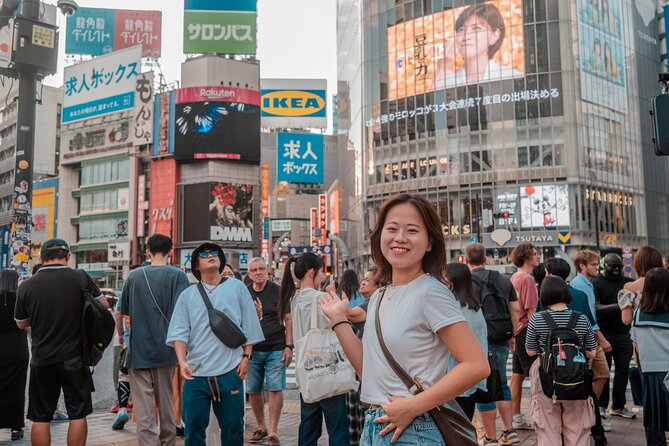
Shibuya Crossing is one of the most famous street crossings on earth, and it’s famous for a reason. It’s known as an international area for youth culture, fashion, and entertainment. Watching the flow of people cross in waves gives you a real feel for how Tokyo moves.
Good for: first timers and anyone who wants one iconic city moment early or mid-day.
Stop: Meiji Jingu Shrine
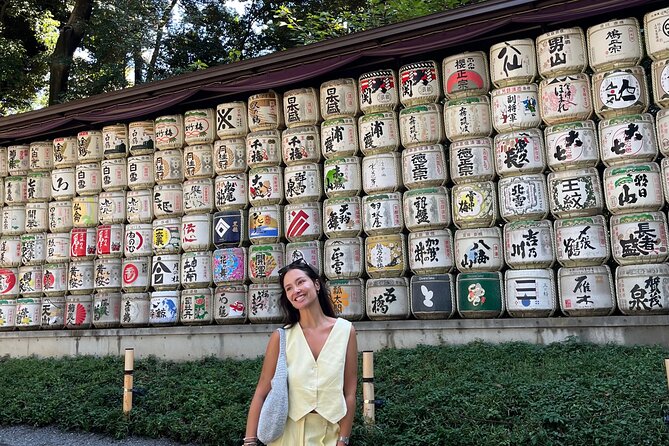
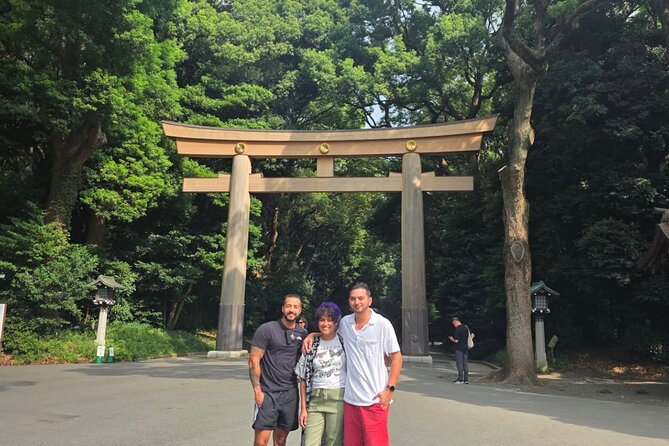
Then you step into a different Tokyo world. Meiji Jingu Shrine is culturally significant and was built in 1920. It was established in honor of Emperor Meiji and Empress Shoken, based on strong requests from after the emperor’s death.
What I like about this stop is the contrast with Shibuya. You go from dense city energy to a shrine setting that gives you a mental reset.
Stop: Kabukiza Theater (gallery visit, main interior not included)
Kabuki is iconic, but this tour visit does not include access to the inside of the main Kabuki-za theater. Instead, you’ll visit a gallery located on a different floor within the same building.
That matters because it changes what you experience. You get cultural context and museum-style viewing, but you’re not seeing the main interior stage.
If you love performance arts, this still works well as a taste, especially when paired with nearby shrine and city-change moments.
Senso-ji and Asakusa: old Tokyo you can actually walk through
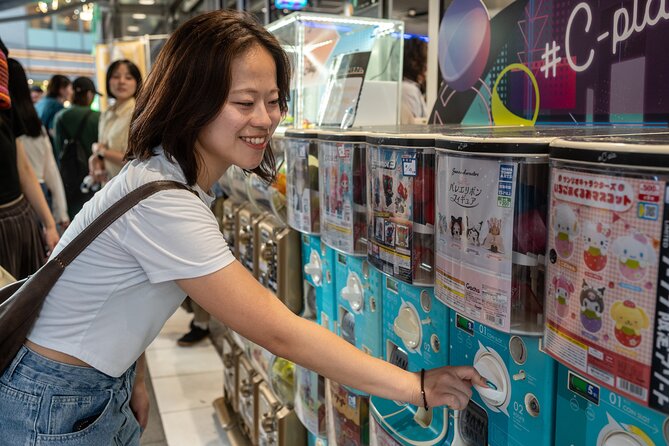
Asakusa is where you can feel Tokyo’s past without needing a time machine. This part of the tour pairs Senso-ji Temple with time in the surrounding area.
Stop: Senso-ji Temple
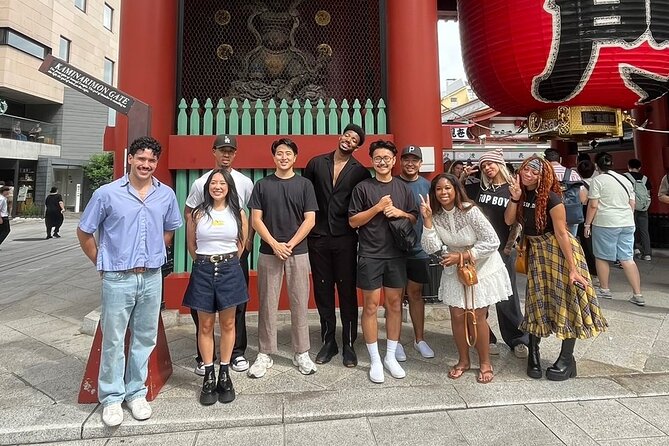
Senso-ji is described as the oldest temple in Tokyo and one of its most beloved landmarks. The origin story includes the legend of two fisherman brothers who discovered something important, which adds a human, story-based layer to the place as you walk in.
The practical win: it’s a place where people naturally slow down. Even with a scheduled stop length, the area invites you to notice details.
Stop: Asakusa (walk the neighborhood lanes)
Asakusa is the neighborhood texture around the temple, with lively streets full of local character. You’re not just looking at one building, you’re moving through a section of Tokyo where tradition still feels visible in everyday street life.
If your group likes photos, this is where you’ll shoot a lot. If your group prefers shopping and snacking, it’s also a good fit.
Shinjuku Gyoen, Golden Gai, and Akihabara: Tokyo by mood
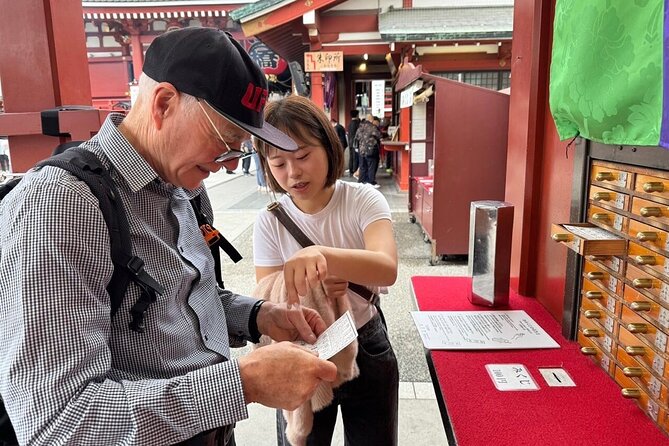
Tokyo isn’t one city mood. It’s several, sometimes in the same evening.
Stop: Shinjuku Gyoen National Garden (admission not included)
This garden is an oasis of greenery in the heart of Tokyo. It was originally built as an imperial garden and is now open to the public. The emphasis here is on the escape from hustle, plus seasonal changes.
Potential drawback: admission is listed as not included, so check your budget if you add this stop.
Stop: Shinjuku Golden Gai (nightlife alley feel)
Golden Gai is a one-of-a-kind nightlife district packed into narrow alleyways, with over 300 tiny bars. The streets are extremely narrow and the buildings are traditional two-story structures.
This is a great stop for atmosphere. It’s not a place for big daytime wandering like a park, so timing matters. If your day includes early evening, it can work nicely.
Stop: Akihabara (pop culture and shopping streets)
Akihabara is Tokyo’s hub for cutting-edge pop culture, with electronics shops, anime, manga, and gaming stores lining the streets.
What I like: your guide can help you navigate it without getting lost in the noise. For some people, Akihabara is overwhelming in a fun way. A guide keeps it from becoming aimless shopping.
Parks and gardens: breaks that make the day feel longer
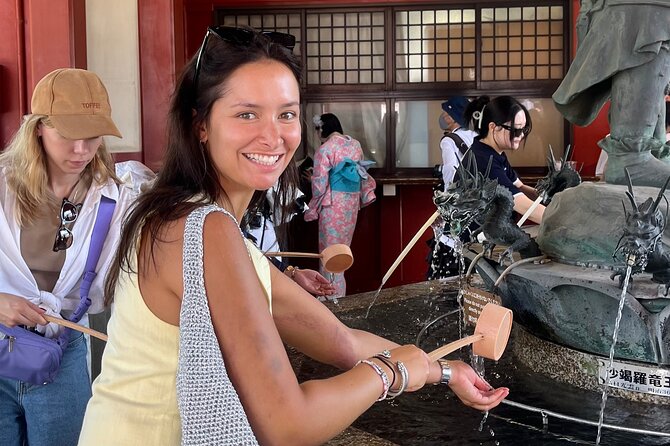
This tour has multiple green options, and they’re not just filler. They help you reset, and they also give you variety. Tokyo can be all concrete all day if you let it.
Here are garden stops that may appear depending on your time and interests, with a note on admission where provided:
Hamarikyu Gardens (admission not included)
Hamarikyu is an Edo-period garden along Tokyo Bay. It features ponds and tidal gardens, plus seasonal flowers. The contrast between greenery and the bay area is part of the appeal.
Koishikawa Korakuen Garden (admission not included)
This is an Edo-period garden with a harmonious mix of history and nature, including ponds, small bridges, and hills.
Rikugien Garden (admission not included)
Rikugien is a famous feudal-era garden. It’s especially beautiful during cherry blossom season in spring and autumn foliage.
Yoyogi Park (free)
Yoyogi Park is a large urban park popular for jogging, picnics, and events. Seasonal trees make it a great pause between dense neighborhoods.
Kiyosumi Teien (admission not included)
Kiyosumi Teien is a strolling garden centered on a pond. It’s described as calm and peaceful even though it’s in the city.
A key practical point: gardens are where you’ll benefit from the guide’s pacing. If you’re trying to see too many indoor places and too many shopping streets, these breaks keep you from burning out.
Harajuku, Takeshita Street, and quiet shrine time
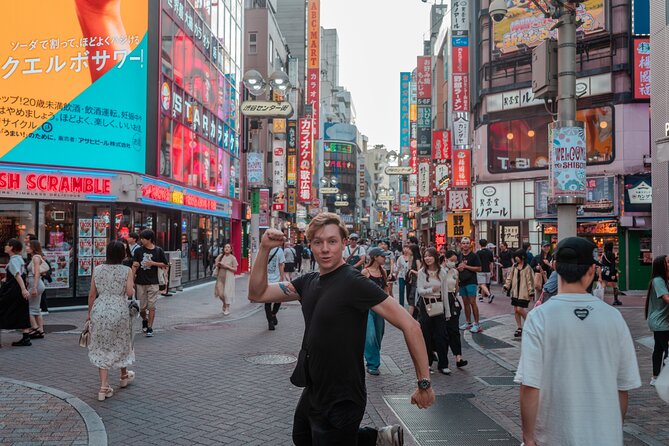
If you want Tokyo’s playful side and not just the famous monuments, this section is a good mix.
Stop: Takeshita Street (free)
Takeshita Street is known as a center of kawaii culture. It’s packed with shops selling fashion, accessories, sweets, and character goods.
This stop is ideal if you want colorful people-watching and quick shopping. It can get busy, so keep a practical mindset: go in with a short shopping list, or just browse.
Stop: Nezu Shrine (free)
Nezu Shrine is famous for its azalea flowers. It has serene grounds, traditional architecture, and lush greenery. Seasonal blooms are part of the appeal.
If Takeshita is your loud Tokyo moment, Nezu Shrine is your quiet reset.
Stop: Kiyosumi Teien (admission not included)
If your schedule allows, adding a stroll garden after Harajuku and Nezu can turn your day from shopping heavy into balanced sightseeing.
Tokyo Tower, Zojo-ji, and Ueno Park for skyline and culture
Not every highlight has to be a temple. This route uses skyline and museums energy too.
Stop: Tokyo Tower
Tokyo Tower is described as iconic, and it offers panoramic city views. At night, it’s illuminated, making the skyline look extra dramatic.
Consideration: this stop can shine more in the evening, so plan your timing if you care about night views.
Stop: Zojo-ji (free)
Zojo-ji is a historic Edo-period temple and the family temple of the Tokugawa clan, where several Tokugawa shoguns are enshrined.
This connects nicely after Tokyo Tower because the whole area gives you a mix of skyline and old power centers.
Stop: Uenokoen (free)
Ueno Park is a cultural and natural hub with museums, art galleries, and a zoo. In spring, cherry blossoms draw large crowds.
If your group likes museum breaks or just wants a wide-open walking area, Ueno Park is a strong choice.
Temple cat mythology at Gotokuji, then Kanda Shrine for local perspective
Tokyo has a lot of shrine and temple visits that feel repetitive unless you add a story. These two stops come with built-in stories.
Stop: Gotokuji Temple (free)
Gotokuji Temple is known as the birthplace of the maneki-neko, the beckoning cat. You’ll also find historic temple grounds and gardens, plus traditional buildings.
This is a good stop if you like cultural myths and want a reminder that everyday Japanese icons often have real places behind them.
Stop: Kanda Shrine (admission not included)
Kanda Myojin is described as a historic Shinto shrine with over 1,300 years of history. It’s known as one of Tokyo’s traditional guardian shrines, protecting central areas like Kanda and Nihonbashi.
If you want the feeling of Tokyo as a functioning spiritual city, this is a meaningful choice.
Planning your day: how many stops to choose without getting tired
The big advantage here is that you can tailor the schedule. But there’s also a temptation: too many short stops can feel like speed-running Tokyo.
A good rule is to pick a theme first, then match the stops to your theme. For example:
- If you love food and markets, build around Tsukiji Outer and Tsukiji Fish, then add one major neighborhood like Shibuya
- If you want shrines and temples, prioritize Meiji Jingu, Senso-ji, Zojo-ji, and finish with Gotokuji
- If you want modern Tokyo, use Shibuya, Akihabara, and Takeshita Street, then balance with a garden like Yoyogi or Kiyosumi Teien
- If you want a picturesque pace, sprinkle in parks and gardens, even if they add admission costs
Also pay attention to what is and is not included. The tour does not include inside access for the Imperial Palace and does not include inside the main Kabuki-za theater. Several gardens and some shrines list admission not included, while many other stops list free entry.
Price and value: is $26.36 per person a good deal?
The listed price is $26.36 per person, and the tour is private. That alone can make the value feel better than a basic group tour.
Here’s what you should weigh for value:
- You get a private guide, and the day is customizable around your interests
- You get walking and public transportation included as part of the tour approach
- Hotel pickup is offered
- Many stops are listed with admission ticket free
Where cost can creep up is admission for gardens (like Shinjuku Gyoen, Hamarikyu, Koishikawa Korakuen, Rikugien, and Kiyosumi Teien) and any listed “admission not included” items. Public transportation transportation fees are also listed as not included, though the tour includes walking and public transport as part of the plan.
So I’d treat the $26.36 as a strong base price for expert guidance and a well-run route, and then budget a little extra if you choose multiple paid gardens.
Should you book this private Tokyo walking tour with Exploring Tokyo?
Book it if you want an easy way to experience a lot of Tokyo without planning every step yourself. It’s a great fit for first-time visitors, couples, families, and anyone who likes the idea of a guide like Toko starting with your interests and building the day around them.
Skip it, or at least adjust expectations, if you want full inside access everywhere. The Imperial Palace visit is limited to public areas, and the Kabuki-za main interior is not included. Also, if you dislike paying additional entry fees, you may want to focus more on the stops listed as free and fewer of the gardens marked as admission not included.
If you like walking, short scenic breaks, and changing neighborhood moods, you’ll likely enjoy how this tour helps Tokyo make sense fast.
FAQ
Is this tour private or shared?
This is a private tour/activity, and only your group will participate.
How much does the tour cost?
The price is listed as $26.36 per person.
How long is the tour?
The duration is listed as 1 to 8 hours, approximately, depending on what you choose.
Can the itinerary be customized?
Yes. The tour is described as customizable, and you can make requests for the itinerary.
Does the tour include hotel pickup?
Yes, hotel pickup is offered.
Are transport and walking included?
The tour includes walking and public transportation. Public transportation transportation fees are not included, though.
Are meals included?
Meals are not included.
Which stops include admission, and which do not?
Some stops are listed as admission ticket free (like Imperial Palace public areas, Tsukiji areas, Shibuya Crossing, Meiji Jingu, Senso-ji, and several others). Some gardens list admission as not included (like Shinjuku Gyoen National Garden, Hamarikyu Gardens, Koishikawa Korakuen, Rikugien Garden, and Kiyosumi Teien). Kabuki-za and the Imperial Palace are also described as not including inside access for the main areas.
What is the cancellation policy?
Free cancellation is offered. You can cancel up to 24 hours in advance for a full refund. If you cancel less than 24 hours before the experience start time, the amount paid will not be refunded.
Latest write-ups near Tokyo
- Tokyo Nights: Shibuya Photo Adventure★ 5.0 · 20 reviews
- Wagyu & Sake 8 Course Tasting Dinner in Shinjuku★ 4.9 · 20 reviews
- Making Japanese desserts Nerikiri & drinking matcha in Tokyo★ 5.0 · 20 reviews
- Mt. Fuji 5th Station, Owakudani Ropeway, Pirate Ship plus Outlet shopping!★ 4.5 · 20 reviews
- Japanese Whisky Hunting《HIGH-QUALITY-ONLY》Rare Tasting Class★ 5.0 · 20 reviews
- Kintsugi Experience with Arita Ware in Tokyo (English Guide)★ 4.8 · 20 reviews
- This is Asakusa! A Tour Includes the All Must-Sees!★ 5.0 · 20 reviews
- Tokyo: Karate Experience with Former All-Japan Champion★ 5.0 · 20 reviews
Walking Tours, compared.
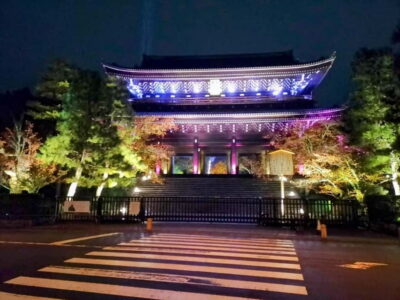
Kyoto Geisha Walking Tour: Gion District & Hidden Gems
Read our review →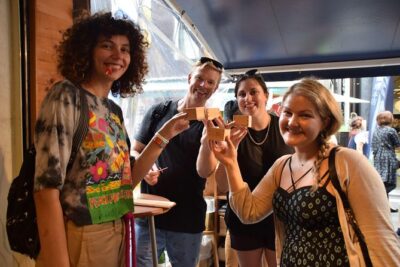
Tokyo Tsukiji Fish Market Food and Culture Walking Tour
Read our review →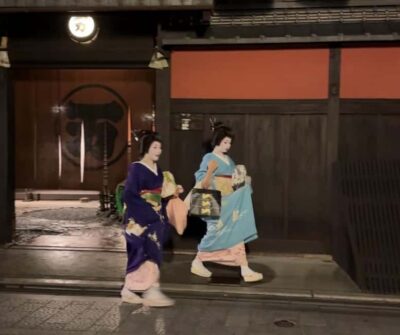
Gion Magical Night Walking Tour with Geisha Trivia
Read our review →
Imperial Palace and Shogun Historical Walking Tour
Read our review →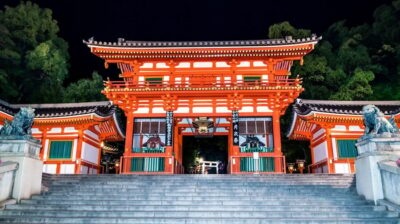
Gion Geisha District Walking Tour – Stories of Geisha
Read our review →
Shinjuku Local Bar and Izakaya Guided Walking Tour
Read our review →
Browse the lists this tour appears in