
Reviewed · TEMPLE & SHRINE TOURS
Tokyo: Asakusa Walking Tour with Sensoji Temple Visit
This walk is interesting because it turns Tokyo into a story you can follow on foot, starting at the Kaminarimon Thunder Gate and moving through old-school Asakusa. You get a guided route that connects temple life, street shopping, and shrine culture in one smooth morning.
I love how the guide brings the big sights into focus, especially the Sensō-ji experience and why people come here. I also love the way the walk balances sightseeing with practical street time, so Nakamise shopping feels fun, not frantic.
One possible drawback: Asakusa can be crowded, and a 2 hour tour means you will not have hours to shop or wander off on your own. If you hate crowds or want long shopping sessions, you may feel a bit time-pressed.
Key highlights you will care about
- Kaminarimon Thunder Gate start: the easiest place to orient yourself, right at the action
- Sensō-ji Temple visit: photo stop plus time inside the complex with cultural context
- Nakamise Shopping Street: historic shopping lanes where your guide helps you spot what matters
- Incense ritual time: you will get a chance to experience temple traditions up close
- Asakusa Shrine stop: a second sacred stop that rounds out the neighborhood’s spiritual mix
- Finish at Azuma Bridge: a practical landing spot for lunch and an onward stroll
Why Asakusa Feels Like Old Tokyo on Foot (and Not Just on a Map)
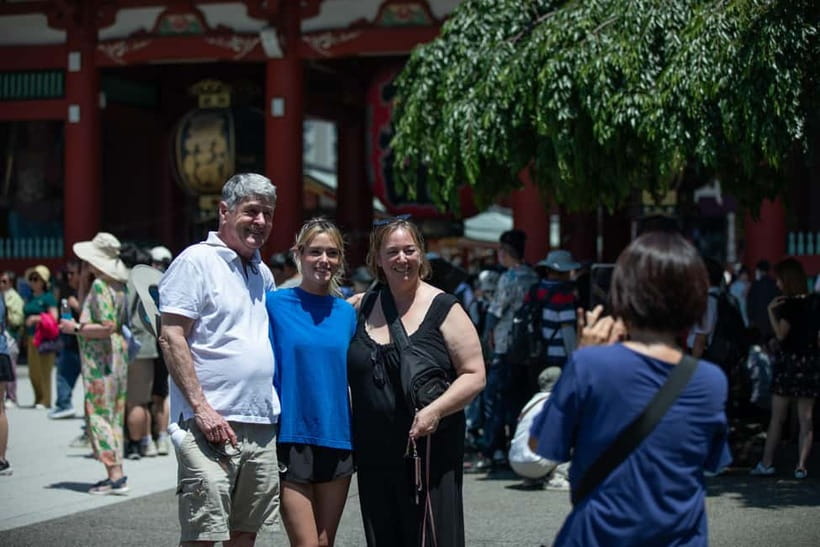
Asakusa is one of those parts of Tokyo where you can actually see history moving. The streets look like they have been hosting visitors for generations, and the sights do not feel like theme park copies. A guided walk matters here because the meaning is woven into what you are standing in front of.
I like that this tour keeps the focus tight. You are not bouncing all over the city, you are learning one neighborhood deeply enough to understand it. That also makes the time feel efficient, since you are walking a short route with clear stops.
You can do Asakusa on your own, of course. But if you want to understand why Sensō-ji is such a big deal and how the street culture connects to the temples, a guide gives you shortcuts. The best part is you are learning while you are moving, so it does not turn into a lecture marathon.
More Temple & Shrine Tours in Tokyo
- Tokyo: Meiji Shrine, Asakusa, Skytree Bus Tour and Cruise
★ 4.7 · 1,986 reviews - Nikko: Kegon Falls, Lake Chuzenji & Toshogu Temple
★ 4.6 · 1,577 reviews - Tokyo: Nikko Toshogu Shrine and Kegon Waterfall Tour
★ 4.5 · 1,266 reviews
Meeting at Kaminarimon Gate, Then Getting Your Bearings Fast
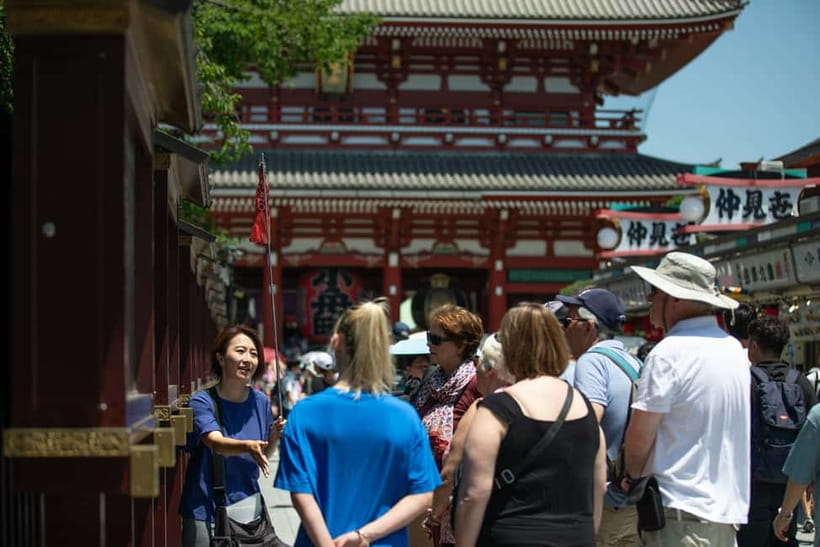
The meeting point is right where the tour actually begins in real life, in front of Kaminarimon Gate. The guide waits on the left side of the gate, near the Tokiwado Kaminari-okoshi Honpo shop, and holds a sign so you can spot them quickly.
This is smart. In a place full of signs, stalls, and foot traffic, starting at a major landmark reduces stress. You do not waste your first minutes searching for your group.
One note that keeps your morning running smoothly: do not be late. The tour explicitly warns that the guide cannot hold things up for late arrivals. If you are coming from another Tokyo stop, build in buffer time, because you will be walking through a busy pedestrian area.
Thunder Gate First: Turn a Famous Photo Into Real Understanding
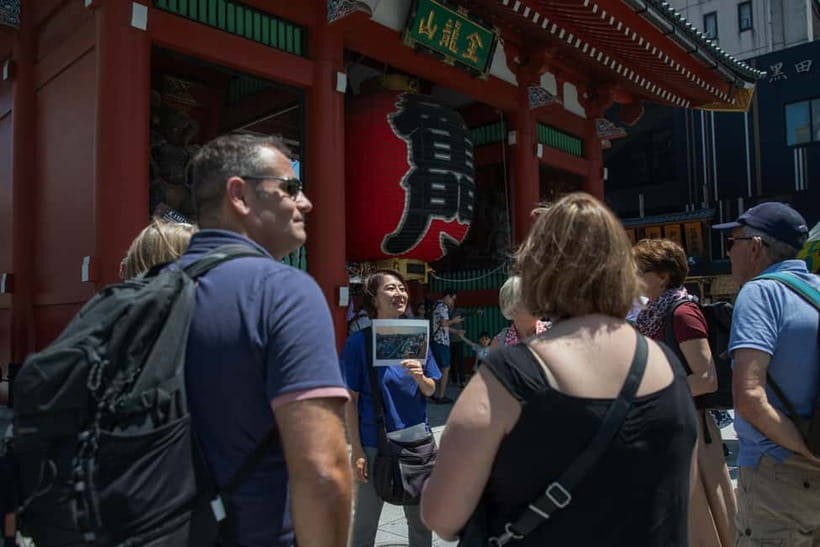
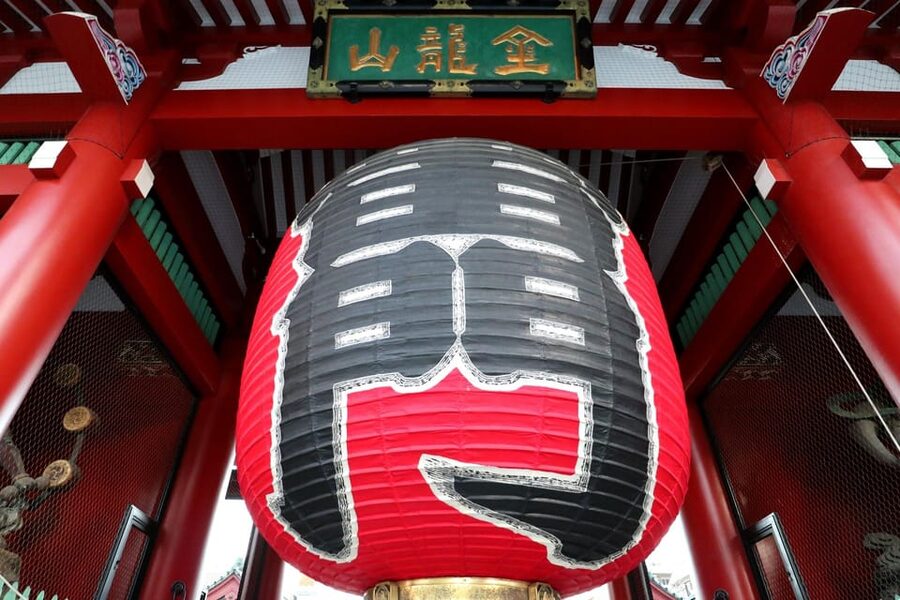
You begin with Kaminarimon, the Thunder Gate, and you get a short guided moment there. It is not just a dramatic entrance for selfies. Your guide explains what you are looking at and helps you connect the gate to the larger temple world you are heading into next.
This matters because the Thunder Gate is one of those landmarks people recognize instantly. Without context, it can stay a photo backdrop. With context, it becomes a doorway with meaning, and you notice details you would otherwise walk past.
After that, you head toward the shopping street route. The pacing is built so you do not feel dropped into chaos. You get guided transitions from one scene to the next, which is exactly what you want in a crowded area.
Nakamise Street: Shopping Lanes That Feel Historic for a Reason
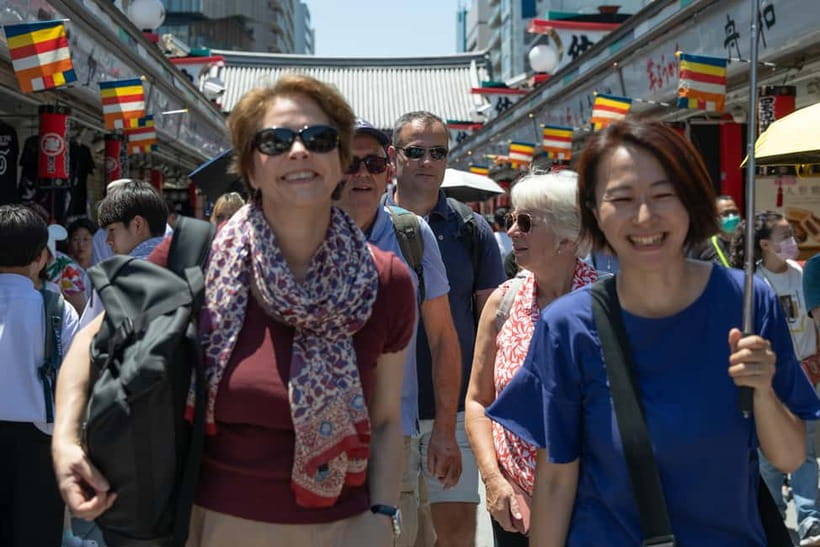
Next comes Nakamise Shopping Street, one of the oldest shopping streets in Japan. This is where your guide earns their keep. Instead of letting you wander until you are tired and hungry, the tour guides you through what this street represents and what to watch for.
I like this part because it is visual. You are surrounded by craft stalls, traditional-style shops, and lots of snack and food energy. Even if you do not plan to buy much, the street gives you a feel for everyday tourist life here, not just ceremony life.
You also get time to slow down for a short guided walk. Then you hit a key stop at Sensō-ji where the story shifts from street culture to sacred space. That contrast is a big part of why this tour works.
More Walking Tours in Tokyo
- Tokyo Tsukiji Fish Market Food and Culture Walking Tour
★ 5.0 · 3,184 reviews - Tokyo: Imperial Palace and Shogun Historical Walking Tour
★ 5.0 · 2,251 reviews - Tokyo: Shinjuku Local Bar and Izakaya Guided Walking Tour
★ 4.9 · 1,794 reviews - Tokyo: Tsukiji Fish Market Food and Walking tour
★ 5.0 · 1,724 reviews
Sensō-ji Temple: Incense, Photo Stops, and Learning How People Behave Here
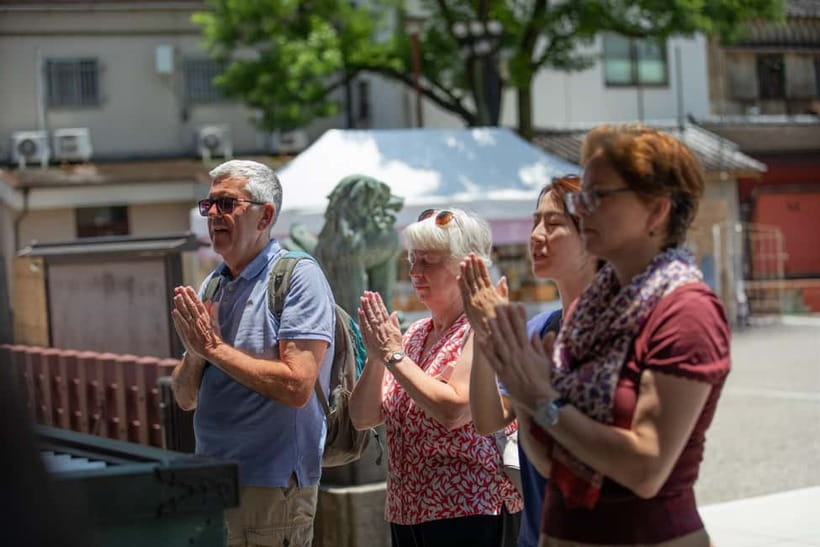
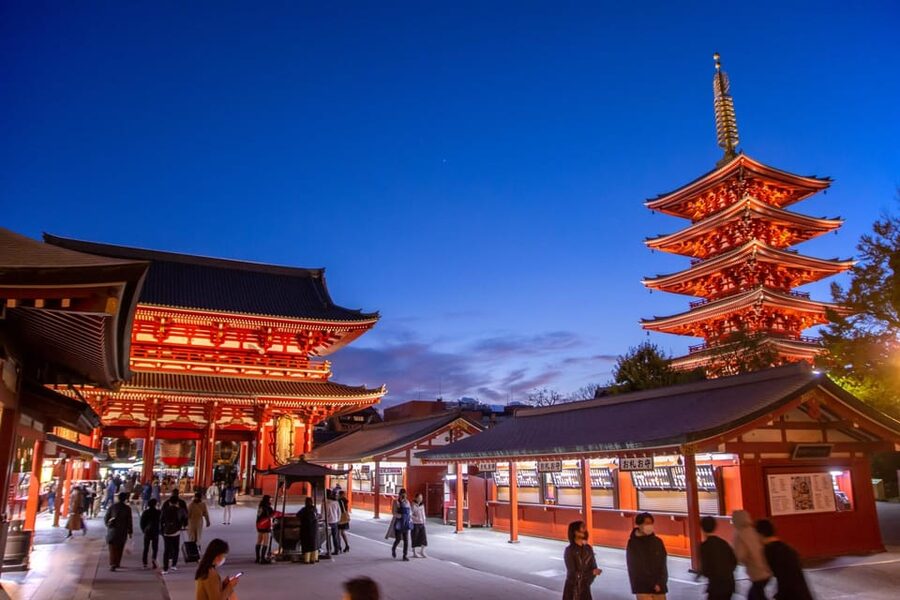
Then you reach Sensō-ji Temple, also called Asakusa Kannon, and the tour gives you a photo stop plus guided time inside the temple area. Sensō-ji is Tokyo’s oldest Buddhist sanctuary, so it is not a random stop. It is the anchor that gives Asakusa its identity.
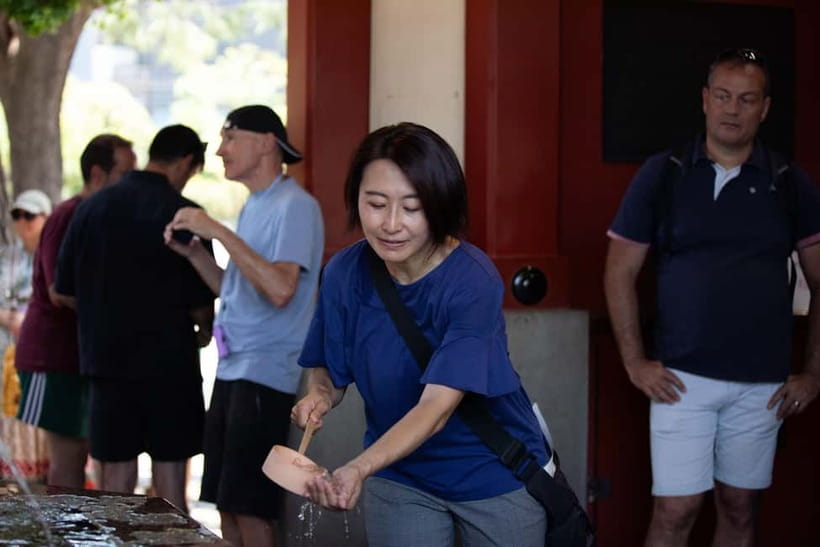
One of the best parts is the chance to experience a temple tradition. The tour includes time to partake in incense-burning rituals, so you are not only viewing things from the outside. A guide helps you understand the etiquette so you do not feel lost in the ritual flow.
You also get cultural context along the way. The guide is there to explain what you are seeing, including architectural details and the stories tied to the place. That transforms the visit from I saw a temple into I understand what this temple is and why it draws people.
Practical reality check: temple complexes can mean crowds, lots of people moving in different directions, and frequent stops for photos. The guided pace helps, especially in a place where everyone wants the same view at the same time.
Asakusa Shrine Stop: A Second Sacred Perspective in One Short Walk
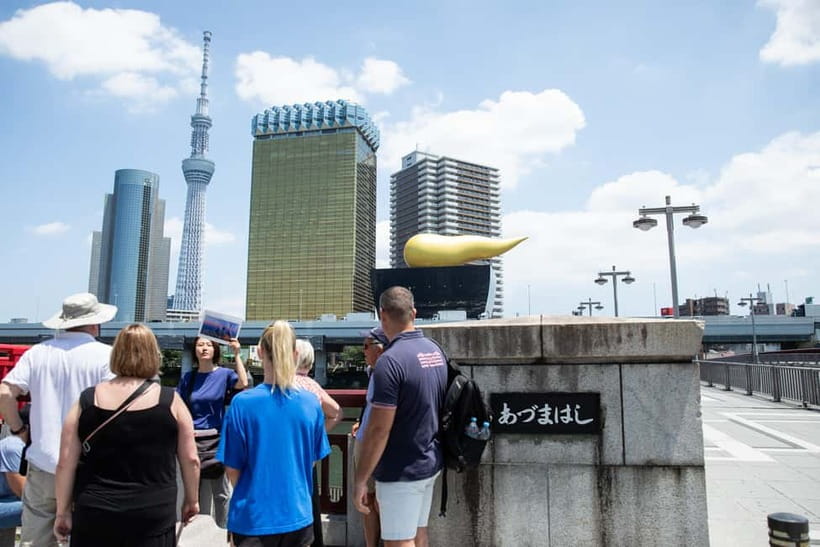
After Sensō-ji, the tour includes Asakusa Shrine with a photo stop and guided visit time. This is a smart add because it gives you another lens on local belief. You are not only learning one religious tradition in isolation.
The guide points out what to look for and helps you connect the shrine setting to the neighborhood rhythm. Even if you are not a religious traveler, you will come away with a stronger sense of why sacred spaces shape how people move through the area.
This stop also helps the tour feel complete. You are walking through Asakusa, yes, but you are also stepping through layers of cultural meaning. That is what makes the whole morning feel like more than just a sightseeing checklist.
Hoppy Street and Shin-Nakamise: Where the Vibe Shifts Back to Everyday Life
Then you head into Hoppy Street, followed by time at the 浅草新仲見世商店街 (Shin-Nakamise Shopping Street). These stops shift the mood from big landmark energy to smaller, more local-feeling street culture.
Hoppy Street is a short guided visit, which is good because you do not want to get street fatigue. You want a taste, a sense of place, and a reason to keep exploring after the tour ends. Your guide helps you spot what is characteristic here, not just what is popular.
Shin-Nakamise adds another shopping layer. It is part of the same overall Asakusa shopping spine, but it feels distinct enough to keep your walk interesting. This is where you can pick up simple souvenirs or just enjoy the contrast between the most famous streets and the adjacent ones.
Finishing at Azuma Bridge: A Clean Ending Point for Lunch and Onward Strolls
The tour ends at Azuma Bridge. This is practical. It gives you a clear finish line after a walk that covers major sights and a couple of shopping streets.
Azuma Bridge also works as a natural transition to your next move. People often use it as a jumping-off point to grab food nearby and keep exploring at their own speed. The tour duration is 2 hours, so it tends to land in a good window for the rest of the day.
I like ending somewhere that is easy to navigate afterward. Too many walking tours end in a maze of side streets where you start second-guessing how to get anywhere else.
Price and Value: Why $22 Can Feel Like a Deal in a Crowded Area
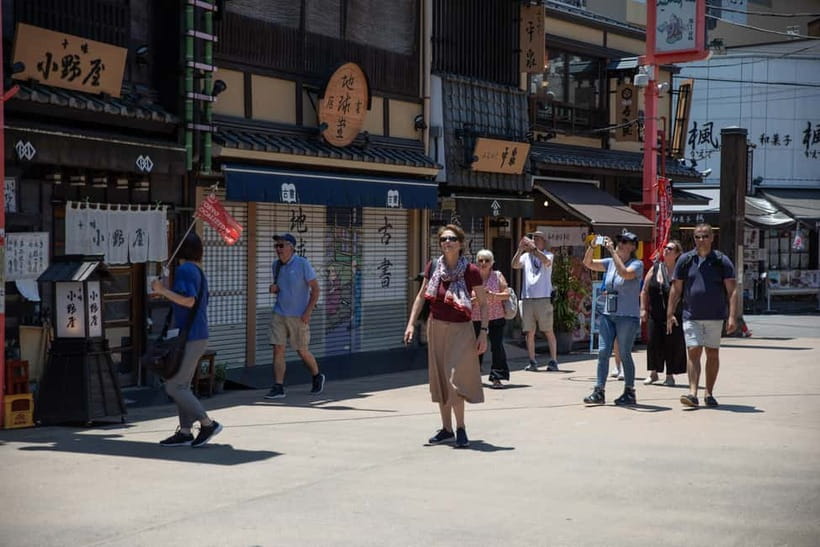
At $22 per person for a 2 hour guided walking tour, this is priced in a way that makes sense for most first-time visitors. The cost is low enough that you are not paying big-money for a bus ride you did not ask for. You are paying for guide time, and more importantly, for the context that saves you time figuring things out solo.
In busy areas like Asakusa, a guide also reduces friction. You do not spend your energy decoding what each landmark is, how it connects, and what is worth noticing. Your time stays focused.
From what I’ve seen in recent bookings, the guides bring a consistent style. English-speaking guides like Paulina, Hikoro, Keiko, Polina, Aya, Loc, and Glenda have led groups, and the common thread is how much they explain while keeping the pace comfortable. People also highlight that guides answer questions clearly and use humor, which helps the information stick.
If you are traveling with kids or a teen, this kind of guided pacing can be a win too. One standout detail from recent feedback is how guides stay patient and adapt what they point out so younger visitors stay interested.
Who This Tour Suits Best (and Who Might Skip It)
This tour is a great fit if you want a solid Asakusa introduction in a short time. You like walking, you enjoy temples and street culture, and you want your questions answered without having to research your way through Google maps.
It is also a smart choice if you feel overwhelmed by crowd energy. A guide helps you move through the most important zones without turning your morning into a stop-start scramble.
You might skip it if you want long, independent shopping time. The route is packed into 2 hours with planned photo and guided stops, so you will not have hours to browse every stall.
You might also skip if you do not care about understanding the meaning behind what you see. If you mainly want wandering and buying, you could do Asakusa on your own. But even then, starting at Kaminarimon with context can upgrade your experience fast.
Should You Book This Asakusa Walking Tour?
Book it if you want Sensō-ji, Nakamise Street, and the surrounding shrine and shopping streets handled in a way that is easy and informative. The guide-led structure is what makes the time work, especially in a crowded neighborhood where small mistakes waste minutes.
Skip it if your main goal is purely shopping or you want a very slow, freeform walk with no set stops. A 2 hour tour is a sprint, not a marathon.
If you are a first-time Tokyo visitor, or a second-timer who wants a calmer, more meaningful Asakusa visit, this one is a strong choice. It gets you oriented fast, and it helps you see why people keep coming back to this part of the city.
FAQ
What is the duration of the Tokyo Asakusa walking tour with Sensoji Temple visit?
The tour lasts 2 hours.
Where is the meeting point?
Meet the guide in front of Kaminarimon Gate on the left side, near the Tokiwado Kaminari-okoshi Honpo shop. The guide will be holding a sign for the tour.
Is the tour guided and in English?
Yes. It is a live walking tour with an English-speaking guide.
Is the tour wheelchair accessible?
Yes, the tour is wheelchair accessible.
Can I cancel for a full refund?
Yes. You can cancel up to 24 hours in advance for a full refund.
What is the price per person?
The price is $22 per person.
Latest write-ups near Tokyo
- Tokyo Customized Private Tour: See Top Attractions in 1 Day★ 4.8 · 67 reviews
- From Tokyo: Top 5 Scenic Spots of Mount Fuji Full-Day Tour★ 4.5 · 67 reviews
- Traditional Japanese Music ZAKURO SHOW in Tokyo★ 5.0 · 67 reviews
- Tokyo: Shinjuku Izakaya and Golden Gai Bar Hopping Tour (2h)★ 4.9 · 67 reviews
- Tsukiji: Unlimited Sake Tasting Experience★ 4.9 · 67 reviews
- Private Harajuku Omotesando Architecture Walking Tour★ 5.0 · 67 reviews
- Samurai Ninja Museum Asakusa: Kid-Friendly Ninja Training★ 4.7 · 67 reviews
- Tokyo: Not a show- a professional sumo practice with experts★ 4.9 · 67 reviews
Temple & Shrine Tours, compared.
Fushimi Inari, Kinkakuji, Bamboo Grove 1 Day Bus Tour
Read our review →
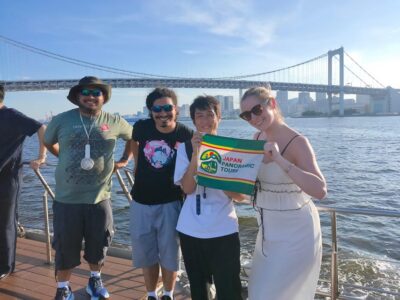
Meiji Shrine, Asakusa, Skytree Bus Tour and Cruise
Read our review →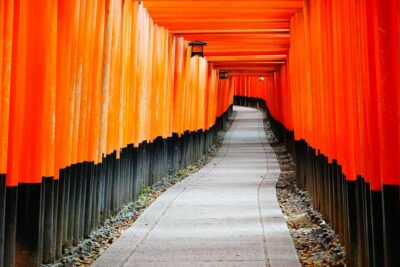
Osaka/Kyoto:Kinkakuji,Arashiyama,FushimiInariShrine,NaraPark
Read our review →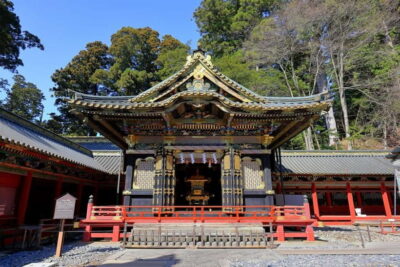
Nikko: Kegon Falls, Lake Chuzenji & Toshogu Temple
Read our review →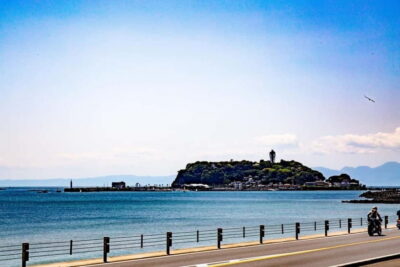
Kamakura & Enoshima Day Trip including Temple Tickets
Read our review →
Nikko Toshogu Shrine and Kegon Waterfall Tour
Read our review →
Tokyo Panoramic 1 Day: Meiji Shrine, Asakusa, Odaiba and SKYTREE®
Read our review →Browse the lists this tour appears in