
Reviewed · HISTORICAL TOURS
Hike Japan Heritage Hakone Hachiri with certified mountain guide
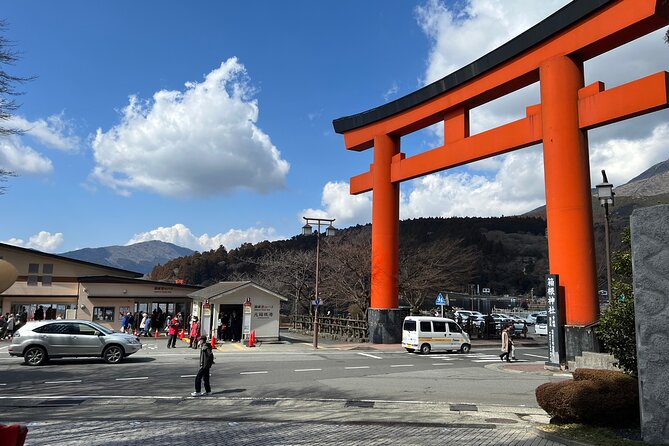
Hakone Hachiri is one of those walks that makes Japan feel like it’s ticking to an older clock. I love how the route mixes Edo-period travel vibes with real trail scenery, and you get standout views around Lake Ashi and the Heiwa no Torii when the weather cooperates. One thing to plan around: this is a weather-dependent hike, and Mt Fuji sightings are only if conditions allow.
What I appreciate most is that you are not just “walking and hoping.” With a certified mountain guide, the day stays structured, and the pacing works for a moderate hiking level without turning it into a race. The only real drawback is that you still need to budget for extras like lunch and some transportation between stops.
Key things you should notice
- Small group size (up to 6) means less waiting and more time with your guide.
- Certified guide with wilderness first aid adds real comfort on a mountain route.
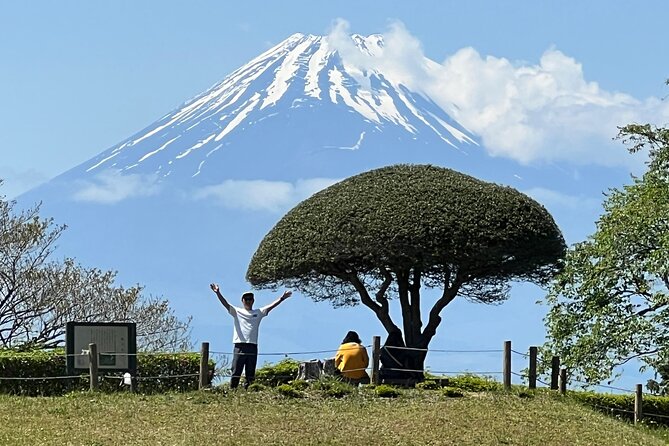
- Lake Ashi timing and views center on Heiwa no Torii and Mt Fuji when skies are clear.
- Hakone Checkpoint storytelling gives context to the old Tokaido travel system.
- A bus skip for a temporarily closed section keeps the hike moving instead of grinding to a halt.
- Finish in Mishima with shrine time and an easy next step toward Tokyo or Odawara.
Why Hakone Hachiri feels like Edo-era travel
Hakone Hachiri follows the Old Tokaido Highway, the big travel artery connecting regions during the Edo period. You walk portions of the heritage route, then move between areas by local bus, so the day feels like traveling the way people did back then: a mix of on-foot sections, checkpoints, and transfers.
I also like that you see Hakone from a few different angles, not just one “pretty spot.” If weather is good, you can spot Mt Fuji from multiple viewpoints during the hike, and the Lake Ashi area often gives one of the most iconic sightlines in the Hakone loop.
And yes, the terrain is part of the story. This is not a flat stroll, it’s a mountain route with steep slopes and walking segments that feel like old travelers earning their progress.
More Hiking & Trekking in Hakone:
- Hike Japan Heritage Hakone Hachiri (Half Day)
★ 5.0 · 18 reviews - Fushimi Inari Hidden Hiking Tour (Private Option Available)
★ 5.0 · 1,750 reviews - Kyoto: 3-Hour Fushimi Inari Shrine Hidden Hiking Tour
★ 4.9 · 270 reviews
The 7-hour plan, 8 km distance, and real-world pacing
This is listed as about 7 hours total, with you hiking roughly 8 km. That’s a sweet spot for a day trip: long enough to feel like you did something meaningful, but not so long that you’re destroyed before dinner.
The day starts at 9:00 am at Hakone-Yumoto Station. From there, you take a shared taxi to reach the trailhead, then you hike into the heritage areas. Expect a steady mix of walking, short stops for views or explanations, and bus rides between key points.
Because the route includes cobbled sections and mountain walking, you’ll want a moderate fitness level. If you’re used to regular hikes, you’ll be fine. If you don’t hike much, pace yourself early. Your guide can help set a rhythm, but you still need to keep your footing and manage stairs and slopes.
Hakone-Yumoto start and the shared taxi-to-trail rhythm
The meeting point is simple: Hakone-Yumoto Station, and your day begins on time at 9:00 am. After meeting, the group heads out by a shared taxi to get you to the trail start without burning half the morning on transit.
This part matters. Hakone is busy, and getting to the first walking segment efficiently helps you actually spend your energy on the heritage route. With a small group up to 6, you typically won’t feel like you’re waiting for a long conga line of people.
You’ll also get your bearings fast. Your guide sets the tone right away, not with fluff, but with what you’ll see and how the Edo-era route connected travelers, merchants, and checkpoints.
Hakone Amazake Tea House and the wood-craft stop
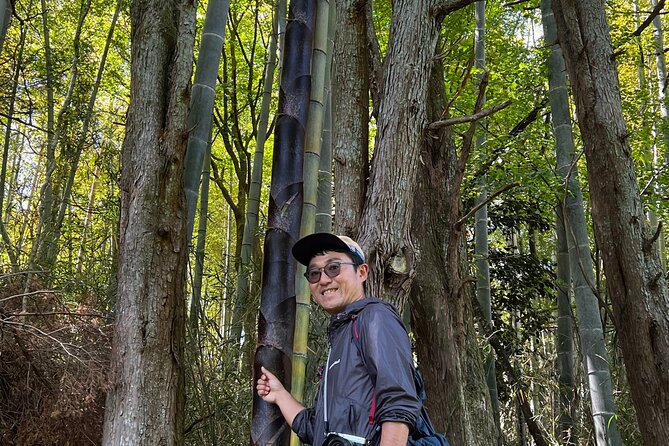
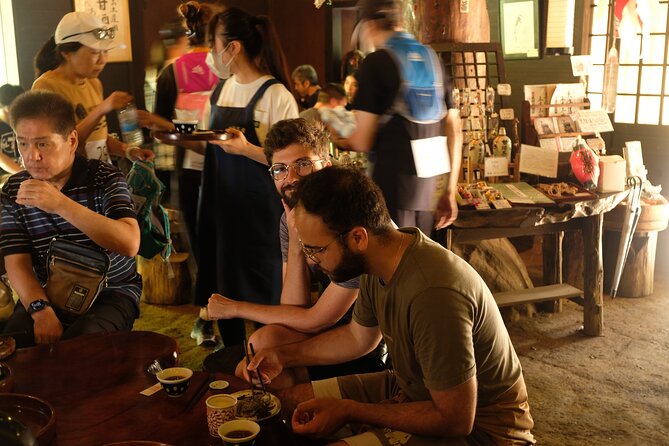
Your first major stop is the Hakone Amazake Tea House area. You’ll walk for about an hour after reaching the trailhead, then you arrive in a wood crafting village where artisans put their skills to work.
This is one of those quiet, real-feeling segments that you might not find on your own. It gives you a pause from the big “Hakone postcard” rhythm and anchors you in local craft culture tied to how places like this supported travelers.
A heads-up for your wallet: amasake and snacks are not included, so if you want to try the sweet rice drink or grab a bite along the way, plan for that extra cost. The stop itself is free in the tour schedule, but the food is optional and on you.
More Historical Tours in Hakone:
- World Heritage Shirakawa-go and Experience Tours from Kanazawa
★ 5.0 · 4,049 reviews - Tokyo: Imperial Palace and Shogun Historical Walking Tour
★ 5.0 · 2,251 reviews - World Heritage Kyoto & Nara Uji Authentic Matcha Experience
★ 5.0 · 1,573 reviews
Lake Ashi, Motohakone-Ko Pier, and the Heiwa no Torii moment
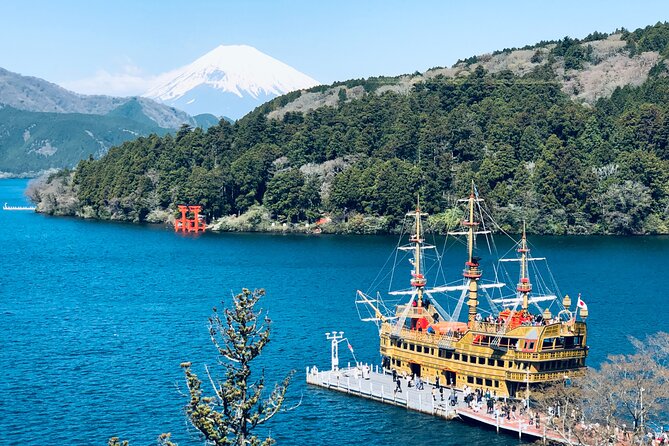
Next comes the Lake Ashi area, tied to Motohakone-Ko Pier. This is the big visual payoff segment. You walk along the shoreline, and you look for the famous Heiwa no Torii, with Mt Fuji in the background when weather permits.
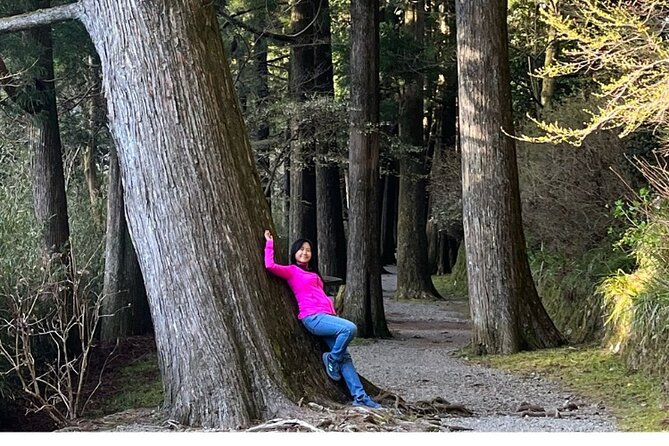
Even if you do not get clear Fuji, Lake Ashi still brings atmosphere. The cedars, the water, and the sense of place help you understand why this region became such a draw for travelers.
There’s also time arranged around the Lake Ashi sightseeing portion. The important practical thing: bring a little patience here. Weather controls visibility, and your guide will adjust the plan to keep the day enjoyable.
Cedar Trees of Hakone Old Road and the checkpoint story
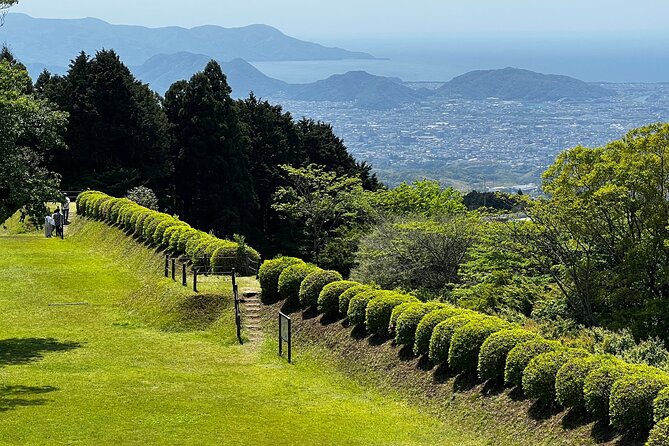
After the Lake Ashi segment, the day shifts into the cedar avenue and Hakone Old Road walking. The cedar trees form a long corridor feel that makes the old highway idea click. It’s not just scenery, it’s a “how you would have walked here” sensation.
You then reach the Hakone Checkpoint, a place your guide explains as an old-style immigration and control point for travelers. This is where the day turns from walking views into understanding systems. You’re not memorizing facts, you’re learning why people slowed down here, what the checkpoint meant, and how movement between regions worked.
This stop is one of the most praised parts of the experience, mainly because your guide connects what you see on the ground with what travelers dealt with in practice. One review name I saw tied to these stories was Aki, often praised for making the history feel grounded and for keeping the mood relaxed.
Hakone-machi lunch, then a bus skip to keep momentum
After you’ve covered the checkpoint area, you head toward Hakone-machi for lunch at a local Japanese restaurant. Lunch is not included, and it’s listed around 2,000 yen for the group. If you have dietary needs, give yourself extra time to communicate your preferences, since you’re eating as part of a scheduled stop.
After lunch, you take a bus to skip a temporarily closed section, then resume the route toward the next heritage area. I like this approach because it prevents the worst-case scenario, where you lose hours to detours or closures.
It also means you still get the flow of the old route without being stuck in frustration. This is a good example of why having a guide and a plan matters more than “just follow a map.”
Yamanaka Castle Ruins: heritage path plus possible Fuji angles
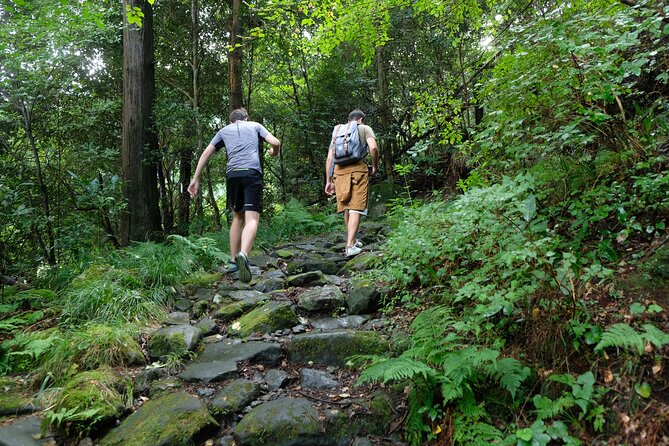
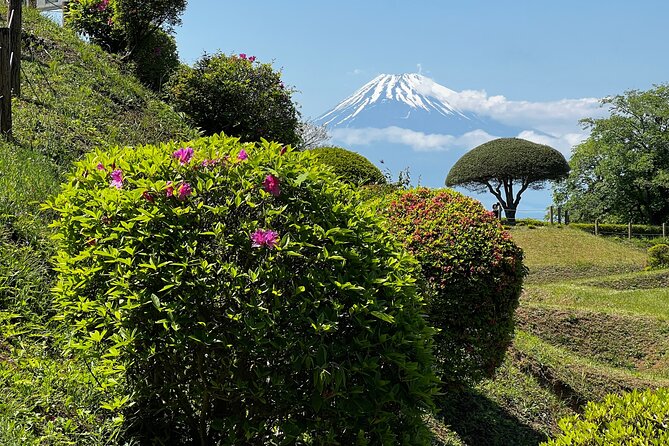
Next up is Yamanaka Castle Ruins, part of the Hakone Hachiri heritage path. This is one of those locations where you’re walking through the idea of defense and control, tied to travel routes. You also might get Mt Fuji views from this area if the sky clears.
The value here is perspective. By the time you reach ruins, you’ve already seen checkpoints and travel infrastructure. The ruins add a new layer: not just “how people passed through,” but also “why this area mattered.”
The weather note is still important. Even with clouds, you should still enjoy the walking experience, because the day is designed to be rewarding beyond one view. But if Fuji is your top goal, treat this as a hopeful bonus rather than a guarantee.
Mishima Taisha and Genba River to end the day
You wrap up in Mishima, with time to visit Mishima Taisha, described as the biggest shrine in Mishima, plus Genba River. Then the tour ends at Mishima Station so you can keep moving on with your trip.
This ending is practical. Instead of closing the day deep in the countryside, you finish where rail connections make sense. It’s easy to transition from walking to the next part of your itinerary.
At this point, your legs will know you hiked. Still, the shrine and river add a gentle cultural and scenic landing, not a hard stop. If you want a quiet moment, this is a good place to slow down before transit.
Price, what’s included, and what you should budget extra
The price is $158.52 per person, for a group capped at 6 travelers. That’s not “cheap,” but you are paying for a few key things that add up: a national certified pro guide with wilderness first aid, a structured day with transfers, and a plan built around a heritage route.
What’s included:
- National certified pro guide with wilderness first aid certificate
What you should budget for (not included):
- Lunch, about 2,000 yen
- Transportation fees to the trailhead and between sites, about 2,000 yen (by shared taxi or buses)
- Shinkansen fee from Mishima to Odawara, about 2,500 yen (if you go that way)
- Amasake and snacks along the way
You also get a mobile ticket, and the trip can have group discounts. Plus, this one tends to get reserved ahead of time, with an average booking window around 61 days. If you’re traveling in a popular season, booking earlier helps lock in your preferred date.
What you can realistically expect to see (and what can change)
Here’s the honest way to think about it. The route is built around specific heritage points and scenic targets:
- Hakone Amazake Tea House area and nearby craft village
- Lake Ashi shoreline views, including Heiwa no Torii
- Cedar avenue walking on the old road
- Hakone Checkpoint with guided context
- Yamanaka Castle Ruins, possibly with Fuji angles
- Mishima Taisha and Genba River
What can change: weather. The tour requires good weather, and Mt Fuji is conditional. If skies are not cooperating, you should still enjoy the hike and the heritage explanations, but you may not get that clear Fuji moment you hoped for.
I also recommend keeping expectations flexible about timing. This is a real day in real terrain, with on-foot segments plus bus rides. Your guide handles the flow, and that’s part of the value.
Who this hike is best for (and who should skip it)
You’ll be happiest on this tour if you:
- like walking history that’s tied to real places, not just museums
- enjoy small-group guiding and clear route explanations
- want a mix of nature and heritage on the same day
- can handle moderate hiking over a mountain route, including steep sections and cobbled paths
You might want to skip it if:
- you are very weather-sensitive and can’t adjust your plans
- you want a totally easy stroll with minimal slopes
- you dislike group schedules with set meal and transit stops
It also helps if you like photography, since one recurring highlight in the experience is how guides help with photos. In the reviews, people called out how the guide took photos for families and made it easy to get pictures without breaking the group rhythm.
Should you book Hakone Hachiri with a certified mountain guide?
I think this is a strong choice if you want Hakone beyond the basic “ride a boat, take a photo, go home” loop. The day is built around the old Tokaido highway idea, and the guide role is not an afterthought. A small group plus certified mountain guidance makes the experience feel both more meaningful and more manageable.
Book it if Fuji is on your wishlist, but keep your expectations sensible. You are buying the heritage walk and the structured access to the best viewpoints, with Mt Fuji as a bonus when weather permits.
Final advice: reserve early, wear good walking shoes, and bring the mindset that this is a long hike day with a real mix of walking and transit. You’ll come away with the sense that you actually walked part of an older Japan, not just toured it.
FAQ
How long is the Hakone Hachiri hike?
It’s listed as about 7 hours total.
About how far do we walk?
The tour is about 8 km of walking.
Where does the tour start and what time does it begin?
It starts at Hakone-Yumoto Station with a start time of 9:00 am.
Where does the tour end?
The tour ends at Mishima Station.
What do we see on the way?
You visit areas including the Hakone Amazake Tea House area, Lake Ashi (with views such as Heiwa no Torii), the cedar old road, the Hakone Checkpoint area, Yamanaka Castle Ruins, and then Mishima Taisha and Genba River.
Is lunch included?
No. Lunch is not included, and it’s listed as around 2,000 yen for your group.
What’s included in the price?
The price includes a national certified pro guide with wilderness first aid certification. Admission tickets for the listed stops are shown as free in the schedule.
What happens if the weather is bad?
The experience requires good weather. If it’s canceled due to poor weather, you’ll be offered a different date or a full refund.
Latest write-ups near Hakone
- Custom Private Tour in Hakone with a Certified Local Guide★ 5.0 · 91 reviews
- Hakone 6 hour Private Tour with Government-Licensed Guide★ 5.0 · 218 reviews
- Hakone: Day Tour to View Mt Fuji & Wooden Culture Experience★ 5.0 · 23 reviews
- Hakone Adventure: Explore Nature’s Beauty and Tranquility★ 4.2 · 14 reviews
- Odawara Castle and Town Guided Discovery Tour★ 5.0 · 15 reviews
- Hike Japan Heritage Hakone Hachiri (Half Day)★ 5.0 · 18 reviews
Historical Tours, compared.
World Heritage Shirakawa-go and Experience Tours from Kanazawa
Read our review →
Imperial Palace and Shogun Historical Walking Tour
Read our review →
World Heritage Kyoto & Nara Uji Authentic Matcha Experience
Read our review →
Kyoto Gion: 2-Hour Geisha Culture & History Walking Tour
Read our review →
World Heritage Shirakawa-go Morning Guided Tour
Read our review →
Hiroshima Peace (Heiwa) Walking Tour at World Heritage Sites
Read our review →
Shinjuku Historical Walking Tour & Secret Backstreets
Read our review →Browse the lists this tour appears in