
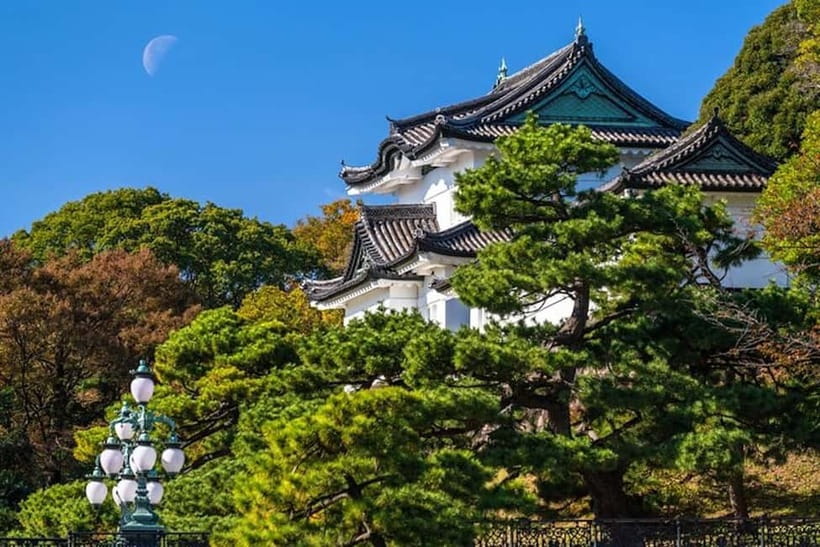
Reviewed · CASTLE TOURS
Tokyo: Edo Castle & East Garden of the Imperial Palace Tour
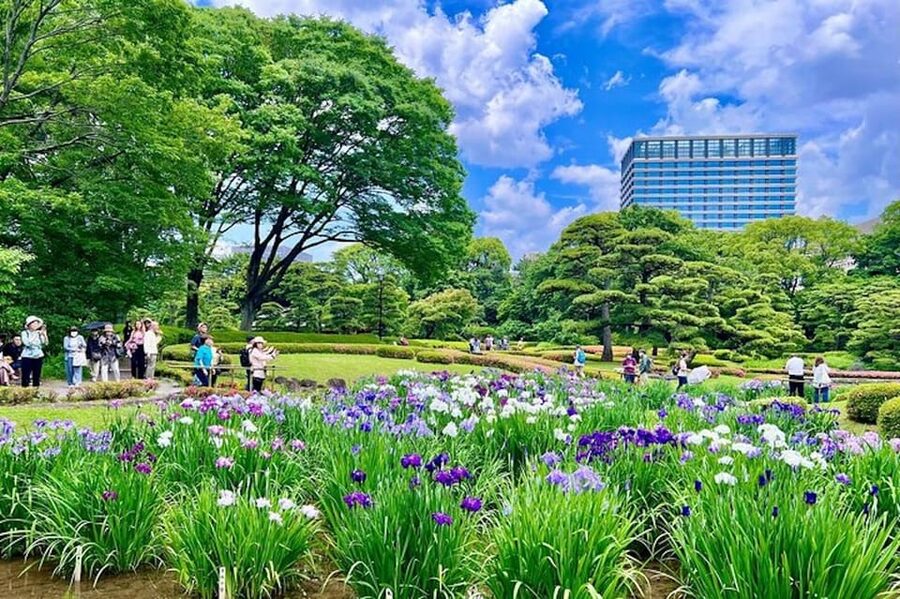
Tokyo’s Imperial Palace grounds feel like a time machine because you’re walking on the former main grounds of Edo Castle, then learning how shoguns and emperors shaped daily life through the centuries. I especially like how the tour slows you down in the East Gardens so you can read the place, not just pass through it, and I love the koi fish highlight that turns a quiet garden moment into a must-see stop. One possible drawback: the tour is about the East Gardens, not the inner palace, and the garden is closed on Mondays and Fridays.
You meet your guide at Wadakura Fountain Park, and in 2 hours you’ll get an English-speaking, guided walking route through the East Gardens plus clear context for what you’re seeing. Expect a casual pace with plenty of story time, and note that you’ll undergo baggage inspection once you enter the Imperial Palace grounds.
Key highlights to look for on this tour
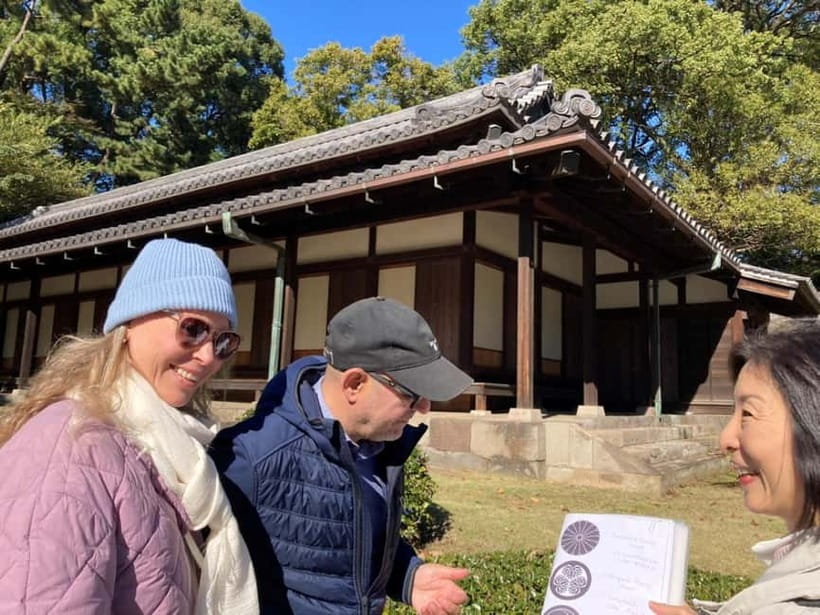
- Edo Castle grounds context: You’ll learn how this area connects to the shogun era, not just the modern palace.
- East Gardens walking route: A guided stroll through the grounds where the garden design carries real historical meaning.
- Koi fish stop: The tour spotlights koi fish as a don’t-miss garden feature.
- Architecture and landmark explanations: Your guide points out details that would be easy to miss on your own.
- Photo help and pacing: Many guides are praised for pausing for pictures and adjusting for slower walkers.
- East Gardens only: You get the gardens experience, not access to the inner palace buildings.
Edo Castle history, told while you walk the East Gardens
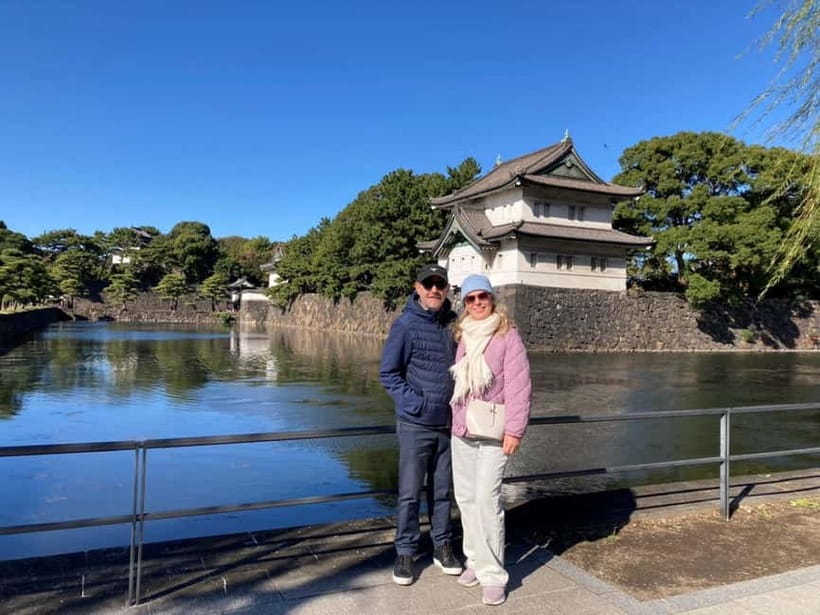
This tour is interesting because it turns a popular Tokyo landmark into something you can actually understand. You’re not just looking at trees and paths. You’re learning why those paths and views matter in the story of Edo-era rule and the imperial legacy that followed.
I like that the format is simple: meet, walk, listen, pause, and look again. The East Gardens are where you feel the connection between old power and present-day calm, and the guide’s job is to give you a map for your eyes. If you enjoy history you can sense with your feet on the ground, this is a good fit.
More Castle Tours in Tokyo
- Tokyo Castle & Imperial PalaceーShogun Walking Tour
★ 4.7 · 1,068 reviews - Tokyo Castle & Imperial PalaceーShogun Walking Tour
★ 5.0 · 724 reviews - Imperial Palace East Garden and Edo Castle Walking Tour in Tokyo
★ 5.0 · 510 reviews
Where you start: Wadakura Fountain Park and the guide sign
Your meeting point is in front of the fountain of Wadakura Fountain Park. Your guide will be holding a sign that says Gotcha, and you’ll head from there as a guided group on the short walk toward the Imperial Palace grounds.
This matters more than it sounds, because Tokyo crowds can make orientation feel stressful. A clear meeting point saves you time and helps you avoid the classic problem of arriving early, wandering around, and still not finding your group. The tour runs in English, so you can follow along without guessing.
The first big idea: the East Gardens are tied to Edo Castle
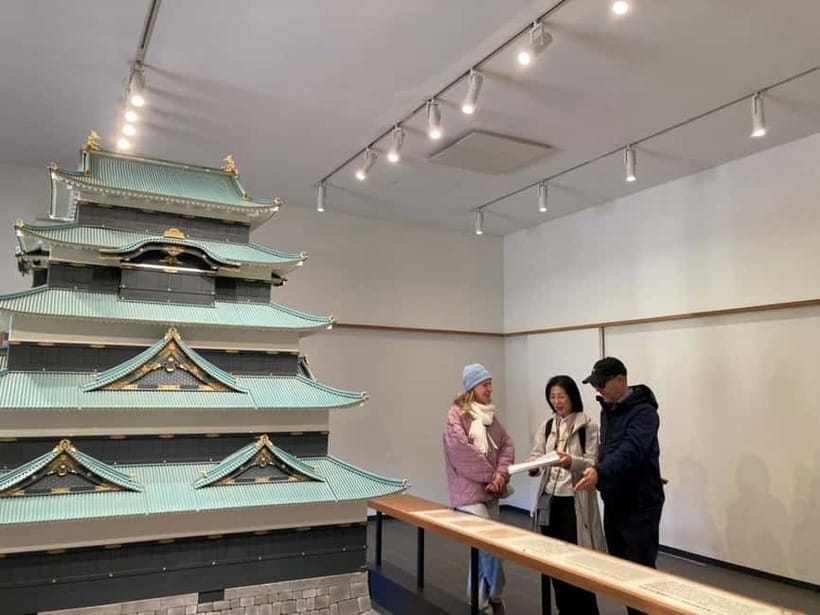
A big theme of the experience is that the East Gardens were built on the main grounds of Edo Castle, where the shogun ruled. In other words, you’re seeing a space that once belonged to political power, then being shown how the garden setting reflects that shift in eras.
As you move through the grounds, your guide connects what you see with broader Japanese history. Expect talk that links shoguns, emperors, and the way rule shaped people’s lives, not just dry dates. That approach is one reason so many guides earn glowing remarks for being engaging and for answering questions clearly.
Some guides bring visuals too, using photos to help you picture what used to be there. One guide was praised for using pictures to bring the Edo period back to life, which is especially useful at a palace garden site where the past is partly hidden under later design.
Guided walking route: what you’ll look for along the way
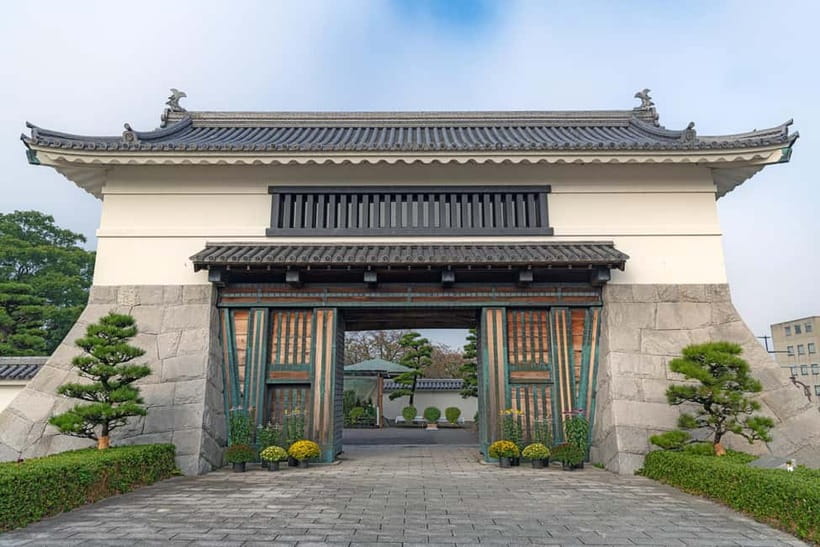
The core experience is a paced walking tour of the Imperial Palace East Gardens. The guide usually keeps you moving between viewpoints, while also stopping long enough for explanations and for you to take in garden features without rushing.
Here’s what the tour experience typically feels like in practice:
You’ll spend time at key points where architecture, gate areas, and garden layout can be read as a design system. Then you’ll get stories that place those design choices into the context of Edo and imperial Japan.
There’s also a practical advantage to having someone shepherd you through the best sequence. Even if the paths are free to enter on your own, a guided route helps you avoid the moment when you realize you’ve seen plenty of trees but learned almost nothing about what you’re seeing.
A change of pace from Tokyo:
- Mt Fuji and Hakone 1-Day Bus Tour Return by Bullet Train
★ 5.0 · 26,383 reviews - 1-Day Tokyo Bus Tour
★ 5.0 · 14,250 reviews - Tokyo: TOKYO SKYTREE® Admission ticket
★ 4.5 · 11,192 reviews - Tokyo: teamLab Planets TOKYO Digital Art Museum Entry Ticket
★ 4.6 · 9,779 reviews
Edo-era details you might get shown, beyond the obvious views
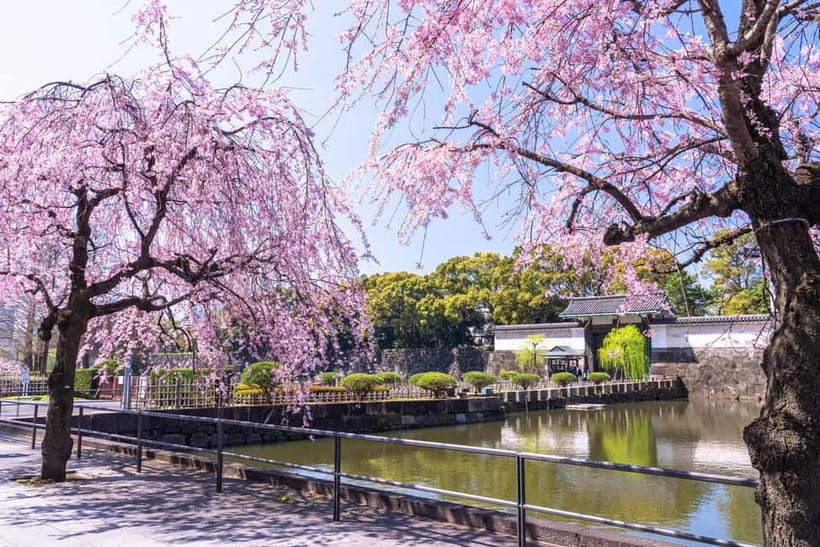
The Imperial Palace East Gardens are visually beautiful, but the most satisfying tours are the ones that point out specific features. Some guides have been praised for showing details like the remains of old buildings and walls, as well as pointing out an area connected to a ministers entrance.
You should think of those as possible bonus stops rather than guaranteed highlights, because guides focus on what fits their group and what’s available at the time. Still, it’s a smart sign when your guide pays attention to the leftovers of older structures, because it helps you understand how the garden sits on top of layers of history.
Another pattern from strong tours: guides make the stories feel relevant to your current moment. So you’re not only learning what something used to be, you’re also learning what it means that it still exists in a modified form.
The koi fish highlight, and why it’s more than a photo stop
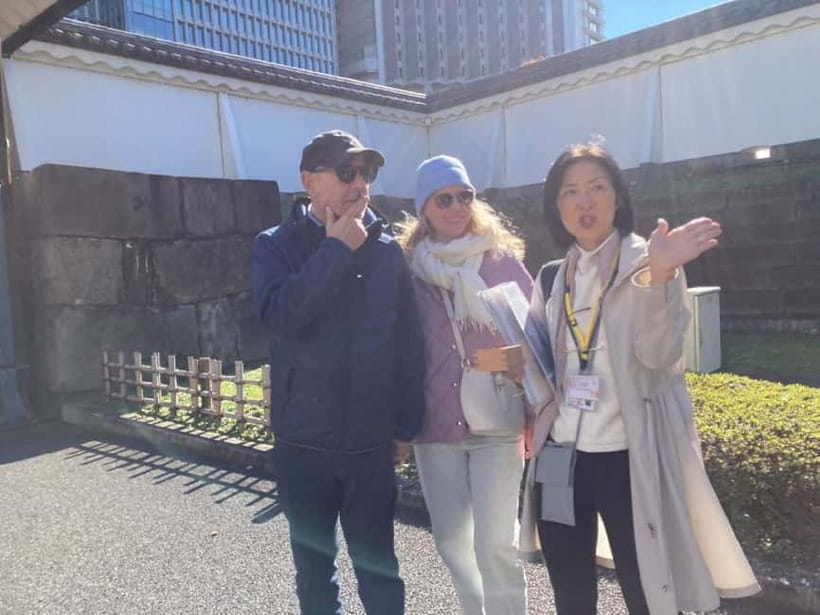
One of the standout moments is the emphasis on koi fish. The tour specifically calls out koi fish as a must-see highlight, so expect time allocated to observe them rather than just passing through a pond view.
Why I think this stop matters: it breaks the tour’s rhythm. Gardens can turn into a stream of quiet facts. The koi fish moment gives you something alive and moving, and that makes the whole history lesson feel less abstract.
It also gives you a natural pause point for photos. Multiple guides have been praised for helping with pictures in good spots, and the koi area is exactly the type of scene where a good angle makes a difference.
What you cannot do: inner palace access is not part of this tour
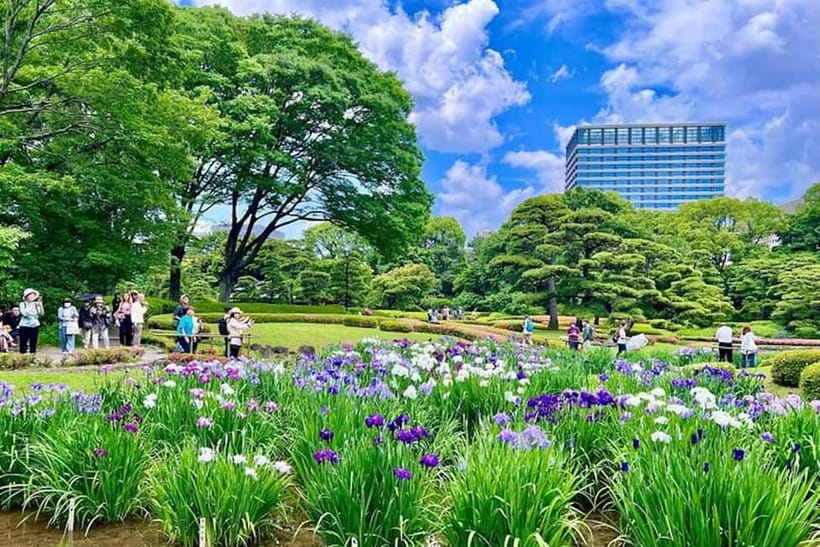
This tour focuses on the East Gardens, and it does not go inside the Imperial Palace inner area. So if your dream is to walk inside palace buildings or see restricted interior spaces, this is not the right ticket.
That limitation is worth respecting, because it affects how you should set expectations. Think of this as a garden-and-history walk with a strong narrative, not a full palace visit.
Still, there’s plenty to enjoy even without entering inner palace buildings. The East Gardens are the connecting tissue between Edo Castle and the modern imperial grounds, and that makes them an ideal place to learn the story while you’re standing in it.
Timing matters: garden closures on Mondays and Fridays
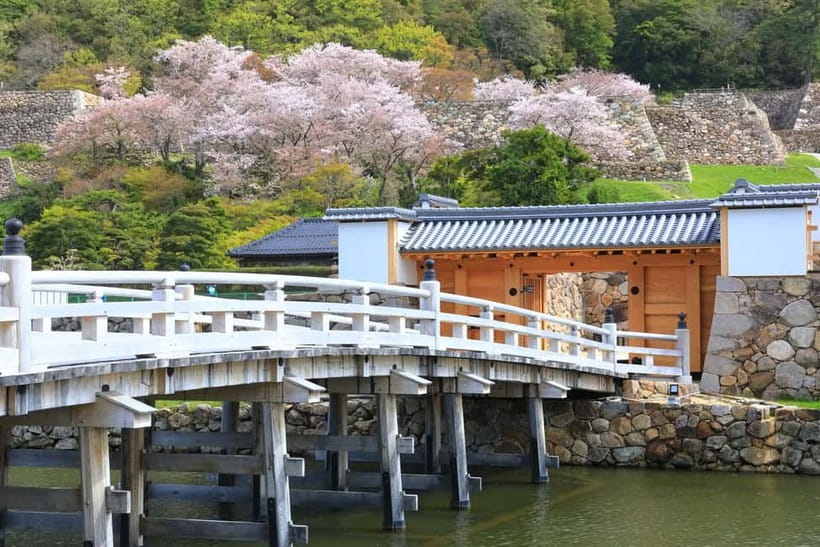
A key logistical point: the East Gardens are closed on Mondays and Fridays. If your dates land on one of those days, you’ll miss this specific experience.
To keep your Tokyo plan smooth, it helps to design your palace-day around garden access. If your trip includes a Monday or Friday, consider scheduling another Edo-themed activity or a different sightseeing slot for that day.
Price and value for a 2-hour, guided history walk
At $42 per person for about 2 hours, this tour sits in a midrange category for guided experiences in Tokyo. Here’s how I’d judge the value.
You’re paying for:
A licensed-feeling guide with English support, plus guided context that can be hard to piece together alone. The time efficiency is also real. You get a focused, story-driven walk instead of spending your own time trying to interpret garden features.
You’re not paying for:
A full day outing or inner palace entry. One review note compared it to the idea of longer day trips, like going farther out to other major sights. That comparison is fair. If you want an all-day itinerary packed with distant stops, this isn’t that.
But if you want a calm, high-quality morning or afternoon with history you can see, a 2-hour format can be excellent value. It’s enough time to understand the key ideas without burning half a day to get there.
Guides are the difference, and several names show up often
What makes this tour consistently work is the guide. The reviews highlight many guides by name, and the patterns are consistent: guides explain clearly, they pace the group well, and they make the site feel understandable.
For example:
Motonori is praised for accommodating senior parents. Hiroshi and other guides are praised for adding extra historical and cultural context and helping with photos. Yoshi earned strong notes for explaining the imperial family and gardens. Shigeru and Hitoshi are repeatedly described as friendly and strong at connecting the palace grounds to wider Japanese history. Mikio and Masahito also show up with praise for turning the Edo period into something you can picture.
The practical takeaway: if you care about learning from a guide rather than just checking off a landmark, this tour is a smart bet. Look for the vibe that fits you. If you want slow, patient pacing, several guides are specifically mentioned for that.
Rain, crowds, and comfort: how to make the most of it
Tokyo weather can be moody, and gardens do not care about your plans. If rain hits, the good news is that a walking tour format can still work, because you’re moving through a defined route and you’re not dependent on long exterior waits.
A few practical moves:
Wear comfortable shoes with grip. Bring a light rain layer if rain is possible. And if photos matter, take them at your guide’s suggested pauses rather than trying to shoot while rushing.
Also, if you’re traveling with seniors or need a slower pace, the tour seems to handle that well. At least one guide was specifically praised for caring for a wheelchair user and making the experience comfortable, so the emphasis on considerate pacing appears to be part of the way these guides run the tour.
Should you book this Tokyo Imperial Palace East Garden tour?
Book it if:
You want a focused 2-hour experience that turns the East Gardens into a story you can follow. You enjoy walking through sites where the design itself is part of the meaning. You like guides who pause for questions and help you see details.
Skip it if:
You want inner palace access, because this tour does not enter the Imperial Palace interior. You’re visiting on a Monday or Friday, because the East Gardens are closed those days. You’re aiming for a high-energy, all-day itinerary, since the format is deliberately relaxed and time-limited.
If you’re doing Tokyo for the first time, or you’re returning and want something quieter and more thought-provoking than the typical shopping and shrine loop, this is a strong choice. The $42 price works best when you treat it as a guided interpretation of a major historical site, not a fast checklist stop.
FAQ
How long is the Tokyo Imperial Palace East Garden tour?
The tour lasts 2 hours.
Where do I meet the guide?
Meet your guide in front of the fountain of Wadakura Fountain Park. The guide will be holding a sign that says Gotcha.
Is the inner palace included?
No. The tour does not go inside the Imperial Palace.
Are the East Gardens open every day?
No. The East Gardens are closed on Mondays and Fridays.
Will I need to go through security or inspections?
Yes. Once you enter the grounds of the Imperial Palace, visitors are subject to a baggage inspection.
Is the tour guide English-speaking?
Yes. The live tour guide offers the tour in English.
What’s included in the price?
You get a tour guide and a walking tour of the East Gardens.
What should I do if I bought knives or similar items before the tour?
If you plan to purchase Japanese knives or other items that could be used as weapons, leave them in a coin locker or similar before the meeting.
Is cancellation free?
Free cancellation is available up to 24 hours in advance for a full refund.
Is there a pay later option?
Yes. You can reserve now and pay later to keep your plans flexible.
Latest write-ups near Tokyo
- From Tokyo: Top 5 Scenic Spots of Mount Fuji Full-Day Tour★ 4.5 · 67 reviews
- Tokyo Customized Private Tour: See Top Attractions in 1 Day★ 4.8 · 67 reviews
- Traditional Japanese Music ZAKURO SHOW in Tokyo★ 5.0 · 67 reviews
- Tokyo: Shinjuku Izakaya and Golden Gai Bar Hopping Tour (2h)★ 4.9 · 67 reviews
- Tsukiji: Unlimited Sake Tasting Experience★ 4.9 · 67 reviews
- Tokyo: Not a show- a professional sumo practice with experts★ 4.9 · 67 reviews
- Samurai Ninja Museum Asakusa: Kid-Friendly Ninja Training★ 4.7 · 67 reviews
- Private Harajuku Omotesando Architecture Walking Tour★ 5.0 · 67 reviews
Castle Tours, compared.
Tokyo Castle & Imperial PalaceーShogun Walking Tour
Read our review →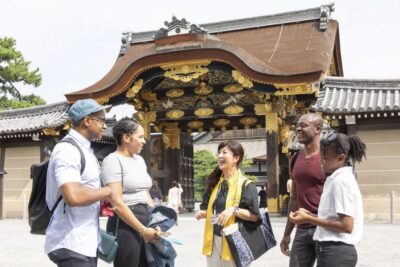
Nijo-jo Castle and Ninomaru Palace Guided Tour
Read our review →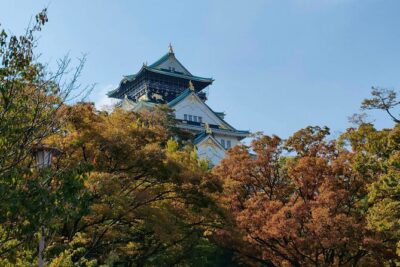
Ultimate Osaka Walking Tour: Castle, Dotonbori & Hidden Gems
Read our review →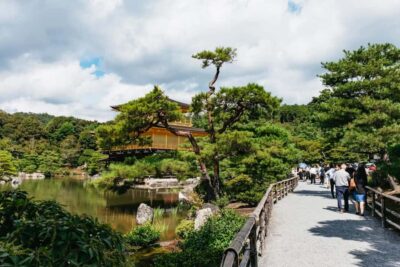
Nijo Castle, Kiyomizu & Fushimi Inari Guided Tour
Read our review →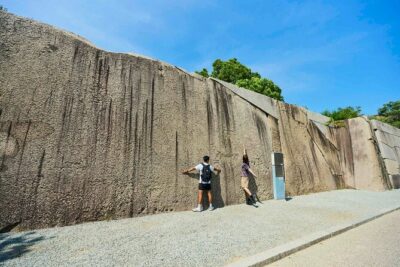
Osaka Castle Walking Tour and Castle Tower Admission
Read our review →
Imperial Palace East Garden and Edo Castle Walking Tour in Tokyo
Read our review →
Imperial Palace & Nijo Castle Guided Walking Tour
Read our review →Browse the lists this tour appears in