
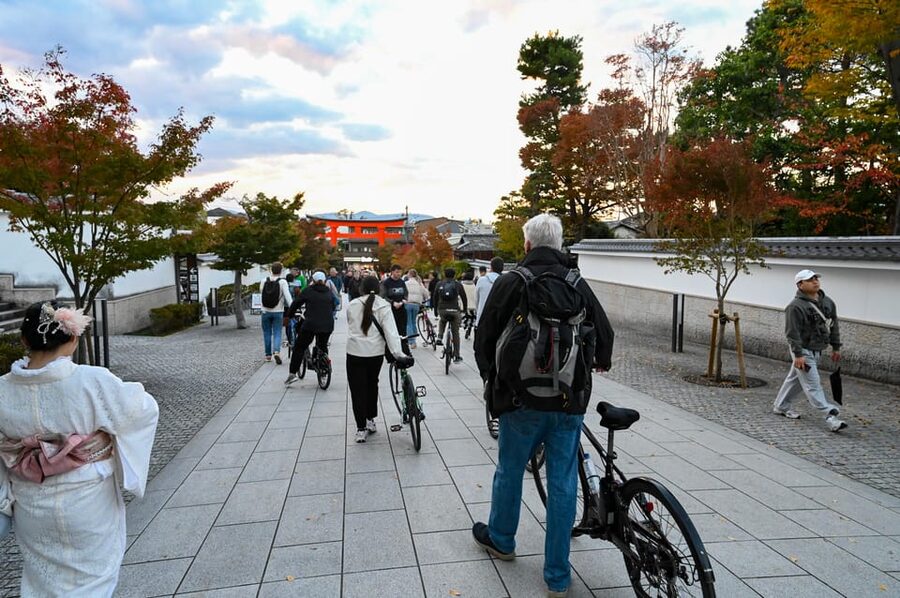
Reviewed · FUSHIMI INARI TOURS
Kyoto: Half-day Guided Bike Tour with Fushimi Inari
A half-day bike tour in South Kyoto is a great way to see major sights without losing time to trains, taxis, and walking loops. I like how this route links temples and river paths with the lived-in streets of Gion. You start early and keep moving, so Kyoto feels like a story instead of a checklist.
Two things I especially like about this experience are the sequence of temple stops and the way you reach Fushimi Inari by riding through neighborhoods, not just arriving at the gates and getting swallowed by crowds. You also get short, practical breaks along the way at the canals and river, which makes the whole morning feel calmer.
One consideration: this is still real biking. If your legs are not used to rides, or if weather turns chilly or rainy, you’ll want to be ready with comfortable clothes and warm layers.
Key takeaways for a South Kyoto bike morning
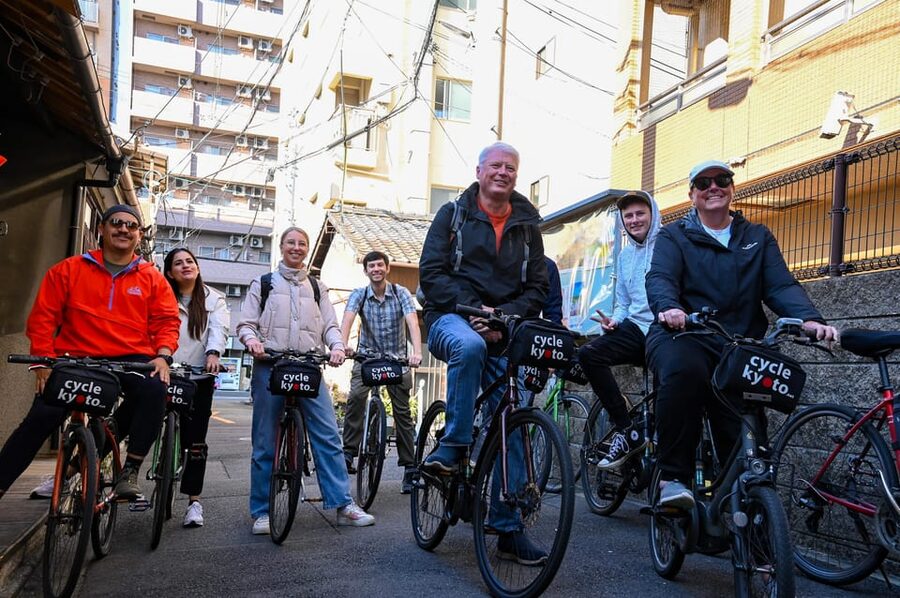
- Small group max 8 keeps the pace friendly and the route easy to follow.
- UNESCO Toji first sets the tone with Kyoto’s oldest temple before you head into the neighborhoods.
- Gion backstreets by bike is a smart way to see the geisha and teahouse district without only staring at shopfront crowds.
- River and canal breaks at Takase and Kamo River add scenic pauses that feel more local.
- Fushimi Inari torii gates is the big payoff, reached after a ride that helps the area make more sense.
Why bikes are one of the best ways to see South Kyoto
Kyoto’s famous sights can be close on a map and still feel far in practice. Streets clog, sidewalks get busy, and you can waste energy backtracking. A guided bike tour solves that. You cover more ground in the same half-day, while still having time to stop, look up, and take photos.
What I like here is the mix. You do high-profile religious landmarks like Toji and Fushimi Inari, but you also spend real time moving through the places that make Kyoto feel like Kyoto. The backstreets routing matters. Instead of only hitting postcard corners, you get a sense of how the city flows from temple area to canal to riverside to Gion.
And because it’s a guided ride with helmets, water, and a safety briefing, you can relax into the experience. You’re not fighting for bike lane position while trying to read signage.
More Cycling Tours in Kyoto
- Hidden Kyoto E-Biking tour
★ 5.0 · 1,843 reviews - Bike Tour Exploring North Kyoto plus Lunch
★ 5.0 · 1,087 reviews - Arashiyama Bamboo Forest & Hidden Gems Bike Tour (Early Bird)
★ 5.0 · 613 reviews
Cycle Kyoto setup: helmets, water, and a safety briefing that keeps things smooth
The tour starts at Cycle Kyoto, with specific directions from Kyoto JR Station that are easy to follow once you’re on foot. You’ll begin with a safety briefing around 15 minutes. That’s not wasted time. It helps you understand the ride rhythm, how the group handles traffic, and how stops work.
Bicycle rental is included, and helmets and water are provided. There’s also a small pouch on the bike for personal items, which is useful for keeping your camera handy instead of wearing it like luggage. You ride in a small group, limited to 8 participants, which usually means you don’t feel like you’re herding cats.
If you want extra help on hills or distance, e-bikes are available upon request with an upgrade fee of 3000 yen. That’s worth considering if you’re a lighter rider or you know you’ll feel tired by day’s end.
Toji Temple: starting at Kyoto’s oldest UNESCO-listed treasure
Toji is a powerful way to start. It’s listed as a UNESCO heritage site and described here as Kyoto’s oldest temple. Even if you’ve visited temple grounds before, starting the day at a site with that kind of standing helps the rest of the morning click into place.
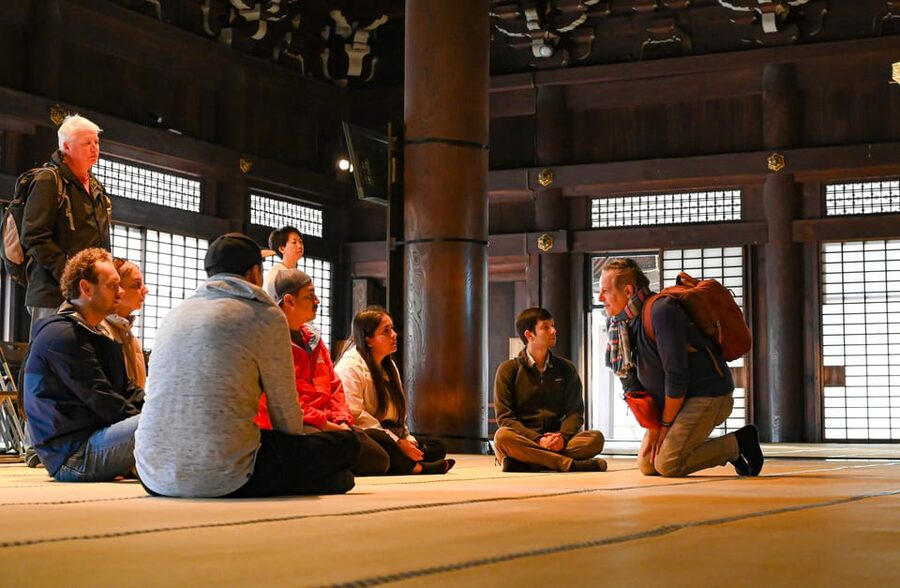
During the guided time at Toji, you’re not just walking around with your camera. Your guide explains what you’re seeing and why it matters, and you get a sense of the temple’s role in Kyoto. That context can make later stops in Gion and Fushimi Inari feel less random, more connected.
Time is kept tight at about 35 minutes for the guided visit. That works. You get the important views without turning the start of your tour into a long slog.
Higashi-Honganji: one of Japan’s largest temples, paced for pictures and understanding
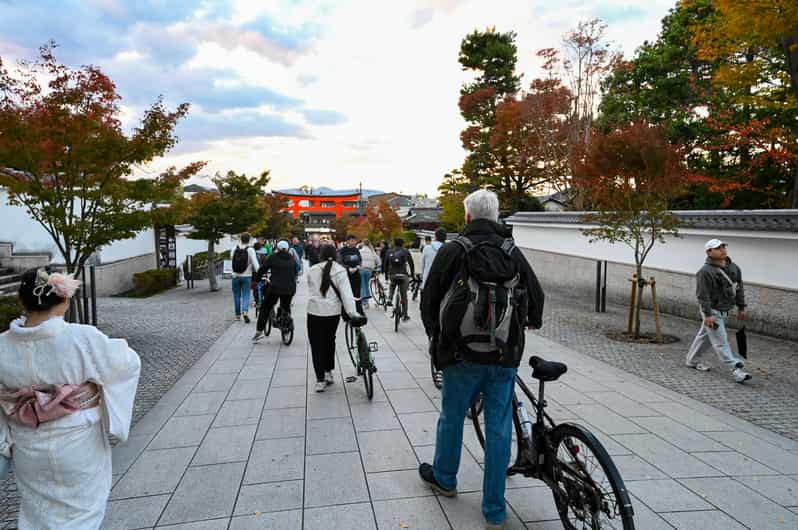
After Toji, the route continues to Higashi-Honganji Temple. This stop is guided for around 35 minutes, and it’s described as one of Japan’s largest temples. Large temples can be overwhelming on your own. The value of a guide is simple: you’ll see the key parts without spending half your time orienting yourself.
I like the way this stop fits the overall plan. You’re still on a structured timeline, but you’re also not rushed through the parts that are meant to be looked at slowly. If you care about how Japanese religious sites are laid out and how they function, this kind of guided framing is exactly what you want.
More Fushimi Inari visits:
- Kyoto: Fushimi Inari, Kinkakuji, Bamboo Grove 1 Day Bus Tour
★ 4.8 · 4,316 reviews - Fushimi Inari Hidden Hiking Tour (Private Option Available)
★ 5.0 · 1,750 reviews - Kyoto/Osaka: Nara, Fushimi Inari Taisha, Arashiyama Bus Tour
★ 4.7 · 1,275 reviews - Osaka/Kyoto: Arashiyama, Nara & Fushimi Inari Shrine w/Lunch
★ 4.4 · 754 reviews
Takase Canal and Kamo River: calm scenic riding breaks
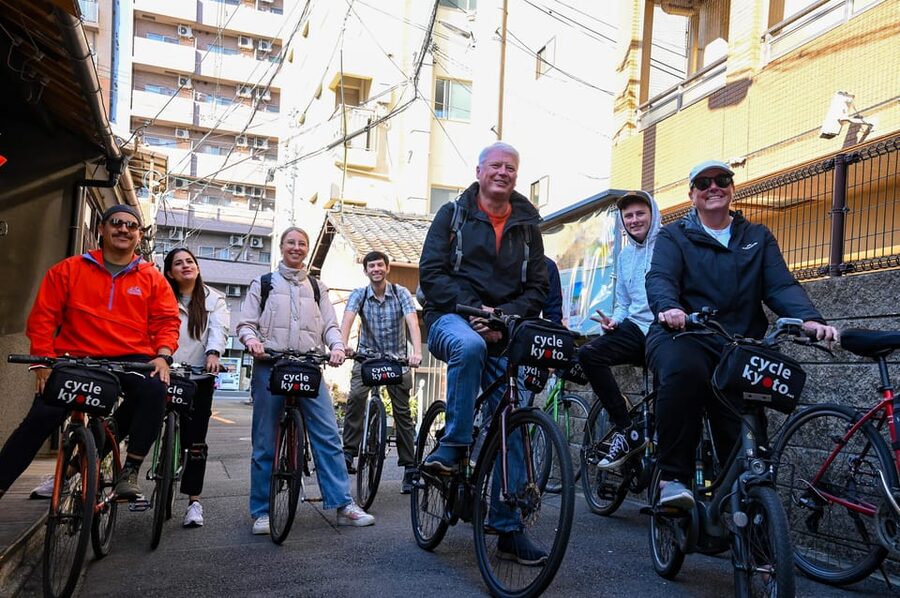
Then comes a softer stretch. You visit the Takase Canal for about 10 minutes and the Kamo River for about 15 minutes. These are shorter stops, but they serve a purpose beyond photos.
First, the ride transitions from major temple energy into everyday Kyoto. That’s where you start feeling the city, not just viewing it. Second, the riverside pauses are helpful if you want a break from concentrated crowds. You can take a breath, reset your camera, and regroup before Gion.
This is the kind of pacing I appreciate on a half-day tour. Your legs get a rhythm, your eyes get a rest, and you don’t feel like you’re constantly sprinting between landmarks.
Gion backstreets: seeing the geisha and teahouse district at bike-speed
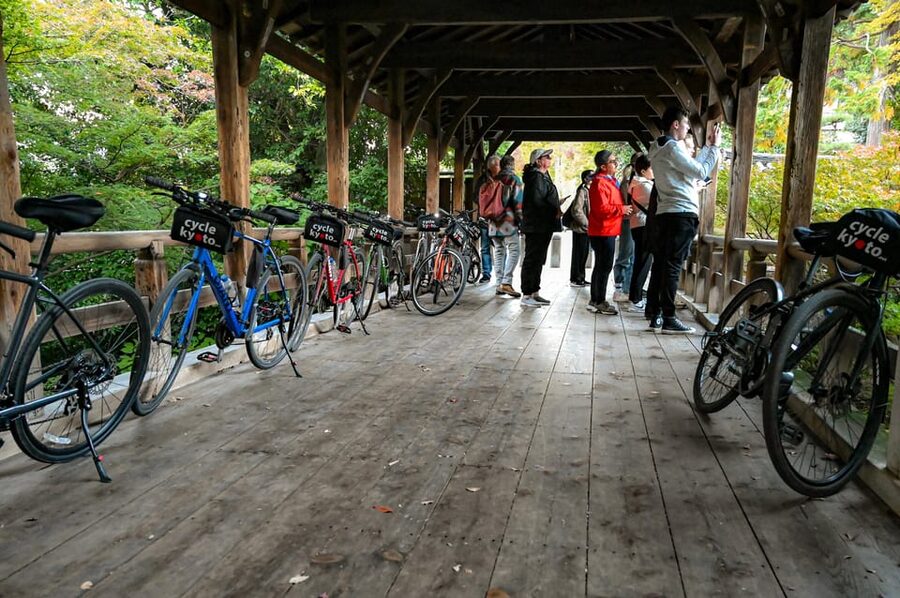
Gion is famous, and with fame comes pressure. Everyone wants the same street-level views. The good news on this tour is that you focus on Gion backstreets and get a guided walk and bike routing that helps you spend time in the neighborhood instead of only staring at the loudest corners.
The guided portion in Gion runs about 30 minutes. That’s long enough to get a feel for the district and short enough to avoid turning it into a tiring crush of people. Your guide helps you notice details, and the pacing keeps the experience feeling conversational rather than rushed.
In the reviews, guides like Jay and Julian come up repeatedly for being engaging and making the ride feel personal and well explained. That matters in Gion, because it’s easy to feel like you’re looking at a theme park if you don’t understand what you’re seeing. A guide who can answer your questions can turn Gion from just pretty streets into something that feels culturally grounded.
Tofukuji Temple photo stop: a practical pause with big visual payoff
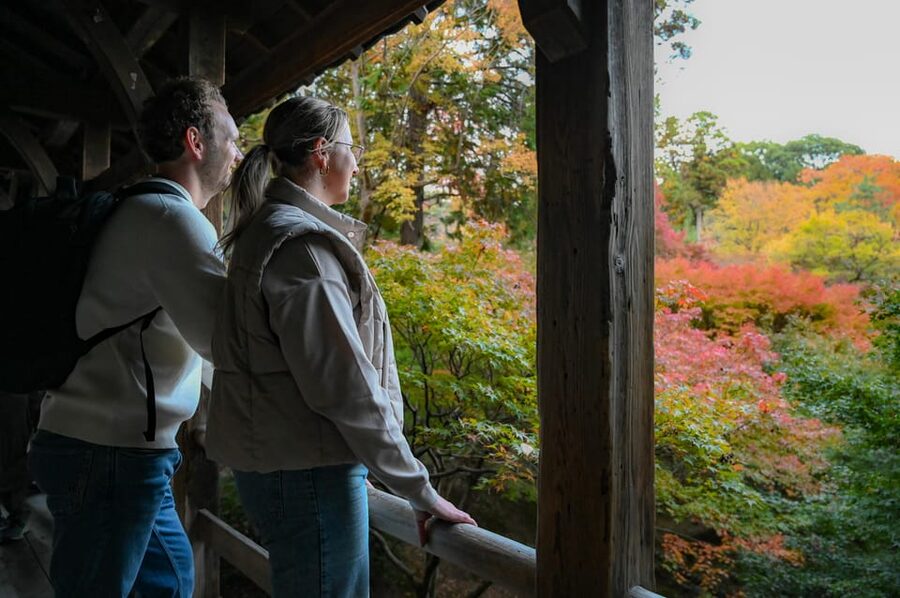
Next is Tofukuji Temple, set up as a photo stop of about 30 minutes. Photo stops can be hit or miss on tours, but here the time is generous enough to walk around a bit and actually find angles instead of sprinting for a single picture.
Tofukuji is treated as a stunning destination for taking photos. Even if you focus only on images, that half hour gives you room to adjust for lighting and crowds. And because the tour doesn’t drag this into a long lecture, you can stay in sightseeing mode.
This stop also does a smart job for the schedule. It comes right before the ride into Fushimi Inari, so your eyes are ready for the next iconic visual moment: the orange torii gates.
Fushimi Inari Taisha: torii gates reached by ride, not by maze
This is the big finish for most people: Fushimi Inari Taisha with its famous orange torii gates. You get a guided tour of about 45 minutes here, including time to stroll and absorb the famous gate area.
Fushimi Inari is described as the most visited attraction in Japan. That’s a good reason to have a guide and a planned route. When you arrive as part of a small-group bike tour, you’re more likely to get oriented quickly and to spend your time where it’s worth your attention.
The tour includes a stroll around the torii gates, then you head back toward the starting point. You don’t turn this into an all-day hike. You get the essence of Fushimi Inari in a time-boxed way that fits a half-day plan.
One other benefit: because you get there after riding through neighborhoods, you’ll likely feel less like you are dropping into a tourist machine and more like you traveled through Kyoto to reach it.
How long is the ride, and what the pace feels like
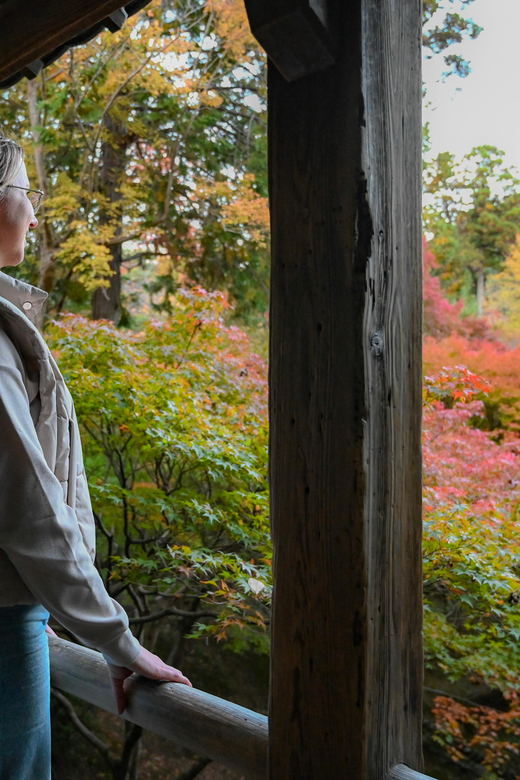
The duration is 210 minutes, roughly 3.5 hours total. The guided portions are spread across multiple stops, with short visits for the rivers and canal and longer guided blocks at temples. That structure helps you avoid “one long museum session” fatigue.
In practice, the ride can add up. One participant noted the bike distance landed at more than 15 km. Even if your route varies a bit depending on conditions, you should expect a solid half-day of active sightseeing. This is not a slow parade for casual walkers.
The pace can also adapt. In one account, the guide adjusted the timing when the group was small, keeping it gentle and letting people choose how long to linger at stops. With a max of 8, you’re less likely to feel dragged along.
Weather and comfort: what to bring so the tour stays enjoyable
This tour is seasonal in the real sense. Your comfort depends on clothing and weather. You’ll want warm clothing even if Kyoto feels mild when you start. The tour data also calls out checking weather conditions before departure, which I agree with. Chilly wind along rivers can bite.
Bring comfortable shoes suitable for biking, plus a camera if you care about temple details and torii gate angles. Sunscreen is listed for a reason, and it’s a smart default in Japan even when the sky looks questionable. I’d also recommend layers so you can zip up when you stop and loosen when you’re riding.
If it’s raining, you’re still outside. That means your bike ride will feel different. A good guide can help keep the route moving and manage the stops so you don’t waste time waiting around.
Price and value: is $77 per person fair for what you get
At $77 per person, this is priced as an experience that includes more than just bike rental. You’re paying for a live English guide, bicycles, helmets, and water, plus guided time at major sights like Toji, Higashi-Honganji, Gion, Tofukuji, and Fushimi Inari.
The value comes from time efficiency plus context. You’re not spending half your morning figuring out how to connect sites. You also get interpretation at the places that matter, especially temple grounds and shrine areas where details can be easy to miss.
Small-group size helps the value too. With a limit of 8 participants, your guide can manage the ride and answer questions without turning everything into a fast-moving lecture.
If you compare this to renting a bike on your own, the cost difference is essentially the guide’s planning and explanation. If you like structure and you want the sights to make more sense, this price is reasonable.
Who this tour is best for, and who should skip it
This is a great fit if you:
- can ride a bike confidently on city streets
- want a half-day plan that covers South Kyoto highlights without constant navigation stress
- like guided context at temples and shrines, not just photos
It’s not suitable if:
- you have back problems
- you cannot ride a bike
- you’re traveling with kids under 13
If you’re unsure about distance, consider the e-bike option request at 3000 yen. It’s often the easiest way to keep the day enjoyable instead of tiring.
Should you book this Kyoto bike tour with Fushimi Inari?
If your goal is to see big Kyoto sights plus the feel of South Kyoto neighborhoods, I’d book it. The route is built for that balance: UNESCO-level Toji, a major temple at Higashi-Honganji, scenic river breaks, Gion backstreets, a photo moment at Tofukuji, then the torii gates payoff at Fushimi Inari.
Make the call if you:
- want a guided experience with an English-speaking leader
- value a small group and smoother pacing
- are comfortable biking for a few hours and covering distance
Pass if you want a strictly relaxing day on foot, or if biking would make you uncomfortable. This tour is fun, but it assumes you’re ready to ride.
If you do book, bring layers, wear real biking-friendly shoes, and be ready for a morning that moves. When you finish at Fushimi Inari, you’ll feel like you traveled through Kyoto, not just visited it.
FAQ
How long is the Kyoto half-day guided bike tour?
The tour lasts about 210 minutes, which is roughly a 3.5 hour experience.
What is included in the price?
Bicycle rental, a helmet, a live English guide, and water are included.
Are meals included?
No. Meals are not included.
What tour stops will I see?
You’ll visit Toji, Higashi-Honganji, Takase Canal, Kamo River, Gion, Tofukuji, and Fushimi Inari Taisha with a guided component at each major site.
Is it a small group tour?
Yes. It’s limited to a small group of up to 8 participants.
Where do I meet the tour, and how do I get there?
From Kyoto JR Station, go past Avanti, cross one set of traffic lights, then after the Daily Yamazaki convenience store, take the next left to reach Cycle Kyoto.
What should I bring for the tour?
Bring comfortable shoes, warm clothing, a camera, sunscreen, and comfortable clothes suited for biking.
Is an e-bike available?
E-bikes are available upon request for an upgrade fee of 3000 yen.
What are the age and fitness requirements?
The minimum age is 13 for public tours. It is not suitable for people with back problems or people who cannot ride a bike.
What is not allowed during the tour?
Smoking, alcohol, and drugs are not allowed.
Latest write-ups near Kyoto
- Kyoto: Nishiki Market Tour with a Local Foodie & Tastings★ 4.5 · 67 reviews
- Kyoto Kimono Rental mimosa |Kimono/Yukata Rental Couple Plan★ 4.8 · 67 reviews
- Kyoto: Traditional Kimono Fabric Handicrafts Workshop★ 5.0 · 67 reviews
- Kyoto Tea Ceremony and Samurai Photo Session★ 5.0 · 70 reviews
- Kyoto: Replica food making experience★ 4.8 · 70 reviews
- Kyoto: Kinkakuji, Golden Pavilion Guided Tour★ 4.7 · 71 reviews
- Private departure transfer from Kyoto city to Kansai International airport★ 5.0 · 72 reviews
- Uji: Green Tea Tour with Byodoin and Koshoji Temple Visits★ 4.8 · 72 reviews
Fushimi Inari Tours, compared.
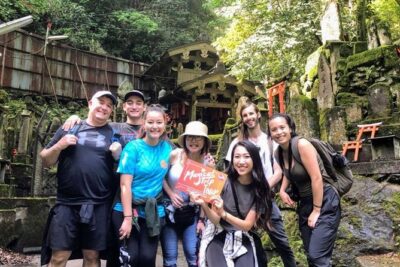
Fushimi Inari, Kinkakuji, Bamboo Grove 1 Day Bus Tour
Read our review →Fushimi Inari Hidden Hiking Tour (Private Option Available)
Read our review →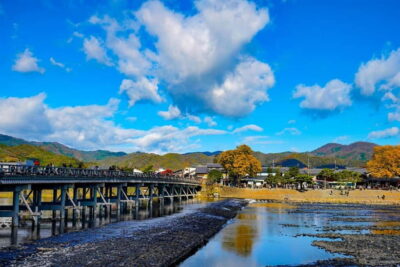
Kyoto/Osaka: Nara, Fushimi Inari Taisha, Arashiyama Bus Tour
Read our review →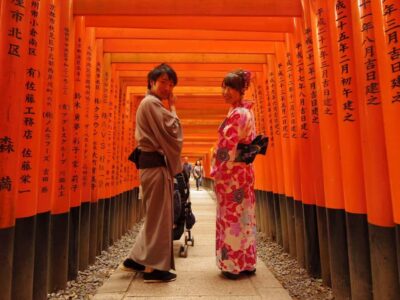
Osaka/Kyoto: Arashiyama, Nara & Fushimi Inari Shrine w/Lunch
Read our review →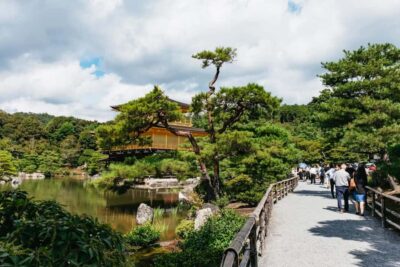
Nijo Castle, Kiyomizu & Fushimi Inari Guided Tour
Read our review →
Nijo, Kinkaku-ji, Arashiyama, Kiyomizu & Fushimi Inari
Read our review →
Sagano Romantic Train & Arashiyama, Kiyomizudera, Fushimi Inari Taisha Day Tour
Read our review →Browse the lists this tour appears in