
Reviewed · GEISHA & GION TOURS
Kyoto: Gion Geisha District Walking Tour – Stories of Geisha
Kyoto at night has a special feel, and this walk is interesting because it lets you see how Gion and Pontocho work as living entertainment districts after dark. I like that it is guided and story-driven, not just sightseeing, so you understand what you are looking at. One drawback to think about: it is a walking tour in narrow areas, and weather or early darkness can affect what you notice on the streets.
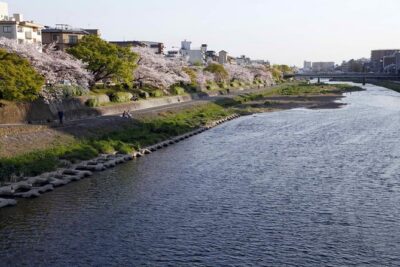
The second reason I really enjoy this tour is the structure. You move from Pontocho Alley to the river area and then into Gion, with stops tied to Kyoto performing arts and shrine culture, so the night has a clear path. The highlight for me is the chance to encounter geisha and maiko on their way to appointments, which gives the stories a real-world pulse.
Key things that make this tour worth your evening
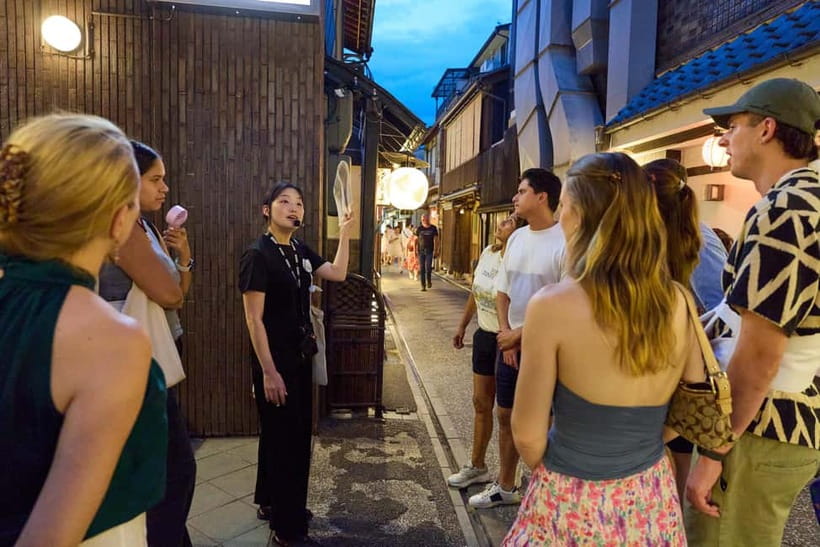
- Nighttime Gion and Pontocho atmosphere you can actually experience on foot, with old-style wooden streets and teahouse areas
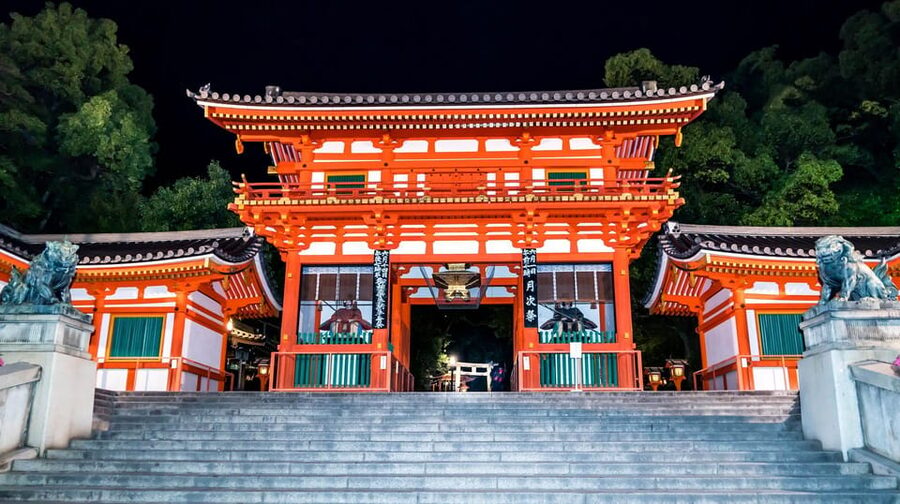
- Guided stop-by-stop storytelling, including Pontocho Alley, Yasaka Shrine, and Hanamikoji Street
- Kabuki context at the Izumo-no-Okuni statue, connecting performance history to the broader world of traditional arts
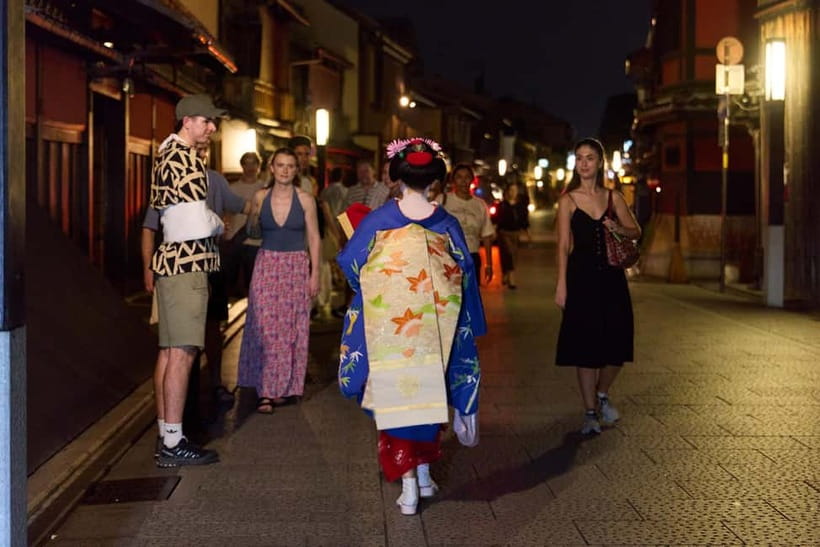
- On-the-way sightings of geiko and maiko, when schedules line up during your walk
- A question-friendly guide, so you can ask how training and traditions work, not just hear facts
- A manageable 2-hour length, perfect when Kyoto feels like it is already packed on your schedule
Why Gion and Pontocho feel different at night
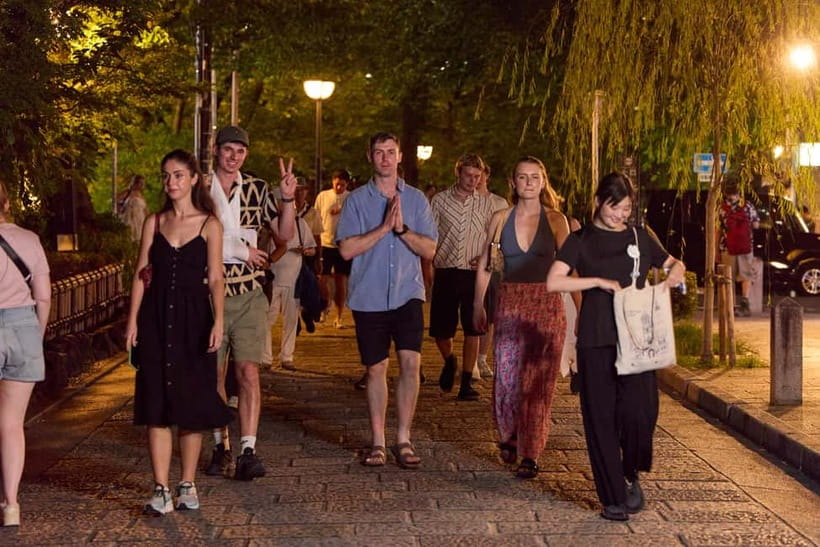
If you have only seen Gion in daytime photos, you are missing the point. At night, the alleys and old wooden lanes feel more like a stage set, because the lighting and foot traffic naturally thin out. This tour is built for that timing, and it leans into the idea that geisha culture is not a museum exhibit, it is a working tradition.
I also like that the tour is not trying to rush you from one postcard view to another. You are walking narrow alleyways and staying in the districts long enough for the guide to explain what matters, from the layout of the entertainment areas to what role shrines and performance spaces play in Kyoto culture.
That said, plan your expectations for sightings. You may encounter geisha or maiko en route to appointments, but it depends on timing. The guide can help you understand what you are seeing, but the night sky, the crowds, and schedules all play a role.
More Walking Tours in Kyoto
- Kyoto Geisha Walking Tour: Gion District & Hidden Gems
★ 4.7 · 3,273 reviews - Kyoto: Gion Magical Night Walking Tour with Geisha Trivia
★ 4.9 · 2,393 reviews - Night Walk in Gion: Kyoto’s Geisha District
★ 4.5 · 2,003 reviews
Meeting at Ben’s Cookies Kyoto Shijo, then stepping into the alleys
Your evening starts at Ben’s Cookies Kyoto Shijo, right outside the shop area, with your guide holding a sign board. That is a helpful anchor point because Kyoto is full of small turns, and it is nice when the first step is simple.
From there, you head out into the districts as your guide sets the tone. The walking itself matters here. You are not just looking at a main street, you are traveling through the small lanes where tea-house style architecture lines the way, and where Kyoto’s atmosphere shows up fastest.
Practical tip: bring water, and wear shoes you trust. The routes go through narrow spaces and you are out long enough that your legs will notice if your footwear is not up for it.
Pontocho Alley: the entertainment district lane you can read with a guide
Pontocho Alley is one of those Kyoto places where you can feel the history without a single sign explaining it. During the walk, your guide takes you to Pontocho Alley itself and talks about the kind of venues that line the area, including traditional eateries and elite clubs. In other words, you learn what kind of nightlife ecosystem this street represents.
The best part is how the story makes the street make sense. Instead of just calling it scenic, the guide connects what you see on the street to why geisha culture developed and how appointments and performances fit into the district’s daily rhythm.
A small consideration: Pontocho can feel like a “pause” moment in the walk, because it is easy to stop and look around. Let the guide lead, but if you have questions, this is a good place to use them. A lot of guests note that the pace leaves room to ask, and you will feel that more here than at the more ceremonial stops later.
The Izumo-no-Okuni statue stop and what it adds
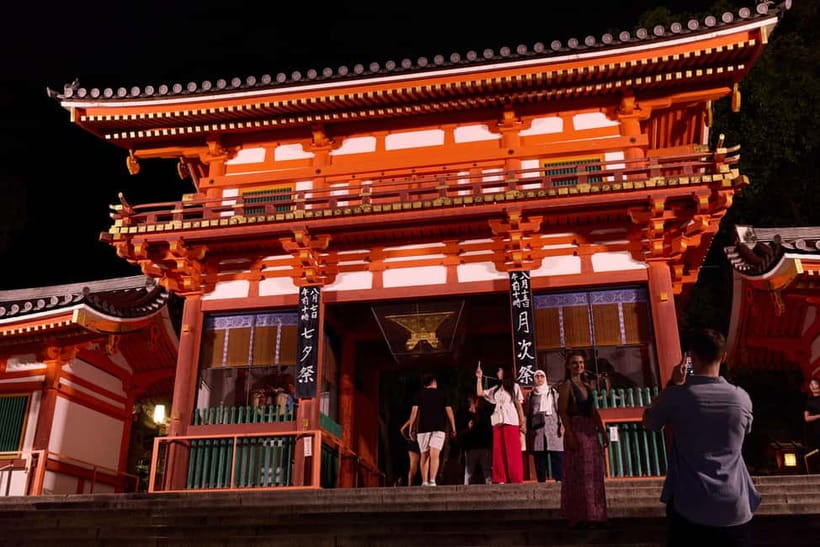
After you wander Pontocho Alley, the tour crosses toward the river area and stops at the statue of Izumo-no-Okuni. Your guide explains about the woman associated with the creation of kabuki, tying her story to the larger world of Japanese performance.
This is a smart stop, because it broadens your understanding beyond the word geisha. Geisha culture is part of Kyoto’s arts world, and kabuki is another pillar of Japanese performance history. You do not have to be a theatre nerd to appreciate it, but you will likely leave with a better sense of how different entertainment traditions overlap in Japan.
One thing I like about including a statue stop is that it gives your feet a break. You stand, listen, and look around for meaning, then continue with fresh focus.
More Geisha Experiences in Kyoto:
- Best of Kyoto: Gion, Geisha, Pagodas & Cobblestones
★ 4.9 · 2,058 reviews - Kyoto Night Foodie Tour in Gion (9+ dishes + 6 Sake tastings)
★ 5.0 · 1,762 reviews - Kyoto Gion Geisha District Walking Tour – The Stories of Geisha
★ 5.0 · 1,441 reviews - Kyoto Gion: 2-Hour Geisha Culture & History Walking Tour
★ 5.0 · 1,186 reviews
Gion: Yasaka Shrine and the district’s most famous nighttime textures
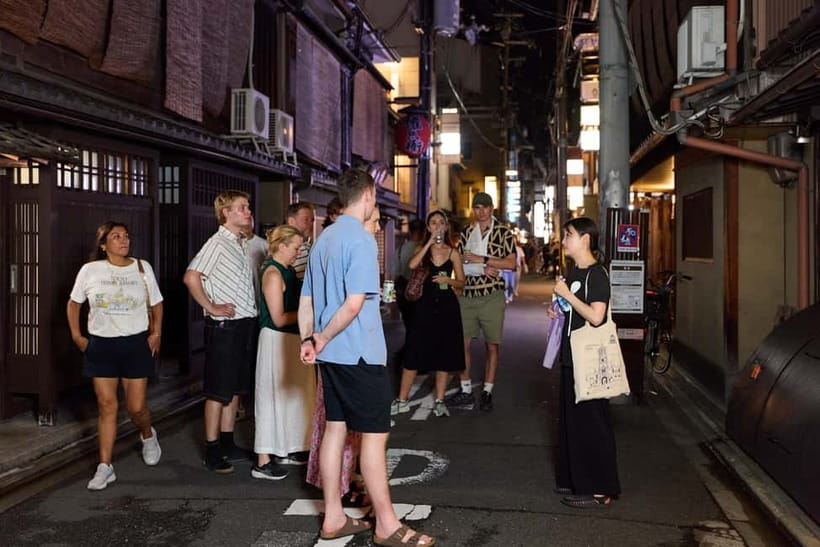
Then you move into Gion, Kyoto’s best-known geisha district. Here, the tour leans into the blend of sacred and social. Your route includes Yasaka Shrine, and the guide uses it as a cultural anchor, not just a background photo spot.
From there, you walk along Hanamikoji Street, which is famous for its classic atmosphere. This stretch is where your guide keeps an eye out for the real action: you may encounter geisha and maiko making their way to appointments. That changes the mood instantly, because the walk becomes less about information and more about recognition.
I like that the guide does not treat sightings as a gimmick. The stories you are hearing beforehand help you interpret what you notice later, including how formal appearances and ceremonial traditions show up in everyday movement through the district.
If you are wondering what to do when you see someone, the guide’s role becomes important. You are in a respectful setting, and your best move is to follow the guide’s instructions for how to observe without being disruptive.
Gion Corner: a performance lens before you head down Hanamikoji
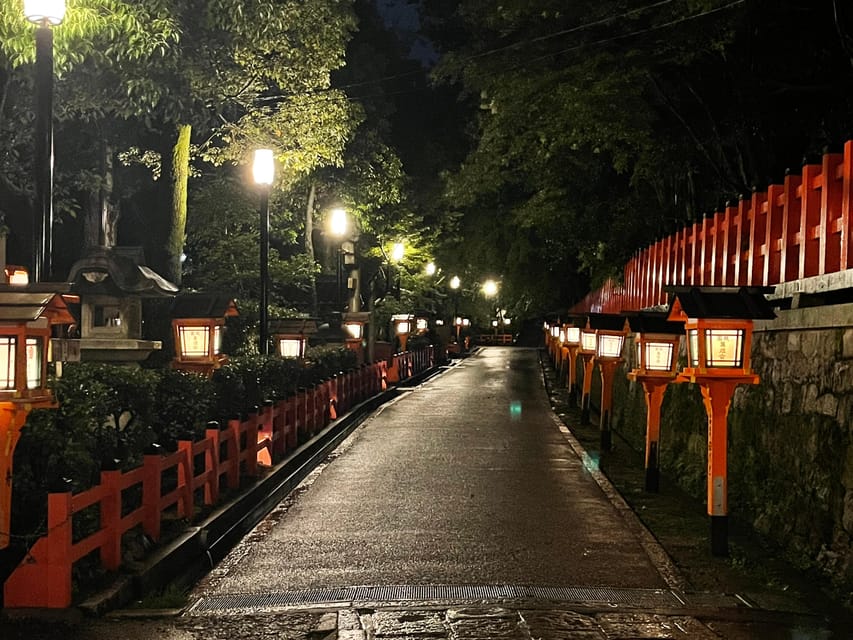
One of the scheduled stops is Gion Corner. Even if you do not already know what it is, the timing makes sense. By the time you reach it, you have already learned enough context to understand why Gion is not just about streets and buildings, it is about tradition and presentation.
I find this kind of stop valuable because it shifts your brain from “where am I?” to “what am I looking at?” The guide can connect the idea of staged arts to the wider culture you have been learning about, and that makes the rest of the evening feel more coherent.
If your interests lean toward performing arts, you will probably enjoy this part the most. If you are there mainly for atmosphere, it still works because it provides a break in the walking rhythm and gives you a thematic pause.
Walking with a local guide: the difference between facts and understanding
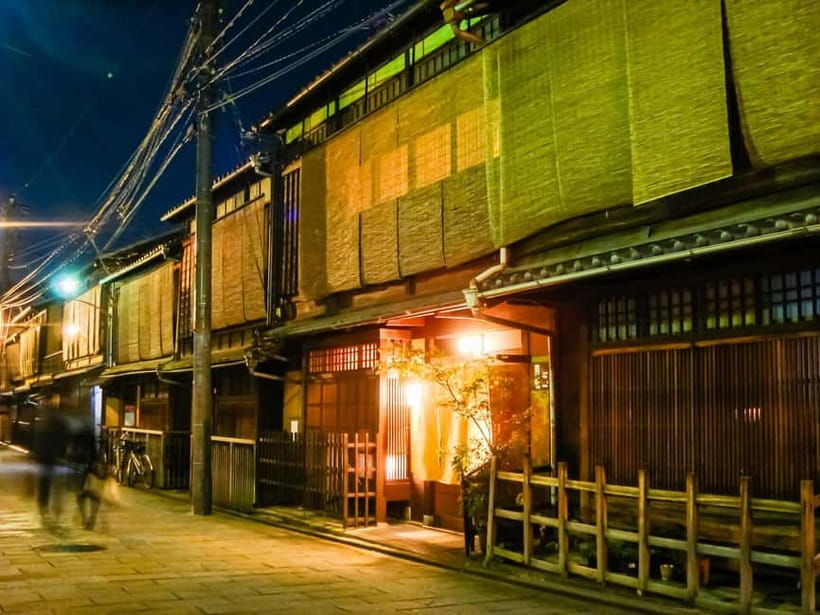
The tour is only 2 hours, but the guide plays a big role in whether it feels like a quick hit or a real introduction. Multiple past guides are described as friendly, good with questions, and able to tailor explanations for beginners and people who already know a bit.
What you should look for in a good guide here is the ability to turn “geisha culture” into something you can actually picture. On this tour, the guide does that through story, location, and repeated themes such as training, tradition, and why appointments matter to the district’s nighttime rhythm.
You can often tell when a local guide truly respects the subject. In the notes you were given, names like Nami, Yuki, Kenji, Manuel, Yukari, and Deborah come up often, with guests praising them for pacing, clear explanations, and not rushing. Even if you do not meet those exact guides, the pattern is helpful: this tour tends to be run by people who care about accuracy and respectful storytelling.
Pace, photos, and the reality of doing this in real weather
The tour is designed to be walkable, with guided time at major stops and frequent opportunities for questions. Many guests also mention that the pace is comfortable, with enough time to listen and still move along easily.
A realistic note: Kyoto nights can change quickly. One group described rain and still getting shelter at points during the walk, which is a good reminder that your evening might shift based on weather. If rain is in the forecast, bring something light to handle it and stay flexible.
Also, if you like photos, be ready for the practical tradeoffs. It is a nighttime walking experience, so you will want to balance your camera with your attention to the stories and the people moving through the district. The guide’s timing and guidance can help you get photos that feel meaningful, not just snapshots.
Price and value for a focused 2-hour introduction
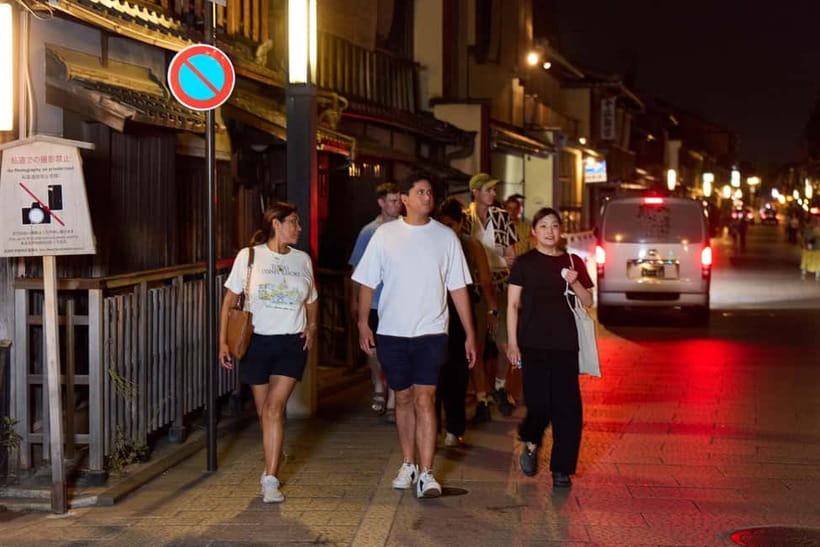
At $20 per person for a 2-hour walking tour, the value comes from two things. First, you are paying for a local guide who can explain what you are seeing in real places, like Pontocho Alley, Yasaka Shrine, and Hanamikoji Street. Second, the tour bundles multiple key stops into one easy route, so you do not spend your limited Kyoto time figuring things out alone.
This is the kind of experience that works especially well early in your trip. After you learn the basics, the rest of your time in Kyoto gets easier because you recognize what you are looking at in Gion: the streets, the cultural rhythm, and why geisha culture occupies that space.
It also works for short visits. Two hours is enough time to feel you did something “Kyoto-specific” without exhausting your day. And since the walk is focused on an entertainment district, it gives you a different angle than the classic temple routes.
Who should book this geisha district night walk
I think this tour is a great fit if you:
- want a guided introduction to Kyoto’s geisha world rather than a self-guided wander
- like questions and stories, not just looking
- are spending a limited amount of time in Kyoto and want efficient, high-context sightseeing
- enjoy nighttime walks and old-district atmosphere
It is less of a fit if you:
- are traveling with children under 10, since the tour is not suitable for that age group
- do not enjoy walking or are sensitive to uneven, narrow lanes
- need a guaranteed geisha or maiko sighting, because encounters depend on appointments and timing
Before you go: what to expect on the ground
This is a walking tour through narrow alleyways, old wooden teahouse areas, and major cultural stops. You will spend time on foot in Gion and Pontocho, and the route also includes a river crossing moment and a shrine visit. Your guide will guide you through the key district sites and explain what they represent.
Your tour is offered with English and Spanish live guidance, so you can ask questions in your comfort language. Your guide will be holding a sign board at the meeting spot, which helps you get started quickly.
One more practical boundary: alcohol and drugs are not allowed. That is helpful because it keeps the experience focused and respectful for the setting.
Should you book this Kyoto Gion Geisha District walking tour?
Yes, if you want an honest, guided look at how geisha culture connects to place. This tour earns its value by pairing night atmosphere with real context, and by giving you a path through Gion and Pontocho that you can actually understand as you walk.
Book it soon rather than later in your Kyoto trip, so the stories pay off when you explore on your own afterward. And go in ready to ask questions and look slowly. The best part of this evening is not only the sights, it is the way the guide helps you see what those streets mean.
FAQ
Where do I meet for the tour?
Meet your guide in front of the Ben’s Cookies Kyoto Shijo shop. Your guide will be holding a sign board.
How long is the Kyoto Gion geisha walking tour?
The tour lasts 2 hours.
What is the price per person?
The price is $20 per person.
Which languages are offered for the guide?
The live tour guide is available in English and Spanish.
What kind of tour is it?
It is a walking tour through Kyoto’s Gion and Pontocho districts with a local guide.
Will I definitely see geisha or maiko?
You may encounter geisha and maiko en route to appointments as you explore, but it is not stated as a guaranteed sighting.
What should I bring?
Bring water.
Is the tour suitable for children?
It is not suitable for children under 10.
Are alcohol or drugs allowed?
No. Alcohol and drugs are not allowed.
What if I need to change plans?
You get free cancellation up to 24 hours in advance for a full refund.
FAQ
What if weather is bad during the walk?
The tour includes walking through outdoor streets, so weather can affect the comfort of the route. One past group noted the guide handled rain by finding sheltered places during the experience.
Is the tour offered on a pay-later basis?
Yes. You can reserve now and pay later, keeping your travel plans flexible.
Do I end where I started?
The provided information does not state that it ends at the starting point. One past guest noted the tour did not finish where it started, so it is smart to confirm the endpoint with your guide on the night.
Latest write-ups near Kyoto
- Kyoto: Nishiki Market Tour with a Local Foodie & Tastings★ 4.5 · 67 reviews
- Kyoto Kimono Rental mimosa |Kimono/Yukata Rental Couple Plan★ 4.8 · 67 reviews
- Kyoto: Traditional Kimono Fabric Handicrafts Workshop★ 5.0 · 67 reviews
- Kyoto Tea Ceremony and Samurai Photo Session★ 5.0 · 70 reviews
- Kyoto: Replica food making experience★ 4.8 · 70 reviews
- Kyoto: Kinkakuji, Golden Pavilion Guided Tour★ 4.7 · 71 reviews
- Private departure transfer from Kyoto city to Kansai International airport★ 5.0 · 72 reviews
- Uji: Green Tea Tour with Byodoin and Koshoji Temple Visits★ 4.8 · 72 reviews
Geisha & Gion Tours, compared.
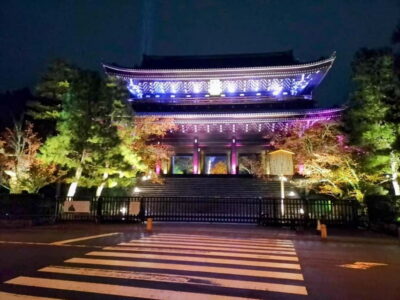
Kyoto Geisha Walking Tour: Gion District & Hidden Gems
Read our review →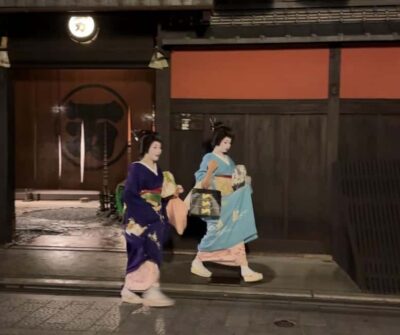
Gion Magical Night Walking Tour with Geisha Trivia
Read our review →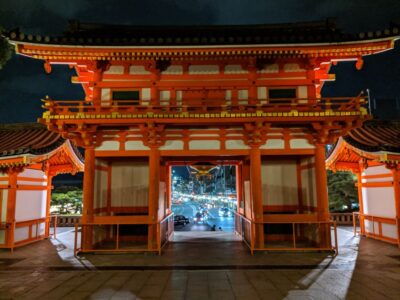
Best of Kyoto: Gion, Geisha, Pagodas & Cobblestones
Read our review →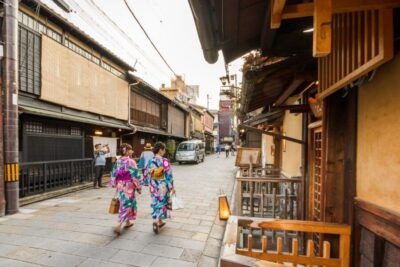
Kyoto Night Foodie Tour in Gion (9+ dishes + 6 Sake tastings)
Read our review →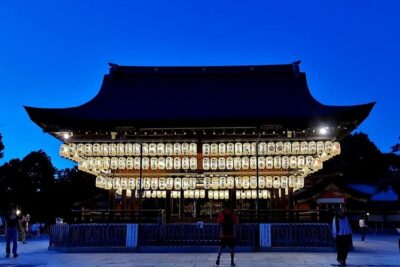
Kyoto Gion Geisha District Walking Tour – The Stories of Geisha
Read our review →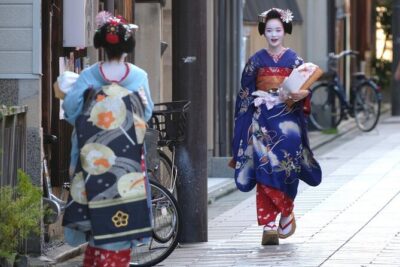
Kyoto Gion: 2-Hour Geisha Culture & History Walking Tour
Read our review →
Chopsticks Making Workshop in Gion with Engraving Option
Read our review →Browse the lists this tour appears in