
Reviewed · HISTORICAL TOURS
Asakusa: 1400-year history exploration
Asakusa is one of those parts of Tokyo where the street scenes feel layered, like you can read 1400 years in one walk. This 3.5-hour small-group tour focuses on Sensō-ji Temple and the streets around it, then carries you into the Rokku district for a very local feel. You’ll get a guided storyline for what you see, from the temple gates down to the side lanes most people skip.
I love the combination of big landmarks and “okay, but what do I actually do here” help. The snack tastings on the way through Nakamise-dori are a smart way to sample old-school flavors without guessing. Also, the earphone guide system makes it easier to keep up when the area gets crowded, which matters a lot around the Kaminarimon and temple grounds. One possible drawback: this is a history-and-walking format, and when it is packed, you may find the pace slower than the quick-hit temple photo run you might be imagining.
Key highlights worth planning for
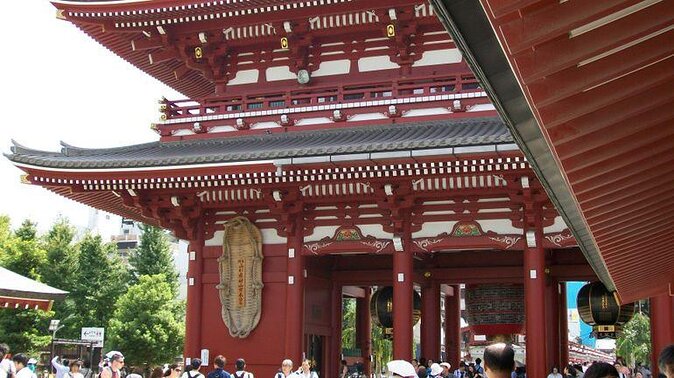
- Sensō-ji Temple through the gates, with Kaminarimon and Hōzōmon positioned so you understand the layout fast
- Nakamise-dori snack sampling, including melon pan and other classic sweets
- Rokku district guidance, with advice on where to eat, drink, and shop after the temple circuit
- Earphone guide system, so you can hear the story even in noisy spots
- Small group size up to 8, which is why questions actually get answered
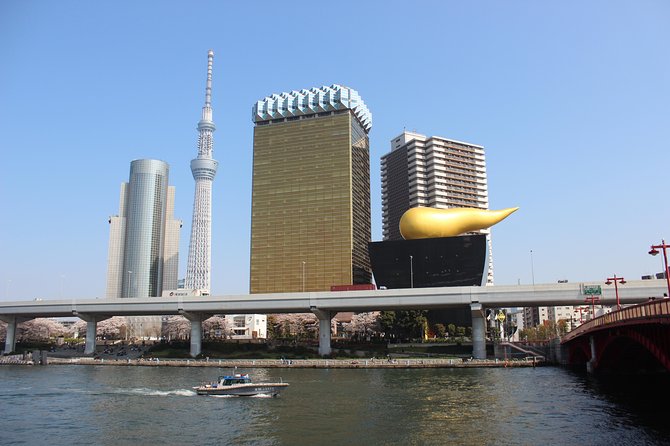
- Starts with a Sumida River view, including the Tokyo Skytree area and Asahi Breweries landmark
Why Asakusa’s 1400-year story is easier with a guide
Asakusa can overwhelm you in two ways. First, the temple approach streets are packed with shops, people, and smells. Second, Japanese religion and history can feel complicated if you only look at buildings and signage. A guide helps you connect the dots, so you are not just passing through.
This tour is built around a simple idea: see the temple in the right order, learn what each gate and street is doing in the whole scene, then move into the Rokku area where the vibe changes from sacred to everyday entertainment life. That shift is a big part of why the tour feels complete.
The small-group setup matters. When I hear stories from tours like this, one of the biggest wins is the ability to ask “why?” more than once. You also get a calmer flow than the mega-group bus style of sightseeing.
More Historical Tours in Tokyo
- Tokyo: Imperial Palace and Shogun Historical Walking Tour
★ 5.0 · 2,251 reviews - Tokyo: Imperial Palace Japanese History Walking Tour
★ 4.9 · 987 reviews - Tokyo: Shinjuku Historical Walking Tour & Secret Backstreets
★ 5.0 · 530 reviews
Starting at Azumabashi and the Sumida River, with real Tokyo context
The tour begins at Burger King Asakusa Azumabashi at 1:30 pm. That location is convenient because you are already near the Sumida River and the bridge crossings that frame Asakusa’s identity.
Stop 1 is the Sumida River area, looking across the water as the guide sets the historical stage. This is where you get the basic geography of Asakusa’s early growth, tied to river life. If you like skyline cues, you also get to spot Tokyo Skytree from this angle, plus the Asahi Breweries headquarters and its famous golden flame object.
Practical tip: even if your focus is medieval temple stuff, these river and landmark moments help you “place” Asakusa in modern Tokyo. It makes later scenes feel less random.
Asakusa Culture Tourist Information Center, then Kaminarimon Thunder Gate
Next comes a stroll to the Asakusa Culture Tourist Information Center, described as one of Asakusa’s newer sightseeing stops. This is an orientation pause that feels useful. Before you hit the temple gates and shopping lane, you can settle in, grab context, and ask questions that help later.
Then you reach Kaminarimon Gate, also called the Thunder Gate. This is the big outer gateway that leads you toward Sensō-ji. You’ll see the huge red lantern and the gate statues that are practically synonymous with Asakusa photos.
What I like here is the sequence. You are not starting at the temple main hall and hoping you figure out the entry logic on your own. Instead, you learn the gate function first: outer gate, inner gate, then temple grounds. That structure makes the whole complex feel easier to navigate.
Possible drawback: Kaminarimon is one of the busiest parts. If you hate crowds and noise, plan your expectations. This is a “you are going to stand among people” stop.
Nakamise-dori shopping street, snack breaks, and how to avoid losing time
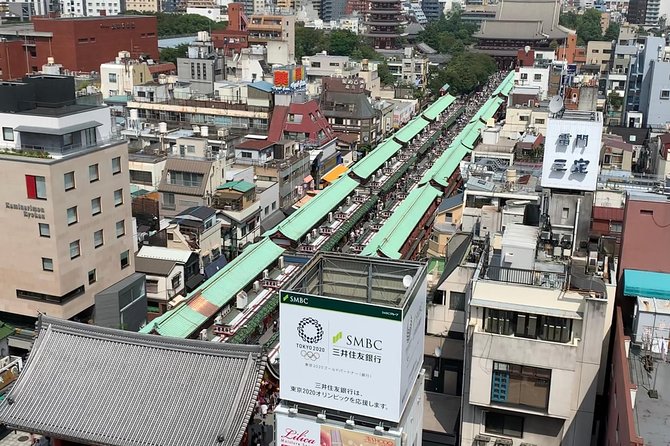
From Kaminarimon, you walk the short connection toward the temple along Nakamise Shopping Street. This is the classic 250 meter approach packed with souvenir shops and food stalls.
The key value of a guided pass here is not just where to buy. It’s what to buy and when. The tour includes a selection of Japanese sweet snacks, such as melon pan, rice dumpling, rice crackers, and sweet puffed rice. You get to taste without turning the whole morning into a snack trial you can’t finish.
The best part: the guide can point out what makes sense for what you want to do next. If you are the type who likes to bring back small edible gifts, this is where you get that momentum.
Crowd reality check: Nakamise can be loud, and people stop in the middle to browse. If you want to hear explanations clearly, stay close to the guide’s path and keep your headset volume in a comfortable range. The earphone system is there for a reason.
A change of pace from Tokyo:
- Mt Fuji and Hakone 1-Day Bus Tour Return by Bullet Train
★ 5.0 · 26,383 reviews - 1-Day Tokyo Bus Tour
★ 5.0 · 14,250 reviews - Tokyo: TOKYO SKYTREE® Admission ticket
★ 4.5 · 11,192 reviews - Tokyo: teamLab Planets TOKYO Digital Art Museum Entry Ticket
★ 4.6 · 9,779 reviews
Hōzōmon Treasure Gate and the main Sensō-ji circuit
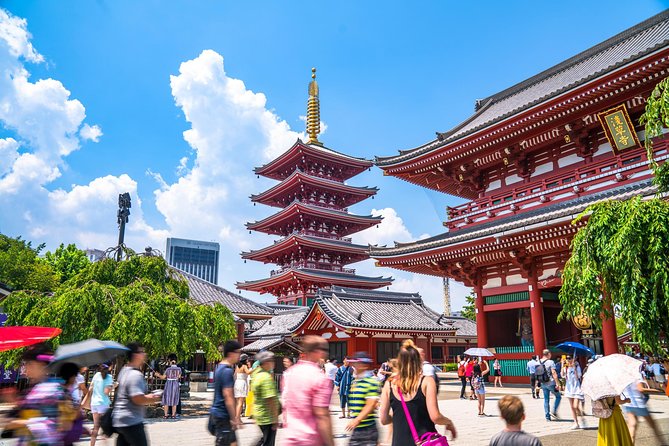
After Nakamise, you reach Hōzōmon, the inner gate (the outer is Kaminarimon). Hōzōmon is where the temple complex begins to feel more ceremonial and less shop-focused.
Then you enter the heart of the Sensō-ji Temple grounds. Between Hōzōmon and the main hall, there is plenty to see and do, and the tour gives you time to actually look instead of rushing through for pictures.
One standout detail is the five-storied pagoda. You’ll hear about the 53m-high structure, built in 942, and that it holds Buddha’s ashes. The tour also points out the pagoda’s rank, described as the second highest in Japan. Even if you only notice it in passing, once you know what it represents, it becomes a focal point rather than just another tower.
Then you continue into the temple area for the parts that people come for, with a guide helping you interpret what you are looking at. This is the moment when “1400-year history” stops sounding like marketing and starts feeling practical: you understand what survived, what was rebuilt, and why this site matters in modern Japan.
What to watch for: the temple area is iconic, so it is also a magnet for tour groups. You may feel tempted to speed up. Try not to. The guide’s pacing tends to make the busiest scenes clearer.
Asakusa Shrine, where Buddhist and Shinto space overlap
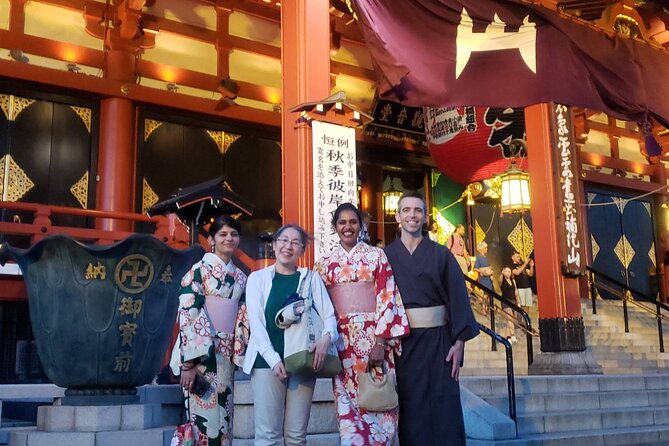
After the main temple segment, you visit Asakusa Shrine. This is where the tour becomes more interesting for people who like culture, not just architecture.
The guide explains the unusual part: Buddhist temple and Shinto shrine coexist on the same premises, and they share both origins and worshipers. Standing in that shared space helps the concept make sense. Instead of reading an explanation later, you see how the two religious traditions occupy the same physical setting.
This is also a nice mental switch. If you have been staring at incense and temple rituals for a while, the shrine visit adds variety and gives your eyes a different kind of detail to focus on.
Rokku district after the temple, Denboin Street and local advice
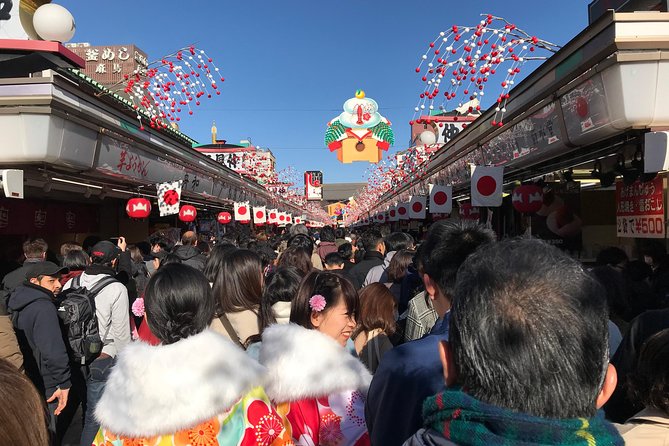
The final segment after Sensō-ji is where the tour avoids becoming only a monument parade. You head to Denboin Street and into the Rokku area, described as Asakusa’s traditional entertainment district.
The key theme here is the shift from sacred sights to everyday Tokyo life. One reason this part is praised is that it is where you start thinking like a resident: where locals go, what streets feel like at ground level, and what to look for if you continue after the tour.
The tour also includes guide advice for where to eat, drink, and shop in Rokku. That is the kind of help that pays off later, because you are not stuck with only one plan for your evening.
This area can still be crowded, but it feels different than the temple queue crowds. It is more about street atmosphere, side lanes, and the everyday flow of people.
Snacks, earphones, and how the pacing actually feels
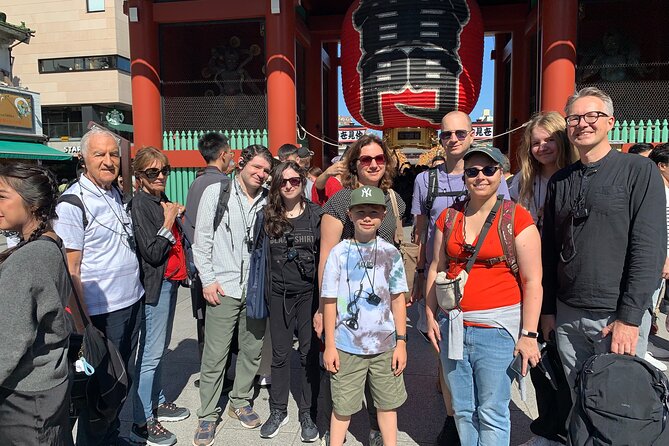
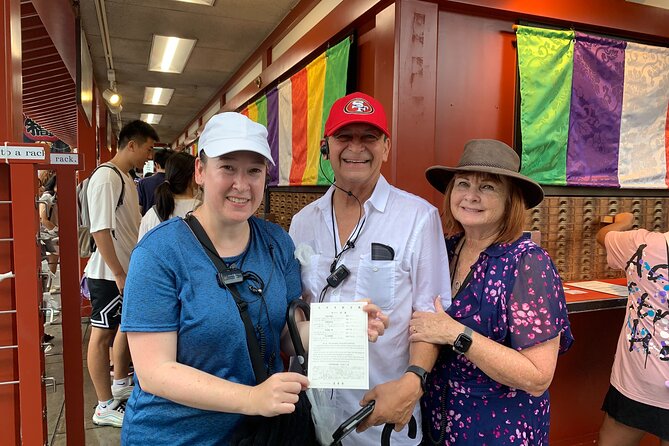
Your ticket includes both storytelling support and small food moments. You get an English-speaking guide, a selection of Japanese sweet snacks, and an earphone guide system so the guide’s voice lands clearly for each participant.
In real life, that headset matters most at the temple and gate areas, where sound bounces around and people talk over each other. Some feedback highlights that hearing can get harder when you step away from the group to rest. So if you need a break, just try to keep yourself within the guide’s listening bubble when possible.
You should also plan for walking. The tour involves a moderate amount of walking, and the best experience comes with decent footwear. Bottled water is recommended, and vending machines are available if you need them.
Price and value: what $91.17 buys you in Asakusa
The price listed is $91.17 per person for about 3 hours 30 minutes. That sounds like “just a walking tour,” but you are paying for four practical things:
- A licensed English-speaking guide experience, not a self-guided map route
- Time inside the Sensō-ji circuit in the right order, including the gates
- Included tastings, such as melon pan and rice-based sweets
- An earphone system that helps you hear in crowded areas
The group size is capped at 8, and that is not a small detail. In a crowded place like Asakusa, a bigger group usually means less speaking time and more “follow the line.” Here, the smaller size makes explanations easier to track and questions more feasible.
If you are traveling with people who care about history, culture, or simply want to avoid getting lost, the value is stronger. If your group only wants quick photos and shopping, the time spent on explanations might feel long. More on that below.
Guide styles vary, and the guide names you might see
One reason this tour earns high ratings is the guide quality. In the feedback, I’ve seen many names tied to excellent experiences, including Amy, Emiko, Sachi, Aki, Yasu, Yoko, and Taka.
Across those accounts, the themes repeat:
- Guides are friendly and responsive
- They answer questions in a way that makes the material stick
- They help with the practical parts of the day, like finding useful spots or helping with small needs such as lockers
A specific example from the tour provider’s own follow-up mentions Taka as the guide on April 7, 2024, and notes that questions covered topics like Shinto vs Buddhism, garbage disposal, and local observations, plus traditional treats like Ningyo-yaki and Yuzu drinks. That kind of detail is what you are paying for when you book guided, not just scenic.
Now the balanced note: a small number of reviews complain about hearing volume, pacing, or English clarity. The provider states their guides are certified English-speaking guides. Still, if you are sensitive to soft voices, very fast explanations, or you want minimal talking, you should be ready for that possibility. This tour is history-focused, not a silent walk.
Who should book this Asakusa 1400-year tour, and who should skip it
This tour is best for you if:
- You want the Sensō-ji complex explained in a logical sequence
- You like street-level culture, not just a temple checklist
- You want included snack tastings and guidance for what to do in Rokku afterward
- You prefer a small group where questions feel welcome
It might not be the best fit if:
- You only want a quick look and photos in and out of the main areas
- Your group struggles with crowds and loud streets, especially around gates
- You dislike tours where the guide talks for long stretches
A smart strategy: if you want flexibility, go into the temple and shopping areas knowing you might need to wait for crowd flow. If you have tight plans later, keep buffer time in your schedule.
Should you book it?
If you are planning an afternoon in Asakusa and you want the place to make sense, this is a strong option. The included snacks, the earphone system, and the small group cap help it feel like a guided experience rather than a stamp-collecting route. The Rokku ending also gives you a reason to stay longer in the neighborhood instead of simply leaving after Sensō-ji.
I would book it if your travel style leans toward understanding what you are seeing. I would only skip it if your main goal is fastest possible photos and shopping, with minimal explanation.
FAQ
How long is the Asakusa 1400-year history exploration tour?
The tour is about 3 hours 30 minutes.
Where does the tour start, and where does it end?
It starts at Burger King Asakusa Azumabashi, Japan, and ends back at the meeting point.
What is included in the tour price?
An English-speaking guide, a selection of Japanese sweet snacks, and an earphone guide system are included.
What snacks are included?
The tour includes Japanese sweet snacks such as melon pan, rice dumpling, rice cracker, and sweet puffed rice.
Is there a lot of walking, and does it run in bad weather?
There is a moderate amount of walking, and it operates in all weather conditions. Wear appropriate footwear and dress appropriately.
What is the maximum group size?
The maximum group size is 8 people.
Latest write-ups near Tokyo
- Tokyo Customized Private Tour: See Top Attractions in 1 Day★ 4.8 · 67 reviews
- From Tokyo: Top 5 Scenic Spots of Mount Fuji Full-Day Tour★ 4.5 · 67 reviews
- Traditional Japanese Music ZAKURO SHOW in Tokyo★ 5.0 · 67 reviews
- Tokyo: Shinjuku Izakaya and Golden Gai Bar Hopping Tour (2h)★ 4.9 · 67 reviews
- Tsukiji: Unlimited Sake Tasting Experience★ 4.9 · 67 reviews
- Private Harajuku Omotesando Architecture Walking Tour★ 5.0 · 67 reviews
- Tokyo: Not a show- a professional sumo practice with experts★ 4.9 · 67 reviews
- Samurai Ninja Museum Asakusa: Kid-Friendly Ninja Training★ 4.7 · 67 reviews
Historical Tours, compared.
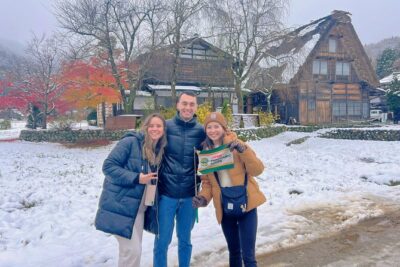
World Heritage Shirakawa-go and Experience Tours from Kanazawa
Read our review →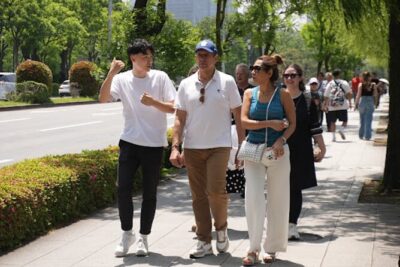
Imperial Palace and Shogun Historical Walking Tour
Read our review →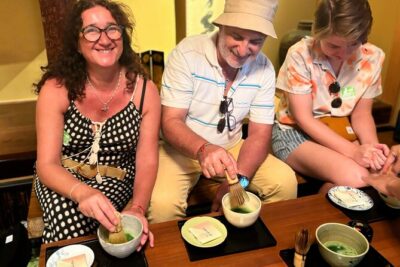
World Heritage Kyoto & Nara Uji Authentic Matcha Experience
Read our review →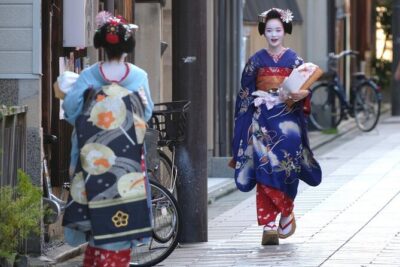
Kyoto Gion: 2-Hour Geisha Culture & History Walking Tour
Read our review →
World Heritage Shirakawa-go Morning Guided Tour
Read our review →
Hiroshima Peace (Heiwa) Walking Tour at World Heritage Sites
Read our review →
Shinjuku Historical Walking Tour & Secret Backstreets
Read our review →Browse the lists this tour appears in