
Reviewed · HISTORICAL TOURS
Asakusa: 2-hour history exploration
Asakusa is one of Tokyo’s most atmospheric neighborhoods, but it can feel like a blur if you’re just wandering. This 2-hour history-focused walk helps you understand what you’re seeing, from the river area that shaped the district to the gates that funnel you into Sensō-ji.
I love how the tour builds a clear story using major landmarks instead of random sightseeing stops. And I really like the practical touch of headsets, which keep your English guide easy to hear even when the streets get busy. One thing to consider: it’s a steady walking route with several iconic photo targets, so if you want long, quiet time inside any one spot, you may wish you had more hours.
5 key reasons this Asakusa walk works so well
- Headsets for clarity: You can actually hear your guide in crowded areas, with headsets available for groups of 3 or more.
- A guided history of Sensō-ji’s area: It’s positioned as a 1400-year history walk centered around the temple grounds.
- Gate-to-gate orientation: You get “what each gate means” context at Kaminarimon and Hōzōmon, before you step into the temple approach.
- Snack and shopping help: Your guide shows you where to buy souvenirs, and you get traditional Japanese snack sampling during the stroll.
- Small group size: Up to 20 travelers, which makes questions easier and keeps the pace human.
Asakusa’s history gets real when you walk it in the right order
Asakusa is the kind of place where the scenery is tempting enough to forget the meaning. You see big lanterns, incense smoke, and souvenir streets, then you realize later you only collected photos. What makes this experience valuable is the sequencing. It starts with the Sumida River story, then moves inward through the neighborhood’s iconic gates and temple approach.
This is especially useful if it’s your first time in Tokyo. You’re not trying to figure out what matters while dodging foot traffic. You get a guided sense of direction: where you’re standing, why it matters, and what to look for next.
More Historical Tours in Tokyo
- Tokyo: Imperial Palace and Shogun Historical Walking Tour
★ 5.0 · 2,251 reviews - Tokyo: Imperial Palace Japanese History Walking Tour
★ 4.9 · 987 reviews - Tokyo: Shinjuku Historical Walking Tour & Secret Backstreets
★ 5.0 · 530 reviews
Price and what you actually get for $64.55
At $64.55 per person for about 2 hours, this isn’t a bargain-level deal. It is, however, a pretty solid value for what you get: a live English-speaking guide, headsets, and an intentionally structured walk through multiple major highlights with free admission tied to the stops listed.
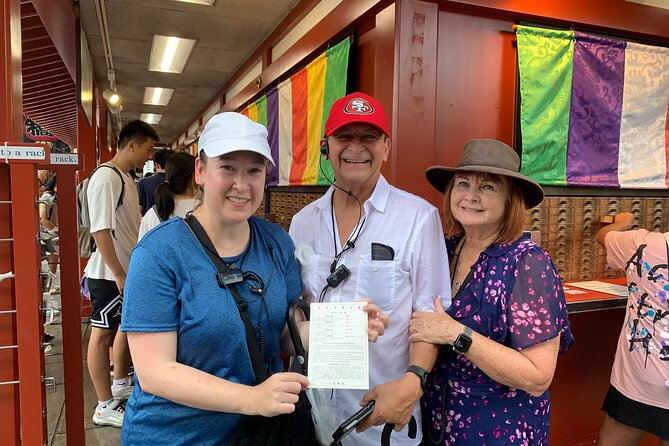
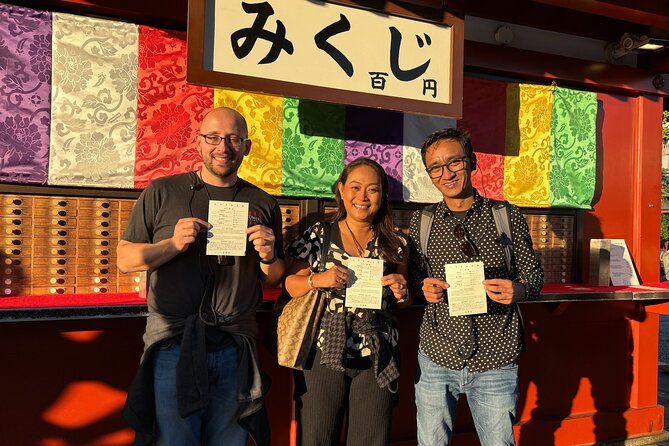
The biggest value is that you’re paying for interpretation. Sensō-ji and its surrounding streets can be overwhelming on your own. With a guide, you understand rituals like omikuji fortune slips and why people bathe their hands and faces in incense smoke. That turns “I was there” into “I know what I just experienced.”
Another small value point: the group size is capped at 20. That’s large enough to feel lively, but not so big that everyone disappears into the back of the line. In practice, that balance helps you keep up and still ask questions.
How the 9:30 am start shapes your day
The tour starts at 9:30 am at a very specific meeting location, Burger King Asakusa Azumabashi (Cross Bil Royal Palace, 2-chōme-20-6 Kaminarimon, Taito City). That specificity matters in Asakusa. The streets around Kaminarimon can look similar block to block, especially if you’re navigating on your phone.
You’ll finish near Saryō Ichimatsu (1-chōme-15-1 Kaminarimon, Taito City). The tour ends at the restaurant where a geisha activity is held, so you can often connect right into a nearby evening or cultural plan without reorienting from scratch.
If you prefer unhurried travel, this route is still gentle enough to enjoy. It’s not a gym workout. Still, it’s continuous walking, so wear comfortable shoes and treat it like a real morning stroll with stops, not a sightseeing sampler where you can linger forever.
Stop by stop: what you’ll see and why it matters
A change of pace from Tokyo:
- Mt Fuji and Hakone 1-Day Bus Tour Return by Bullet Train
★ 5.0 · 26,383 reviews - 1-Day Tokyo Bus Tour
★ 5.0 · 14,250 reviews - Tokyo: TOKYO SKYTREE® Admission ticket
★ 4.5 · 11,192 reviews - Tokyo: teamLab Planets TOKYO Digital Art Museum Entry Ticket
★ 4.6 · 9,779 reviews
1) Sumida River and Azumabashi, plus the Skytree backdrop
You begin at the Sumida River area, where the district’s history is tied to the waterway. From there, you cross or look across Azumabashi Bridge, one of those places that makes Tokyo feel layered: old waterways in view, modern landmarks in the distance.
As part of this first introduction, you’ll spot Tokyo Skytree and the Asahi Breweries headquarters. The headquarters includes the famous golden flame object, which is an easy photo target and a good anchor point for your guide’s explanation of how the area evolved.
Why I like this opening: it gives you a “starting point” before you zoom into the gates and temple crowds. You’re not just consuming icons, you’re learning the logic behind the neighborhood.
2) Asakusa Culture Tourist Information Center, architecture with a route in mind
Next you stroll to the Asakusa Culture Tourist Information Center, a newer 8-story building with striking design. The look is described as a stack of separate wooden buildings piled at different angles. Even before you reach the top, it’s a useful contrast to the older streets you’ll visit later.
There’s an open terrace observation deck on the 8th floor. From there, you get a preview of the entire tour course, including key landmarks you’ll visit next such as Kaminarimon gate, Nakamise shopping street, Hōzōmon gate, and Sensō-ji Temple.
This stop is practical, not just pretty. If you start orientation here, you’ll recognize things later instead of feeling like you’re just getting carried along.
3) Kaminarimon gate, and what that lantern actually represents
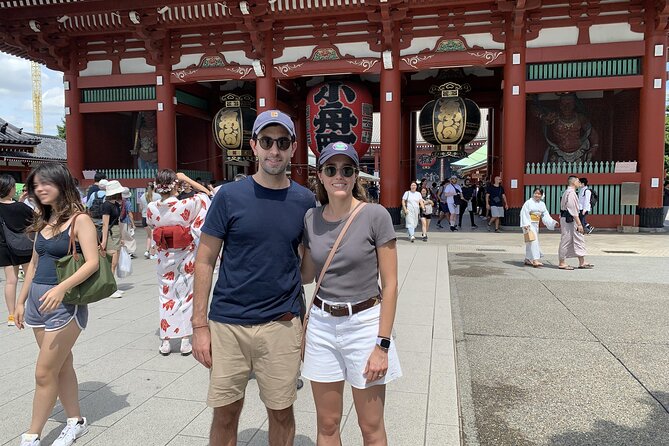
Kaminarimon, also called the Thunder Gate, is the outer gate leading toward Sensō-ji. It’s famous for a huge red lantern and statues. On your own, it can become just another landmark shot.
With a guide, the lantern gets context. Your guide will demystify what you’re seeing and explain the role of this gate as the threshold into the temple approach.
If you’re into photography, this is also a smart moment to slow down. The guide’s explanation helps you frame your photos, not just capture them.
4) Nakamise Shopping Street, a 250 m walk with stories and snacks
Nakamise shopping street connects Kaminarimon gate to Sensō-ji’s main gate. The stretch is about 250 meters, lined with souvenir shops and food stalls.
Here’s where the tour gets fun in a useful way. Your guide shows you where you might want to buy souvenirs based on your interests. And you get traditional Japanese snack sampling during the stroll. The exact snack choices may shift based on preferences, which matters because it prevents the tour from feeling like a one-size-fits-all shopping stop.
One more detail worth paying attention to: you’ll pass history tablets on the side of the street that depict how Asakusa developed around Sensō-ji Temple. That’s the sort of thing many people miss because they’re focused on shopping.
If you’re the kind of person who likes to know what you’re buying, this is the best time to slow down. Ask questions. Point at items. Let the guide help you sort tourist stuff from meaningful souvenirs.
5) Hōzōmon gate, the inner gate that feels like a transition
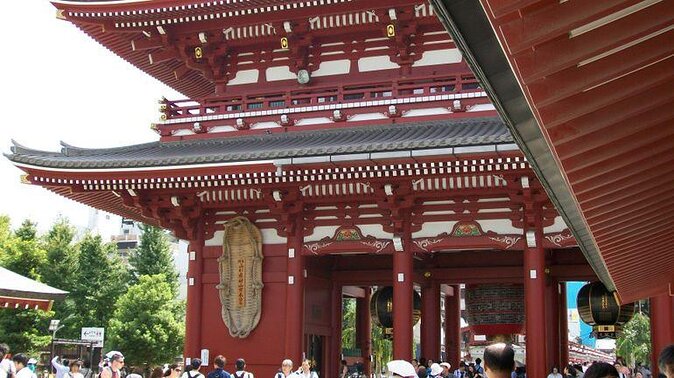
After Nakamise, you reach Hōzōmon, the Treasure-House Gate. It’s the inner gate leading to Sensō-ji, with Kaminarimon as the outer gate.
Hōzōmon is a two-story structure. The second story houses treasures, and the first story displays statues, three lanterns, and two large sandals. The guide points out what’s there and what it signifies in the temple’s layered approach.
This is another spot where having context helps. Without it, the gate is impressive but you may not grasp why the building details matter.
6) Sensō-ji Temple, 1400 years of practice you can see with your own eyes
Sensō-ji is the core of the experience, and the tour spends the most time in the area between Hōzōmon and the main hall.
Before you enter the main hall, you’ll encounter several things to observe and optional rituals to participate in:
- The Five-storied Pagoda, listed here as the second highest pagoda in Japan at 53 meters tall
- Omikuji, paper fortune slips that let you draw and read predictions
- The huge bronze incense burner ritual, where many people bathe their hands and faces in the smoke as a way to ward off illness before praying
- A water purification fountain used for cleansing before heading further in
Even if you don’t participate in every ritual, you’ll learn what they’re for and how locals use them. That turns the scene from spectacle into understanding.
One caution: if you’re near the incense burner, be ready for smoke and crowds. Move with the flow, and keep your hands and face safety in mind. It’s not unsafe, just intense enough that you’ll want to go in expecting sensory overload.
7) Asakusa Shrine, the unusual mix of Buddhism and Shinto
At Asakusa Shrine, you’ll see something Japan visitors often find surprising. A Buddhist temple and a Shinto shrine coexist on the same premises, with shared origins and worshipers.
Your guide explains why this coexistence matters, and how it’s woven into everyday life rather than being a separate, museum-like curiosity.
I like finishing with this stop because it gives you something to think about. You walk away with an understanding of how Japanese religious life can be both practical and flexible.
Small group, clear audio, and guides who make questions feel welcome
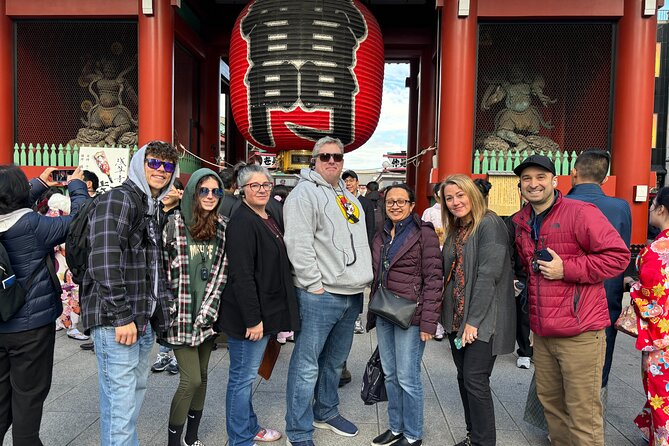
A lot of Tokyo tours can feel like someone reading facts while you rush from point to point. This one is structured more like a guided walk where the group stays together and you can actually hear the story.
The headsets are key. On a busy day, without them, you miss the meaning while focusing only on keeping up. With headsets, your guide’s English stays audible, and you can ask questions without repeating yourself.
The guide experience also seems to be a big part of why people rate this so highly. In particular, guides such as Choco, Yasu, and Amy have been highlighted for friendly, clear English and strong knowledge of Tokyo history. That matters because Asakusa rewards guides who can turn details into something you can remember.
Is there shopping and extra culture beyond the main temples?
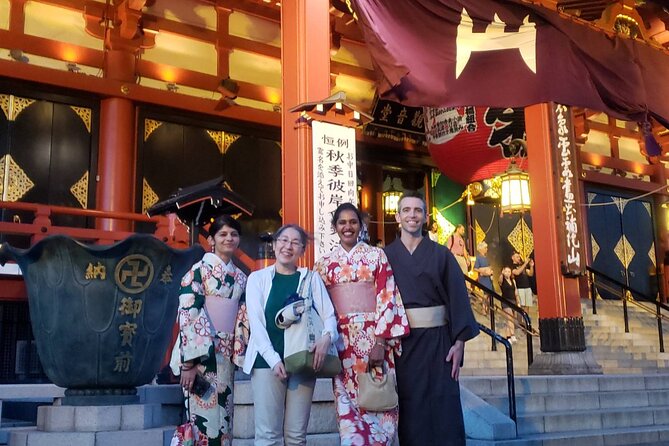
Yes, there’s a natural overlap with souvenirs and traditional snacks during Nakamise shopping street. Your guide helps you find what fits your taste, and they may buy snacks you try along the route.
Also, one thing I learned from the overall experience style is that some guides may add a bonus touch at the end, like a short origami lesson. Since it’s not guaranteed from the core tour description, think of it as a possible extra rather than the main reason to book.
Who this tour suits best, and who might want a different style
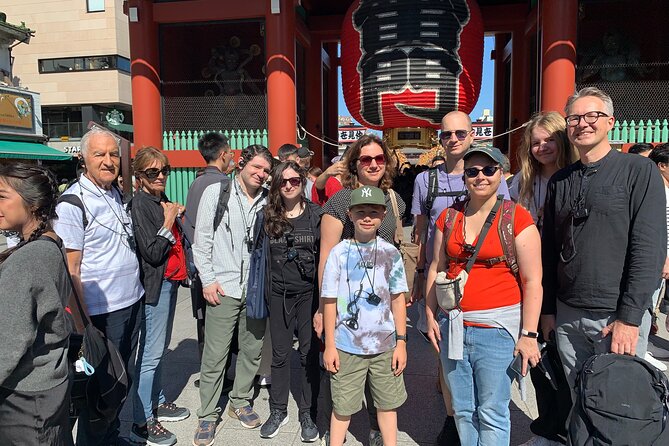
This is a strong fit if you:
- Are seeing Asakusa as part of a first Tokyo trip
- Want a guided history-focused walk instead of solo wandering
- Like cultural context, especially around Sensō-ji rituals and the gate layout
- Prefer smaller groups with headsets so you do not miss the guide
You might want to choose a different option if you:
- Want very slow pacing or lots of time sitting inside one major site
- Prefer audio alone or self-guided navigation without a live storyteller
- Don’t enjoy walking through dense areas with regular crowd flow
Before you go: practical tips that make the walk easier
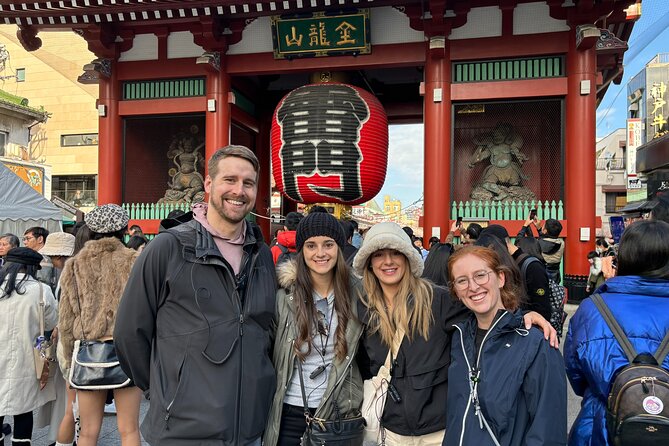
A few things will help you get the most out of the 9:30 am rhythm:
- Wear comfortable shoes. The route is leisurely, but it is still a walk with multiple landmark stops.
- Plan to buy a small souvenir or snack. The tour is designed to give you choices and sampling, not just window shopping.
- Bring your curiosity. The guide’s explanations cover rituals like omikuji and the incense burner, which are much more rewarding when you ask questions.
If you’re meeting at Burger King, arrive a bit early. This helps you find your group without stress, especially around the Asakusa Azumabashi area.
Should you book this Asakusa history walk?
I think you should book if you want an efficient, high-signal way to understand Asakusa in about 2 hours. The combination of live English guidance, headsets, and a focused route through Sumida River, Kaminarimon, Nakamise shopping street, Hōzōmon, Sensō-ji, and Asakusa Shrine makes it a smart first-time strategy.
You’ll come away with more than images. You’ll have a mental map of how the neighborhood developed and why the rituals and gates are there. If you love cultural details and you like having someone translate meaning as you walk, this is the kind of tour that pays off fast.
If you’re the type who wants to linger, or you don’t care about historical context, you might be happier doing Asakusa on your own and spending longer inside any one site. But for most people, especially first-timers, this is a clean, well-structured way to get orientated and truly enjoy the place.
FAQ
What’s the duration of the Asakusa history exploration?
The tour runs for about 2 hours.
How much does the tour cost per person?
The price is listed as $64.55 per person.
What language is the tour guide using?
The tour includes live guiding in English by a local certified expert guide.
Do I need to pay for admission at the stops?
The stops listed have admission tickets marked as free, and the included section focuses on the guided experience and history.
Are headsets provided?
Headsets are included and can be used for groups of 3 or more, to help you hear the guide clearly in busy areas.
Where do I meet the group?
Meet at Burger King Asakusa Azumabashi (Cross Bil Royal Palace, 2-chōme-20-6 Kaminarimon, Taito City).
Where does the tour end?
The tour ends at Saryō Ichimatsu (1-chōme-15-1 Kaminarimon, Taito City), at the restaurant where the geisha activity is held.
Is hotel pickup included?
No, hotel pickup is not included.
Latest write-ups near Tokyo
- Tokyo Nights: Shibuya Photo Adventure★ 5.0 · 20 reviews
- Wagyu & Sake 8 Course Tasting Dinner in Shinjuku★ 4.9 · 20 reviews
- Making Japanese desserts Nerikiri & drinking matcha in Tokyo★ 5.0 · 20 reviews
- Mt. Fuji 5th Station, Owakudani Ropeway, Pirate Ship plus Outlet shopping!★ 4.5 · 20 reviews
- Japanese Whisky Hunting《HIGH-QUALITY-ONLY》Rare Tasting Class★ 5.0 · 20 reviews
- Kintsugi Experience with Arita Ware in Tokyo (English Guide)★ 4.8 · 20 reviews
- This is Asakusa! A Tour Includes the All Must-Sees!★ 5.0 · 20 reviews
- Tokyo: Karate Experience with Former All-Japan Champion★ 5.0 · 20 reviews
Historical Tours, compared.
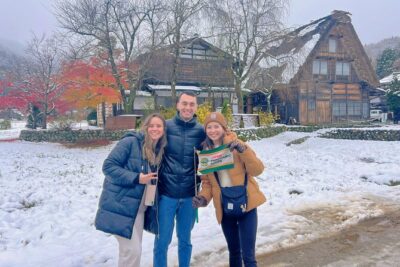
World Heritage Shirakawa-go and Experience Tours from Kanazawa
Read our review →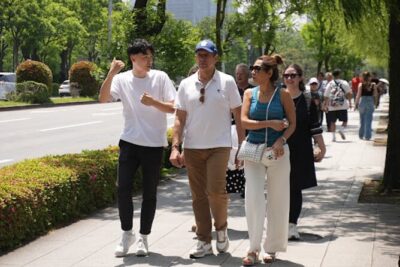
Imperial Palace and Shogun Historical Walking Tour
Read our review →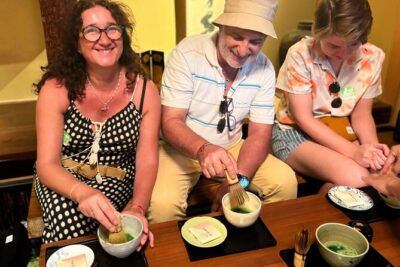
World Heritage Kyoto & Nara Uji Authentic Matcha Experience
Read our review →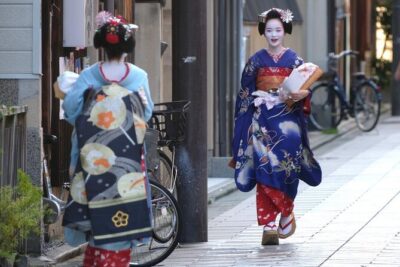
Kyoto Gion: 2-Hour Geisha Culture & History Walking Tour
Read our review →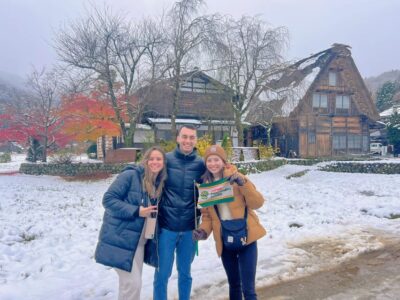
World Heritage Shirakawa-go Morning Guided Tour
Read our review →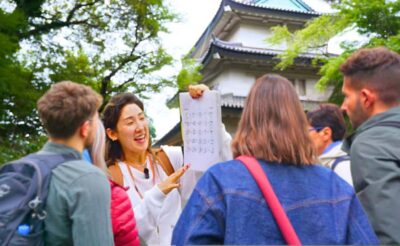
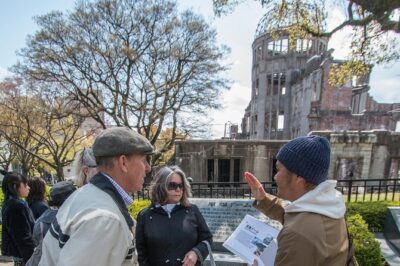
Hiroshima Peace (Heiwa) Walking Tour at World Heritage Sites
Read our review →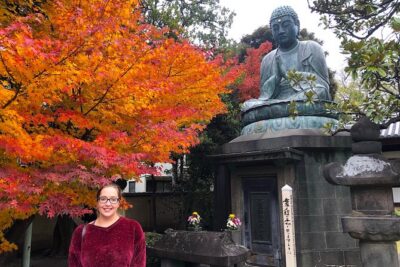
Yanaka Walking Tour: Historic and Traditional District of Tokyo
Read our review →Browse the lists this tour appears in