
Reviewed · HISTORICAL TOURS
Asakusa: A Big-picture History Walk to Know Japan
Asakusa has a way of feeling like a postcard that refuses to stay simple. This walk is interesting because it treats the streets, gates, and shrines like chapters in one story, from Japan’s long isolation to the outside world knocking on the door. I love the big-picture history thread that ties landmarks together, and I also love the clear, visual explanations of Buddhism and Shinto without turning it into a lecture.
One thing to consider is the pace. It’s a 2-hour walk with a moderate amount of walking, so you’ll want comfortable shoes and a water bottle, especially if it’s crowded or hot.
Key things I’d watch for on this Asakusa walk
- Sumida River isolation story that connects Edo-era closure to later reopening, including Dutch trade and Admiral Perry
- Two-religion basics at the start so Senso-ji and the shrine grounds make sense fast
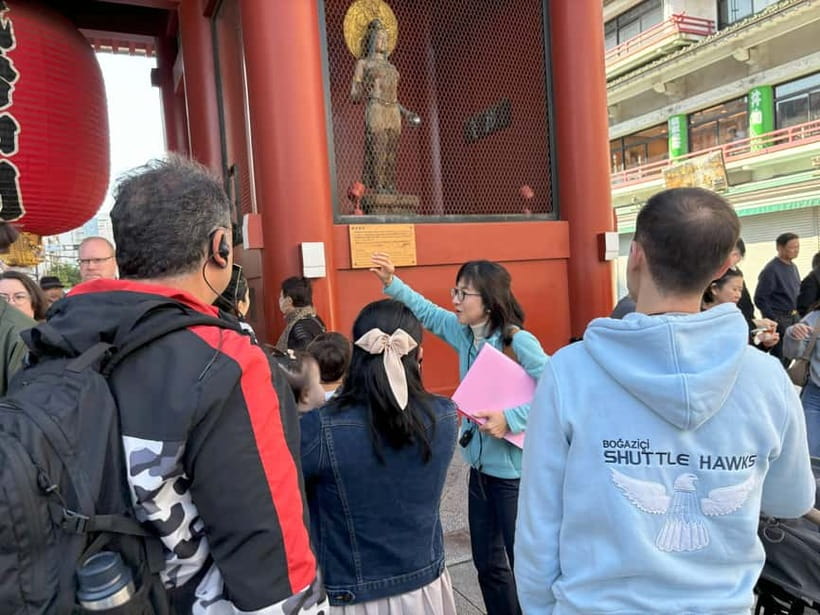
- Symbol spotting at Kaminarimon and the gates, including how dragons differ in Japanese vs Western roles
- Nakamise + ukiyo-e to Europe, showing how Japanese woodblock prints influenced Western Impressionists
- A 1,000-year mindset comparison at Hozomon Gate, linking Japanese and European ways of thinking
- One grounds, two traditions to experience 1,000 years of coexistence in Shinto and Buddhism
How Asakusa becomes a whole history lesson in 2 hours
The magic of this tour is scale. The area is walkable, but the meaning is huge. You start in modern Tokyo and then your guide builds a timeline you can actually follow, not just dates you try to memorize.
Price is $58 per person, and I think it makes sense for what you get: a certified English-speaking guide, headsets to hear clearly for groups of 3 or more, and traditional snack tastings included. Most short neighborhood tours hand you photos and hints. This one hands you context, so every gate and courtyard starts to explain Japan instead of just looking scenic.
You’ll also get a helpful rhythm. Several stops are brief and focused, so you stay in motion and keep momentum. If you like travel that feels like you’re getting your bearings fast, this fits that style.
More Historical Tours in Tokyo
- Tokyo: Imperial Palace and Shogun Historical Walking Tour
★ 5.0 · 2,251 reviews - Tokyo: Imperial Palace Japanese History Walking Tour
★ 4.9 · 987 reviews - Tokyo: Shinjuku Historical Walking Tour & Secret Backstreets
★ 5.0 · 530 reviews
Starting at Asakusa’s subway edge, then stepping into the Sumida River story
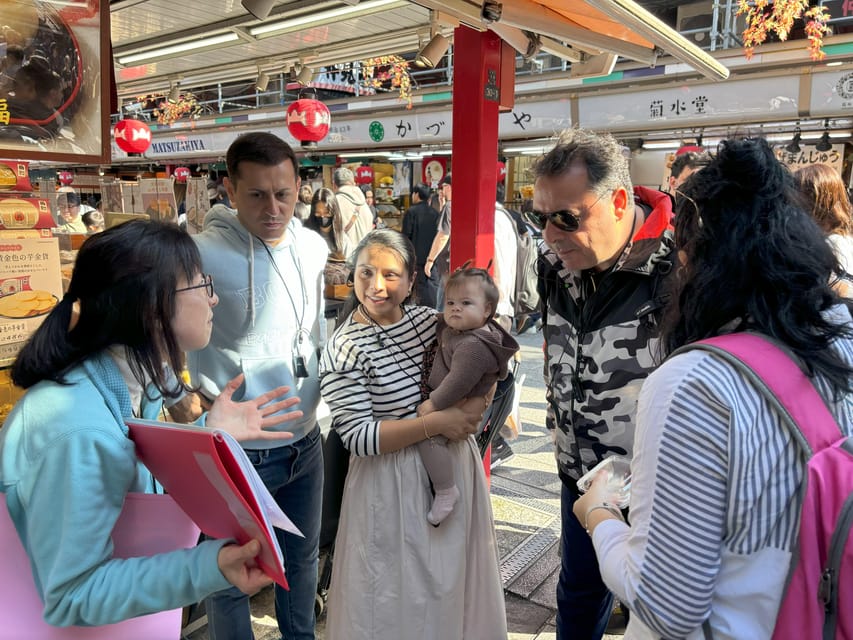
The meeting point is easy to find once you know where to look: in front of a Burger King right next to Exit 4 of Asakusa Station on the Ginza line. Step outside when you reach Exit 4, and you’ll be set.
From there, the tour begins with a short guided walk to the Tokyo Cruise Asakusa Pier along the Sumida River. This is the “why Japan was different” part. You’re not just looking at water. You’re hearing how the Edo shogunate sealed the country for over 200 years, how the Netherlands was permitted to trade while most foreigners were kept out, and how Admiral Perry’s arrival forced Japan to reopen.
Then the guide bridges history to what you can see today. You’ll hear connections tied to modern Tokyo, including Odaiba’s former gun batteries and the Statue of Liberty replica facing the Pacific. The point is simple: Japan’s global connections didn’t arrive by accident, and you can trace the shift from isolation to engagement by looking at the city you’re standing in.
Practical thought: the pier area can feel windy, even in good weather. Bring water, and if it’s cold or breezy, dress for it.
Asakusa Culture Tourist Information Center, your religions cheat sheet
Right after the river intro, you stop at the Asakusa Culture Tourist Information Center. This is a surprisingly smart move, because it prepares you for what you’ll see next.
You get a clear introduction to Japan’s two major religions, Buddhism and Shinto, explained early enough that temple details later won’t feel random. That matters because Asakusa is a place where symbols repeat. Once you understand the basics, you start noticing the logic instead of just the decoration.
I also like that this section is brief. It sets the stage, then the tour moves on before you lose interest. If you’ve ever walked into a temple without knowing what’s going on, you’ll appreciate this kind of setup.
Kaminarimon Gate and the dragon lesson that flips your expectations
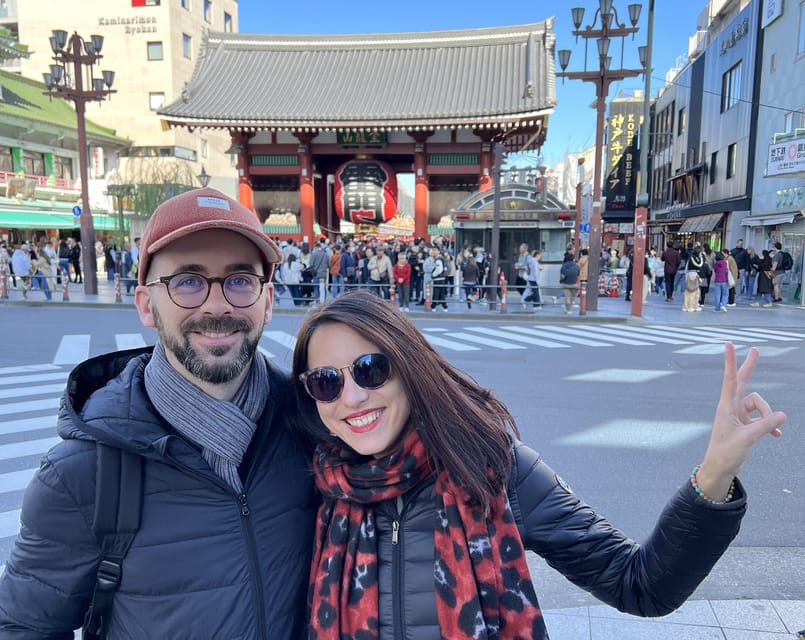
Kaminarimon, the Thunder Gate, is the iconic entrance most people recognize from photos. What makes it better with a guide is that you learn how to read it.
One of the tour’s standout comparisons is how Japanese dragons differ from Western dragons. You’ll hear why the Japanese dragon plays an opposite role from the Western one. That’s a fun moment, but it also teaches a real principle: Japanese religious and cultural symbols aren’t copies of European ones. They follow different storytelling rules.
From there, you’re trained to look at what you’d normally skim. That mindset helps everywhere else on the route.
More Walking Tours in Tokyo
- Tokyo Tsukiji Fish Market Food and Culture Walking Tour
★ 5.0 · 3,184 reviews - Tokyo: Shinjuku Local Bar and Izakaya Guided Walking Tour
★ 4.9 · 1,794 reviews - Tokyo: Tsukiji Fish Market Food and Walking tour
★ 5.0 · 1,724 reviews - Tokyo: Asakusa Walking Tour with Sensoji Temple Visit
★ 4.8 · 1,583 reviews
Nakamise Shopping Street: Buddhist symbols and ukiyo-e’s Europe shock
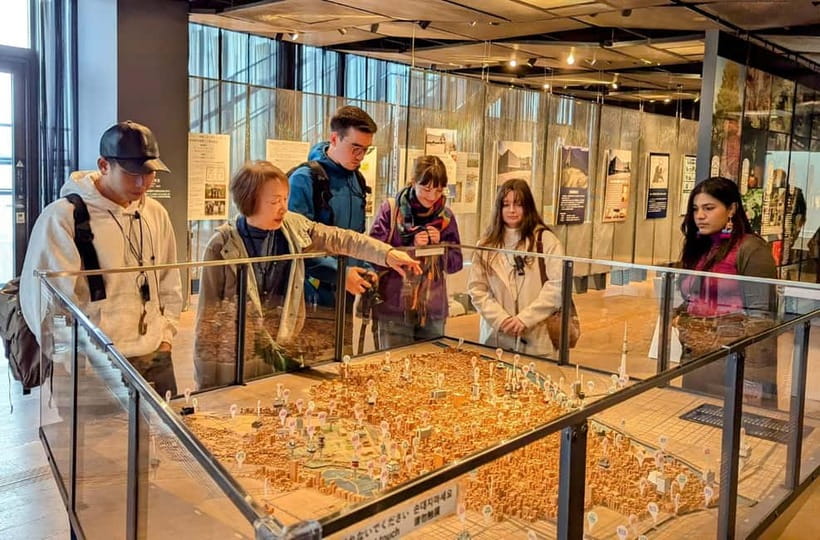
Nakamise Shopping Street is the lively stretch everyone expects: snacks, souvenirs, and busy energy. The difference is that you walk it with meaning.
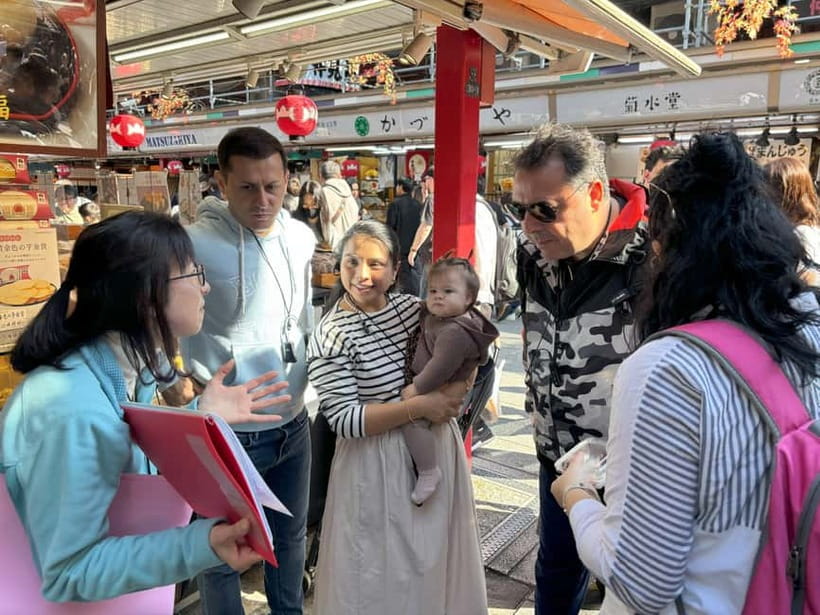
Your guide points out Buddhist symbols you might otherwise miss, including the vajra (tokko). You’re also given the larger cultural connection that surprises many visitors: the world-changing impact of ukiyo-e woodblock prints, and how these prints reached Europe in a big way. The tour connects that to the inspiration ukiyo-e had for Western Impressionist painters.
This is where you start seeing “Japan” as something that traveled, influenced, and exchanged ideas, not just a place people come to admire. You’re also learning a nice, practical skill: when you see an image style in a museum or art book back home, you can recognize where it might have borrowed energy from Japanese print culture.
Real-world consideration: Nakamise is busy. Headsets help, but you may still have moments where the crowd noise competes with audio. It’s usually manageable, and the guide keeps the pace moving, but bring patience.
Hozomon Gate and the 1,000-year comparison you can feel in your brain
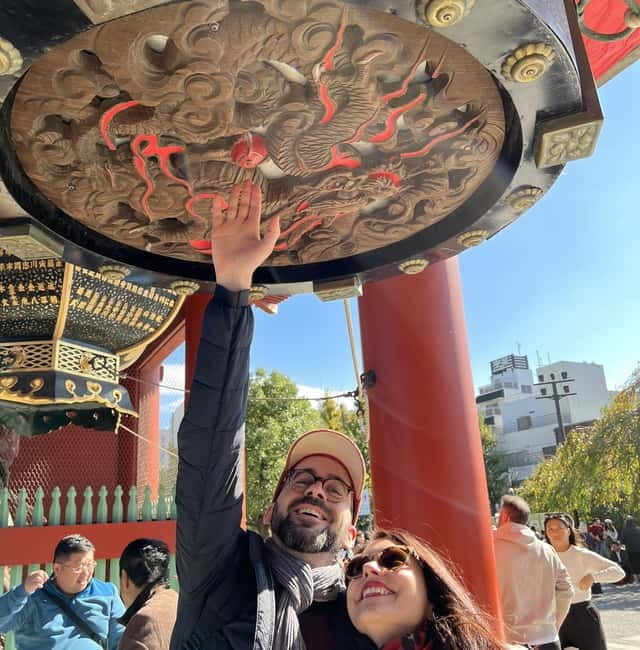
At Hozomon Gate, the tour makes a bold claim in a good way. You’re invited to notice that people in Japan and the West shared remarkably similar ways of thinking about life and meaning around 1,000 years ago.
This isn’t presented as a random fact to memorise. It’s used as a bridge. Once you hear it, you start interpreting what you’re seeing through a lens that’s less “mystery culture” and more “human patterns.”
You also get another layer here: gates in Asakusa are not just photo backdrops. They are checkpoints for belief, movement, and ritual. Even if you don’t fully grasp every detail, you’ll understand that these places were designed to guide you step by step.
Senso-ji Temple: oldest Buddhist temple, plus the prayer difference that matters
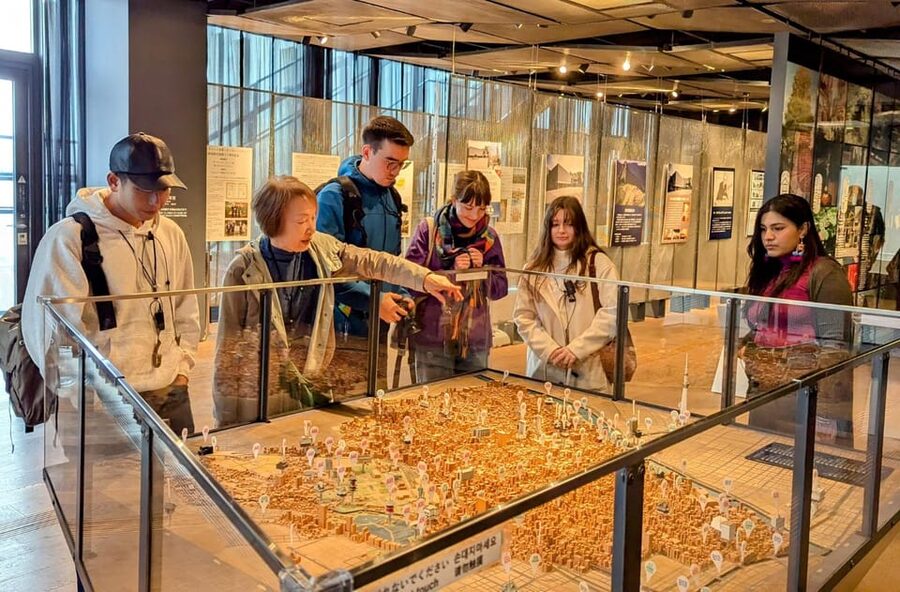
Senso-ji is the big draw, and the tour treats it like the anchor it is. You’ll learn that it’s Japan’s oldest Buddhist temple, which gives your walk some real grounding.
The most useful part, though, is the comparison your guide offers. You’ll get a clear explanation of how prayer differs in Buddhism and Shinto. That helps you interpret actions you see right in front of you, instead of guessing.
For example, you may notice that people approach sacred spaces with different intentions and rituals depending on tradition. When you understand the why, the experience stops being only visual and becomes behavioral.
You might also catch a moment of temple-side tradition that feels interactive. One of the guides’ approaches that shows up in the experience is adding small activities like fortune telling near the entrance area, which can make the temple feel less distant and more personal, especially for families.
Asakusa Shrine at the end: 1,000 years of peaceful overlap
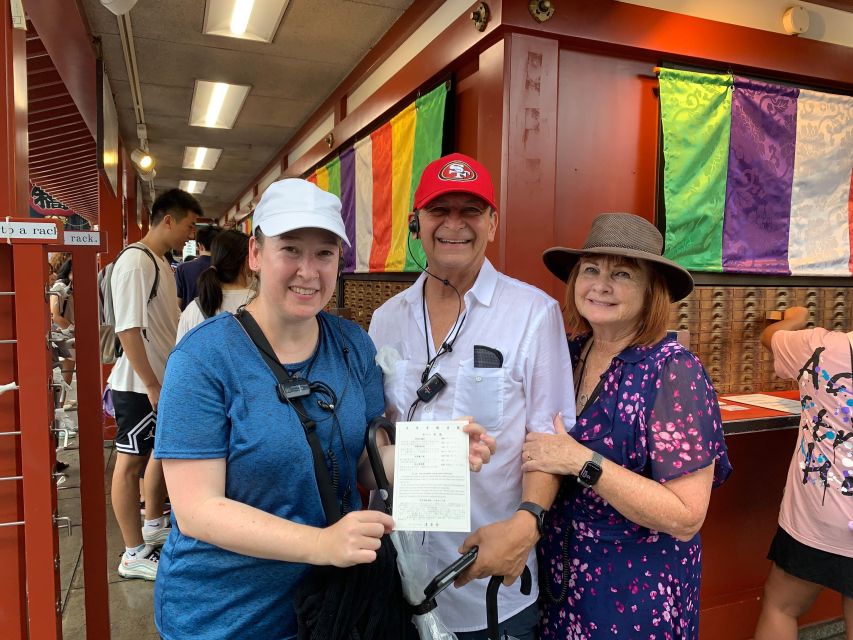
The finale is Asakusa Shrine, and it’s the kind of ending that makes the whole tour click. This is where you see the idea of coexistence in a concrete way.
You end at a place that amazes many visitors: a Shinto shrine and a Buddhist temple sharing the same grounds, with worshippers and history that have coexisted peacefully for over a millennium.
This stop turns the earlier religion lessons into lived reality. Instead of only explaining doctrine, the tour shows how daily practice can overlap. It’s also the best antidote to the assumption that religions always stay in separate boxes.
If you remember one thing from this walk, make it this: Japan’s spiritual world has room for layered traditions, and Asakusa is a place where you can witness that arrangement without needing a textbook.
Traditional snack tastings, headsets, and the tour style that keeps you moving
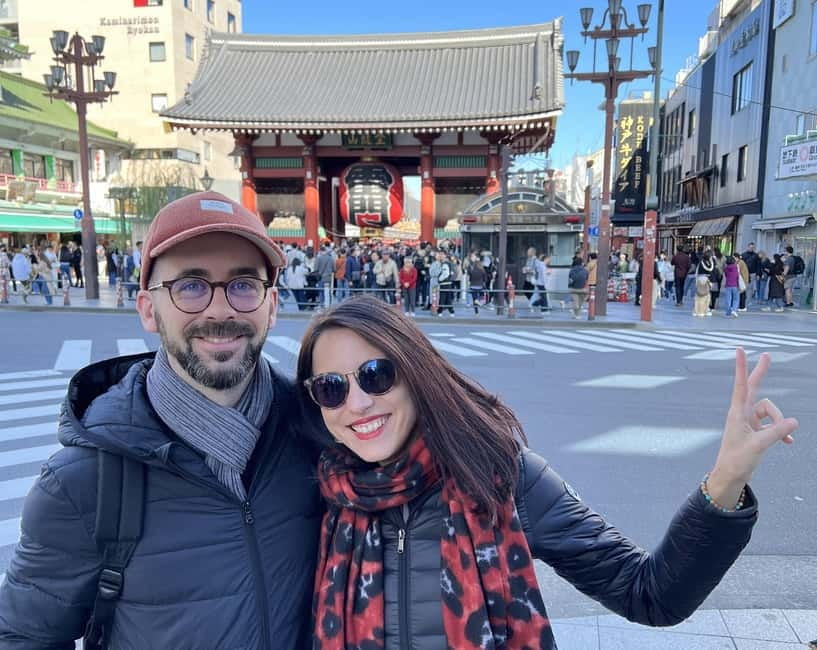
Two practical inclusions make this tour easier than many self-guided walks.
First, headsets to hear the guide clearly for groups of 3 or more. That matters in Asakusa where crowds can swallow spoken instructions. The sound setup usually works well, but there is one small caution you should know. In some crowded zones, the audio can echo a bit and make words harder to catch, depending on where you’re standing.
Second, traditional snack tastings are included. This is a small cost saver and a nice sensory bonus. It also gives you a reason to slow down briefly, taste something local, and connect the neighborhood to the history you’re hearing.
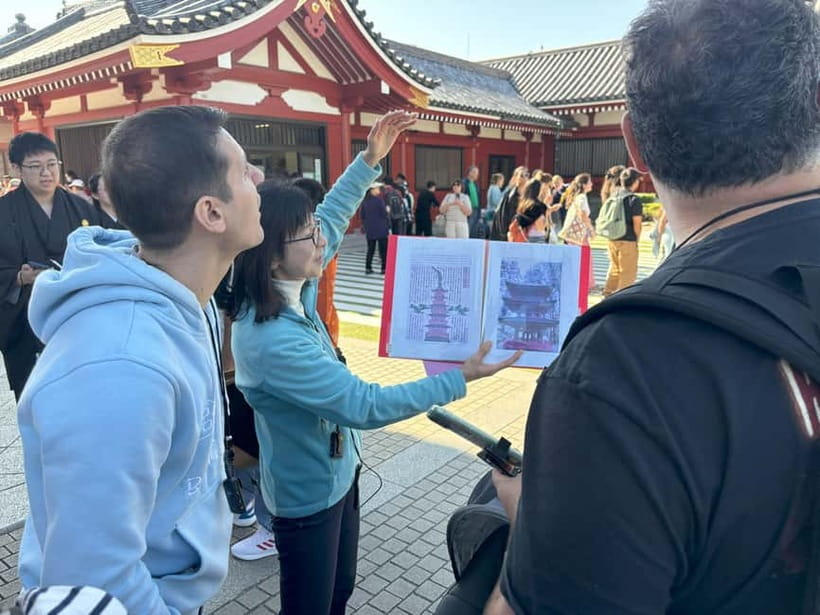
The guide style is another big reason the experience gets strong feedback. Several guides are noted for being friendly, engaging, and flexible, including with families. Names that come up include Choco, Choco with a guide approach that worked well with kids, and also Sachi, Amy, Yasu, and Yoko for strong explanations and helpful teaching tools like prints.
Price, pace, and logistics: what $58 buys you and what it asks from you
Let’s talk value without pretending it’s cheap. At $58 per person for 2 hours, you’re paying for expertise and structure. This isn’t just a walk between landmarks. You’re paying for the guide to connect each stop to a bigger narrative, then translate symbols into something you can actually understand on the spot.
You also get:
- Certified guide in English
- Walking tour with several short guided segments
- Headsets for clearer listening
- Traditional snack tastings
- Rain or shine operation
What it asks from you:
- Comfortable shoes for moderate walking
- Weather-appropriate clothing
- The willingness to move through a compact area that can feel busy
If you’re coming in with limited time in Tokyo and you want more than “I saw a temple,” this is a good deal. If you only want quiet, slow wandering, you might prefer doing Asakusa on your own first and then adding a shorter add-on guide session.
Should you book this Asakusa big-picture history walk?
I’d book it if you want to understand Japan fast, especially the connections between religion, symbolism, and global influence. This tour is ideal when you like guided context and you want Asakusa to make sense beyond its postcard looks.
Book it even more strongly if you care about art and cultural exchange, because the ukiyo-e to Europe story is the kind of connection that sticks. Also, if you’re traveling as a group that includes kids, the experience can work well since the guide approach is often described as engaging and interactive near the temple.
I would skip or reconsider if mobility issues are a concern, since the tour involves moderate walking and it is described as not suitable for people with mobility impairments.
If you’re the kind of traveler who wants one walk to explain the country you’re seeing, this one does that job well.
FAQ
How long is the Asakusa history walk?
The tour duration is 2 hours.
How much does the tour cost?
The price is $58 per person.
Where do I meet the guide?
Meet in front of a Burger King next to Exit 4 of Asakusa subway station (G19) on the Ginza line. Step outside when you reach Exit 4.
What is included in the price?
Included are a certified guide, a walking tour, headsets to hear the guide clearly for groups of 3 or more, and traditional snack tastings.
Does the tour run in the rain?
Yes, it operates rain or shine.
Is the tour in English?
Yes, the tour is in English, with an English live guide and an English audio guide included.
Is the tour suitable for children and for people with mobility issues?
Children younger than 6 can join for free. The tour involves moderate walking and is noted as not suitable for people with mobility impairments.
Latest write-ups near Tokyo
- Tokyo Customized Private Tour: See Top Attractions in 1 Day★ 4.8 · 67 reviews
- From Tokyo: Top 5 Scenic Spots of Mount Fuji Full-Day Tour★ 4.5 · 67 reviews
- Tokyo: Shinjuku Izakaya and Golden Gai Bar Hopping Tour (2h)★ 4.9 · 67 reviews
- Traditional Japanese Music ZAKURO SHOW in Tokyo★ 5.0 · 67 reviews
- Tsukiji: Unlimited Sake Tasting Experience★ 4.9 · 67 reviews
- Tokyo: Not a show- a professional sumo practice with experts★ 4.9 · 67 reviews
- Samurai Ninja Museum Asakusa: Kid-Friendly Ninja Training★ 4.7 · 67 reviews
- Private Harajuku Omotesando Architecture Walking Tour★ 5.0 · 67 reviews
Historical Tours, compared.
World Heritage Shirakawa-go and Experience Tours from Kanazawa
Read our review →
Imperial Palace and Shogun Historical Walking Tour
Read our review →
World Heritage Kyoto & Nara Uji Authentic Matcha Experience
Read our review →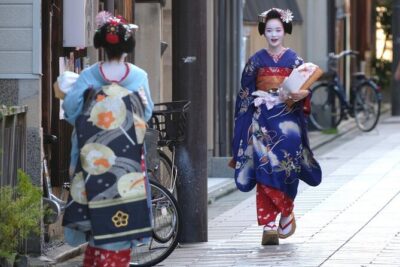
Kyoto Gion: 2-Hour Geisha Culture & History Walking Tour
Read our review →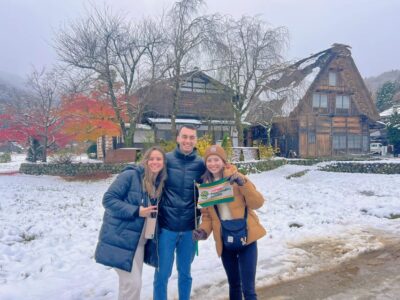
World Heritage Shirakawa-go Morning Guided Tour
Read our review →
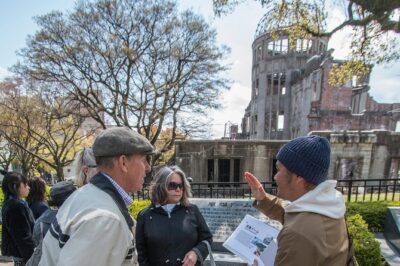
Hiroshima Peace (Heiwa) Walking Tour at World Heritage Sites
Read our review →
Shinjuku Historical Walking Tour & Secret Backstreets
Read our review →Browse the lists this tour appears in