
Reviewed · HISTORICAL TOURS
Asakusa: TOKYO SKYTREE Exploration after History Tour
Asakusa in the afternoon is a fun mix of old Tokyo street life and real city landmarks, and this tour gets you there fast by pairing a focused walking circuit with Tokyo Skytree admission. You start in Kaminarimon’s area, follow your guide through the major sights, then finish with skyline views from the observation decks.
I especially like the way the walk is structured around big ideas, not just photos: the guide explains the links between Buddhism and Shinto at Asakusa’s key stops, and it all feels like it clicks into place as you go. I also like the included Skytree combo, upper and lower decks, because it removes a lot of ticket anxiety in a place where entry slots can disappear.
One thing to consider: the Skytree tickets are bought as soon as you book, and the experience is non-refundable and not date-changeable if plans shift. If your calendar is likely to move, it’s the main reason to think twice.
Key points that make this tour worth your time
- Small group size (max 8) means you can ask questions and keep a comfortable walking pace.
- Skytree upper and lower observation-deck tickets included, so you’re not scrambling for timed entry.
- A guide-led route from Sumida Park to Senso-ji and beyond, designed to connect landmarks to meaning.
- Nakamise shopping street time with cultural context, including symbols and woodblock-print references.
- Headsets for groups of 3+, which helps if your group spreads out on busy streets.
- Stops include both Buddhist and Shinto spaces, ending in the famous shared grounds of Asakusa Shrine.
A smart afternoon combo: Asakusa walking + Skytree views
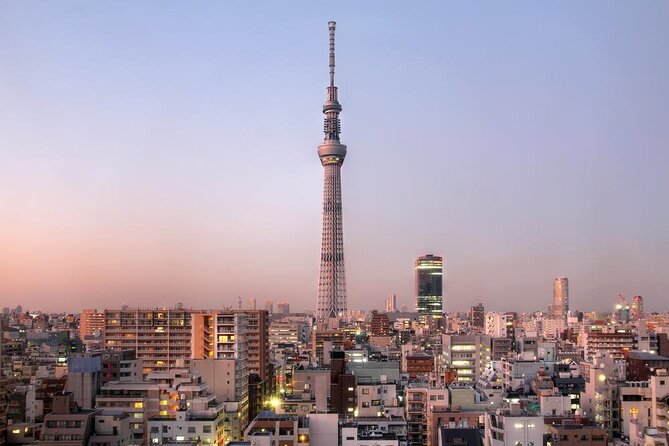
This is the kind of tour that makes Tokyo feel manageable. You spend your first part of the afternoon in Asakusa, where the streets are compact enough to walk but the cultural stops are big enough to matter. Then you hop over to Skytree for a vertical reset, top-down city views after a ground-level temple circuit.
What I like most about this format is the “two modes” approach. Asakusa gives you walking context, the names, the symbols, and why the places matter. Skytree then gives you the payoff, seeing how this old district fits into the wider sprawl of Tokyo. It’s a good way to avoid the common problem of doing temples by checklist, then staring at a skyline without context.
Also, starting at 1:30 pm helps. You’re not competing with early-morning crowds at every stop, and you still get a solid chunk of time at Skytree before the day gets late.
More Historical Tours in Tokyo
- Tokyo: Imperial Palace and Shogun Historical Walking Tour
★ 5.0 · 2,251 reviews - Tokyo: Imperial Palace Japanese History Walking Tour
★ 4.9 · 987 reviews - Tokyo: Shinjuku Historical Walking Tour & Secret Backstreets
★ 5.0 · 530 reviews
Meeting point and logistics that affect your day
The tour starts at 2-chōme-20-6 Kaminarimon, Taito City, in the Asakusa area, and it ends at Tokyo Skytree1-chōme-1-2 Oshiage. That end point matters because it anchors you right where you probably want to be after Skytree, in the large complex with shops and dining.
Group size is capped at 8 travelers, which is small enough that you will likely feel like the guide can read the room. You also get headsets for each person when the group is 3+, which is a practical detail on crowded streets where it’s easy for voices to get swallowed by foot traffic.
Two cost items to keep in mind:
- Train fare is not included. You’ll pay JPY 160 from Asakusa Station to Tokyo Skytree Station.
- The walk portion and Skytree observation decks are the core value, so anything you plan beyond that should fit around a total duration of about 3 hours 30 minutes.
If you’re coming from a farther neighborhood, I’d treat the start location like a “destination” rather than a quick stop. Once you’re there, the tour does the navigating.
From Sumida Park to Kaminarimon: grounding the Asakusa story
The tour begins along the Sumida River at Sumida Park, and it doesn’t start with a temple. It starts with the wider historical backdrop, including Japan’s long period of isolation under the Edo shogunate and the idea that contact with the outside world was limited, with the Netherlands as the key exception mentioned in the tour description. That matters because Asakusa, like much of Tokyo, is full of cultural symbols shaped by how Japan interacted with the world over time.
From there, you head into Asakusa’s religious orientation at the Asakusa Culture Tourist Information Center. The tour frames the big two: Buddhism and Shinto. Even if you know the difference in theory, you’ll usually find the guide’s explanation makes the later stops easier to read, especially when you’re looking at prayer spaces and architectural cues.
Then comes Kaminarimon, the iconic gate. Your guide focuses on the dragon details, including how the Japanese dragon and the Western dragon are described as playing opposite roles. This is exactly the kind of small, specific explanation that turns a landmark from “I saw it” into “I know what I’m looking at.”
One practical note: you’ll be moving from stop to stop in a compact area. If you’re sensitive to standing time, wear comfortable shoes and expect a few short stretches of waiting while the guide groups people together.
Nakamise shopping street with meaning, not just browsing
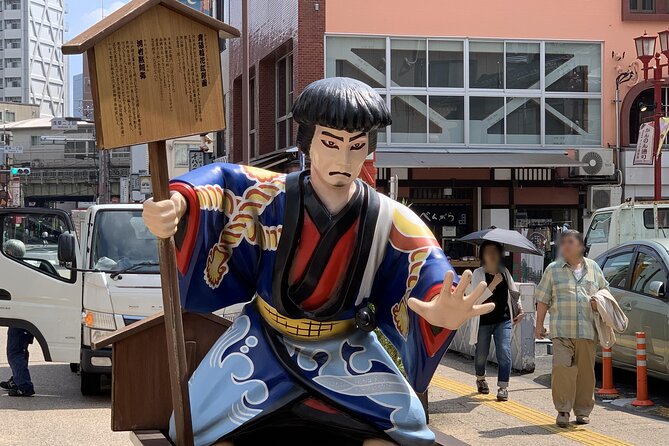
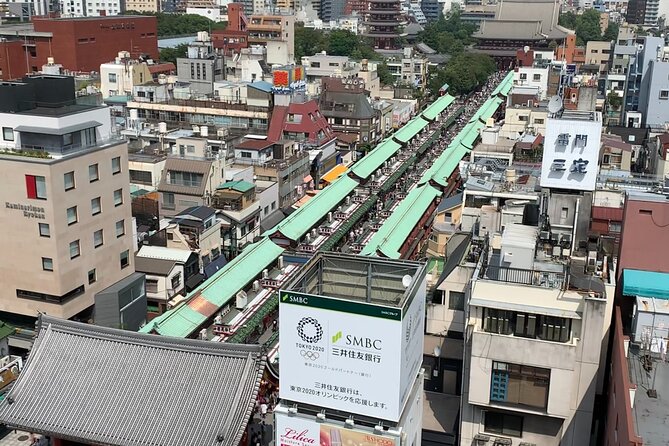
After Kaminarimon, you’ll walk down Nakamise Shopping Street. This is one of those places where it’s easy to get lost in snack sampling and souvenir hunting, so I like that the tour gives you a cultural lens.
The tour highlights Buddhist symbols that show up in items sold along the street, including references to the vajra (tokko). It also connects the area’s visual culture to ukiyo-e woodblock prints, including the idea that those prints changed the world in ways you can still trace today. You’ll likely spot the kinds of images people associate with Edo-period life, and suddenly the souvenirs feel more like artifacts than clutter.
What to do with your time here:
- Treat this stretch as both browsing and learning. You don’t have to buy anything, but you can pick up a better sense of what you’re seeing.
- If you do want snacks or small gifts, plan to choose quickly. The time window is long enough to enjoy it, but not long enough to turn it into an all-day market.
A change of pace from Tokyo:
- Mt Fuji and Hakone 1-Day Bus Tour Return by Bullet Train
★ 5.0 · 26,383 reviews - 1-Day Tokyo Bus Tour
★ 5.0 · 14,250 reviews - Tokyo: TOKYO SKYTREE® Admission ticket
★ 4.5 · 11,192 reviews - Tokyo: teamLab Planets TOKYO Digital Art Museum Entry Ticket
★ 4.6 · 9,779 reviews
Hozomon and Senso-ji: two ways of thinking, one religious complex
Next up is Hozomon, where the guide brings in a comparison idea, including the claim that people in Japan and the West shared remarkably similar ways of thinking about 1,000 years ago. It’s not the kind of comparison you’ll hear in every guidebook, and that makes it a memorable bridge between “I’m watching history” and “I’m understanding how minds work across cultures.”
Then you reach Senso-ji Temple, described as Tokyo’s oldest Buddhist temple. The focus here is practical and explanatory: the tour contrasts how prayer differs in Buddhism and Shinto. That distinction is the key. When you understand that difference, you’re less likely to treat everything as interchangeable “temple stuff,” and you’ll notice behavior, spaces, and gestures in a more meaningful way.
If you’re taking photos, aim to pause rather than just walk through. The tour gives you time at each stop, and the explanation is most useful if you can actually look around while the guide talks.
Ending at Asakusa Shrine: Shinto and Buddhism, together
The walk ends at Asakusa Shrine, where you get to see a fascinating setup: a Shinto shrine and a Buddhist temple sharing the same grounds, with peaceful coexistence described as lasting for over a millennium.
This is a powerful way to land your tour because it answers the question you might be silently asking the whole time: how do these religions exist in the same neighborhood? The tour frames it as something that has happened for a very long time, not a modern compromise. That context can change how you interpret what you see at prayer spaces elsewhere in Tokyo.
This final stop also tends to be where people slow down. You’ll have enough time to absorb the atmosphere, and it’s a good moment to gather yourself before you switch from walking streets to the Skytree ride and view.
Tokyo Skytree: upper and lower decks, and why the combo matters
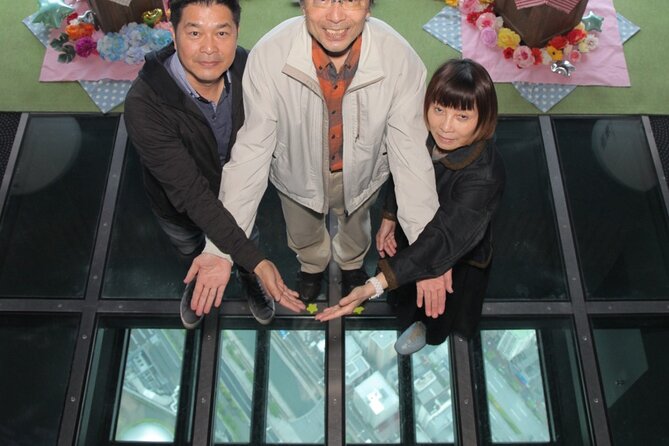
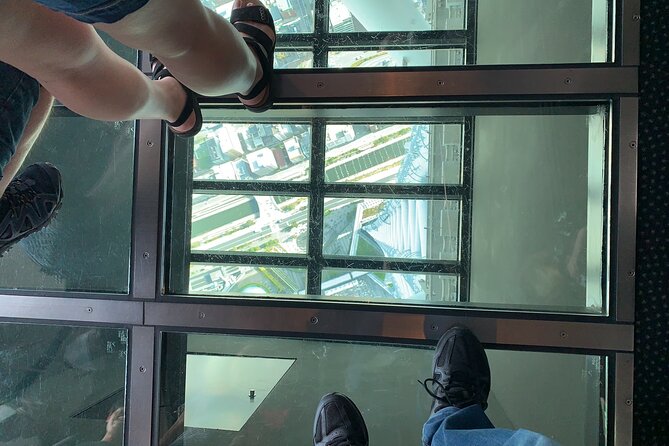
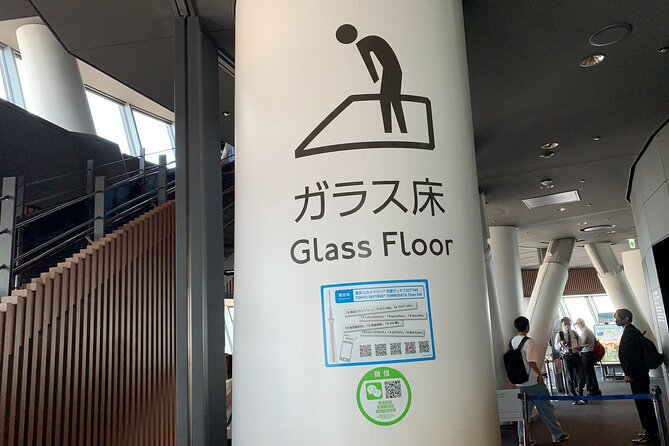
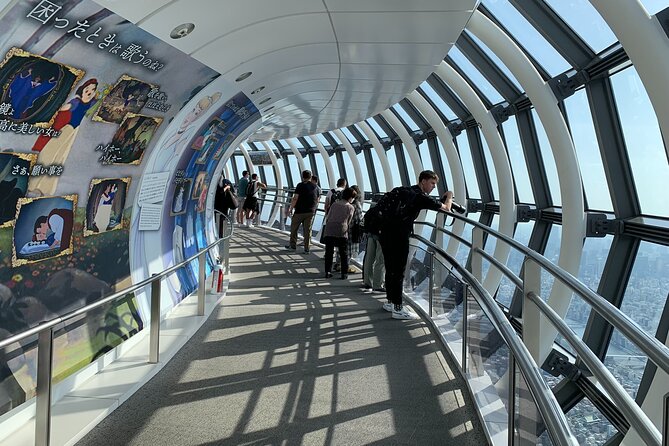
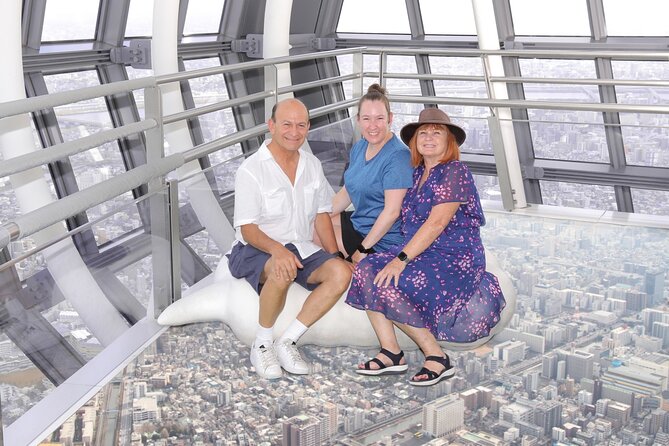
After the Asakusa portion, you take the train to Tokyo Skytree. The big convenience here is that you already have the tickets in hand via the tour: upper and lower observation decks.
The tour description emphasizes Skytree as the tallest building in Japan, and it’s also practical about what you do once you’re up there. You get a view, then you have time for shopping and dining below in the Skytree complex. That matters because Skytree can be a “one-and-done” stop if you only care about photos. Here, the structure of the day gives you time to do both, view first, then browse when you’re done.
How to make the most of your deck time:
- Decide early what you want to capture. If you’re mostly into wide city shots, spend longer on the upper deck. If you want a less intense, more gradual experience, the lower deck can still deliver great angles.
- Bring your most-used camera settings ready. You will likely be taking a lot of photos in a limited window.
Also, because this tour is small group, you’re more likely to move as a unit and not get yanked along by a larger crowd pattern. That can be the difference between a relaxing view and a rushed one.
Price and value: what you’re really paying for
The price is $118.24 per person for roughly 3.5 hours, and it includes the Skytree combo tickets for both observation decks. For many visitors, Skytree tickets are the part that can feel most uncertain because entry slots can sell quickly. This tour specifically handles that by purchasing the tickets as soon as the booking is made, which is part of why it’s such a convenient “logistics-light” day.
You’re also paying for guide interpretation. The stops are not random, they are arranged so the explanations build. You start with broader history at Sumida Park, then you frame religion, then you read the symbolism at Kaminarimon and Nakamise, then you translate it into lived practice at Hozomon, Senso-ji, and the shrine. That’s the real value, not just the walking.
What isn’t included matters too:
- Train fare between Asakusa Station and Skytree Station costs JPY 160.
- You’re responsible for your own way to the meeting point and back, since there’s no hotel pickup/drop-off.
If you’re deciding whether it’s “worth it,” I’d compare it to the cost of Skytree tickets alone plus the cost of having a guide coordinate timing and explanation for the Asakusa portion. If you prefer self-guided strolling, you can do Asakusa on your own. If you want an organized route that makes the symbols make sense, the bundled value starts to look strong.
Finally, a scheduling reality: Skytree ticket demand means this tour is often booked far ahead. The average booking lead time is listed as 107 days, so planning early is not a suggestion, it’s smart.
Guides and pace: what you can expect from the human side
The tone of the tour experience shows up in the kind of feedback guides receive. Guides named Taka, Junko Yamashita, Sue, and Keiko are mentioned, and the common thread is that they keep the pace comfortable while explaining what each place means to people.
That “not rushed” part is a big deal in Asakusa, because the streets can get crowded and you don’t want to feel like you’re being marched. The small group size and headset support are both built to help with that, and the practical result is usually better conversations and more time to ask questions.
If you want a tour that fits families as well as solo travelers, this one leans that way. A calm pace plus clear explanations tends to work for people who want culture without feeling like it’s a lecture.
Who should book this Asakusa and Skytree tour
This is a strong choice if you want:
- A guided Asakusa walk that connects landmarks to meaning.
- Included Skytree observation-deck tickets so you can avoid the timed-entry stress.
- A small group experience where you’re not lost in a crowd.
It might be less ideal if:
- Your plans are flexible. The key reason is that Skytree tickets are bought early and the experience is non-refundable and not changeable once booked.
- You prefer totally self-guided days with no set end point. The tour ends at Skytree, which is convenient, but it is still a structured finish.
This tour also works well for first-timers who want a “great hits” day without turning Tokyo into a frantic checklist. You get a dense stretch of landmarks, but not so dense that it feels like you’re sprinting.
Quick tips to get more out of your afternoon
A few practical things I’d do in your shoes:
- Wear shoes you can stand in. The stops are short, but you’re moving for about half a day.
- Have a light plan for photos. Asakusa gates, temple entry views, and Skytree skyline photos all reward steady pauses.
- If you’re sensitive to noise, use the headset if your group qualifies (3+). It’s the difference between hearing the guide and half-missing the context.
Also, since you’re walking in a popular tourist area, keep an eye on personal belongings and keep your phone in a safe pocket during transitions.
FAQ
How long is the Asakusa and Skytree tour?
It runs about 3 hours 30 minutes.
What time does the tour start, and where does it end?
It starts at 1:30 pm. The tour ends at Tokyo Skytree.
How many people are in the group?
The maximum group size is 8 travelers.
What Skytree tickets are included?
The tour includes Tokyo Skytree combo tickets for the upper and lower observation decks.
Is the train fare included from Asakusa to Skytree?
No. Train fare of JPY 160 from Asakusa Station to Tokyo Skytree Station is not included.
Do you get headsets during the tour?
For groups of 3 or more, headsets are provided so you can hear the guide’s voice clearly from a distance.
Is this tour refundable or changeable after booking?
No. The experience is non-refundable and dates cannot be changed.
Should you book this Asakusa and Tokyo Skytree tour?
If you want Asakusa with explanations that help you understand what you’re seeing, this is a well-paced way to do it. I’d book it if Skytree is on your must-do list and you like the idea of already having upper and lower deck tickets handled, plus a guide-led route that connects Sumida Park, Kaminarimon, Nakamise, Hozomon, Senso-ji, and Asakusa Shrine into one coherent afternoon.
I would skip it, or at least think carefully, if your schedule is uncertain. The Skytree tickets are purchased right away and the tour is not refundable or changeable. If your dates are solid and you’re okay paying a bit more for comfort and clarity, this is a strong value play for a first-time Tokyo experience.
Latest write-ups near Tokyo
- Tokyo Nights: Shibuya Photo Adventure★ 5.0 · 20 reviews
- Wagyu & Sake 8 Course Tasting Dinner in Shinjuku★ 4.9 · 20 reviews
- Making Japanese desserts Nerikiri & drinking matcha in Tokyo★ 5.0 · 20 reviews
- Japanese Whisky Hunting《HIGH-QUALITY-ONLY》Rare Tasting Class★ 5.0 · 20 reviews
- Mt. Fuji 5th Station, Owakudani Ropeway, Pirate Ship plus Outlet shopping!★ 4.5 · 20 reviews
- Kintsugi Experience with Arita Ware in Tokyo (English Guide)★ 4.8 · 20 reviews
- This is Asakusa! A Tour Includes the All Must-Sees!★ 5.0 · 20 reviews
- Tokyo: Karate Experience with Former All-Japan Champion★ 5.0 · 20 reviews
Historical Tours, compared.
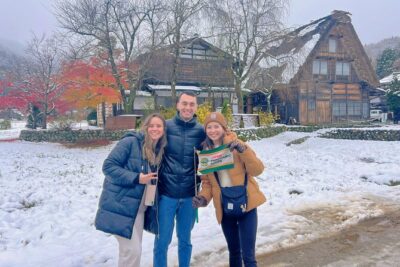
World Heritage Shirakawa-go and Experience Tours from Kanazawa
Read our review →
Imperial Palace and Shogun Historical Walking Tour
Read our review →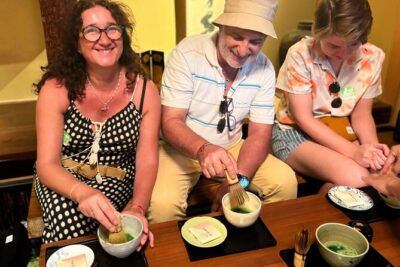
World Heritage Kyoto & Nara Uji Authentic Matcha Experience
Read our review →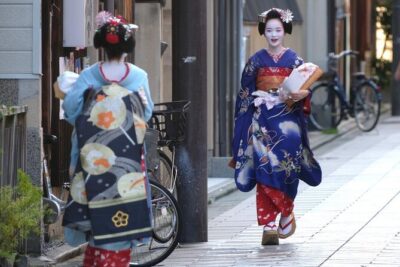
Kyoto Gion: 2-Hour Geisha Culture & History Walking Tour
Read our review →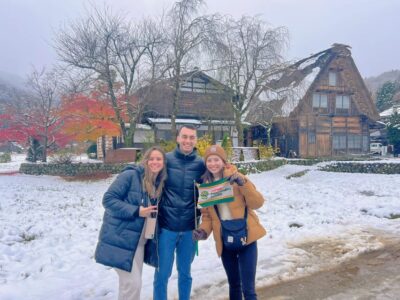
World Heritage Shirakawa-go Morning Guided Tour
Read our review →
Hiroshima Peace (Heiwa) Walking Tour at World Heritage Sites
Read our review →
Yanaka Walking Tour: Historic and Traditional District of Tokyo
Read our review →Browse the lists this tour appears in