Reviewed · KYOTO TOURS
Concerts Played with Traditional Instruments in Kyoto
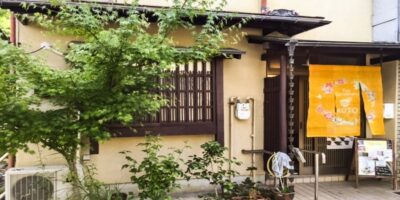
What makes this experience compelling is the setting. You’re not tucked into a big hall, you’re at Gen Home Saiin, stepping into a traditional Japanese home that becomes a stage for koto and shamisen music.
I really like two things about it: the koto and shamisen introduction that helps you follow along, and the chance to meet the performers afterward during a Q&A session and photo-taking time.
One consideration is that the whole experience runs about 50 minutes, and private transportation isn’t included, so you’ll want to plan your route since the home is near public transportation.
Key highlights to know before you go
- Gen Home Saiin turns a home into a performance space, so the music feels close rather than distant
- Instrument coaching before the concert helps you understand what you’re hearing, not just watch it
- Q&A plus photos after the show gives you real face-time with the musicians
- A mix of classical, modern, and original compositions, so it’s not only old standards
- Optional hands-on koto upgrade where you try a simple piece under guidance
- Multiple daily tour options make it easier to fit into a Kyoto day
Entering Gen Home Saiin, where the rooms become the stage
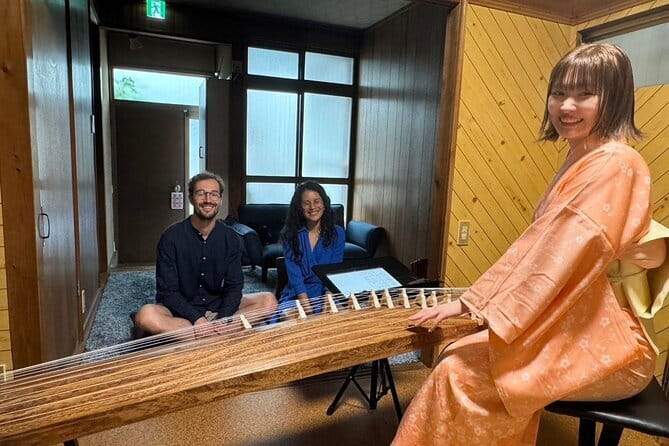
This is a Kyoto concert built around something simple and powerful: traditional instruments played in a home setting. Instead of a scripted museum performance, you’ll experience koto and shamisen music as something people share in intimate spaces. That proximity changes the sound, too. Notes feel clearer, and small changes in touch and tempo stand out more.
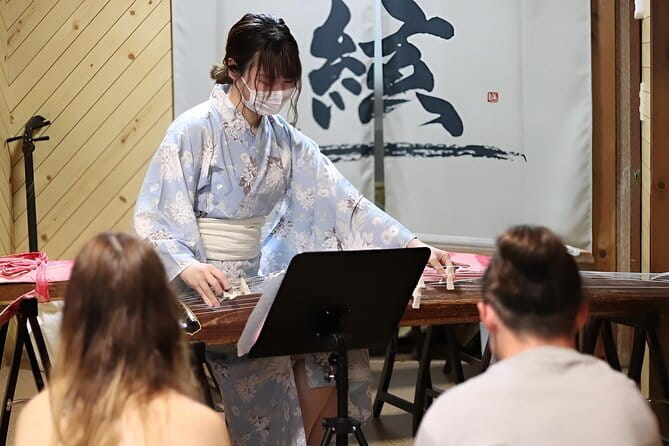
At Gen Home Saiin, the space is set up so you can watch the musicians comfortably and still feel part of the moment. The program you’ll see is called Harmonies of Japan, and it mixes recognizable classical pieces with modern and original works. That blend matters because it shows how traditional instruments live in the present, not just the past.
You’ll also notice the atmosphere is welcoming. One of the best parts of this kind of small venue is that you’re not just an observer. You’re treated like someone who wants to understand the music, even if you know very little about Japanese string instruments going in.
Also on the shortlist for Kyoto:
- PERFECT KYOTO 1-Day Bus Tour
★ 5.0 · 13,518 reviews - Kyoto: Fushimi Inari, Kinkakuji, Bamboo Grove 1 Day Bus Tour
★ 4.8 · 4,316 reviews - Kyoto: Tea Ceremony in a Traditional Tea House in Kiyomizu
★ 4.9 · 3,519 reviews
What the pre-concert intro actually gives you
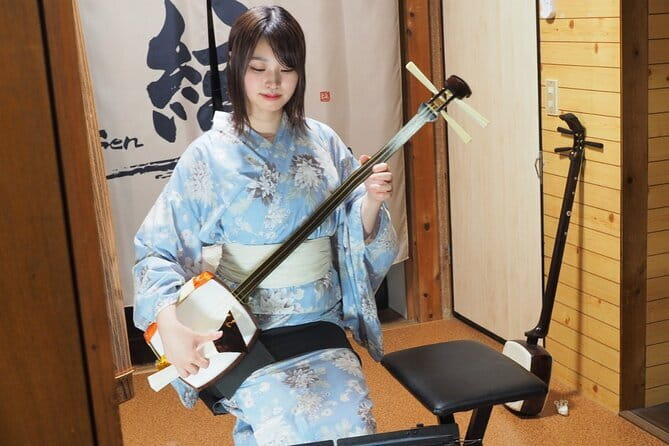
Before the first performance, you’ll learn about the koto and shamisen instruments. That matters more than you might think. If you know what the instruments are, you can start hearing the details that separate a flat, “pretty” sound from a performance that’s full of character.
The intro is designed to be clear and structured, and it’s delivered in English. You’ll get explanations of how the instruments work and what to listen for as the concert moves through different pieces. For example, koto phrasing often sounds like it’s telling a story line by line. Shamisen can feel sharper and more percussive, with a rhythm that grabs you even when the melody is subtle.
I like this approach because it turns the show into a conversation. Without needing to be an expert, you’ll be able to follow along enough to recognize patterns and changes, especially when the program shifts from older classical pieces into more contemporary compositions.
The concert flow: from first notes to Q&A and photos
The experience follows a simple arc, and that’s part of why it works so well. You arrive, you get the intro, and then you get a live performance. Afterward, there’s time for a Q&A and photo-taking.
That Q&A piece is key. Music performances often end and you’re left guessing what you missed. Here, the format is built for questions, so you can ask about technique, meaning, or even what to listen for next time you hear the same instrument. Even if your questions are basic, it’s still a chance to connect the dots between what you heard and what it takes to play it.
The photo-taking time also helps you remember the details. In a home setting, you’ll likely get a different visual sense of the instruments and how the musicians sit and move. That makes it easier to recall the performance later, which is especially helpful when you’re trying to name pieces during a busy Kyoto trip.
The whole thing is about 50 minutes, so it’s not long and it’s not rushed in a frantic way. You get a focused cultural moment that fits well between bigger Kyoto sights.
The pieces and composers you might catch on the program
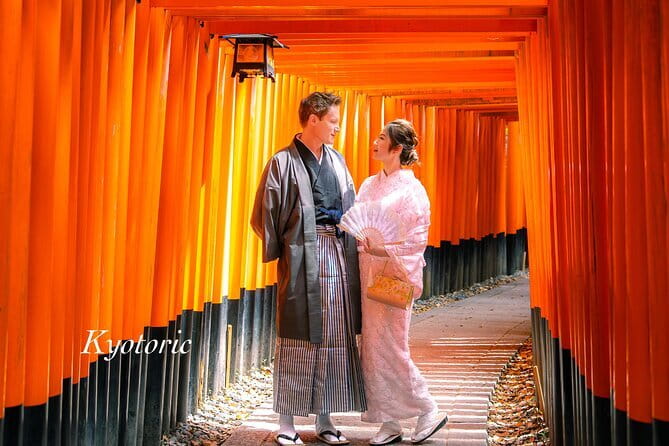
One reason this concert feels special is the mix of eras. You’ll hear soul-stirring classical pieces and also more modern and original compositions. That range is a good match for most people, because it gives you at least one moment that feels familiar and at least one moment that surprises you.
The program includes pieces such as Chidori no Kyoku, Rokudan no Shirabe, and Kajimakura. Even if you don’t know the names ahead of time, these titles give you a useful anchor afterward. You can search them later, or simply use them to explain what you experienced when you’re back at your hotel.
You’ll also hear music attributed to famous figures such as Yoshizawa Kengyo, Yatsuhashi Kengyo, and Kikuoka Kengyo. These names matter because they connect your listening to specific traditions and styles. You’re not just enjoying a performance, you’re seeing how certain schools and masters shaped the sound of koto and shamisen.
Chidori no Kyoku is a piece that tends to hit emotionally. If you like performances where the mood shifts and the tone feels vulnerable, keep an ear out for that kind of arc. It’s the sort of moment that can linger long after the concert ends.
A change of pace from Kyoto:
- Kyoto Geisha Walking Tour: Gion District & Hidden Gems
★ 4.7 · 3,273 reviews - Kyoto: Tea Ceremony Ju-An at Jotokuji Temple
★ 4.9 · 3,207 reviews - Kyoto: Gion Magical Night Walking Tour with Geisha Trivia
★ 4.9 · 2,393 reviews - Kyoto: 45-Minute Tea Ceremony Lesson Experience
★ 4.3 · 2,378 reviews
Hands-on koto upgrade: trying a simple piece yourself
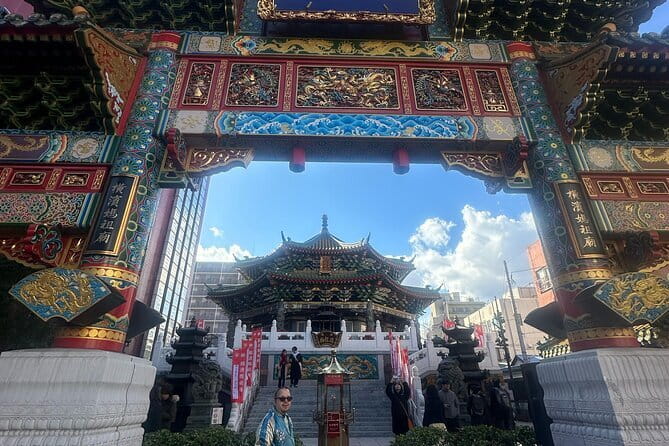
If you choose the upgrade, you get a hands-on koto session where you try playing a simple piece. This is one of the most practical upgrades in cultural tours because it does more than teach facts. It teaches you how effort turns into sound.
You’ll be guided through the basics, and the key detail is that you’ll play a simple piece. That lowers the intimidation factor. You’re not expected to “perform,” you’re expected to participate, learn, and hear what changes your touch creates.
I like hands-on moments like this because they solve a common problem in music tourism. When you only watch, your brain stays in spectator mode. When you place your own hands on an instrument, you start understanding how timing, plucking, and posture affect everything you heard during the live set.
Don’t expect a long workshop. Think of it as a short taste that makes the concert make more sense.
Why this home setting is better value than you might expect
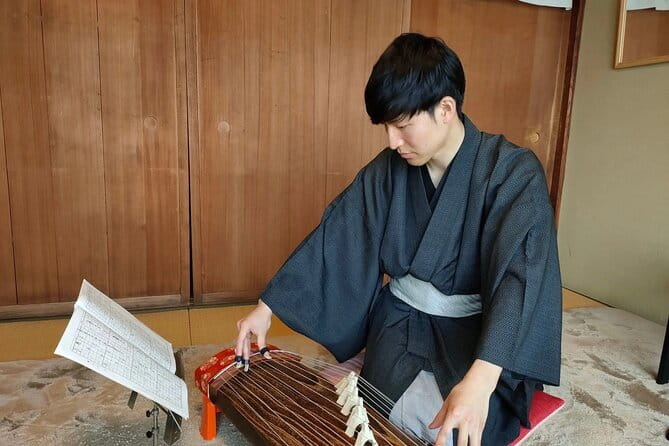
At $39.63 per person for about 50 minutes, you might wonder how much time you’re really buying. Here’s the thing: the value isn’t only minutes. It’s the access.
This is a concert in someone’s home, transformed into a stage, with professional musicians and structured explanations. You’re also getting inclusion of concert participation plus a brief introduction and explanation. And after the show, you’re given Q&A and photo-taking time, which is often the part that people actually remember.
You’re paying for intimacy. In Kyoto, it’s easy to spend money on experiences that feel like “good enough” sightseeing. This one feels like a cultural appointment, the kind where your questions get answered and you leave with a clearer sense of what you heard.
If you’re comparing it to other music options, the home venue and interaction time are the real differentiators. A bigger venue can be impressive, but it doesn’t usually give you the same personal follow-up.
Timing it in your Kyoto day, without stress

The tour offers multiple options throughout the day, which is genuinely helpful in Kyoto. You can slot it after a museum visit, before evening dining, or as a calm break between temples and crowds.
Because private transportation isn’t included, it’s smart to treat this like an urban appointment. The location is near public transportation, so give yourself normal Kyoto buffer time to get from your next stop to the home. Use the mobile ticket, and keep your booking confirmation handy in case you need to show details on arrival.
Also, plan your expectations around length. Fifty minutes is a sweet spot for most people. If you’re exhausted from long walking days, this can still feel satisfying because you’re not stuck in transit loops.
If you want photos, show up a little early so you can settle in and avoid rushing during the photo-taking moment.
What’s included, and what to bring to the moment
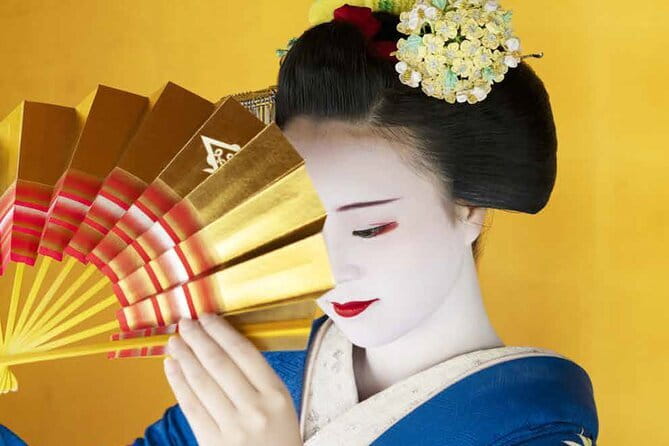
The experience includes the participation in the koto and shamisen concert, along with a brief introduction and explanation. It also covers landing and facility fees, and you’ll have WiFi on board.
Coffee or tea isn’t included, so if you want a warm drink before or after, plan to grab it nearby on your own. Also, since the experience is near public transportation, you’ll likely be arriving by walking or short rides. Wear comfortable shoes and dress for indoor seating, since you’ll be watching and listening for the full performance period.
Most travelers can participate, which is good news if you’re not sure how you’ll feel in a seated, listening-focused format. The intro helps, and the Q&A creates a comfortable way to engage even if you feel shy.
Who this experience is for in Kyoto
This is a great fit if you want Kyoto that feels human. If you like the idea of sitting close to professional musicians and getting an explanation in English, you’ll probably enjoy the structure.
It also works well for music fans and non-music fans alike. You don’t need prior knowledge of Japanese string instruments. The intro gives you the basic listening tools, and the program provides enough range that you’ll likely connect with at least one piece.
Consider it especially if you’re tired of “look, take photo, move on” tourism. This is slower in a good way. It asks you to listen, then rewards you with context and conversation afterward.
If you need a full day packed with major sights, this won’t replace that. But it’s an excellent complement that adds texture to your Kyoto trip.
Should you book this Kyoto koto and shamisen home concert?
Yes, you should book it if you want an intimate traditional music experience with real interaction. The combination of an organized instrument intro, a live performance that spans classical and modern pieces, and a Q&A plus photo-taking time is exactly the kind of “I’m glad I did that” activity you look for in Kyoto.
Skip it only if you strongly prefer large-scale venues or you want something with minimal sitting and maximum wandering. This is best when you’re happy to slow down, listen closely, and ask a question or two.
If you’re deciding between the standard concert and the hands-on koto upgrade, I’d lean upgrade if you enjoy learning by doing. Even a short try at a simple piece can make the whole concert click.
FAQ
How long is the concert experience?
It runs about 50 minutes.
Where does the concert take place?
The concert happens at Gen Home Saiin in Kyoto.
What instruments will I see and hear?
You’ll experience live performances featuring koto and shamisen.
Is there an introduction before the performance?
Yes. You’ll learn about the koto and shamisen instruments before the concert.
Is there time to ask questions or take photos?
Yes. After the performance, there is a Q&A session and time for photo-taking.
Can I try playing the koto?
There is an upgrade option that includes a hands-on koto session where you try playing a simple piece.
What is included in the ticket price?
Included features are participation in the koto and shamisen concert with a brief introduction and explanation, plus landing and facility fees. WiFi on board is also included.
What is not included?
Coffee and/or tea is not included, and private transportation is not included.
FAQ
What is the cancellation policy?
You can cancel for a full refund up to 24 hours before the experience starts.
Do I need a printed ticket?
No. The experience uses a mobile ticket.
Is it in English?
The information provided includes that explanations are in English.
Is the location easy to reach by public transport?
It’s near public transportation.
Latest write-ups near Kyoto
- Kyoto Private Tour Full Day with Local Guide&Nara Option(PerGroup★ 5.0 · 20 reviews
- Sacred Pathways: Discover the Philosopher’s Path of Kyoto★ 4.9 · 20 reviews
- Kyoto UNESCO World Heritage Site Private Tour with a Premium Van★ 5.0 · 20 reviews
- Hammer Pattering Experience of Ring★ 5.0 · 20 reviews
- KYOTO: Private Tea Ceremony in Hidden Townhouse (Kid-Friendly)★ 5.0 · 20 reviews
- Sushi or Traditional Japanese Cuisine in a Kyoto Home with Emika★ 5.0 · 20 reviews
- The Kyoto VIP Experience!★ 5.0 · 20 reviews
- Kyoto Customized Private Tour: See Top Attractions in 1 Day★ 4.7 · 20 reviews
Kyoto Tours, compared.
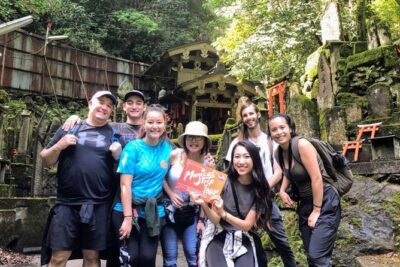
Fushimi Inari, Kinkakuji, Bamboo Grove 1 Day Bus Tour
Read our review →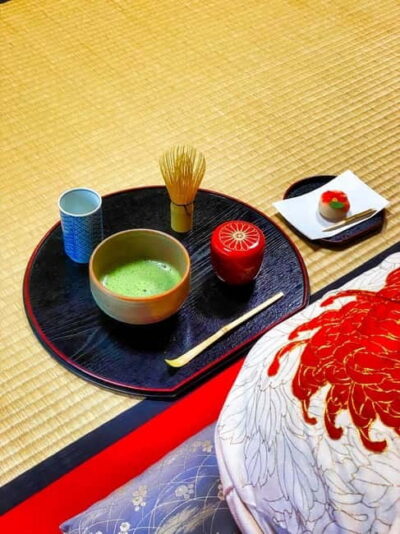
Tea Ceremony in a Traditional Tea House in Kiyomizu
Read our review →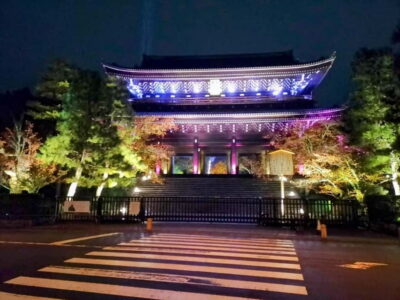
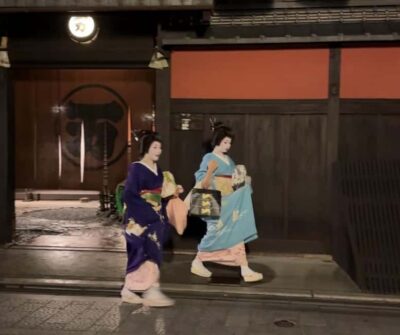
Kyoto Geisha Walking Tour: Gion District & Hidden Gems
Read our review →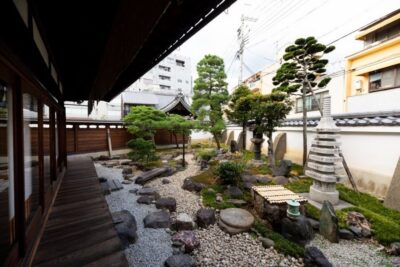
Gion Magical Night Walking Tour with Geisha Trivia
Read our review →