
Reviewed · BULLET TRAIN TRIPS
Full Day Hiroshima and Miyajima Tour by Bullet Train from Kyoto
This is an interesting day trip because you get the best kind of contrast in one long outing: Miyajima’s sacred scenery in the morning, then Hiroshima’s peace story by afternoon. I like the way the plan handles the big travel pieces for you, especially the Kyoto Station to Hiroshima Station Shinkansen ride that keeps you moving without constant route figuring.
The second thing I like is the human side of the experience. In Hiroshima, you’re not just walking around, you’re hearing the meaning behind places like the Genbaku Dome and the Peace Memorial Museum. One drawback to keep in mind is that it’s a long day and the timing is tight, especially if you want more time at the museum. Also, lunch is on your own on Miyajima, which matters for picky eaters and anyone eating vegetarian.
Key points before you go
- Bullet train comfort built into the day, with reserved-seat options on the Shinkansen
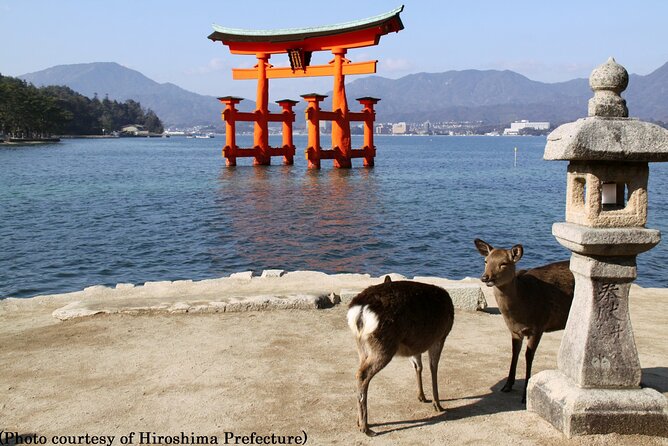
- Miyajima’s Itsukushima Shrine and that famous torii gate-at-tide look
- Atomic Bomb Dome and the Peace Memorial Museum, with guided context that gives the sites meaning
- A capped group size (up to 40), which keeps the day feeling organized
- Lunch is not included, so plan your food stop in advance, especially for dietary needs
- A long day that works best when you stay flexible about timing and order
Kyoto to Hiroshima and back, all in one day
This tour is designed for travelers who want to pack in two major destinations without spending days switching hotels. You start early, 7:30 am, and you return to Kyoto Station around 9:00 pm. That schedule is not casual, but it is efficient.
I think the “all-day” part works best if you handle it like a mission with breaks built in. You do boat time on Miyajima, a shrine visit, and later you get museum time and park time in Hiroshima. You also have guided segments, which matters on a day like this when the sites are emotionally heavy and you want clear context fast.
One practical detail: the order of activities and arrival timing can shift depending on road conditions and congestion. So if you’re the type who hates surprises, you’ll still likely be fine, as long as you arrive early and stay patient.
More Full-Day Tours in Kyoto
- 5 Top Highlights of Kyoto Full Day Bike Tour (E-bike option)
★ 5.0 · 511 reviews - Full Day Biking Tour Exploring the Best of Kyoto
★ 5.0 · 498 reviews - Full Day Guided Tour to Kyoto and Nara from Osaka by Van
★ 5.0 · 420 reviews
Finding the meeting point at Kyoto Station (and avoiding the stress spiral)
You meet at the JTB SUNRISE TOURS DESK inside Avanti B1F, at Kyoto Station. It’s listed as across from the Kyoto Station Hachijo Exit. Since this is inside a station area, it’s easy to miss if you arrive at the last second.
Here’s what I’d do: get there before 7:30 am. Then check that you’re in the right spot inside Avanti, because station complexes can feel like a maze when you’re in a hurry. If you can, keep your eyes on the guide desk area rather than trying to follow general station signs for every turn.
The good news is this kind of meet-and-walk method is exactly what saves time later, especially for getting to platforms and transfers smoothly.
The Shinkansen segment: why the fast train is the secret sauce
The day’s biggest travel win is the round-trip bullet train between Kyoto and Hiroshima. The ride is about 2 hours each way (roughly 1 hour 40 minutes is shown in the timing), and you’re not left figuring out connections on your own.
The tour includes admission tickets for certain stops, but the real value here is that the train logistics are handled in a guided flow. You’re guided from Kyoto Station to the Hiroshima side, then you reconnect to the return train later in the evening.
Important detail: the tour notes that seats may not be designated. Still, you’re traveling with reserved-seat options (standard car or Green Car). That combo usually means less time stuck with the “where do we sit” headache, even if your exact seat isn’t printed like a movie ticket.
Miyajima first: Itsukushima Shrine and the torii-at-tide effect
Miyajima is the morning highlight for many people, and I get why. It’s famous as the Sacred Island, and the centerpiece is Itsukushima Shrine, a UNESCO World Heritage site dating back to the 6th century. The shrine is known for its distinctive Shinden-zukuri architecture style, connected to the Heian period.
What you’re really there for is the dramatic look of the shrine setting and the torii gate over the water. The tour description points out that the torii is famous for appearing to float on the water at high tide. Even if you can’t control the tide during your visit, the whole area still delivers that “Japan postcard, but better” feeling.
Plan for walking. You’re on an island with classic sightlines and photo moments, plus deer roaming in the area. The tour specifically calls out the chance to see tame deer, and they really do add to the atmosphere.
More Miyajima crossings:
- Peaceful Hiroshima & Miyajima UNESCO 1 Day Bus Tour
★ 5.0 · 5,309 reviews - Hiroshima: Hiroshima and Miyajima UNESCO Sites 1-Day Tour
★ 4.9 · 2,330 reviews - Hiroshima / Miyajima Full-day Private Tour with Government Licensed Guide
★ 5.0 · 1,298 reviews - Osaka/Kyoto: Hiroshima Miyajima Bus Tour & Shinkansen Ticket
★ 4.7 · 919 reviews
How your Miyajima time actually feels (including lunch on your own)
You get about an hour on Miyajima in the schedule, with time for shrine sights plus a lunch block that is own expense. The tour guide setup usually works like this: you enjoy the island, then you break for lunch, and later you cruise back to Hiroshima.
Here’s what to know about lunch. Miyajima has lots of food options tied to the island, including oysters, Hiroshima-style okonomiyaki, and conger eel rice bowls. You’ll see these at shops along the shopping streets.
The key consideration for you: since lunch is not included, you control the timing and cost. If you eat vegetarian, or you’re trying to avoid certain foods, it’s worth thinking ahead. One comment in the overall feedback flagged that vegetarian options can be limited on the island, so plan to either eat what you find quickly or bring a flexible attitude.
Also, your group’s energy matters. If you’re rushed by the word “lunch,” you’ll burn valuable minutes. Treat the hour as: walk, see, eat, and don’t try to do everything top to bottom.
Back to Hiroshima: Genbaku Dome, the preserved bomb site
After Miyajima, the tour shifts tone in a way that’s impossible to ignore. The next major stop is the Genbaku Dome, also called the Atomic Bomb Dome. It’s one of the few buildings that survived the bombing and was preserved to promote peace and nuclear disarmament.
Time at this stop is listed at about 40 minutes. That can sound short, but the place isn’t built for long wandering like a theme park. It’s built for attention.
Right in the surrounding area you’ll see symbolic memorial elements highlighted in the tour notes, including the Children’s Peace Monument draped with thousands of origami cranes made by children. There’s also the Atomic Bomb Memorial Mound, which contains the ashes of 70,000 bomb victims, many of whom were unidentified or had no surviving relatives to claim their ashes.
This is where the guided context matters most. Without it, you can stand there and know the facts, but not always feel the full weight of the intention behind the memorial design.
Hiroshima Peace Memorial Park and Museum: what to prioritize in 1 hour
The Hiroshima Peace Memorial Park and Museum is the other core stop. The park is UNESCO World Heritage listed and was established in 1949 after the Pacific War ended. The museum experience is emotionally intense, and this tour gives you about 1 hour in the museum plus guided movement through the memorial area.
I recommend you go in with a simple plan: choose a handful of exhibits to focus on rather than trying to read everything. When time is limited, scanning with purpose works better than speed-reading wall text.
What makes the visit powerful is the structure of the story: you’re guided through exhibits about the atomic bomb that devastated Hiroshima on August 6, 1945, and then you see the focus on recovery afterward. That recovery theme is important because Hiroshima is not only a site of tragedy, it’s also a city that rebuilt itself.
One caution based on real-world feedback: sound or headset issues can happen. In at least one case, participants reported trouble hearing the guide because of receivers. If you’re the type who needs clear audio to stay engaged, show up ready to ask the guide for help if anything sounds off.
Tour guides and group size: what “organized” means in practice
This tour caps at a maximum of 40 travelers. That size is big enough to feel social, but small enough that the plan can still move like a single unit. You’ll travel by train and vehicle at different segments, and the tour includes transfers that can otherwise eat up time.
One of the most praised parts of this experience is the guide. Names that show up in the feedback include Azusa, Angela, Masako, Hiro, Takeshi, Sato, Akiko, Taeko Watanabe, Marie, and Masoko. The common theme is that guides bring humor and energy while still handling sensitive history with care.
The best effect is that you’re not left alone trying to decode what each site means. The guides connect the morning and afternoon so the day feels like a coherent story, not a checklist.
Price and value: is $399.71 a good deal for what you get?
At $399.71 per person, this is not a cheap day trip. But the value is in what’s bundled together, and in how much stress it removes.
Here’s the practical breakdown of what you’re paying for, based on what’s included:
- Round-trip bullet train between Kyoto and Hiroshima, with reserved seating options
- A licensed English guide interpreter during the Hiroshima segment
- Miyajima visitor tax and other listed transportation and admission fees
- Entry coverage for major sights like Itsukushima Shrine and the Hiroshima Peace Memorial Museum
What you’re not paying for:
- Lunch on Miyajima (own expense)
- Anything outside the included admissions and transportation
My take: you’re buying time and certainty. If you tried to DIY this in a single day, you’d spend a lot of effort coordinating trains, ferries, and meeting points, and you’d still have to build the history context yourself. On a day like Hiroshima, that context is a big part of the value.
If you’re traveling with family, the “guide doing the hard parts” can be worth it, especially since you return to Kyoto without having to solve transit late in the day.
What could go wrong, and how to handle it
This day is full. That means you should expect a few things:
1) It’s long. You’re out from 7:30 am to around 9:00 pm. If you hate long days, pick a slower option.
2) Time at the museum and island can feel tight. Some feedback suggested wanting more time at the Hiroshima museum or less on Miyajima. If you care most about Hiroshima, you may still enjoy Miyajima, but go in knowing the focus is balanced.
3) Audio can be inconsistent. One person reported receiver issues that made it hard to hear the guide.
4) Meeting spot confusion can happen. Even with clear instructions, stations are confusing. Arrive early, and don’t treat meeting time like a suggestion.
Your best defense is simple: bring patience, eat breakfast before you go, and pack a little snack mindset for the lunch gap.
Who should book this tour, and who should skip it
Book it if:
- You want a one-day Kyoto to Hiroshima and Miyajima hit without hotel changes
- You value a guide-led story, especially for Hiroshima sites
- You like the idea of mixing peaceful shrine scenery with historical memorial stops
Skip it if:
- You get worn out by long schedules
- You need a lot more free time at one location, especially if Hiroshima museum depth is your top priority
- You prefer fully independent planning, because this tour is built around a timed flow
It’s also a strong fit for first-timers to Japan who are comfortable navigating trains, but still want the day to feel structured.
Should you book this Kyoto to Hiroshima and Miyajima day trip?
If you want an organized, guided day that links beauty and history in a single loop, this is an easy yes. The strongest reason is the pairing of Itsukushima Shrine with the Peace Memorial Museum and Genbaku Dome, plus a guide who brings the story into focus. The bullet train logistics also make the whole plan feel doable instead of exhausting.
That said, go in with your expectations set: lunch is on your own, the day is long, and the museum and island time windows are fixed. If you’re the type who wants to linger for hours reading every exhibit, you might feel rushed. If you can accept a curated, meaningful overview, this tour is a solid value for what gets handled for you.
FAQ
What time does the full-day tour start and end?
The tour starts at 7:30 am and ends with your return to Kyoto Station around 9:00 pm. No hotel drop-off service is provided, so you’ll head to your next destination on your own from Kyoto Station.
Where do I meet the tour in Kyoto?
You meet at the JTB SUNRISE TOURS DESK inside Avanti B1F at Kyoto Station. It’s listed as across from the Kyoto Station Hachijo Exit.
Is lunch included?
No. Lunch is not included. You’ll have time to eat on your own while you’re on Miyajima.
How do you travel from Kyoto to Hiroshima?
You travel by high-speed bullet train (Shinkansen) from Kyoto Station to Hiroshima Station, then use transfers in the Hiroshima and Miyajima area during the day.
Do I get reserved seats on the bullet train?
Reserved seating is described as available on the Shinkansen return segment, with options including standard car or Green Car. The tour also notes that seats may not be designated, so it’s best to be flexible about exact seat assignment.
How large is the group?
The tour has a maximum of 40 travelers. This helps keep the day moving and coordinated.
More bullet-train itineraries
- Mt Fuji and Hakone 1-Day Bus Tour Return by Bullet Train
★ 5.0 · 26,383 reviews - Mt Fuji & Hakone Cruise, Drum Show Bullet Train 1 Day from Tokyo
★ 4.0 · 7,413 reviews - Tokyo Mt Fuji 5th St & Hakone Cruise Bus Tour w/Bullet Train
★ 4.4 · 5,024 reviews - From Tokyo: Mt. Fuji & Hakone Tour w/ Return by Bullet Train
★ 4.2 · 1,278 reviews
Latest write-ups near Kyoto
- Kyoto: Nishiki Market Tour with a Local Foodie & Tastings★ 4.5 · 67 reviews
- Kyoto Kimono Rental mimosa |Kimono/Yukata Rental Couple Plan★ 4.8 · 67 reviews
- Kyoto: Traditional Kimono Fabric Handicrafts Workshop★ 5.0 · 67 reviews
- Kyoto Tea Ceremony and Samurai Photo Session★ 5.0 · 70 reviews
- Kyoto: Replica food making experience★ 4.8 · 70 reviews
- Kyoto: Kinkakuji, Golden Pavilion Guided Tour★ 4.7 · 71 reviews
- Private departure transfer from Kyoto city to Kansai International airport★ 5.0 · 72 reviews
- Uji: Green Tea Tour with Byodoin and Koshoji Temple Visits★ 4.8 · 72 reviews
Bullet Train Trips, compared.
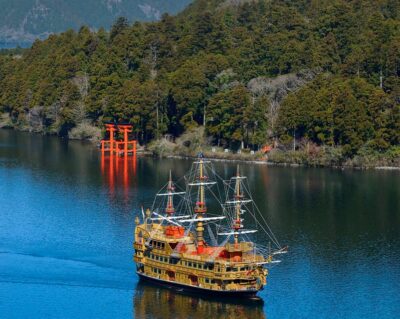
Mt Fuji and Hakone 1-Day Bus Tour Return by Bullet Train
Read our review →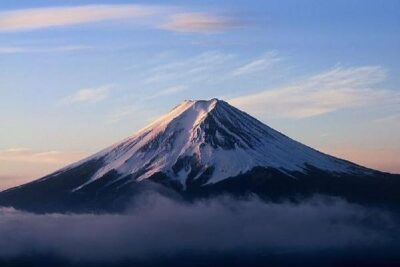
Mt Fuji & Hakone Cruise, Drum Show Bullet Train 1 Day from Tokyo
Read our review →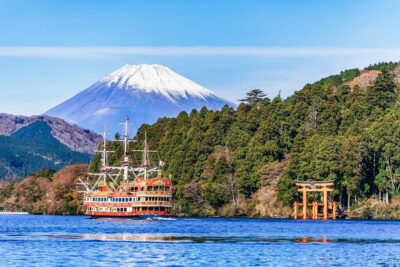
Tokyo Mt Fuji 5th St & Hakone Cruise Bus Tour w/Bullet Train
Read our review →Mt. Fuji & Hakone Tour w/ Return by Bullet Train
Read our review →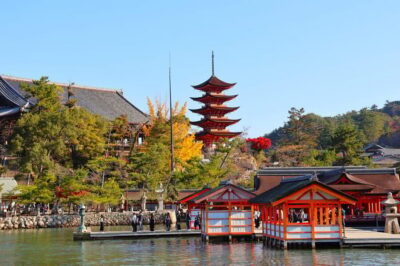
Osaka/Kyoto: Hiroshima Miyajima Bus Tour & Shinkansen Ticket
Read our review →
From Tokyo 1-Day Kyoto English-guided Tour by Bullet Train
Read our review →
Mt. Fuji and Hakone Day Trip From Tokyo with Bullet Train Option
Read our review →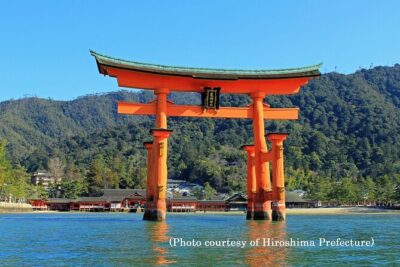
Full Day Hiroshima and Miyajima Tour by Bullet Train from Osaka
Read our review →Browse the lists this tour appears in