
Reviewed · TEMPLE & SHRINE TOURS
Harajuku Meiji Shrine Walking Tour in Tokyo
Harajuku can be chaotic, yet Meiji Jingu feels like you stepped into a quiet forest. Putting those two moods together in one 2-hour outing is what makes this experience such a practical way to see Tokyo without burning a whole day.
Two things I especially like: you get a simple route with a guide, so you are not constantly figuring out what to do next, and the Meiji Jingu admission is included as part of the experience. I also like the small-group size, because it makes questions feel normal, not rushed.
One thing to consider: Harajuku is busy by nature. Even with a guide, the Takeshita Street section can feel crowded, so if you want total calm, you may have to manage your expectations.
Key reasons this Harajuku and Meiji Jingu walk works
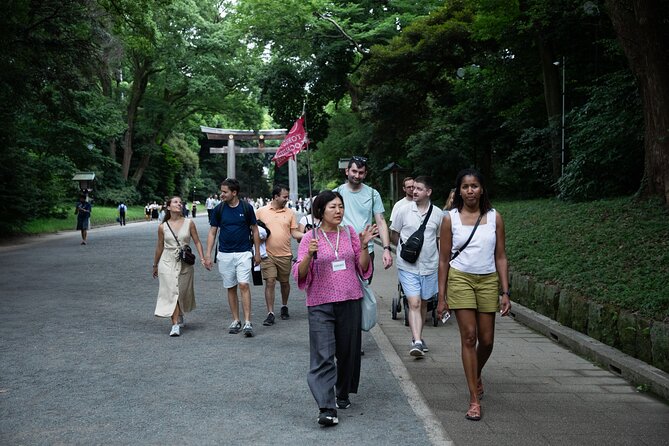
- Small group (max 15): easier pace, easier questions, less getting swallowed by the crowd
- Meiji Jingu admission included: you do not have to stop and pay or hunt for tickets
- Mobile ticket: simpler check-in, less fuss on a sightseeing-heavy day
- Three-hit route: shrine calm, Takeshita energy, then stylish Omotesando architecture
- Local guides with named experience: guides like Miyu and Hiroko are praised for clear, well-timed cultural context
Harajuku meets Meiji Jingu in one easy loop
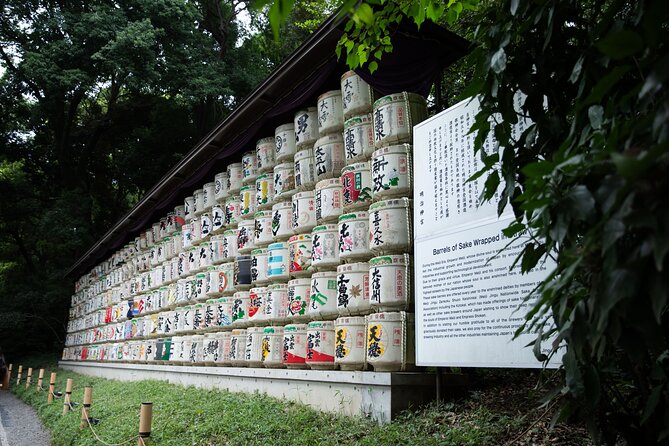
This is a walk designed for people who want the highlights of Harajuku but do not want to treat the neighborhood like a scavenger hunt. You go from one extreme to the other. First is Meiji Jingu, where the approach is famously ceremonial and the grounds feel like a breather. Then you hit Takeshita Street, which is the shortcut to the loud, youthful fashion scene. After that comes Omotesando, a calmer, stylish avenue where modern Tokyo shows off through architecture and high-end storefronts.
The trick is timing. The tour keeps you moving enough to stay efficient, but not so fast that you feel like you are just passing by. It also gives you a guide, which matters in Tokyo. Some places look simple, yet they are loaded with meaning, like how shrine etiquette works, or why certain streets grew into cultural symbols.
The “small-group” part matters too. With a group capped at 15 travelers, you can actually hear the guide, and you are not constantly elbowing for position.
More Temple & Shrine Tours in Tokyo
- Tokyo: Meiji Shrine, Asakusa, Skytree Bus Tour and Cruise
★ 4.7 · 1,986 reviews - Tokyo: Asakusa Walking Tour with Sensoji Temple Visit
★ 4.8 · 1,583 reviews - Nikko: Kegon Falls, Lake Chuzenji & Toshogu Temple
★ 4.6 · 1,577 reviews
Price and what you actually get for $25
At $25 per person with about 2 hours on the clock, this tour is best seen as a paid time-saver. You are not paying for a luxury ride. You are paying for three things that are hard to replicate on your own if you do not know what to look for:
- A guided route through the places most people rush through anyway
- Admission included along the way (Meiji Jingu is free to enter, but the tour is still built to handle the admission piece)
- Context that turns “sights” into something you can explain to yourself later
This is also the kind of price point that makes sense early in your trip. If you do Harajuku on day one, you get a mental map plus the social and cultural cues to navigate the area better on later walks.
The only cost risk is mismatch. If your dream day is to wander slowly with zero structure, a scheduled route may feel limiting. But if you like a plan and you enjoy quick cultural explanations, it is a solid value.
Stop 1: Meiji Jingu Shrine, torii gates, and etiquette that pays off
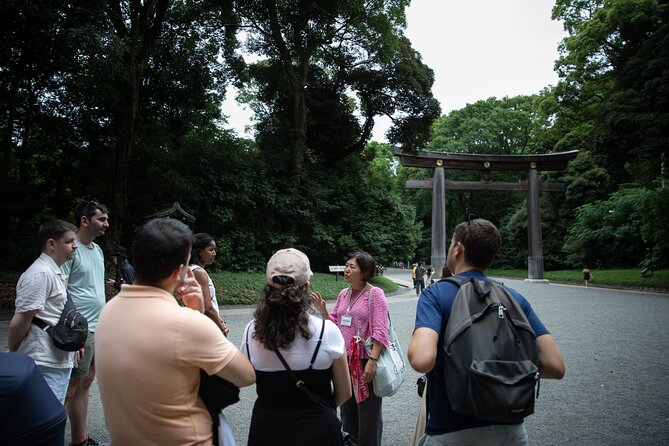
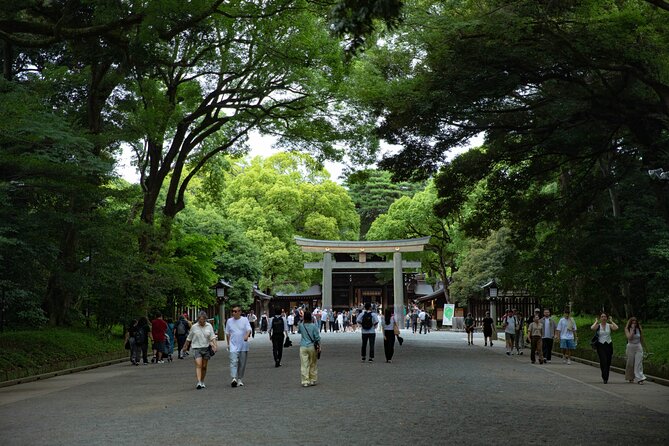
Meiji Jingu is the centerpiece for a reason. You start with the ceremonial feeling, entering through towering torii gates and following a tree-lined path into a large, forested area. The tour gives you about 40 minutes here, which is enough time to slow down, look around, and understand what you are seeing without turning it into a half-day project.
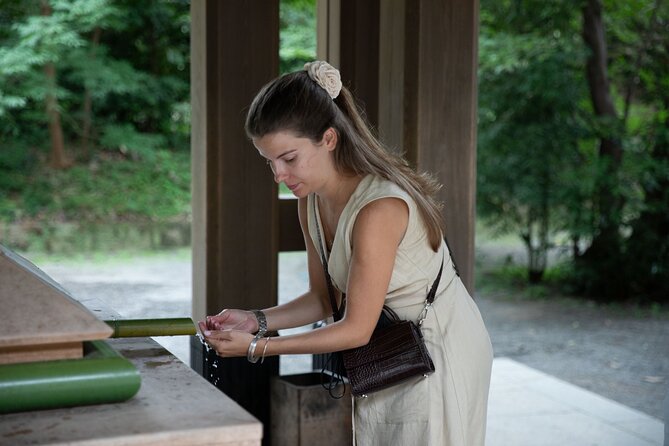
This stop is also where a guide can make a real difference. If this is your first shrine visit in Japan, you can easily do the right things by accident. You might also do the wrong things without realizing it. The experience is built to help you get the basics right, including shrine etiquette and what the place represents.
You are likely to hear stories and practical guidance that make the space feel less like a photo backdrop and more like a working religious site. Guides like Hiroko are specifically praised for explaining history, religion, and proper etiquette in a way that is useful for first-timers. Even if you already know a bit, it is the kind of context that helps you appreciate details you would otherwise skip.
Practical payoff: once you understand the etiquette and the meaning behind what you are doing, you can visit other shrines later with more confidence.
Stop 2: Takeshita Street, 400 meters of youth culture and sharp contrasts
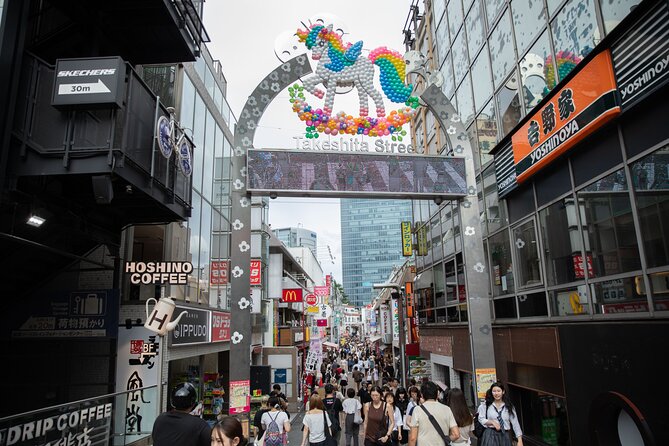
Then the tour flips the switch. Takeshita Street is a narrow pedestrian lane about 400 meters long, famous for style, accessories, and creative retail. You get around 30 minutes here, which is just enough time to absorb the atmosphere, make a couple of choices, and not feel like you spent the whole day standing still.
This is also where the guide earns their keep. Without context, Takeshita can feel like just shopping noise. With a guide, it becomes easier to understand what the street is signaling culturally, not just what is for sale.
One note for expectations: this is the busy, photo-friendly part of Harajuku. Even when the tour keeps the group organized, the surrounding area can be crowded. If you are claustrophobic or you hate high-density shopping streets, plan to be flexible. You will still likely enjoy seeing the contrast with Meiji Jingu. That contrast is part of the design.
If you want souvenir energy, this is where you will find it. If you want calm, stay mentally in the shrine rhythm until you feel yourself adjust.
More Walking Tours in Tokyo
- Tokyo Tsukiji Fish Market Food and Culture Walking Tour
★ 5.0 · 3,184 reviews - Tokyo: Imperial Palace and Shogun Historical Walking Tour
★ 5.0 · 2,251 reviews - Tokyo: Shinjuku Local Bar and Izakaya Guided Walking Tour
★ 4.9 · 1,794 reviews - Tokyo: Tsukiji Fish Market Food and Walking tour
★ 5.0 · 1,724 reviews
Stop 3: Omotesando, designer avenues, and modern Tokyo in motion
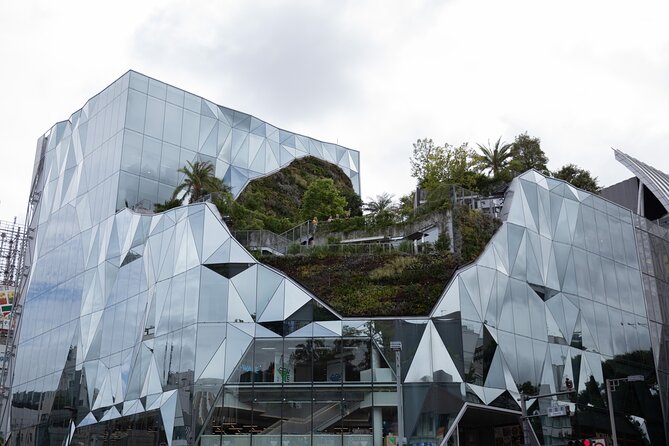
After Takeshita, you get a breather on Omotesando, often described as the Champs-Élysées-style shopping avenue of Tokyo. The vibe changes again. This is more about architecture, storefront presence, and the clean lines of modern Tokyo, not about rapid-fire youth fashion.
You have about 20 minutes here. That time window can sound short, but it is usually perfect for what most people want at this point: a walk-through highlight that helps you recognize Omotesando later when you pass it again on your own.
If you like streets as design objects, Omotesando is a great place to pay attention. The wide avenue and tree-lined feel make it easier to appreciate building shapes and street rhythm. Even without stopping for shopping, a guided walk helps you notice details you might not clock on a first visit.
Why the guide makes this feel relaxed, not like a checklist
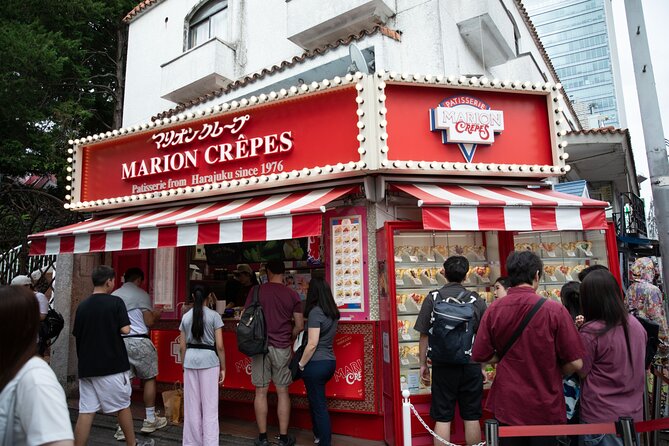
This tour is structured, but it does not feel mechanical. The goal is to help you see “best bits” without doing hours of research or getting lost between stations, side streets, and crowd detours.
In the shrine portion, you get cultural context that makes etiquette and symbolism make sense. In the Harajuku portions, you get direction on what to look for and what is worth your time. The pace is also designed for mixed groups, so you can move without sprinting. That matters if you are traveling with family, friends of different ages, or if you simply do not want sightseeing to feel like a workout.
The small-group limit of 15 also affects the vibe. You can ask questions and get answers in real time. That turns the walk into something more like a guided conversation than a lecture.
Guides named in feedback, including Miyu, are repeatedly described as friendly, approachable, and well-paced with stories about both Japan’s traditions and everyday modern life. Another named guide, Hiroko, stands out for turning a first shrine visit into something understandable instead of mysterious.
Getting the most out of a 2-hour schedule
With only about 2 hours, you should treat this as a “route + context” tour. The win is efficiency. You are getting a cultural anchor (Meiji Jingu), the iconic Harajuku street energy (Takeshita), and a taste of stylish Tokyo avenue life (Omotesando).
To get the best payoff:
- Wear comfortable walking shoes. You will be on your feet for multiple segments.
- Plan to keep your camera ready. The shrine gates and forest approach are dramatic, and Takeshita is made for quick photos.
- If crowds bother you, you can still enjoy the tour by focusing on the guide’s explanation and moving a bit with the group rather than fighting for stillness.
Also, go in with curiosity. If you start the shrine stop knowing you will learn what to do and why, the whole experience feels smoother.
Where it starts and where you finish, plus how that helps
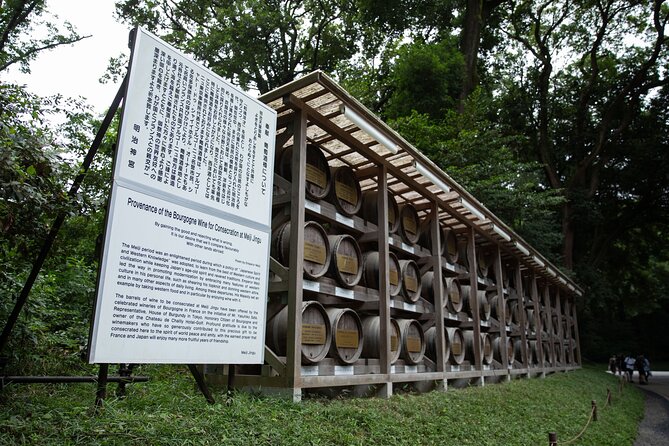
The tour meets near Harajuku Station and ends at Tokyu Plaza Harajuku HARAKADO inside the Harajuku Square area. That matters for planning your next move. Ending near a major hub and a well-known complex makes it easier to continue your day on your own, whether you head toward Shibuya, grab a meal, or keep exploring adjacent streets.
If you like tours that end in a place where you are not stuck hunting for the nearest train exit, this routing is a good sign.
You will also have a mobile ticket, which is one less thing to manage during a busy day of commuting and walking.
Who should book this Harajuku and Meiji Jingu walking tour
This works especially well for:
- First-time visitors who want Harajuku highlights without doing map math
- People who like cultural context, especially shrine etiquette and meaning
- Travelers who prefer a small-group pace and easy question time
- Families and mixed-age groups, since the stops are varied and the walk is kept manageable
It may not be the best match if you want long, slow wandering with zero structure, or if you strongly dislike crowded shopping streets.
The guide-led format is also a great fit if you want to understand what you are seeing instead of just checking boxes.
Should you book it? A quick decision checklist
Book this tour if you want a compact plan that mixes Meiji Jingu calm with Harajuku energy, and you are happy letting a guide handle the route and context. At $25, the value comes from saving time and getting cultural explanations you can carry into future visits.
Skip it if you want solitude, long museum-style time in one place, or you are sensitive to the dense foot traffic around Takeshita Street.
If you are doing Harajuku early in your trip, this is one of the smartest ways to get your bearings fast, then explore more freely afterward.
FAQ
How long is the Harajuku Meiji Shrine Walking Tour?
It lasts about 2 hours.
What stops are included on the walk?
You visit Meiji Jingu Shrine first, then Takeshita Street, and finish with Omotesando.
Is admission included?
Yes. Admission fee is included, and Meiji Jingu Shrine admission is listed as free.
How many people are in the group?
The tour has a maximum of 15 travelers.
Do I need a printed ticket?
No. You use a mobile ticket.
Where do the tour start and end?
It starts near Harajuku Station and ends at Tokyu Plaza Harajuku HARAKADO, located in Harajuku Square.
Is free cancellation available?
Yes, you can cancel for a full refund up to 24 hours before the experience’s start time.
More Anime & Pop Culture Tours in Tokyo
- Official Street Go-Kart Tour – Akihabara
★ 5.0 · 1,578 reviews - Tokyo Go Kart: Asakusa, Skytree, and Akihabara **IDP MUST**
★ 5.0 · 988 reviews - Tokyo Studio Ghibli Museum and Ghibli Film Appreciation Tour
★ 4.5 · 421 reviews - Akihabara Anime & Game Adventure Walking Tour (Group or Private)
★ 5.0 · 404 reviews
Latest write-ups near Tokyo
- From Tokyo: Top 5 Scenic Spots of Mount Fuji Full-Day Tour★ 4.5 · 67 reviews
- Tokyo Customized Private Tour: See Top Attractions in 1 Day★ 4.8 · 67 reviews
- Traditional Japanese Music ZAKURO SHOW in Tokyo★ 5.0 · 67 reviews
- Tokyo: Shinjuku Izakaya and Golden Gai Bar Hopping Tour (2h)★ 4.9 · 67 reviews
- Tsukiji: Unlimited Sake Tasting Experience★ 4.9 · 67 reviews
- Samurai Ninja Museum Asakusa: Kid-Friendly Ninja Training★ 4.7 · 67 reviews
- Tokyo: Not a show- a professional sumo practice with experts★ 4.9 · 67 reviews
- Private Harajuku Omotesando Architecture Walking Tour★ 5.0 · 67 reviews
Temple & Shrine Tours, compared.
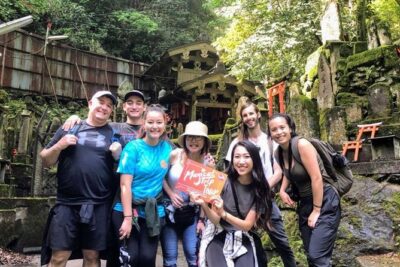
Fushimi Inari, Kinkakuji, Bamboo Grove 1 Day Bus Tour
Read our review →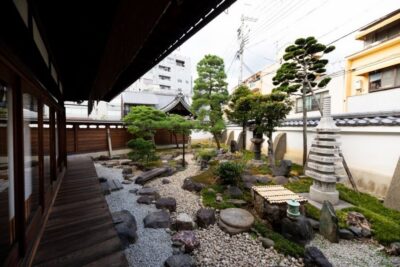
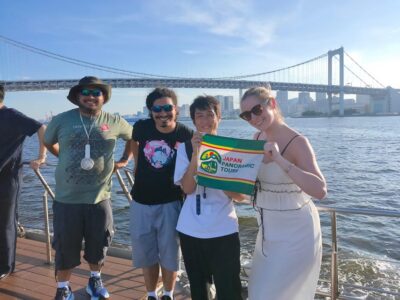
Meiji Shrine, Asakusa, Skytree Bus Tour and Cruise
Read our review →
Osaka/Kyoto:Kinkakuji,Arashiyama,FushimiInariShrine,NaraPark
Read our review →
Asakusa Walking Tour with Sensoji Temple Visit
Read our review →
Nikko: Kegon Falls, Lake Chuzenji & Toshogu Temple
Read our review →
Kamakura & Enoshima Day Trip including Temple Tickets
Read our review →
Nikko Toshogu Shrine and Kegon Waterfall Tour
Read our review →Browse the lists this tour appears in