
Reviewed · PEACE MEMORIALS
Hiroshima/Guided Virtual Tour of Peace Park/PEACE PARK TOUR VR
What makes this experience interesting is how Hiroshima Peace Memorial Park turns into a time machine. With VR reenactments, you revisit the streets before the bombing, then watch how key spots look and feel afterward, guided by what survivors and historical photos documented.
I love the way the tour stays short and focused, so it works even when your day is already packed. I also like that you’re not just watching, you’re learning with an English guide who can respond as you go.
One possible drawback: the experience is brief and built around a handful of VR segments. If you’re expecting video or VR quality like the best commercial VR games, or you already studied the area’s exhibits closely, you may find it feels like less of a value than bigger tours.
Key Highlights You Should Know
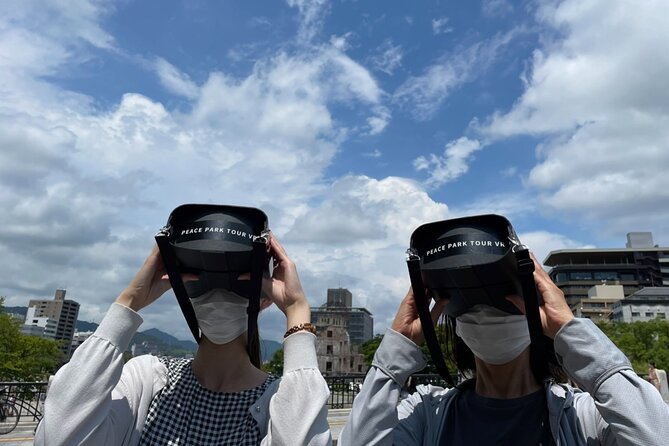
- Small group, up to 6 people, which helps the guide keep things flowing
- English speaking guidance while you’re wearing the VR goggles
- Time-staged scenes across the before moment, the aftermath, and the road to recovery
- Eizo Nomura’s story at the Rest House stop, told through VR in the basement setting
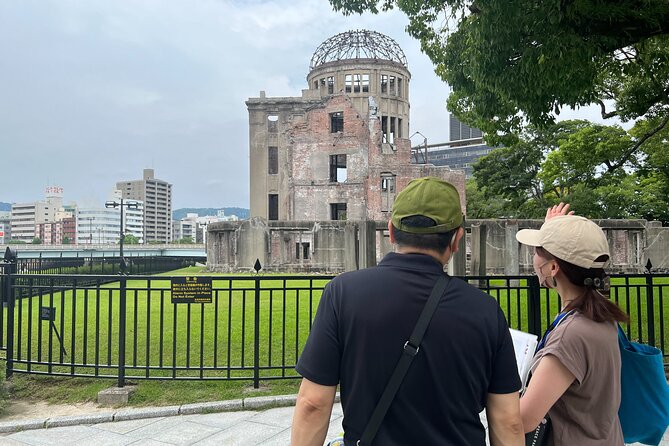
- Atomic Bomb Dome connections, including how it became the site you recognize today
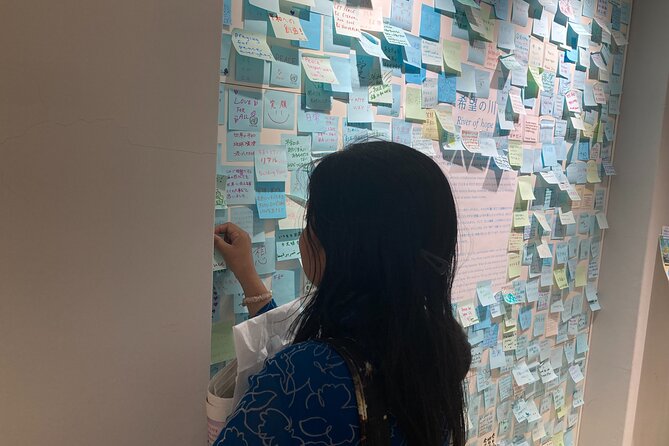
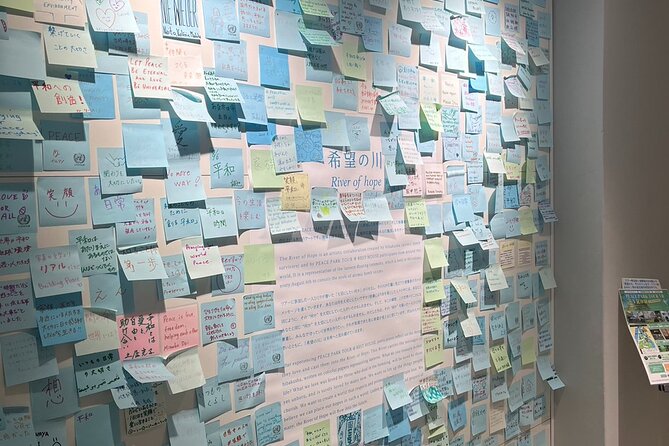
- A reflective ending at the River of Hope message wall where you can write a comment and offer condolences
Hiroshima Peace Park, With VR That Shows the Before and After
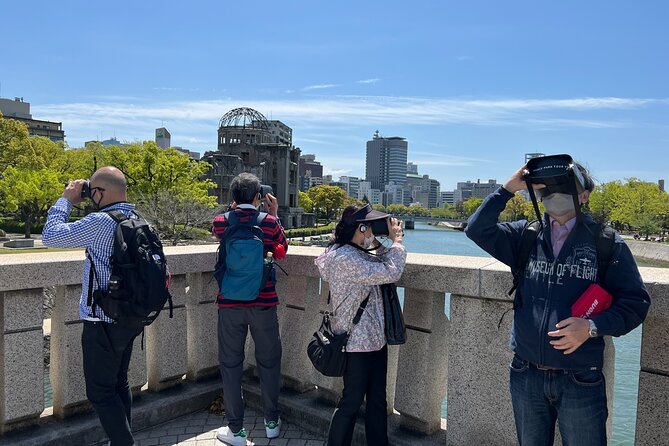
This is not a long walking tour where you cover ground for the sake of covering ground. It’s a guided VR experience built around a few precise locations in Hiroshima Peace Memorial Park, with reenactments tied to historical facts.
The value here is emotional and practical at the same time. VR helps you visualize scale and distance you might otherwise miss while standing still. At the same time, the stories are anchored to testimonies of A-bomb survivors and old photographs, not vague narration. That matters because it keeps your brain from treating what you see as a generic simulation.
You’re also moving through different “time layers.” You start with the sense of the town as it was, then shift into what happened afterward, then come forward to how the area carries meaning today. It’s a strong way to understand the park as something living, not just a memorial you pass through.
Other Peace Memorial visits:
- Hiroshima Historical Walking Tour – Why A-Bomb was Dropped
★ 4.8 · 893 reviews - Hiroshima: Miyajima Peace Memorial Icons of Peace and Beauty
★ 4.9 · 361 reviews - Hiroshima: Peace Memorial Park and Atomic Bomb Dome Tour
★ 4.9 · 91 reviews
Price and Value: What $33.03 Buys You
At $33.03 per person, this lands in the mid-range for Hiroshima tours, but it’s not trying to compete with big-day sightseeing deals. The price includes VR goggles rental and an English speaking guide, so you’re paying for the “VR + guided context” bundle rather than for a bus or an all-day itinerary.
You should also weigh what is not included: transportation to the meeting point and food and drinks. That’s normal for this kind of focused tour, but it means you’ll want to plan around it so you do not arrive hungry or with no easy way to get back to your next stop.
One more practical point: the tour lasts about 1 hour 20 minutes and covers only a short distance. That can be a bargain if you want a meaningful experience without spending half your day on logistics and walking. It can feel less impressive if you were hoping for a longer VR show with many video segments.
Where You Start, and How the VR Setup Works
You meet at the Hiroshima Peace Park Rest House, located at 730-0811 Hiroshima, Naka Ward, Nakajimachō, 11 Hiroshima Peace Park Rest House. The tour begins at 10:30 am, and it ends back at the meeting point.
Because the guide handles the VR step, I’d plan to arrive with enough time to get settled. Your guide will be waiting at reception, and they’ll show you how to use the VR goggles before you start the main reenactments. With a small group limit of up to 6 travelers, the process tends to stay orderly.
Also, if you’re the type who likes things smooth, note the tour uses a mobile ticket. That usually means less paper searching and fewer last-minute hassles.
Stop at the Rest House: Eizo Nomura and the Basement Story
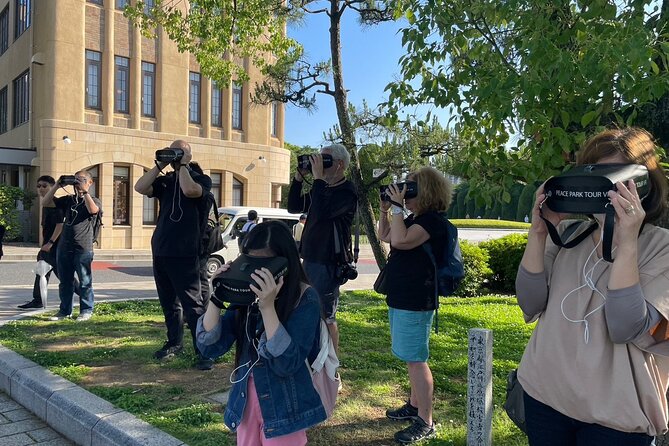
The tour opens at the Rest House reception, where you get brief VR instructions and then head downstairs. This is where the experience finds its footing as more than “VR sightseeing.”
In the basement, you relive the life of Eizo Nomura, described as the only survivor of the fuel building. That specific detail matters. It grounds the experience in a person, not just a location. Even if you have read about Hiroshima before, seeing a single life framed inside VR can make the scale feel more human.
What I like about this opening is how it sets your expectations for the rest of the tour. You’re not thrown into random scenes. You’re guided to understand what you’re about to see as tied to evidence, testimonies, and the way people remembered what they survived.
A good move here is to slow down mentally once you put the goggles on. If you rush, you’ll miss the way the story shifts your attention from the setting to the people inside it.
A change of pace from Hiroshima:
- Peaceful Hiroshima & Miyajima UNESCO 1 Day Bus Tour
★ 5.0 · 5,309 reviews - Hiroshima: Hiroshima and Miyajima UNESCO Sites 1-Day Tour
★ 4.9 · 2,330 reviews - Hiroshima / Miyajima Full-day Private Tour with Government Licensed Guide
★ 5.0 · 1,298 reviews - Hiroshima Peace (Heiwa) Walking Tour at World Heritage Sites
★ 5.0 · 872 reviews
Peace Clock Tower: Understanding the Moment, Then What Remains
Next you go to the Peace Clock Tower area. Through the VR headset, you’re shown and guided through the feeling of the before and after moment. This is one of the stops where the tour helps you connect the emotional shock of the day with the physical reality of what survived.
You also learn how the Atomic Bomb Dome was destroyed by the atomic bomb and how it became what it is today. The dome is more than a recognizable postcard location here. The tour’s framing emphasizes the idea that there is a direct visual trace left behind, which is why the area holds such weight.
There’s also a key fact the tour highlights about the Atomic Bomb Dome: it’s the only building in the world left with visual traces of the atomic bombing, and it was registered as a World Heritage site in 1996. That’s a powerful anchor because it explains why this one structure remains central to how the world remembers.
If you’re sensitive to emotional content, this is the portion to take at your own pace. It’s not presented like a jump scare. It’s presented like history you can see.
Aioi Bridge After Two Months: A Town Turned Into Fire
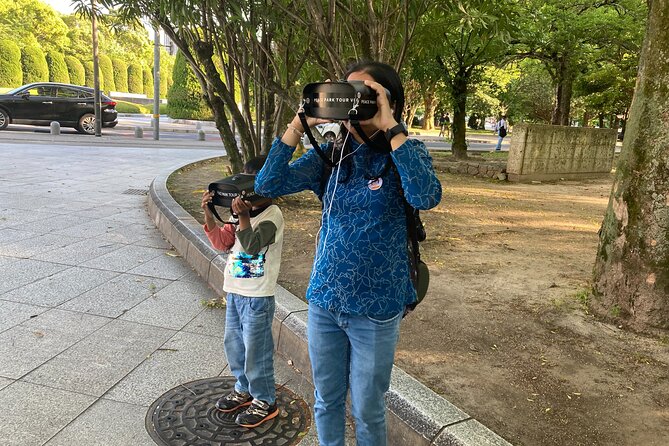
At Aioi Bridge, the tour shifts time again, focusing on what it was like about two months after the atomic bombing. The reenactment conveys the townscape turning into a sea of fire, and it pairs that imagery with testimonies from A-bomb survivors.
This stop has a different tone than the Clock Tower segment. Instead of the sense of the immediate moment, you get a longer aftermath lens. That helps you understand that the story is not just one day. It’s days and months, survival and witness, and the way people tried to keep going while the landscape changed around them.
What I appreciate is that the tour doesn’t treat these places as separate chapters. The bridges and the domed building are linked through a timeline, so you start to feel how Hiroshima’s geography carried memory forward.
If you want to get the most from this part, do not rush to move on. Let the bridge setting and the VR scenes work together. Standing at Aioi Bridge while you see what happened nearby can make the scale feel uncomfortably real.
Motoyasu Bridge From the First Year to Today: Recovery and Peace
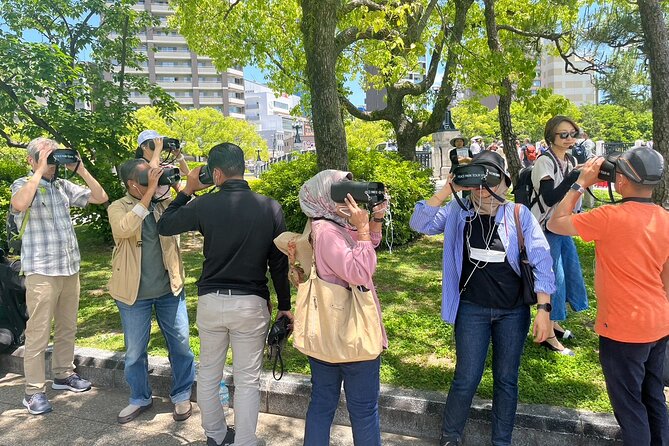
The Motoyasu Bridge stop moves the timeline again, from the first year after the bombing to the present. Here, the story centers on recovery.
You’re guided through an episode where people rise to their feet amidst chaos and take steps toward rebuilding. The emphasis is on recovery as an action people chose, not a miracle that simply happened. The tour also includes a peace-focused appeal, connecting personal survival to a broader message.
This is the part that helps the experience feel balanced. Hiroshima’s memorial areas can sometimes leave you stuck in tragedy mode. This segment creates forward motion, showing how the meaning of the park developed as the city recovered and people continued to speak about peace.
If you’ve been feeling heavy coming into the tour, Motoyasu Bridge is often the place where your brain starts to make sense of the purpose behind visiting. It reframes the park as a place of both remembrance and direction.
Ending at the River of Hope: Writing Condolences
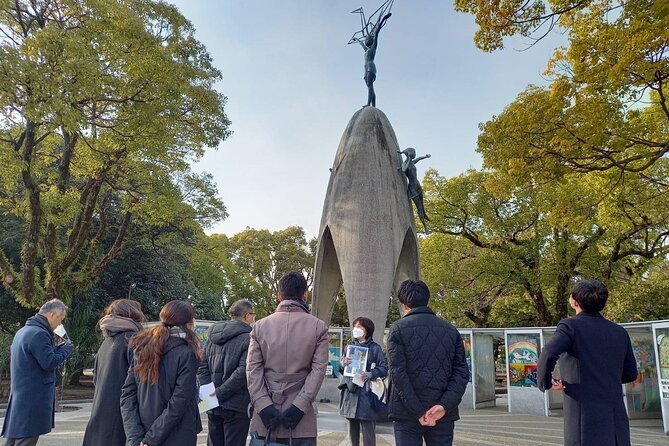
At the end, you return to the Rest House of Hiroshima Peace Park. This last stretch is more personal and reflective. The tour encourages you to post a comment on the wall of the River of Hope and to express condolences.
This is not a checkbox experience. It’s your chance to do something physical with what you just learned and felt. I like that the tour gives you that outlet. VR can be intense, and having a quiet human act at the end helps the experience settle in instead of bouncing off you.
Even if you’re not sure what to write, this ending gives you a simple path: share a message for peace and condolences. Keep it short if that feels right. The point is participation.
Who This Tour Fits Best
This experience is a strong match if you want a meaningful Hiroshima Peace Memorial Park add-on that does not eat your whole day.
You’ll likely enjoy it most if:
- You want guided context in English while you see reenactments tied to survivor testimonies and photographs
- You prefer a short tour over a long, heavy walking day
- You like tours where the guide actively helps you interpret what you’re looking at, not just points and leaves
It may not be ideal if:
- You’ve already done a very deep dive into the memorial and museum content and you’re hunting for a long, content-heavy VR show
- You’re very picky about VR video quality and expect entertainment-level production rather than historically grounded scenes
Tips to Get the Best Experience Without Overthinking It
A few practical things can make the tour feel smoother.
First, plan your day so the emotional tone has space around it. Because the experience focuses on the bombing, aftermath, and recovery, it can land hard even when it’s well guided.
Second, come ready to ask questions. The guide is English speaking, and the tour format is small group. That combination tends to make Q and A feel normal rather than awkward.
Third, keep your expectations aligned with the format. This is about a focused set of locations and reenactments, not an all-day park marathon. If you treat it like that, you’ll be more likely to leave satisfied.
Also, if you book ahead, aim for it early enough to fit your schedule. On average, this tour is booked about 37 days in advance, which is a hint that it’s not the kind of thing you want to gamble on last minute during busy periods.
Should You Book This Peace Park VR Tour?
I think you should book if you want a short, guided way to connect Hiroshima’s places to the timeline of events, with VR reenactments that are tied to testimonies and photos. The small group size, the English guide support, and the chance to end with the River of Hope message wall are the core reasons it’s memorable.
I’d hesitate if you are hoping for a long VR production with tons of video segments, or if you already know the material very deeply and you’re sensitive to feeling like the tour is “too short.” In that case, you might still learn something, but the value may feel more personal than universal.
If you want an experience that balances learning, emotion, and a practical time commitment, this one is an easy yes.
FAQ
Where does the Peace Park VR tour start?
It starts at the Hiroshima Peace Park Rest House in Hiroshima, Naka Ward, Nakajimachō, 11, located at 730-0811.
What time does the tour begin?
The listed start time is 10:30 am.
How long is the tour?
The tour is about 1 hour 20 minutes.
What is included in the ticket price?
The ticket includes VR goggles rental and an English speaking guide.
How big are the groups?
The tour has a maximum of 6 travelers.
Do I need to bring food or pay for meals during the tour?
Food and drinks are not included, so you will want to plan your meals separately.
Can I cancel and get a full refund?
Yes. Cancellation is free if you cancel up to 24 hours in advance of the experience start time for a full refund. If you cancel less than 24 hours before, the amount is not refunded.
Latest write-ups near Hiroshima
- An Amazing set of Cultural experience: Kimono, Tea Ceremony and Calligraphy★ 5.0 · 69 reviews
- Hiroshima: Private Walking Tour with a Local★ 4.6 · 70 reviews
- Hiroshima: Miyajima Island Half-Day Tour with Guide★ 4.9 · 71 reviews
- Kimono and Tea Ceremony in Miyajima★ 5.0 · 73 reviews
- Hiroshima and Miyajima Private Guided Tour★ 4.5 · 75 reviews
- HIROSHIMA ORIZURU TOWER Admission Ticket★ 4.6 · 75 reviews
- Hiroshima & Miyajima: UNESCO A-Bomb Dome & Itsukushima★ 5.0 · 76 reviews
- Hiroshima to Miyajima: Private Custom Tour with Ferry Ride★ 4.9 · 77 reviews