
Reviewed · PEACE MEMORIALS
Hiroshima; Hiroshima Peace Memorial Museum and Castle Tour
This tour is interesting because it pairs the most sobering part of Hiroshima’s story with a practical, guided look at how the city lives on today. I love the way a guide helps you understand the Peace Memorial Museum and Peace Memorial Park without getting lost in facts. I also like that you get a guided visit near the Atomic Bomb Dome and hypocenter, so the memorial grounds make more sense as you walk. The main drawback is emotional weight, since some exhibits depict shocking horror and you should consider asking ahead if you want gentler handling.
A second reason I like this setup is the pacing. You get guided time in the museum and park, plus built-in photo stops, then a shorter sightseeing block at Hiroshima Castle, where you can look at samurai armor and weapon displays without turning your whole day into museum time. You’ll also get traditional Hiroshima snacks as part of the tour, which is a nice real-world touch when you are reading and looking for hours.
One more consideration, especially if you have mobility needs: the information provided says wheelchair accessible, but it also lists wheelchair users as not suitable. I would treat that as a “check first” item rather than guessing. Comfortable shoes matter too, since this is a walking-focused route.
Key moments I’d prioritize
- A guided Peace Memorial Museum visit that turns exhibits into a clear storyline
- Peace Memorial Park guidance that explains what the memorial design is trying to say
- Atomic Bomb Dome and hypocenter focus so you understand what you are looking at
- Surviving atomic bomb buildings and daily-life context for a more grounded perspective
- Hiroshima Castle time to connect samurai history to the city’s longer timeline
- Local snacks included so you are not relying on vending machines mid-walk
Starting on the Peace Memorial side, not across town
You begin at a taxi stand near the Hiroshima Peace Memorial Museum. That matters more than you might think. Starting close to the museum keeps the first hour focused, and you avoid wasting your energy on transit when you’re about to walk into heavy material.
Once you meet your guide, the tour quickly becomes a guided walk, not a rushed checklist. The route is designed for a smooth flow between the museum, the park, the Dome area, and then Hiroshima Castle. It is not a take-your-time day that stretches all day, but it is also not a “blink and move on” sprint.
Other Peace Memorial visits:
- Hiroshima Historical Walking Tour – Why A-Bomb was Dropped
★ 4.8 · 893 reviews - Hiroshima: Miyajima Peace Memorial Icons of Peace and Beauty
★ 4.9 · 361 reviews - Hiroshima/Guided Virtual Tour of Peace Park/PEACE PARK TOUR VR
★ 5.0 · 157 reviews
Who the guide really helps
This kind of place can feel overwhelming if you arrive cold. A good guide does two jobs at once. First, they help you decode the memorial language, like why certain points are positioned where they are. Second, they help you keep asking questions, which is often the difference between reading captions and actually understanding what you see.
The guide you get can vary, but this provider has a track record of strong English and active Q and A. In recent bookings, guides such as Maria and Ihsan were singled out for answering questions well, and Léo was praised for staying respectful of different needs.
Hiroshima Peace Memorial Museum: your guided path through the tragedy
Your museum time is set aside for about an hour, including time to stop, look, and absorb. A guided museum visit is one of the best ways to get value here because the subject is complex. The museum includes accounts and evidence tied to the atomic bombing, so you will get context that helps the exhibits connect to real decisions and real aftermath.
I like that the tour description is clear about what you are there to do: understand the tragedy and then return to thinking about peace. That is not a vague slogan. The museum’s material can hit hard, and a guide’s job is to help you carry it without turning your visit into either shock-only or numb-only.
Emotional balance matters
The tour information explicitly warns that some exhibits depict the shocking horror of the atomic bomb. That is important. If you are sensitive, you should ask your guide ahead of time what to expect and how they manage pacing inside the museum. You can also decide in advance how long you want to spend on the most intense displays.
A few recent experiences also highlight that guides can accommodate different reading speeds. In one example, a guide was patient while guests read quite a bit, keeping the pace realistic rather than forcing the group onward.
More Castle Tours in Hiroshima:
- Japanesel Archery Experience HIROSHIMA CASTLE SHARAKU
★ 5.0 · 387 reviews - Osaka Castle: Museum and Tower Entry Ticket
★ 4.5 · 2,380 reviews - Tokyo Castle & Imperial PalaceーShogun Walking Tour
★ 4.7 · 1,068 reviews - Kyoto: Nijo-jo Castle and Ninomaru Palace Guided Tour
★ 4.7 · 1,020 reviews
What you should do inside the museum
If you want to get the most out of your guided hour, do two things:
- Ask one or two questions early, so the guide can shape your story.
- Pick one or two exhibit sections to pause longer on, then let the guide move you through the rest.
This tour is not about seeing everything perfectly. It is about seeing the right things in a way you can still explain to yourself later.
Peace Memorial Park with a specialist guide: how meaning shows up in design
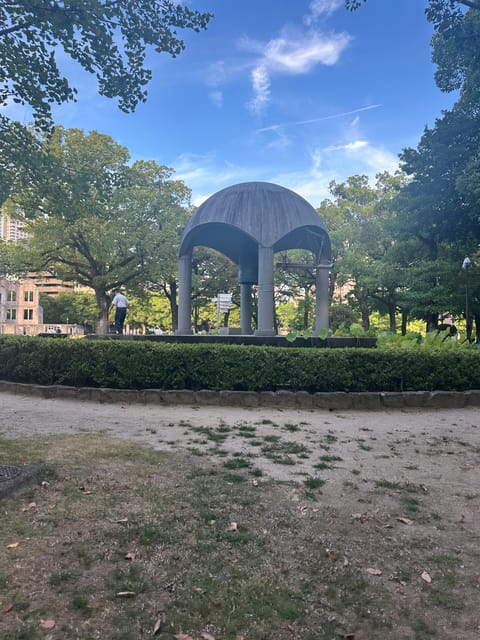
After the museum, you head into Peace Memorial Park for about an hour. Photo stops are built in, but this is still a guided segment, not just a scenic walk. This is where the tour shifts from documentation to symbolism and message.
The tour focuses on World War II background and the thoughts behind the memorial monument. That phrasing is useful. It suggests you are not only learning what happened, but also why the memorial looks the way it does, and what Hiroshima wants visitors to take away.
What to look for while you walk
As you move through the park with your guide, you should treat it like a guided conversation. The guide can point out the logic behind monument placement and the way names, markers, and memorial structures shape the visitor’s emotional path.
I also like that the tour is described as teaching you to connect Hiroshima’s past with its present. That connection is a big part of why the city feels different after you understand the park.
Atomic Bomb Dome area and the hypocenter: what to focus on in 10 minutes
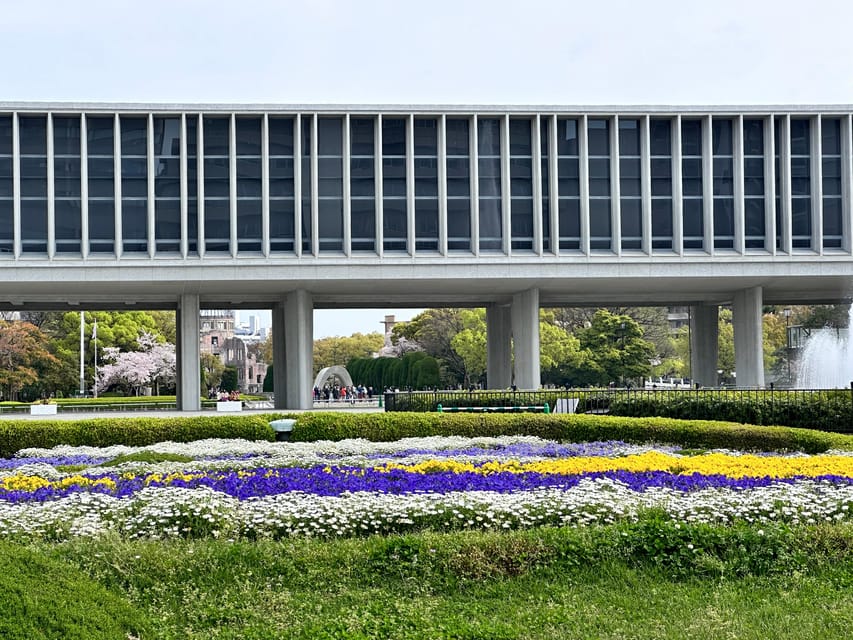
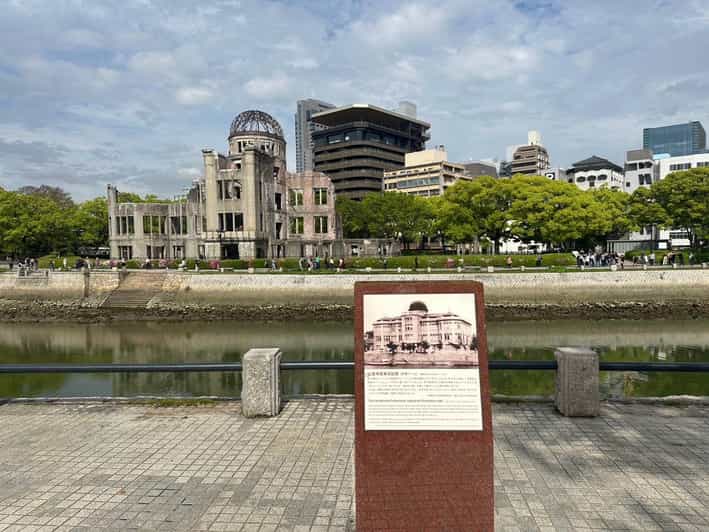
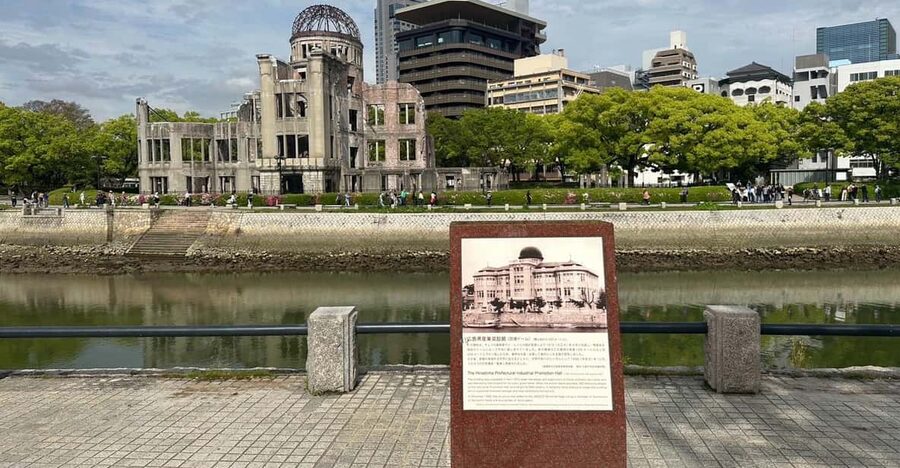
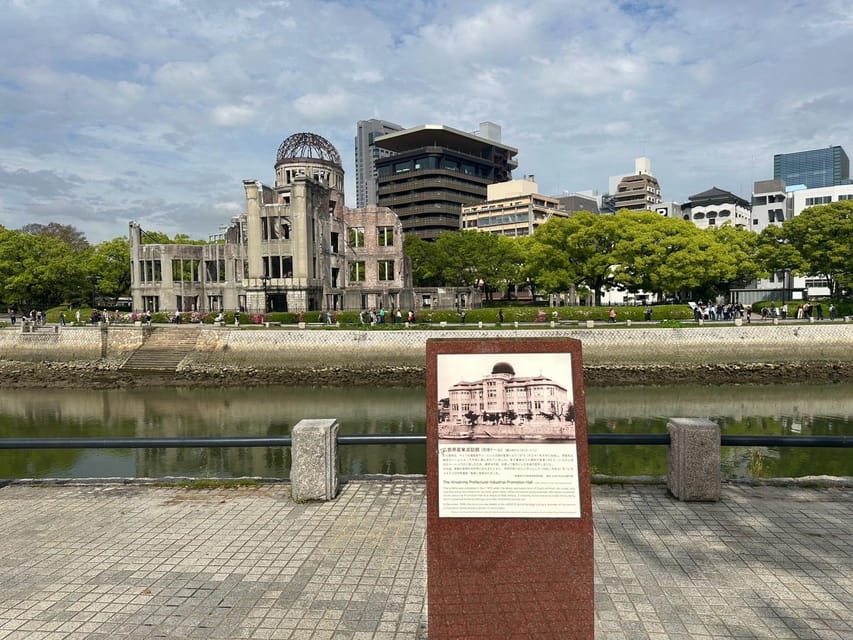
Next comes the Atomic Bomb Dome area, with a photo stop and guided time of about 10 minutes. Ten minutes is short, so you have to use it well.
The tour also includes visiting the hypocenter with a guide and exploring atomic bombed buildings. That combination is the key. The Dome is famous, but the hypocenter and surrounding context turn the Dome from an icon into a reference point you can actually place.
How I’d frame what you see
Try to mentally separate three layers:
- The physical remains, including the Dome and other surviving structures.
- The geographic meaning of the hypocenter area.
- The human story tied to daily life in Hiroshima at that time.
Your guide is there to connect those layers. In many recent experiences, guides were praised for making the explanation clear and respectful, even while covering difficult details.
A note on pace and photos
Because time is tight here, take photos, but do not treat them like the whole point. Listen first, photograph second. If you rush your listening, the photos will later feel like random angles instead of evidence with meaning.
Hiroshima Gokoku Shrine: adding a religious thread to the story
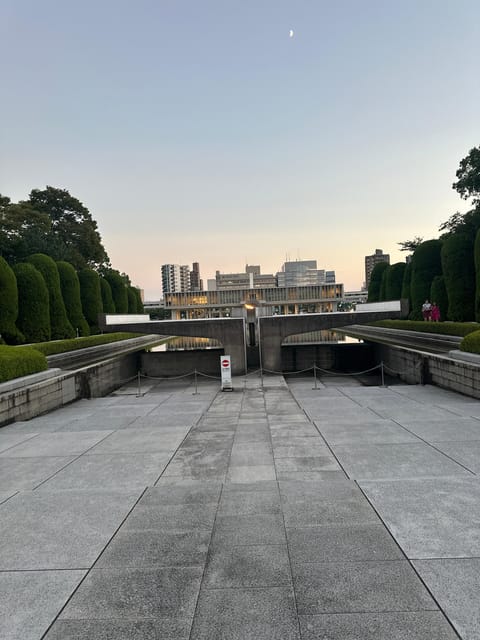
The tour includes a stop at Hiroshima Gokoku Shrine. This is a quieter shift from the memorial grounds, and it can be a helpful change of pace if you are carrying a heavy emotional load.
Your guide can explain cultural and historical context around what you are seeing, and this kind of stop also keeps the day from becoming exclusively about one event. Hiroshima is not a one-story city, even when that one story defines the world’s attention.
Hiroshima Castle in 40 minutes: samurai sights, with realistic expectations
You finish at Hiroshima Castle for about 40 minutes, including photo stops, a guided visit, and sightseeing. This is the part where expectations should be managed.
The tour description emphasizes samurai life: swords, helmets, and related artifacts. That means you are going for armor and weapon displays, not for a long, deep dive into architecture. In one recent experience, a guest suggested the castle portion may not be as interesting as the Peace Memorial sites, and I think that is a fair caution.
How to make the castle hour worth it
If you like Japanese history beyond the tragedy section, this hour can be satisfying. Look at the armor and weapons like design objects, not just souvenirs. Also, pay attention to how your guide connects the castle and samurai imagery to Hiroshima’s longer timeline.
If you are mostly there for peace history, you can still enjoy the castle without forcing yourself to care about every detail. Use the time to get your bearings in the city, then step out and explore the surrounding area on your own after the tour ends.
Pacing, timing, and logistics for a smooth 3-hour day
This is a 3-hour tour. That duration matters because it tells you the day is designed for focus, not wandering.
Here’s how the flow typically works:
- Museum first, then park, both with guided time
- Short guided time at the Dome area and hypocenter context
- A final guided block at the castle with sightseeing time
Walking is a real part of it, so you should wear comfortable shoes and clothes that you can move in. The tour also includes traditional Hiroshima snacks, which helps keep your energy steady between intense stops.
Group pace and guide flexibility
From recent experiences with this provider, I get the sense that guides adjust pacing to the group. Some tours are described as tailored to guest interests, and some guides have taken extra time to ensure guests could see what mattered most to them.
Also, if your plan includes a lunch after the tour, it is smart to keep your expectations realistic. Food and drink are not included, so you will want to budget for at least a snack or meal after you finish.
Price value: what $67 covers, and what you’ll pay separately
At about $67 per person for a 3-hour guided route, this price can feel fair because several things are bundled. You get a walking tour, the Peace Memorial Museum ticket, traditional Hiroshima snacks, and a live tour guide.
You also get practical perks like skipping the ticket line. In a place where you do not want to waste attention, that matters.
What is not included
Two costs to plan for:
- Hiroshima Castle tickets are not included.
- Food and drink bills are not included.
There is also an optional Peace Memorial Museum audio guide that is not included. If you like audio supplements, you can add it separately, but you are not required to.
Is it worth it versus going on your own?
If you are comfortable using written materials, you can visit Peace Memorial sites without a guide. But if you want the day to feel coherent, with clear explanations of memorial symbolism and the bombing context, a guided format is where the value often shows. The repeated praise for guides like Maria and Ihsan for answering questions gives you a strong clue about what you are paying for: clarity and conversation, not just movement from place to place.
Guides, languages, and how to choose your moment
The live tour guide is available in English, Hindi, Malay, and Urdu. That is a big deal if you want to ask questions and actually understand details, not just follow directions.
You might also recognize some of the guide names that appear in recent bookings: Maria, Ihsan, Léo, Mehak, Bilal, Ali, and James (Baba Voss). Several guests specifically mentioned guides being friendly, respectful, and good at matching the group’s pace.
If you want to maximize your experience, ask your guide what parts of Hiroshima you care about most before you start, like the memorial message versus the daily-life context versus the castle artifacts.
Best for who, and when it may not fit
This tour suits you if you want a guided overview that hits the biggest memorial landmarks and still leaves room for cultural context at the end.
It may fit especially well if:
- You want a short, focused day rather than an all-day museum marathon.
- You want the Peace Memorial Museum and park explained clearly.
- You like the idea of pairing peace history with a historical Japanese culture stop at Hiroshima Castle.
It may not fit if:
- You want minimal emotional exposure. Some exhibits depict shocking horror, and the pace may still feel intense.
- You are over 95 years old, since the tour data lists people over 95 as not suitable.
- You use a wheelchair, since there is conflicting information about wheelchair access and a note stating wheelchair users are not suitable. If you are in this category, you should check directly before booking.
Should you book this Hiroshima Peace and Castle tour?
Book it if you want a guided 3-hour plan that covers the core memorial sites with explanations you can actually carry away. I especially think it is worth it if you want the Peace Memorial Park symbolism and the Dome area context explained, not just photographed.
Skip or reconsider if you know you are sensitive to graphic exhibits and you do not want a guide-led experience in those rooms. Also, if you are mainly interested in Hiroshima Castle, this is probably not the best use of your time, since castle time is shorter and tickets are extra.
If you book, go in with one small plan: pick what you want to understand most, ask your guide one question early, and allow the day to be serious where it needs to be. Then let the castle hour be your breather, and not your final test.
FAQ
How long is the Hiroshima Peace Memorial Museum and Castle tour?
The tour duration is 3 hours.
What is included in the price?
What’s included: a walking tour, Hiroshima Peace Memorial Museum ticket, traditional Hiroshima snacks, and a live tour guide.
Is the Peace Memorial Museum ticket included?
Yes, the Peace Memorial Museum ticket is included.
Do I need to buy Hiroshima Castle tickets separately?
Yes. Hiroshima Castle tickets are not included.
Where is the meeting point?
You meet at the taxi stand near the Peace Memorial Museum.
Will there be time for the Atomic Bomb Dome and the hypocenter?
Yes. There is a photo stop and guided time near the Atomic Bomb Dome area, and you also explore the hypocenter with a guide.
What languages are offered for the live guide?
English, Hindi, Malay, and Urdu.
Is the museum ticket line skipped?
Yes, you get skip the ticket line.
Is the tour wheelchair accessible?
The information provided says wheelchair accessible, but it also lists wheelchair users as not suitable. You should check with the operator before booking.
Is the tour suitable for very elderly guests?
The information provided lists people over 95 years as not suitable.
More Museums in Hiroshima
- Tokyo: teamLab Planets TOKYO Digital Art Museum Entry Ticket
★ 4.6 · 9,779 reviews - Tokyo: Samurai Ninja Museum Guided tour and Experience
★ 4.6 · 1,010 reviews - Kyoto: Tea Museum Tickets and Matcha Grinding Experience
★ 4.9 · 739 reviews - Skip the lines Basic Ticket at SAMURAI NINJA MUSEUM KYOTO
★ 4.5 · 632 reviews
Latest write-ups near Hiroshima
- An Amazing set of Cultural experience: Kimono, Tea Ceremony and Calligraphy★ 5.0 · 69 reviews
- Hiroshima: Private Walking Tour with a Local★ 4.6 · 70 reviews
- Hiroshima: Miyajima Island Half-Day Tour with Guide★ 4.9 · 71 reviews
- Kimono and Tea Ceremony in Miyajima★ 5.0 · 73 reviews
- Hiroshima and Miyajima Private Guided Tour★ 4.5 · 75 reviews
- HIROSHIMA ORIZURU TOWER Admission Ticket★ 4.6 · 75 reviews
- Hiroshima & Miyajima: UNESCO A-Bomb Dome & Itsukushima★ 5.0 · 76 reviews
- Hiroshima to Miyajima: Private Custom Tour with Ferry Ride★ 4.9 · 77 reviews