
Reviewed · PEACE MEMORIALS
Hiroshima & Miyajima: UNESCO A-Bomb Dome & Itsukushima with Local
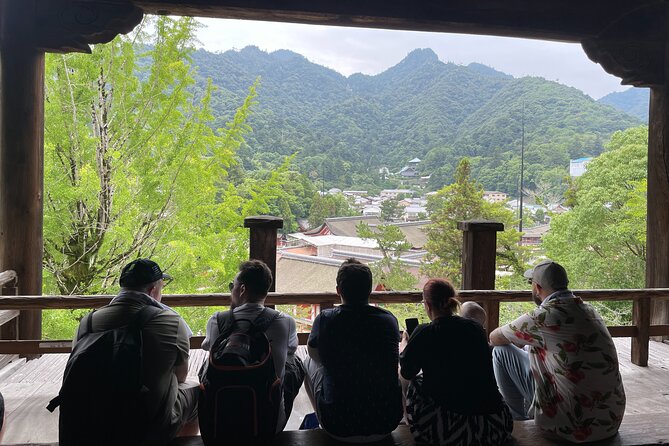
Hiroshima and Miyajima feel like two sides of the same day: spiritual calm on the water, then history and memory on land. I like that this tour is private, so you can move at a human pace instead of getting swept into a big-group stampede. You also get pickup from your Hiroshima hotel, which makes the whole day start smoothly.
Second, I really like that the guide focuses on lived context, not just dates. Names like Yuka and Massa come up in the guide reviews, and the common theme is clear English plus lots of Q and A as you go. The itinerary also builds in time for both Miyajima temples and the Peace Memorial sites.
One caution: it’s a walking day with public transportation, and it may not suit you if you cannot walk long distances. Also, lunch is not included, so you’ll want a simple plan for when to eat between major stops.
Key Highlights Worth Booking for
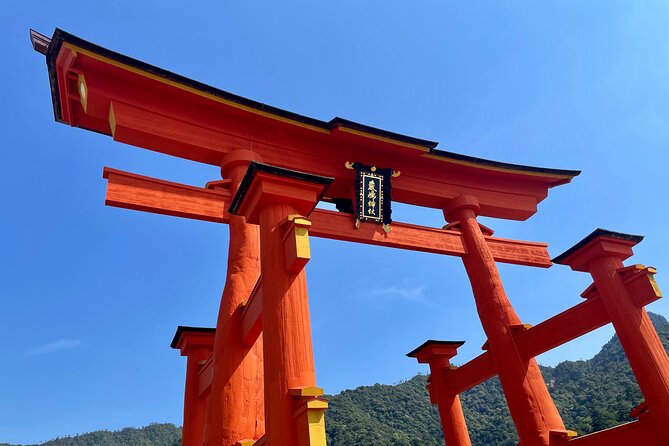
- Itsukushima Shrine and the floating Torii gate timing depends on tide, so your guide can help you aim for the right moment
- UNESCO A-Bomb Dome and Peace Memorial Park visited with stop-by-stop context, including the hypocenter monument
- Private guide with customization so the day matches your interests, not a one-size route
- Photo data included, useful if you want a low-effort way to keep memories without crowding your camera
- 7 hours with realistic pacing using public transport, plus optional direct boat time if you want it faster
Why This Hiroshima and Miyajima Day Feels Different
This tour is built for people who want more than checkboxes. Hiroshima can be heavy, and Miyajima can be surprisingly emotional in a different way. When you pair those two places in one day with a guide who can explain the meaning behind what you see, the day clicks into place.
I also appreciate the “slow down” promise. Instead of rushing through famous spots, you get time buffers and a route that can be adjusted, including the order between Miyajima and the Peace sites. That matters because Miyajima and Peace Memorial Park both reward you for looking carefully.
Finally, the private format is not a tiny luxury. It changes everything when you have questions, want photos taken at the right angle, or need a moment to catch your breath before moving on.
Other Peace Memorial visits:
- Hiroshima Historical Walking Tour – Why A-Bomb was Dropped
★ 4.8 · 893 reviews - Hiroshima: Miyajima Peace Memorial Icons of Peace and Beauty
★ 4.9 · 361 reviews - Hiroshima/Guided Virtual Tour of Peace Park/PEACE PARK TOUR VR
★ 5.0 · 157 reviews
Miyajima First: Itsukushima Shrine and the Floating Torii Gate
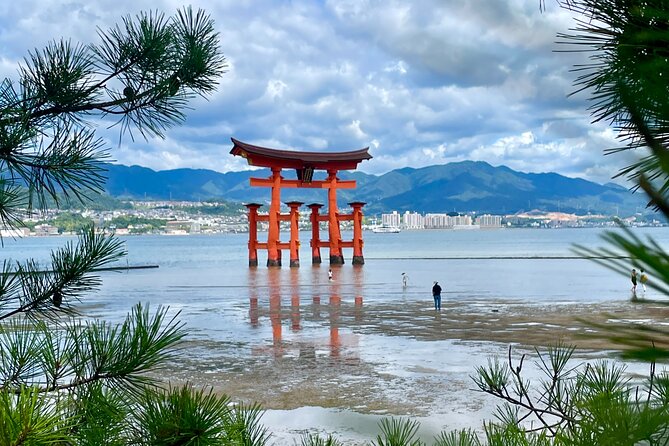
You start on Miyajima, the island associated with Itsukushima Shrine and the world-famous Torii gate that appears to float on the sea. The key practical point is tide. The shrine’s famous gate changes with the water level, so the tour advises planning around high tide if you want that classic floating effect.
Expect a short but meaningful sequence. You’ll visit:
- Itsukushima Shrine area
- the Torii gate viewpoint that shifts with the tide
- time to take in the shrine setting and the feeling of worship around the water
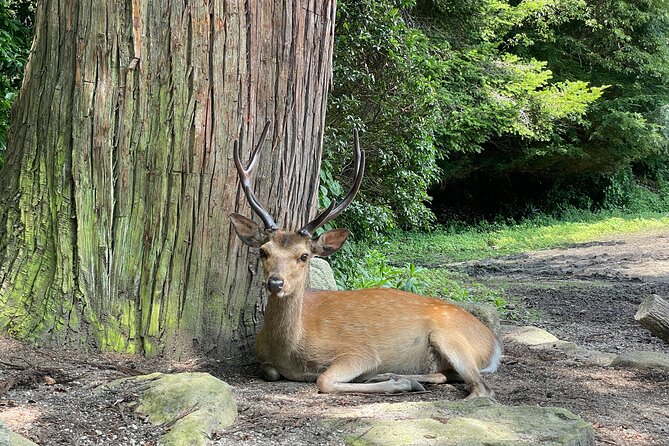
Also, the shrine visit includes the admission fee, so you are not scrambling for tickets while your attention should be on the place. Miyajima itself has a lively, real-world feel, and you’ll likely notice lots of deer roaming around as you move through the area.
If you want a calm start, this is a smart way to do it. You get spiritual atmosphere first, then you move toward the heavier side of Hiroshima once the day is already underway.
Daishoin Temple and Senjokaku: Temples, Quiet Halls, and Old Stone
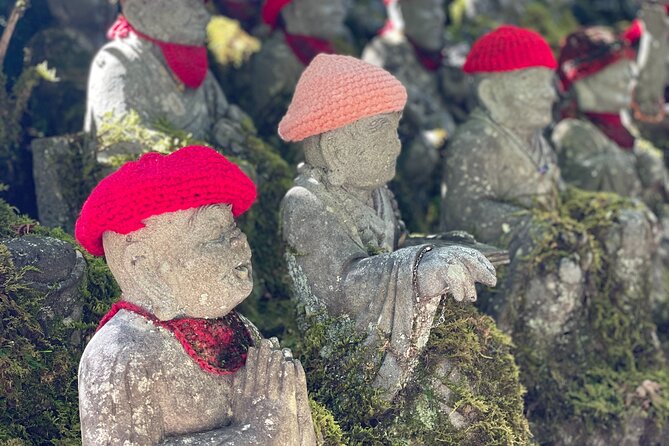
After the shrine highlight, the day gives you a more local Miyajima feel. You’ll stop at Daishoin Temple, described as Miyajima’s oldest temple with over 1,200 years of history. That’s a big number, but what matters for your visit is the experience of walking through an older religious space, not just hearing a statistic.
Next up is Senjokaku, part of the Itsukushima shrine complex. It’s a UNESCO World Heritage site tied to the 16th century, and the description emphasizes large halls and wall-less spaces that can feel peaceful and quiet. Even if you only spend a short stretch here, it’s the kind of place where you understand the setting matters as much as any single object.
Practical tip: if you’re the type who likes photos, these stops offer different angles than the sea-facing Torii. If you only do the big name icon, you miss the texture of Miyajima’s temple spaces.
Omotesando Shopping Street and What to Eat Without Stress
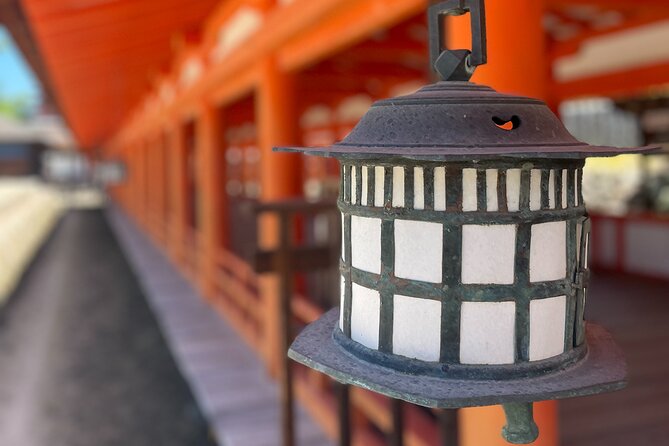
Miyajima’s Omotesando shopping street is the easy, fun break in the middle of the cultural stops. You get about an hour here, and the goal is not high-pressure shopping. It’s time to browse local specialties and pick something that fits your tastes.
The itinerary mentions options like oysters, conger eel rice, and momiji manju (the maple-shaped sweets). Since lunch is not included on the tour, this is one of your best chances to grab something quick and relevant to the island.
One helpful mindset: think of this hour as a flexible “fuel stop.” If you want a snack and a drink, you can do it here and keep the rest of the day on track without guessing later.
More Miyajima crossings:
- Peaceful Hiroshima & Miyajima UNESCO 1 Day Bus Tour
★ 5.0 · 5,309 reviews - Hiroshima: Hiroshima and Miyajima UNESCO Sites 1-Day Tour
★ 4.9 · 2,330 reviews - Hiroshima / Miyajima Full-day Private Tour with Government Licensed Guide
★ 5.0 · 1,298 reviews - From Hiroshima: Hiroshima & Miyajima 1 Day Tour with Lunch
★ 4.7 · 395 reviews
The Trip Toward Hiroshima Peace Memorial Park: Ferry, Train, or Direct Boat
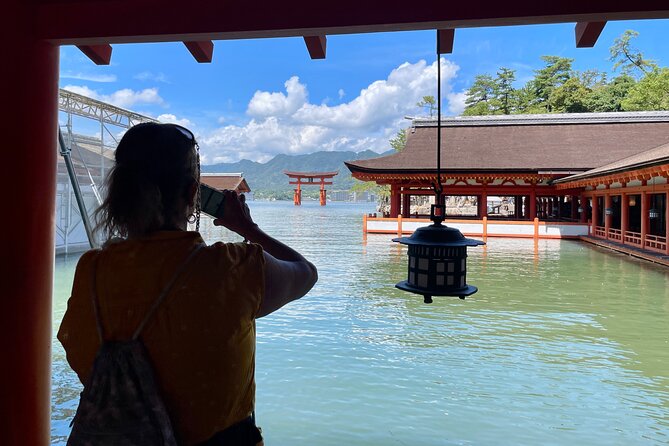
After Miyajima, you head toward Hiroshima for Peace Memorial Park and the A-Bomb sites. The tour uses public transportation and builds in roughly an hour for travel, with the route able to involve ferry, JR, or train.
There is also an option for a direct boat taking about 45 minutes. The existence of that option is useful if you want to cut time and preserve energy for the museum visit later. If you take the direct boat, check that it still lines up with your preferred pace, because Hiroshima days can fill up fast once you hit the memorial area.
Either way, you’ll be moving from island atmosphere to city reality. That transition is part of why doing Miyajima first can work so well. You come off a quieter setting, then you slow down again mentally once you arrive at Peace Memorial Park.
Atomic Bomb Dome and the Hypocenter Monument: What to Look For
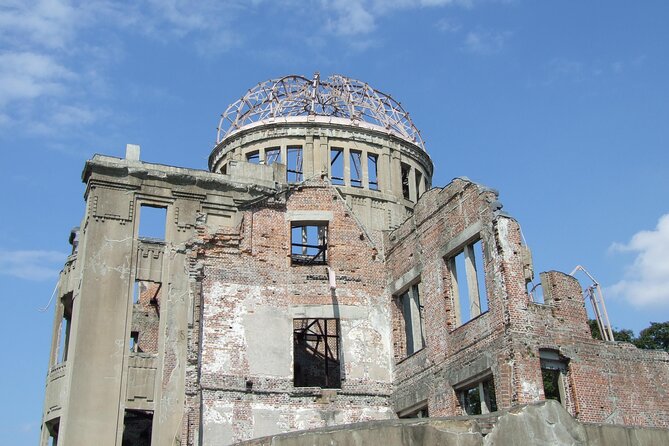
Once you reach Hiroshima’s Peace area, you’ll see the Atomic Bomb Dome and then the hypocenter monument. These stops are short by design, but they are some of the most important sights in Japan for understanding the atomic bombing’s immediate impact.
The A-Bomb Dome stop is framed as a historical structure that conveys the devastation of the bombing. The hypocenter monument is tied to the atomic bomb’s explosion point, described as 600 meters above a hospital. Standing here gives you the scale of where the blast occurred, which helps turn “history” into something your body can picture.
Here’s where a good guide matters most. You want someone who can connect the physical location with what happened and why people remember it the way they do. In the guide reviews, Massa is specifically mentioned for walking people through the Peace Memorial Museum in a way that makes the why behind decisions and the effects easier to grasp.
If you prefer quiet observation, this portion is also a good place to pause and just look. You don’t have to rush for a photo first.
Peace Memorial Park and the Museum Time That Actually Helps
Peace Memorial Park is a web of monuments tied to the facts of the bombing and the city’s reconstruction. The tour includes time to see multiple monuments, then it moves to the Hiroshima Peace Memorial Museum for about an hour.
The museum visit includes admission. The description notes that the exhibits use photos and documents, and you get a glimpse into the reality of radiation exposure. That’s the part I’d plan for with care. Museum time is not about speed reading. It’s about absorbing material at your own pace and knowing what to ask.
In reviews, guides are praised for thought-provoking context. You can also expect a conversational approach, especially if you ask questions about how the museum wants you to understand the human impact, not only the event timeline.
If you’re someone who gets emotionally overloaded by heavy history, you can pace yourself here. A private guide gives you space to decide when to slow down, step back, or focus on the parts you can handle today.
Guide Quality: The Real Value Is How They Handle the Day
Let’s talk about what people consistently rate as excellent: the guides. Yuka, Massa, and Ally are named in the guide feedback you provided, and the repeated themes are easy to spot.
- Strong English that keeps Q and A flowing
- Willingness to answer questions instead of shutting down after the facts
- A pace that fits you, not just the schedule
- Flexibility while still protecting the most important stops
That last point is key. Private tours can feel chaotic if the guide has no structure. Here, the praise suggests the opposite, you get flexibility with a plan that still covers the core sights.
If you’re booking for the “local” part, this is what you’re really paying for. A guide who can explain Hiroshima and Miyajima in plain language, with personal stories passed down through families, helps the day land in your memory in a deeper way than signage alone.
Timing Tips for High Tide and a 7-Hour Flow
This is a 7-hour tour in total, and the itinerary includes multiple short stops plus a few longer blocks. The practical challenge with Hiroshima days is that many key sites are close, but the emotional weight makes time feel different. This tour’s pacing is designed to help you keep moving while still absorbing what you’re seeing.
The biggest timing lever is the Torii gate. Since it floats depending on tide, you should ask your guide what tide timing means for your exact day and when you should be in position.
Also plan for energy management:
- Comfortable shoes matter, since it’s described as a walking tour
- Public transport days move faster if you’re not hunting for late trains or unclear platforms
- Build in a snack moment at Omotesando, since lunch is not included
Finally, the tour asks you not to participate if you have cold symptoms. That’s a simple health note, but it’s also a reminder that this is a real human interaction day. If you’re feeling run down, consider rescheduling.
Price and Logistics: Is It Good Value for a Private UNESCO Day?
At $181.19 per person for a roughly 7-hour private experience, the price can make sense if you value three things: time, guide skill, and included admissions.
Included items:
- entrance fees for Itsukushima Shrine and the Peace Memorial Museum
- photo data
- advance customization consultation
- a live local tour guide
- pickup from your Hiroshima hotel on foot
Not included:
- transportation costs, listed as about ¥1,340 per person for public transport (with ranges for optional routes)
- lunch
- tips
- private transport like fast or direct boats or taxis (with provided cost ranges)
Here’s how I’d judge the value for you. If you were doing this on your own, you’d still spend time figuring out tickets, routes, and timing. You might save money, but you’d almost certainly lose the “what you’re looking at and why it matters” part unless you’re doing a lot of pre-reading and note taking.
The tour also explicitly uses public transportation, and it notes that transportation costs are excluded and that paying your own is cheaper due to Japanese regulation. So you are not being forced into an expensive transfer package.
Bottom line: if your goal is to get the meaning right, this price is reasonable for a private day with admissions and a guide who can answer real questions.
Should You Book This Hiroshima and Miyajima UNESCO Tour?
Book it if you want:
- a private guide who can adapt the day to your interests
- the UNESCO highlights in one pass, including Itsukushima and Peace sites
- time for both the iconic moments (Floating Torii, A-Bomb Dome) and the quieter temple context (Daishoin, Senjokaku)
- a calmer pace than big group tours, with a guide like Yuka or Massa who people praise for English and flexibility
Skip it or reconsider if:
- long walking distances are a problem for you
- you want a fully independent day with zero planning (because this is still a public-transport, walking-based route)
- you’d rather spend more time on one side only, Miyajima or Peace, since this is built as a balanced day
If you’re on a first trip to Hiroshima and you want the day to feel thoughtful without being slow, this is a strong fit.
FAQ
How long is the Hiroshima and Miyajima tour?
The tour is about 7 hours.
Does the tour include hotel pickup in Hiroshima?
Yes. Pickup is offered from your Hiroshima hotel on foot.
What is included in the price?
Admission fees for the Peace Memorial Museum and Itsukushima Shrine are included, along with photo data, a live local guide, and advance customization consultation.
What is not included?
Public transportation costs are not included, and lunch is also not included. Tips are not included, and private transportation options like direct boats or taxis are optional.
Can I go directly to the Floating Torii Gate around high tide?
The Torii gate floats depending on the tide, and the tour suggests planning your visit around high tide.
Is the tour mostly walking?
Yes, it’s described as a walking tour, and it uses public transportation. It is not recommended if you cannot walk long distances.
What happens if the tour is canceled due to weather?
The experience requires good weather. If it’s canceled due to poor weather, you will be offered a different date or a full refund.
Latest write-ups near Hiroshima
- Hiroshima: Atomic Bomb Dome and Peace Memorial Museum 3 hours★ 5.0 · 20 reviews
- Hiroshima: City and Miyajima Bike and Boat Tour★ 5.0 · 20 reviews
- Miyajima Guided Tour and Fresh Oyster Farm Tour★ 5.0 · 20 reviews
- Hiroshima: Tour of Atomic Bomb Dome & Peace Memorial Museum★ 5.0 · 20 reviews
- Miyajima Highlights: Itsukushima Shrine & Island Nature★ 5.0 · 21 reviews
- Miyajima Highlights: Itsukushima Shrine & Island Nature★ 4.9 · 21 reviews
- Dinner Cruise on HANAIKADA (Raft-Type Boat) with Scenic View of Miyajima★ 5.0 · 21 reviews
- History of Hiroshima Group Walking Tour★ 5.0 · 23 reviews