
Reviewed · PEACE MEMORIALS
Hiroshima & Miyajima: UNESCO A-Bomb Dome & Itsukushima
What makes this day tour stand out is the way it connects Miyajima’s sacred world with Hiroshima’s hard truth, all guided by people who live with the memory. I love that it’s fully private, so your guide can slow down when you need a moment, and speed up when you do not. My other favorite part is the human layer, guides like Masa and Yuka share stories shaped by family history, including second-generation atomic bomb survivors.
One possible drawback to think about: this is not a “sit and see everything” tour. You’ll be outdoors on Miyajima, moving between stops by public transport and short walks, and the memorial side of the day asks for emotional bandwidth.
Key points that make this tour different
- Second-generation atomic bomb survivor perspectives from Hiroshima locals, not just textbook facts
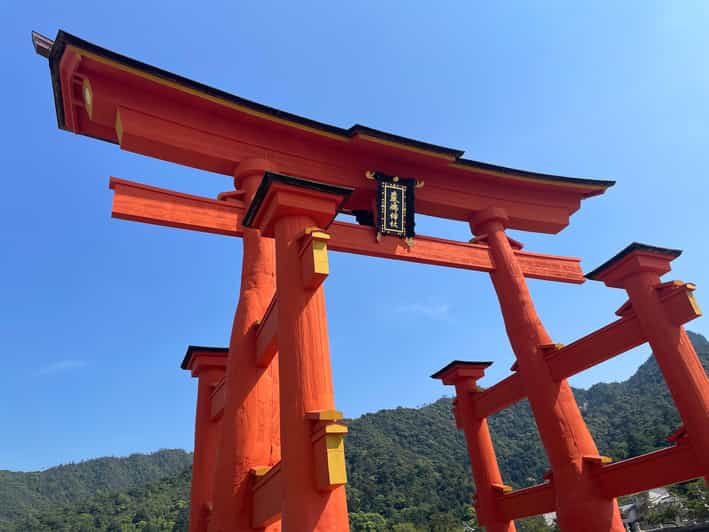
- Itsukushima Shrine and the floating torii area on Miyajima, timed around tides when possible
- A smooth, planned day across ferry, tram, and rail so you do not waste time figuring routes
- Photo stops plus photo data delivered, so you get help with angles and memories
- A flexible pace, your guide adjusts the order and walking versus transit based on conditions and your interests
- Museum entry and Shukkeien garden tickets included, so you can spend less time lining up
Why Miyajima and Hiroshima fit best in one 7-hour flow
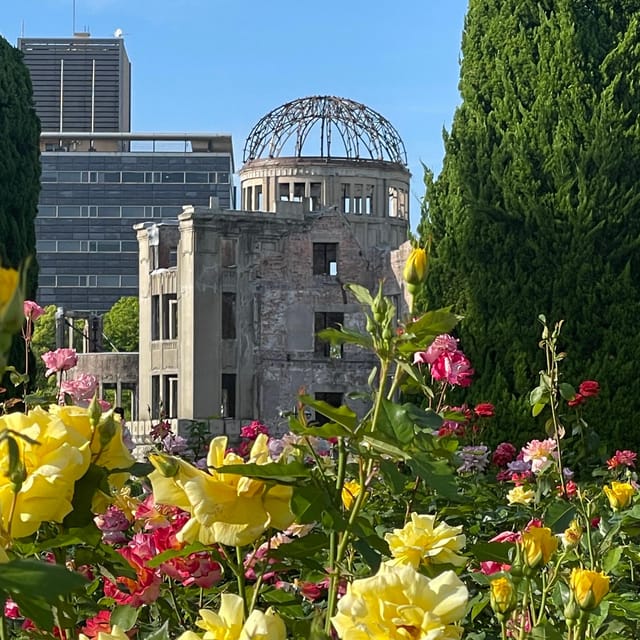
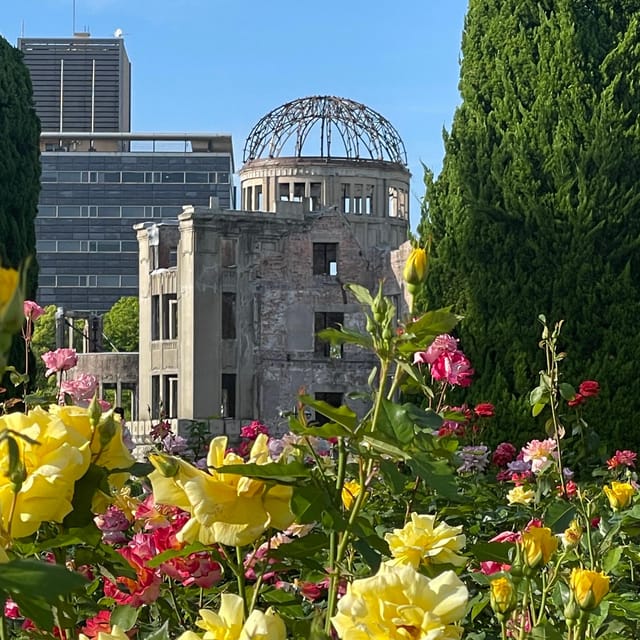
This is one of those days that feels like two halves of the same story. Miyajima gives you calm and ceremony, the kind that makes you lower your voice without trying. Then Hiroshima arrives, closer and heavier, with the Atomic Bomb Dome and Peace Memorial Park asking you to pay attention, not just look.
The timing matters too. You start on Miyajima, which is usually where you get the best chance at the famous torii view around high tide. Then you transition into Hiroshima by tram and rail, finishing with the places that bring the day into focus: Hypocenter area, Peace Park, and the Peace Memorial Museum.
Other Peace Memorial visits:
- Hiroshima Historical Walking Tour – Why A-Bomb was Dropped
★ 4.8 · 893 reviews - Hiroshima: Miyajima Peace Memorial Icons of Peace and Beauty
★ 4.9 · 361 reviews - Hiroshima/Guided Virtual Tour of Peace Park/PEACE PARK TOUR VR
★ 5.0 · 157 reviews
Meet your Hiroshima local guide, and why it changes the whole day
This is a private tour with Japanese local guides speaking English and Japanese. That matters because they are not only translating signs. They are explaining context, family memory, and cultural cues.
More than a few guides have personal family ties to the bombing through second-generation survivor perspectives. In practice, that means you hear stories passed down through Hiroshima families, and you understand why some details people gloss over online are still carried with care at ground level.
I also like how guides handle real people. If your pace is slower, they make room. If you want a practical stop, like Hiroshima Castle, they can often fit it in. In the past, guides have adjusted the day to reduce walking for elderly guests, including suggesting faster boat options when it helps.
Miyajima first: Itsukushima Shrine, the torii photo moment, and deer
You begin on Miyajima Island by ferry, then transition into the shrine area. The route is designed to get you into the right rhythm: first the big visual moment, then the calmer walking and spiritual stops.
Here’s what you can expect:
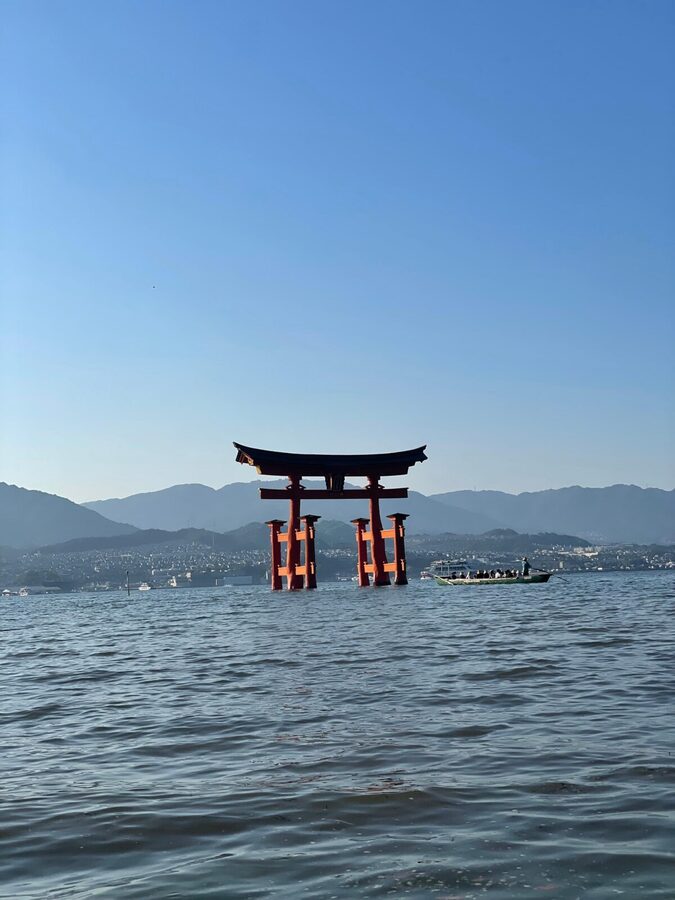
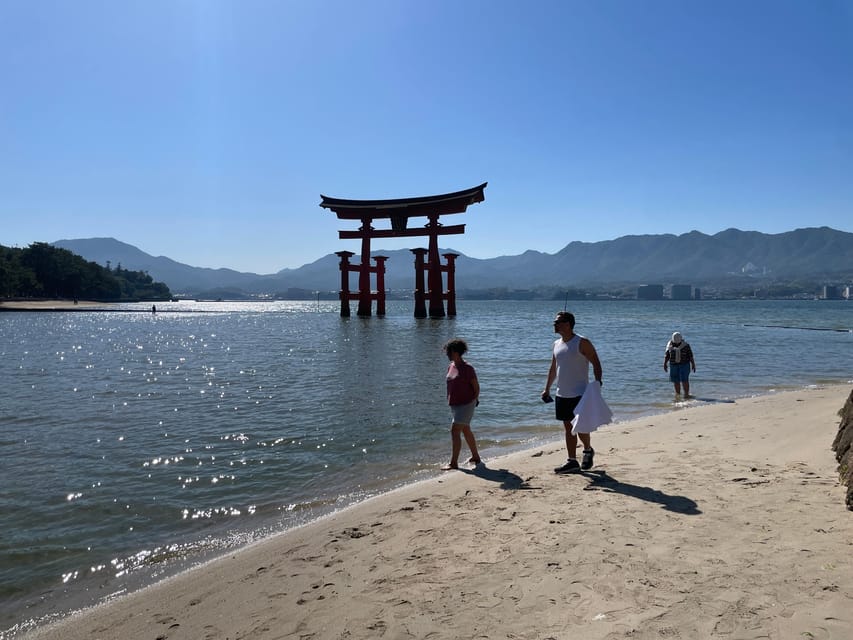
- Itsukushima Floating Torii Gate photo stop with guided context, about 10 minutes
- Itsukushima Shrine visit and free time, about 20 minutes
- You’ll also see the island’s famous wildlife, wild deer wandering close enough that you will want to watch your footing.
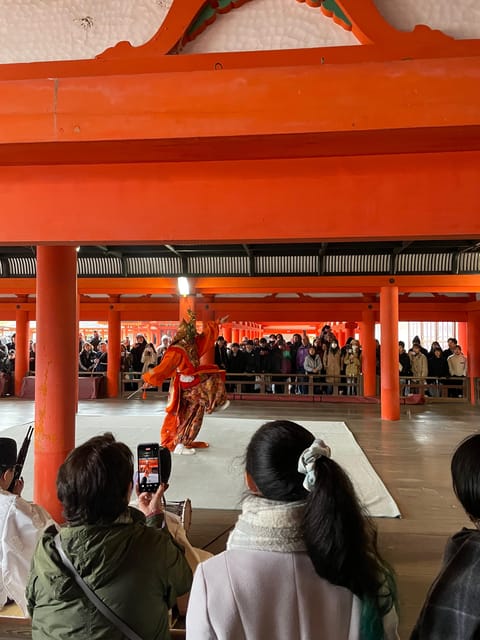
For the floating torii, your guide will care about timing. The tour is designed to work with tides when schedules allow, so you are not stuck with only one possible view. Even if conditions are different than you imagined, you still get the meaning of the shrine setting, including how the architecture and symbolism relate to the sea.
A small practical tip: the shrine area is beautiful, but it can also feel crowded. Since your guide is with you privately, you can move at your pace and pause for photos without feeling like you’re in a conveyor belt.
Daishoin, Senjokaku, and the feeling of walking through belief
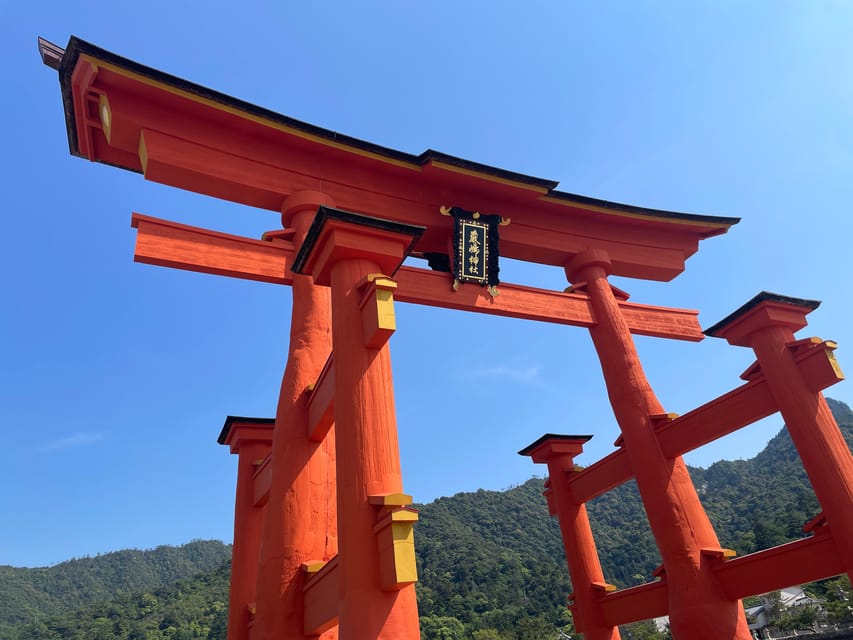
After the shrine, the tour keeps moving through the island’s religious highlights.
You’ll hit:
- Daishoin for guided sightseeing and photo moments, around 30 minutes
- Senjokaku Pavilion for photo stop and guided visit, around 10 minutes
Daishoin is the kind of stop where the guide’s storytelling makes the place click. It is not only about buildings. It’s about ritual, symbolism, and why people still come here with the same attitude for generations.
Senjokaku tends to land differently in the day. It’s visually striking, and your guide’s context helps you connect it to Miyajima’s wider cultural memory. You might find yourself thinking more slowly here than you expected to on a day tour.
More Miyajima crossings:
- Peaceful Hiroshima & Miyajima UNESCO 1 Day Bus Tour
★ 5.0 · 5,309 reviews - Hiroshima: Hiroshima and Miyajima UNESCO Sites 1-Day Tour
★ 4.9 · 2,330 reviews - Hiroshima / Miyajima Full-day Private Tour with Government Licensed Guide
★ 5.0 · 1,298 reviews - From Hiroshima: Hiroshima & Miyajima 1 Day Tour with Lunch
★ 4.7 · 395 reviews
Omotesandō street time: workshop option, lunch, and real souvenir pacing
Miyajima is famous for Omotesandō Shopping Street, and the itinerary builds in time that feels like a break, not a sprint. You get:
- Omotesandō workshop time, about 30 minutes
- Lunch plus street food and shopping time, about 1.5 hours
What I like about this structure is that it stops the classic mistake of doing shrine, then immediately forcing a restaurant, then buying souvenirs on empty energy. Here, you have enough time to reset.
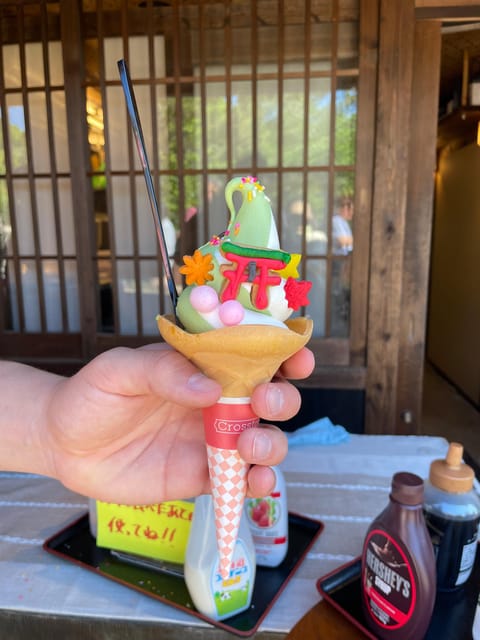
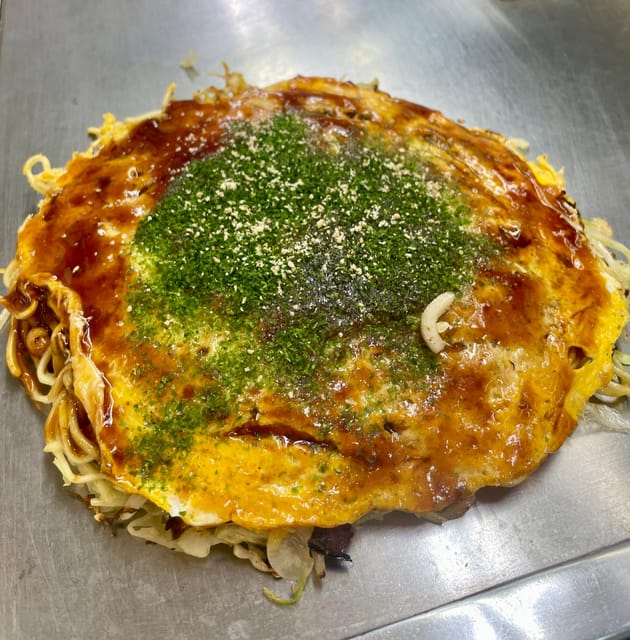
For food, you might choose local favorites you can find around the street. People often end up with items like okonomiyaki in Hiroshima later, but on Miyajima the street scene also supports quick bites. The point is simple: you eat like a local at the pace of the island.
For shopping, aim to buy the souvenirs that matter to you in one pass, then go back only if something catches your eye a second time. With a guide handling your timing, you can also ask what a good edible choice is that fits your tastes.
From Shukkei-en garden to a Hiroshima Castle photo pause
After the return ferry, you move into Hiroshima City and use tram and rail connections. This portion is about shifting your mental gear.
You’ll stop for:
- Shukkei-en Garden, about 30 minutes with photo stop and guided visit
- Hiroshima Castle, about 15 minutes for photo stop and guided visit
Shukkei-en is a calmer interlude. Even though you are still in a city with a painful past, this garden gives you visual breathing space. It also helps you see Hiroshima as a living place, not only a memorial site.
Hiroshima Castle is short here, mainly a photo and orientation stop, not a full half-day of historical depth. If you love castles, you might still want more time later on your own. But as part of a single-day structure, it works because it doesn’t steal time from the atomic sites that anchor the day.
Atomic Bomb Dome, Hypocenter, and Peace Park in the right order
This is the emotional core. The itinerary places the most iconic sites after you’ve already had some time to absorb Hiroshima’s present-day texture through gardens and city views.
You’ll visit:
- Atomic Bomb Dome photo stop and guided visit, about 15 minutes
- Hypocenter photo stop and guided visit, about 10 minutes
- Hiroshima Peace Memorial Park photo stop and guided visit, about 30 minutes
- Children’s Peace Monument, photo stop and guided context (time not specified in the schedule)
You might think you know what the Dome looks like from photos. Then you stand near it and realize how little a picture can transmit. The guide’s job here is not to overwhelm you with facts. It’s to help you understand what you are looking at and why it matters to the people who still live here.
The Hypocenter area is especially important because it ties the story to a specific ground point. You get guided context without turning the site into a checklist.
And Peace Park is where the day turns reflective. The guided time helps you notice the elements people sometimes skip, like how the memorial landscape is arranged to shape how you feel and remember.
Peace Memorial Museum, and when to take your time
Your visit includes Peace Memorial Museum admission, with about 1 hour on site. The museum is included, and that saves you the hassle of figuring timing and tickets mid-journey.
Plan for the museum to hit you in layers. It is one thing to see the Dome and read about the event. It is another to sit with personal records, accounts, and the way the museum presents evidence and memory in one place.
If you tend to get emotional quickly, go slower than you think you need to. A private guide is useful here because you can ask questions as you go, rather than feeling rushed with a crowd.
A heads-up for planning: the museum is listed as closed from Feb. 16 to Feb. 21 for renewal. If your trip lands in that window, you may need an alternate plan for the museum visit.
Getting value from $177 per person, without pretending it is “just sights”
At $177 per person for a roughly 7-hour private day, the price is not about stacking attractions. It is about the guide time and the type of context you cannot replace with an audio app.
This tour includes:
- a live Hiroshima-born guide
- photo support with photo data provided
- Peace Memorial Museum entry tickets
- Shukkeien garden tickets
- pickup on foot from selected Hiroshima hotels and nearby central locations
- a private-group experience
What is not included matters because it affects your real cost on the ground. You should budget for transportation fees like tram, bus, or taxi, plus Miyajima visitor tax. The tour also notes that drink and food are not included as a blanket item, though lunch time on Omotesandō is part of the plan.
So is it a good deal? If you want the human side of Hiroshima, plus a tightly managed day across Miyajima and multiple memorial stops, this is one of the more sensible ways to spend your time. If you only want quick snapshots and already feel comfortable navigating the routes solo, you might decide to DIY. But DIY does not give you family-story context or the photo guidance.
Logistics that actually matter: tides, walking, and public transport rhythm
A private tour does not automatically mean minimal movement. This day uses train, ferry, and tram, with flexibility for walking versus public transit depending on tides and your situation.
Your itinerary may change based on:
- tides on Miyajima
- where you start from in Hiroshima
- your preferences and pace
It also says the tour can shift between walking and public transportation, and taxi if you want. That flexibility is a real advantage when you want fewer stairs, more rest stops, or a smoother transition between areas.
One practical point: the tour notes it is not suitable for people with a cold. If you are feeling under the weather, you may want to reschedule or choose something with less outdoor time.
Who should book this Hiroshima and Miyajima day
I think this tour makes the most sense if:
- you want a meaningful, respectful visit to Hiroshima that goes beyond surface facts
- you care about culture and context in Miyajima, not only the main shrine photo
- you value a guide who can adjust to your pace
- you prefer a private day rather than matching someone else’s schedule
It’s also a solid fit for people who like structure, because the day links major sites without leaving you to solve transit puzzles between ferries and city stops.
Should you book it
If you are coming to Hiroshima for a single day and you want it handled with care, I’d book this. The strongest reason is the combination of Miyajima’s spiritual calm and Hiroshima’s memorial sites, guided through personal, family-shaped stories from local second-generation survivor perspectives.
If your priority is only quick photos with zero emotional weight, you might find the museum and Peace Park portion more intense than you bargained for. But if you want the kind of understanding that does not fit neatly into a brochure, this tour is built for that.
One last practical note: check the Feb. 16 to Feb. 21 museum closure dates before you lock your plan.
FAQ
How long is the Hiroshima and Miyajima private tour?
The tour lasts about 7 hours.
What does the price include?
It includes a live guide, photo support with photo data provided, pickup on foot, entry tickets to the Peace Memorial Museum, and entry tickets to Shukkeien garden.
What is not included in the tour price?
Transportation fees such as tram, bus, or taxi are not included, and you also pay the Miyajima visitor tax. Drinks and food are not included as a separate blanket item, and optional events are not included.
Do you visit the Atomic Bomb Dome and Peace Memorial Park and Museum?
Yes. You’ll see the Atomic Bomb Dome area and Hypocenter area, then visit Hiroshima Peace Memorial Park and the Peace Memorial Museum.
Is the Peace Memorial Museum always open?
No. The Peace Memorial Museum is closed from Feb. 16 to Feb. 21 due to renewal.
Is the tour wheelchair accessible?
Yes, the tour is wheelchair accessible, and you should let the operator know in advance.
Does the itinerary change depending on tides or my interests?
Yes. The itinerary may change depending on the point of departure and tides, and your guide tailors the day to your pace and interests, including whether you walk or use public transportation.
Latest write-ups near Hiroshima
- An Amazing set of Cultural experience: Kimono, Tea Ceremony and Calligraphy★ 5.0 · 69 reviews
- Hiroshima: Private Walking Tour with a Local★ 4.6 · 70 reviews
- Hiroshima: Miyajima Island Half-Day Tour with Guide★ 4.9 · 71 reviews
- Kimono and Tea Ceremony in Miyajima★ 5.0 · 73 reviews
- Hiroshima and Miyajima Private Guided Tour★ 4.5 · 75 reviews
- HIROSHIMA ORIZURU TOWER Admission Ticket★ 4.6 · 75 reviews
- Hiroshima to Miyajima: Private Custom Tour with Ferry Ride★ 4.9 · 77 reviews
- Hiroshima Miyajima and Bomb Dome Private Tour★ 5.0 · 78 reviews