
Reviewed · PEACE MEMORIALS
Hiroshima Peace Memorial and Atomic Bomb Dome Private Tour
Standing in Hiroshima Peace Memorial Park hits differently because it is built to make you feel time, names, and choices. This private tour has you move through the museum, the memorial spaces, and finally the Atomic Bomb Dome, with a guide who explains what you are looking at and why it matters. I especially like the private pacing and the fact that you are guided through key monuments instead of wandering and guessing.
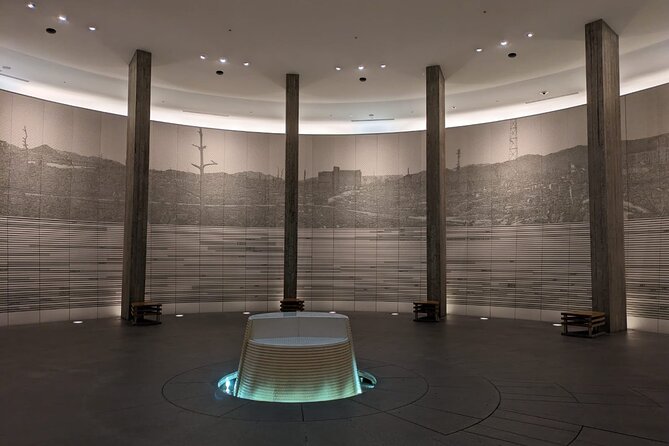
My second big plus is that you get real context, including a look at survivor and victim material in the museum and a reflective stop at the national hall for Atomic Bomb victims with screen displays and access to a victim database. The one real drawback is emotional weight, the kind that can slow your steps. If you have a packed day, plan for a quieter block afterward.
Key highlights to look forward to
- A tight 3-hour route through Hiroshima Peace Memorial Park and ends at the Atomic Bomb Dome
- Private guide storytelling that turns each monument into something you can actually understand
- Museum time with admission included, plus the “why” behind artifacts and symbols
- National Peace Memorial Hall stop with screen displays and access to the victim database
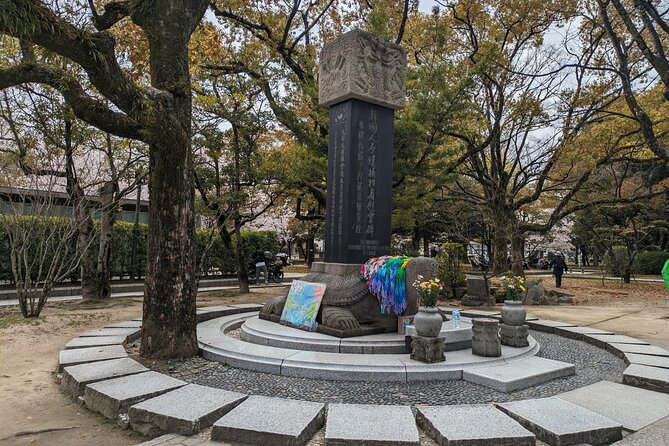
- Child-focused remembrance at the Children’s Peace Monument, tied to Sadako Sasaki
- A guided walk around the A-Dome, with time to absorb it without rushing
Why Hiroshima Peace Park feels more like a message than a museum
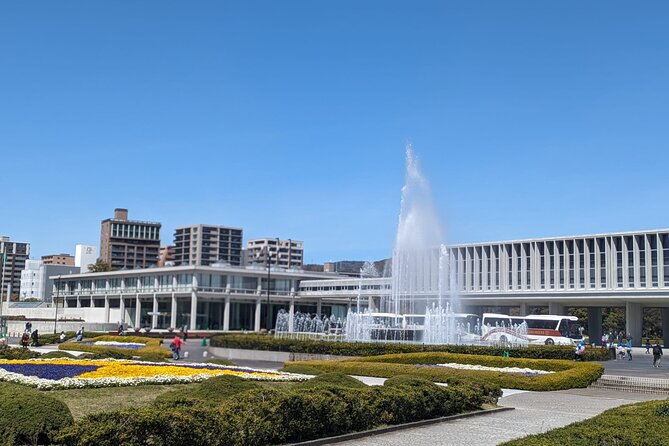
Hiroshima Peace Memorial Park is not just a place to look. It is designed as a sequence of memory, built to connect the past to responsibilities right now. You start the experience inside the park’s memorial area and work outward toward the Atomic Bomb Dome, so the story unfolds as you walk.
I like that the tour gives you time in the moments that usually get skipped. The Children’s Peace Monument, for instance, is short on distance but heavy on meaning, especially with its focus on Sadako Sasaki and the other child victims. You do not need to know the full background before you arrive, but you will leave with a clearer mental picture of what each stop is trying to communicate.
The emotional side is real. Even with a great guide, you will likely feel your attention tighten at certain points. Bring patience for yourself, and expect that your brain will process in waves.
Other Peace Memorial visits:
- Hiroshima Historical Walking Tour – Why A-Bomb was Dropped
★ 4.8 · 893 reviews - Hiroshima: Miyajima Peace Memorial Icons of Peace and Beauty
★ 4.9 · 361 reviews - Hiroshima/Guided Virtual Tour of Peace Park/PEACE PARK TOUR VR
★ 5.0 · 157 reviews
Private guide stories, including Khan and Ali, make the symbols make sense
A private guide matters here more than it does at most sights. The Peace Park buildings and monuments can look like “interesting structures” if you go alone. With a guide, you get the intended meaning, the placement, and the connections between sites so you do not miss what the designers were trying to say.
In the best moments, the guide also helps you ask better questions. The experience is often praised for guides who explain cultural significance in a way that stays respectful and easy to follow, including guides named Khan, Ali, James, and Hans. One review-style detail that you should treat as a practical clue: meeting instructions were detailed enough that people felt confident about arriving on time, which is important when your tour start point is inside the park.
There is also a pacing benefit. People describe guides as patient with families, including a case with an 8-month-old on the tour. That does not mean this is an all-kiddie attraction, but it does suggest you will not be forced into a sprint if your group needs slower steps.
Hiroshima Peace Memorial Museum: your 90 minutes for context and hard details
Your first stop is the Hiroshima Peace Memorial Museum, with about 1 hour 30 minutes and admission included. This is where you get the backbone of the story, not just impressions. The museum pairs visuals and explanations with damaged artifacts and personal items, and it also provides larger context around what happened and what came after.
One thing I like about this structure is that it prevents the usual problem of “seeing monuments but not understanding.” If you rush through the museum, the later stops can feel like separate photos. If you take the museum seriously, the rest starts to click.
What to expect inside:
- You will spend most of your time absorbing exhibits that explain the bombing and its effects.
- You will see survivor and victim material presented alongside artifacts that show what the event did to ordinary lives.
- Your guide helps link exhibit themes to the memorials outside.
A possible drawback: this museum can feel intense. If you are sensitive to personal stories or to images showing destruction, plan to slow down and take breaks inside when you need them.
Hiroshima National Peace Memorial Hall for the Atomic Bomb Victims: names, not just history
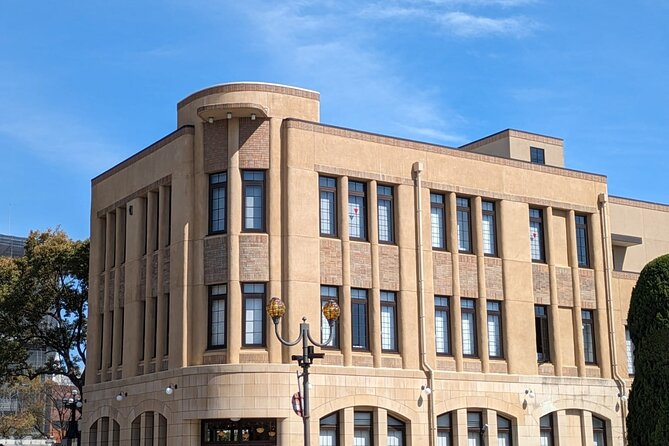
Next comes the Hiroshima National Peace Memorial Hall for the Atomic Bomb Victims, about 20 minutes, also with admission included. This stop is built for reflection and for understanding the broader impact on humanity, not only the event itself.
The hall includes screen displays and access to the database of victims. That combination is powerful because it shifts your focus from a single date to people, many of them with recorded details. It is also a reminder that the human cost continues after the headlines fade.
How to get more out of this short stop:
- Let your guide point you toward the part of the screens that connects most directly to your questions.
- Use the time to collect names and relationships in your mind, even if you cannot read everything in one pass.
Because the time here is brief, you will want to listen closely at the start. The guide’s framing matters, since this hall is less about walking between landmarks and more about taking in information in a calm space.
A change of pace from Hiroshima:
- Peaceful Hiroshima & Miyajima UNESCO 1 Day Bus Tour
★ 5.0 · 5,309 reviews - Hiroshima: Hiroshima and Miyajima UNESCO Sites 1-Day Tour
★ 4.9 · 2,330 reviews - Hiroshima / Miyajima Full-day Private Tour with Government Licensed Guide
★ 5.0 · 1,298 reviews - Hiroshima Peace (Heiwa) Walking Tour at World Heritage Sites
★ 5.0 · 872 reviews
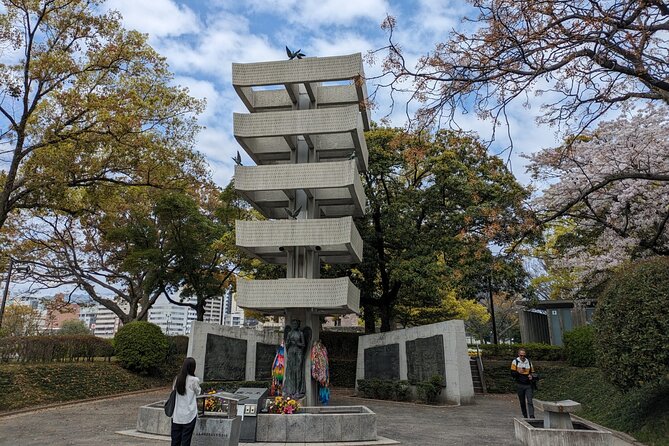
The memorial walk from the cenotaph to the Children’s Peace Monument
After the hall, you shift outdoors into the heart of the memorial sequence. You spend time at the Hiroshima Peace City Monument Cenotaph for the Atomic Bomb Victims, about 20 minutes, with no admission cost. The value here is the view. The cenotaph gives you a panoramic perspective of the park, including the Peace Memorial Museum and the Atomic Bomb Dome, plus other memorial points.
That panorama is useful because it gives you a “map in your head.” Once you have that bird’s-eye sense of placement, later stops stop feeling like random scenes.
Next is the Children’s Peace Monument, around 10 minutes, also free. This is the stop that often makes people pause. It honors Sadako Sasaki and other child victims who died from the effects of the atomic bomb. If you only have energy for a quick museum day, this monument is still worth your full attention because it explains how suffering reaches families, including children.
A practical note: the outdoor memorial stops can feel like they blend together if you are tired. That is where the guide helps you hold onto meaning without turning it into a lecture.
Atomic Bomb Memorial Mound and the A-Dome walk: where the feeling lands
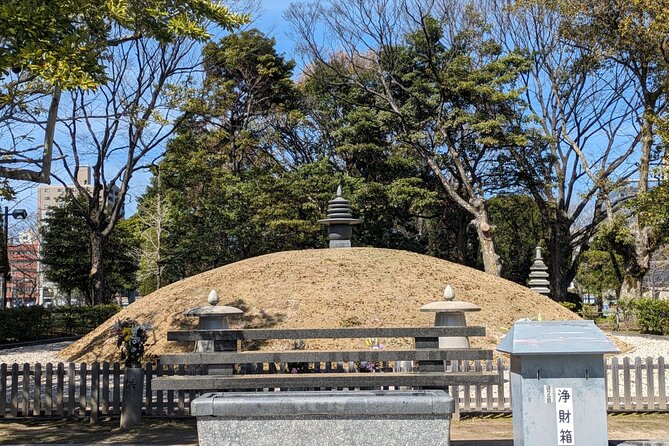
You continue to the Atomic Bomb Memorial Mound, about 20 minutes and free. This is one of the places that many visitors find both beautiful and sad in the same breath. The mound contains the ashes recovered from victims of the bomb, buried in a peaceful and sacred place.
From a pacing standpoint, this stop works well as a bridge. The earlier memorials prepare you emotionally, and the mound makes the human cost physical in a way that is hard to explain with words. If you feel tears come suddenly, do not fight it. Sit with it for a minute, then keep going.
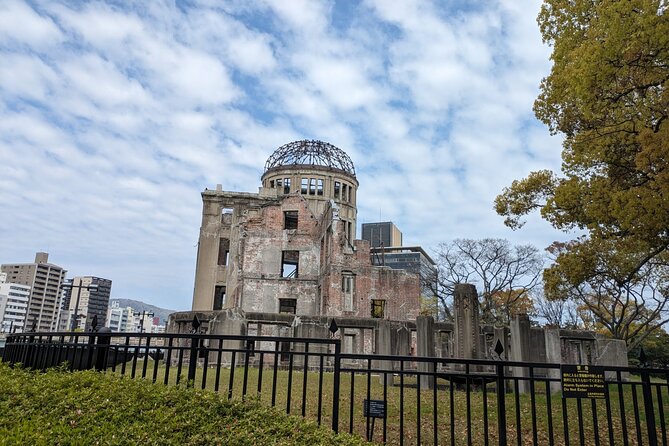
Finally, you reach the Atomic Bomb Dome, commonly called the A-Dome, and your tour includes about 20 minutes to walk around it. This is a free stop, and the time here matters. If you rush, you miss the tension between what is left standing and what was destroyed.
The Dome is a reminder of the devastating impact of nuclear war. It is also a reminder that cities and people are not interchangeable in the story. Even if you have seen it in photos, the walk-around time lets you notice details you would not think to hunt for on your own.
How the 3-hour flow, meeting point, and timing actually affect your day
The total duration is about 3 hours. You do not spend the whole time at one museum, and that is the point. This format is designed to cover the main memorial arc without losing the ability to reflect.
Here is the practical flow you should expect:
- Start near Hiroshima Peace Memorial Park at Peace Memorial Mailbox1, in the Nakajimacho area of Naka Ward.
- Work through the museum first, since it gives context.
- Then shift to the victim hall, and continue through several outdoor memorial points.
- End at the Atomic Bomb Dome, in the Ōtemachi area.
You might like that the tour starts inside the right area and ends at a clear landmark, so you are not stuck figuring out what bus stop goes where while your brain is full of heavy emotions. The experience is also described as near public transportation, which helps if you are coming in from the city center.
What to wear and plan:
- Wear comfortable shoes. Outdoor memorial grounds add up, even if each stop feels short.
- If you have a tight dinner reservation after, choose something flexible. You can feel mentally drained by the end.
- If your group includes an infant or you need slower walking, a private setup tends to make it easier to adjust.
Price at $85: when a private guide is real value
At $85 per person, you should judge this on what is included and what you gain. Two of your stops include admission tickets: the Peace Memorial Museum and the National Peace Memorial Hall for Atomic Bomb Victims. That already offsets part of the cost, especially since multiple outdoor stops are free.
More importantly, you are paying for meaning and efficiency. Hiroshima Peace Park can become a blur if you are reading signs while walking quickly. A guide gives you structure so you spend your attention on what the sights are communicating, not on guessing how everything connects.
This is also the kind of tour where private time helps you move at your group’s pace. People describe guides as personable and easy to get along with, while still staying focused on the memorial purpose. That balance matters, because you want warmth without turning the experience casual.
A balanced caution: like any tour, timing changes can happen. One account mentioned a late change in start time from 10 AM to 11 AM, which affected other plans. Build a little flexibility into your schedule on the day you book.
Who this Hiroshima Peace Park tour suits best
This private tour fits best if you want more than a checklist. If you care about understanding the story behind the monuments, you will likely appreciate the way the tour links each stop into a sequence.
It also suits:
- Families who want an adult guided structure, with guides able to be patient.
- People with limited time in Hiroshima and a strong desire to see the core memorial sites.
- Anyone who wants a respectful, question-friendly guide rather than reading every placard alone.
It might feel less ideal if:
- You prefer total self-guided freedom and do not want to discuss sensitive material with a guide.
- You have very strict mobility needs and cannot pause where you need to. Some people can participate comfortably, but you are still in a memorial complex where you might need to slow down.
Should you book this Hiroshima Peace Park private tour?
I think you should book it if you want your visit to come together as a story, not just a series of stops. The combination of museum context, the victim-focused hall with access to a database, and the final walk around the Atomic Bomb Dome is exactly the mix that turns short time into real understanding.
Skip it only if you already have strong background and you are comfortable making sense of the memorial layout by yourself. Even then, a private guide can help you notice what you would otherwise miss, and it can prevent you from feeling lost in a place that is heavy on meaning.
If you do book, bring comfy shoes, give yourself mental space afterward, and treat the Children’s Peace Monument and the mound as the emotional center of the day.
FAQ
How long is the Hiroshima Peace Memorial and Atomic Bomb Dome private tour?
It runs for about 3 hours (approx.).
What does the tour include?
You visit the Hiroshima Peace Memorial Museum, Hiroshima National Peace Memorial Hall for the Atomic Bomb Victims, Hiroshima Peace City Monument Cenotaph for the Atomic Bomb Victims, Children’s Peace Monument, Atomic Bomb Memorial Mound, and you end with time around the Atomic Bomb Dome.
Where does the tour start and end?
It starts at Peace Memorial Mailbox1 in Nakajimacho, Naka Ward, Hiroshima, and it ends at the Atomic Bomb Dome area in Ōtemachi, Naka Ward.
Are admission tickets included?
Admission tickets are included for the Hiroshima Peace Memorial Museum and the Hiroshima National Peace Memorial Hall for the Atomic Bomb Victims. The other listed memorial stops are free.
Is this a private tour?
Yes. Only your group participates.
Do I get a mobile ticket?
Yes, the experience includes a mobile ticket.
What price should I expect?
The price is $85.00 per person.
Is there free cancellation?
Yes, free cancellation is available. You can cancel up to 24 hours in advance for a full refund, with the cut-off based on local time.
Latest write-ups near Hiroshima
- Hiroshima: Atomic Bomb Dome and Peace Memorial Museum 3 hours★ 5.0 · 20 reviews
- Hiroshima: City and Miyajima Bike and Boat Tour★ 5.0 · 20 reviews
- Hiroshima: Tour of Atomic Bomb Dome & Peace Memorial Museum★ 5.0 · 20 reviews
- Miyajima Guided Tour and Fresh Oyster Farm Tour★ 5.0 · 20 reviews
- Miyajima Highlights: Itsukushima Shrine & Island Nature★ 5.0 · 21 reviews
- Miyajima Highlights: Itsukushima Shrine & Island Nature★ 4.9 · 21 reviews
- Dinner Cruise on HANAIKADA (Raft-Type Boat) with Scenic View of Miyajima★ 5.0 · 21 reviews
- History of Hiroshima Group Walking Tour★ 5.0 · 23 reviews