
Reviewed · WALKING TOURS
Hiroshima Walking Tour Why A Bomb was dropped to Hiroshima
Hiroshima is one of those places where you can read, you can watch, and you can still feel like you missed the point. A guided walk helps you connect the landmarks to the choices, the consequences, and the city’s long push toward peace.
Two things I really like: you get a small group feel, and the guide brings the sites to life with clear explanations and real personal perspective when they share it. I also like the mix of places, from Hiroshima Gokoku Shrine to the Peace Memorial Park, so you see Hiroshima as it was, and as it is now.
One possible drawback: this is not a light, casual history tour. You’ll be walking through emotionally heavy sites, and if you want a relaxed day with minimal reflection, you might find the tone intense.
Key things to know before you go
- Small-group size with a cap noted around a dozen, and sometimes up to 15, so you can ask questions.
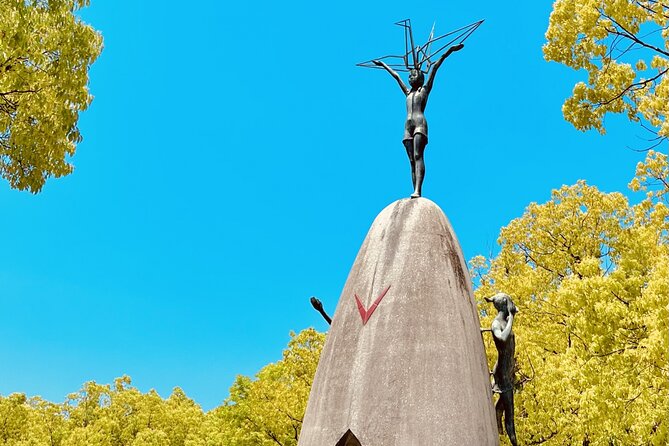
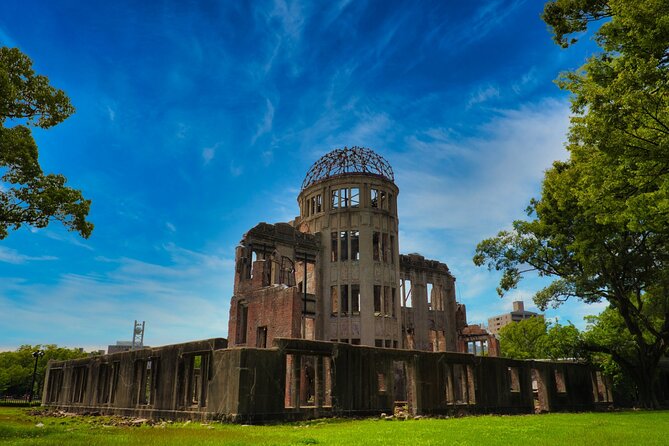
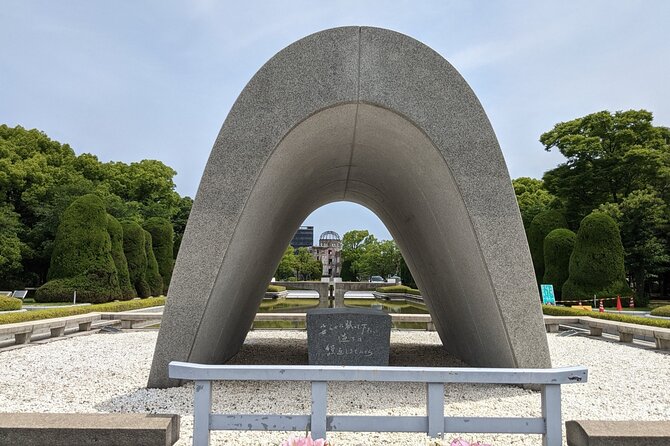
- Peace Park stops that matter, including the Atomic Bomb Dome, Children’s Peace Monument, and a victims memorial cenotaph.
- Free-entry style stops along the route, which makes the price feel fair for what you cover.
- Guides who explain the why, not just what happened, with short teaching moments and time to talk.
- A mostly flat walk with frequent photo opportunities, so it stays manageable even in cooler weather.
Hiroshima needs a guided walk from Peace Dome to today
I like tours that earn their place, and this one does. You’re not just checking off big names on a map. You’re connecting Hiroshima’s WWII story with what the city chose to build afterward, and how visitors are meant to remember.
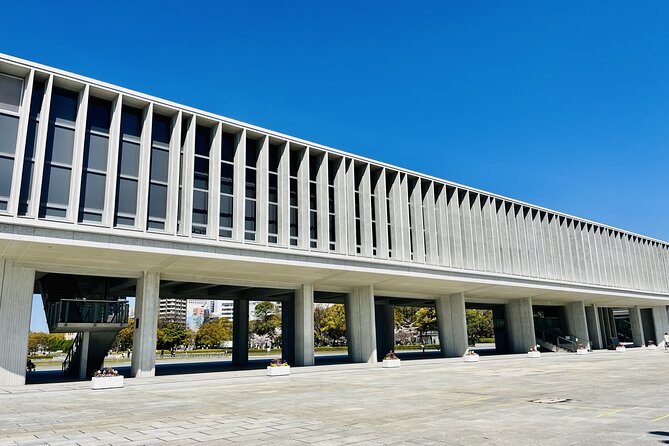
The route also works because it’s practical. You start at Hiroshima Gokoku Shrine, you move through a couple of landmark areas, and you end at the Peace Memorial Museum zone. That flow matters because it creates a mental timeline as you walk, instead of jumping randomly between monuments.
And yes, you will see the famous sites. But the difference here is how your guide frames them, including the lead-up to August 6, 1945 and the long impact on Hiroshima.
More Walking Tours in Hiroshima:
- Hiroshima Historical Walking Tour – Why A-Bomb was Dropped
★ 4.8 · 893 reviews - Hiroshima Peace (Heiwa) Walking Tour at World Heritage Sites
★ 5.0 · 872 reviews - Hiroshima City 4hr Private Walking Tour with Licensed Guide
★ 5.0 · 437 reviews
What you get for the $28 price, and why it feels fair
At $28 per person for about 2 hours 30 minutes, the value comes from the structure. You’re paying for interpretation and pacing, not just access to a few sights.
Here’s what makes it good value:
- All fees and taxes are included, so you are not surprised at the end.
- Most stops in the itinerary are listed as free admission, which keeps your day from turning into a pay-to-enter marathon.
- The experience is built around a guide-led narrative, with the time broken into bite-size explanation moments so you don’t feel rushed.
The price is also easier to justify when you compare it to doing the Peace Park area alone. You can absolutely do Hiroshima independently. But the guide’s job is to give you the “why this is here” connections between sites, and that is what turns a walk into an actual understanding.
One small note: bottled water is not included. In summer, or if you just sweat easily, bring a small bottle or plan to buy one near the route.
Start at Hiroshima Gokoku Shrine: where the day gets quiet
Your tour begins at Hiroshima Gokoku Shrine, at 21-2 Motomachi in Naka Ward. This stop sets the tone. Before you hit WWII landmarks, you step into a calmer space with elegant shrine architecture and a more grounded pace.
The shrine’s original purpose was to enshrine protective deities for the Hiroshima domain. That background matters because it reminds you Hiroshima has a long identity beyond 1945. Even when the rest of the day is heavy, this opening helps you see the city as layered, not reduced to a single date.
Practical tip: arrive a bit early if you can. Even 5 minutes of breathing room helps, especially before you move into the more intense sections later.
Hiroshima Castle grounds: Carp Castle, power, and memory
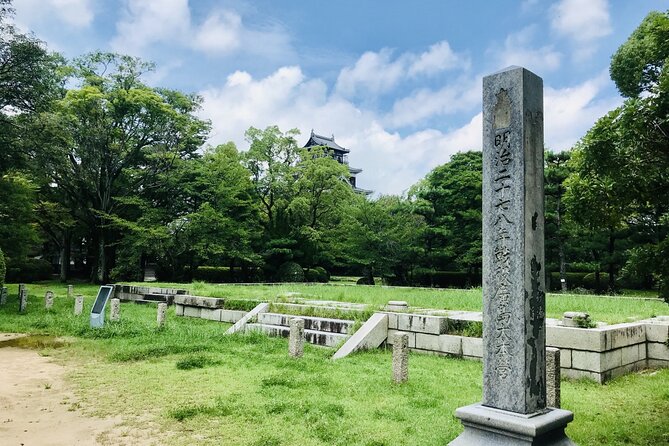
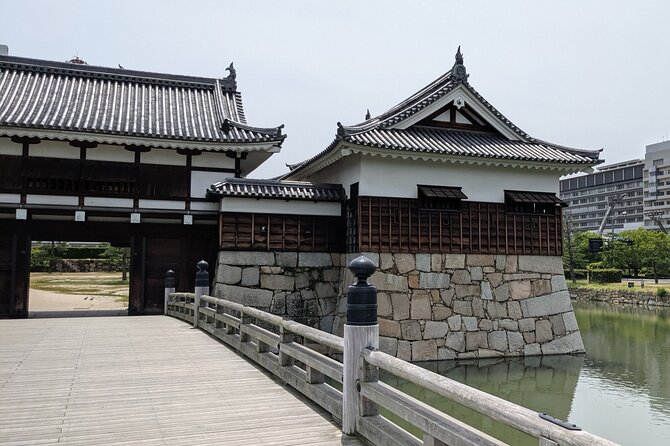
Next you head to Hiroshima Castle, often nicknamed Carp Castle. It dates to the 1590s and was tied to the daimyō, the feudal lord, of the Hiroshima han. The guide experience here is usually less about memorizing dates and more about using the castle area to explain how control, defense, and civic identity shaped the region.
You’ll likely be focused on the castle grounds rather than a long interior visit. That choice keeps the walk moving and helps the tour stay within its 2 hour 30 minute rhythm.
What I like about including Hiroshima Castle in a bombing-focused tour is the contrast. You see a symbol of authority, then you move toward symbols of loss and remembrance. That shift can feel blunt, but it is honest. Hiroshima is both stories, not one.
Also, the castle stop is free, so it adds value without adding cost.
A change of pace from Hiroshima:
- Peaceful Hiroshima & Miyajima UNESCO 1 Day Bus Tour
★ 5.0 · 5,309 reviews - Hiroshima: Hiroshima and Miyajima UNESCO Sites 1-Day Tour
★ 4.9 · 2,330 reviews - Hiroshima / Miyajima Full-day Private Tour with Government Licensed Guide
★ 5.0 · 1,298 reviews - Hiroshima in a Nutshell: Morning Bike Adventure
★ 5.0 · 524 reviews
Hiroshima Green Arena and Orizuru Tower: seeing the city after the tragedy
From here, you move through areas that feel modern and everyday. One stop is Hiroshima Green Arena, a multi-purpose indoor sports center. Another is Orizuru Tower, a newer 13-story building that opened in 2016 and sits right next to Hiroshima Peace Memorial Park.
This part of the walk is more than filler. It helps you understand that Hiroshima is not frozen in the past. Even while the Peace Memorial zone takes the emotional spotlight, the surrounding city life continues. Seeing that continuity helps the memorial message land with more meaning, because peace is not a museum exhibit. It’s a daily goal.
If you’re the kind of person who likes photos with context, this is a good section. It gives you break points between the heavy monuments, without turning the day into a sightseeing detour.
Atomic Bomb Dome: the moment everyone recognizes, explained with care
Then you reach the Atomic Bomb Dome. It was originally the Hiroshima Prefectural Industrial Promotion Hall, and it sits near the blast epicenter. This is the stop people come for, and it deserves that attention.
What makes the guided approach worthwhile is the way the guide connects the dome to the bombing’s impact and the city’s response afterward. The Atomic Bomb Dome is often photographed as an icon. A good guide helps you see it as evidence, a structure that survived when most did not, and a reminder of the human scale of what nuclear weapons mean.
You’ll spend about 20 minutes here, with time to look closely and ask questions. If you take photos, do it slowly. You might want one wide shot for the scene and one closer shot for the details of what remains.
Children’s Peace Monument: Sadako Sasaki and the long human story
After that comes the Children’s Peace Monument. This is one of the most direct emotional anchors in the walk. The monument commemorates Sadako Sasaki and the thousands of child victims of the atomic bombing of Hiroshima.
The guide’s job at this stop is to bring focus without sensationalizing. You’ll learn how the Sadako story became a symbol and how the memorial is meant to reach beyond Hiroshima, toward the idea of protecting future generations.
This is also a good time to take a breath and decide how you want to carry the message. Some people get quiet. Some people ask questions. Either reaction is normal.
Admission here is free, so you get a major emotional payoff without additional costs.
Hiroshima Victims Memorial Cenotaph: the core of Peace Memorial Park
The final Peace Memorial Park stop is the Hiroshima Victims Memorial Cenotaph. It is dedicated to the victims of the atomic bomb dropped on August 6, 1945 and is located near the epicenter area.
The cenotaph is part of the overall park experience, but it can feel like the most concentrated moment. It’s memorial space designed for reflection, and the guide helps you understand why the park layout and wording matter.
You’ll likely spend about 30 minutes around this area. That time cushion is important. The subject is heavy, and you shouldn’t feel rushed while the meaning settles.
At the end, your tour finishes in front of the Peace Memorial Museum. From there, you can continue on your own if you want deeper context.
How the tour feels on your feet: pacing, photos, and question time
A big reason this tour has such strong word-of-mouth is that it’s designed to be doable. The route is mostly flat, with stops close enough together that you’re not constantly huffing and puffing between landmarks.
Expect a pace that balances walking and explanation. Many tours include short teaching blocks, plus time to sit and talk through what led up to the bombing and what happened afterward. You can also ask questions, and the guide typically uses helpful visuals like photos and maps.
I also like that kids can stay interested. I’ve seen guides bring humor without turning the topic into a joke, and there are examples of guides using fun knowledge to keep younger people attentive. If you’re traveling with children aged around 9 and up, this is often a workable format because it breaks the day into manageable chunks.
Weather note: one guide experience on a cold January day still felt enjoyable, which suggests the tour doesn’t assume you’ll be comfortable for hours in the wind. Wear layers, and bring something warm for the Peace Park section if you’re there in winter.
Guides and personal perspective: why it can feel more human than a script
The best version of this tour depends on the guide, and the reviews you provided are unusually consistent on one point: the guides tend to be friendly and to communicate clearly.
You’ll see recurring guide names in the experience, including Chihiro, Thomas, Katya, and Emi, and people also mention guides who shared personal family perspective. One guide in a past tour shared being a granddaughter of a bomb survivor. That kind of personal context can change the tone of the day in a powerful way, because you’re hearing history as a living inheritance, not just a lecture.
Another thing I like: guides don’t just read facts. They often connect the broader context of Japanese history and culture to what led to the bombing and why the memorial message still matters today.
This matters for your experience. If you already know the basics, you’ll want the “how did we get here” and “what changed afterward” connections. A strong guide makes those connections without losing sensitivity.
Who should book this Hiroshima walking tour
Book it if you want:
- A structured way to understand Hiroshima’s WWII story, from lead-up to aftereffects.
- A day plan that focuses on the biggest memorial landmarks while still including other Hiroshima identity points like the shrine and castle area.
- A calm, question-friendly format with a small group.
Consider skipping or adjusting expectations if:
- You want a purely upbeat sightseeing day with minimal reflection.
- You prefer reading silently on your own and dislike guided interpretation.
This tour is a good fit for couples, solo travelers, and families who can handle serious topics with respect.
Should you book this tour
If you only have a half day in Hiroshima and you want your time to count, I’d lean yes. The price is reasonable for a guided, small-group walk that includes major Peace Memorial Park sights and keeps you within a predictable 2.5 hour window.
I’d book especially if:
- You want the Atomic Bomb Dome and Peace Park explained in context, not just photographed.
- You like getting answers to your questions while you’re standing at the exact spot where the story happened.
- You appreciate guides who use clear visuals and pacing that works for different ages.
Go in expecting a thoughtful day, not a casual stroll. If that tone fits you, this walk can turn Hiroshima from a set of famous images into a meaningful understanding.
FAQ
How long is the Hiroshima walking tour?
The tour lasts about 2 hours 30 minutes.
How much does the tour cost?
It costs $28.00 per person.
Is this tour a small group?
Yes. It is listed as a small-group experience with a maximum of 12 guests, and the activity information also notes a maximum of 15 travelers.
Where does the tour start and end?
It starts at Hiroshima Gokoku Shrine, 21-2 Motomachi, Naka Ward, Hiroshima 730-0011, Japan. It ends in front of the Peace Memorial Museum, 1-2 Nakajimachō, Naka Ward, Hiroshima 730-0811, Japan.
What are the main stops you will see?
You’ll visit Hiroshima Gokoku Shrine, Hiroshima Castle, Hiroshima Green Arena, Orizuru Tower, the Atomic Bomb Dome, Children’s Peace Monument, and the Hiroshima Victims Memorial Cenotaph in Peace Memorial Park.
What is included in the price?
The price includes all fees and taxes.
What is not included?
Bottled water is not included.
Do I get a ticket on my phone?
Yes, it uses a mobile ticket.
What if I need to cancel?
The experience offers free cancellation up to 24 hours in advance for a full refund. Cut-off times use the local time of the experience.
Latest write-ups near Hiroshima
- An Amazing set of Cultural experience: Kimono, Tea Ceremony and Calligraphy★ 5.0 · 69 reviews
- Hiroshima: Private Walking Tour with a Local★ 4.6 · 70 reviews
- Hiroshima: Miyajima Island Half-Day Tour with Guide★ 4.9 · 71 reviews
- Kimono and Tea Ceremony in Miyajima★ 5.0 · 73 reviews
- Hiroshima and Miyajima Private Guided Tour★ 4.5 · 75 reviews
- HIROSHIMA ORIZURU TOWER Admission Ticket★ 4.6 · 75 reviews
- Hiroshima & Miyajima: UNESCO A-Bomb Dome & Itsukushima★ 5.0 · 76 reviews
- Hiroshima to Miyajima: Private Custom Tour with Ferry Ride★ 4.9 · 77 reviews
Walking Tours, compared.
Kyoto Geisha Walking Tour: Gion District & Hidden Gems
Read our review →
Tokyo Tsukiji Fish Market Food and Culture Walking Tour
Read our review →
Gion Magical Night Walking Tour with Geisha Trivia
Read our review →
Imperial Palace and Shogun Historical Walking Tour
Read our review →
Gion Geisha District Walking Tour – Stories of Geisha
Read our review →
Shinjuku Local Bar and Izakaya Guided Walking Tour
Read our review →
Browse the lists this tour appears in