
Reviewed · FUSHIMI INARI TOURS
Kyoto 6h Private Tour Fushimi Inari, Kiyomizu, Gion & Hidden Gems
Kyoto is interesting for one simple reason, it rewards people who move with a plan. This private 5.5-hour route tackles the big hits and the calmer stops without making you figure out every turn yourself, with guides like Yoshi, Kaori, and Mutsumi. I love that you get human context at temples and shrines, not just photos, and I also like the mix of famous landmarks with quieter streets and lanes.
The main consideration is time and money add up quickly. The tour ends with a short visit in Gion, and it does not include lunch, plus you should budget extra for temple admissions and transit or taxis.
Key things to know before you go
- Fushimi Inari first for a classic torii-gate walk with a full hour on site
- Chishaku-in garden stop for a slower, more peaceful pace than the headline sights
- Sanjusangendo’s 1000 statues and a big dose of art and devotion in one hour
- Kiyomizu-dera UNESCO time with the balcony viewpoint built into the schedule
- Sannenzaka Ninenzaka shopping streets for traditional buildings and souvenir browsing
- Gion at the end so you can wander more after the official tour stops
A half-day plan that actually works in Kyoto
Kyoto can feel like a puzzle. You land at Kyoto Station, open Google Maps, and suddenly you are doing math with train times, walking distances, and temple ticket lines. This private tour helps you avoid that stress. The structure is simple: your guide moves you between seven key areas, using taxis and public transportation to cut down wasted time. You also get a mobile ticket, which makes the day feel smoother.
I like that the pacing is built for a first day. You cover a lot, but it still feels like you have time to look around instead of sprinting from one gate to the next. In a private setting, your guide can also adjust in small ways if you want to slow down for a view or add a bit of context.
One more practical note. The meeting point is at the Kyoto Tourist Information Center Kyo-NaviJapan in the Kyoto Station building, on the second floor. If you are arriving from Osaka by rail, this is a very logical starting place. The tour runs from 12:00 pm and finishes in the Gion area, so it naturally sets you up for an evening of strolling and dinner nearby.
More Fushimi Inari visits:
- Kyoto: Fushimi Inari, Kinkakuji, Bamboo Grove 1 Day Bus Tour
★ 4.8 · 4,316 reviews - Fushimi Inari Hidden Hiking Tour (Private Option Available)
★ 5.0 · 1,750 reviews - Kyoto/Osaka: Nara, Fushimi Inari Taisha, Arashiyama Bus Tour
★ 4.7 · 1,275 reviews
Starting at Kyoto Station: meet your guide and get your bearings
If you want the day to go well, start well. Your guide meets you at Kyo-NaviJapan inside the Kyoto Station building. From there, you will move on to Fushimi Inari and the rest of the day’s sequence.
What I appreciate here is that you do not have to “solve” transportation. The tour uses a blend of taxi rides and public transit, depending on what saves time for the route. You should still plan for extra costs, because the tour itself does not include public transport fees or taxi charges. More on that in the money section below.
Also, bring cash yen. This tour specifically flags that entrance fees, cab fare, transit, and souvenirs are easier when you have yen ready. That is not a minor detail. Kyoto is full of places that can be awkward about foreign cards, especially when you are trying to pay quickly before a temple or shop closes.
Fushimi Inari: torii gates, shrine symbolism, and a full hour to walk
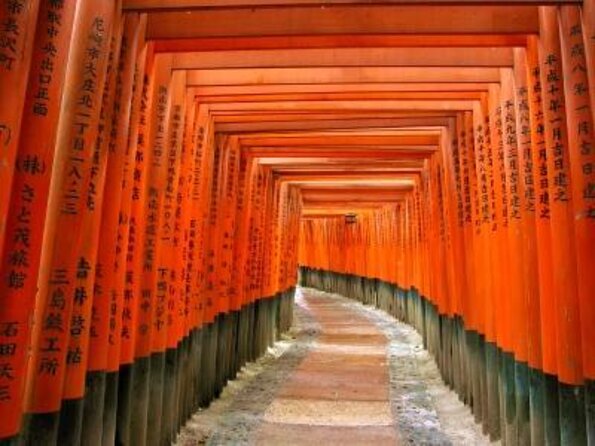
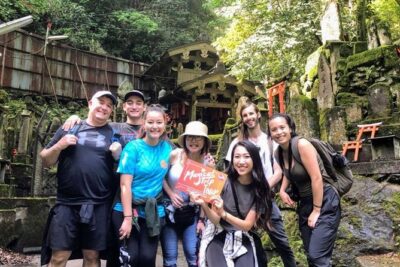
Fushimi Inari-taisha Shrine is the headline for a reason. It is famous for its long path through torii gates, and your hour there is the right amount of time to enjoy the walk without feeling trapped by crowds. This stop is also where the guide’s explanations make the experience better than a self-guided loop.
The temple’s theme includes the idea of shrine worship connected to business and success. You will see why people come back again and again for the atmosphere, not just the photo spots. Even if you skip the longer uphill segments, the torii tunnel effect is still the point.
Practical tip: wear shoes you can trust on uneven ground. The path is largely walkable, but you will be on temple terrain for longer than you might expect when you factor in photo stops and how people pause to read plaques.
Chishaku-in: a calmer Kyoto moment with a garden focus
After the big-ticket shrine experience, Chishaku-in gives you a different texture. This is where the day slows down. You get about 40 minutes here, and the main draw is the Japanese-style garden atmosphere.
This stop matters because it breaks the “big monument loop.” If you only do the highest-profile sites, you miss how Kyoto feels when it is less crowded and more lived-in. Even if you cannot tell every detail about garden design, you can still appreciate the tone: quiet, ordered, and made for pausing.
Admission is not included for this stop, so again, yen helps. If you prefer to minimize spending surprises, set aside a little cash buffer for the temples that charge entry.
More Geisha Experiences in Kyoto:
- Kyoto Geisha Walking Tour: Gion District & Hidden Gems
★ 4.7 · 3,273 reviews - Kyoto: Gion Magical Night Walking Tour with Geisha Trivia
★ 4.9 · 2,393 reviews - Kyoto: Gion Geisha District Walking Tour – Stories of Geisha
★ 4.7 · 2,187 reviews - Best of Kyoto: Gion, Geisha, Pagodas & Cobblestones
★ 4.9 · 2,058 reviews
Sanjusangendo: the 1000 statues and why art becomes spiritual here
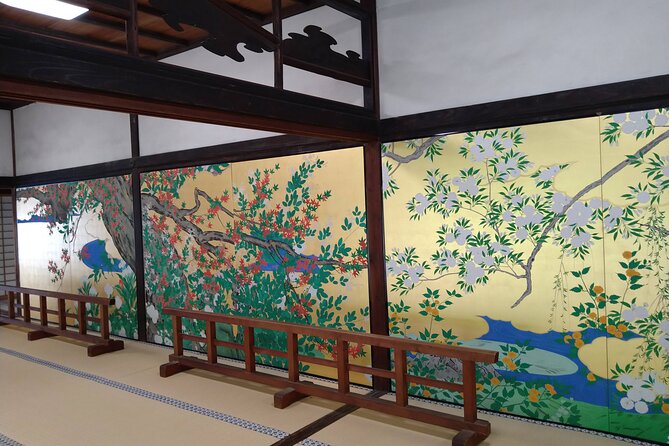
Sanjusangendo Temple is a standout for anyone who likes art, sculpture, and scale. You get about one hour at this stop, and it is famous for having the largest number of national treasures in Japan, plus a long wooden structure lined with 1,000 statues of Kannon, the goddess of mercy.
This is one of those places where simply seeing it in person feels different from reading about it. The value of a guided visit is that you are not just counting statues, you are also learning what the room design and the devotion surrounding it try to communicate.
If you are someone who gets tired standing in lines, this stop can be a relief because it is a single, concentrated viewing experience. The key is to slow your pace once you get inside, let your eyes adjust, and actually look at the details rather than rushing to the center.
Kiyomizu-dera UNESCO: the balcony views and the temple mood
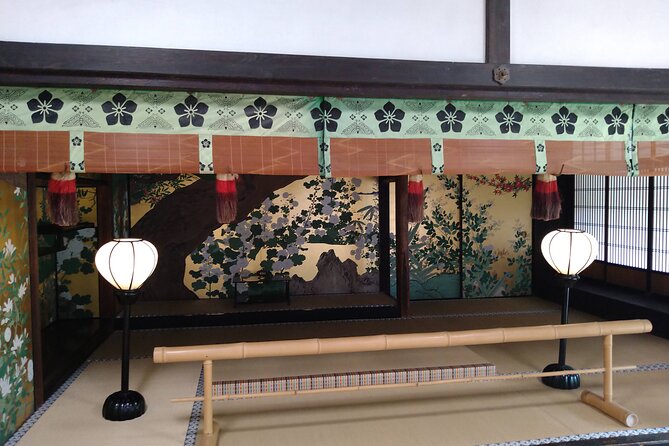
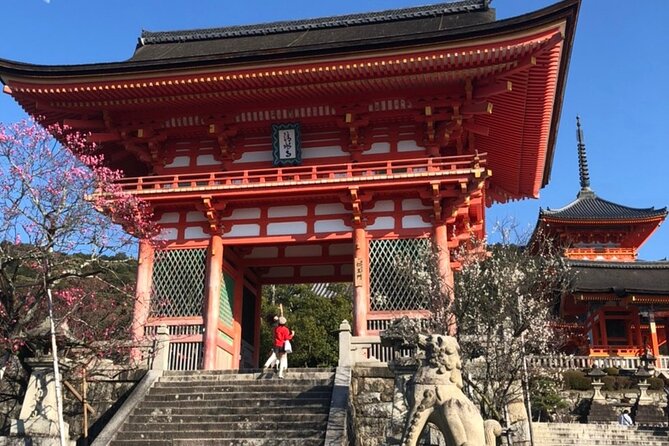
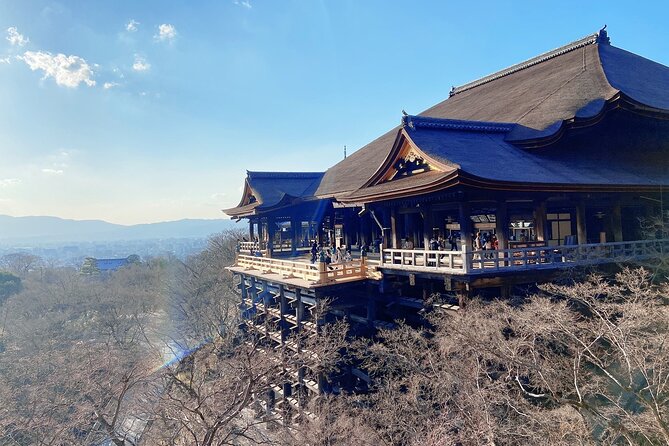
Kiyomizu-dera is one of Kyoto’s UNESCO World Cultural Heritage sites, and you spend about one hour here. The signature is the huge balcony and the way it frames a panoramic view of Kyoto.
This is the best kind of UNESCO stop: not just a stamp on a map, but a viewpoint and a place that is meant for seeing. If weather is clear, the views feel more rewarding. If clouds roll in, the temple still delivers through atmosphere and the experience of the structure itself.
A guide helps here because the meaning of the balcony and the temple layout is easier to appreciate when you have a little context. Without that, it is still impressive, but you might miss why it became such an icon.
Like other stops, admission is not included. Budget for temple tickets and carry yen so you can pay smoothly and keep your time.
Sannenzaka and Ninenzaka: traditional lanes, shopping stops, and great walking
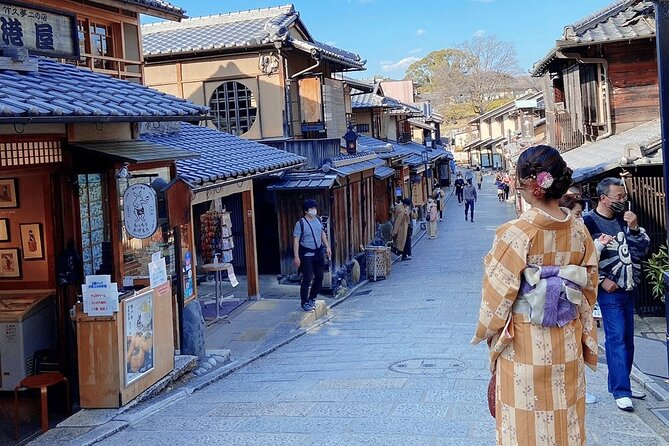
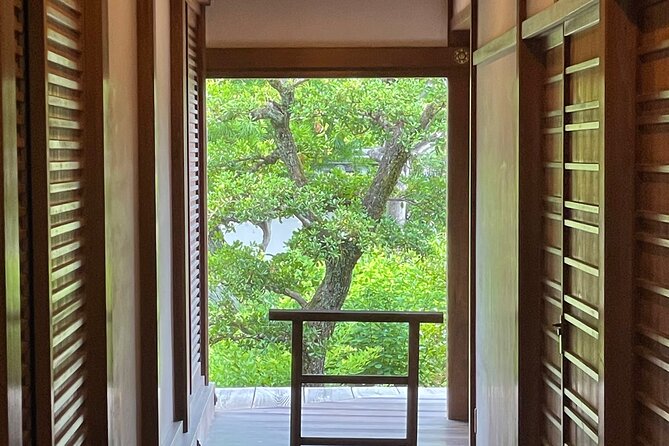
After Kiyomizu-dera, you shift into the streets. Sannenzaka and Ninenzaka are lined with traditional wooden buildings and are popular for souvenir browsing. You have about one hour here, which is long enough to enjoy the architecture and still buy a small set of gifts without rushing.
I like this part of the tour because it gives you the “Kyoto street” experience, not only temples and shrines. You get a sense of how people shop, wander, and snack along these lanes.
Admission is not required for just wandering the streets, so this is one of the easier cost parts of the route. Still, if you want to keep the day stress-free, expect that you will spend something on snacks or small crafts.
Yasakanoto pagoda: quick photo time from the outside
Yasakanoto is the five-story pagoda landmark you see around this area, and your time here is short, about five minutes. The tour is clear about the format, you view it from the outside and take pictures.
Think of this as a visual waypoint. If you are the type who likes to stop for details, you might wish you had more time. But in a half-day schedule, this quick stop keeps the momentum and leaves enough time for Gion at the end.
Gion at the end: short look, then room to wander
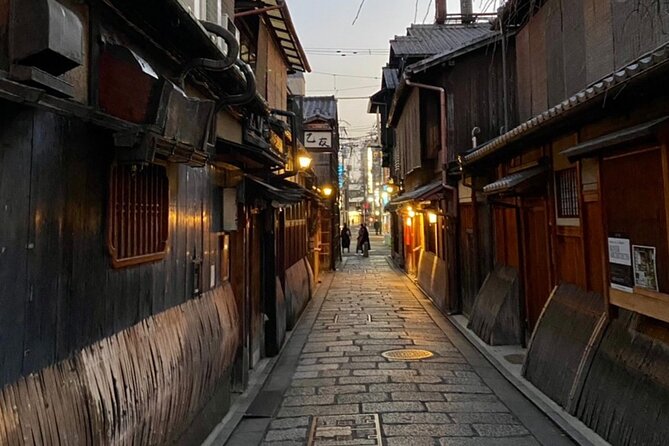
The day ends with a visit to Gion, the geisha district. You spend about 20 minutes here, with time to see the area’s classic vibe and the types of streets and shopfronts that define the neighborhood.
Gion is best when you treat it like a starting point rather than a single checklist item. The tour ends in the Gion area, and your guide will let you know how to get to your next spot after the official portion finishes. That matters because Gion is not laid out like a museum, it is a neighborhood, and you will enjoy it more if you know how to move through it after the guide leaves you.
Private guide value: what you get beyond the route
A route like this could be done alone, but the guide turns it into something you can actually use. The most praised aspects in the experience descriptions point to two things that matter: clear explanations and a comfortable pace.
Guides such as Kaori and Mutsumi are described as going above and beyond, with patient teaching that does not feel rushed. Yoshi is highlighted for being informative and friendly. That is the difference between “I saw a lot of places” and “I understood what I was looking at.”
Another practical value is the way the day can flex. The format is private, so if your group wants a small adjustment, your guide can respond quickly. You might not be changing the whole itinerary, but small tweaks like spending a minute longer on a view or stepping into a calmer lane can make the day feel more yours.
Money and logistics: what the $236.48 price really means
The price listed is $236.48 per group up to 3 people, and you book a private tour, so you are paying for guided planning and the time-saving transport choices.
Here is the part that helps you budget accurately. The tour price does not include:
- Lunch
- Public transport fees (listed as 150 yen per person)
- Taxi fees, about 2,500 to 3,000 yen per taxi
- Admission fees, about 1,500 yen per person for the temples
Also, the tour flags that no pick-up service is included, so you are responsible for getting yourself to the meeting point at Kyoto Station.
For a realistic budget, plan for the base price plus temple and transit costs, and then add a bit extra for snacks and souvenirs. If your group is three people, the private cost can feel like good value, especially on a first Kyoto visit when you want maximum payoff per hour.
One more money tip. Because the tour needs yen for many payments, it is smart to arrive with enough cash to cover tickets and small purchases. You do not want the day to slow down because someone has to track down an ATM mid-temple.
Timing and pacing: why 12:00 pm works, and where it can feel tight
This tour starts at 12:00 pm and runs about 5 hours 30 minutes. That timing works well if you want a “first half day” sightseeing block, then keep your afternoon and evening free.
The downside is straightforward. It is a dense schedule with no time carved out for a sit-down lunch. The tour also says you cannot change the itinerary or starting point. So if you are the type who needs a long lunch break or tends to run late, this may not be your ideal format.
Your best move is simple: eat lunch before you meet, or plan for a quick bite after the tour in Gion. Wear comfortable shoes, because even though some stops are short, the total walking across areas adds up.
Weather and comfort: what to do if the day gets tricky
The experience notes that it requires good weather. If weather is poor, you should expect an offer of a different date or a full refund. That is important because Kyoto temple days depend on comfort, not just view photos.
In other words, bring a light layer and a small umbrella if that is normal for your travel style. You are moving between outdoor areas, including torii paths and street lanes.
Should you book this Kyoto private tour?
Book it if:
- You want a structured first-day plan with a guide who explains what you are seeing
- Your group prefers private time with no need to hop between stations and transfers
- You want classic Kyoto icons plus some quieter, slower moments
Skip it or think twice if:
- You need lunch included or you dislike schedules with no flexibility
- You are allergic to extra cash spending, since temple tickets, transit, and taxis are not in the base price
- Your group dislikes walking. You will be on your feet across several distinct areas in a half-day window
If you match the style, this is a strong way to get your Kyoto bearings fast, especially with guides like Yoshi, Kaori, or Mutsumi shaping the day with clear explanations and patient pacing.
FAQ
What is the duration of the Kyoto private tour?
It runs for about 5 hours 30 minutes.
How many people can be in a group for this tour?
The price is per group for up to 3 people.
Where do we meet, and where does the tour end?
You start at Kyoto Tourist Information Center Kyo-NaviJapan in the Kyoto Station building (2nd floor). The tour ends in the Gion area at 570-177 Gionmachi Minamigawa, Higashiyama Ward.
Is lunch included?
No. Lunch is not included, so it is recommended that you eat before the tour starts.
Are admission fees and transportation included?
No. Public transportation fees and taxi fees are not included, and temple admission fees are also not included. You should have yen ready to pay these.
What time does the tour start?
The start time is 12:00 pm.
Latest write-ups near Kyoto
- Kyoto: Nishiki Market Tour with a Local Foodie & Tastings★ 4.5 · 67 reviews
- Kyoto Kimono Rental mimosa |Kimono/Yukata Rental Couple Plan★ 4.8 · 67 reviews
- Kyoto: Traditional Kimono Fabric Handicrafts Workshop★ 5.0 · 67 reviews
- Kyoto Tea Ceremony and Samurai Photo Session★ 5.0 · 70 reviews
- Kyoto: Replica food making experience★ 4.8 · 70 reviews
- Kyoto: Kinkakuji, Golden Pavilion Guided Tour★ 4.7 · 71 reviews
- Private departure transfer from Kyoto city to Kansai International airport★ 5.0 · 72 reviews
- Uji: Green Tea Tour with Byodoin and Koshoji Temple Visits★ 4.8 · 72 reviews
Fushimi Inari Tours, compared.
Fushimi Inari, Kinkakuji, Bamboo Grove 1 Day Bus Tour
Read our review →Fushimi Inari Hidden Hiking Tour (Private Option Available)
Read our review →
Kyoto/Osaka: Nara, Fushimi Inari Taisha, Arashiyama Bus Tour
Read our review →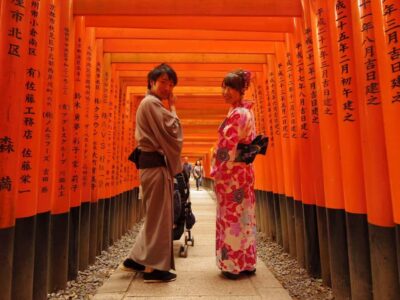
Osaka/Kyoto: Arashiyama, Nara & Fushimi Inari Shrine w/Lunch
Read our review →
Nijo Castle, Kiyomizu & Fushimi Inari Guided Tour
Read our review →
Nijo, Kinkaku-ji, Arashiyama, Kiyomizu & Fushimi Inari
Read our review →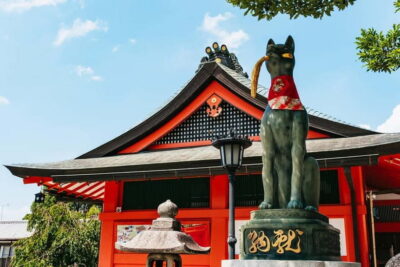
Sagano Romantic Train & Arashiyama, Kiyomizudera, Fushimi Inari Taisha Day Tour
Read our review →Browse the lists this tour appears in