Reviewed · KYOTO TOURS
Kyoto Adventures Private English Tour With Hotel Pick Up
This is interesting because it is a private car day built around Kyoto’s biggest hits, but without making you fight the trains or buses at peak times. You also get the human part of the experience, since some guides like Aka are known for being calm and patient while still steering you to the right spots.
Two things I like: the stops are arranged so you see Kyoto’s signature mix (temples, bamboo, markets, and that famous shrine stair of torii gates), and you can generally decide how long to linger instead of being herded by a fixed-group schedule. One consideration is that this can feel more like a private driver with self-paced time at each stop, and the depth of guidance can vary, since a separate tour guide is not included and pickup timing can slip if you are not crystal clear on the meeting point.
Key highlights worth your attention
- Hotel pickup plus an air-conditioned private car so you start fast and travel comfortably
- Flexible pacing within an efficient route, so you can slow down for photos or views
- Kinkakuji, Arashiyama, Nijo Castle, Kiyomizu-dera, Fushimi Inari, and Gion in one long day
- Cash-friendly Nishiki Market stop where entry is free but food costs are on you
- Entry tickets are not included, so plan for the paid temples like Kinkakuji (¥500), Nijo Castle (¥1000), and Kiyomizu-dera (¥500)
- Driver-guide communication can be strong if you confirm meeting details and stay in touch
A private Kyoto day that trades transit stress for more time on the street
Kyoto can be a dream and a workout in the same afternoon. The crowds are real, the bus lines can stretch, and train routes can feel like a second job. This private car approach is built to cut the friction, letting you spend your energy where it matters, walking through places you actually came to see.
The big win is convenience with no waiting for other travelers. In practical terms, that means you can adapt when you spot something you want to photograph, when you need a restroom break, or when you just want to take your time at a shrine.
Price-wise, you are paying for a group-sized vehicle, not an individual seat on public transit. At $476.24 per group up to 6, the value gets better when you fill the seats.
Also on the shortlist for Kyoto:
- PERFECT KYOTO 1-Day Bus Tour
★ 5.0 · 13,518 reviews - Kyoto: Fushimi Inari, Kinkakuji, Bamboo Grove 1 Day Bus Tour
★ 4.8 · 4,316 reviews - Kyoto: Tea Ceremony in a Traditional Tea House in Kiyomizu
★ 4.9 · 3,519 reviews
Kinkakuji to Arashiyama: the easy first half of your Kyoto loop
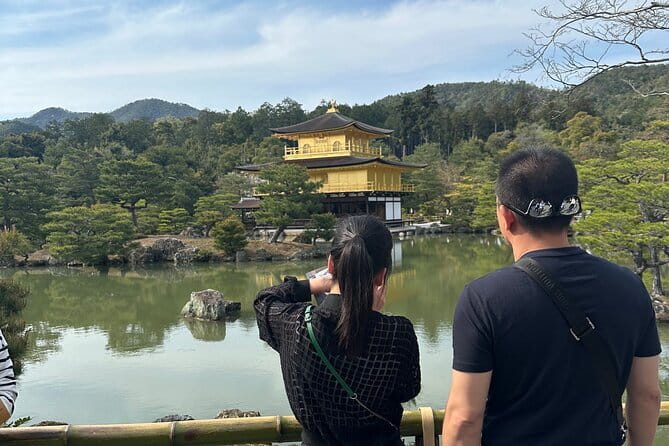
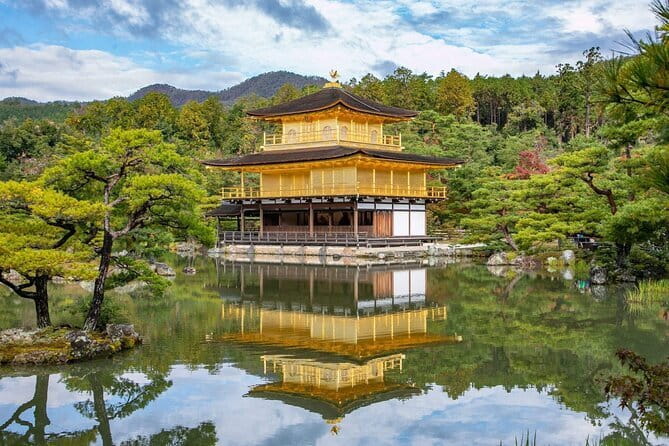
Most first-time Kyoto days start with temples, because they set the visual tone. Your route begins with Kinkakuji Temple, the Golden Pavilion. It is famous for a reason: it is visually striking, and it creates that instant Kyoto moment of gold and reflection that makes you understand why people line up with cameras.
You get about one hour at Kinkakuji, and the entrance fee noted is ¥500. In this kind of timed private day, I like having a clear arrival plan but still being able to slow down if the light is good or if the garden paths feel less crowded at that moment.
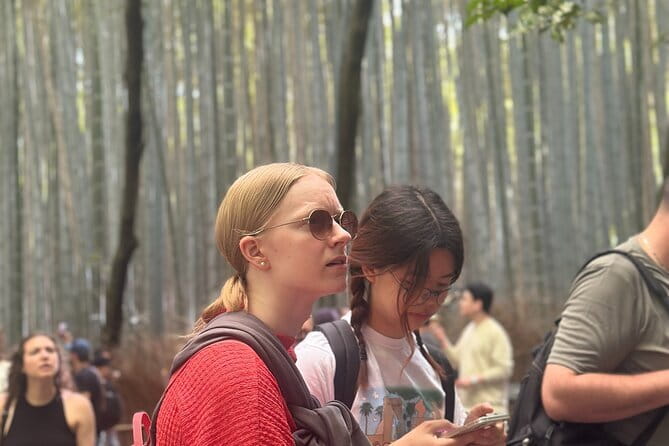
Next comes Arashiyama, where the rhythm changes from courtyard temple to nature walk. You get about one hour 30 minutes, including a bamboo forest walk and a visit to Tenryu-ji, a UNESCO World Heritage Site with well-known gardens. This is one of those stops where the travel time and the walking time matter as much as the attraction, and a car transfer helps you keep momentum.
Two practical notes. First, bamboo areas can be photo-focused, so decide ahead of time if you want wide shots or close detail shots, then pace yourself. Second, Arashiyama is popular, so it helps if your driver can time the arrival to avoid the tightest crowd windows.
Nishiki Market: the best kind of lunch stop (free entry, real shopping)
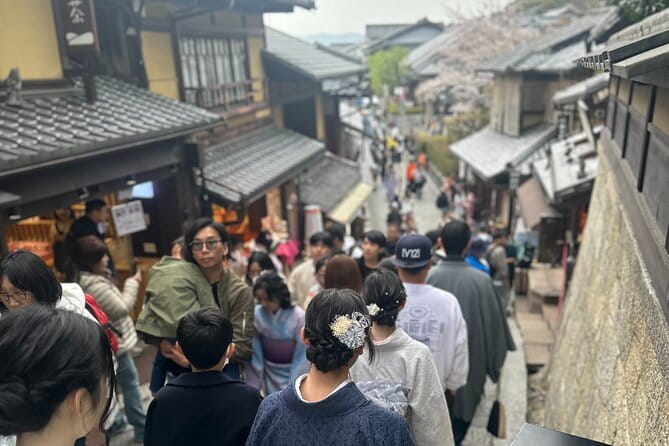
Then you hit Nishiki Market, a shopping district where you can graze while you walk. Entrance is free, but the important part is that you should bring cash. Vendor prices vary, and this is the kind of place where you do not want your lunch plan to depend on luck at the register.
You get about one hour 30 minutes, which is enough time to sample a few snacks and still stroll without feeling rushed. I also like this stop because it breaks up temple-heavy sightseeing, and it puts you in the everyday Kyoto lane, not only the landmark lane.
If you want a smoother meal, treat it like a self-guided food crawl. Have a rough idea of what you want, like one savory item and one sweet, then walk and adjust. That way you avoid the trap of freezing with indecision while everyone else moves on.
Nijo Castle: where gardens and buildings tell the political story
After the market, you switch to Nijo Castle, another UNESCO World Heritage Site. The focus here is historical buildings plus gardens that have been well preserved. You get about one hour, and the entrance fee noted is ¥1000.
This stop can feel different from the temple pacing. Castles give you a chance to slow down with architecture, examine details, and read the space through layout and materials. Even if you do not have a deep background in Japanese castles, the structure helps you “see” why this place mattered.
One thing to keep in mind: if your day is packed, it is easy to skim. Try not to. Even a quick walk through the main areas is more satisfying if you take a few moments to notice what is ornate versus what is functional, and how the grounds are set up for movement.
A change of pace from Kyoto:
- Kyoto Geisha Walking Tour: Gion District & Hidden Gems
★ 4.7 · 3,273 reviews - Kyoto: Tea Ceremony Ju-An at Jotokuji Temple
★ 4.9 · 3,207 reviews - Kyoto: Gion Magical Night Walking Tour with Geisha Trivia
★ 4.9 · 2,393 reviews - Kyoto: 45-Minute Tea Ceremony Lesson Experience
★ 4.3 · 2,378 reviews
Kiyomizu-dera: the view stop that earns its time
Next is Kiyomizu-dera, one of Kyoto’s most scenic temples. You get about one hour, and the entrance fee noted is ¥500. The wooden stage and the viewpoint are the star here, and you will often feel like you are looking at Kyoto from inside a postcard.
This is also a stop where weather matters. If the sky is clear, the views are more dramatic. If it is misty or overcast, the scene can feel softer and less contrasty, which some people actually prefer for photos.
Try to position yourself so you do not spend your whole hour just moving forward to the next crowd point. Give yourself a small window to pause, pick a view angle, and let your eyes adjust. A private day makes that possible because you are not stuck with another group’s tempo.
Fushimi Inari: torii gates and a route you can actually enjoy
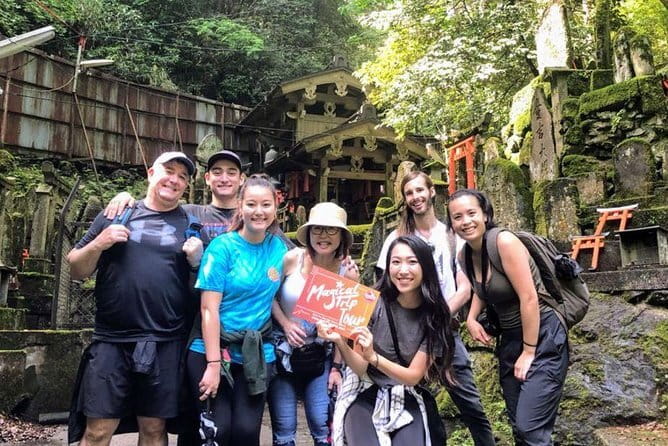
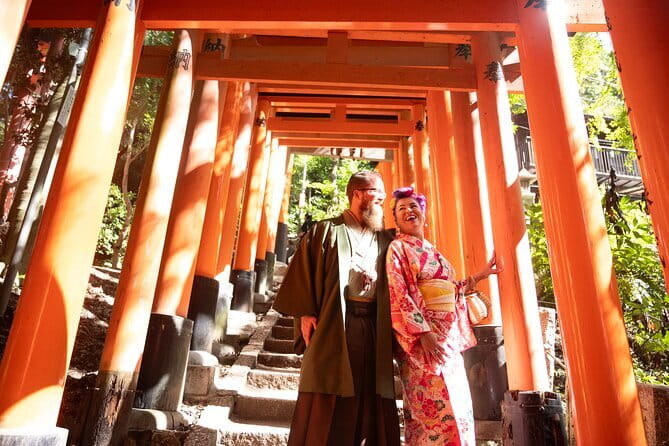
Then comes the big one: Fushimi Inari-taisha Shrine, famous for thousands of red torii gates climbing up Mount Inari. You get about one hour 30 minutes, which is a real advantage. Many people rush this area because the transfer stress is too high, and then they miss the emotional payoff of walking deeper into the shrine trails.
The torii gates create a repeating pattern that gets better the farther you go. But the best strategy is not necessarily to go all the way to the top. On a private day, you can choose a personal turnaround point based on energy, crowd density, and how much time you want to reserve for Gion later.
The shrine is also a place where good footpaths matter. Wear shoes you trust, because you will likely do more steps than you expect. And if you want photos without constant jostling, start earlier in the day for easier angles, if your route timing allows.
Gion: the geisha district stroll that works best when you browse slowly
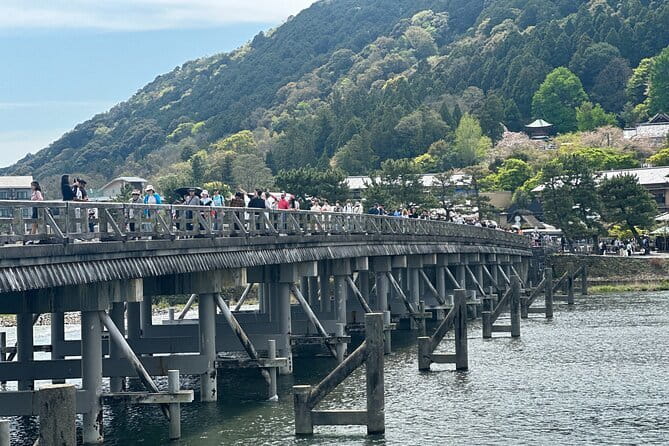
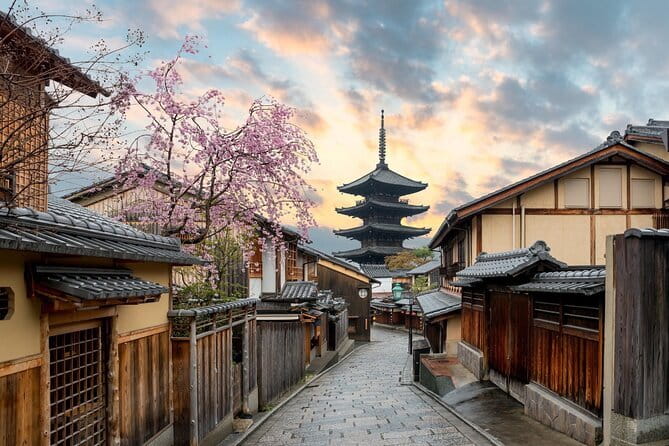
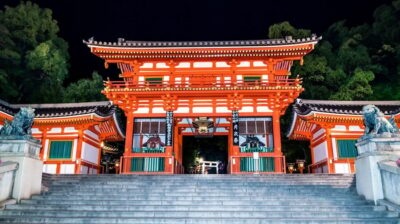
Finally, you reach Gion, Kyoto’s geisha district. You get about one hour 10 minutes, which is enough time for a casual stroll and a look around Hanamikoji Street. The area is also associated with sightings around Tatsumi Bridge, especially when you are moving through the river-side approach.
This part of the day is less about one ticketed attraction and more about atmosphere. I think it is worth using the time to look for the small cues: the way streets narrow, the traditional storefronts, and the contrast between tourist zones and quieter side lanes.
Do not force it to be a checklist. Instead, walk a little, pause, then walk again. A private day helps because you are not stuck with someone else’s pace, and you can decide when you have seen enough.
Price and what is actually included in your car day
Let’s talk value, because the price can look high until you break it down. The cost is $476.24 per group up to 6. If you fill it with a full group, you are effectively paying far less per person than a same-day taxi plus separate ticket purchases, and you are saving time versus piece-meal transit between far-flung neighborhoods.
What is included:
- Fuel surcharge
- A private air-conditioned vehicle
- Pickup offered
- Mobile ticket is included
What is not included:
- Food and drinks
- Entry tickets
- A tour guide as a separate inclusion
That last point matters. If you want a deep commentary-style tour, you may need to rely on the driver for explanations rather than expecting a dedicated guide. Some drivers do a great job with added context and practical tips, while others stick mainly to getting you from stop to stop and letting you explore.
So, do you get a real guide, or just a private driver?
This experience lives in a gray zone that you should understand before you book. The format is private car transportation plus time at major sights. A dedicated tour guide is not listed as included, which means the level of storytelling is dependent on the people behind the wheel.
In practice, I have seen the difference swing in either direction. Some guides, including Aka, have a reputation for being extremely informative and also calming when schedules run long. Others have been less enthusiastic, which makes the day feel like you are mostly on your own with a very nice chauffeur.
If you care about explanations, look for a guide who actively communicates tips. One helpful signal from real-world experiences is whether you can get quick answers through messaging, since some guides are easy to coordinate with via WhatsApp. That kind of communication can help you get more out of each stop because you can ask, where should we go first, what should we not miss, and which area is best for photos.
Timing strategy: how to make your 8 to 9 hours feel relaxed
The total duration is listed as 8 to 9 hours. That is a lot of time, but Kyoto stops are not small. The route is efficient, yet it can still feel like a sprint if you treat every hour as fixed.
Here is how to make it work in a practical way:
- Use the scheduled time as a starting point, then adjust based on crowd level.
- Prioritize one stop for your longest linger, often Fushimi Inari or Kiyomizu-dera.
- Keep your lunch flexible at Nishiki, because it is easy to lose time if you stop at every stall.
- Build in a quick rest moment, even five minutes. It keeps your pace steady for the later torii gates and the Gion stroll.
Also, remember the biggest timing variable is entry. Since entry tickets are not included, you will need a little cash or card readiness at each paid site. Your day runs smoother when you are not hunting for payment options right at the gate.
Ticket costs you should plan for (so you are not surprised)
Based on the listed ticket prices for specific sites, here is what you should budget for:
- Kinkakuji Temple: ¥500
- Nijo Castle: ¥1000
- Kiyomizu-dera Temple: ¥500
Other listed stops (like Arashiyama areas, Tenryu-ji time, Nishiki Market entry, and Fushimi Inari) are shown as free in the stop notes, though you should still expect some areas inside to have their own fees. The key takeaway is simple: since entry tickets are not included, treat paid temples as definite costs.
If you want a quick planning shortcut, count the three named paid temples and then add a bit of cushion for any on-the-spot charges you choose to make.
Pickup and meeting point: the one detail that can make or break your day
Pickup is included, but some real-world experiences show delays when the pickup point is not crystal clear. A delay of 45 minutes is not what you want after you have set aside a full day.
Here is what I recommend:
- Confirm the exact pickup location in writing before the day starts.
- If your hotel has multiple entrances or a front desk that directs drivers, share that detail.
- Be ready at the agreed time, not five minutes later.
- If you have a messaging contact with your driver, use it to avoid confusion.
This is also where private tours become worth it. When pickup is smooth, you save time immediately. When it is not, the whole day can feel off-balance.
Who this private Kyoto car tour is best for
This tour style fits best if you:
- Want to cover major sights in one day without wrestling trains and transfers
- Travel with a small group, since the price is per group up to 6
- Prefer flexibility over strict schedules
- Appreciate convenience, especially with hotel pickup and an air-conditioned ride
It may not fit as well if you:
- Expect a full guided lecture at every stop, because a tour guide is not included
- Want zero self-guiding, meaning you want all the planning and interpretation done for you
- Are very sensitive to delays if pickup details are unclear
Should you book this Kyoto private car tour?
I think it is a good book for the right traveler. If you value convenience, want to see the core Kyoto landmarks in one efficient loop, and you are okay with a lighter interpretation style, this format is likely to make your day easier and more enjoyable.
I would book it when you can fill the group, confirm pickup details early, and communicate your pace preferences. If you are hoping for a guide to be constantly explaining every shrine detail, I would ask a pointed question in advance about the level of commentary you can expect, since the inclusion list does not guarantee a separate tour guide.
If you handle the two practical keys, pickup clarity and paid ticket readiness, you end up with a day that feels like Kyoto on your terms, not Kyoto on a crowded schedule.
FAQ
How long is the Kyoto private car tour?
The tour duration is listed as about 8 to 9 hours.
How many people can be in the group?
The price is per group up to 6 people.
Is hotel pickup included?
Yes. Pickup is offered, and the tour includes a private air-conditioned vehicle.
Are entry tickets included?
No. Entry tickets are not included (the tour lists paid temples such as Kinkakuji, Nijo Castle, and Kiyomizu-dera).
Is food included?
No. Food and drinks are not included.
Do I need to download anything?
You will receive a mobile ticket.
Is there a tour guide included?
A separate tour guide is not included in the package details provided.
How much should I pay for paid temples mentioned on the route?
The listed ticket prices include Kinkakuji (¥500), Nijo Castle (¥1000), and Kiyomizu-dera (¥500). Other stops are shown with free entry notes.
What is the cancellation policy?
You can cancel for a full refund up to 24 hours in advance of the experience start time.
When should I book to get the time I want?
On average, this tour is booked about 61 days in advance.
Latest write-ups near Kyoto
- Kyoto Private Tour Full Day with Local Guide&Nara Option(PerGroup★ 5.0 · 20 reviews
- Sacred Pathways: Discover the Philosopher’s Path of Kyoto★ 4.9 · 20 reviews
- Hammer Pattering Experience of Ring★ 5.0 · 20 reviews
- Kyoto UNESCO World Heritage Site Private Tour with a Premium Van★ 5.0 · 20 reviews
- KYOTO: Private Tea Ceremony in Hidden Townhouse (Kid-Friendly)★ 5.0 · 20 reviews
- Sushi or Traditional Japanese Cuisine in a Kyoto Home with Emika★ 5.0 · 20 reviews
- Kyoto Customized Private Tour: See Top Attractions in 1 Day★ 4.7 · 20 reviews
- The Kyoto VIP Experience!★ 5.0 · 20 reviews
Kyoto Tours, compared.
Fushimi Inari, Kinkakuji, Bamboo Grove 1 Day Bus Tour
Read our review →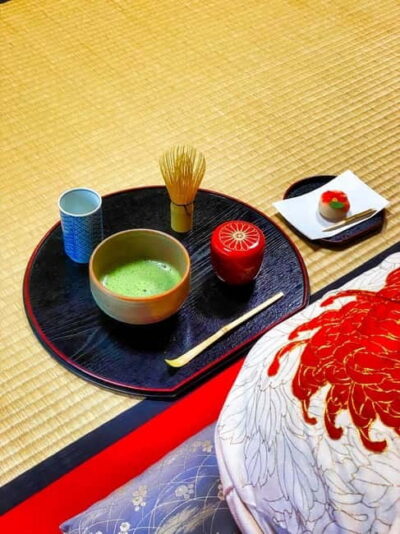
Tea Ceremony in a Traditional Tea House in Kiyomizu
Read our review →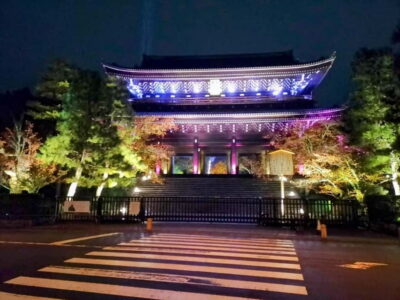
Kyoto Geisha Walking Tour: Gion District & Hidden Gems
Read our review →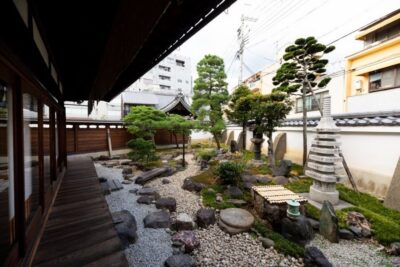
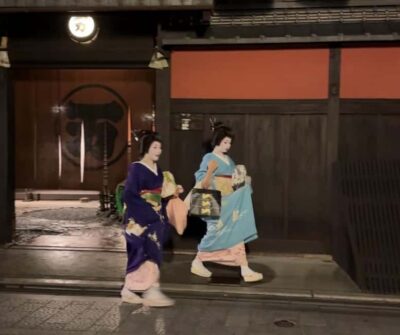
Gion Magical Night Walking Tour with Geisha Trivia
Read our review →