
Reviewed · DAY TRIPS IN KYOTO
Kyoto and Nara Day Trip from Kyoto
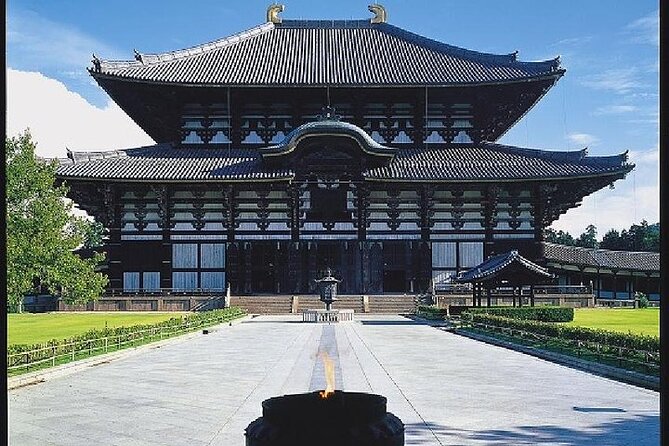
Kyoto and Nara in one long day is interesting because you get the “big hits” of Japan’s old power and old faith without playing transit roulette. You’ll start with Kyoto’s famous UNESCO sites, then head south to Nara for the Great Buddha at Todai-ji, finish near Kasuga Shrine and the deer-filled park.
I especially like that this tour handles the hard parts for you: admission tickets and transport are included, so you are not hunting for entry lines or figuring out buses on the fly. And I love the human factor, since guides such as KC, Momo, Yuki, and Yoshito come through as the kind who explain history in clear, funny, practical ways (including safety reminders).
One consideration: this is a 10 to 11 hour “see a lot” format. Each stop is time-limited, and Nara’s ending can involve extra walking and lots of deer energy, including a warning that some deer can be aggressive.
Key highlights at a glance
- UNESCO-packed route across Kyoto and Nara without transfers you need to plan
- Air-conditioned transport plus a licensed English guide to keep things flowing
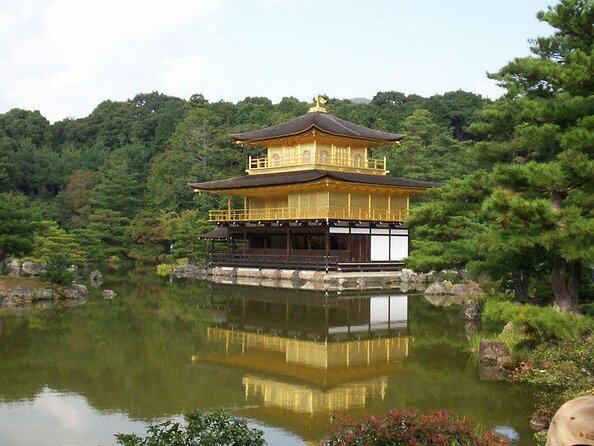
- Golden Pavilion at Kinkaku-ji with time for pond-side photos
- Todai-ji and the Great Buddha Hall at the core of Nara Period heritage
- Kasuga Grand Shrine with its famous lantern atmosphere and a visit to the main area
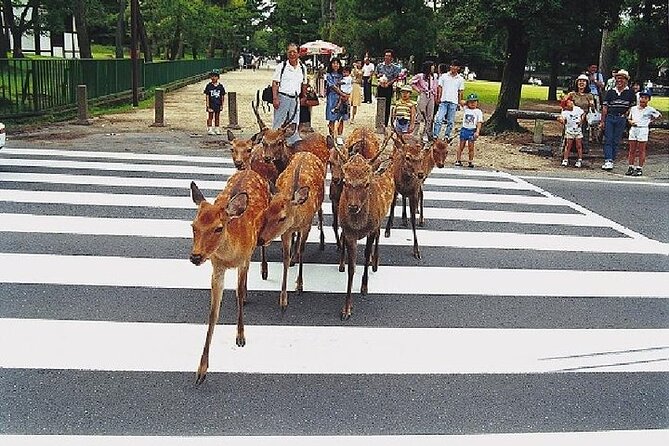
- Deer Park finale for that classic Nara moment, with real-world safety tips
The Value of Kyoto and Nara in One Day
This is one of those day trips that makes sense if you are on a first-timer schedule. Kyoto and Nara can eat time because you are dealing with crowds, walking, and ticket lines. Here, the tour stitches the route together into a single plan from the morning onward.
At $194.85 per person for a 10 to 11 hour day, the value comes from what is bundled. You get admissions included, a licensed English interpreter-guide, and transport between sites. If you tried to recreate this yourself in a similar order, you would spend time paying for tickets and coordinating rides, even before you factor in the hassle of staying ahead of closing times.
If you are the kind of traveler who likes structure and wants the “greatest hits” first, this works well. If you want to linger for hours in quiet corners, you may feel the pace.
More Day Trips in Kyoto
- PERFECT KYOTO 1-Day Bus Tour
★ 5.0 · 13,518 reviews - Kyoto: Fushimi Inari, Kinkakuji, Bamboo Grove 1 Day Bus Tour
★ 4.8 · 4,316 reviews - 10 Must-see Spots in Kyoto One Day Private Tour (up to 7 people)
★ 5.0 · 1,108 reviews
Getting On the Bus: Meeting Point, Timing, and Group Size
The morning starts at 8:20 am, meeting at the JTB SUNRISE TOURS DESK KYOTO inside AVANTI near Kyoto Station. The good news is that AVANTI is a recognizable landmark. The not-so-fun news is that one review flagged the meeting point as not very clear if you are not already familiar with Kyoto Station.
You also want to be ready for a bus day. Seating is not designated, and the tour caps at 40 travelers, so it feels like a medium-size day trip rather than a tiny private van.
The bus itself is described as comfortable, and the key practical detail is that you get stress-free air-conditioned transport between Kyoto and Nara. That matters in Japan when the weather can swing fast and you still have temples and stairs ahead of you.
Nijo Castle: Tokugawa Power and the Shoe-On Feel
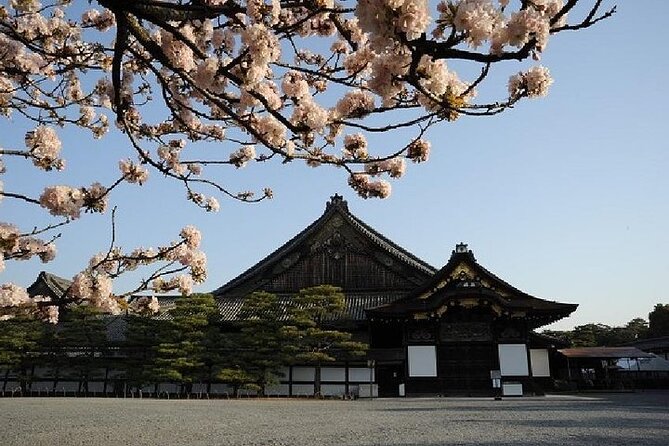
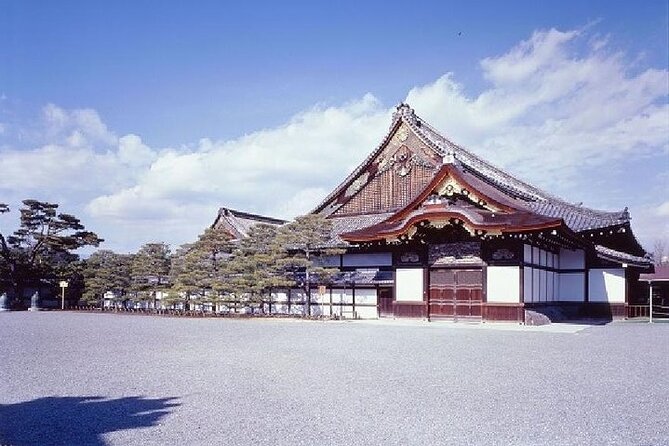
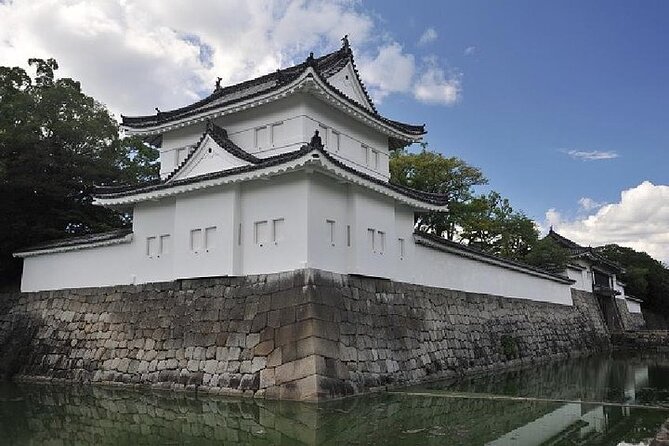
Nijo Castle is a strong opener because it gives you context for how Kyoto fit into Japan’s ruling system. The castle was completed in 1626 and was home to the Tokugawa Shogun until the mid-1800s, built as a kind of buffer or support for Kyoto’s imperial center.
You’ll get about 50 minutes here, with an included ticket. This stop is known for the contrast between a solemn outside look and more intricate interior details. One useful tip from a review: at Nijo Castle you need to take off your shoes, so wear easy slip-on footwear or plan to be comfortable adjusting what you are wearing.
A clock is still a clock here. Fifty minutes is enough to see the main points, but not enough to wander every corridor like you are on a private tour. I think it is a smart use of time because it sets the stage before Kinkaku-ji and the palace grounds.
Kinkaku-ji: The Golden Pavilion and Pond-Side Photos
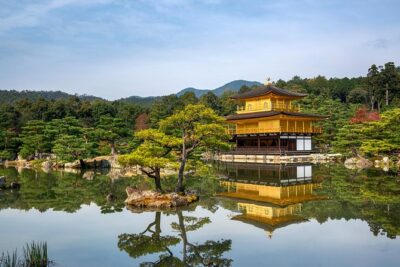
Then comes Kinkaku-ji, Kyoto’s most popular religious site and arguably its most photographed. The Golden Pavilion is a 3-story building sheathed in gold leaf, sitting beside a pond that makes the reflections part of the show.
You’ll have about 45 minutes with admission included. This is the kind of time window that works if you show up ready to move: get your first photos fast, then slow down for the details once you have the shot you care about.
The stop is also a good reminder that “gold” in Japan often means controlled, restrained beauty rather than flashy chaos. Even with crowds, the setting is quiet in a way that feels designed for contemplation.
If you are sensitive to crowds, aim to be early in your mindset. The day is scheduled so you see Kinkaku-ji as part of the morning stretch, which usually helps.
A change of pace from Kyoto:
- Kyoto: Tea Ceremony in a Traditional Tea House in Kiyomizu
★ 4.9 · 3,519 reviews - Kyoto Geisha Walking Tour: Gion District & Hidden Gems
★ 4.7 · 3,273 reviews - Kyoto: Tea Ceremony Ju-An at Jotokuji Temple
★ 4.9 · 3,207 reviews - Kyoto: Gion Magical Night Walking Tour with Geisha Trivia
★ 4.9 · 2,393 reviews
Kyoto Imperial Palace Grounds and the Usual Monday Swap
You also stop at the Kyoto Imperial Palace, with about 40 minutes allotted and admission free. This is the emperor’s residence until roughly 150 years ago, so it is less about one single monument and more about the imperial grounds and ceremonial feel.
Two practical realities matter here:
1) The palace can be closed to visitors. If it is closed on Mondays, or on the following day if Monday is a holiday, the tour switches to Kitano Tenmangu Shrine instead.
2) If the closed day falls on the 25th, the swap is Nishi Hongan-ji Temple.
So you should think of this as a “Kyoto court and ceremony” block, not a guaranteed one fixed building. The tour notes that refunds are not issued if swaps happen, which is their way of protecting the plan from last-minute changes. In practice, these swaps can still be interesting, especially if you treat them as part of the rhythm of the day.
One thing I like about having a swap is that it reduces your stress. If your day lands on a closure, you are not left staring at a closed gate and trying to build a new plan.
The Big Turn South: Todai-ji and the Great Buddha Hall
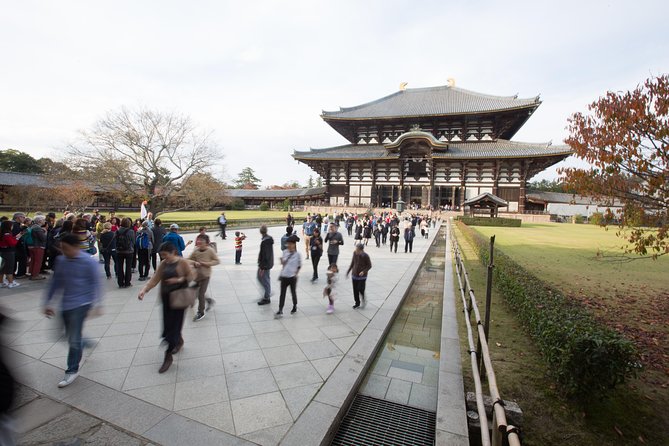
After Kyoto, you drive to Nara, where the tour focuses on the city’s World Heritage core. The star here is Todai-ji, with 1 hour 10 minutes and admission included.
Todai-ji is known for the Great Buddha and the massive main hall. Even if you’ve seen pictures, standing in the presence of one of the world’s largest Buddha statues is the kind of moment that doesn’t need extra hype. The scale hits you quickly, and the sheer age of the site gives the whole thing weight.
Right next door is Nara Park, and the tour continues toward the deer area after Todai-ji. One review specifically praised the combination of big Buddha and deer moments, and I agree: the pairing helps you remember that Nara is not just a museum of old temples. It is a living public space.
There is also a pace note to keep in mind. Several reviews hinted at feeling rushed at each stop, and one said they wanted more free time at the Nara portion. That tells me you should mentally budget for “see the essentials, then enjoy what you can” rather than “fully explore like you have a full day in Nara.”
Kasuga Grand Shrine Lanterns, Main Sanctuary Access, and Deer Park Ending
Kasuga Grand Shrine is the other Nara anchor on this route, with about 1 hour and admission included. The shrine is famous for more than 3,000 lanterns lining its interior, which creates a very specific atmosphere, even if you only catch part of it.
The tour also mentions entering the Main Sanctuary special visit area. If that special area cannot be entered due to events or operations, you’ll visit the Kasuga Taisha Museum or Todaiji Museum instead. Again, this is an itinerary-flexibility approach, so you should expect a small chance of swapping based on on-the-ground access.
Then you finish at Nara’s Deer Park, with free-roaming deer. One of the better practical touches: multiple guides are described as warning people about deer behavior. A review said the guide warned that some deer can be aggressive, which is exactly the kind of common-sense heads-up I want before I walk into an area full of animals that have zero interest in your itinerary.
If you are traveling with kids, or you just do not like unexpected close encounters, keep your distance and follow the guide’s cues. Deer are part of the experience, but they are not props.
Lunch Options: What You Can Choose and What You Should Know
Lunch is included only if you select a lunch option when booking. If you choose no lunch, you get free time to eat on your own around Kyoto Station.
For lunch, there are two listed choices:
- Western-style set menu (if you choose that option). Vegetarian requests must be made at reservation time.
- Indian thali set menu suitable for vegetarians. The menu includes several curries (including spinach and potato curry), vegetable pakora, yogurt, naan or roti, rice, salad, and a non-alcoholic drink.
A couple of practical notes from the data you should take seriously:
- Halal, gluten-free, and other meal requests are not available.
- Meal changes on the day cannot be made to switch between Western and Indian thali.
One review mentioned a disappointment with lunch portions when allergies were involved, and that it was not easy to fix the situation during the tour. That is not enough to say lunch is bad, but it is a reason to plan carefully. If you have food needs, double-check what the tour explicitly supports, and confirm in writing if possible.
The bus ride plus lunch break is a sanity saver in a day this packed.
How the Pace Feels in Real Life
This itinerary is efficient, and that is the point. You are moving through five main stops plus the Nara finale, with scheduled time windows. That means you get a taste of each location without the luxury of deep, hour-after-hour exploration.
If you want a slow, meditative day, you may feel rushed. One review complained about not having enough free time at Nara, and another said the tour was not recommended if you are not good with walking. There was also a mention of a long walk at the end of the day from and to the bus station.
So I suggest you prepare like this is a “great day” but not a “relaxing day.” Wear comfortable shoes. Build in the idea that you will be outside for long stretches. And listen to the guide’s timing instructions, especially around entrances and photo stops.
The good side is that reviews repeatedly highlight timing and safety attention. One review emphasized that safety was addressed and that the guide kept the group together well.
Guides and English Explanations That Actually Help
The biggest praise across the reviews is the guides. Names that come up often include KC, Momo, Yuki, Yoshito, Casey, and Tammy. The pattern is consistent: they are funny, they explain history in a way that sticks, and they help you connect what you see to why it mattered.
There is also a practical advantage to a strong guide. When you are bouncing between places with different rules, your guide becomes your translator not just of language, but of culture. For example, understanding what you are looking at in palace grounds, why certain architecture matters, and how to behave around shrines and deer saves you time and awkward moments.
If you are visiting Kyoto and Nara for the first time, this kind of explanation makes your photos better, too, because you will know what you are photographing.
Price and Logistics: What You Pay For, and What You Control
Let’s talk value plainly. You are paying for:
- Licensed English guide interpreter
- Air-conditioned transport
- Admission fees listed for the stops
- Optional lunch (Western or Indian thali)
What you control is your footwear comfort, your pace expectations, and what time you show up at the meeting point. You also control whether you pick the “with lunch” option or plan food around Kyoto Station.
There are a few logistics items to accept upfront:
- Seats may not be designated.
- The tour ends at Kyoto Station around 6:30 pm if you choose the Kyoto start and end option, with no hotel drop-off.
I also want you to know about possible on-the-ground variation. If the palace or castle is closed, alternative destinations are used. The good news is you still see major sites. The tradeoff is that you cannot treat every stop as guaranteed to be the exact building you pictured.
Should You Book This Kyoto and Nara Day Trip?
Book it if you want the greatest hits of Kyoto and Nara in one organized day, and you value a strong English guide who keeps things clear and fun. This is a smart choice for a first visit, for travelers who dislike transit planning, and for anyone who wants big sights like Kinkaku-ji, Todai-ji, and Kasuga Grand Shrine without building a DIY route.
Skip it or at least reconsider if you need lots of quiet time at each site, you have limited mobility or do not like walking, or you want a flexible, slower rhythm. Also consider that one negative review mentioned sick passengers and concerns about masks, which is a reminder to keep your own health precautions in mind on any shared transport day.
If you match the style of traveler this tour is built for, you’ll likely come away thinking you covered real ground, learned the essentials, and still had enough energy left to enjoy the deer-filled Nara finish.
FAQ
How long is the Kyoto and Nara day trip?
It runs about 10 to 11 hours.
What time does the tour start?
The start time is 8:20 am.
Where do I meet the tour?
The meeting point is the JTB SUNRISE TOURS DESK KYOTO at Kyoto Station area inside AVANTI.
Is lunch included?
Lunch is included only if you choose the With Lunch option. If you choose No Lunch, you’ll have time to eat on your own in the Kyoto Station area.
What kinds of lunch are offered?
There are Western-style set menu and Indian thali options. Vegetarian requests are handled for the options shown, but halal and gluten-free requests are listed as not available.
Are admission tickets included?
Yes, admission fees are included for the listed paid sites. Transportation costs are also included.
What happens if Kyoto Imperial Palace is closed?
If the Kyoto Imperial Palace is closed on the tour day, the itinerary swaps to Kitano Tenmangu Shrine, and if the closure falls on the 25th, it swaps to Nishi Hongan-ji Temple.
Do you drop off at hotels in Kyoto?
No. The tour ends at Kyoto Station around 6:30 pm, and there is no hotel drop-off service.
Latest write-ups near Kyoto
- Kyoto: Nishiki Market Tour with a Local Foodie & Tastings★ 4.5 · 67 reviews
- Kyoto Kimono Rental mimosa |Kimono/Yukata Rental Couple Plan★ 4.8 · 67 reviews
- Kyoto: Traditional Kimono Fabric Handicrafts Workshop★ 5.0 · 67 reviews
- Kyoto Tea Ceremony and Samurai Photo Session★ 5.0 · 70 reviews
- Kyoto: Replica food making experience★ 4.8 · 70 reviews
- Kyoto: Kinkakuji, Golden Pavilion Guided Tour★ 4.7 · 71 reviews
- Private departure transfer from Kyoto city to Kansai International airport★ 5.0 · 72 reviews
- Uji: Green Tea Tour with Byodoin and Koshoji Temple Visits★ 4.8 · 72 reviews
Day Trips in Kyoto, compared.
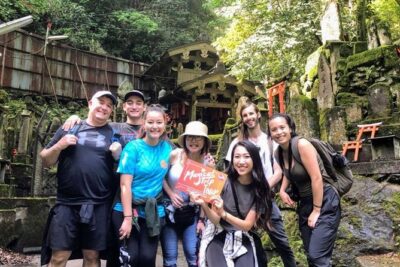
Fushimi Inari, Kinkakuji, Bamboo Grove 1 Day Bus Tour
Read our review →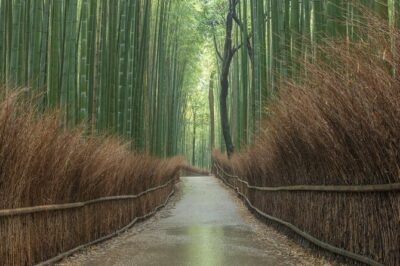
10 Must-see Spots in Kyoto One Day Private Tour (up to 7 people)
Read our review →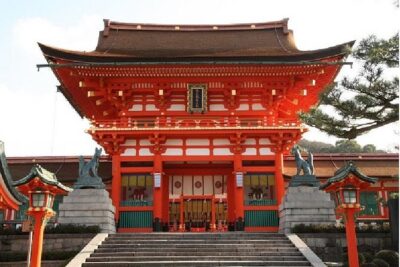
Kyoto Customized Private Tour: See Top Attractions in 1 Day
Read our review →
From Kyoto / Osaka: Kyoto Must-see Spots & Nara Park One Day Tour
Read our review →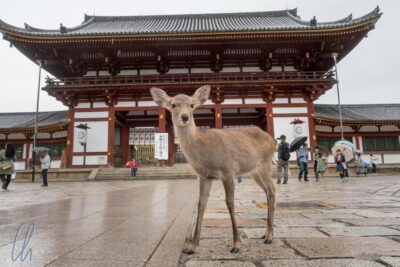
Nara, Osaka & Kobe Day Trip – 3 Cities in 1 Day
Read our review →Browse the lists this tour appears in