
Reviewed · DAY TRIPS IN KYOTO
Kyoto Customized Private Tour: See Top Attractions in 1 Day
Kyoto can hit you like a firehose, so a customized private day is interesting because you choose where the day goes, not the other way around. I love the hotel pickup and drop-off, and I love that guides like Hiro and Saeko adjust the plan to match your interests. One thing to consider up front: entrance fees, transportation, and lunch are not included, so your total day budget will depend on what you select.
The structure also works well if you like flexibility. You’ll meet your guide, talk through what you want to see, then knock out a smart mix of Kyoto icons (Golden Pavilion, Fushimi Inari, Kiyomizu-dera, Gion) and the calmer streets in between. And yes, the tour runs rain or shine, so bring good shoes and a light layer.
Key things that make this Kyoto tour work
- Real customization, half-day or full-day picks from a menu of major temples and neighborhoods
- Time-saving routing, with efficient transitions across Kyoto’s districts
- Guide-led context, including Shinto and Buddhist practices from guides like Hiro and Takuma
- Top Kyoto icons on one day, including Kinkaku-ji and Fushimi Inari-taisha
- Crowd-aware pacing, with guidance to avoid the worst bottlenecks (especially at famous stops)
- Private group attention, so you can ask questions and change direction when you want
Why a customized private day feels better in Kyoto
Kyoto is special, but it’s also a place where crowds, queues, and “one more photo” moments can turn your day into a blur. This tour’s big advantage is simple: you control the itinerary. You pick your stops, and your guide helps you string them together in a way that makes sense for your time.
The tour is designed around two formats. A half-day plan usually covers about 2 to 3 stops, while a full-day plan typically covers 3 to 4 stops. That might sound short, but it’s the sweet spot for Kyoto. Instead of sprinting between distant sights, you get time to slow down where it matters.
I also like that you’re not locked into one rigid theme. If you’re a temple person, you can lean into zen gardens and UNESCO sites. If you want food and streets, you can build in Nishiki Market and classic Higashiyama lanes. And if you want modern Kyoto too, you can swap in spots like Kyoto Station, Kyoto Imperial Palace, or one of the quieter walking routes.
More Day Trips in Kyoto
- PERFECT KYOTO 1-Day Bus Tour
★ 5.0 · 13,518 reviews - Kyoto: Fushimi Inari, Kinkakuji, Bamboo Grove 1 Day Bus Tour
★ 4.8 · 4,316 reviews - 10 Must-see Spots in Kyoto One Day Private Tour (up to 7 people)
★ 5.0 · 1,108 reviews
How to choose your stops for a half-day vs full-day
Before you even move, you’ll meet your guide and talk about what grabs you. That conversation is not fluff. It’s where your guide can steer you toward the right order and the right balance of “wow” moments versus walking time.
Here’s the practical way to decide:
Half-day strategy (2 to 3 stops)
Pick stops that are close enough in mood and area that you don’t spend your energy traveling. A solid half-day combo is:
- Kinkakuji Temple for the Golden Pavilion look
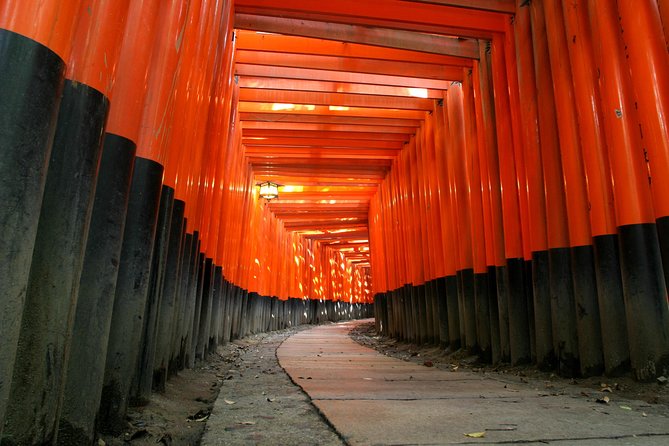
- Fushimi Inari-taisha Shrine for the torii gates
- Optionally a shorter add-on like Gion or Sannenzaka and Ninenzaka if you still have energy
This format is great if you’re already seeing Kyoto’s main neighborhoods over multiple days and you just want a focused “greatest hits” slice.
Full-day strategy (3 to 4 stops)
A full day lets you mix districts more comfortably, including a scenic neighborhood change. A sample full-day flow in the plan often links:
- Kinkakuji
- Fushimi Inari
- a major zen or temple stop like Ryoan-ji, Tenryu-ji, or Nanzen-ji
- then finishes with a neighborhood like Gion or a historic street area
This is your best choice if you’re visiting Kyoto for the first time and want a single day that covers both iconic sights and the feel of the city.
A change of pace from Kyoto:
- Kyoto: Tea Ceremony in a Traditional Tea House in Kiyomizu
★ 4.9 · 3,519 reviews - Kyoto Geisha Walking Tour: Gion District & Hidden Gems
★ 4.7 · 3,273 reviews - Kyoto: Tea Ceremony Ju-An at Jotokuji Temple
★ 4.9 · 3,207 reviews - Kyoto: Gion Magical Night Walking Tour with Geisha Trivia
★ 4.9 · 2,393 reviews
The classic early hits: Kinkaku-ji and Fushimi Inari
If you only pick a couple of stops, you still want at least one “impossible to miss” icon. In many itineraries, Kinkakuji Temple and Fushimi Inari-taisha do that job.
Kinkakuji Temple (Golden Pavilion)
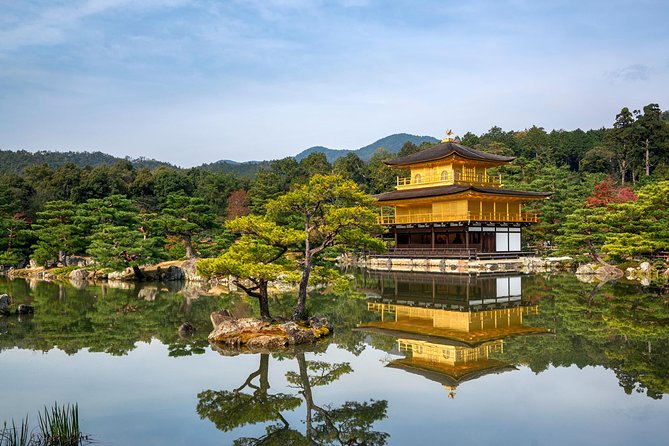
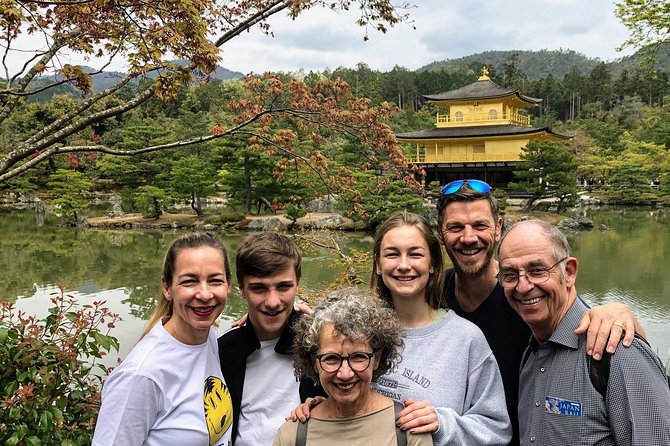
Kinkakuji is a three-level pagoda that rises above the lake. Even with crowds, it hits fast. The plan gives you about 30 minutes, and admission is not included in the tour price.
Why it’s worth doing with a guide: you get help deciding where to stand for the best view at the right time, and you’ll usually get practical context on how the site fits into Kyoto’s religious and cultural world. The experience is short on purpose, because in Kyoto you want to save your energy for what’s next.
A consideration: if you hate waiting, be realistic about busy hours. A good guide can help you reduce the worst queue time, but the site is popular for a reason.
Fushimi Inari-taisha Shrine
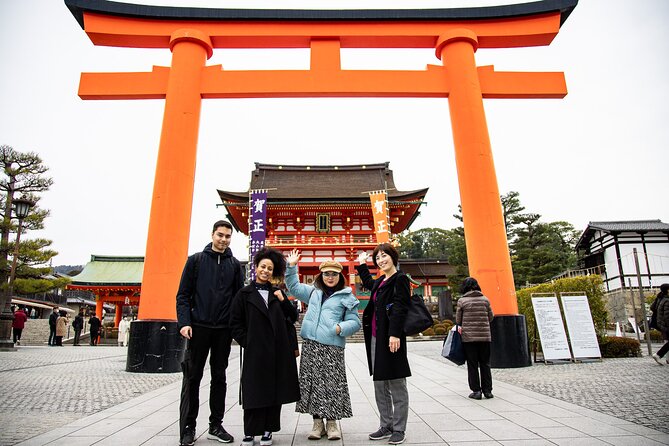
Then comes the torii-gate experience. The shrine is famous for its thousands of gates, and in the plan you get about 45 minutes. Entrance is free.
What you’ll like here is pacing. You’re not just looking at a building, you’re walking a ritual path. Your guide can also help with expectations about how far to go up the routes based on your comfort level. If you want the full gate effect without turning it into an endurance test, this is an ideal stop for customizing.
Zen temples and the Arashiyama mood shift: Ryoan-ji and Bamboo Grove
One of Kyoto’s best tricks is mood switching. From shrine energy, you can shift into quieter zen spaces.
Ryoan-ji Temple (iconic rock garden)
Ryoan-ji is known globally for its rock garden. The highlight is the dry landscape garden, and the plan includes about 30 minutes. Admission is not included.
This is a stop where a guide adds real value. Even without a lecture vibe, good explanation helps you “read” what you’re seeing. You’ll understand why the garden is famous, and you’ll also know what to look for so you’re not standing there blankly scanning rocks for 20 minutes.
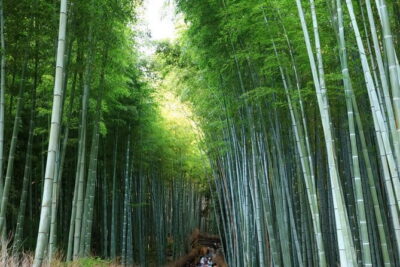
Bamboo Forest Street (Arashiyama Bamboo Grove)
Next, you get the contrast. The bamboo grove is free in the plan and you’ll have about 45 minutes.
The famous bamboo walk is one of those places where photos don’t fully capture the feel, partly because you get to hear and sense the space. A guide helps you plan your timing so you can enjoy it instead of just rushing through it.
Also, bamboo areas can be damp and slippery in rainy weather. Comfortable shoes matter here, and light rain gear can make the difference between pleasant and miserable.
Kiyomizu-dera, Sannenzaka, and Ninenzaka for that Higashiyama feel
If you want the Kyoto postcard vibe, this is the part of the day that delivers.
Kiyomizu-dera Temple
Kiyomizu-dera is a major UNESCO-style draw, with panoramic viewpoints and famous temple architecture. The plan gives about 30 minutes, and admission is not included.
A short guide-led stop like this is often better than trying to “wander forever.” You’ll learn what makes the site important and you’ll get pointed toward the most worthwhile angles. If you’re traveling with someone who wants history, a guide can explain the religious purpose without turning it into a school day.
Sannenzaka and Ninenzaka
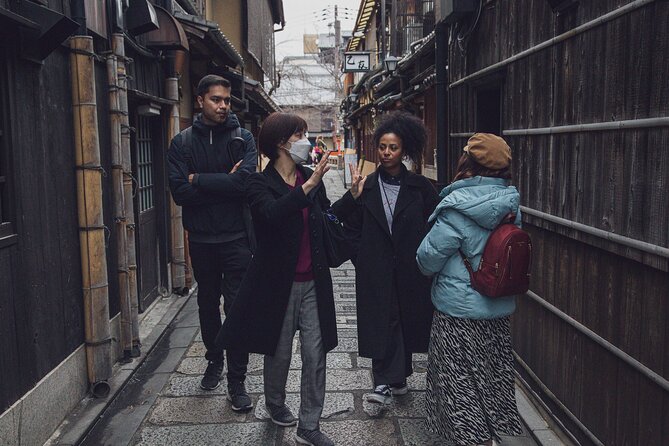
These lanes are steep, old-school streets with traditional shops and houses. The plan includes about 45 minutes, and this part is free.
This is where you slow down and actually experience Kyoto’s everyday street life. It’s also a good time for snack breaks, but keep an eye on pricing. If you want to avoid tourist-markup regret, stick to small bites rather than committing to big souvenirs here.
Gion, Nishiki Market, and Pontocho for neighborhoods that feel real
Kyoto is not only temples. If you pick the right neighborhood stops, you get the city’s rhythm.
Gion
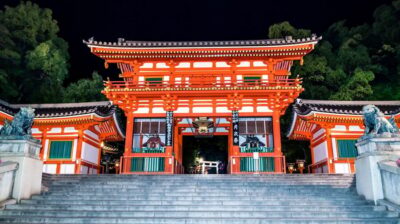
Gion is the historic geisha district area, known for traditional machiya townhouses and tea house culture. The plan includes about 30 minutes, and it’s free.
Here’s how I’d think about it: Gion is best as a walk-and-people-watch neighborhood, not a “must buy something” stop. Your guide can help you place your visit at a time when the area feels alive but not chaotic, plus explain the cultural role of the district.
Nishiki Market Shopping District
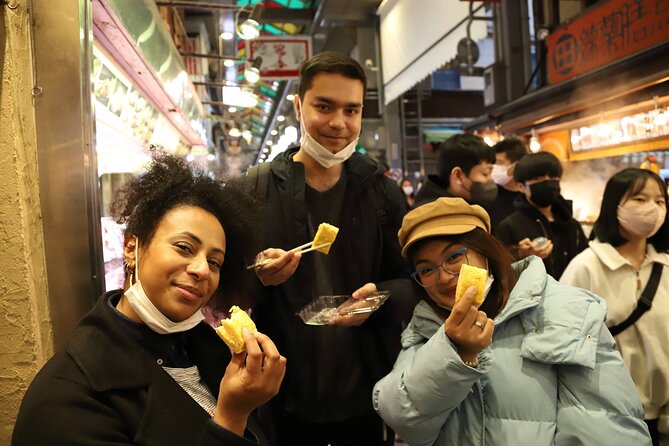
Nishiki is often called Kyoto’s kitchen, and it’s free in the plan, with about 45 minutes.
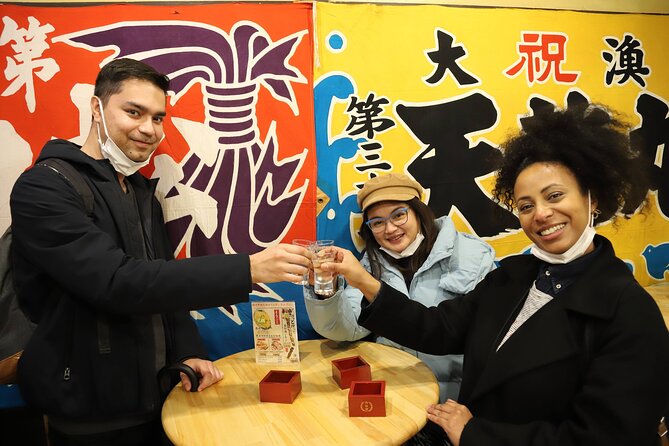
This is your best chance to taste without pre-planning every meal. The guide can steer you toward items that match your tastes, and you can also use this time to grab lunch on your own terms since lunch for you and the guide is not included.
Pontocho (Kamo River side)
Pontocho is listed as a dining district along the Kamo River. The plan mentions it as a stop, but the time and ticket details are not clearly stated. Still, it’s a great neighborhood for atmosphere, especially if your day finishes with a lower-key pace.
Nijo Castle for samurai power, plus Kyoto Imperial Palace as a calmer contrast
Nijo Castle and Kyoto Imperial Palace offer different flavors of “big Kyoto culture,” and both can balance a temple-heavy day.
Nijo Castle
Nijo Castle is known for dramatic artworks and gold-leaf style interiors. The plan includes about 45 minutes, and admission is not included.
Why it works: it gives you a non-religious angle on Kyoto, focusing on power, politics, and design. If you’re into Japanese castles beyond the typical exterior photo, this is a good addition.
A consideration: the experience can feel more indoor and queue-sensitive, so timing matters. A guide who knows the flow helps you avoid wasting time.
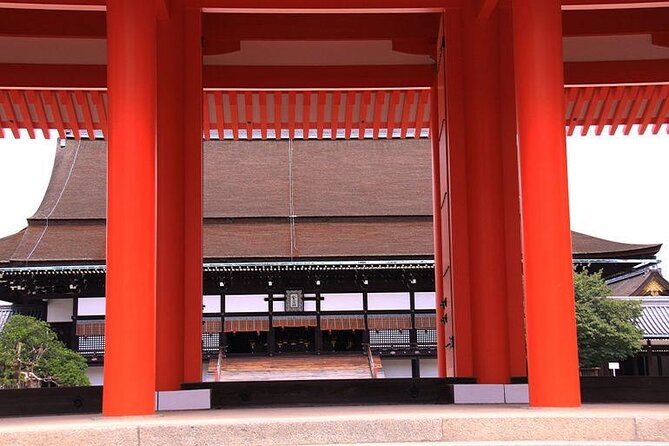
Kyoto Imperial Palace
Kyoto Imperial Palace is included as a free stop, and the plan shows about 1 minute. That likely means a quick orientation view rather than a full sightseeing session.
If palace-style stops are your priority, you may want to discuss adding more time during the itinerary planning chat. This is the kind of “brief mention” stop you can either accept as a quick look or swap out for something that needs more time.
Temple options beyond the icons: Tenryu-ji, Nanzen-ji, and Ginkaku-ji
One of the best things about this tour is that it gives you options for different kinds of temple experiences. The plan includes several major temples and walking routes that you can slot in based on your mood.
Tenryu-ji Temple
Tenryu-ji is a UNESCO-style Zen temple and is listed as a stop with about 1 minute in the plan. Admission is not included.
Because time is short in the provided outline, treat this as a “make it count” stop. Ask your guide if the schedule can support the version of Tenryu-ji you care about most, like garden viewing.
Nanzen-ji Temple
Nanzen-ji is listed as a stop, admission not included. The plan shows 1 minute, which again suggests a brief visit in the base outline.
If you’re a temple architecture fan, this could still work well as a quick cultural contrast between famous sites.
Ginkaku-ji Temple (Silver Pavilion)
Ginkaku-ji is included as a stop, admission not included, with about 1 minute in the plan.
Like the others, the value here depends on how your guide manages timing and where you focus. If you want a slower, garden-focused visit, flag that early.
The Philosopher’s Path option
The Philosopher’s Path is included as a walking route near Ginkaku-ji. The plan doesn’t give a specific time block, but it’s clearly part of the available options. Admission would not apply since it’s a walking route.
This can be a great “in between” stop when you want calm, especially if you’re not trying to cram in more indoor tickets.
Price and out-of-pocket costs: is $132.65 good value?
The listed price is $132.65 per person. That’s for a private tour with an option for a half-day or full-day plan, plus pickup and drop-off. It also includes things like a mobile ticket.
Here’s the honest value calculation. The tour fee does not include:
- Entrance fees (for some major sights)
- Transportation fees
- Lunch (for you and the guide)
In Kyoto, entrance fees can add up fast if you choose multiple ticketed sites like Kinkakuji, Ryoan-ji, Kiyomizu-dera, Nijo Castle, and others. So your final cost isn’t just the $132.65. It’s $132.65 plus what you decide to pay at the door.
That said, the price can still be a good deal because you’re paying for:
- a guide who helps you select what to see (and what to skip)
- private routing that saves time and frustration
- flexibility if your interests change mid-day
If you’re the type who wants a tailored day and doesn’t want to fight crowds alone, this can feel like value. If you want to minimize costs and you’re happy self-guiding with maps and transit, you might find cheaper options elsewhere.
Also, one negative experience mentioned additional transit payments to the guide, so I’d treat transportation as the wildcard. If you have a budget, ask your guide how you’ll be moving between stops and whether any taxi-style transit might show up.
Meeting point, pacing, and what your feet need
You’ll meet at the Kyoto Tourist Information Center Kyo-Navi Japan, inside the Kyoto Station building, 2nd floor. The tour ends back at the meeting point.
The tour involves a moderate amount of walking, and the plan specifically calls for comfortable walking shoes. Most people can participate, but if you have mobility limits, don’t assume the standard route will match you. Guides in the past, like Saeko, have been praised for tailoring around mobility issues, so this is a good tour to ask for adjustments.
Timing matters too. The plan’s stop durations are fairly tight. That’s intentional, but it means you need to travel light and move with purpose. If you stop for long shopping detours or long meal sits at every district, you can run out of time for the later stops.
And yes, the tour runs rain or shine. Kyoto weather can change fast, so bring a small umbrella or light rain jacket.
What I’d watch for, based on real experiences
Most guide feedback is strongly positive, with a 4.9 rating and a 97% recommendation. The most praised pattern is the guide effect: English clarity, strong context for shrines and temples, and a relaxed pace that still gets you the key sights.
Guides named in the experiences include Hiro, Naomi, Saeko, Mishima, Takuma, Yuka, Kenji, Toshi, Osamu, and Kiyoto. Several are described as flexible and fun, and a few are praised for helping with navigation, train schedules, and practical problem solving.
Still, there are a couple of clear caution flags:
- Don’t assume ticketed stops will be quick. A short visit at Kinkakuji or Nijo Castle can feel rushed if your guide is using a strict timetable.
- Clarify transportation expectations early. One unpleasant experience mentioned confusion around transit payments mid-tour and that the guide’s end-of-tour directions were not clear. That’s the kind of avoidable friction you can reduce by asking how the tour will handle transit before you start.
If you want peace of mind, send a clear list of must-sees and your walking comfort level before the tour begins.
Should you book this Kyoto customized private tour?
Book it if:
- you want control over your Kyoto day and don’t want a fixed checklist
- you’re trying to cover major highlights like Kinkaku-ji, Fushimi Inari, and Kiyomizu-dera without spending the whole day lost or queued
- you like learning from a human guide, especially on Shinto and Buddhist practices and what you’re looking at
Skip it or think twice if:
- you’re on a strict budget and hate add-on entrance fees and transit costs
- you prefer totally self-guided sightseeing
- you expect an itinerary that gives unlimited time at each place, because the plan is designed around a focused number of stops
My practical take: if you’re doing Kyoto for the first time, this is a smart way to get the big moments plus some local neighborhood feel, while still keeping flexibility. Just plan for extra costs at ticketed sites and confirm how you’ll travel between stops so the day stays smooth.
FAQ
How long is the Kyoto customized private tour?
The duration is listed as about 4 to 8 hours, depending on whether you choose a half-day or full-day plan.
What is included in the tour price?
The tour includes a private guide experience with pickup offered and hotel pickup and drop-off. It also includes a mobile ticket. The price does not include entrance fees, transportation fees, or lunch for you and the guide.
Which major attractions can I choose from?
You can choose stops such as Kinkakuji Temple, Fushimi Inari-taisha Shrine, Ryoan-ji Temple, Gion, Kiyomizu-dera, Sannenzaka and Ninenzaka, Nishiki Market, Nijo Castle, plus options like Tenryu-ji, Kyoto Imperial Palace, The Philosopher’s Path, Nanzen-ji, and Ginkakuji.
Is the tour mostly walking?
The tour includes a moderate amount of walking. Comfortable walking shoes are recommended, and most travelers can participate.
Does the tour run in bad weather?
Yes, the tour takes place rain or shine.
Can I cancel and get a full refund?
Yes. Free cancellation is available if you cancel at least 24 hours in advance of the start time for a full refund.
Latest write-ups near Kyoto
- Kyoto: Nishiki Market Tour with a Local Foodie & Tastings★ 4.5 · 67 reviews
- Kyoto Kimono Rental mimosa |Kimono/Yukata Rental Couple Plan★ 4.8 · 67 reviews
- Kyoto: Traditional Kimono Fabric Handicrafts Workshop★ 5.0 · 67 reviews
- Kyoto Tea Ceremony and Samurai Photo Session★ 5.0 · 70 reviews
- Kyoto: Replica food making experience★ 4.8 · 70 reviews
- Kyoto: Kinkakuji, Golden Pavilion Guided Tour★ 4.7 · 71 reviews
- Private departure transfer from Kyoto city to Kansai International airport★ 5.0 · 72 reviews
- Uji: Green Tea Tour with Byodoin and Koshoji Temple Visits★ 4.8 · 72 reviews
Day Trips in Kyoto, compared.
Fushimi Inari, Kinkakuji, Bamboo Grove 1 Day Bus Tour
Read our review →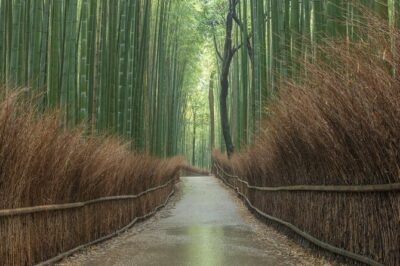
10 Must-see Spots in Kyoto One Day Private Tour (up to 7 people)
Read our review →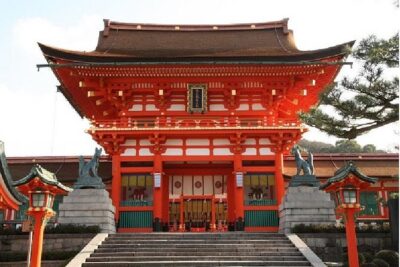
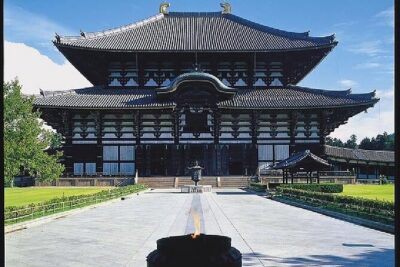
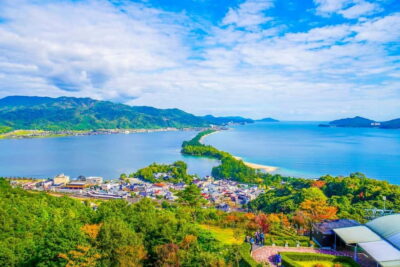
From Kyoto / Osaka: Kyoto Must-see Spots & Nara Park One Day Tour
Read our review →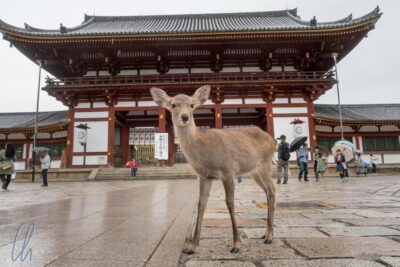
Nara, Osaka & Kobe Day Trip – 3 Cities in 1 Day
Read our review →Browse the lists this tour appears in