Reviewed · KYOTO TOURS
Kyoto: Discover Every Bit of Kyoto Imperial Palace
Kyoto Imperial Palace feels interesting because it turns a famous landmark into a guided picture of how Japan’s imperial family lived, ruled, and staged major ceremonies. I loved the explanations tied to the imperial ceremonies spaces, especially the Shishinden main hall, and I loved the calm pacing through tranquil gardens inside Gyoen National Garden. One drawback to keep in mind: the value rises or falls with the guide, and if you prefer wandering and reading on your own, you might find the guided approach less necessary.
On the stronger days, guides from DeepExperience, including people like Yoshi who were praised for history smarts, can answer questions in real time as you walk. You start at Hamaguri Gomon Gate, then focus on a tight loop of the palace buildings and grounds, so you get meaning without feeling rushed.
Key things I’d highlight before you go
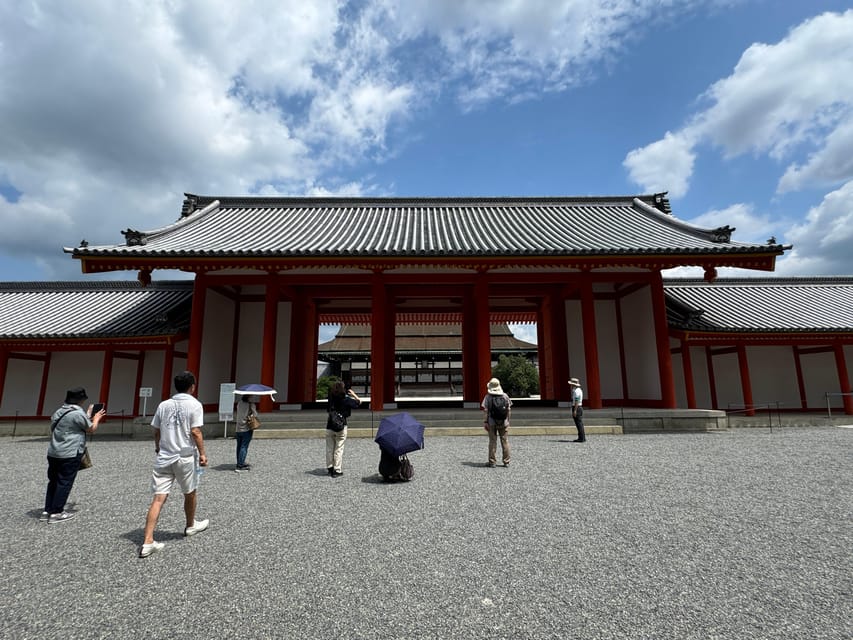
- Hamaguri Gomon Gate as your anchor point, so you know exactly where the tour begins
- Shishinden main hall, connected to the palace’s most important ceremony spaces
- Courtside context about daily life, so the buildings feel lived in, not just photographed
- Serene garden walking inside Gyoen National Garden, a different Kyoto tempo than busy streets
- English live guide in private or small groups, which helps questions land fast
- Guide quality matters, with experiences ranging from highly informative to more minimal
Kyoto Imperial Palace in Gyoen National Garden, and why it feels different
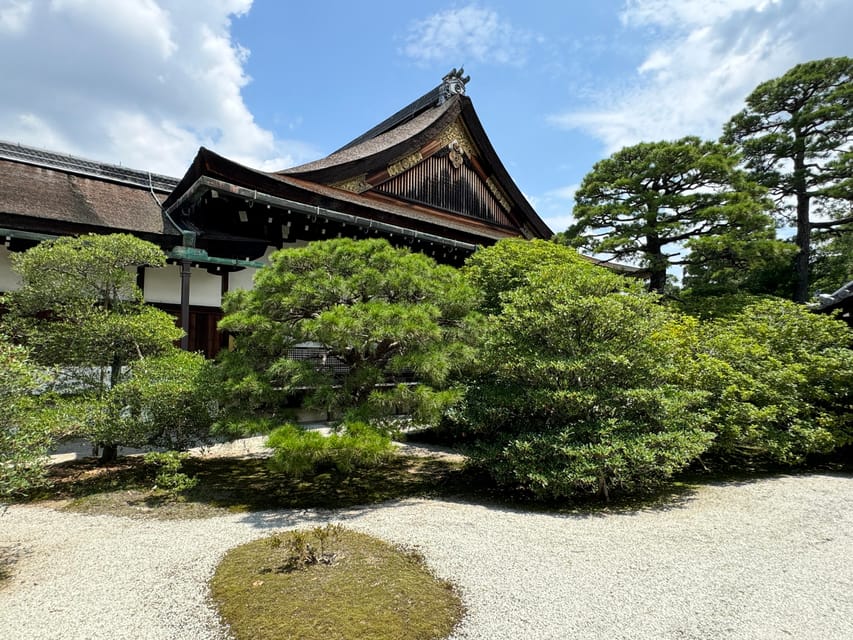
The Kyoto Imperial Palace was once the home base for Japan’s imperial family. That matters because even if you have visited other big-name temples and shrines, this place has a different energy. It is tied to court life and state ceremony, and the explanations you hear help you see the logic in the traditional architecture.
A key detail for context: the imperial family’s residence status changed when the capital moved to Tokyo in 1869. So when you walk the grounds today, you are not just looking at old wood and stone. You are stepping into what the imperial court used as its ceremonial and residential world before that shift.
What I like about the location is the way the palace complex sits inside Gyoen National Garden. That setting changes how you experience the site. You feel more like you are in a carefully managed landscape of daily calm than in a loud sightseeing circuit. It is also the reason this tour works well as a contrast day in Kyoto. You can pair it with busy areas, then come here for a slower, more controlled pace.
You should also know what the tour actually focuses on. It is not sold as a hands-on cultural class or a long museum-style crawl. It is a guided walk through key palace buildings and the grounds, with time aimed at helping you connect specific halls to ceremony and official functions, plus time in the landscaped gardens.
Also on the shortlist for Kyoto:
- PERFECT KYOTO 1-Day Bus Tour
★ 5.0 · 13,518 reviews - Kyoto: Fushimi Inari, Kinkakuji, Bamboo Grove 1 Day Bus Tour
★ 4.8 · 4,316 reviews - Kyoto: Tea Ceremony in a Traditional Tea House in Kiyomizu
★ 4.9 · 3,519 reviews
Meeting at Hamaguri Gomon Gate, and how the guide helps you orient fast
Your tour starts at Hamaguri Gomon Gate, right at the Kyoto Imperial Palace grounds. This is not a random meeting point. It gives you a clear reference point, which helps if you are arriving on foot from nearby streets, or if you are fitting this into a full Kyoto day.
The practical part I appreciate: the guide meets you in front of the Hamaguri Gate and holds a yellow sign for DeepExperience. That makes it easier to spot your person without playing guessing games.
Another detail that improves the experience is the guide language. The tour is in English, and it is a live guide, not a prerecorded route. In plain terms, that matters because palace architecture is visual, and court ceremony is full of terms that only click once you hear them explained. If you do not speak Japanese, that live interpretation is the whole point.
The group size is also worth noting. The tour offers private or small groups. Small groups change the feel. You can ask questions and actually get answers that connect to what you are standing in front of, rather than waiting until the end for one rushed response.
Shishinden main hall and the ceremony spaces you’ll understand better
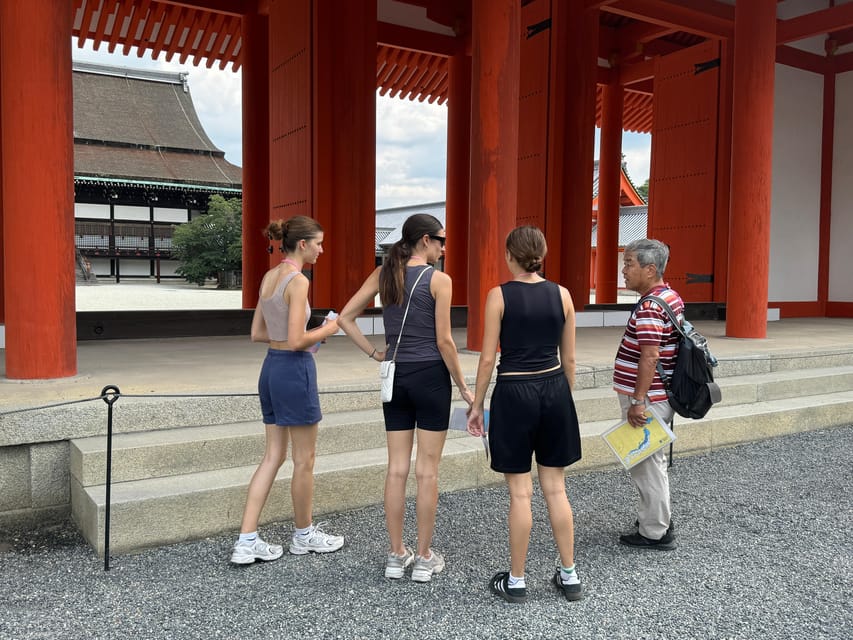
One of the best reasons to take a guided version is to decode the role of the palace’s major halls. The complex includes multiple buildings used for ceremonies and official functions, and the Shishinden is highlighted as the main hall.
When you learn what the Shishinden represents within grand ceremonial practice, the building stops looking like a pretty traditional structure and starts looking like a purposeful stage. You begin to notice details that you would probably miss when you are just moving from photo spot to photo spot.
Here is what I’d watch for as you move through this part of the grounds:
- How the hall is framed by the surrounding architecture and circulation. Even without dramatic explanations, you can sense how people would have moved for formal events.
- Why certain spaces are treated differently. Ceremony buildings tend to feel more formal, more symmetrical in intention, and more reserved in how they are presented.
- The connections between ceremony and daily court life. This tour aims to make that link, so your brain gets a story, not just a list of structures.
This is also where the tour’s “deep insights into traditions and history of Japan’s imperial family” becomes concrete. You are not only learning facts. You are learning how tradition shapes built form. That is why a guided visit often feels more rewarding than self-guided wandering, at least for history-minded travelers.
There is a practical consideration here. Some people do not feel a guided tour is worth it if they can read basic information at their own pace. I get that perspective. If your goal is simply to walk the grounds and take pictures, you might not need a guide.
But if you want to understand why the halls mattered and how the court’s rituals shaped daily rhythms, the guide makes a visible difference.
Daily life at the Emperor’s personal residence, and what that changes in how you see the place
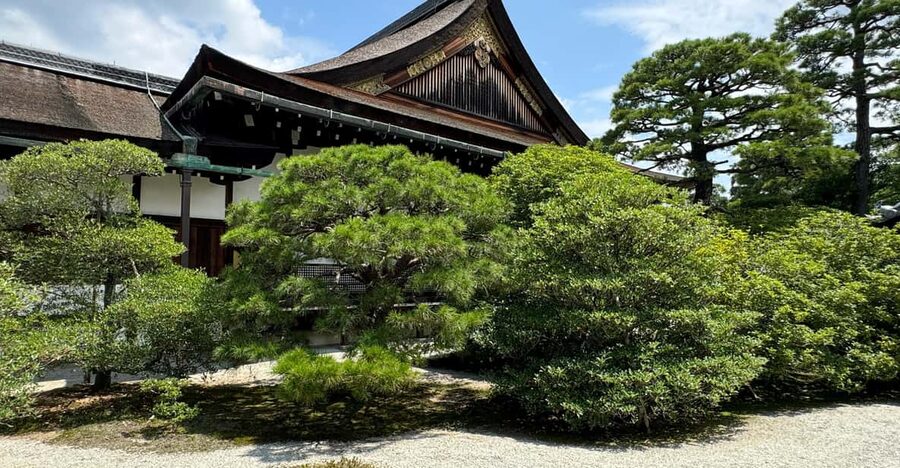
Another highlight of this tour is the focus on daily life in the imperial court, specifically at the Emperor’s personal residence. That is important, because most palace visits in popular travel tend to emphasize spectacle. This one also aims for the human side: the routines and lived reality behind the ceremonies.
Even if you are not looking for a detailed historical lecture, learning about daily life changes what you notice. It affects how you interpret “official” spaces. A building used for state ritual can also be part of the broader pattern of court life. The more you understand that, the less the palace feels like a remote artifact.
This is also where the best guides really shine. In stronger experiences, the guide’s explanations connect architecture to court roles, and they can answer questions as you go. There is a meaningful difference between someone who can tell you what a hall is, versus someone who can explain why it is connected to daily court practices.
A balanced warning, based on what you should expect from real-world tours: guide quality can vary. Some experiences run with a highly engaging, culturally informed style. Others may feel light on the imperial palace history and more focused on walking and photos. Because the tour depends on the guide for context, you should choose this with a mindset of learning and asking questions, not just ticking a box.
One simple way to make this work for you: go in with two or three questions you actually care about. For example, ask how ceremonial spaces connected to the court’s routine, or what role the main hall played in formal functions. If your guide can answer, you will feel like you “got” the palace instead of just touring it.
A change of pace from Kyoto:
- Kyoto Geisha Walking Tour: Gion District & Hidden Gems
★ 4.7 · 3,273 reviews - Kyoto: Tea Ceremony Ju-An at Jotokuji Temple
★ 4.9 · 3,207 reviews - Kyoto: Gion Magical Night Walking Tour with Geisha Trivia
★ 4.9 · 2,393 reviews - Kyoto: 45-Minute Tea Ceremony Lesson Experience
★ 4.3 · 2,378 reviews
Serene gardens and landscaped calm, what to look for as you walk
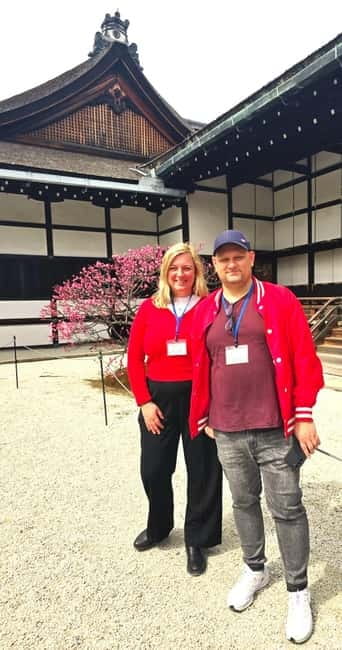
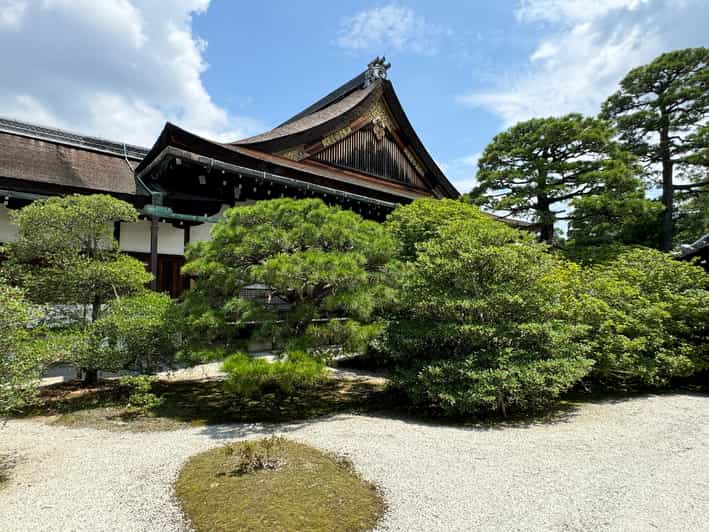
A big part of this experience is the gardens. The palace complex is inside Gyoen National Garden, and the tour includes time to stroll through serene, beautifully landscaped areas.
This sounds soft and slow, but it is not filler. In Kyoto, gardens often function like time control. They slow your walking, reduce the urge to rush for photos, and give you space to absorb what you just learned about court life and ceremony.
When you are in a garden setting tied to an imperial residence, it helps to treat it as part of the palace story. Look for the way pathways guide your movement. Notice how open views and enclosed corners create different feelings. Even small changes in what you see from one step to the next can reflect how the site was intended to be experienced.
There is also a reason this is a good match for a one hour format. You do not need hours of wandering to feel the benefit. The gardens give you the emotional payoff quickly.
If you are visiting Kyoto in peak season and you feel over-stimulated, this is the type of stop that can rebalance you. You get a traditional setting with a slower rhythm than the city’s main temple routes.
Price and value: why 38 dollars can make sense here
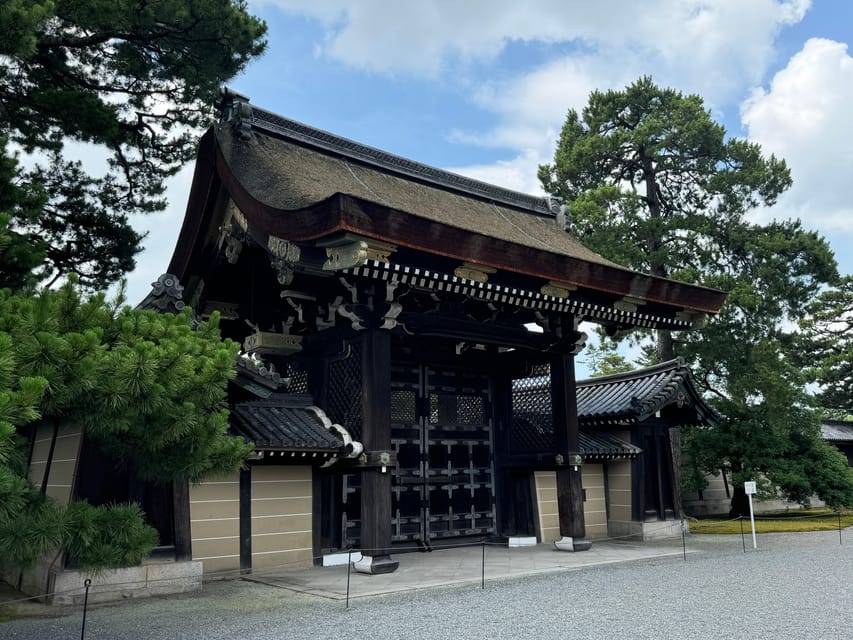
The price is listed at $38 per person for about one hour. That is not a budget impulse buy, so you should ask: what am I truly paying for?
The key value hook is that palace entry is included and listed as free. In other words, your fee is mostly paying for the live guide interpretation and the structured route through important areas of the palace grounds.
In places like this, guidance is where the money turns into understanding. Kyoto Imperial Palace can be visually impressive on its own, but its real meaning comes from ceremony context, imperial family traditions, and the connection between halls and court life. If your guide is strong, you walk away thinking differently about what you saw.
If your guide is weak, the same time becomes closer to a scenic walk with minimal explanation. That risk is real, and it is the main reason I consider this a “match your learning style” tour.
Here is how I would judge value for myself:
- If I want a guided explanation of imperial ceremonies and architecture, it feels like good value.
- If I only want photos and broad impressions, I might save money and self-explore.
Because the tour offers private or small groups, you also tend to get better conversational interaction if you are paying for that format. That can raise the perceived value even if the dollar amount feels midrange.
How to fit this into a Kyoto day without feeling rushed
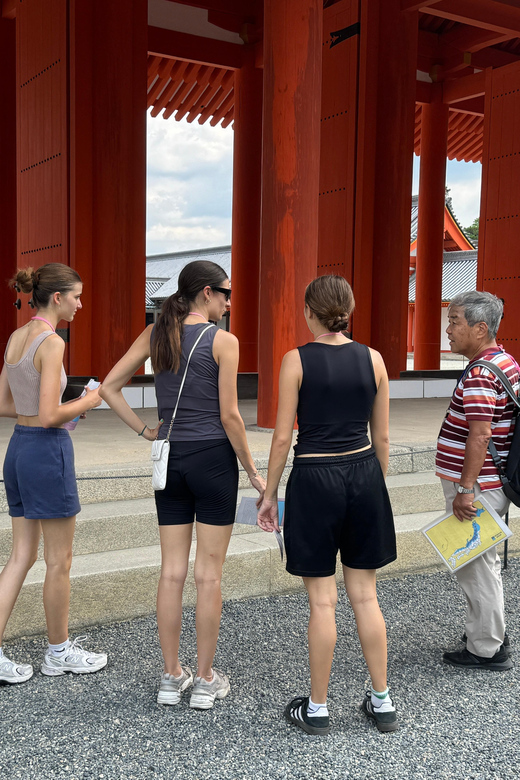
This experience is short. Total duration is listed as one hour, with the guided palace visit described as around 1.5 hours in the planned flow. That means you should plan for a compact time block, not a half-day commitment.
In practice, it is best when you want a meaningful cultural stop that does not eat your whole day. Kyoto days can swell with options, and it is easy to burn hours on lines, transfers, and wandering. A guided imperial palace visit gives you focus.
I also like that it is built around a starting point you can return to, Hamaguri Gomon Gate. That reduces decision fatigue. You can build the rest of your day around one simple loop.
If you are the type who likes to balance Kyoto’s temple energy with something different, this is an easy pairing. You can do a busy neighborhood in the morning, then come here for calm gardens and imperial ceremony context.
If you want a safer plan for timing, check starting times when you book. Availability will shape which slot you choose.
Who this Kyoto Imperial Palace guided experience suits best
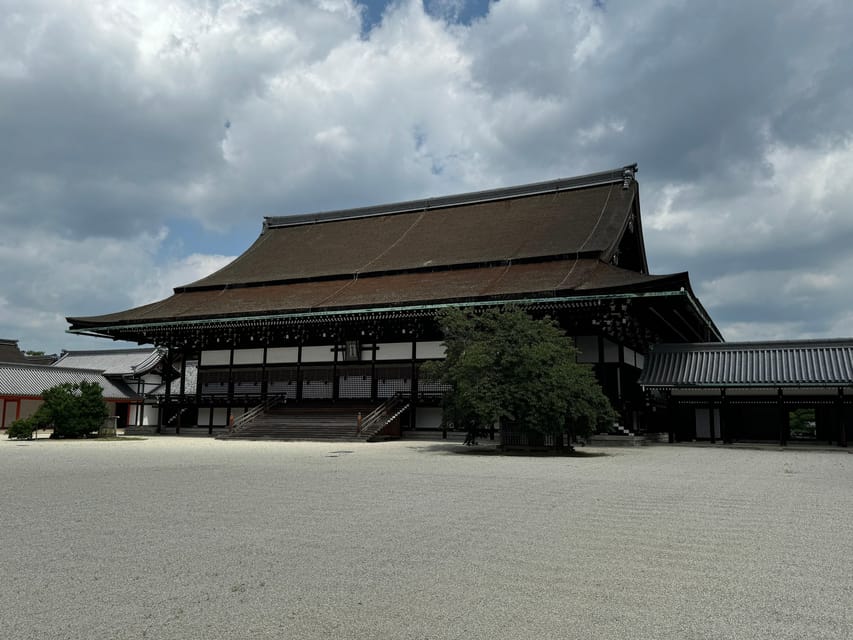
This tour fits best if you are one of these travelers:
- You like history explanations that connect buildings to real institutions and traditions.
- You want an English speaking guide who can answer questions during the walk.
- You prefer a calm garden stop paired with major ceremony halls, not just a sightseeing checklist.
- You are in a private or small-group mode and want interaction, not a large-group lecture.
It might not be ideal if you are:
- Mainly motivated by photos and quick wandering.
- Hoping for a very long, in-depth palace session.
- Sensitive to guide-to-guide variation, since context is the main value driver.
The good news is that your interest level can guide your expectations. If you care about the imperial story, the tour has the right ingredients: ceremony spaces like Shishinden, daily life context, and gardens that let you absorb it without stress.
Should you book this Kyoto Imperial Palace guided experience?
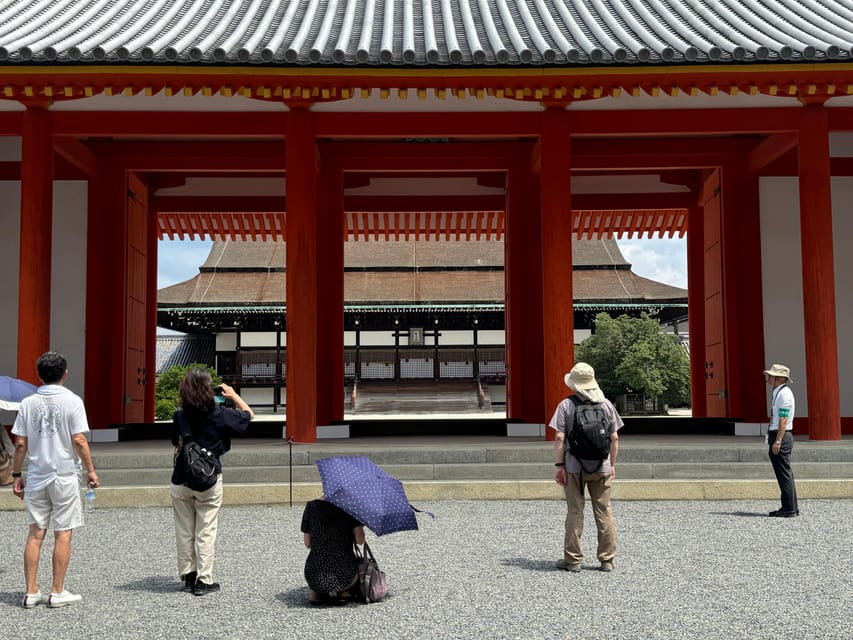
I would book it if you want to understand Kyoto Imperial Palace, not just look at it. The combination of imperial ceremony focus, daily court life context at the Emperor’s residence area, and time in Gyoen National Garden is a smart formula for a short visit.
Book it with a clear mindset: you are paying for interpretation. If you go in ready to ask questions, you are likely to come away feeling you understood what you saw. If you go in expecting the guide to carry all the meaning without your involvement, then you may judge it too harshly if the guide’s delivery is lighter.
Use this quick decision rule:
- If you care about imperial traditions and want help reading the palace, yes, book.
- If you just want a quiet stroll and you are comfortable connecting the dots on your own, you might not need a guided version.
FAQ
Where do we meet for the Kyoto Imperial Palace tour?
You meet in front of the Hamaguri Gate (Hamagurigomon) of the Kyoto Imperial Palace. The guide will be waiting with a yellow sign that says DeepExperience.
How long is the tour?
The duration is listed as 1 hour.
Is the tour guided in English?
Yes, it is a live tour guide in English.
What does the tour include?
The tour includes a guide and entry to the Kyoto Imperial Palace, which is listed as free.
How much does it cost?
The price is $38 per person.
Is it a private tour or a small group?
Private or small groups are available.
When does the tour run?
You can check availability to see starting times.
Is there free cancellation?
Yes. You can cancel up to 24 hours in advance for a full refund.
Can I reserve and pay later?
Yes. The option says reserve now and pay later, so you can book your spot and pay nothing today.
Latest write-ups near Kyoto
- Kyoto Private Tour Full Day with Local Guide&Nara Option(PerGroup★ 5.0 · 20 reviews
- Sacred Pathways: Discover the Philosopher’s Path of Kyoto★ 4.9 · 20 reviews
- Hammer Pattering Experience of Ring★ 5.0 · 20 reviews
- Kyoto UNESCO World Heritage Site Private Tour with a Premium Van★ 5.0 · 20 reviews
- KYOTO: Private Tea Ceremony in Hidden Townhouse (Kid-Friendly)★ 5.0 · 20 reviews
- Sushi or Traditional Japanese Cuisine in a Kyoto Home with Emika★ 5.0 · 20 reviews
- The Kyoto VIP Experience!★ 5.0 · 20 reviews
- Kyoto Customized Private Tour: See Top Attractions in 1 Day★ 4.7 · 20 reviews
Kyoto Tours, compared.
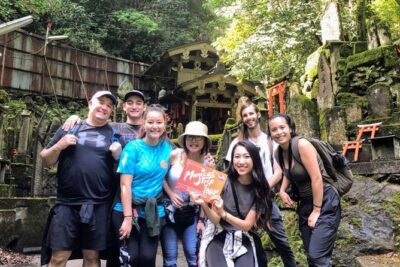
Fushimi Inari, Kinkakuji, Bamboo Grove 1 Day Bus Tour
Read our review →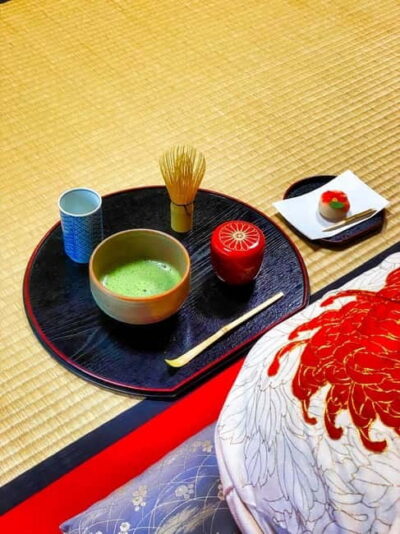
Tea Ceremony in a Traditional Tea House in Kiyomizu
Read our review →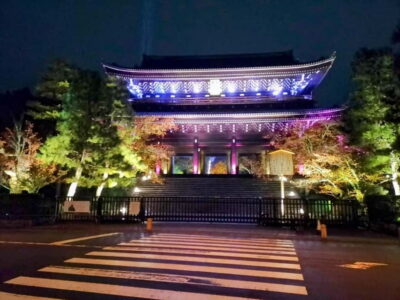
Kyoto Geisha Walking Tour: Gion District & Hidden Gems
Read our review →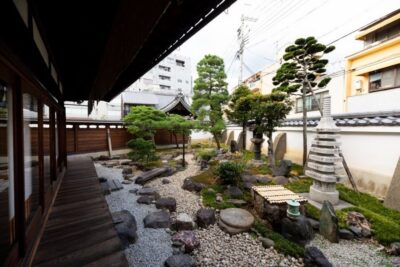
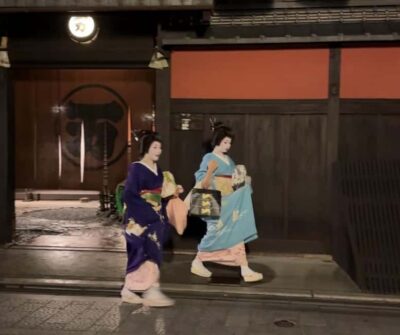
Gion Magical Night Walking Tour with Geisha Trivia
Read our review →