
Reviewed · FUSHIMI INARI TOURS
Kyoto: Early Morning Fushimi Inari Shrine – Beat the Crowds
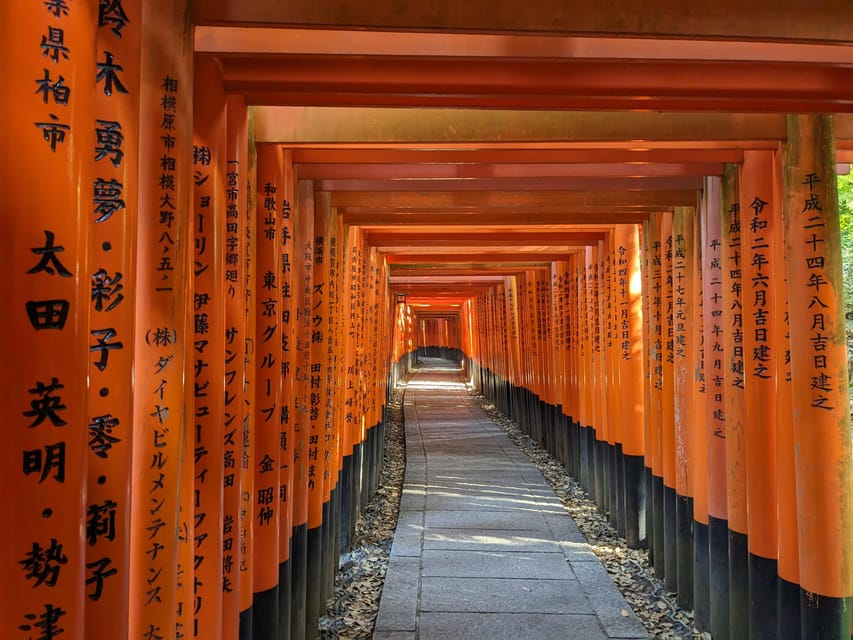
Kyoto’s Fushimi Inari Taisha can feel like a theme park during the day, so the best twist here is timing. Starting from Inari Station early means you get the iconic orange torii tunnels with breathing room, plus a calmer walk up a holy mountain. I also like how the guides bring it down to earth, with real storytelling style, not memorized facts, and names like Teppei, Akino, and Yoshi show up in the kind of praise you can trust.
Two things I really love: the chance to get torii photos without crowds in the frame, and the step-by-step guidance on how to pay respect at the shrine points. One drawback to consider is that this is still a walking tour up and around shrine areas, and it is not suitable for people with mobility issues, low fitness, or back, heart, or respiratory problems.
If you want the famous Kyoto moment, but without the day-long slog, this is one of the smarter ways to do it.
Key highlights at a glance
- Early start for fewer crowds and less heat so the torii walk feels peaceful
- Photo-friendly timing for the orange tunnel shots you came for
- Guided shrine etiquette and stories from local experts like Teppei and Akino
- A viewpoint pause to take in the area without rushing
- An off-the-path stop with a healing-fountain legend you will not see the same way on your own
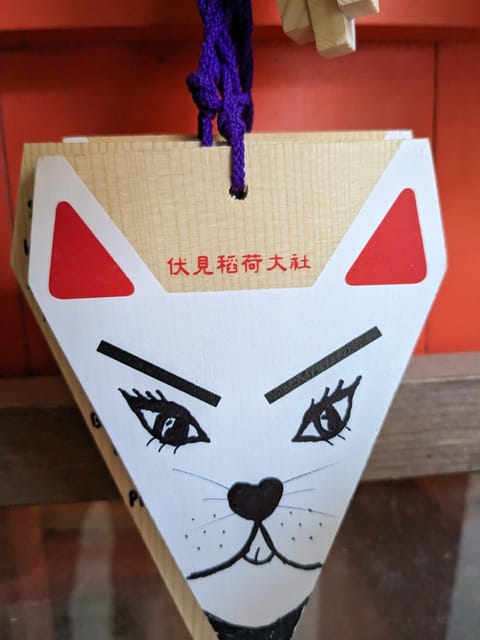
- Inari-specific souvenir that is unique to the shrine world
Why an Early Start at Fushimi Inari Feels Like a Different Shrine
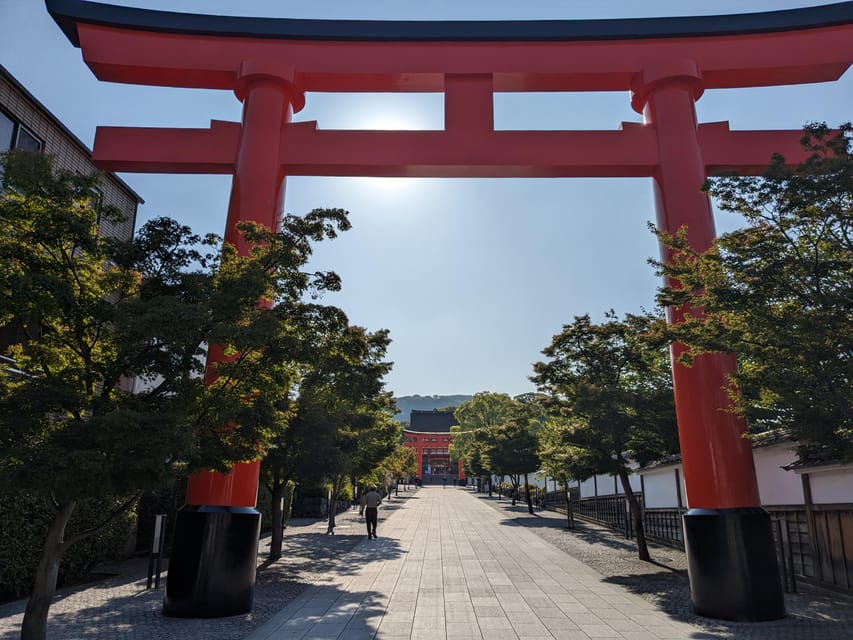
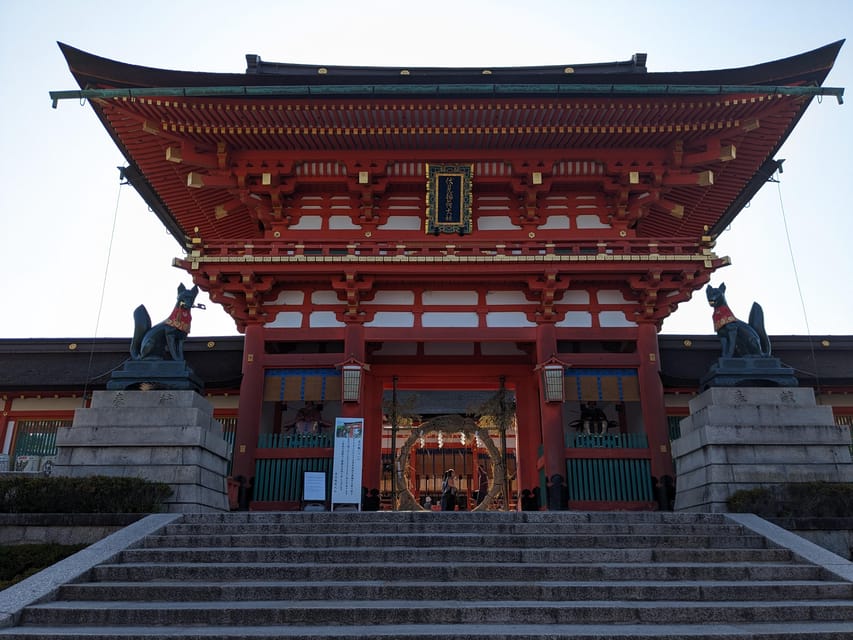
Fushimi Inari Taisha is the most famous shrine in Kyoto, and one of the most visited places in Japan. That popularity is exactly why it gets rough later: the torii paths turn into slow-moving crowds, and the walk stops feeling spiritual and starts feeling like a line.
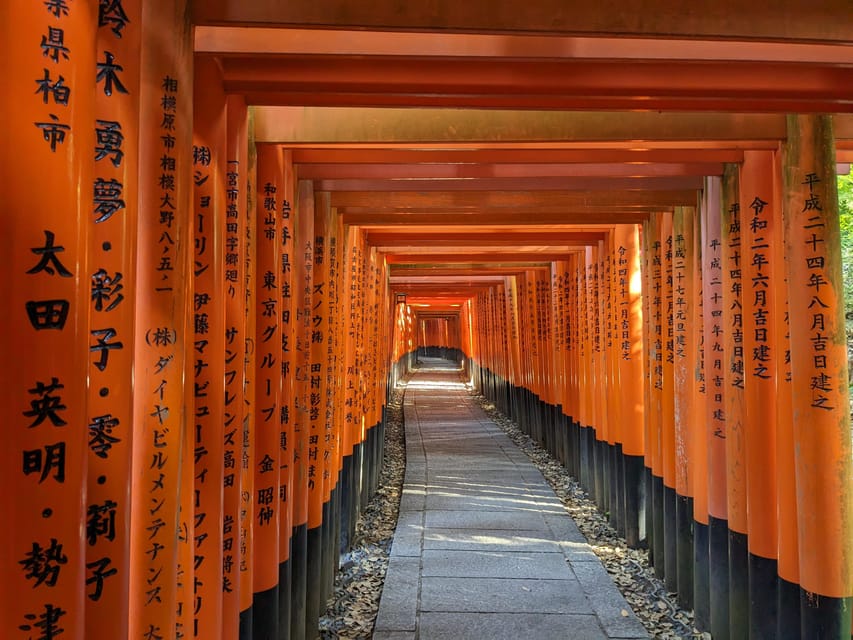
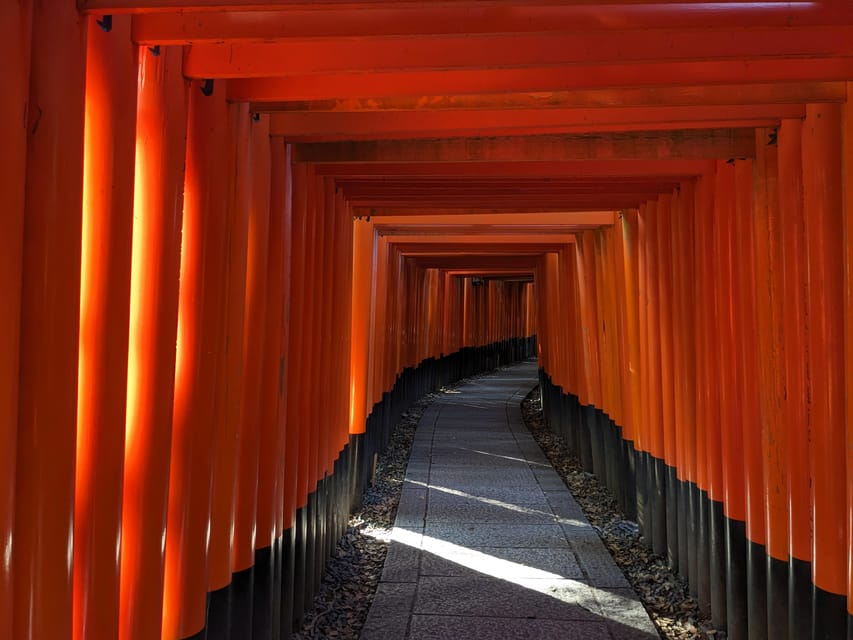
The early-morning approach changes the mood fast. You are still walking the same holy route, through the orange torii gates that snake up the mountain, but you have more quiet, better photo odds, and less of that midday heat pressure. More than one guide-led experience described it as the highlight moment, especially when the group is small and you are not constantly cutting through people.
And yes, you are going to see the famous tunnels. The difference is how you see them. With fewer bodies in the way, it feels like the place was designed for wandering, not just passing through. That is a big value, because you do not have to fight the crowd to appreciate what you came for.
More Temple & Shrine Tours in Kyoto
- Kyoto: Fushimi Inari, Kinkakuji, Bamboo Grove 1 Day Bus Tour
★ 4.8 · 4,316 reviews - Kyoto: Tea Ceremony Ju-An at Jotokuji Temple
★ 4.9 · 3,207 reviews - Osaka/Kyoto:Kinkakuji,Arashiyama,FushimiInariShrine,NaraPark
★ 4.1 · 1,596 reviews
Getting There From Inari Station (and Finding Your Guide Fast)
This tour starts at Inari Station. Your guide waits outside, across from the main entrance to the station, holding a bright yellow DeepExperience signboard.
That detail matters because Fushimi Inari is easy to reach, but it is not always easy to find the correct meeting point when you are looking at rail exits and stream of people. The bright sign makes it simple, and the tour stays smooth if you arrive a few minutes early.
Plan on comfortable footwear. The route is built for walking, including uphill shrine paths. You will want shoes you can trust for uneven stone and steps.
The 1.5-Hour Guided Walk Through Fushimi Inari Taisha’s Main Torii Routes
The heart of the experience is a guided tour through Fushimi Inari Taisha for about 1.5 hours. This is not just a sightseeing walk. A big part of the value is that your local guide connects the torii gates to the shrine’s meaning and the role it plays for locals.
What you will notice quickly is how the guides pace you. People who loved the tour praised guides for taking their time, explaining areas step by step, and answering questions without brushing anyone off. In a few standout accounts, guides like Teppei walked guests through how to approach and pay respect before key torii points.
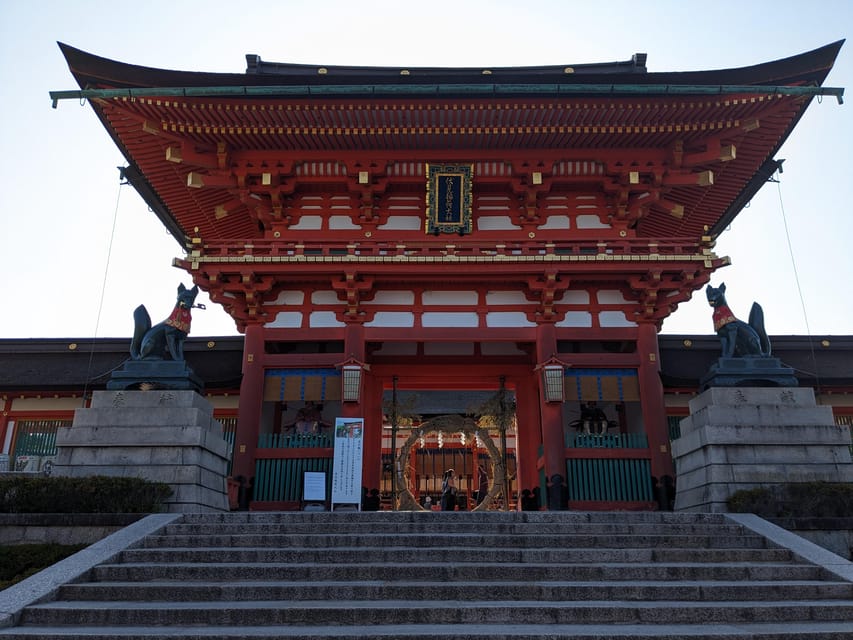
That matters because Fushimi Inari is not only an Instagram subject. It is an active shrine system with specific etiquette. When you understand what you are looking at, the orange tunnels stop being just pretty. They become meaningful.
Is there any downside? The walking is the tradeoff. Even with a guide managing the route and timing, you still need a basic level of mobility and stamina. The tour is not listed as suitable for wheelchair users or people with mobility impairments, and it is also not for people with back problems, heart problems, or respiratory issues.
The Viewpoint Stop: A Breather With the Torii Still in Your Frame
After the main shrine time, the tour includes a 30-minute sightseeing stop at a viewpoint. The point here is simple: you catch a higher perspective without turning it into a rushed sprint.
This portion is a sweet spot for two reasons. First, you are already in the right vertical zone from the early torii climb, so you get a look around that feels more like being in the mountain route than just standing at a gate. Second, it gives you a rhythm break. You can pause, regroup, and reset your phone camera or eyes before the next step.
If you are the type who likes taking photos but hates spending all your energy shooting, this stop can feel like the balance you want. You get time to frame the iconic orange tunnels, but you are not stuck working around crowds.
More Fushimi Inari visits:
- Fushimi Inari Hidden Hiking Tour (Private Option Available)
★ 5.0 · 1,750 reviews - Kyoto/Osaka: Nara, Fushimi Inari Taisha, Arashiyama Bus Tour
★ 4.7 · 1,275 reviews - Osaka/Kyoto: Arashiyama, Nara & Fushimi Inari Shrine w/Lunch
★ 4.4 · 754 reviews - Kyoto: Nijo Castle, Kiyomizu & Fushimi Inari Guided Tour
★ 4.7 · 700 reviews
The Off-the-Path Hidden Spot, Including a Healing-Fountain Legend
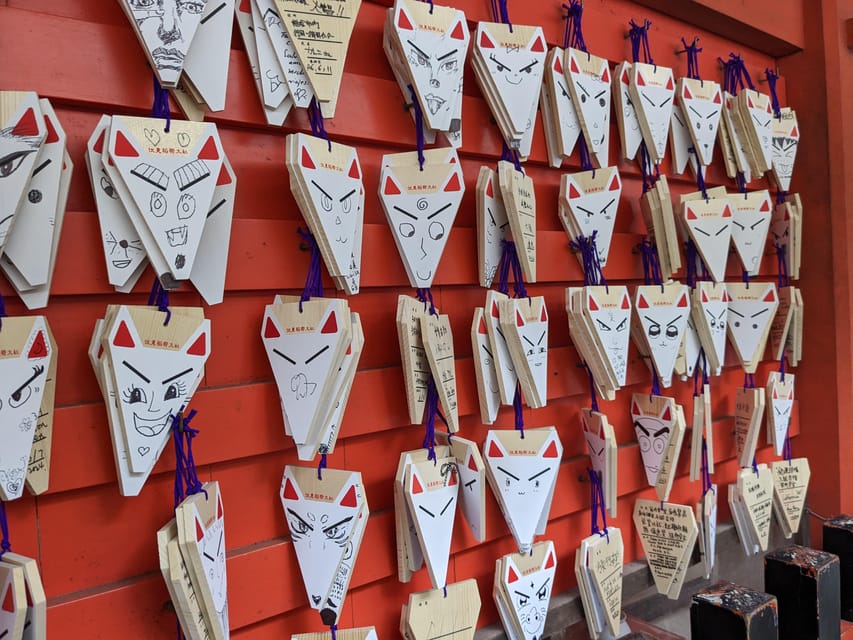
The final guided portion is another 30-minute stop at a less-visited area often described as a hidden spot. What made this memorable for me is that it is the kind of place you might miss on your own, not because it is impossible to find, but because you would be moving too fast or you would not know what you are looking at.
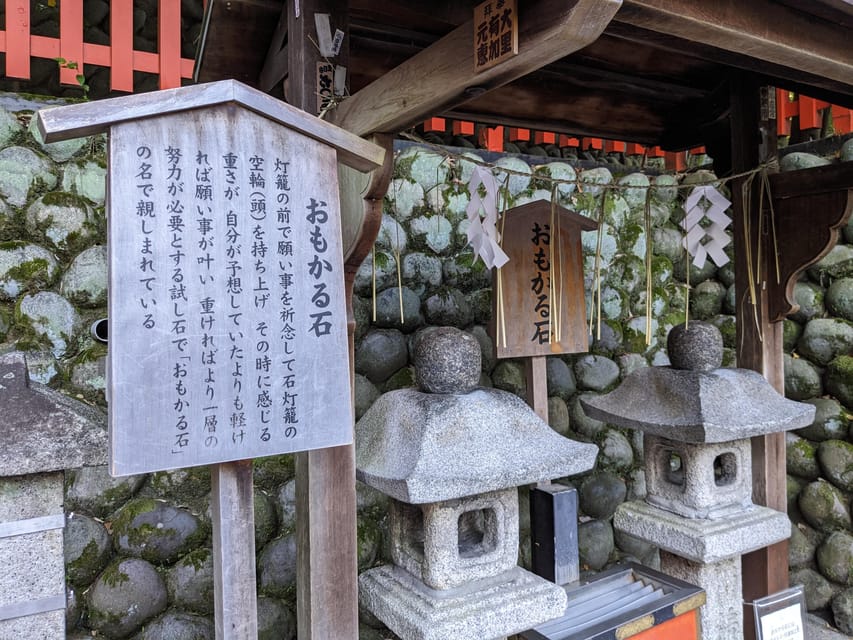
One specific detail that showed up in the praise is a small fountain linked in legend to healing, described as curing all illness. Whether you treat the legend as spiritual storytelling or folklore, it adds a different flavor to the tour. It is not just torii after torii. You get a pause where the place feels more personal and less like a photo set.
This is also where the guide help can pay off. People credited guides with explaining what matters in each stop, and that explanation is what transforms an ordinary walk into a place you remember.
Why the Guides Matter More Than You Think (Teppei, Akino, Yoshi, and Others)
If you read enough feedback, a pattern pops out: the guide personality is a huge part of why the experience lands so well.
Names that stood out in the praise include Teppei, Akino, Masa, Hiro, Maru, and Yoshi. The common thread is not just friendly vibes. It is the combination of clear communication, patience, and a real love for Kyoto. One account even highlighted that the guide was born in Kyoto and shared cultural context with warmth, not a scripted lecture tone.
Another practical advantage: guides can adapt to real-life conditions. One guest mentioned arriving late and the guide handled it with kindness and professionalism while keeping the small group in good shape. That kind of steadiness matters when you are on a morning tour where timing affects your crowd level.
Finally, guides can help with small photo moments. A couple of accounts mentioned photo help along the way, which is one of the best perks if you are traveling as a couple or family and want real photos, not frantic self-timers.
Price and Logistics: Is $70 Worth It for a 150-Minute Morning?
At $70 per person for about 150 minutes, you are paying for three things that are hard to replicate alone: timing, local context, and crowd-smart pacing.
Let’s be honest about the timing part. You can reach Fushimi Inari on your own. But getting the early window right, walking the route without getting swallowed by the later rush, and finding the off-angle details takes effort. This tour packages that decision for you.
You are also paying for the guide interpretation. Shrines are full of symbolism, etiquette, and layered meaning. Without that, you get the sights, but you miss some of the why.
And in a practical sense, you are buying convenience. The meeting point is clear (outside, across from the JR Inari Station main entrance with the bright yellow sign), the tour time is set, and the route includes both a viewpoint break and a guided off-the-path stop.
The main reason this price feels fair is the “less friction, better moments” effect. Early morning + guided context + fewer people in your photos is a combo that adds up fast.
What to Wear and Who Should Skip This Tour
Bring comfortable shoes and comfortable clothes. That is not a throwaway line. The torii walk includes stairs and uphill sections, and you will feel it more if you show up in soft sneakers that do not grip.
The tour also has clear limits. It is not allowed to bring luggage or large bags, and baby strollers and baby carriages are not allowed. Also, intoxication is not permitted.
Then there is the suitability note. This is not suitable for:
- children under 10
- people with back problems
- people with mobility impairments
- wheelchair users
- people with heart problems
- people with respiratory issues
- people who get altitude sickness
- people with low level of fitness
- people over 70
If any of those apply to you, do not force it. With shrine stairs and long walking segments, comfort matters more than the desire to tick a box.
Should You Book This Early-Morning Inari Tour?
Yes, if your main goal is to experience Fushimi Inari Taisha with calm, take photos with less crowd interference, and get real cultural context from a local guide.
I would skip it only if you know you cannot handle a walking-focused route. If you can walk comfortably and you want the torii tunnels without the midday chaos, this is a strong choice for a short, focused Kyoto morning.
FAQ
FAQ
Where does the tour start?
It starts at Inari Station. Your guide will be waiting outside, across from the main entrance, holding a bright yellow DeepExperience signboard.
How long is the tour?
The duration is 150 minutes.
What is the price per person?
The price is $70 per person.
Is the tour in English?
Yes. The tour includes an English-speaking local expert guide.
What should I bring?
Bring comfortable shoes and comfortable clothes.
Is this tour suitable for children?
It is not suitable for children under 10 years old.
Are strollers or luggage allowed?
No. Baby strollers and baby carriages are not allowed, and luggage or large bags are not allowed.
Latest write-ups near Kyoto
- Kyoto Private Tour Full Day with Local Guide&Nara Option(PerGroup★ 5.0 · 20 reviews
- Sacred Pathways: Discover the Philosopher’s Path of Kyoto★ 4.9 · 20 reviews
- Kyoto UNESCO World Heritage Site Private Tour with a Premium Van★ 5.0 · 20 reviews
- Hammer Pattering Experience of Ring★ 5.0 · 20 reviews
- KYOTO: Private Tea Ceremony in Hidden Townhouse (Kid-Friendly)★ 5.0 · 20 reviews
- Sushi or Traditional Japanese Cuisine in a Kyoto Home with Emika★ 5.0 · 20 reviews
- The Kyoto VIP Experience!★ 5.0 · 20 reviews
- Kyoto Customized Private Tour: See Top Attractions in 1 Day★ 4.7 · 20 reviews
Fushimi Inari Tours, compared.
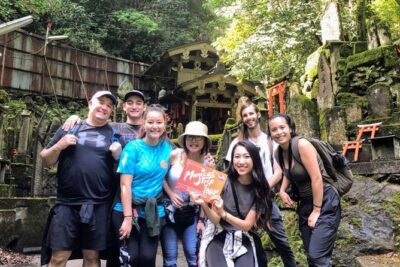
Fushimi Inari, Kinkakuji, Bamboo Grove 1 Day Bus Tour
Read our review →Fushimi Inari Hidden Hiking Tour (Private Option Available)
Read our review →
Kyoto/Osaka: Nara, Fushimi Inari Taisha, Arashiyama Bus Tour
Read our review →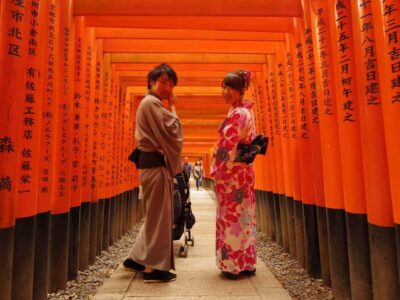
Osaka/Kyoto: Arashiyama, Nara & Fushimi Inari Shrine w/Lunch
Read our review →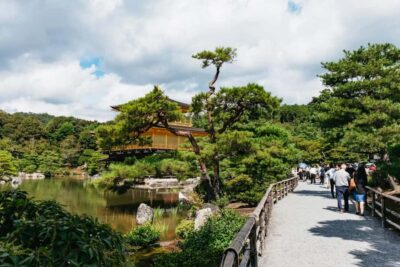
Nijo Castle, Kiyomizu & Fushimi Inari Guided Tour
Read our review →
Nijo, Kinkaku-ji, Arashiyama, Kiyomizu & Fushimi Inari
Read our review →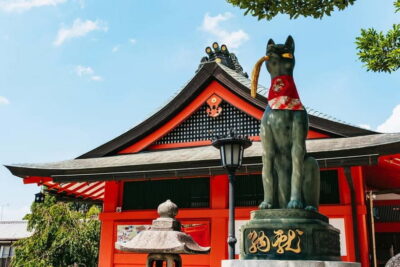
Sagano Romantic Train & Arashiyama, Kiyomizudera, Fushimi Inari Taisha Day Tour
Read our review →Browse the lists this tour appears in