
Reviewed · GEISHA & GION TOURS
Kyoto: Gion Geisha District Walking Tour and Hidden Gems
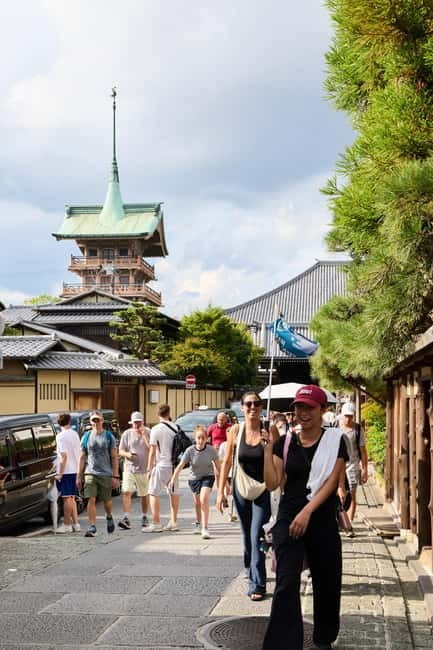
Kyoto gets talked about like it is frozen in time, but this Gion walking tour makes it feel alive. You start in the Higashiyama area, move through classic alley scenery, and finish at the Kiyomizu-dera Niomon Gate area, with a local guide connecting what you see to Kyoto’s past and present.
Two things I really like about this tour are the focus on geisha culture and daily life, and the way your guide turns each stop into story, not just photos. The walk also includes chances to slip off the main flow to find quiet corners, including shrines that most people miss.
One possible drawback: you should expect a lot of steps, and the route is not built for low mobility or a low-fitness day. If you know stairs wipe you out, plan accordingly.
Key highlights worth your time
- Gion at street level, with preserved town atmosphere, not just landmark snapshots
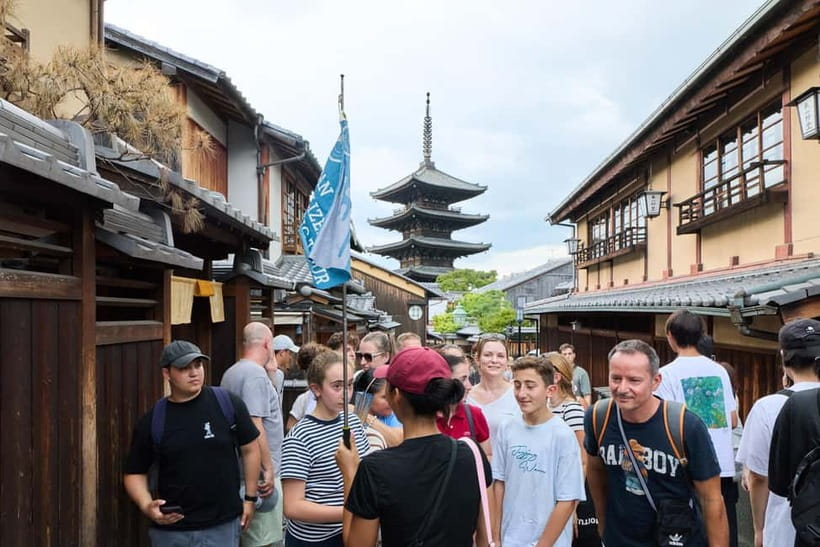
- Geisha and maiko culture explained through traditions and daily life themes
- Hidden shrines and quiet backstreets, where the city sounds softer
- A guided pace with story time, plus practical breaks when needed
- A strong finale near Kiyomizu-dera, different end location than where you start
- English live guide, with lots of room for questions
Gion on foot: why this 3-hour route feels smarter than a random day

Kyoto is one of those places where you can spend hours walking and still feel like you only saw the postcard version. This tour is designed to do the opposite. You follow a line through Gion and the Higashiyama area, with your guide pointing out what matters and why it matters, from geisha-related traditions to Kyoto’s religious traditions and the city’s big shift from imperial capital to modern cultural center.
The value is in the framing. When you have a guide who can connect the stones under your feet to the stories behind them, the streets make more sense fast. And because it is a 3-hour walking format, you get a lot of ground without feeling like you must plan an entire day around logistics.
The icing on the cake is the tone of the guiding style. In past tours, guides like Mr J, J, Jay, and Ben have been described as lively and friendly, with lots of useful anecdotes about Japanese history and how it relates to what you see. It is the kind of storytelling that helps you remember details after you leave the street.
More Walking Tours in Kyoto
- Kyoto Geisha Walking Tour: Gion District & Hidden Gems
★ 4.7 · 3,273 reviews - Kyoto: Gion Magical Night Walking Tour with Geisha Trivia
★ 4.9 · 2,393 reviews - Kyoto: Gion Geisha District Walking Tour – Stories of Geisha
★ 4.7 · 2,187 reviews
Start at Ben’s Cookies Kyoto Shijo, then work your way into classic Gion
The walk begins at Ben’s Cookies Kyoto Shijo, where the guide holds a sign. Arriving early is smart because there is a short guided start segment, around 10 minutes, before you move toward the scenic parts of Gion.
I like starting here for a very practical reason: it gives you a clear meeting point that is easy to spot. Once you are with the group, you are not left trying to figure out where to go next while everyone else already disappears into alleyways.
This early part also sets expectations. You get context for what you are about to see, especially around geisha culture and how Kyoto traditions show up in everyday life. It is a quick start, but it matters because it primes your eyes for what comes next.
If you are the type who enjoys asking questions, this is a good moment to do it. Guides in this experience have a track record of answering questions with depth and patience, so you can get clarity without feeling rushed.
Gion Tatsumi Bridge: your first real “Kyoto looks like Kyoto” moment
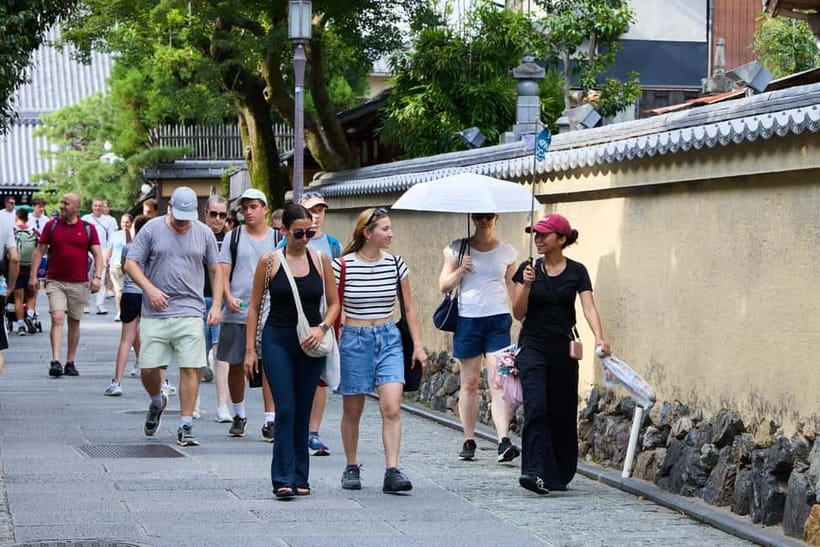
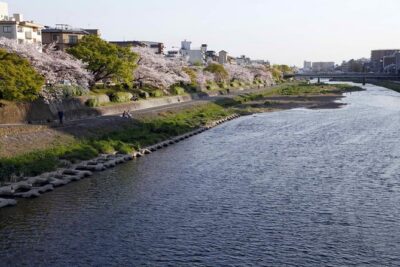
Next is Gion Tatsumi Bridge for about 20 minutes. Bridges might sound like a filler stop, but here it is more like a visual reset. You get a sense of the Gion atmosphere and how the area is arranged, which helps the rest of the walk feel more coherent.
I also like that this stop is early enough that you are not already tired from climbing. You get your bearings while the day is still easy.
From a practical standpoint, expect a steady walking pace and keep your phone ready for quick photos. The guide’s job here is not just pointing out a landmark, it is helping you interpret what you are seeing, including the way Kyoto’s old architecture and street layout connect to the culture in the area.
Chion-in (30 minutes): history and religion you can actually walk through
Then you reach Chion-in for about 30 minutes. This is a bigger cultural stop in the route, and it helps balance the more street-focused parts of Gion.
What makes it worthwhile on a guided walk is the explanation angle. Your guide ties what you see to Kyoto’s religious traditions and the way history still shapes what people do now. In other words, you are not just looking at buildings, you are learning how the tradition shows up in daily life themes.
A consideration here: this portion can be mentally heavy if you are visiting Kyoto for the first time and you are overwhelmed by information. The upside is that guides are known for being patient and considerate, so you can ask follow-up questions without feeling like you are slowing anyone down.
Also, remember that the tour is known for having a lot of stairs. If you pace yourself from stop to stop, Chion-in becomes a strength instead of a grind.
More Geisha Experiences in Kyoto:
- Best of Kyoto: Gion, Geisha, Pagodas & Cobblestones
★ 4.9 · 2,058 reviews - Night Walk in Gion: Kyoto’s Geisha District
★ 4.5 · 2,003 reviews - Kyoto Night Foodie Tour in Gion (9+ dishes + 6 Sake tastings)
★ 5.0 · 1,762 reviews - Kyoto Gion Geisha District Walking Tour – The Stories of Geisha
★ 5.0 · 1,441 reviews
Maruyama Park (20 minutes): a breather with Kyoto atmosphere
After Chion-in, you move to Maruyama Park for around 20 minutes. Parks are an underrated part of walking tours because they give you a little room to breathe and reset your legs.
This time window is useful because it is long enough for a calm look, but short enough that you stay on schedule. I like that kind of balance, especially on a tour that is not just temples, but also the mood of the city.
Maruyama Park also helps you get contrast. You go from larger cultural structures to open space, which makes the next temple-and-street segment easier to enjoy. If your group is small, which can happen, you might get a bit more flexibility in how much you linger here.
Hōkan-ji Temple (10 minutes): short stop, high payoff if you pay attention
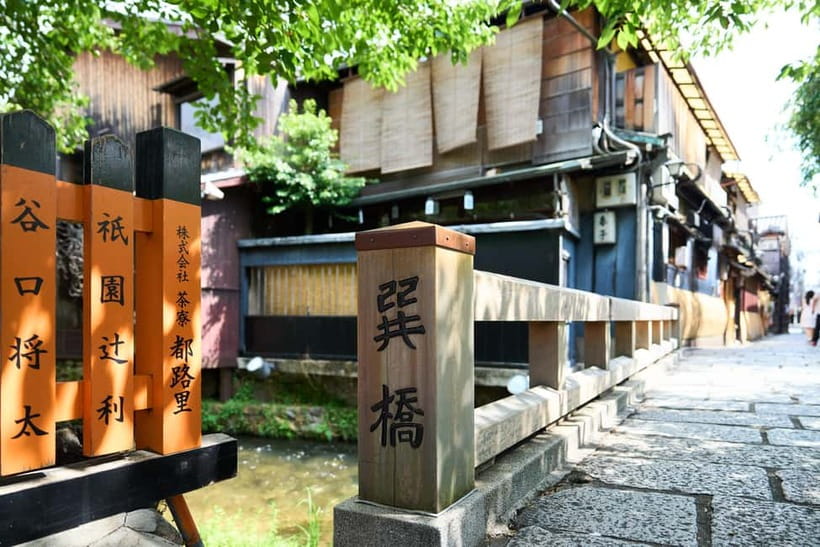
Next is Hōkan-ji Temple for about 10 minutes. That may sound quick, but in a 3-hour walk, compact stops are often the best use of time. You get variety without losing momentum.
This is where I’d suggest slowing down and letting the guide’s explanation land. The tour is about understanding how Kyoto’s past and present connect, and smaller stops like this one can show that idea clearly. A good guide can make you notice details you would normally walk right past.
Because you are moving on after this, it is also a good moment to refill water if you need it. The only “must bring” item stated for the tour is water, and after a few active stops it becomes a smart habit rather than an afterthought.
Ninen Zaka Path and Sannenzaka (5 minutes each): the step-heavy stroll to the finish
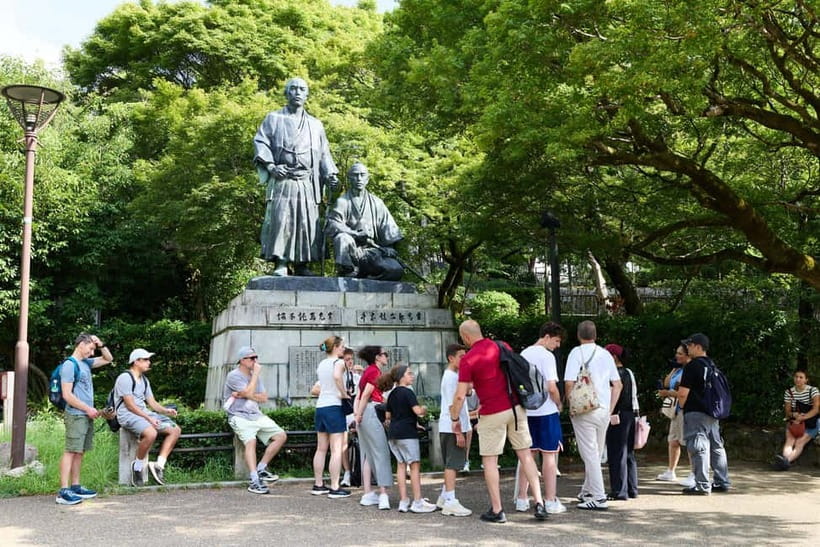
Then come the signature pedestrian streets: Ninen Zaka Path (about 5 minutes) and Sannenzaka (about 5 minutes). These are short segments, but they are important for the look and feel. This is where Kyoto’s preserved street atmosphere and that old-town vibe become obvious.
Here is the reality check: the tour is described as having a lot of steps, and these streets are part of why. You do not need to sprint. A steady pace and good footing matter more than speed.
If you are traveling with a camera, plan on quick stops rather than long photo sessions. The guide’s value is tied to the walk and the sequence, so use the moments you have for the best angles, then move on.
Also, since the route is about culture and hidden corners, you might notice you are more focused on alley details than on big sweeping views. That is exactly the point.
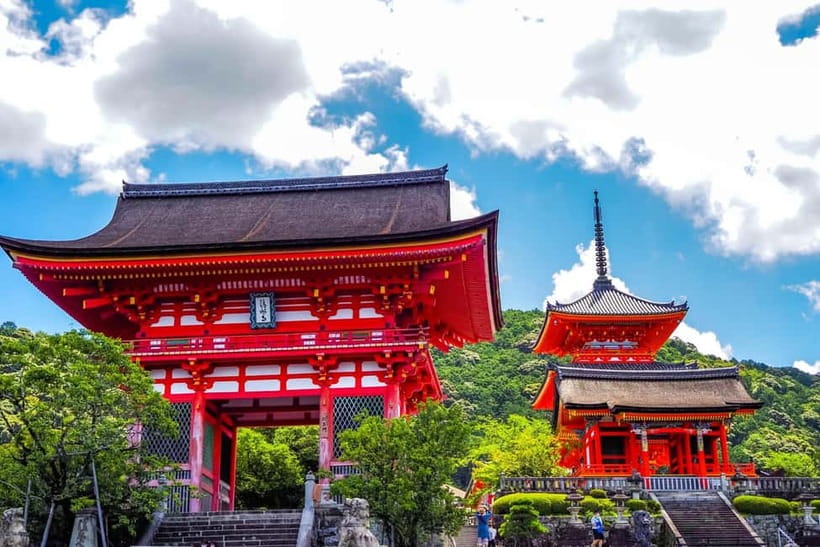
Kiyomizu-dera Niomon Gate: the finale that makes the whole loop feel complete
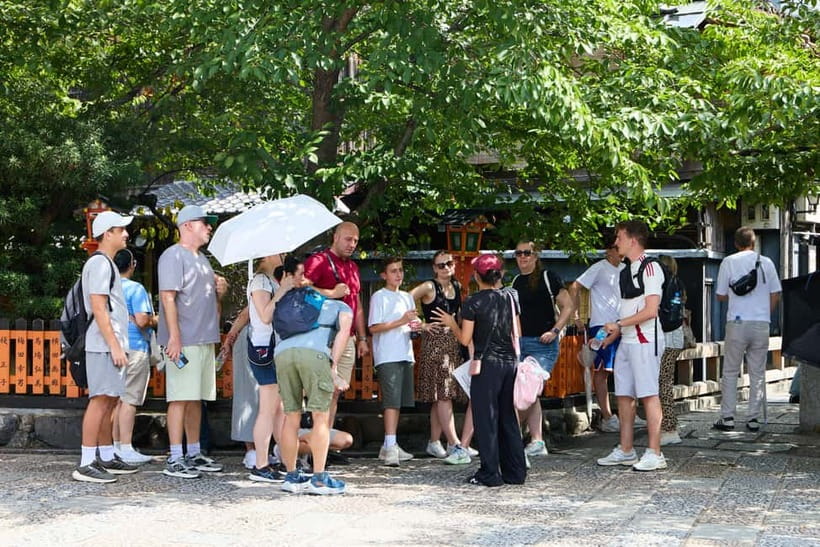
The tour finishes at the Kiyomizu-dera Niomon Gate. The key detail is that this is a finale, not just another stop. Finishing here gives you a strong visual send-off and makes the route feel like a complete story from start to finish.
I like finales like this because they do two things. They reward you right when your legs are starting to complain. They also make it easier to keep sightseeing right after the tour, since you are already in a famous, active area.
In past experiences, people have said the finale is quite special and that the end location being different from the start adds to the feeling that you actually went somewhere, not just in circles.
Hidden shrines and quiet backstreets: the “local perspective” part that matters
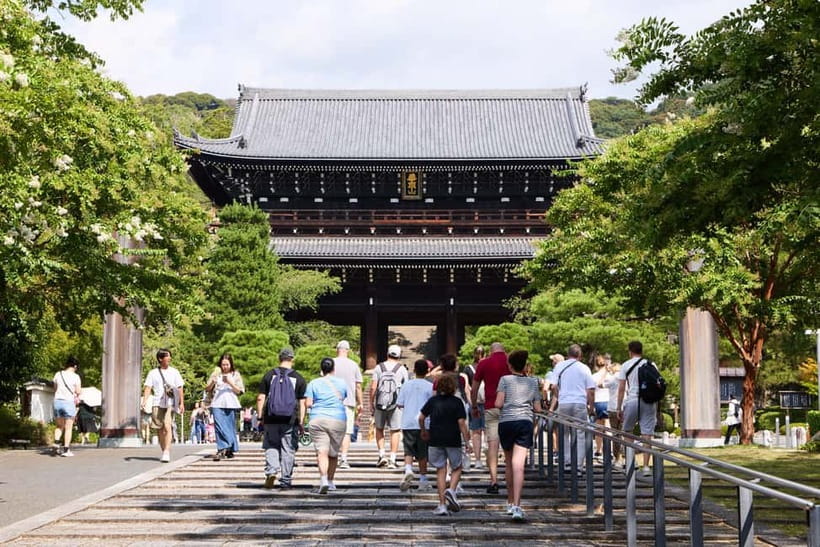
One of the highlights is discovering hidden shrines tucked between buildings and quiet backstreets that most visitors miss. This is where the tour stops being a list of famous places and becomes a real walking experience.
Why this matters for you: if Kyoto is your first taste of Japan’s layered religious culture, backstreets help you understand how life and tradition share space. You are not just staring at a monument, you are watching the city move around it.
The guide’s story structure supports this. Instead of saying look at this, you get themes like how Kyoto’s religious traditions show up in the city, how the geisha world fits into the broader culture, and how Kyoto changed from imperial capital to today’s modern cultural center.
And yes, this also means better photos. Quiet lanes and small shrines are often more photogenic than the busiest viewpoints, simply because you get fewer crowds in your frame and more texture in the scene.
The guide experience: Ben, J, Jay, and why their stories stick
The biggest recurring strength in the feedback is the guide. Guides in this tour have been described as lively and friendly, with a history-based explanation style. One reviewer noted a degree in history, and you can feel that kind of preparation in the way sites get linked to bigger themes.
I also like that the guide does not just drop facts. In past tours, guides have been praised for being kind, patient, and considerate, and for handling questions with ease and depth. That matters if you are curious and want to understand the Why, not just the What.
Another standout: guides sometimes bring in side topics like samurai, the Shinkansen, and tanuki as anecdotes. Those bits are not required, but they help the city feel connected to the whole Japanese story, not locked inside one neighborhood.
Group size can also affect the experience. Some tours have run with small groups, which makes the explanation feel more personal. Even if your group is larger, the structure still keeps you moving and listening.
Price and value: is $25 for 3 hours a smart deal?
At $25 per person for a 3-hour English guided walking tour, the value is in three places: guided context, multiple key sites in one loop, and the “you missed that” element of hidden shrines and backstreets.
This is not a museum-ticket tour and it is not a sit-and-watch performance. It is a walking format, and that is exactly why the price can make sense. You are paying for someone to translate what you are seeing into clear stories, then route you through a sequence that works in real time.
Also, you are getting a full cultural blend in a short window: Gion atmosphere, geisha and maiko culture themes, religious traditions, and Kyoto’s past-to-present transformation. If you only have a day or a half day and you want more than checkmarks, this kind of guided walk can be a good use of your time.
What to bring and how to pace yourself on a step-heavy day
The tour asks you to bring water. That is not optional advice, it is smart planning. Kyoto walking can add up fast, especially with stairs.
Also plan clothing and shoes for a lot of steps. The tour is clearly labeled as not suitable for people with low level of fitness. If you have knee problems, if stairs trigger pain, or if you fatigue quickly, you may be happier choosing a gentler option.
One more note: alcohol and drugs are not allowed. It sounds obvious, but it is worth remembering so you do not accidentally show up with something you later have to put away.
Finally, keep expectations realistic about the pace. It is a 3-hour walk with multiple stops, so even if your group gets rest time, you should still plan for active sightseeing, not leisurely strolling.
Should you book this Kyoto Gion walking tour?
Book it if you want:
- A guided, story-first walk through Gion and the Higashiyama area
- Geisha culture context tied to what you actually see outside
- A route that includes quiet backstreets and hidden shrines
- An ending at Kiyomizu-dera Niomon Gate that feels like a satisfying finale
Skip or reconsider if:
- You are not comfortable with a lot of steps
- You want a tour with minimal walking
- You prefer self-guided wandering where you control every stop without a guide’s structure
If you do book, I’d treat it like a concentrated orientation day. You will likely understand Kyoto better as you continue exploring on your own afterward.
FAQ
How long is the Kyoto Gion Geisha District walking tour?
It lasts about 3 hours.
How much does the tour cost?
The price is $25 per person.
Where do I meet the guide?
The guide will be holding a sign in front of Ben’s Cookies Kyoto Shijo.
What is the tour language?
The tour is conducted in English.
Where does the tour end?
The tour finishes at the Kiyomizu-dera Niomon Gate.
What should I bring?
Bring water.
Is alcohol allowed on the tour?
No, alcohol is not allowed.
Is the tour suitable for people with low fitness?
No, it is not suitable for people with low level of fitness.
Should I expect a lot of walking and stairs?
Yes. The tour includes a lot of steps.
Can I cancel for a refund, and can I pay later?
You can cancel up to 24 hours in advance for a full refund, and you can reserve now and pay later.
Latest write-ups near Kyoto
- Kyoto: Nishiki Market Tour with a Local Foodie & Tastings★ 4.5 · 67 reviews
- Kyoto Kimono Rental mimosa |Kimono/Yukata Rental Couple Plan★ 4.8 · 67 reviews
- Kyoto: Traditional Kimono Fabric Handicrafts Workshop★ 5.0 · 67 reviews
- Kyoto Tea Ceremony and Samurai Photo Session★ 5.0 · 70 reviews
- Kyoto: Replica food making experience★ 4.8 · 70 reviews
- Kyoto: Kinkakuji, Golden Pavilion Guided Tour★ 4.7 · 71 reviews
- Private departure transfer from Kyoto city to Kansai International airport★ 5.0 · 72 reviews
- Uji: Green Tea Tour with Byodoin and Koshoji Temple Visits★ 4.8 · 72 reviews
Geisha & Gion Tours, compared.
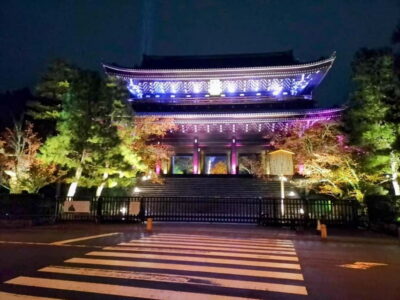
Kyoto Geisha Walking Tour: Gion District & Hidden Gems
Read our review →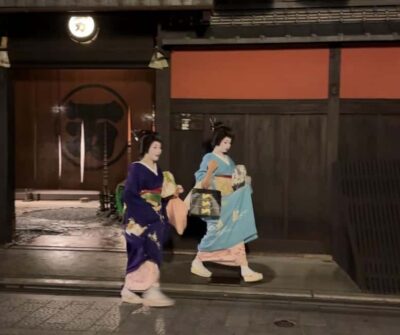
Gion Magical Night Walking Tour with Geisha Trivia
Read our review →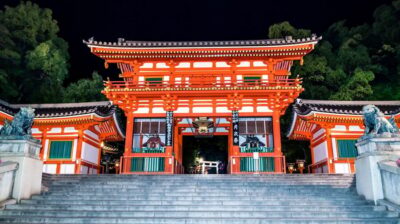
Gion Geisha District Walking Tour – Stories of Geisha
Read our review →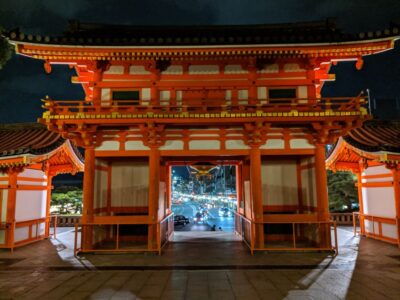
Best of Kyoto: Gion, Geisha, Pagodas & Cobblestones
Read our review →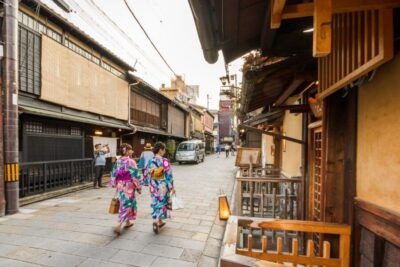
Kyoto Night Foodie Tour in Gion (9+ dishes + 6 Sake tastings)
Read our review →
Kyoto Gion Geisha District Walking Tour – The Stories of Geisha
Read our review →
Kyoto Gion: 2-Hour Geisha Culture & History Walking Tour
Read our review →Browse the lists this tour appears in