
Reviewed · GEISHA & GION TOURS
Kyoto: Gion Walking Tour
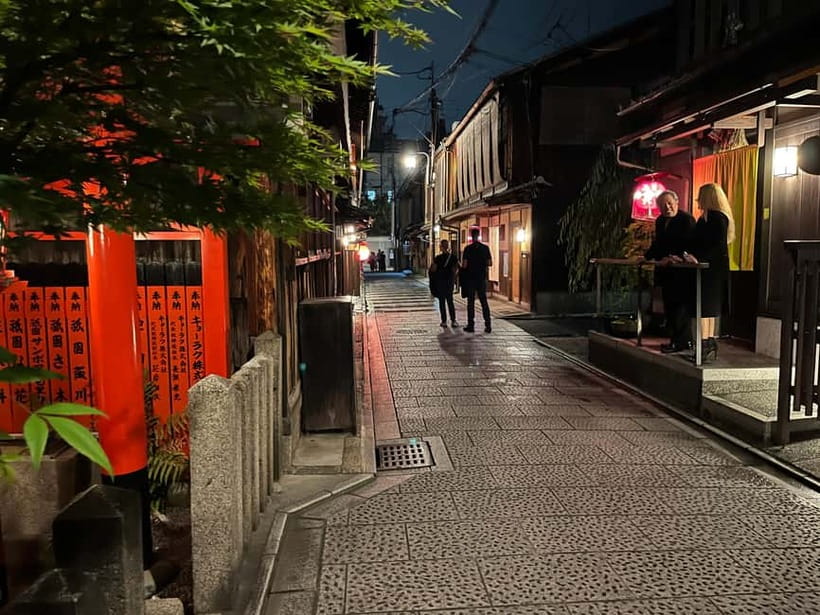
Kyoto’s Gion district is interesting on its own, but this tour is more than a pretty stroll. You get guided context for what you’re looking at, from wooden Machiya houses and alley corners to the places that shaped the neighborhood’s identity.
I especially like how the walk covers three hanamachi areas in just 2 hours. You also get a Q and A style experience with guides such as Jose or Saskia, and their personal stories make Japan feel easier to understand.
One thing to keep your expectations realistic: a maiko or geiko sighting is not guaranteed, and the route does not include Hanamikoji-dori.
Key points worth knowing before you go
- Small group, up to 6 people, so you can actually ask questions instead of shouting over a crowd
- Three hanamachi in 2 hours: Pontocho, Gion-Kobu, and Gion-Higashi
- Yasaka Shrine stop connects the area’s name to its origins in the Gion district
- Details you would miss on your own, like street layout cues, statues, and bridge viewpoints
- Maiko and geiko sightings are possible, not promised, so this is a history-and-streets tour first
Starting at the Disney Store, stepping into old Kyoto
Meeting at the Disney Store in Kyoto Shijo-Kawaramachi sounds funny until you realize how useful it is. It’s clear, easy to find, and it keeps the start simple. The guide will be seated out front, holding an iPad with the GetYourGuide tour image and your time slot.
This matters because Gion can feel like a maze if you arrive with no plan. A guided start means you spend your energy on the walk itself, not hunting down the route.
More Walking Tours in Kyoto
- Kyoto Geisha Walking Tour: Gion District & Hidden Gems
★ 4.7 · 3,273 reviews - Kyoto: Gion Magical Night Walking Tour with Geisha Trivia
★ 4.9 · 2,393 reviews - Kyoto: Gion Geisha District Walking Tour – Stories of Geisha
★ 4.7 · 2,187 reviews
How the 2-hour route stays comfortable and worth the effort
The walk is about 3.3 km (2 miles) and designed for a steady pace. With only up to 6 participants, you’re not constantly waiting while a line forms in narrow lanes.
You will want comfortable shoes first. Then add the practical stuff: water, a small umbrella, sunscreen, and a sun hat. The tour does not provide amenities, so plan like you would for a normal city walk.
If you’re the type who loves to ask, you’ll fit right in. The guides actively invite questions about what you see, plus daily life in Japan based on their own time living there. That conversation style is a big reason this tour earns so many five-out-of-five scores.
Pontocho Alley and Kaburenjo: reading Kyoto’s alley life
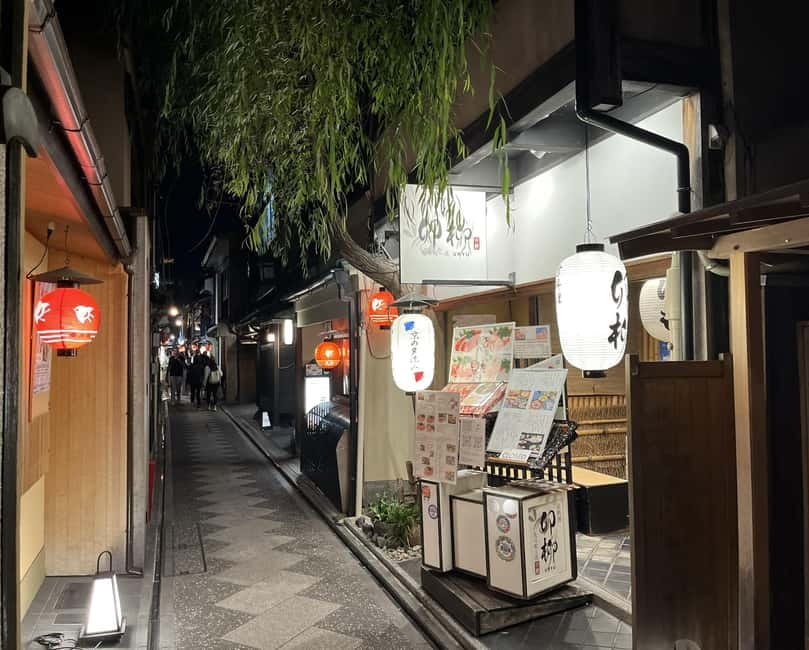
You begin in the Pontocho area, starting with Pontocho Alley. This is where Kyoto’s street scale becomes obvious. The lanes are tight, the buildings are close, and tiny changes in doorways, signage, and sightlines make a difference.
From there, you head toward Pontocho Kaburenjo. Even if you don’t know what everything is at first glance, the guide helps you connect the performance culture around this neighborhood to what’s going on in the streets today. It’s one of those stops where the point is not just the object, it’s the meaning behind it.
If you like photos, bring your camera mindset. Several guides use an iPad to show images and visuals to help you understand what you’re seeing in real time.
Kamogawa River moments, Sanjo Ohashi, and the city’s small markers
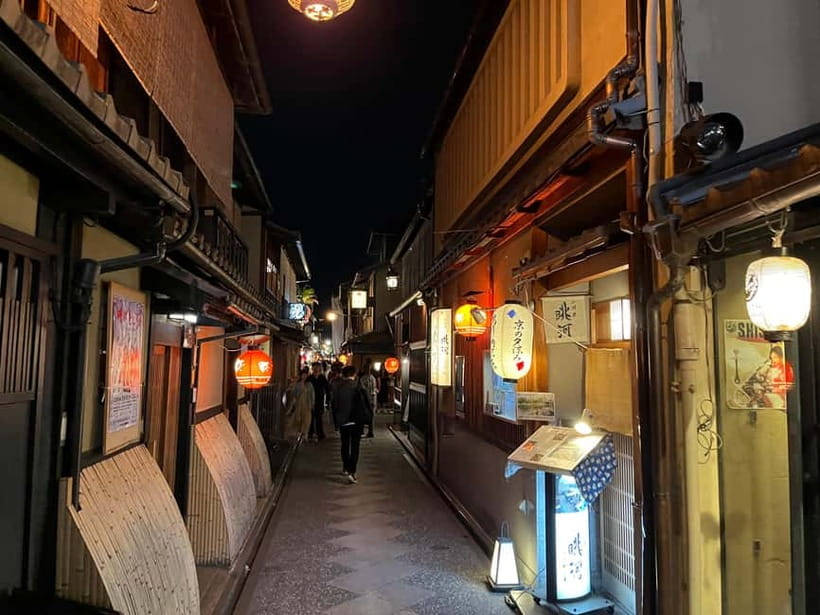
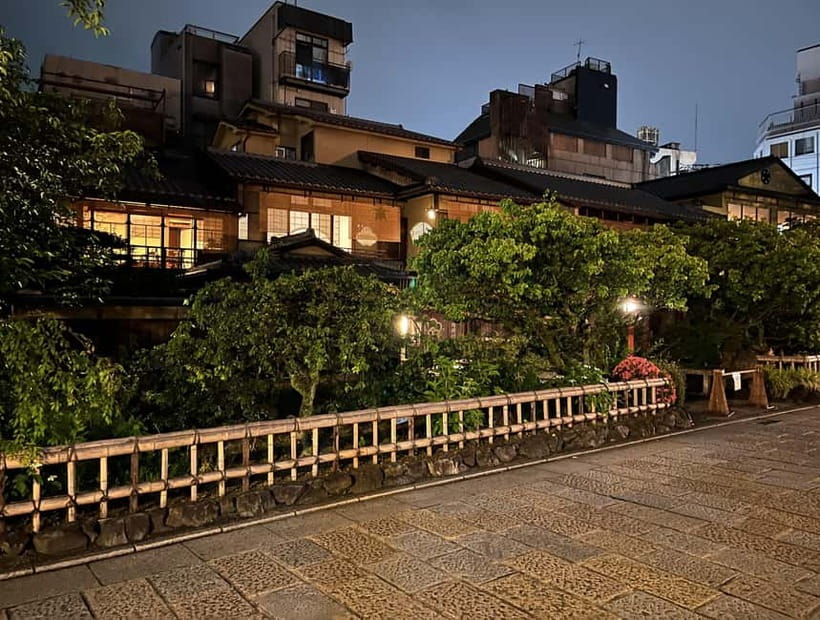
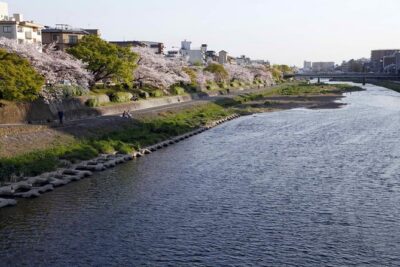
Next comes the Kamogawa River area, followed by Sanjo Ohashi (bridge). Bridges are underrated in Kyoto walking tours because they give you a different framing device. From the bridge you can see how streets and water shape each other, and you start noticing why locals move the way they do between neighborhoods.
You also stop at Yagi-san and Kita-san statues. These may look like “just statues” if you pass quickly, but this is where the tour turns into a street history lesson. The guide helps you understand why these kinds of markers show up where they do, and how people traditionally read their surroundings.
Then you head onto Yamato-dori, which is a useful transition street. It’s not the most poetic part of Kyoto, but it helps you reset your sense of direction and connect the riverfront to the older districts further inside.
More Geisha Experiences in Kyoto:
- Best of Kyoto: Gion, Geisha, Pagodas & Cobblestones
★ 4.9 · 2,058 reviews - Night Walk in Gion: Kyoto’s Geisha District
★ 4.5 · 2,003 reviews - Kyoto Night Foodie Tour in Gion (9+ dishes + 6 Sake tastings)
★ 5.0 · 1,762 reviews - Kyoto Gion Geisha District Walking Tour – The Stories of Geisha
★ 5.0 · 1,441 reviews
Into Gion-Kobu: Shinbashi Dori, Shirakawa, and the rhythm of hanamachi
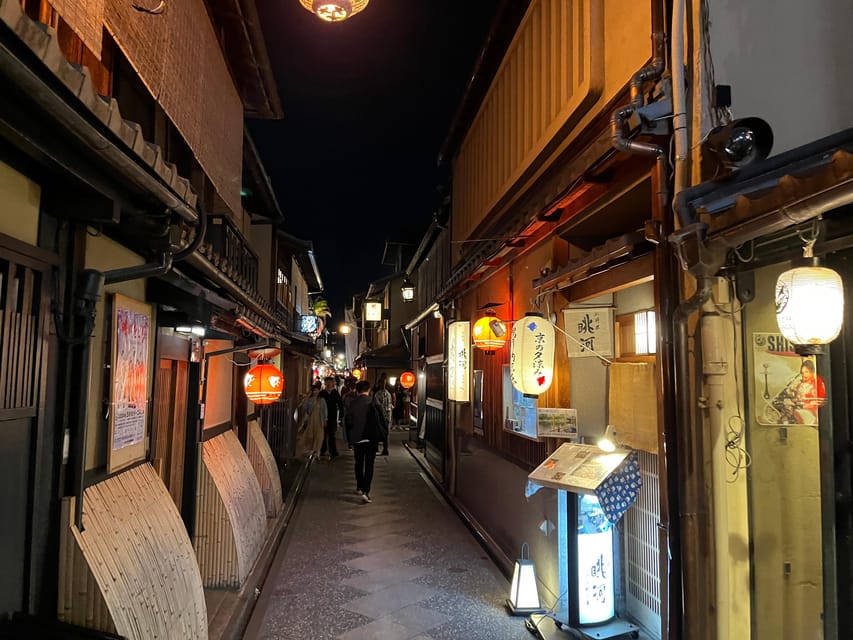
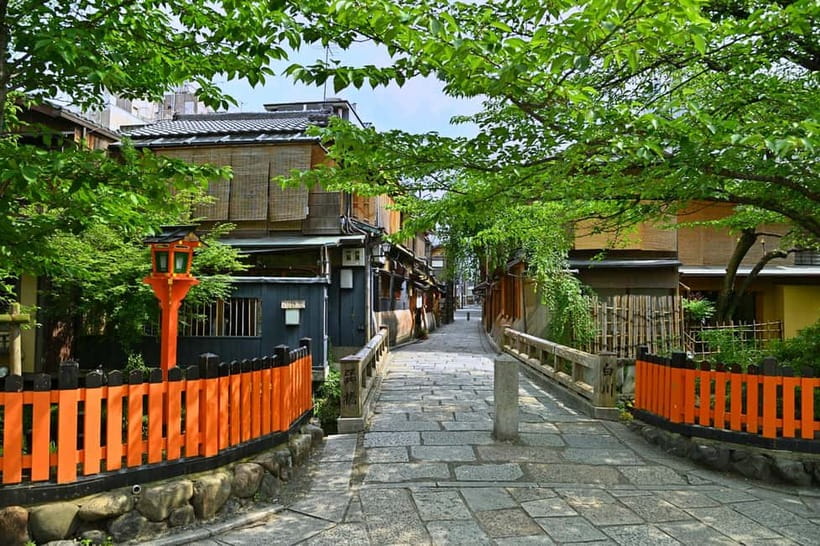
Now the tour shifts from riverfront mood to Gion-Kobu, one of Kyoto’s hanamachi. You go to Gion-Kobu (Gion-Shinbashi Dori) and then further into Gion-Kobu (Gion Shirakawa).
This is where you start to understand that hanamachi is more than a postcard. The guide explains the maiko and geiko lifestyle at street level: practices, routines, and what daily life can look like in a district built around tradition and performance.
You’ll likely notice the Machiya-style architecture more clearly by now. That’s intentional. Early on, you see the building shapes. Later, you understand what those shapes suggest about the neighborhood’s past and present.
One caution for expectations: Hanamikoji-dori is not included. So if that’s your must-see street, keep it in mind and plan an add-on walk before or after your tour.
Tatsumi Jinja and Tatsumi Hashi: the shrine stop that changes the pace
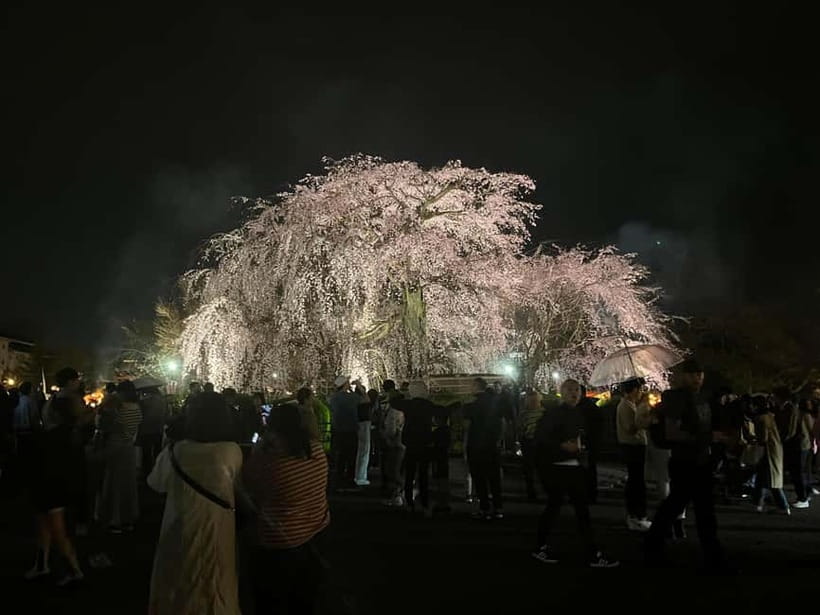
The route continues with Tatsumi Jinja, then Tatsumi Hashi (bridge). Shrines in Gion are not just “a photo spot.” They add a different emotional tone to the walk, quieter and more grounded than the street performance vibe.
At Tatsumi Jinja, the guide helps you connect the religious space to the neighborhood around it. This kind of stop is valuable because it teaches you that Gion culture is not only about arts. It also touches community life, seasonal rhythm, and local identity.
Then you cross Tatsumi Hashi. Bridges again, but with a different feel than Sanjo Ohashi. It’s a small checkpoint in the tour that helps you slow down, look at the water, and reset before you move into the final hanamachi area.
Gion-Higashi to Yasaka Shrine: where the name Gion comes from
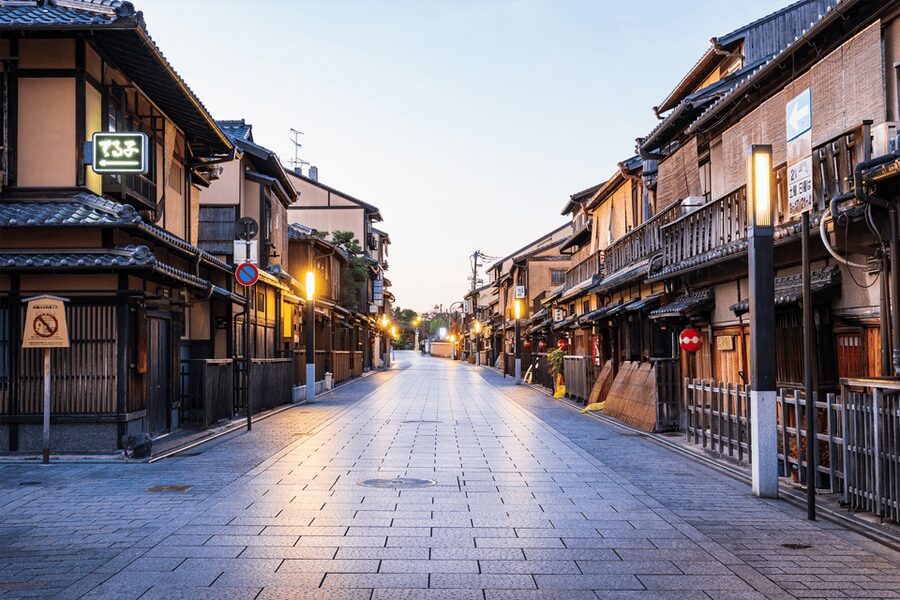
You finish in Gion-Higashi, which gives you one last view into how the district changes as you move through different parts of town.
Finally, you visit Yasaka Shrine, which is the site that was formerly known as Gion Shrine. The guide explains how the district name ties back to this place, which adds weight to the whole walk.
If there’s time, you may also get an explanation of the Gion Festival, one of Japan’s major festivals. The important part here is not memorizing festival trivia. It’s understanding why the festival exists, how the district’s identity is reinforced, and how long those traditions have been shaping local life.
For timing, it’s a night-friendly area in general, so if you’re doing the later departure, you may get a mood shift that feels more magical than daytime crowds.
What you learn about maiko and geiko life, without the tourist fog
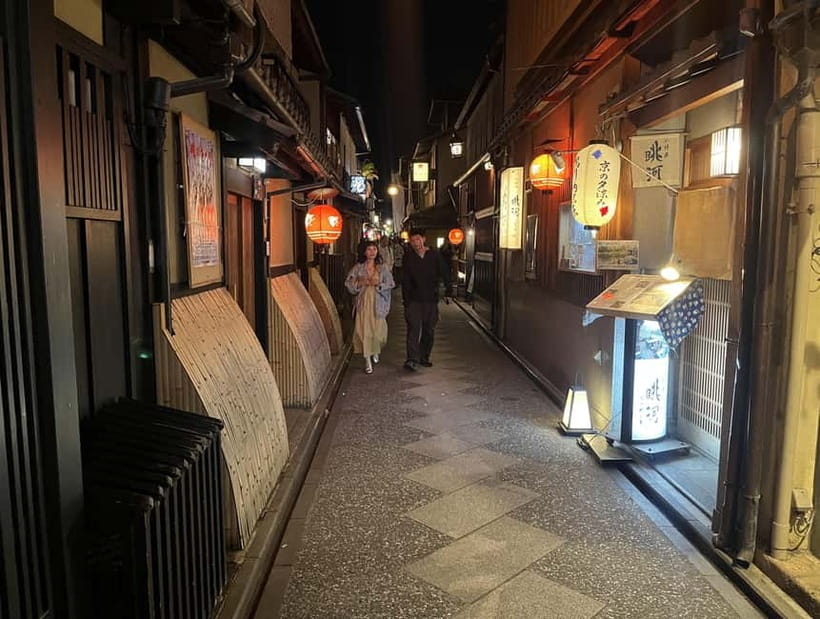
This tour’s promise is not to guarantee sightings. It’s to help you recognize what’s going on when you do spot someone in training or working.
You’ll learn the difference between maiko and geiko, including lifestyle elements and how routines fit into the district. You also get a clearer sense of how the hanamachi system works in practice, not just in theory.
A big theme across the guides’ teaching style is that you can ask anything you’re wondering about. That might be clothing and cultural meaning, or it might be something more everyday like how neighborhoods function and how tradition and modern life coexist.
If you’re traveling with kids or you have a friend who is not obsessed with Japanese culture, don’t worry. The questions you hear on the walk tend to range widely, and the guide’s answers keep the experience moving at a pace that makes sense for mixed interests.
Price and value: why $35 can feel fair for this format
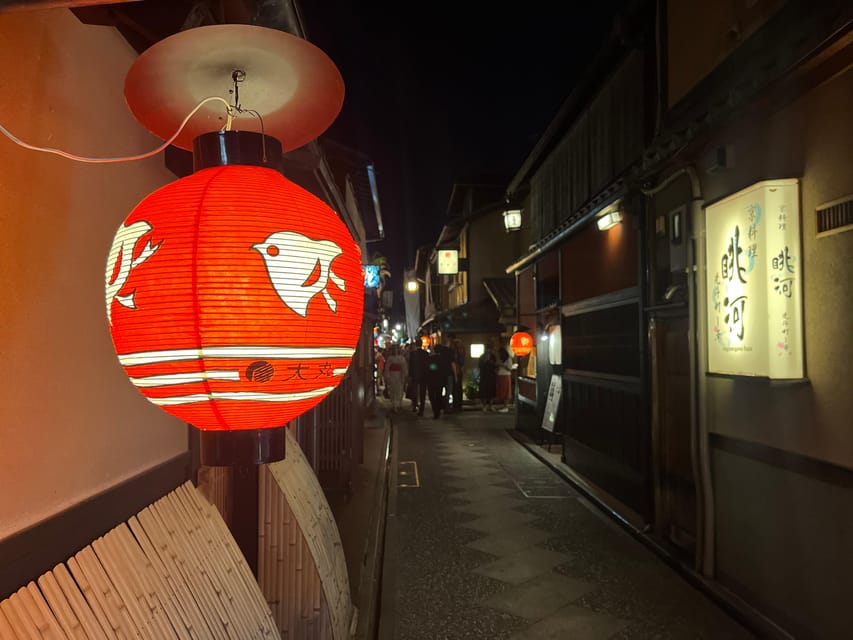
At $35 per person for 2 hours, the value comes from how the tour is structured.
You’re paying for three things:
- Time with a live guide who focuses on what you see, not generic speeches
- Small group limits, up to 6 people, which leads to more back-and-forth and fewer missed questions
- A route that hits multiple key areas (Pontocho, Gion-Kobu, Gion-Higashi) instead of covering only one tiny pocket
Also, the tour emphasizes details and explanations. When the guide uses an iPad to show videos or photos, it saves you from guessing. Instead of looking at something and wondering what it means, you usually know within minutes.
And if you end up with only a couple participants on your departure, the experience can feel close to private, with lots of direct attention.
Seasonal route tweaks and when sakura changes the walk
During cherry blossom season, the route is adjusted to show sakura around Gion. That means you might get slightly different viewing points than on a standard run, while still covering the tour’s core neighborhoods.
If you’re traveling at the tail end of March or the start of April, this is a plus. You’re getting tradition context and a seasonal atmosphere at the same time, which is one of the best ways to enjoy Kyoto without turning the trip into a single long crowd shuffle.
What to bring, what to wear, and how to get the best photos
This is a street walk. You’ll be on your feet the whole time.
Bring:
- Comfortable shoes
- Water (no amenities are provided)
- Umbrella, especially if weather is uncertain
- Sun hat and sunscreen for daytime departures
For photos, wear something easy to move in. You’ll stop frequently, and some stops are tighter than others. In narrow streets, you’ll want to step aside neatly instead of blocking the lane.
Most importantly, go with curiosity. If you’re the type who likes details, you’ll get a lot out of this. You’ll learn how to “read” Gion, even when the street looks like just another alley to someone passing through.
Should you book the Kyoto: Gion Walking Tour?
Book this if you want a guided way to understand Gion, not just a quick sightseeing lap. It’s ideal for first-timers who want context for maiko and geiko life, and it’s also great if you’ve been to Kyoto before and you want to notice what you usually walk past.
Skip it or plan a separate add-on if your top goal is walking a specific street that this route does not include, like Hanamikoji-dori. Also, if your entire trip plan depends on seeing a maiko or geiko, keep your expectations flexible since sightings are not guaranteed.
If you’re ready to ask questions and enjoy a slower, story-driven walk, this is a strong use of your time in Kyoto, especially for a first visit to the Gion area.
FAQ
How long is the Kyoto Gion Walking Tour?
The tour lasts 2 hours.
Where do I meet the guide?
Meet at the Disney Store – Kyoto Shijo-Kawaramachi. Look for the guide sitting down and holding an iPad with the GetYourGuide image for the Kyoto Gion Guided Walking Tour.
What’s the group size and which languages are offered?
The group is limited to 6 participants. Live guides are available in Spanish, Dutch, French, and English.
Which areas of Gion are visited, and what street is not included?
The tour visits 3 of the 5 hanamachi areas: Pontocho, Gion-Kobu, and Gion-Higashi. Hanamikoji-dori is not included.
Can I guarantee seeing a maiko or geiko?
No. A maiko and/or geiko sighting cannot be guaranteed.
What should I bring since no amenities are provided?
Bring comfortable shoes, sun hat, umbrella, sunscreen, and water.
Is there an optional extra stop or seasonal route change?
If you extend your time, the 9:45 and 12:30 tours can include a free visit to the Gion Gallery. During cherry blossom season, the route is slightly altered to showcase sakura around Gion.
Latest write-ups near Kyoto
- Kyoto: Nishiki Market Tour with a Local Foodie & Tastings★ 4.5 · 67 reviews
- Kyoto Kimono Rental mimosa |Kimono/Yukata Rental Couple Plan★ 4.8 · 67 reviews
- Kyoto: Traditional Kimono Fabric Handicrafts Workshop★ 5.0 · 67 reviews
- Kyoto Tea Ceremony and Samurai Photo Session★ 5.0 · 70 reviews
- Kyoto: Replica food making experience★ 4.8 · 70 reviews
- Kyoto: Kinkakuji, Golden Pavilion Guided Tour★ 4.7 · 71 reviews
- Private departure transfer from Kyoto city to Kansai International airport★ 5.0 · 72 reviews
- Uji: Green Tea Tour with Byodoin and Koshoji Temple Visits★ 4.8 · 72 reviews
Geisha & Gion Tours, compared.
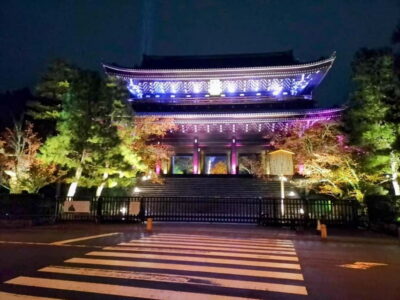
Kyoto Geisha Walking Tour: Gion District & Hidden Gems
Read our review →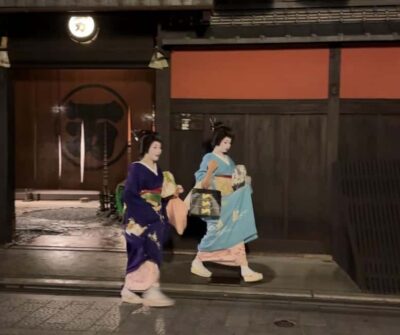
Gion Magical Night Walking Tour with Geisha Trivia
Read our review →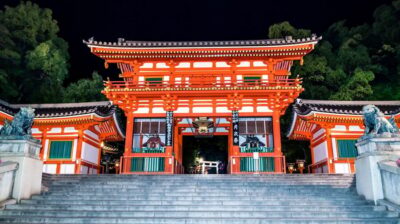
Gion Geisha District Walking Tour – Stories of Geisha
Read our review →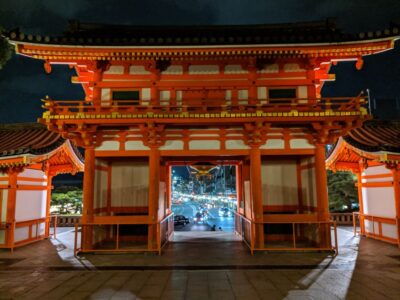
Best of Kyoto: Gion, Geisha, Pagodas & Cobblestones
Read our review →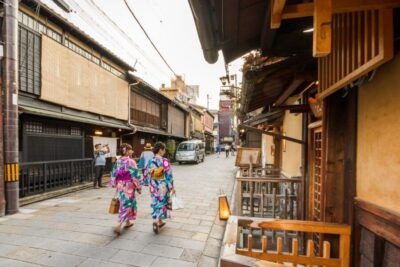
Kyoto Night Foodie Tour in Gion (9+ dishes + 6 Sake tastings)
Read our review →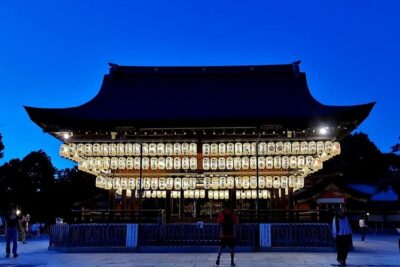
Kyoto Gion Geisha District Walking Tour – The Stories of Geisha
Read our review →
Kyoto Gion: 2-Hour Geisha Culture & History Walking Tour
Read our review →Browse the lists this tour appears in