Kyoto rafting is interesting when it feels both real and doable, and this one nails that combo. You get to trade Kyoto’s usual pace for whitewater on the Hozugawa River, yet the base is only about 25 minutes from Kyoto Station.
I also love the human touch, the guides bring safety and fun together, and many groups highlight guides like Milan and Rosan for clear instructions. One possible drawback: if you’re chasing big, pounding rapids, you may find the thrill depends on water conditions, and the tour won’t run if there are too few participants.
Key things I’d circle before you book
- Easy Kyoto access: Train to JR Umahori Station, then a short walk to KilaKila Rafting.
- About 5 km on the water: A full stretch of paddling and real excitement, not just a quick splash.
- Optional swim break: A scheduled window to cool off for people who want it.
- 3-meter rock jump option: For brave types, it’s timed into the half-day flow.
- All gear provided: Helmets, life jackets, rafting shoes, and safety equipment are included.
- Photo file included: You get a free commemorative photo file after you change.
Why Hozugawa River rafting fits a Kyoto half-day
This activity works because it gives you a change of scenery without stealing your whole trip. You’re in Kyoto, then you’re suddenly paddling with mountains and river greenery all around you, getting sprayed in the face in the best way.
The second reason I like it is that it’s built for first-timers. You don’t need to know river jargon to enjoy yourself. The guide gives you a safety briefing and shows you how to paddle the raft before you start the main run.
The vibe is active but controlled. You’re not stuck watching from shore, and the schedule includes optional extras, so you can go full adrenaline or keep it simpler and just raft.
Also on the shortlist for Kyoto:
- PERFECT KYOTO 1-Day Bus Tour
★ 5.0 · 13,518 reviews - Kyoto: Fushimi Inari, Kinkakuji, Bamboo Grove 1 Day Bus Tour
★ 4.8 · 4,316 reviews - Kyoto: Tea Ceremony in a Traditional Tea House in Kiyomizu
★ 4.9 · 3,519 reviews
Getting to KilaKila Rafting from Kyoto Station (train makes it painless)
Here’s the nice part: you do not need a car for this. You take the train from Kyoto Station and get off at JR Umahori Station. From there, the meeting point is about a 3-minute walk, and the place is easy to find if you search KilaKila Rafting on Google Maps.
If you are driving, it’s about 5 minutes from the Shino IC on the Kyoto Jukan Expressway. There is also free parking available, which matters if you want to come on your own schedule.
Once you meet, you’ll have some downtime that helps you transition. The meeting point building has changing rooms and restrooms, so you can get ready without hunting around in wet clothes.
The 210-minute flow: gear up, walk in, learn the raft, ride
The total time is about 210 minutes, which is long enough to feel like a real outing but short enough to still enjoy Kyoto afterward.
Your day starts at one of two times:
- Morning course: meet at 9:00, rafting begins at 9:45
- Afternoon course: meet at 14:00, rafting begins at 14:45
First you arrive at KilaKila Rafting. You’ll store valuables and luggage at their facility, then change into your rafting clothes in the changing rooms. This is important because you’ll be wet later, and you do not want to be scrambling after.
Then your guide escorts you to the starting point. The starting point is about a 10-minute walk from the meeting point. That walk is also a good mental warm-up. You’ll be able to shake out nerves and confirm your towel is in reach.
Once you’re on the boat, the guide handles the crucial part: safety briefing and paddle instructions. This is where you’ll set yourself up for fun, because when you understand what the raft is doing, the rapids feel more exciting and less scary.
Rafting the Hozugawa: about 5 km of paddling and splashing
The main event is the whitewater run on the Hozugawa River, on a roughly 5 km course. Plan on about 1.5 hours on the water.
This is the moment you’ll feel the thrill. Water splashes over your head and you’ll get that “we’re really doing it” feeling fast. You paddle with the group, and the guide steers so you can focus on your role and enjoy the scenery.
What’s especially valuable here is the balance between action and nature time. You get stretches where you can look up and around, not only down at the raft. The guides also tend to make it more than physical work. Many groups mention learning about nature and spotting animals during the ride, which turns rafting into a mini field trip.
One reality check: the overall intensity can vary. Some people specifically note the rapids felt more mild on lower water. If your dream is maximum adrenaline, consider that your “wow” might come more from the fun group energy, splashes, and cliff jump option than from constant big drops.
A change of pace from Kyoto:
- Kyoto Geisha Walking Tour: Gion District & Hidden Gems
★ 4.7 · 3,273 reviews - Kyoto: Tea Ceremony Ju-An at Jotokuji Temple
★ 4.9 · 3,207 reviews - Kyoto: Gion Magical Night Walking Tour with Geisha Trivia
★ 4.9 · 2,393 reviews - Kyoto: 45-Minute Tea Ceremony Lesson Experience
★ 4.3 · 2,378 reviews
The 10:30 and 15:30 swim break: optional, scheduled, and kept simple
Half the fun is that you can keep your rafting plan flexible. If you want a break from the spray, there is a scheduled swimming window.
In the morning course, swimming happens around 10:30. In the afternoon, it’s around 15:30. The current is described as gentle, and this swim portion is offered to those who want to participate.
This is one of those details that changes the whole experience. A quick swim makes the trip feel longer and more personal, like you’re part of the river instead of just touring it by raft. If you’re traveling with kids, it also gives them a chance to reset and burn a bit more energy.
The key is to treat it as an option, not an obligation. If you prefer staying on the raft the whole time, you still get plenty of river time.
The 11:00 and 16:00 cliff jump: 3 meters for the brave (and the curious)
Right after the swim window, the schedule includes a 3-meter cliff jump experience. It’s around 11:00 in the morning and 16:00 in the afternoon.
This is not something you’re forced to do. It’s an option, and that’s exactly why it works for mixed groups. Some people want to jump, others want photos and a front-row seat.
If you do choose it, you’ll want to follow the guide’s instructions exactly. This is where the safety-first approach matters most. People mention guides creating a fun atmosphere while staying safety conscious, and that’s what you want for an action add-on.
Even if you do not jump, the build-up around it tends to make the group energy spike. It’s a moment that turns a good rafting day into a story you’ll tell later.
Arriving back and the small but smart details (photos and train timing)
You’ll arrive at the finish point around:
- 11:45 for the morning course
- 16:45 for the afternoon course
There is a train station near the finish area. You’ll take the train back to the meeting point, then change again at KilaKila Rafting. This last step matters because you likely arrive wetter than you expect, and having changing rooms set up makes the return smooth.
Around 12:00 in the morning course and 17:00 in the afternoon course, your guide will show photos taken during the day. You receive a free photo file, which is a nice touch because rafting is one of those activities where you usually end up with blurry phone shots or no shots at all.
By 12:30 in the morning and 17:30 in the afternoon, the activity ends.
Price and value: what $61 buys you in a place this easy to reach
At about $61 per person, you’re paying for more than the raft. You’re paying for the whole system: guide time, safety setup, and the staff that keep your day running on schedule.
Your participation fee includes:
- Guide
- Tax and insurance
- Safety equipment
- Rafting shoes
- Helmets and life jackets
- Commemorative photo file
You also do not have to worry about finding proper footwear. Water activities in Japan often turn into a shopping detour, but here the rafting shoes are part of the deal. That one detail alone can make the price feel fair.
There’s also the convenience factor. Easy train access means you spend less time coordinating transport and more time actually doing the activity. For a Kyoto visit where time is expensive, that matters.
In other words, the value is in the planning plus the gear plus the guide. You’re buying safety, instruction, and a fun half-day that does not require prep beyond bringing a change of clothes.
What to wear and bring so you do not hate your day later
This is a wet activity. Bring clothes you don’t mind getting wet and a towel.
You should bring:
- A change of clothes
- A towel
What not to wear matters too. Jeans are not allowed, and you should avoid high-heeled shoes. Sandals or flip-flops are also a no. Jewelry is listed as not allowed, so leave your rings and necklaces at home.
You’ll be provided rafting shoes, helmets, and life jackets. So you do not need to pack bulky gear. The simplest setup is quick-dry clothes for underneath, then your change outfit for after.
One more practical hint: pack like you’re going to get soaked. A towel can turn an uncomfortable ride home into a tolerable one.
How well guides handle English, fun, and safety
If language is a worry, it shouldn’t be. The instructor languages listed are Japanese, English, and Nepali.
This shows up in how the trip feels. Many people highlight guides who were friendly, had good English, and stayed clear and safety conscious. Guides like Milan and Rosan show up in reviews again and again, often praised for being energetic while still giving solid instructions.
One detail I really like from the way the day is structured: it’s not only paddling. There are games and water-fight style fun moments mentioned in feedback. That matters because rafting can turn tiring if it’s all work and no variety.
So yes, you get a serious safety briefing. But you also get a lively guide who keeps the whole raft engaged.
Who should book this, and who should skip it
This is best for people who want an active day outdoors without turning it into a complicated logistics puzzle.
Great fits:
- Families with kids old enough to meet the rules, with participants needing to be 8 years or older
- First-time rafters who want instruction and structure
- People who want a half-day break from city walking, especially in warm weather when a swim feels refreshing
Less ideal fits:
- People who want only intense rapids, because some sessions may feel milder depending on water levels
- Anyone outside the limits, including people over 104 kg
- People who are pregnant, have epilepsy, have diabetes, have a cold, or have had recent surgeries, plus several other medical or mobility restrictions listed by the operator
If you are unsure, think honestly about your comfort with water, height (for the optional jump), and following safety instructions. This kind of activity is easiest when you treat it like teamwork.
Should you book Kyoto Hozugawa River Whitewater Rafting?
Book it if you want an easy-access Kyoto activity that actually feels like an adventure. The combination of guided paddling, optional swim, and optional 3-meter rock jump, plus included gear and a free photo file, is hard to beat for a half-day plan.
Skip it or consider an alternative if you are chasing nonstop extreme rapids, or if you fall into one of the listed medical, age, or mobility categories. Also keep in mind that the tour will not be held if there are no more than 2 participants.
If you do book, pack for getting wet, bring your towel, and trust the guide. Once you’re on the water, it’s the kind of day that makes you forget city schedules fast.
FAQ
How do I get to the meeting point from Kyoto Station?
You take the train from Kyoto Station and get off at JR Umahori Station, then walk about 3 minutes to the meeting point for KilaKila Rafting.
What time does the morning and afternoon tour run?
Morning course meeting is at 9:00 AM, and rafting begins at 9:45 AM. Afternoon course meeting is at 2:00 PM, and rafting begins at 2:45 PM. Activities conclude at 12:30 PM (morning) and 5:30 PM (afternoon).
How long will I be out total?
The total duration is 210 minutes.
What should I bring, and what should I wear?
Bring a change of clothes and a towel. Wear clothes you do not mind getting wet. Jeans are not allowed, and sandals or flip flops are not allowed.
Is rafting equipment included?
Yes. Your fee includes safety equipment, rafting shoes, helmets, and life jackets, plus an included commemorative photo file.
Can I swim or jump from the rock during the tour?
You can swim during a scheduled window (about 15 minutes). You can also jump off a cliff about 3 meters high during a scheduled cliff-jumping experience. Participation is optional.
Are there age and weight limits?
Yes. Participants must be 8 years or older. People weighing over 104 kg will not be allowed.
Do the instructors speak English?
Yes. Instructors speak Japanese, English, and Nepali.
Will the tour always run, and what about cancellation?
The tour will not be held if there are no more than 2 participants. You can cancel up to 24 hours in advance for a full refund.
Latest write-ups near Kyoto
- Kyoto Private Tour Full Day with Local Guide&Nara Option(PerGroup★ 5.0 · 20 reviews
- Sacred Pathways: Discover the Philosopher’s Path of Kyoto★ 4.9 · 20 reviews
- Hammer Pattering Experience of Ring★ 5.0 · 20 reviews
- Kyoto UNESCO World Heritage Site Private Tour with a Premium Van★ 5.0 · 20 reviews
- KYOTO: Private Tea Ceremony in Hidden Townhouse (Kid-Friendly)★ 5.0 · 20 reviews
- Sushi or Traditional Japanese Cuisine in a Kyoto Home with Emika★ 5.0 · 20 reviews
- Kyoto Customized Private Tour: See Top Attractions in 1 Day★ 4.7 · 20 reviews
- The Kyoto VIP Experience!★ 5.0 · 20 reviews
Kyoto Tours, compared.
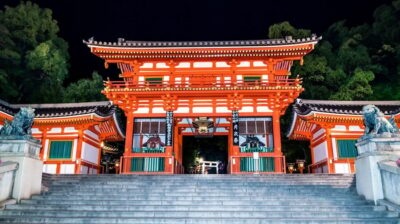
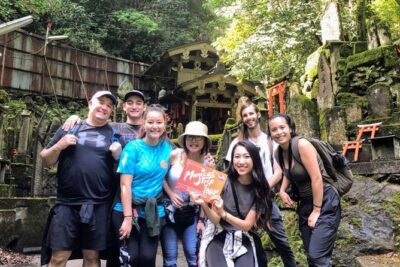
Fushimi Inari, Kinkakuji, Bamboo Grove 1 Day Bus Tour
Read our review →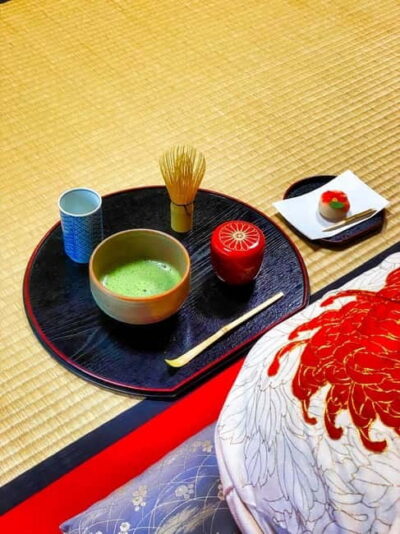
Tea Ceremony in a Traditional Tea House in Kiyomizu
Read our review →
Kyoto Geisha Walking Tour: Gion District & Hidden Gems
Read our review →
Gion Magical Night Walking Tour with Geisha Trivia
Read our review →