
Reviewed · FUSHIMI INARI TOURS
Kyoto: Kiyomizu-dera, Fushimi Inari & Gion Geisha District
Kyoto can feel like a museum you walk through, but this route works because it gives you specific places to focus on, instead of just chasing landmarks. You start with the legwork and symbolism of Fushimi Inari and end in Gion, where the culture has a human face in the form of geisha and maiko.
Two things I really like about this tour are the way Roberto, a Kyoto City Certified Tourist Guide, explains what you’re actually seeing, using images on an iPad, and the photo-friendly approach where you can ask for as many pictures as you want while you’re walking. The other big win is that Kiyomizudera is treated as more than a photo spot, with a clear explanation of the temple’s power spots connected to love, longevity, and academic success.
One possible drawback to think about up front: this is a walking-focused, public-transit route, and it is not a good match if you have mobility limits, back problems, or low fitness.
Key things to know before you go
- Roberto’s guide style uses an iPad with images so the stories make sense on the spot
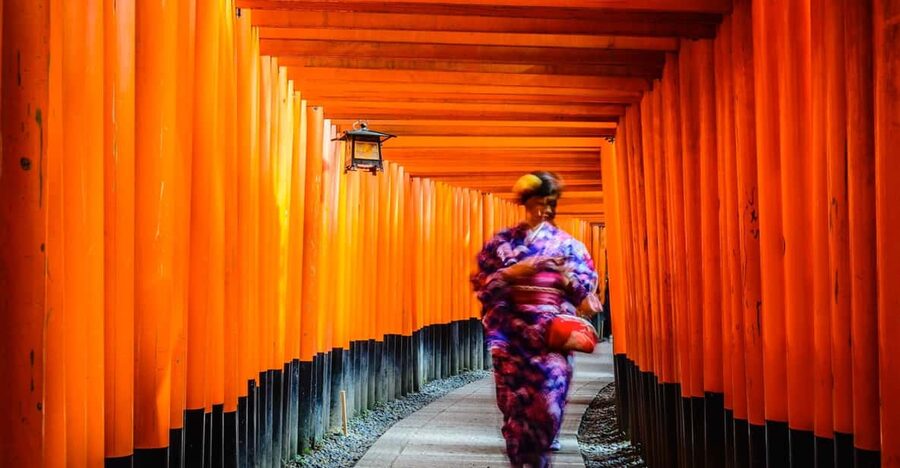
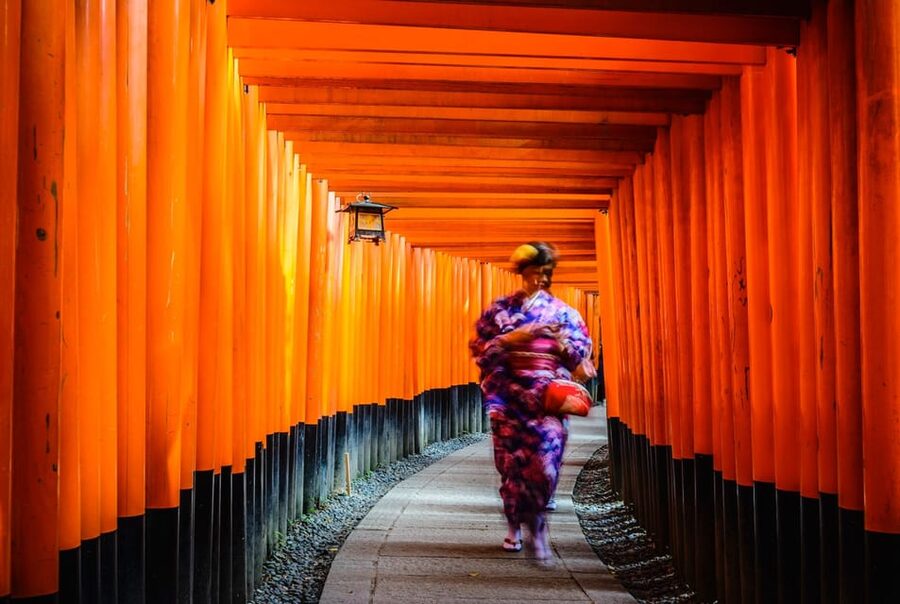
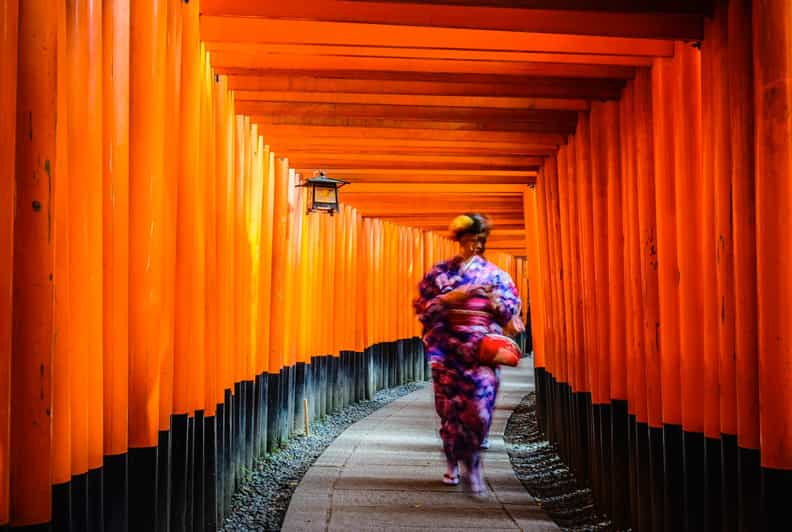
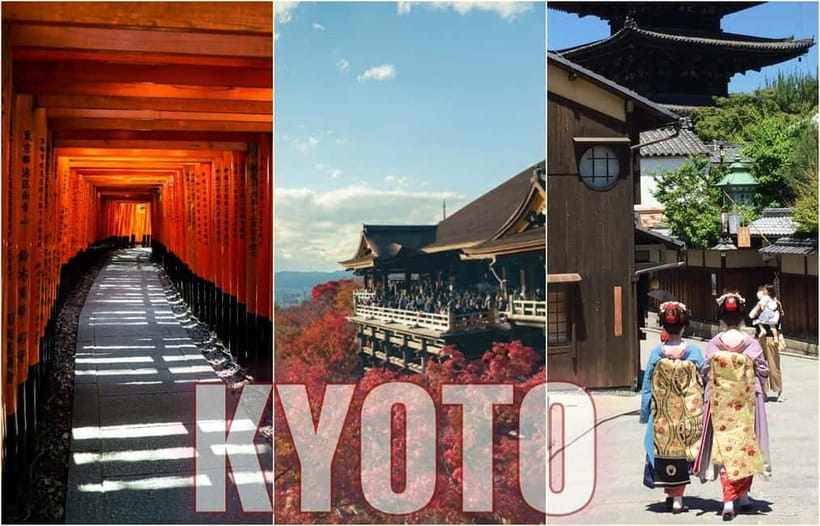
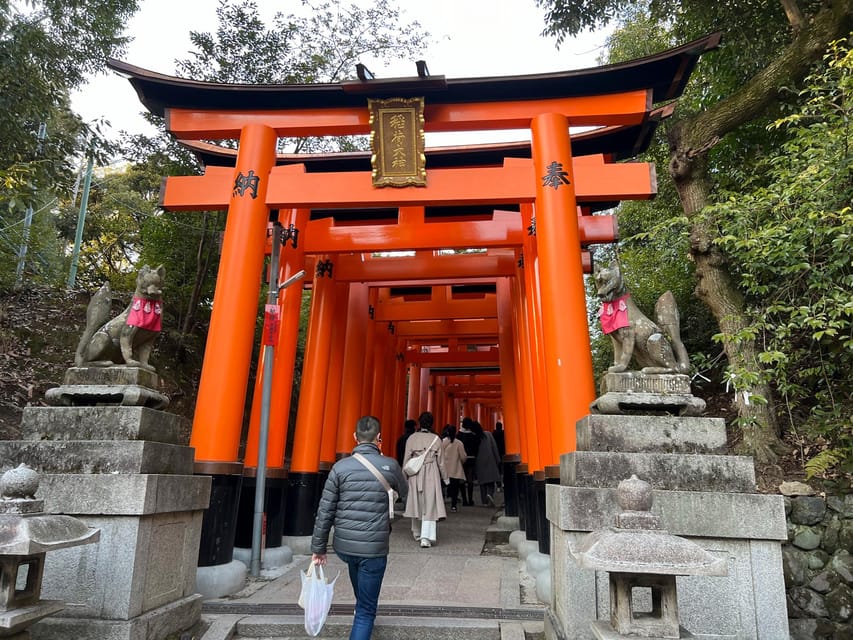
- Fushimi Inari on foot follows the trail through the 1,000 vermilion torii gates
- Kiyomizudera power spots connect temple sites to themes like love, longevity, and academic success
- Old-capital street walking along Ninen-zaka and Sannen-zaka, with traditional merchant-house atmosphere
- Gion culture basics focused on facts about geisha and maiko, plus practical tips for respectful viewing
- Photo help included you can request as many pictures as you want during the tour
Why this Kyoto route feels more useful than a checklist
This is the kind of Kyoto tour that makes sense in real time. You’re not just moving from one big name sight to another, you’re learning how each place connects to beliefs, manners, and everyday rhythm in Kyoto.
The Fushimi Inari section gives you the physical experience first, walking up through the torii path, then you get the cultural frame for what you’re walking through and why it matters. The Kiyomizudera stop follows with a different angle, more reflective. Instead of only talking about architecture or scenery, you focus on the idea of power spots and what visitors traditionally hope for there.
And because the tour is private, you can take the pace you need. That matters on a route that mixes trains, short walks, and a longer stretch of walking through key areas. For many people, this is where the value shows: guidance that turns Kyoto from a blur into clear choices.
More Fushimi Inari visits:
- Kyoto: Fushimi Inari, Kinkakuji, Bamboo Grove 1 Day Bus Tour
★ 4.8 · 4,316 reviews - Fushimi Inari Hidden Hiking Tour (Private Option Available)
★ 5.0 · 1,750 reviews - Kyoto/Osaka: Nara, Fushimi Inari Taisha, Arashiyama Bus Tour
★ 4.7 · 1,275 reviews
Getting started at JR Kyoto Station with Roberto (meeting point, pace, tools)
Your day begins at a very easy-to-find spot: in front of the door of 7-Eleven Heart-In, JR Kyoto Station Building 1F, using the Kyoto Tower side Exit. Roberto will be holding an iPad and a red card with the words RBRT.
From there, you’ll rely on public transportation. The overall structure is simple: a train hop to Fushimi Inari, then another train segment onward to Kiyomizudera, then short walking links through the old streets and into Gion. The total time on the ground is built for a 4-hour experience, which is a nice sweet spot if you want Kyoto depth but you do not want to spend the whole day in transit.
Roberto’s setup is also practical. The tour includes explanations with images on the iPad, which can save time when you’re trying to understand details while you’re standing right at the exact spot. It also helps if you’re switching between belief systems and place names and you want the meaning to stay attached to what you’re seeing.
Fushimi Inari Taisha and the torii path: what to look for
Fushimi Inari Taisha is one of those Kyoto places that is famous for a reason. What you get here is not just a temple visit, you get a guided walk through a system of meaning made visible in color, repetition, and route.
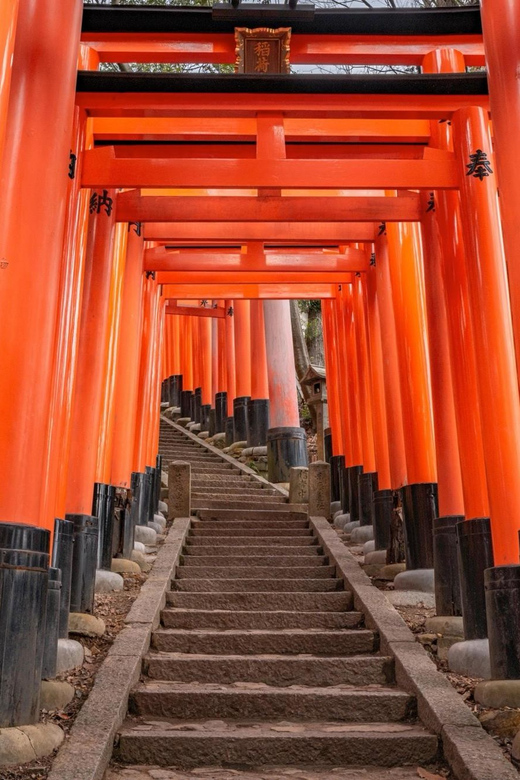
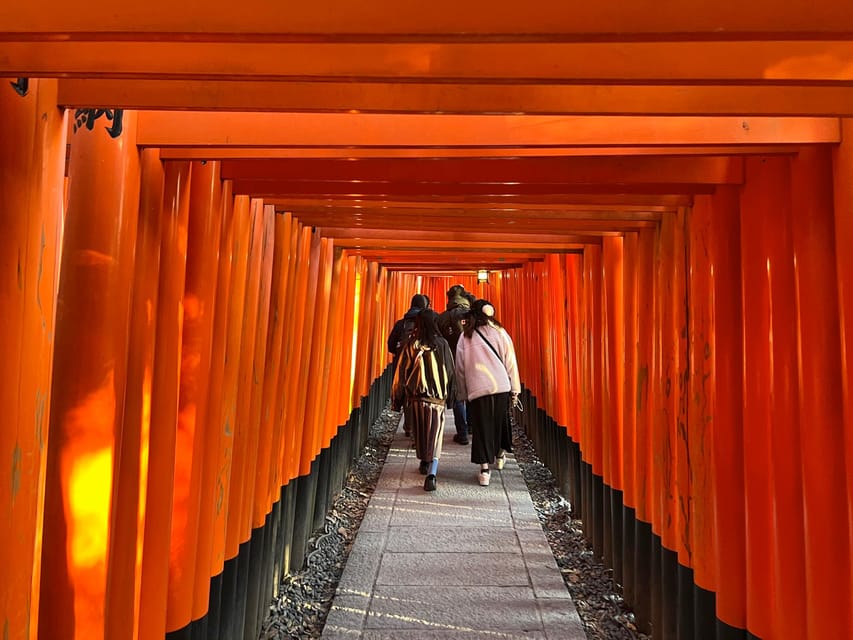
The headliner is the famous trail of 1,000 vermilion torii gates. Walking this route gives you a sense of progression. The path is long enough that you’ll naturally slow down, notice small changes as you move, and feel the difference between the main areas and the side spaces along the way.
Roberto’s guidance focuses on the basics you need before you go deeper: the ancient origins of the shrine and its role in Shinto. That context matters because torii gates can look like decoration if you have no framework, but once you understand what they represent in Shinto, the experience becomes more grounded.
A practical note: this section is walking. The tour’s not a sit-down style experience, and the torii path itself is the point. Wear shoes you trust. And if you know you get tired quickly on slopes or long steps, consider whether a walking-focused 4-hour tour fits your comfort level.
Kiyomizudera: power spots for love, longevity, and academics
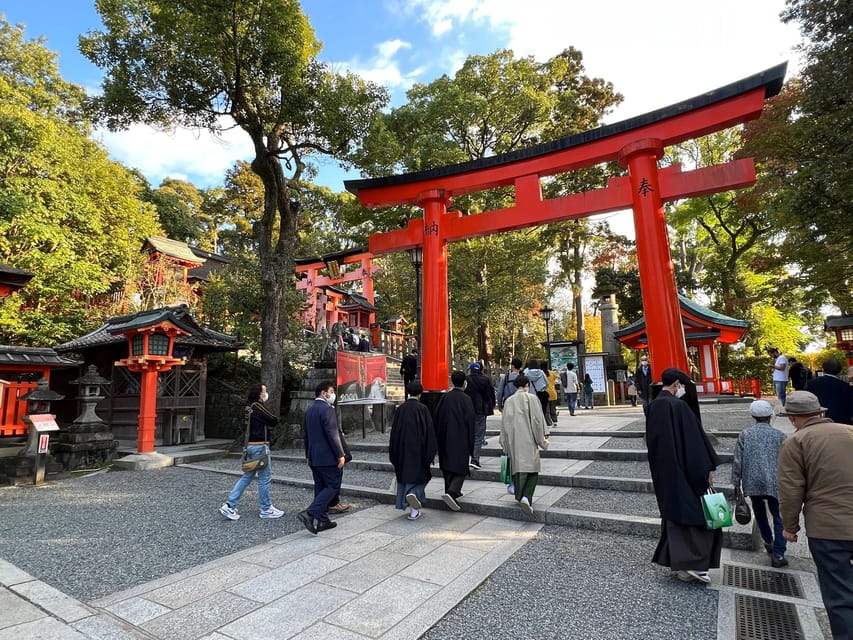
After Fushimi Inari, the tone shifts to Kiyomizudera, one of Kyoto’s most iconic temple sites. What makes this stop especially guided, and why I think it’s worth paying for a tour rather than just going alone, is the explanation of the temple’s power spots.
You’re not just told where to stand and what to photograph. Roberto explains that these are areas associated with deities and wishes tied to themes like love, longevity, and academic success. That’s helpful because people often visit Kiyomizudera with one vague idea of good luck, and then they leave without realizing there are specific hopes tied to different parts of the experience.
This is the kind of detail that makes your visit feel intentional. You choose what you want from the visit, and the guide helps you understand how people traditionally connect those wishes to the temple spaces.
There’s also a real-world cost detail you should plan for. The entrance fee to Kiyomizudera is 500 yen (about US$3.10) and is not included in the tour price. Bring cash so you don’t end up scrambling at the gate.
More Geisha Experiences in Kyoto:
- Kyoto Geisha Walking Tour: Gion District & Hidden Gems
★ 4.7 · 3,273 reviews - Kyoto: Gion Magical Night Walking Tour with Geisha Trivia
★ 4.9 · 2,393 reviews - Kyoto: Gion Geisha District Walking Tour – Stories of Geisha
★ 4.7 · 2,187 reviews - Best of Kyoto: Gion, Geisha, Pagodas & Cobblestones
★ 4.9 · 2,058 reviews
The old streets: Ninen-zaka and Sannen-zaka for “how Kyoto used to feel”
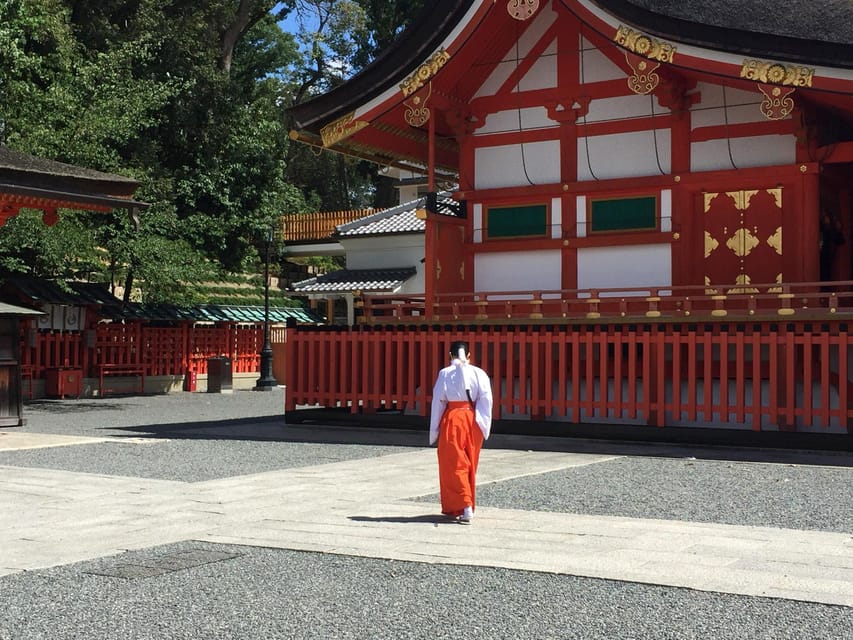
Once you’ve handled the major temple and shrine experiences, the tour guides you into a more atmospheric Kyoto mood with Ninen-zaka and Sannen-zaka. These streets work as more than a pretty walk. They let you see Kyoto as an old capital, not just a set of landmark stops.
What to look for here is the traditional street feel: wooden buildings and merchant-shop fronts that give you that sense of time depth. These short walking segments are only about 10 minutes between areas, and then another on-foot link that continues toward Gion, so it doesn’t overrun your schedule. It’s a balanced break after shrine and temple walking.
If you love street-level travel, this part is a payoff. You get a change of pace and a different kind of education. Instead of talking about spiritual meaning or shrine origins, you’re reading the physical city, learning how daily life architecture shaped what Kyoto still looks like today.
Gion and the geisha district walk: facts, etiquette, and what to notice
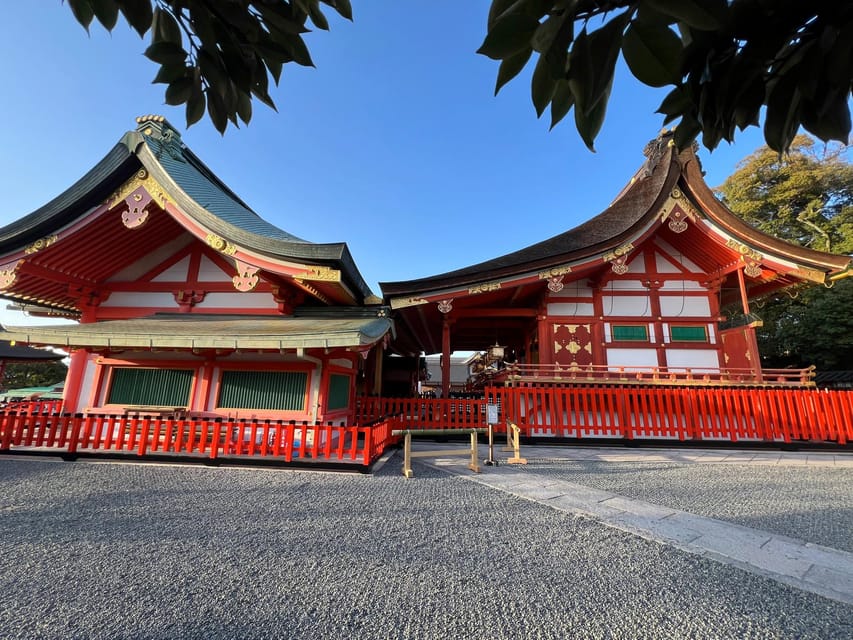
Ending in Gion is a smart move, because it’s not just a viewpoint. Gion is tied to a living tradition, and the tour treats it with respect and context.
Roberto teaches you the facts about geisha and maiko, which helps you move past surface confusion. You’ll understand the difference between geisha (professional performers) and maiko (apprentice performers), and you’ll get enough background to recognize what you’re seeing around you without turning it into a guessing game.
You’ll also learn how ochaya (teahouses) fit into the world of entertainment in Gion. That’s useful because these places can look mysterious from the outside, and understanding their role makes Gion feel less like a theme park.
The walk itself is about a 15-minute stroll through Gion. You’ll see the traditional wooden machiya merchant-house style in the area, which is part of what makes Gion visually distinct even before you think about the performers.
And one more practical piece: the tour ends in Gion. From there, you can take a city bus or taxi to your hotel. That’s great planning because it keeps you from having to fight the station crowd right after your tour.
Price and logistics: whether $90 is good value for you
At $90 per person for a 4-hour private experience, the value comes down to how you travel and what you want from Kyoto.
Here’s what you’re paying for:
- A Kyoto City Certified Tourist Guide who explains what you’re seeing with iPad visuals
- A structured route that links Fushimi Inari, Kiyomizudera, the old streets, and Gion
- A private group format, which tends to make it easier to move at your pace and ask questions
- Photo help, where you can request as many pictures as you want
What’s not included is also clear, and you should budget for it:
- Transportation fee is not included
- Kiyomizudera entrance fee is 500 yen (approx US$3.10)
The guide’s entrance fees and transportation are handled on the guide side, so you do not have to pay those items for the guide. That removes a common friction point on tours.
One logistics note that affects your comfort and budget: the route uses public transportation (city bus, train). If you already know how to pay and ride in Kyoto, the transport part is easy. If you prefer door-to-door taxis, you might feel the extra step.
What to bring so the tour feels easy
This is a practical walk. You’ll enjoy it more if you prepare like it’s a walking day, not a museum day.
Bring:
- Comfortable shoes
- Water
- Comfortable clothes
- Cash (because Kiyomizudera has an entrance fee)
Not allowed:
- Smoking
- Luggage or large bags
If you have more than a daypack, consider how you’ll store it. This is the kind of tour where carrying too much can slow you down and make the walking segments less pleasant.
Who this tour suits best (and who should skip it)
This tour is best for people who want guided meaning, not just sightseeing photos. If you like learning the “why” behind a shrine’s torii path, or you enjoy cultural facts about geisha and maiko, this fits your style.
It also fits well if you appreciate a guide who helps you capture the moment, because Roberto will take pictures and videos and you can ask for as many as you want.
It is not suitable for:
- People with back problems
- People with mobility impairments
- Wheelchair users
- Visually impaired people
- People over 75 years old
- People with low level of fitness
That list is worth treating as a real boundary. The route is short in time but firm in walking demands.
Should you book this Kyoto experience?
Book it if you want Kyoto to feel organized, with real explanations attached to each stop, and you like the idea of ending in Gion with culture context and photo support. The mix is strong for a half-day window: shrine walking, temple meaning, old street atmosphere, then Gion with geisha and maiko facts.
Skip or reconsider if you cannot do walking-based sightseeing or if public transportation plus transfers is stressful for you. Also factor in the extra 500 yen entrance fee at Kiyomizudera plus your local transit costs.
If your goal is a fast, guided Kyoto story that you can actually remember, this is a solid way to do it.
FAQ
Where is the meeting point?
You meet in front of the door of 7-Eleven Heart-In at JR Kyoto Station Building 1F, using the Kyoto Tower side Exit. Roberto will hold an iPad and a red card with the words RBRT.
How long is the tour?
The tour is 4 hours.
Is transportation included in the price?
No. You will use public transportation (city bus and train), but the transportation cost is not included.
Are entrance fees included?
No. The entrance fee to Kiyomizudera is 500 yen (about US$3.10) and is not included.
What languages does the guide speak?
The live tour guide is available in English and Spanish.
Is this a group tour or private?
It is a private group tour.
What should I bring?
Bring comfortable shoes, water, comfortable clothes, and cash.
What is not allowed during the tour?
Smoking is not allowed, and luggage or large bags are not allowed.
Latest write-ups near Kyoto
- Kyoto Private Tour Full Day with Local Guide&Nara Option(PerGroup★ 5.0 · 20 reviews
- Sacred Pathways: Discover the Philosopher’s Path of Kyoto★ 4.9 · 20 reviews
- Hammer Pattering Experience of Ring★ 5.0 · 20 reviews
- Kyoto UNESCO World Heritage Site Private Tour with a Premium Van★ 5.0 · 20 reviews
- KYOTO: Private Tea Ceremony in Hidden Townhouse (Kid-Friendly)★ 5.0 · 20 reviews
- Sushi or Traditional Japanese Cuisine in a Kyoto Home with Emika★ 5.0 · 20 reviews
- The Kyoto VIP Experience!★ 5.0 · 20 reviews
- Kyoto Customized Private Tour: See Top Attractions in 1 Day★ 4.7 · 20 reviews
Fushimi Inari Tours, compared.
Fushimi Inari, Kinkakuji, Bamboo Grove 1 Day Bus Tour
Read our review →Fushimi Inari Hidden Hiking Tour (Private Option Available)
Read our review →
Kyoto/Osaka: Nara, Fushimi Inari Taisha, Arashiyama Bus Tour
Read our review →
Osaka/Kyoto: Arashiyama, Nara & Fushimi Inari Shrine w/Lunch
Read our review →
Nijo Castle, Kiyomizu & Fushimi Inari Guided Tour
Read our review →
Nijo, Kinkaku-ji, Arashiyama, Kiyomizu & Fushimi Inari
Read our review →
Sagano Romantic Train & Arashiyama, Kiyomizudera, Fushimi Inari Taisha Day Tour
Read our review →Browse the lists this tour appears in