
Reviewed · TEMPLE & SHRINE TOURS
Kyoto: Ninnaji Temple Entry Ticket
Ninnaji Temple in Kyoto is interesting because it acts like a calendar. The big seasonal draw is the late-blooming Omuro Sakura, and the grounds also center on that classic five-story pagoda look.
I especially like how this ticket keeps things focused but flexible: you can follow a short devotional route and still have time to pause for quiet temple views. One thing to consider is that during cherry blossom season, you may need an extra admission fee to enter the area after the Chumon inner gate specifically to view the Omuro Sakura.
Omuro Sakura timing is the main event
Late blooming can make it feel like you missed cherry blossoms, then they appear anyway.
The Omuro Pilgrimage is a shorter taste of Shikoku
You get a two-hour course with the same idea, but more manageable for a one-day plan.
Goten Palace and gardens are part of the ticket
You are not just touring halls, you also get garden space and palace scenery.
Optional upgrades can be worth it
Add Reiho-kan Museum or the flower festival ticket if you want more context and exhibits.
There is strong value for the price
At about $5 per person, it is one of the more budget-friendly ways to see a major Kyoto temple site.
Why Ninnaji’s Omuro Sakura and five-story pagoda feel different in Kyoto
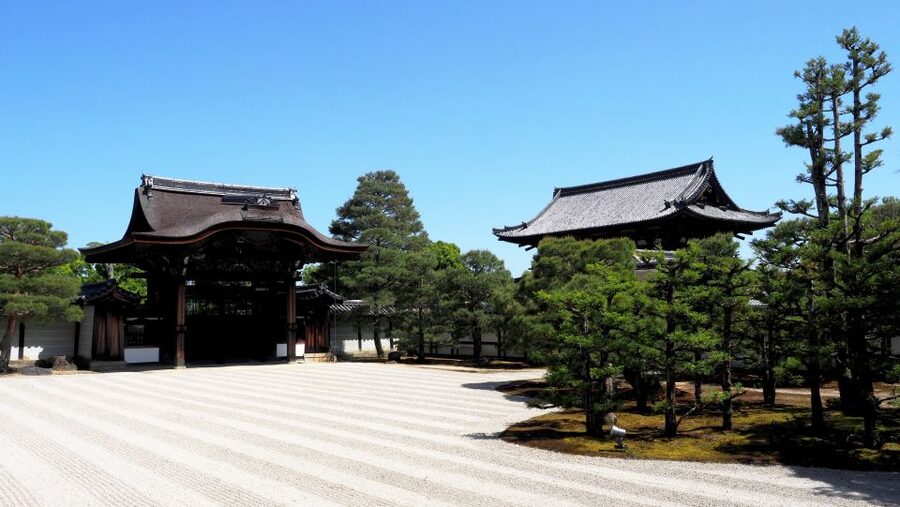
Most Kyoto temple visits are beautiful, but Ninnaji has that extra ingredient: the place is famous for arriving cherry blossoms later than you might expect. If you come to Kyoto during the tail end of blossom season, Ninnaji can still deliver the moment you were hunting for.
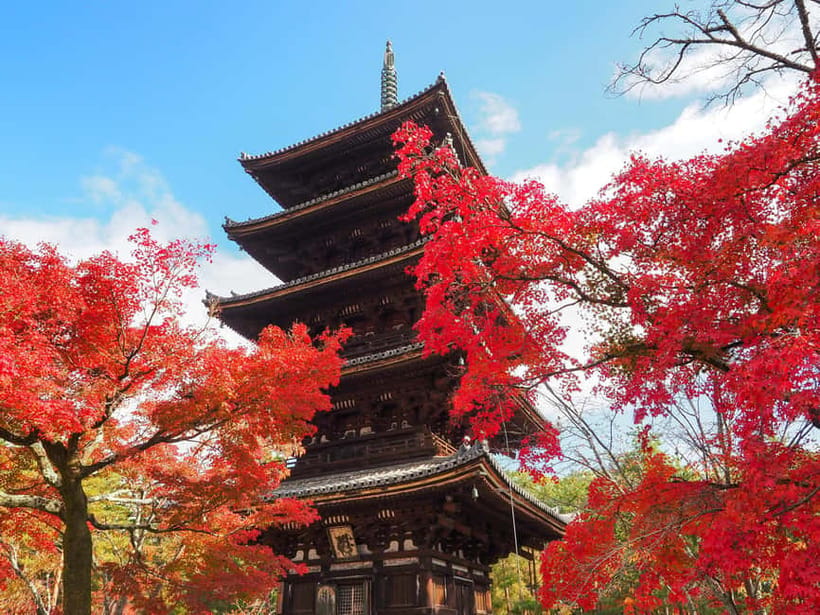
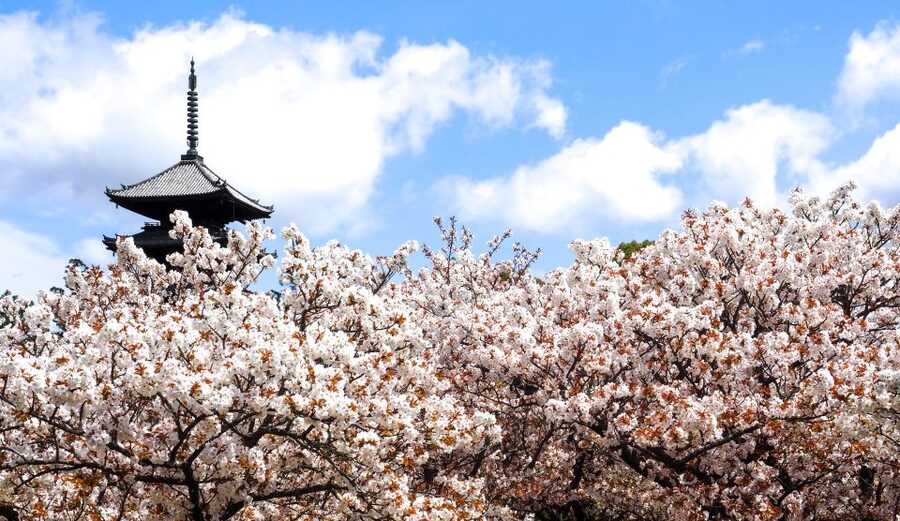
The other visual anchor is the five-story pagoda. Even if you have seen pagodas elsewhere, the combination of architecture plus the seasonal garden feel makes this one easier to remember. It is a temple where nature and design work together, not just one or the other.
For me, the appeal is practical. You can plan around what you want to see most, cherry blossoms, fall colors, or snow season, and the temple grounds do the rest.
Your one-day rhythm: from main temple areas to the Omuro Pilgrimage
This is a 1-day activity, and you will likely want to build your visit around two main blocks: the temple grounds and the Omuro Pilgrimage course.
The Omuro Pilgrimage is a two-hour route that is described as a shorter version of the Shikoku Pilgrimage. That matters because it gives you the “walk the devotion” feeling without committing to a long, multi-day trek. It also means you can fit it inside a normal sightseeing day without feeling rushed.
As you walk, you are surrounded by the sounds of nature and the changing seasons. That is not just marketing fluff. In a place like Ninnaji, small sounds matter. A quiet walkway plus seasonal weather changes how you experience the temple without you needing to add anything extra.
Practical tip: plan for a comfortable pace. Two hours sounds short, but temple walking has a way of slowing you down, especially when you stop to look at buildings and garden details.
More Temple & Shrine Tours in Kyoto
- Kyoto: Fushimi Inari, Kinkakuji, Bamboo Grove 1 Day Bus Tour
★ 4.8 · 4,316 reviews - Kyoto: Tea Ceremony Ju-An at Jotokuji Temple
★ 4.9 · 3,207 reviews - Osaka/Kyoto:Kinkakuji,Arashiyama,FushimiInariShrine,NaraPark
★ 4.1 · 1,596 reviews
The peaceful temple experience: what the main grounds teach you
Ninnaji is the main temple of the Omuro school of the Shingon sect of Buddhism, and it was founded in 888 AD. That age shows up less as a lesson and more as atmosphere. The site feels like it has been used for devotion and ceremonies for centuries, not just curated for visitors.
You are also in a place that houses countless national treasures and cultural artifacts. That is the kind of statement that can feel vague until you connect it to the specific parts of the visit, like the museum and the palace areas. The temple does not ask you to “get it all at once.” Instead, it gives you multiple ways to understand what you are seeing.
One detail I think is easy to miss on a first read: Ninnaji is tied strongly to the Omuro school tradition. So even if you have visited other big Kyoto temples, this one can feel like a different flavor inside the broader Shingon world.
Kannon-do and guided explanations you should not skip
A highlight from recent visitors is that the Kannon-do area can include a special guide who is described as wonderful and informative. Even if you do not plan a museum-level day, take advantage of that kind of on-site explanation when it is available.
Why it matters: a guide helps you connect what you see in front of you with what the building and images are meant to represent. Without that context, you can still enjoy the architecture and calm. With it, the visit becomes more satisfying.
Practical tip: if you hear a guide talking while you are approaching Kannon-do, pause and listen for a few minutes before you move on. You can always continue, but you cannot easily recreate that kind of interpretation later.
Reiho-kan Museum: where cultural items make the rest of the visit click
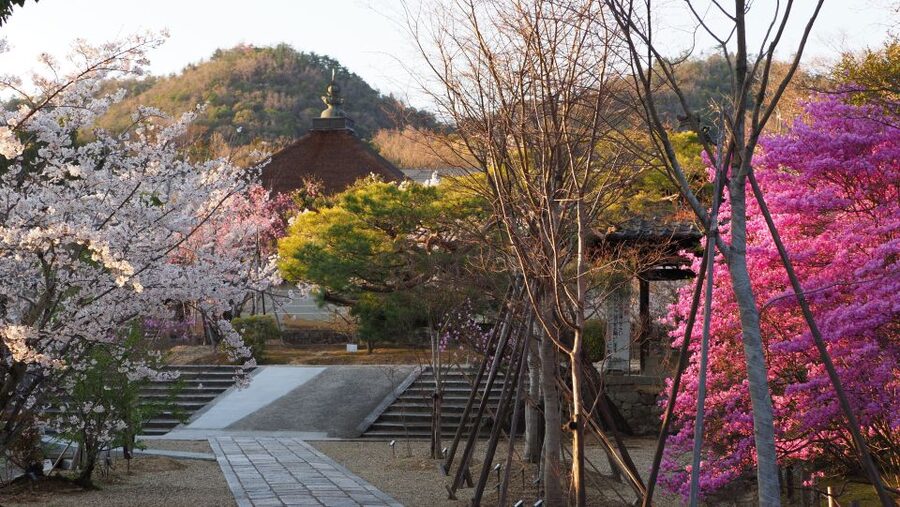
If you select the option for the Reiho-kan Museum ticket, you get access to important cultural items that belong to Ninnaji Temple. This is the part of the experience that helps you slow down and understand what you are looking at, not just where you are standing.
Museum time can be a good “reset” in the middle of temple walking. Your legs get a break, and your brain gets the context that makes the architecture and artifacts feel more intentional.
Value angle: the entry price for the main ticket is low, around $5 per person, so adding the museum ticket when it is offered is often a smart way to upgrade your day without blowing your budget. If your goal is deep context, this is where you can get it.
A change of pace from Kyoto:
- PERFECT KYOTO 1-Day Bus Tour
★ 5.0 · 13,518 reviews - Kyoto: Tea Ceremony in a Traditional Tea House in Kiyomizu
★ 4.9 · 3,519 reviews - Kyoto Geisha Walking Tour: Gion District & Hidden Gems
★ 4.7 · 3,273 reviews - Kyoto: Gion Magical Night Walking Tour with Geisha Trivia
★ 4.9 · 2,393 reviews
Goten Palace and gardens: the calm payoff, especially in winter
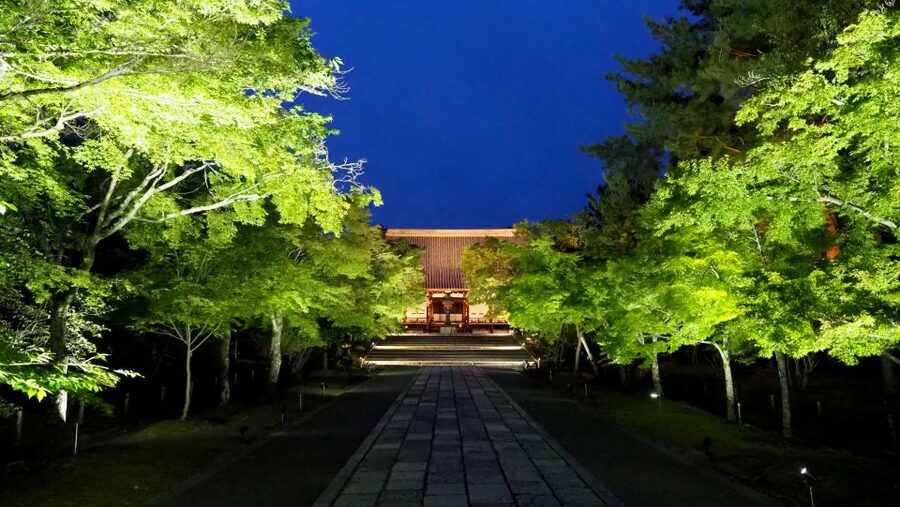
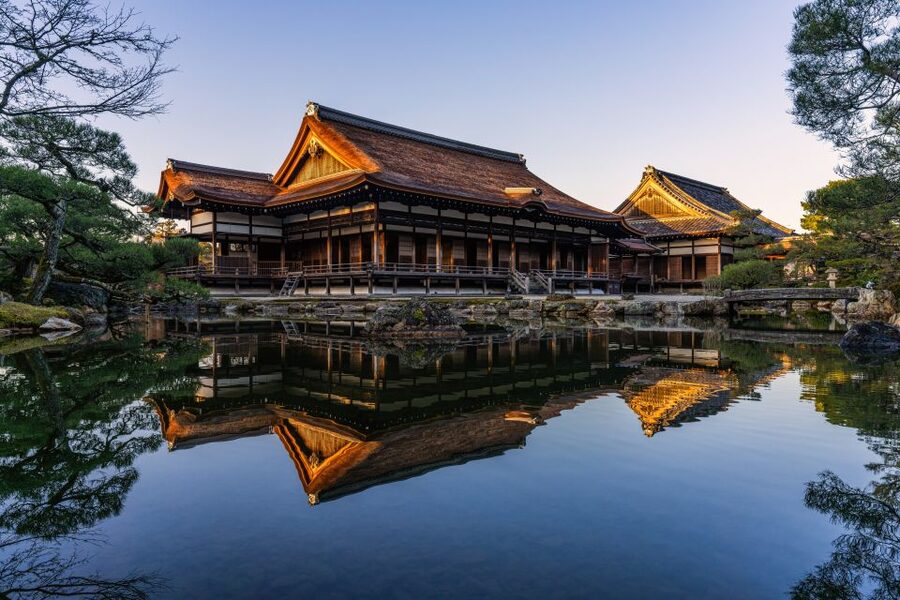
The ticket includes the entrance ticket for Goten Palace and gardens, excluding special entrance tickets. That phrasing is important. You will get access to the main palace and gardens area included with this ticket, but there may be additional special areas that cost extra.
Even if you are not visiting for the most dramatic scenery, Goten Palace and garden space is a big reason this ticket feels like good value. It turns your day from purely “walk and look” into “sit and absorb.”
In winter, the garden experience can include snow, and you may also enjoy gorgeous snowy scenery of the Goten Palace. That is the kind of seasonal detail that transforms a regular visit into a memory you carry.
Practical tip: in colder months, plan your pacing so you are not rushing through the garden just to get back outside quickly. This is where you will feel the temple’s quieter side most.
Season by season at Ninnaji: plan for what you want to feel
Ninnaji changes through the year in ways that are obvious while you are there. That makes it one of those temples where repeating the visit could make sense, but even one visit can hit hard if you match the season to your mood.
Spring: late-blooming cherry blossoms
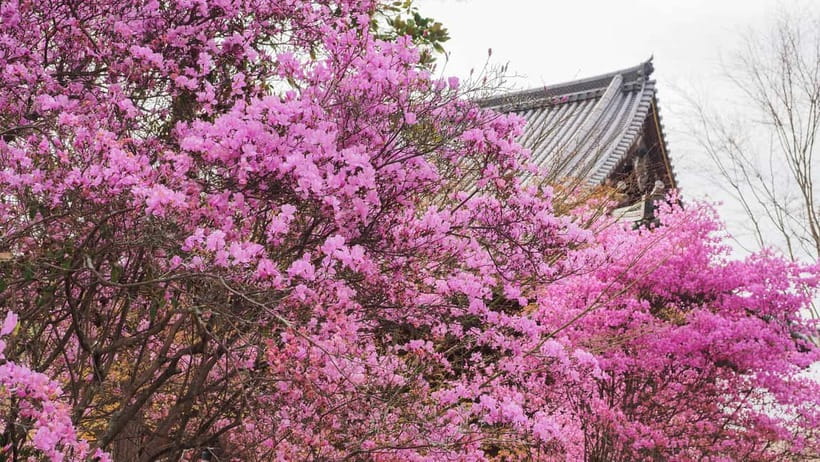
This is the season most people come for. Omuro Sakura cherry trees can show up later than expected. If you want the blossoms, you also need to plan for the cherry blossom season admission fee after the Chumon inner gate.
Summer: ceremonies and priests
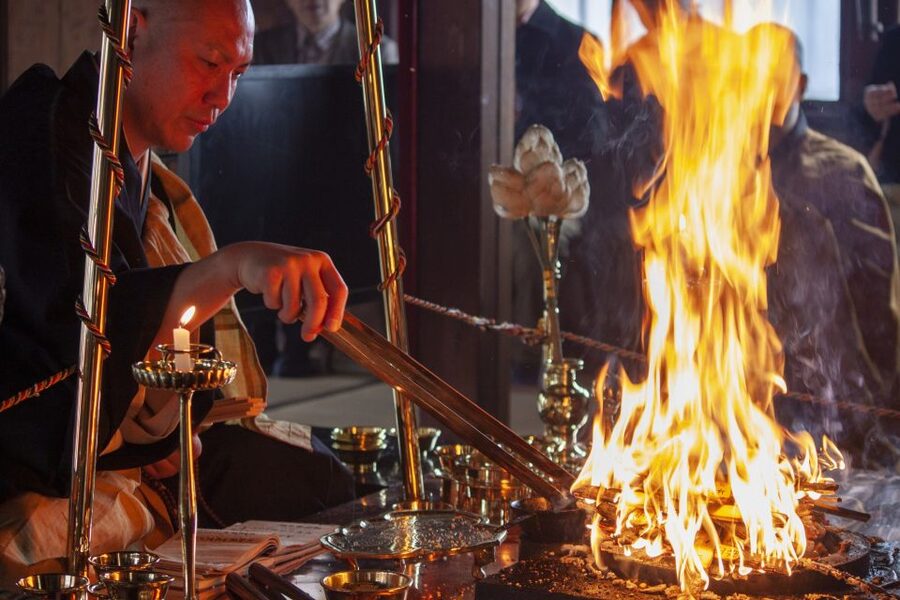
Summertime sees many priests in the temple for Buddhist ceremonies. If you like seeing living tradition instead of staged viewing, this is a good time to visit.
Fall: red and yellow temple buildings
In the fall, historic temple buildings are enveloped in vivid shades of red and yellow. Even if you know Kyoto fall scenes already, the way Ninnaji frames its buildings gives the colors a specific, temple-focused mood.
Winter: serene Japanese garden after snow
Winter brings a serene Japanese garden after snow. If you enjoy quiet scenes and the stillness that winter gives, this is when Ninnaji can feel almost contemplative on its own.
Price and what is actually included for about $5
This activity is priced at about $5 per person, and it is a rare deal for a major Kyoto temple experience. The big reason is what you get with the base ticket.
Included with your ticket can be:
- Entrance to Goten Palace and gardens (excluding special entrance tickets)
- Reiho-kan Museum entrance ticket if you select that option
- Flower festival entrance ticket if you select that option
- Other special entrance tickets if you select them
That “if option is selected” line is the key. The base experience is already strong, but the add-ons let you build the day based on your interests. If you like garden and palace scenes, you may not need much more. If you want cultural context, the Reiho-kan Museum option is the most direct upgrade.
One more value note: Ninnaji’s emotional pull is real. People tend to leave feeling moved, not just impressed. A big part of that comes from the peace of the grounds and the seasonal atmosphere.
Cherry blossom season admission fee: the one logistics detail that changes your plan
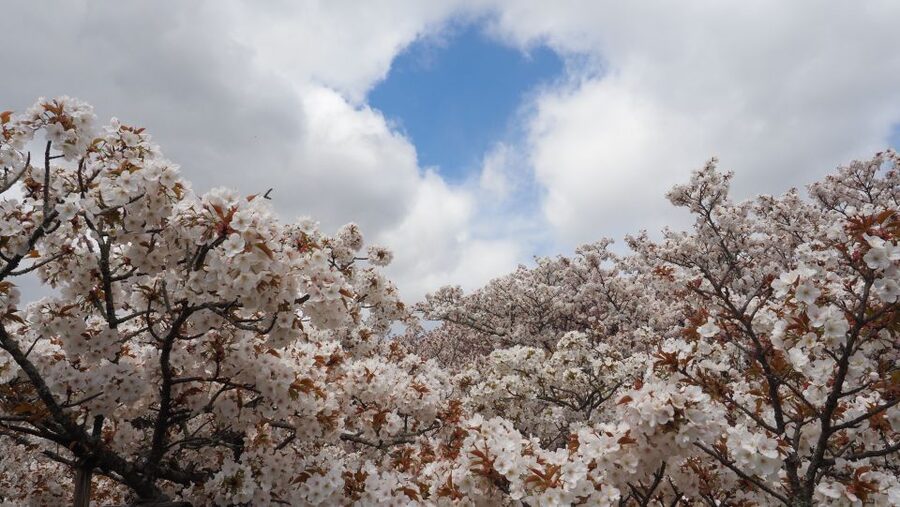
During the cherry blossom season, there is an admission fee required to enter the area after the Chumon inner gate to view the Omuro Sakura. The amount collected goes toward the preservation of the Omuro Sakura, and the exact period when the fee is required can vary based on bloom conditions.
This is the main consideration that can surprise you if you only look at the base ticket price. The extra fee can be worth it, but it needs to be factored into your plan so you are not standing at the gate thinking you missed a step.
Practical approach: if you are visiting during late April into early May style timing (or wherever Omuro Sakura is in full bloom for that year), treat your day as two layers. First, you explore the temple areas included with your ticket. Then you decide if and when you go for the blossoms in the Chumon-gate area.
Hours and timing: how to avoid getting cut off at the gates
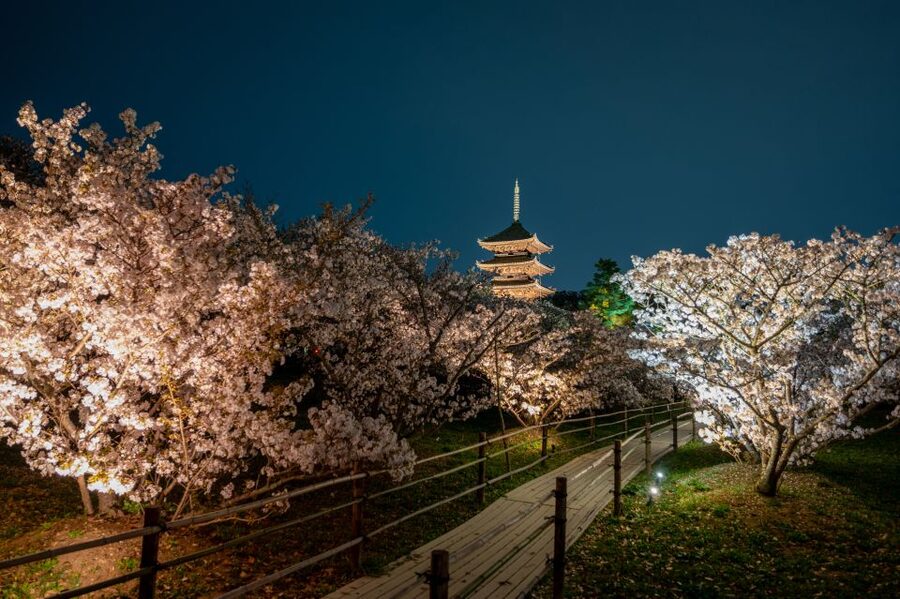
Ninnaji opens from 9 AM to 5 PM from March to November, and from 9 AM to 4:30 PM from December to February. The ticket booths close 30 minutes before the temple closes, so you should arrive with enough time to purchase or confirm whatever you need.
Why this matters for a pleasant visit: temple visits are not like walking through a mall. You will slow down, especially near scenic garden areas and pagoda views. If you arrive too late, you may miss the palace and gardens portion or the museum option, and you will feel like you raced through something calm.
If you want the Omuro Pilgrimage course, timing is also important. You are working in a site with a fixed closing window, so build your day backward from closing time.
Who should book this Ninnaji entry ticket
This ticket makes the most sense if you want one of the classic Kyoto temple experiences without overcomplicating the day.
You will likely enjoy it if you:
- Want a temple visit with a clear seasonal payoff like Omuro Sakura or winter snow scenes
- Like short, meaningful walks such as the Omuro Pilgrimage (two hours)
- Prefer calm, contemplative sites over high-energy attractions
- Want a low-cost entry that still includes palace and gardens access
You might rethink it if you:
- Only care about cherry blossoms and are visiting in peak weeks when the extra Chumon-gate fee applies
- Need a tightly scheduled, fast in and out visit, because the grounds encourage lingering
Should you book the Ninnaji Temple entry ticket
Yes, I would book it if your goal is to experience Ninnaji as a real Kyoto temple day, not a quick photo stop. The price is low for what you get, and the included Goten Palace and gardens access gives you the kind of payoff that is hard to find in cheap tickets.
If you are in the mood for extra context, add the Reiho-kan Museum option. If you are going during cherry blossom season, plan for the potential Chumon inner gate fee so you are not caught off guard.
Ultimately, this is a temple visit built around seasons and atmosphere. If you enjoy places where the scenery changes your mood, Ninnaji is an easy yes.
FAQ
What is the duration of the Ninnaji Temple entry ticket?
The ticket is valid for 1 day, and the Omuro Pilgrimage course is listed as a two-hour route.
Where is Ninnaji Temple located?
Ninnaji Temple is in Kyoto, on Honshu, Japan.
How much does the ticket cost?
The price is listed as $5 per person.
What hours is the temple open?
From March to November, opening hours are 9 AM to 5 PM. From December to February, opening hours are 9 AM to 4:30 PM.
When do ticket booths close?
Ticket booths close 30 minutes before the temple closes.
Is there an extra fee to see the Omuro Sakura cherry blossoms?
During the cherry blossom season, an admission fee is required to enter the area after the Chumon inner gate to view the Omuro Sakura. The period can vary depending on bloom timing.
What is included with the ticket?
The ticket includes the Goten Palace and gardens entrance ticket (excluding special entrance tickets). It can also include Reiho-kan Museum entry, a flower festival ticket, or other special tickets depending on the options selected.
Is the Omuro Pilgrimage course included?
The experience includes the Omuro Pilgrimage course, described as a shorter version of the Shikoku Pilgrimage and listed as a two-hour course.
Is this experience wheelchair accessible and are there any free entry rules?
Wheelchair accessibility is listed. People with a physical disability certificate can get in for free, but only the person with the certificate, and you should ask at the ticket counter.
Is free cancellation available?
Yes. Free cancellation is available up to 24 hours in advance for a full refund.
Latest write-ups near Kyoto
- Kyoto: Nishiki Market Tour with a Local Foodie & Tastings★ 4.5 · 67 reviews
- Kyoto Kimono Rental mimosa |Kimono/Yukata Rental Couple Plan★ 4.8 · 67 reviews
- Kyoto: Traditional Kimono Fabric Handicrafts Workshop★ 5.0 · 67 reviews
- Kyoto Tea Ceremony and Samurai Photo Session★ 5.0 · 70 reviews
- Kyoto: Replica food making experience★ 4.8 · 70 reviews
- Kyoto: Kinkakuji, Golden Pavilion Guided Tour★ 4.7 · 71 reviews
- Private departure transfer from Kyoto city to Kansai International airport★ 5.0 · 72 reviews
- Uji: Green Tea Tour with Byodoin and Koshoji Temple Visits★ 4.8 · 72 reviews
Temple & Shrine Tours, compared.
Fushimi Inari, Kinkakuji, Bamboo Grove 1 Day Bus Tour
Read our review →

Meiji Shrine, Asakusa, Skytree Bus Tour and Cruise
Read our review →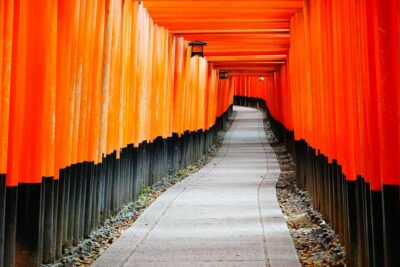
Osaka/Kyoto:Kinkakuji,Arashiyama,FushimiInariShrine,NaraPark
Read our review →
Asakusa Walking Tour with Sensoji Temple Visit
Read our review →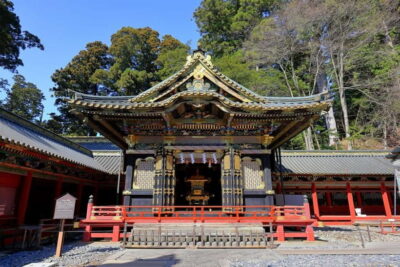
Nikko: Kegon Falls, Lake Chuzenji & Toshogu Temple
Read our review →
Kamakura & Enoshima Day Trip including Temple Tickets
Read our review →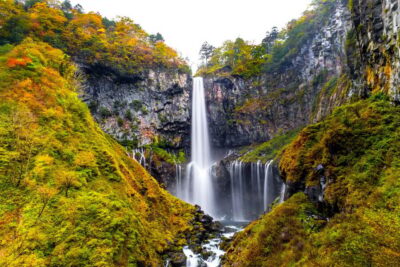
Nikko Toshogu Shrine and Kegon Waterfall Tour
Read our review →Browse the lists this tour appears in