

Reviewed · MUSEUMS IN KYOTO
Kyoto Railway Museum Admission Ticket
Kyoto Railway Museum is one of those rare places where the subject is big and real, not just posters on walls. I especially love the sheer scale of the collection, with 53 real trains, and the way you can actually experience the charm of a working steam locomotive. The main thing to consider is simple: it’s closed every Wednesday, so plan your Kyoto day around that.
This is a very “do it, not just look” museum. You can step inside famous-looking cars, try hands-on setups, and get your hands busy with realistic train-driving simulators. One more practical note: queues happen, so if the line is long, use the entry flow tied to the Early Bird Advance Ticket.
Key Things to Know Before You Go
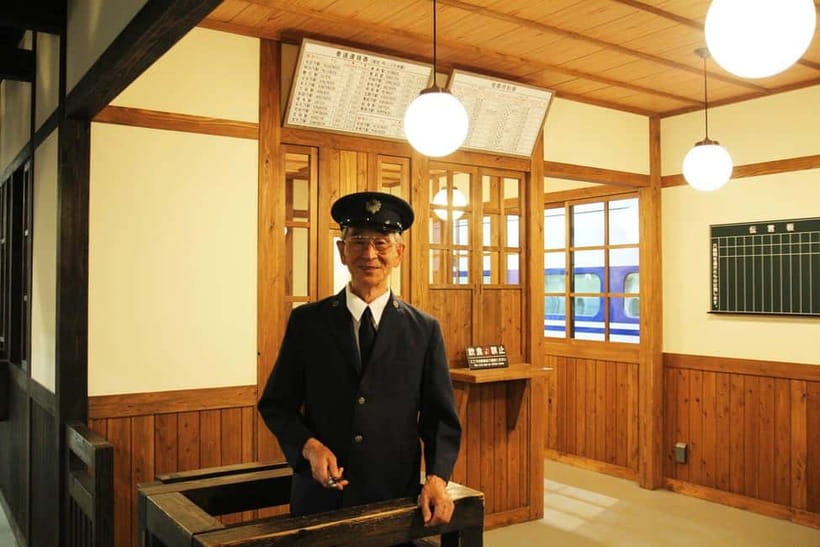
- 53 real trains, from vintage steam to the Shinkansen, all in one place
- Hands-on exhibits that explain how rail systems and the surrounding tech work
- Ride a working steam locomotive for a nostalgic, memorable moment
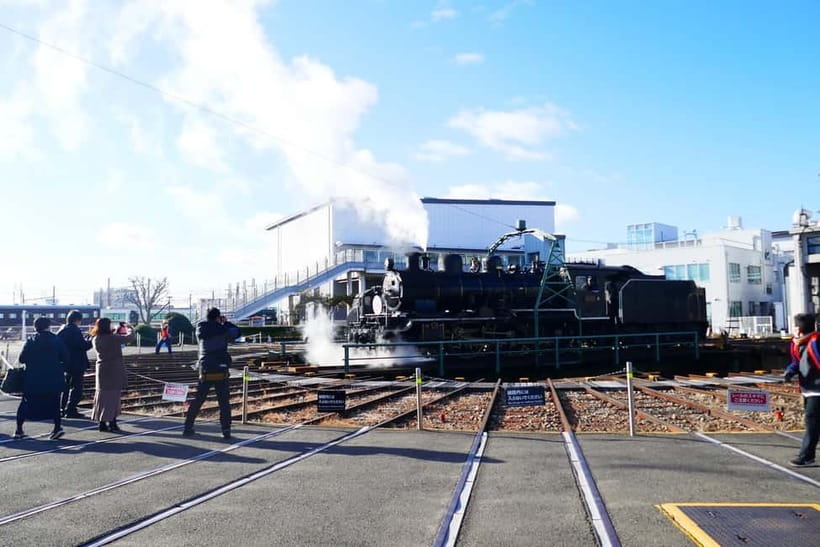
- Watch the roundhouse turntable rotate, a classic rail spectacle
- Step inside iconic train interiors so you get a feel for how they’re laid out
- Sky Terrace views, a solid payoff when you want a breather and a different angle
Kyoto Railway Museum: Your $9 Day Trip to Rail Nerd Heaven
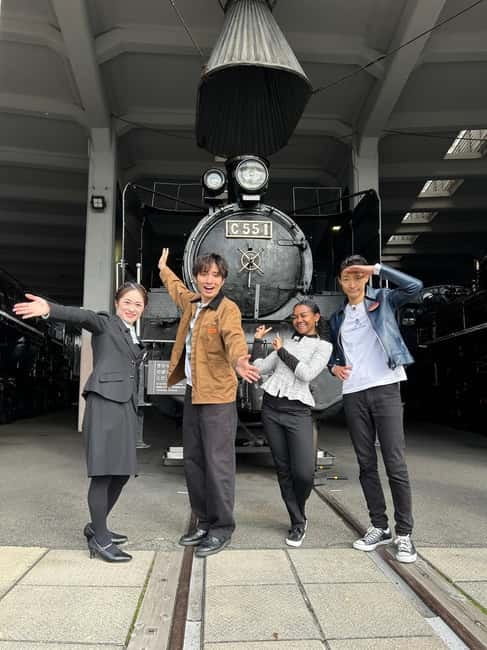
If you like trains, this is an easy sell. Kyoto Railway Museum takes the idea of a train museum and pushes it into full-contact mode, with real rolling stock, interactive exhibits, and hands-on activities. For most people, it hits a sweet spot: enough history and engineering to satisfy adults, but with plenty of “try this” moments for families.
The price, about $9 per person for a full 1-day visit, is also part of the value story. You are not paying for a single highlight. You are paying to spend time with dozens of real trains, plus rides and simulators. That kind of variety matters, especially if you only have one day to fit in museum time.
The museum is wheelchair accessible, which is helpful for planning. And because it is primarily indoors, it can be a smart move when Kyoto weather is unpredictable or you just want a calmer break from walking.
More Museums in Kyoto
- Kyoto: Tea Museum Tickets and Matcha Grinding Experience
★ 4.9 · 739 reviews - Skip the lines Basic Ticket at SAMURAI NINJA MUSEUM KYOTO
★ 4.5 · 632 reviews - Kyoto : Geiko Maiko Dance of Kyoto & Visits of Gion Museum
★ 4.6 · 415 reviews
First Stop: Redeem Your Ticket and Set Yourself Up for a Smooth Entry
Plan to go straight to Kyoto Railway Museum for redemption. There’s no complicated meetup point to hunt down. The coordinates are 34.9870986, 135.7422732, so you can plug that into your maps app and get moving.
A few details that will save you time:
- If you plan to re-enter after exiting, present the admission ticket to staff.
- When the queue gets heavy, wait in line at the entrance of Early Bird Advance Ticket. That tip is gold because it helps you avoid getting stuck in the wrong line.
- Opening hours can vary, so you should check the official website before you lock in your day.
- The museum is closed every Wednesday, no exceptions in the information you have.
If you’re traveling with kids, the on-site ticket option is also handy. Infants under 3 are free, and children between 3 and 7 can buy tickets on-site for 200 yen. That makes it easier to adjust plans on the fly.
Inside the Train Collection: 53 Real Trains, Steam to Shinkansen

The headline is the collection size, and it is not a marketing line. You really do see 53 real trains. That means you are not just looking at one era. You can compare styles, design choices, and engineering changes as the years move forward.
Here’s why that matters for your visit. A lot of railway museums show a handful of big stars. This one lets you notice patterns, like how different periods approached speed, safety features, and interior layouts. Even if you are not a hardcore rail fan, you’ll still pick up how Japan’s rail system evolved from steam-era thinking into modern high-speed design.
You’ll also get to see a range that includes vintage locomotives and Shinkansen trains. That contrast is satisfying because it makes the timeline feel tangible. One moment you’re looking at older machines that feel almost mechanical in a hands-on way. The next you’re staring at the modern reality of rail travel.
A small caution: because there’s so much to see, you can get “exhibit fatigue” if you try to rush. I recommend moving at a steady pace and letting the most interesting sections guide your route.
Dioramas and Tech Displays: Why This Museum Feels More Like a Workshop
One reason this museum earns strong scores is that it explains the rail world in a practical way. The exhibits don’t just show objects. They help you understand the systems around them, including how things work technically and how rail travel operates as an ecosystem.
You’ll find rail dioramas that show scenes and layout concepts, which is a big help because it turns “a bunch of tracks” into “a working network.” You’ll also see interactive exhibits that make it easier to learn without feeling like you’re in a classroom.
I like this format for travelers because it keeps your brain engaged. Instead of reading every label, you can experiment with the hands-on parts and let the explanations connect the dots. That’s also where kids tend to stay interested, since the museum invites you to do something rather than stand still.
Quiet, cool, and comfortable also comes through from real visitor feedback. The interior can feel calm compared with outdoor Kyoto strolls, so it’s a nice switch if you want a break from crowds.
A change of pace from Kyoto:
- PERFECT KYOTO 1-Day Bus Tour
★ 5.0 · 13,518 reviews - Kyoto: Fushimi Inari, Kinkakuji, Bamboo Grove 1 Day Bus Tour
★ 4.8 · 4,316 reviews - Kyoto: Tea Ceremony in a Traditional Tea House in Kiyomizu
★ 4.9 · 3,519 reviews - Kyoto Geisha Walking Tour: Gion District & Hidden Gems
★ 4.7 · 3,273 reviews
The Roundhouse Moment: Ride a Working Steam Locomotive and See the Turntable Rotate
If you only care about one “wow” scene, make it the roundhouse area. This is where the museum does something you cannot fake with a photo.
You can ride a working steam locomotive, which immediately changes the tone of your visit. It’s not just seeing history behind glass. You’re experiencing the motion and feel of a real steam-era experience.
Then there’s the turntable. Watching the turntable rotation at the roundhouse is thrilling in a very simple way. The mechanics are visible, the movement is clear, and the whole setup feels like rail heritage made physical.
A realistic consideration: this part of the experience can draw attention fast, so timing matters. If you want the cleanest experience, don’t leave this for the very end when you may be tired and possibly moving slower. Build in time for both the ride and the viewing moments.
Step Inside Real Train Cabs: What It Teaches About Design
One of the best ways museums can earn your attention is letting you get close to how vehicles are built. Here, you can step inside iconic trains and explore interiors.
This is more than a photo-op. Interiors help you understand why certain trains feel comfortable, how space is used, and how design choices reflect the era. You can also pick up small details that don’t show up in exterior views.
I find this especially helpful if you’re the type of traveler who likes to connect what you see on the platform with what you learn later. Seeing the inside makes the technical side feel human.
Realistic Train Simulators: Fun Practice for Your Brain
If you want a museum moment that feels like an activity, not a lecture, the train-driving simulators are a big part of the appeal.
You get hands-on interaction with realistic setups, which makes it a great fit even if you do not know anything about rail operations. The simulator format also gives you a confidence boost. You can repeat steps, try again, and watch how small changes affect results. That kind of feedback loop turns “I’m curious” into “I get it.”
For kids, simulators are usually the highlight. For adults, simulators often beat reading because you experience cause and effect.
Practical tip: plan to spend enough time so you don’t feel rushed. Simulators are fun, but they take a minute to learn, and you might want more than one go.
Sky Terrace Break: Views and a Different Pace
After the exhibits, you’ll likely want a breather. The museum includes a Sky Terrace, and it’s worth using as a “reset button.”
It gives you a different viewpoint and helps you break up a day full of tracks, machines, and screens. That change of pace matters because museum time stacks up quickly. A short walk with a viewpoint can make the rest of the day feel smoother.
I also like terrace time because it helps you check the “I covered everything” box mentally. Once you’ve seen the layout from above, your earlier route through the halls can start to make more sense.
Price and Time: Getting Value From a 1-Day Visit
Let’s talk value directly. At around $9 per person for a 1-day visit, you’re paying for:
- 53 real trains
- interactive exhibits and dioramas
- train interior access
- hands-on simulators
- and a chance to ride a working steam locomotive
- plus the roundhouse and turntable spectacle
For many travelers, the cost is reasonable because the museum doesn’t rely on one big attraction only. You can build a full day out of different styles of fun: looking, trying, and watching real operations.
How long should you plan for? Your ticket is valid for 1 day, and that’s the right way to frame it. You’ll do better if you plan to wander without rushing. If you try to squeeze it into 60 minutes, you’ll miss the parts that make it special.
When to go is your bigger lever. Avoid Wednesday since the museum is closed. And if you dislike queues, go earlier rather than later, especially around the busiest entry windows. The Early Bird Advance Ticket guidance exists for a reason.
Who This Works Best For (and Who Might Want Something Else)
This is a strong choice if you fit any of these:
- You love trains, design, or how systems work
- You want an indoor Kyoto activity that feels more interactive than a typical museum
- You’re traveling with kids who need “do something” moments
- You want a one-stop overview of how rail tech spans eras, including Shinkansen
It might not be your best match if you only want passive museum viewing. This place rewards participation. If you hate queues and hands-on stations, you can still enjoy it, but you’ll need patience for the parts where people want to try the same things.
Quick Booking Advice: Should You Book This Admission?
Yes, you should book this if you want a high-value, hands-on museum day in Kyoto. For the price, you’re getting real trains, interactive tech, the roundhouse, and a steam locomotive experience. That combination is hard to beat for a 1-day plan.
Do book with a small bit of strategy:
- Avoid Wednesday.
- Expect some waiting and use the Early Bird Advance Ticket entry area when lines are heavy.
- Save time for both the roundhouse area and the simulators, since those tend to be the energy peaks of the day.
- Double-check opening hours on the official site, since hours can change.
FAQ
What does the Kyoto Railway Museum ticket include?
It includes standard admission to the museum.
Where do I go to redeem my ticket?
Proceed directly to Kyoto Railway Museum for redemption at the museum location.
How long is the ticket valid?
The ticket is valid for 1 day. Check availability to see starting times.
Is the museum wheelchair accessible?
Yes, the museum is wheelchair accessible.
Is the museum closed on any day?
Yes, the museum is closed every Wednesday.
How much do children and infants pay?
Infants under 3 years old are free. Children between 3 and 7 years old can purchase tickets on-site for 200 yen.
Latest write-ups near Kyoto
- Kyoto Private Tour Full Day with Local Guide&Nara Option(PerGroup★ 5.0 · 20 reviews
- Sacred Pathways: Discover the Philosopher’s Path of Kyoto★ 4.9 · 20 reviews
- Hammer Pattering Experience of Ring★ 5.0 · 20 reviews
- Kyoto UNESCO World Heritage Site Private Tour with a Premium Van★ 5.0 · 20 reviews
- KYOTO: Private Tea Ceremony in Hidden Townhouse (Kid-Friendly)★ 5.0 · 20 reviews
- Sushi or Traditional Japanese Cuisine in a Kyoto Home with Emika★ 5.0 · 20 reviews
- The Kyoto VIP Experience!★ 5.0 · 20 reviews
- Kyoto Customized Private Tour: See Top Attractions in 1 Day★ 4.7 · 20 reviews
Museums in Kyoto, compared.
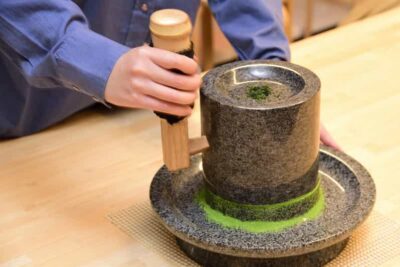
Tea Museum Tickets and Matcha Grinding Experience
Read our review →
Skip the lines Basic Ticket at SAMURAI NINJA MUSEUM KYOTO
Read our review →
Geiko Maiko Dance of Kyoto & Visits of Gion Museum
Read our review →
Kyoto Sword Experience – includes Museum Ticket/Ninja Experience
Read our review →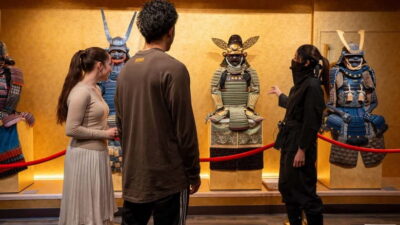

Ninja Experience (Family Friendly) at Samurai Ninja Museum KYOTO
Read our review →
Kyomai Dance by Maiko Geiko and Visits of Gion Art Museum Kyoto
Read our review →
Samurai Sword Experience (Family Friendly)at SAMURAI MUSEUM KYOTO
Read our review →Browse the lists this tour appears in