Reviewed · KYOTO TOURS
Let’s make only one original onigawara in the world
Making onigawara in Kyoto is interesting because you are not just copying a pretty souvenir. You are crafting a small piece of the same roof protection system you can spot on temple rooftops, those fearless faces meant to fend off evil and help with rainwater. I like that the class is guided by an artisan instructor, often credited as Yuya-san, with clear step-by-step help.
What I really love is the payoff: a one-of-a-kind tile shaped by your hands, even if you are a total beginner. In a max of five-person setting, you get time to ask questions and compare your tile afterward with the real onigawara you see around Kyoto. And you do not have to worry about the hard part of firing, the studio fires it in a kiln and sends it to your home.
One consideration is that the souvenir does not ship right away. Shipping costs are not included, and you should plan for extra payment later plus a wait while the clay dries and the tile gets fired and cured.
Key points to know before you go
- Small group (max 5): more attention while you sculpt your oni face.
- Roof-guardian meaning first: you learn what onigawara is and why it was used on Japanese buildings.
- Studio kiln work: you create the tile, then the shop fires it.
- Shipped to your home: you get the finished ceramic delivered, not a raw souvenir.
- Expect clay mess: wear clothes that can handle soil and a bit of studio chaos.
Kyoto onigawara as a hands-on souvenir, not a quick photo stop
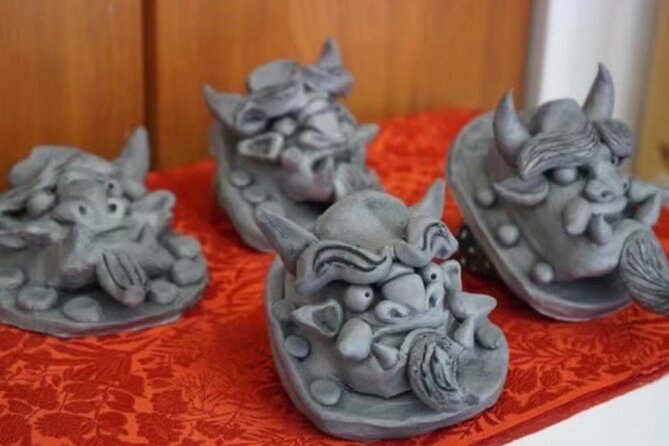
This workshop is built around a simple idea: if you want a meaningful Kyoto memento, make it yourself. Onigawara are the demon-faced roof ornaments, often seen at the ends of ridge lines, and they are tied to traditional beliefs about protection. You get to learn that context in plain language, then turn it into something physical in your own style.
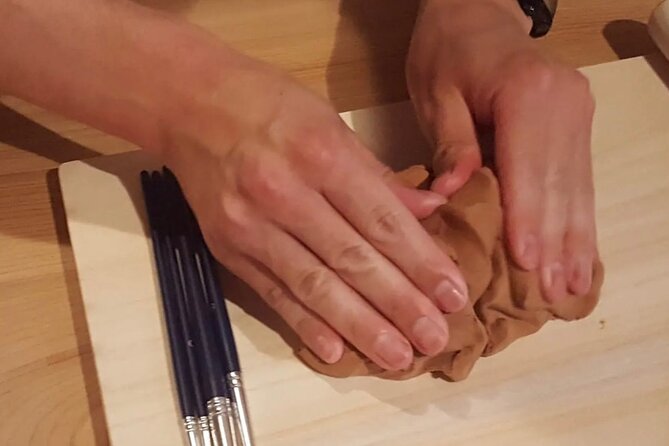
I especially like that the focus is on the process, not a fancy demo you watch from a chair. You start with a lump of clay and end with a tile that has the classic snarling, ogre-like expression. Even better, the workshop is designed so beginners can get to an actual completed result.
You should also know you are working with real soil and ceramic materials. If you are traveling with your best outfits, plan to dress down for this one.
Also on the shortlist for Kyoto:
- PERFECT KYOTO 1-Day Bus Tour
★ 5.0 · 13,518 reviews - Kyoto: Fushimi Inari, Kinkakuji, Bamboo Grove 1 Day Bus Tour
★ 4.8 · 4,316 reviews - Kyoto: Tea Ceremony in a Traditional Tea House in Kiyomizu
★ 4.9 · 3,519 reviews
Inside 瓦工房you家: where you start and how the workshop feels
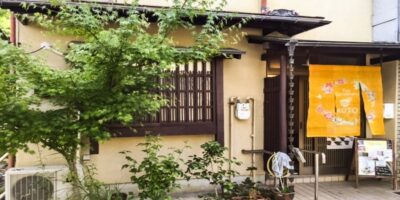
The experience meets at 瓦工房You家, kawarakoubouyouya373-2 Yamazakichō, Higashiyama Ward, Kyoto, 605-0841, Japan. It ends back at the same meeting point, so you can build it into a morning or afternoon without complicated transit planning. The location is near public transportation, which matters if you want an easy day in the Higashiyama area.
Once you arrive, you get set up in a small workshop space. Reviews emphasize how welcoming the instructor feels and how the class stays calm and orderly, not frantic. There is often even time to store luggage while you work, which helps if you are not traveling with a simple day bag.
This is also where the teaching style shows. The instructor explains the steps clearly, often breaking the final tile into manageable pieces so it feels possible. You are not expected to be a sculptor, just a curious person willing to follow the sequence.
From clay lump to demon face: what you actually make
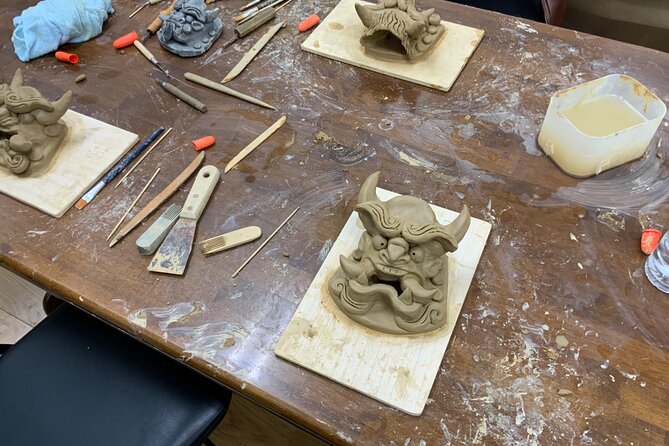
The heart of the class is learning to craft a small, simple onigawara tile with a demon face design. You begin by exploring what Kawara means in Japanese architecture, then you connect the shapes you are making to that purpose. In plain terms, these roof ornaments were believed to protect the roof from evil and help deal with rainwater.
Then comes the hands-on part. The instructor teaches an onigawara procedure that is described as developed by the craft team, and the message is consistent: yes, the original craft can be difficult, but their method is designed so anyone can make an oni. That includes kids and people who do not feel “handy” with clay.
A useful detail: the build is often step-by-step, with a set sequence of pieces, but you still shape your own final expression. That means two people in the same session can end up with very different tiles. I like that because it turns your souvenir into something personal, not just a copy of a sample.
You should expect:
- Clay handling from start to finish
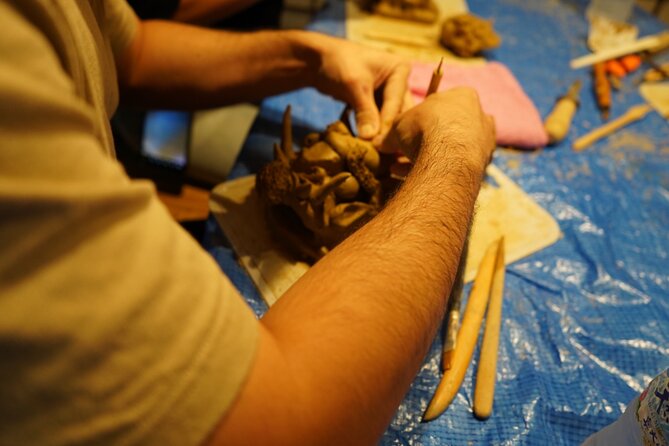
- Guidance while you form the demon-face features
- Room to ask questions as you go
- A final result that still looks like an onigawara, even if it is not perfect
Bring your patience. Some classes run closer to about three hours, especially if you are taking your time or your group has a mix of ages. The instructor is set up to make sure you finish within the session plan, but clay work is clay work.
Why the instructor’s step-by-step method matters for beginners
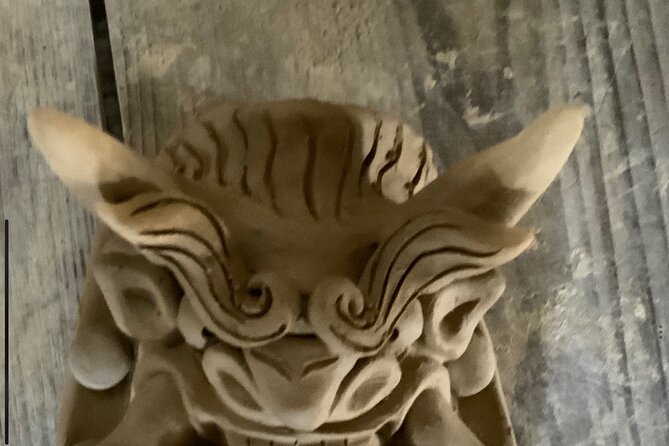
A lot of “craft class” promises are vague. This one is more grounded. The workshop teaches through structure: break the task into traceable parts, guide your hands through the sequence, and adjust as you sculpt.
That approach matters because onigawara have character. If you rush, the face can look off. If you follow the steps, the tile starts to look like the real roof ornaments you have seen in Kyoto. Multiple sessions reported that even people with clumsy hands got a strong result by trusting the process.
Language support is another quiet win. Reviews mention English instructions that are clear enough for non-Japanese speakers. You will still be helped even if casual conversation is limited, because the key part is visual and step-by-step verbal directions.
If you want to get the most out of the time, ask one question early. For example: which part sets the face expression most strongly? That kind of prompt helps the instructor steer you before the clay becomes too firm to adjust comfortably.
A change of pace from Kyoto:
- Kyoto Geisha Walking Tour: Gion District & Hidden Gems
★ 4.7 · 3,273 reviews - Kyoto: Tea Ceremony Ju-An at Jotokuji Temple
★ 4.9 · 3,207 reviews - Kyoto: Gion Magical Night Walking Tour with Geisha Trivia
★ 4.9 · 2,393 reviews - Kyoto: 45-Minute Tea Ceremony Lesson Experience
★ 4.3 · 2,378 reviews
The kiln part: firing happens after class, so plan around the wait
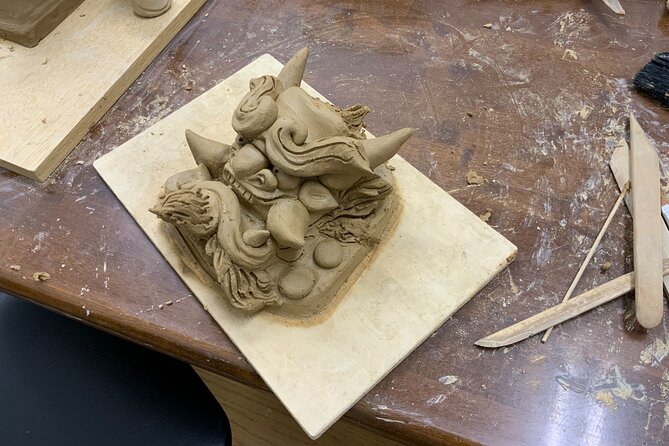
Your onigawara tile does not become finished ceramic the moment you stop working. After you shape it, the studio fires the onigawara in a kiln at the factory. That step is part of what makes this souvenir feel more like real craft than a take-home sculpture kit.
The timeline has a few layers:
- The clay needs time to dry out.
- Then it gets baked and cured for several days as part of ceramic finishing.
- After that, the finished piece gets shipped to your home.
Because of those steps, you should plan for a wait. Some people received their tiles in a few weeks, while others expected around two months depending on the full process. Think of it as a future Kyoto arrival, not an instant souvenir.
This is also why you should think ahead about shipping details. If you move during your trip, or if your hotel has strict package policies, you may want to plan a reliable delivery address.
Shipping to your home: cost is extra, and payment timing can surprise you
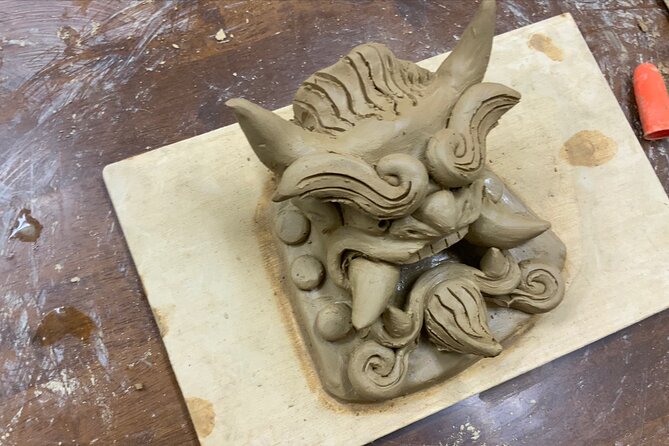
Shipping costs are not included in the experience fee. That means you will need to budget extra on top of the $89.17 per person price. One practical point from experience accounts: shipping may be calculated after the class based on your finished work, and it may be paid at the end of the session.
So, what should you do?
- Assume you will pay shipping later, not upfront.
- Consider bringing some cash just in case the studio requests it at the end, since at least one class described shipping paid in cash.
- Confirm the delivery address you want the studio to use.
As for handling, the good news is that finished tiles typically arrive undamaged according to reports. The studio fires and then ships the finished ceramic, not something fragile you carry around Kyoto.
Also remember: you will likely have raw materials during the class, so you will not be walking around with your final piece.
Price and value: what $89.17 really buys you in Kyoto
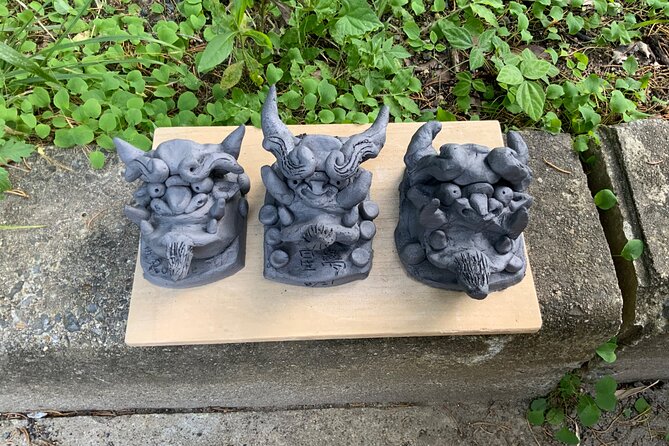
At $89.17 per person, the workshop is not cheap in the way a ticket to a big museum might be. But the value is in what is included and what is made.
Your fee covers:
- A small-group hands-on workshop experience (max 5)
- Instructor guidance while you sculpt a demon-face onigawara tile
- Bottled water
- Kiln firing by the studio
- A delivered-to-home finished ceramic souvenir
What is not covered:
- Shipping costs, which you pay separately later
- Any clothing protection like an apron (an epron/apron is not included)
- Shipping speed, since the process needs drying and firing first
For me, the strongest value case is this: you are buying a craft experience with real cultural context, and you are leaving with something personal. It is the kind of souvenir you can place in a garden or on a shelf and still feel connected to the story behind it.
If you are the type of traveler who likes photos but also wants at least one hands-on thing you can show later, this is a great pick. If you hate waiting and you do not want any extra payments after the class, it might feel annoying, because shipping is extra and the final delivery takes time.
Who this onigawara workshop is perfect for (and who should skip it)
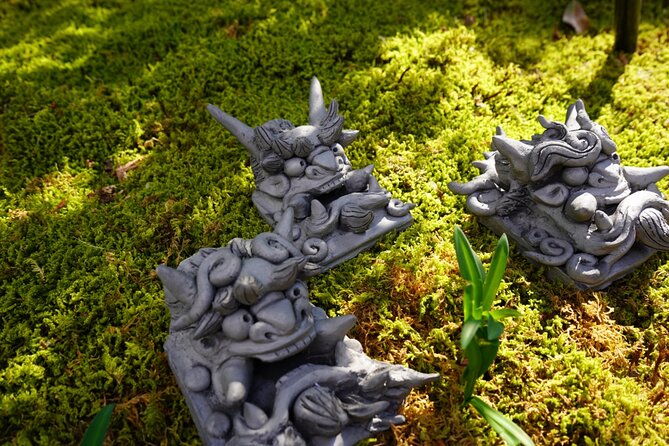
This workshop is ideal if:
- You like hands-on creative work more than passive sightseeing
- You want a uniquely Kyoto souvenir tied to architecture symbolism
- You are traveling with kids or teens who enjoy making something tangible, not just watching
- You want small-group attention, not a factory-style assembly line
It is also a good “reset” activity. People describe it as relaxing and peaceful, a welcome break from walking around a busy city. Even if you are in Kyoto for temples and neighborhoods, a couple of hours sitting and making something meaningful can feel like the right pacing.
You might skip it if:
- You are unwilling to risk getting clothes dirty (soil is part of the process)
- You cannot handle waiting for shipping and you want your souvenir immediately
- You do not want any extra payment later, since shipping is not included
Quick planning tips so you enjoy the class more
A few small moves make a big difference here.
First, wear clothes that can take a hit. Clay is messy by nature, and the workshop uses soil, so plan for fingerprints and dust.
Second, bring an open mind about results. The face design is the goal, and the instructor’s step-by-step method helps you get there, even if your first attempts look rough. Trusting the sequence is key.
Third, when you see real onigawara around Kyoto later, take a minute to compare. You will likely notice how similar the intentions are, even when the expressions differ from one roof to another.
Should you book this onigawara class at 瓦工房you家?
If you want a Kyoto souvenir with real meaning, I think this is an easy yes. The small group size, clear instruction, and studio firing add up to a craft experience that most beginners can actually complete. The only real tradeoff is patience, shipping cost, and the chance of getting a little messy.
Book it if you:
- Want an authentic, hands-on cultural activity
- Like the idea of a kiln-fired ceramic delivered after the clay work is done
- Can plan for extra shipping cost and a few weeks to a couple of months of waiting
Skip it if you need everything today, or if surprise extra payments and package waits would stress you out.
FAQ
How long is the onigawara workshop?
It runs about 2 hours (approx.). Some sessions may take longer depending on the pace of the group.
What group size is this class?
The workshop has a maximum of 5 travelers. Groups of 5 or more may be accepted up to 40 people, and for groups the location can change.
Is shipping included in the price?
No. Shipping costs are not included in the experience fee, and the finished onigawara is delivered to your home after it is fired and prepared.
What should I wear?
This experience uses soil, so wear clothes that may get dirty.
Is an apron provided?
No. An epron/apron is not included.
Can I cancel for free?
Yes. You can cancel for a full refund if you cancel up to 24 hours in advance of the experience start time. If you cancel less than 24 hours before, the amount paid is not refunded.
Latest write-ups near Kyoto
- Kyoto Private Tour Full Day with Local Guide&Nara Option(PerGroup★ 5.0 · 20 reviews
- Sacred Pathways: Discover the Philosopher’s Path of Kyoto★ 4.9 · 20 reviews
- Hammer Pattering Experience of Ring★ 5.0 · 20 reviews
- Kyoto UNESCO World Heritage Site Private Tour with a Premium Van★ 5.0 · 20 reviews
- KYOTO: Private Tea Ceremony in Hidden Townhouse (Kid-Friendly)★ 5.0 · 20 reviews
- Sushi or Traditional Japanese Cuisine in a Kyoto Home with Emika★ 5.0 · 20 reviews
- Kyoto Customized Private Tour: See Top Attractions in 1 Day★ 4.7 · 20 reviews
- The Kyoto VIP Experience!★ 5.0 · 20 reviews
Kyoto Tours, compared.


Fushimi Inari, Kinkakuji, Bamboo Grove 1 Day Bus Tour
Read our review →
Tea Ceremony in a Traditional Tea House in Kiyomizu
Read our review →
Kyoto Geisha Walking Tour: Gion District & Hidden Gems
Read our review →
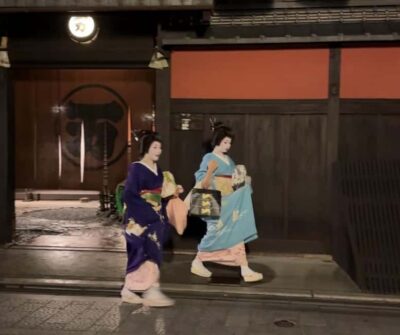
Gion Magical Night Walking Tour with Geisha Trivia
Read our review →