
Reviewed · HISTORICAL TOURS
Hiroshima: Peace Walking Tour of World Heritage Sites
Hiroshima’s Peace Walking Tour is interesting because it doesn’t treat August 1945 like a chapter in a textbook. You move through UNESCO sites and everyday places where people still live, work, and rebuild. Two things I really like: you get real local perspective from your guide, and you finish with the Orizuru Tower crane ritual that turns a heavy day into something active and hopeful.
One consideration: the museum and memorial context are intense, and the tour includes a lot of walking. Also note the food reality in Hiroshima, vegetarian options are limited, and the tour is not suitable for gluten intolerance.
Key highlights that matter before you go
- Local storytelling, with guide names like Etsko, Yasue, Kaz, Angela, and Yuji showing up in real tour experiences
- Peace Memorial Museum and Park, with guided context that helps the artifacts make sense
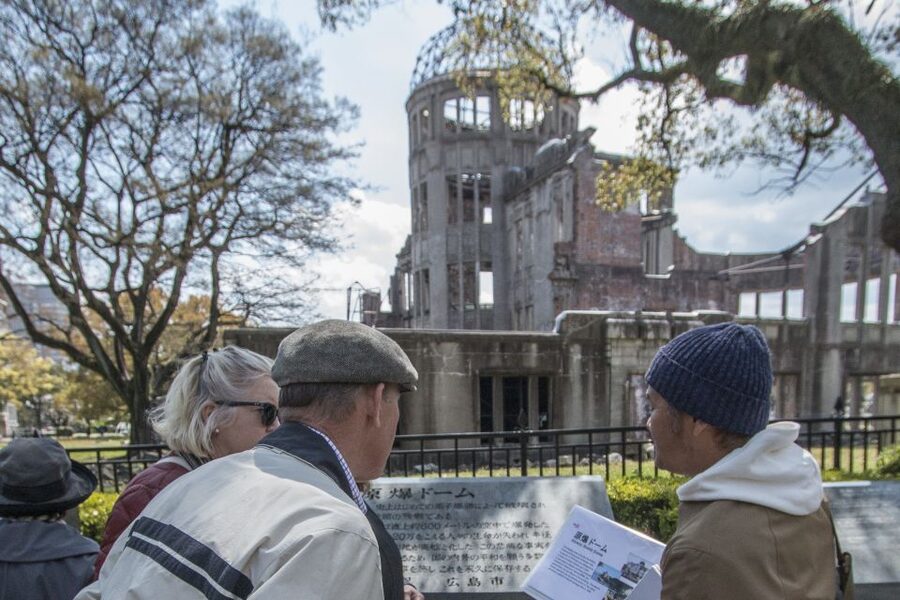
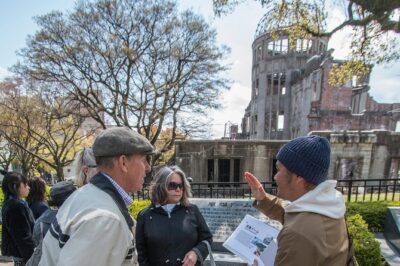
- Atomic Bomb Dome, UNESCO World Heritage, explained in a way you can actually follow
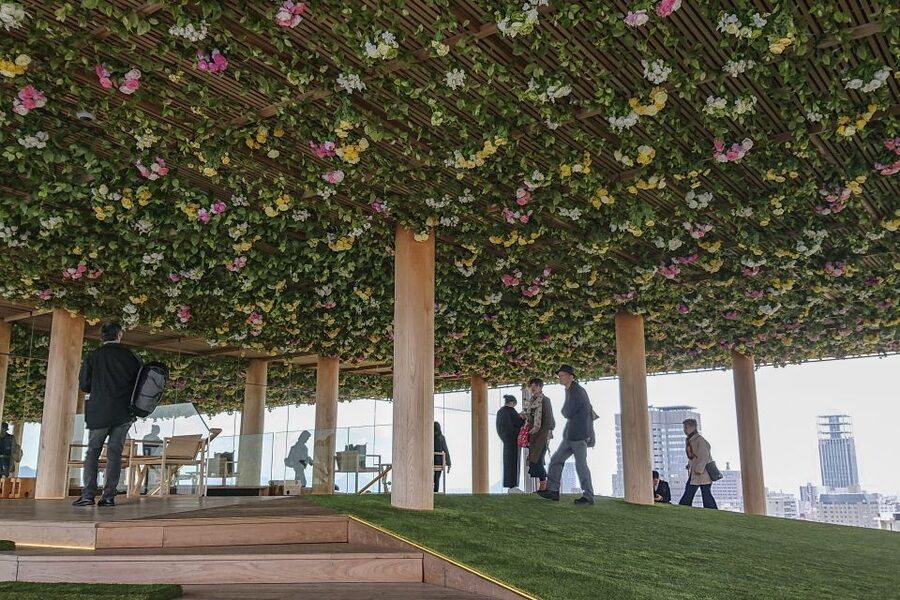
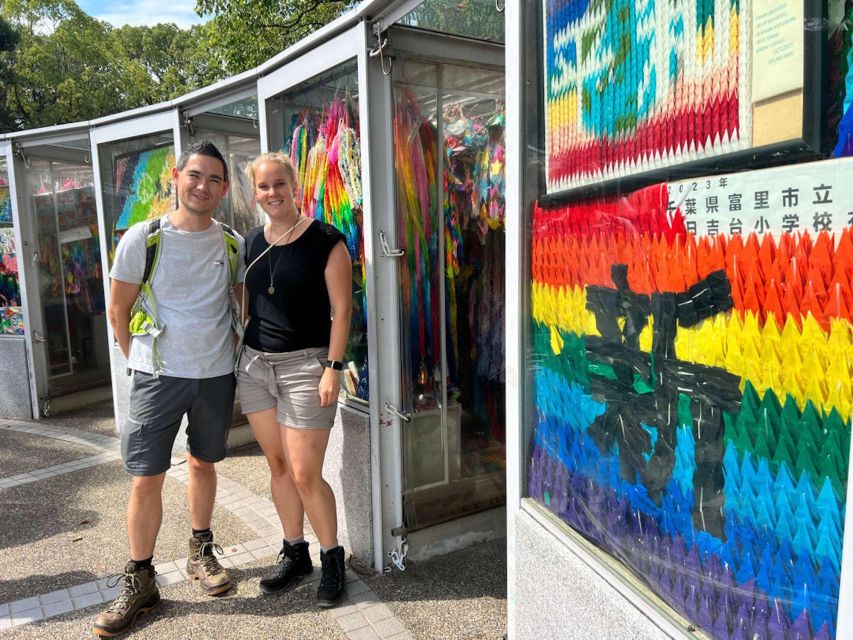
- Orizuru Tower, including paper crane making, wishes for peace, and big city views
- Aorigi Tree stop, a specific symbol of hope after the bombing
- Lunch included, often Hiroshima-style okonomiyaki, plus tour photos
A peace walk that connects Hiroshima’s pain to its present
What makes this tour feel different is the rhythm. You start with sacred calm, go straight into the weight of the atomic bomb, then you shift to the places where Hiroshima proves it can move forward. It’s not just a highlights loop. It’s more like learning a city by walking its main lines of memory, resilience, and everyday life.
I also like how the tour doesn’t leave you stuck in one building. The museum is big and overwhelming for many people. Here, you get a guide who helps you interpret what you’re seeing, and you also get breaks built into the route so the day stays human, not just heavy.
One more thing I appreciate: your guide’s tone tends to be both respectful and practical. In multiple tour experiences, guides like Etsko and Yuji were described as patient when people got emotional. That matters, because this is the kind of topic that can hit harder than you expected.
More Historical Tours in Hiroshima:
- Hiroshima Historical Walking Tour – Why A-Bomb was Dropped
★ 4.8 · 893 reviews - Hiroshima Peace (Heiwa) Walking Tour at World Heritage Sites
★ 5.0 · 872 reviews - Miyajima Half-day Trip Historical Walking Tour
★ 5.0 · 284 reviews
Price and timing, what $92 buys you in real time
At about $92 per person and roughly 270 minutes (just under 4.5 hours), you’re paying for guided access to multiple major stops, plus lunch. The value comes from three pieces working together:
1) You get guided time in the Peace Memorial Museum and Peace Memorial Park where a self-guided visit can feel like information overload.
2) You get stops people often skip, like Shirakami-sha Shrine and the Aorigi Tree.
3) You get included experiences that would cost extra or take time to plan, like Orizuru Tower entry and paper crane making.
This isn’t the “see everything in one day” style tour. It’s a focused half-day walk. If you want something lighter, you may feel you’re walking through a lot of meaning in a short time. If you want the main points clearly explained, this timing fits well.
Meeting at Montbell, then a shrine visit that sets the tone
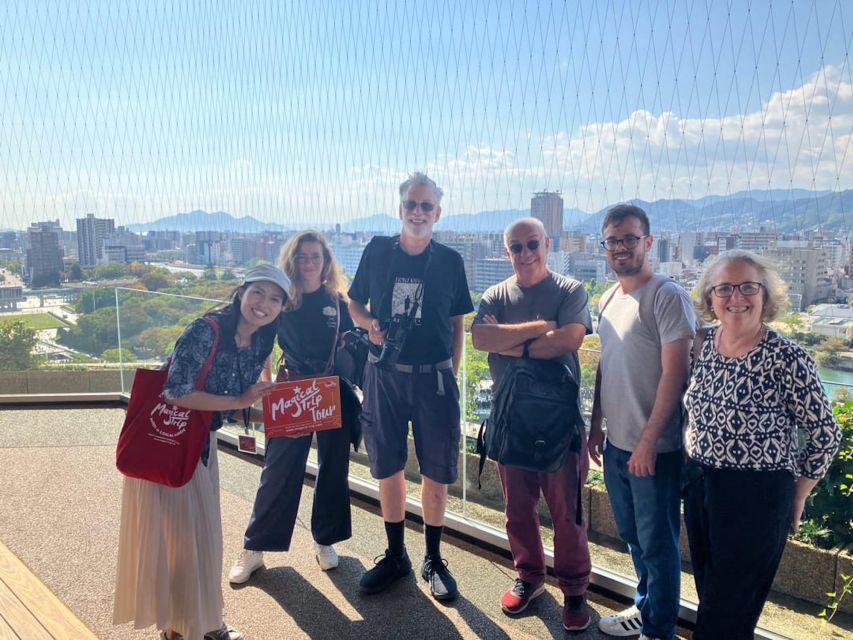
You’ll meet in front of the Montbell store near Kamiya-cho-nishi Station, a short walk from the station. Your guide holds an orange sign that says Magical Trip Tour.
Before you hit the memorial sites, the tour starts with Shirakami-sha Shrine. That 25-minute stop might look small on paper, but it changes the feel of the day. One review described the guide taking the time to show proper entry protocol and a blessing. It’s a moment of etiquette and quiet before you move into the most difficult history in Hiroshima.
Practical tip: wear shoes you can handle. Even with “only” a half-day schedule, you’ll be walking through a couple of concentrated areas.
Hiroshima Peace Memorial Museum: when guided context saves your brain
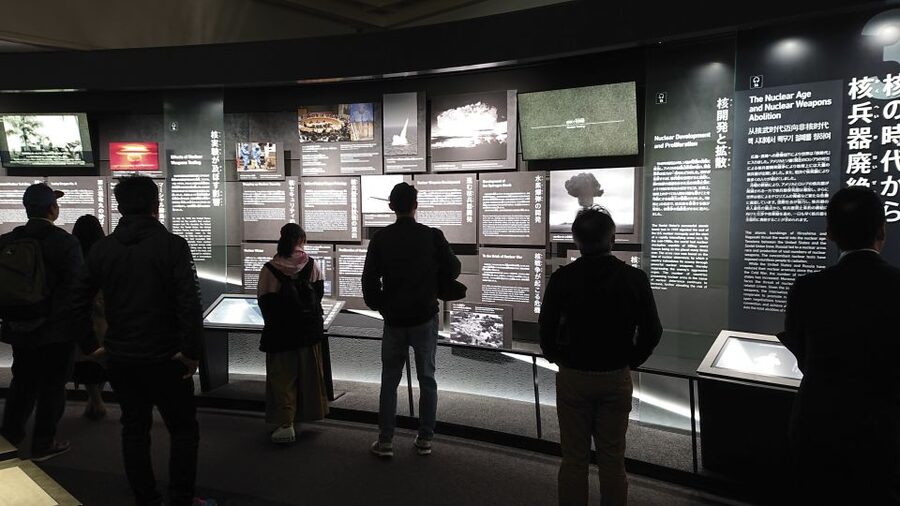
The tour’s first major deep stop is the Hiroshima Peace Memorial Museum. This is where you learn the horror of the atomic bomb through artifacts, records, and personal stories. The experience can be emotionally heavy, even if you know the broad facts already.
This tour adds value by giving you a guide-led structure. Instead of watching exhibits and hoping the story connects, you learn how the pieces fit together, and you get help prioritizing what matters most. In several experiences, guides were praised for clarity and for handling emotional moments with care. That’s not fluff. In a museum like this, a calm, steady explanation can keep you from getting lost.
What to expect inside:
- A guided walkthrough while you process difficult material
- Time to absorb key artifacts and learn what they represent
- A pace that aims to keep the day coherent, not rushed chaos
Potential drawback: the museum can be crowded. Even with a guide, crowds can slow your ability to pause. If you know you want time to sit with details, mentally plan for some speed and some intensity.
More Walking Tours in Hiroshima:
- Hiroshima City 4hr Private Walking Tour with Licensed Guide
★ 5.0 · 437 reviews - Hiroshima Walking Tour Why A Bomb was dropped to Hiroshima
★ 5.0 · 347 reviews - Hiroshima: History of Hiroshima Group Walking Tour
★ 4.8 · 266 reviews - Hiroshima: Food and Culture Guided Walking Tour with Dinner
★ 4.9 · 212 reviews
Peace Memorial Park walk: making the memorial geography understandable
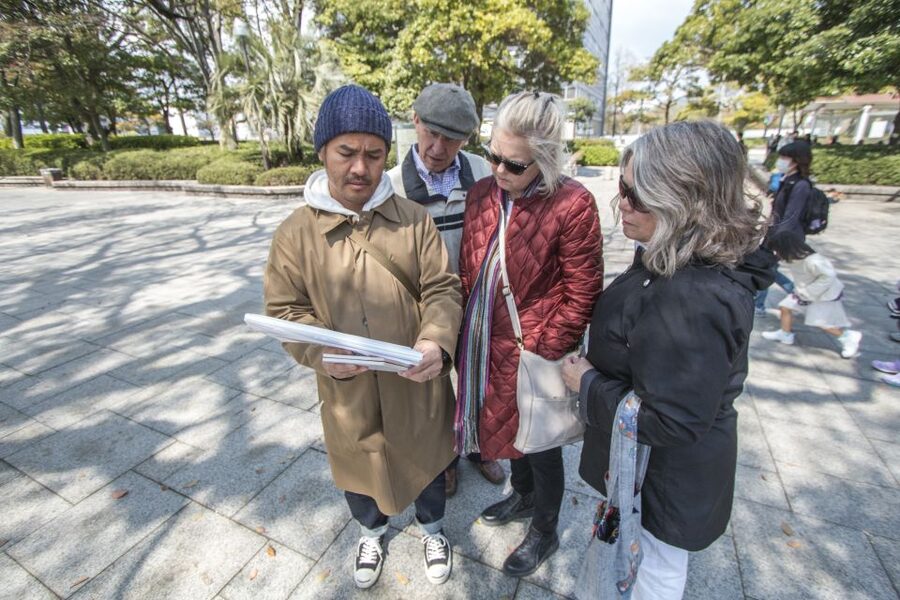
After the museum, you head into Hiroshima Peace Memorial Park for another guided hour. This is where the day becomes more spatial. The story stops being only objects behind glass, and it becomes a city layout: where you are, what you’re looking at, and why that location matters.
A guided park visit helps because the memorials can feel like “very sad art” if you don’t know what each element points to. With a guide, you connect the dots between:
- the bombing context,
- the human toll,
- and Hiroshima’s commitment to peace-building today.
I like this part because it helps you understand the city’s choices. You’re not just learning about tragedy. You’re seeing how the city turns memory into action.
Atomic Bomb Dome with a guide, not just a photo stop
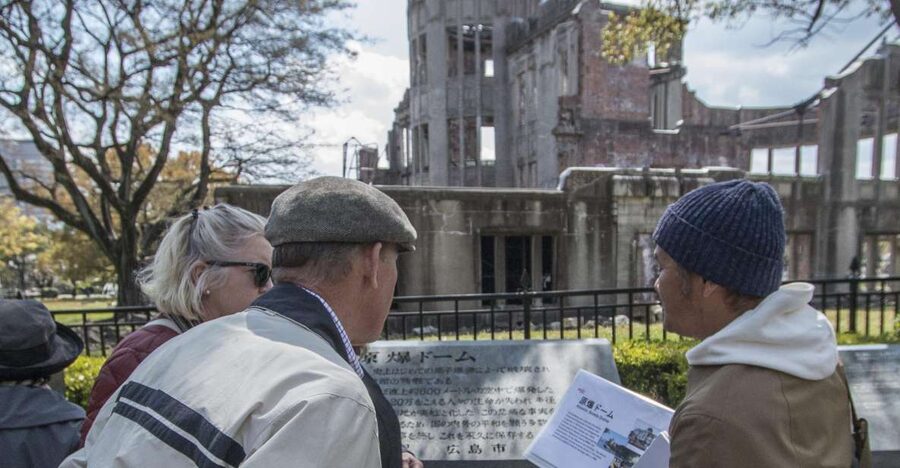
Next comes the Atomic Bomb Dome, a UNESCO World Heritage Site. This is often a photo stop for visitors. With a guide, it becomes a meaning stop.
You’re guided through the dome with context so you understand what you’re looking at, why it survived the way it did, and how Hiroshima frames the structure in the present. More than once, guides were praised for connecting the museum’s stories to outside locations, and the dome is the clearest example of that “inside to outside” link.
What to expect:
- A guided visit that explains what the dome represents
- A chance to see the site in the flow of the park and city, not isolated from it
- A moment to reflect, then move on with the day
Tip for photos: think about your angle and how you frame the dome with the surroundings. Since it’s a famous spot, it can get busy, and you’ll appreciate a guide helping you time it.
Orizuru Tower views and paper cranes that turn memory into action
After the memorial sites, the tour lifts you up to Orizuru Tower. First you get lunch here, then you’ll make time for the paper crane ritual and the observatory area.
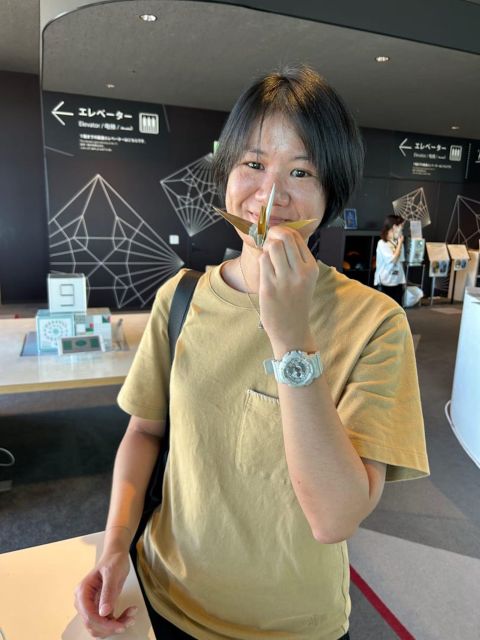
This part is important because it balances the heaviness of the museum. The Orizuru (paper crane) is treated as a symbol of peace, and you learn how to make one and make a wish for peace.
What makes Orizuru Tower special on this tour:
- A breeze and open-air feeling compared to the museum corridors
- A wide city view from the observatory area
- A physical peace ritual you actually do, instead of just hearing about it
One review noted a memorable moment where a crane spiraled down to join others in a glass wall display. That’s the kind of sensory detail that makes the symbolism feel real, not ceremonial.
Practical tip: If you’re prone to getting emotional during memorials, this is a good turning point. It doesn’t lighten the meaning, it gives your day a way to breathe and participate.
The Aorigi Tree: a specific hope marker after August 1945

Before you finish, the tour includes a stop at the Aorigi Tree, described as a symbol of hope after the atomic bomb. This isn’t just a random plant stop. It represents survival and regeneration in a very direct way.
I like this because it keeps the day from becoming only about what was destroyed. You get a concrete reminder that Hiroshima’s recovery is not abstract. It’s something that happened in real time, to real people, and even to living things.
You’ll likely find this easier to remember than some of the more abstract history, because it’s a clear symbol you can picture later.
Lunch included at Akushu Cafe: okonomiyaki and food expectations
Lunch is included, and it’s served at Akushu Cafe inside Hiroshima Orizuru Tower. The included meal is commonly Hiroshima-style okonomiyaki pancake.
Food reality check:
- Vegetarian options are limited because many Japanese restaurants are not fully set up for vegetarian menus on request.
- You should inform the team at least one day before the tour about dietary requests or allergies.
- Allergy-free meals can’t be guaranteed, and the meal prep isn’t run by the tour operator.
Also, the tour is not suitable for people with gluten intolerance.
If you have no dietary restrictions, this lunch is a nice payoff. It turns the day from “tour mode” back into normal life, sitting down with other people and talking about what you just saw.
Group size, pace, and why small tours work for heavy days
This is a live English-language tour, and it can run as a private or small group experience. One review mentioned a group size of about six, and that kind of small setup matters in a memorial context.
In a small group:
- you can hear your guide clearly,
- you get room for questions,
- and emotional moments do not feel like interruptions.
The tour is also designed as a walk with distinct stops. That structure helps. You’re not floating around the city with no plan. You always know what’s next and why.
One more perk: tour photos are included. A few guides were noted for taking group pictures and sharing them after, which is a small but genuinely useful memory tool.
Who this Hiroshima Peace Walking Tour suits best
This tour is a strong fit if you:
- want Hiroshima’s main Peace sites in a single focused half-day,
- like learning from local perspective rather than only reading signage,
- want the emotional story handled with care and structure,
- and enjoy a hands-on peace activity like paper crane making.
It’s also a good match for families, including teenagers. Several reviews described it as a top highlight for multi-generation groups, with guides helping make the material understandable without reducing it.
It may not be the best match if you:
- prefer fully self-paced museum time,
- need gluten-free meals,
- or want a lighter “fun city” tour with minimal seriousness.
Before you book: my checklist for making the day work
Here’s how I’d decide if this tour fits your Hiroshima day.
Book it if:
- you want guided context for the museum and dome,
- you care about peace symbols in the way they connect memory to action,
- you’re okay with an emotionally intense morning that still ends with a view and lunch.
Skip it or choose a different format if:
- you’re not ready for heavy material in one concentrated session,
- you have gluten intolerance,
- or you need strict allergy safety, since the tour can’t guarantee allergy-free meals.
If you do book, bring the right mindset and practical gear. Good walking shoes matter. And give yourself permission to feel what you feel at the museum. The tour is built so you do not have to carry it alone.
Should you book this Hiroshima Peace Walking Tour of World Heritage Sites?
I’d book it if your priority is a guided, meaningful circuit of Hiroshima’s Peace landmarks plus the hope-oriented stops that follow. The best part is the way the day connects: museum artifacts leading to park geography, then out to the Atomic Bomb Dome, and finally to Orizuru Tower and the Aorigi Tree where the story becomes about rebuilding.
It’s also good value for the time you get, since you’re paying for multiple major entries, lunch, and a local guide for around 4.5 hours, not just a quick walk around one site.
If your food needs are complicated, double-check whether the limited vegetarian options fit your requirements, and remember the tour is not suitable for gluten intolerance.
FAQ
How long is the Hiroshima Peace Walking Tour?
The tour duration is 270 minutes, about 4.5 hours.
What language is the tour guide?
The tour is offered in English.
What does the tour price include?
Included items are entry to the Peace Memorial Museum and Orizuru Tower, lunch, a 5-hour tour with a local guide, and tour photos.
What food is included for lunch?
Lunch is included at Akushu Cafe inside Hiroshima Orizuru Tower, and it commonly centers on Hiroshima okonomiyaki.
Is the tour suitable for vegetarian diets or allergies?
Vegetarian options are limited. You should inform the team at least one day before the tour about dietary requests or allergies. Allergy-free meals are not guaranteed.
Is the tour suitable for gluten intolerance?
No. The tour is not suitable for people with gluten intolerance.
Where do I meet the guide?
Meet in front of the Montbell store near Kamiya-cho-nishi Station, about a one-minute walk from the station. The guide holds an orange sign that says Magical Trip Tour.
What if I’m late to the meeting point?
If you arrive more than 15 minutes late from the meeting time (10 minutes before the tour), you cannot join the tour and there is no refund or reschedule.
Is free cancellation available?
Yes. You can cancel up to 24 hours in advance for a full refund.
Latest write-ups near Hiroshima
- An Amazing set of Cultural experience: Kimono, Tea Ceremony and Calligraphy★ 5.0 · 69 reviews
- Hiroshima: Private Walking Tour with a Local★ 4.6 · 70 reviews
- Hiroshima: Miyajima Island Half-Day Tour with Guide★ 4.9 · 71 reviews
- Kimono and Tea Ceremony in Miyajima★ 5.0 · 73 reviews
- Hiroshima and Miyajima Private Guided Tour★ 4.5 · 75 reviews
- HIROSHIMA ORIZURU TOWER Admission Ticket★ 4.6 · 75 reviews
- Hiroshima & Miyajima: UNESCO A-Bomb Dome & Itsukushima★ 5.0 · 76 reviews
- Hiroshima to Miyajima: Private Custom Tour with Ferry Ride★ 4.9 · 77 reviews
Historical Tours, compared.
World Heritage Shirakawa-go and Experience Tours from Kanazawa
Read our review →
Imperial Palace and Shogun Historical Walking Tour
Read our review →
World Heritage Kyoto & Nara Uji Authentic Matcha Experience
Read our review →
Kyoto Gion: 2-Hour Geisha Culture & History Walking Tour
Read our review →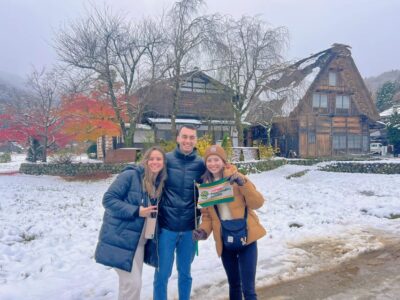
World Heritage Shirakawa-go Morning Guided Tour
Read our review →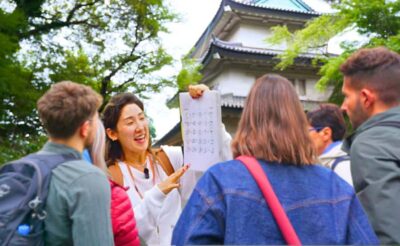
Hiroshima Peace (Heiwa) Walking Tour at World Heritage Sites
Read our review →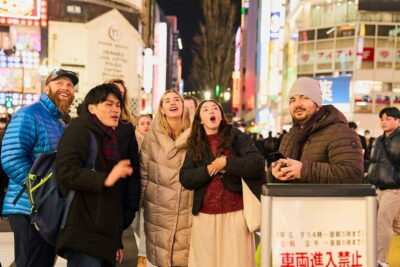
Shinjuku Historical Walking Tour & Secret Backstreets
Read our review →Browse the lists this tour appears in