
Reviewed · TEMPLE & SHRINE TOURS
Nara Todaiji Kasuga Taisha Private Full Day Tour From Kyoto
A full day in Nara from Kyoto is interesting because it stacks the city’s top spiritual sights with a walk through old-town streets, all without you having to plan every turn. I love how the day centers on Todaiji Great Buddha and the hanging lantern vibes at Kasuga Taisha. I also like that the tour is led by English-friendly guides, including names like Katsuhiko Ishida, Gustavo, Richard, and Yossi.
One possible drawback is logistics. There is no hotel pickup, so you’ll start at the 7-Eleven by JR Kyoto Station and get yourself ready for a train day plus some walking.
Key highlights worth marking on your map
- Private, group-only experience so your guide can adjust the pace for your crew
- Nara Park deer time that is fun for photos, and even better if you enjoy the chaos of deer feeding
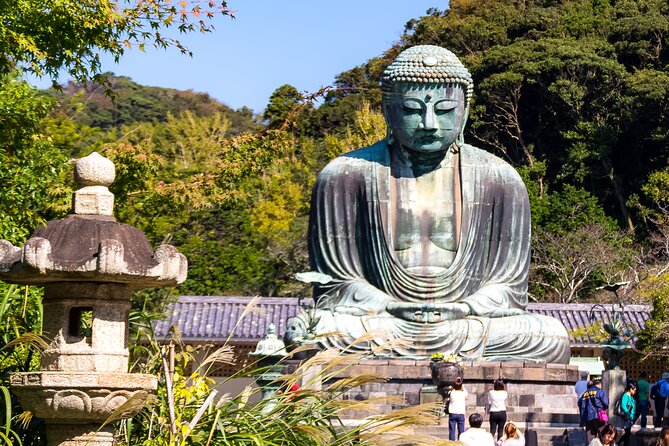
- Todaiji Daibutsuden UNESCO main event with one of the biggest bronze Buddha images in Japan
- Kasuga Taisha lanterns + Naramachi streets for that Edo-style lane feel and small-shop browsing
- Kofuku-ji grounds stop that ties Nara to the Heijo-kyo imperial capital story
- Mobile ticket and snacks included to keep the day smooth once you arrive in Nara
Getting to Nara from Kyoto without turning it into a project
This is a one-day plan, built for people who want Nara’s best-known sites but do not want to spend their morning figuring out trains, tickets, and which temple is actually worth your time. The flow is simple: meet your guide near JR Kyoto Station, take the express train to Nara, then work your way through the main sights before heading back.
The big practical detail is that you handle your own trip to the meeting point. You start at 7-Eleven Heart-In, at JR Kyoto Station’s central entrance store (the one on Karasuma side, Higashishiokojicho area). Your tour ends back at the meeting point, so plan on your return being clean and predictable.
Also, this is a private tour, meaning it is only your group. That matters because Nara is popular, and a good guide can help you time photo stops and keep the day from feeling like a stampede.
More Full-Day Tours in Kyoto
- 5 Top Highlights of Kyoto Full Day Bike Tour (E-bike option)
★ 5.0 · 511 reviews - Full Day Biking Tour Exploring the Best of Kyoto
★ 5.0 · 498 reviews - Full Day Guided Tour to Kyoto and Nara from Osaka by Van
★ 5.0 · 420 reviews
The Kyoto-to-Nara train segment: quick, scenic, and guide-led
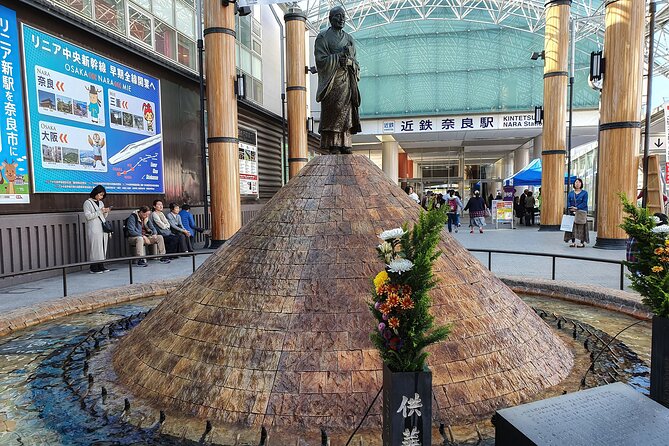
Before you hit the deer park, there is a short “transfer” part of the day that is still useful. You’ll meet your guide and board the express train to Nara. Along the way, you pass by the Gyoki Statue with a Fountain, which is one of those small-but-interesting waypoints that adds flavor without stealing time.
Why this matters: the tour uses transit time to set context. Instead of arriving in Nara confused, you usually get a heads-up about what you will see and how the sites connect. That is a big deal in Nara, where Shinto shrines and Buddhist temples can feel separate until someone explains the threads.
This tour does not include your train fare. The info provided says you can use a JR Pass, or expect about JPY 1280 one way if you pay cash. Since you are going and coming, that is the one cost you should mentally budget early.
Nara Park and the deer: the fun part you will actually remember
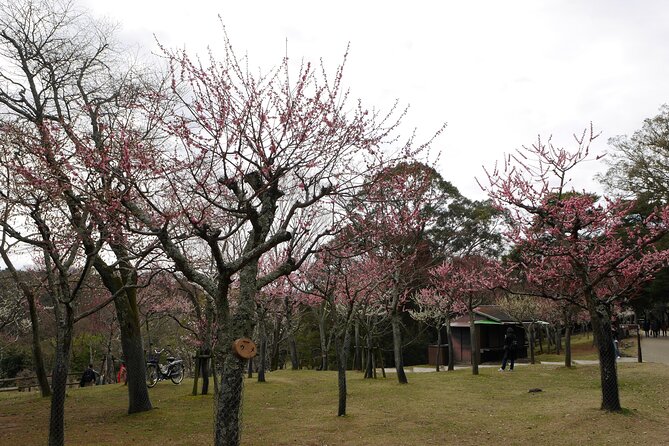
Nara Park is the part most people picture first, and for good reason. You get time to walk around the park and see the sika deer, treated as sacred messengers in Shinto belief. They are not shy in the way you might expect, and they can be surprisingly calm if you act normal.
I like that the tour gives you room for real park time, not just a quick photo stop. You’ll have a chance to take pictures, and if you enjoy the classic deer experience, feeding time is often the highlight of the day. Just keep your hands controlled and stay aware of your surroundings, because deer move fast.
You should also think about clothing and timing. This is a lot of outdoor walking, and Nara can be warm, breezy, or crowded depending on the day. Good shoes are not optional. If your feet are done, the deer fun turns into deer regret.
Todai-ji Daibutsuden: UNESCO scale, and why you should go early in your brain
Todai-ji Daibutsuden is the main temple moment, the one with “stop and stare” power. It is a UNESCO World Heritage Site, and it houses the Great Buddha (Daibutsu). The thing people keep talking about is scale. This is one of the largest bronze Buddha statues in Japan, and the hall’s size makes your brain do a quick recalculation.
What I find especially valuable here is the guide role. A good guide does not just name the building. They help you understand what you are seeing, where the key features are, and how the temple fits into the wider Nara story. In past departures, English-speaking guides like Katsuhiko Ishida and Richard were praised for their ability to explain things clearly and point you to useful viewing spots.
Practical tip: plan to stay present for the Buddha hall. It is easy to rush when you are thinking about the next stop. Resist that urge for a few minutes. Let the hall settle in, then take your photos. Your first look is the one you will remember.
More Temple & Shrine Tours in Kyoto
- Kyoto: Fushimi Inari, Kinkakuji, Bamboo Grove 1 Day Bus Tour
★ 4.8 · 4,316 reviews - Kyoto: Tea Ceremony Ju-An at Jotokuji Temple
★ 4.9 · 3,207 reviews - Osaka/Kyoto:Kinkakuji,Arashiyama,FushimiInariShrine,NaraPark
★ 4.1 · 1,596 reviews - Arashiyama Bamboo, Temple, Monkeys, or Secret Sake Brewery
★ 4.8 · 886 reviews
Lunch at Kotoya: local food opportunity, but it is not included
Between the big temple and the lantern shrine, the tour offers a traditional lunch at Kotoya Restaurant. The cost is not included in the tour price, and it is listed around JPY 2500.
So you get a decision point:
- If you want a simple, guided, sit-down meal with less decision fatigue, you’ll probably go for it.
- If you prefer to budget your day more strictly, you might choose something else during free time.
Snacks are included on the tour, which helps keep your energy up between stops. That said, do not assume the snacks are a full meal. If you tend to get hungry quickly, eating lunch as scheduled will make the afternoon feel easier.
One more food note from the vibe of the day: mochi tends to show up as a must-try. If you see it while browsing in the old streets afterward, it is worth grabbing, at least for the fun.
Kasuga Taisha lanterns and Naramachi streets you can actually walk
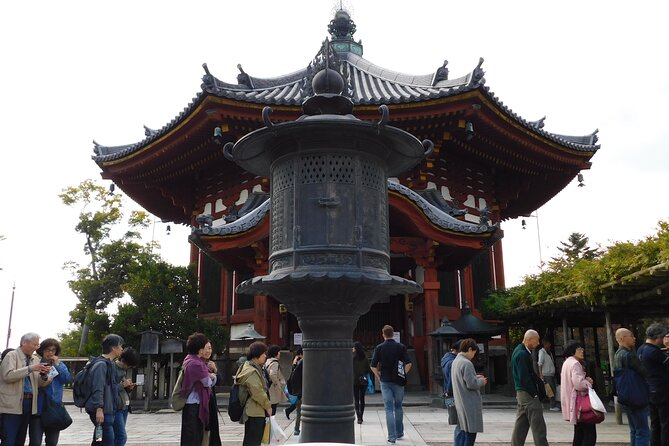
Kasuga Taisha is famous for its lanterns, and you will see why quickly. The shrine area is decorated with thousands of hanging lanterns, giving it a look that is part sacred, part magical, and very photo-friendly. This is not a quick “look and go” stop, either. You get time to take it in and then move on.
After the shrine, the tour shifts into Naramachi, the preserved merchant-house area. This is where you slow down. Expect narrow lanes lined with older-style buildings, plus specialty shops and retro museums. It is a nice contrast to the temple intensity of the morning.
What I like about adding Naramachi is that it turns your Nara day into more than a checklist. You get a sense of everyday historical life, not just religious monuments. If you enjoy small browsing moments, this is where you’ll feel it.
Kofuku-ji and Heijo-kyo context: a temple stop with a purpose
Kofuku-ji is another important stop, and it adds a different angle to the day. You explore the temple grounds while learning about the history tied to Heijo-kyo, the imperial capital of Nara.
Why this works: the day already covers Shinto and Buddhist landmarks. Kofuku-ji helps connect those sights to how Nara functioned as a political and cultural center, not only as a place for pilgrims. Even if you are not a temple-nerd, this framing makes the stones feel less random.
You are given time here that feels like exploration rather than a sprint. If you like walking through temple grounds at a calm pace, you’ll probably enjoy this part most.
Price, what you get, and the real cost after add-ons
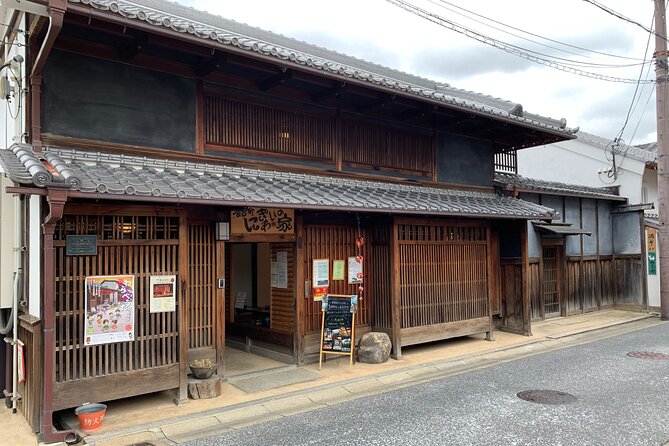
At $195 per person, the headline price sounds steep at first. But the value story is pretty clear once you separate what is included from what you pay yourself.
What is included:
- English-speaking tour guide
- Entrance fees for Todaiji Temple and Kasuga Taisha
- Snacks
What is not included:
- Hotel pickup and drop-off
- Transportation (JR Pass can be used, otherwise JPY 1280 one way)
- Lunch at Kotoya (around JPY 2500)
- Personal expenses
This pricing structure is actually common for guided day trips: you pay for the guide and key tickets, then handle transit and meal choices. If you are traveling in a group, the summary also mentions group discounts, which can make this much more reasonable per person compared with booking separate tickets and hiring private help.
The smartest way to judge the deal is to do quick budgeting:
1) Add train round-trip cost (about double the one-way fare if you pay cash).
2) Decide whether you want the Kotoya lunch.
If you do both the included temples plus a guided lunch option, you are basically paying for a full-day plan that takes the stress out of navigation.
The private guide factor: what makes this tour feel worth paying for
For this kind of day, the guide is the product, not the map pin. In the provided information, the strongest praise centers on guides who explain clearly and help you understand what you are seeing. Names that came up include Katsuhiko Ishida, Gustavo, Yochee (noted as a Nara native), Yossi, and Richard, all of whom were described as strong with English and good at making the day enjoyable rather than just informational.
You can feel the difference in small ways:
- You stop guessing where to look.
- You get timing advice that can help you reduce crowd pressure at the most important places.
- You get local flavor that turns a familiar attraction into a better experience.
Also, the tour is built as an 8-hour day, approximate. That is long enough to see the major sites, but not so long that you will feel completely cooked. With the right shoes and a snack strategy, it stays manageable.
Who this tour suits best, and who might want to think twice
This works best for you if:
- It is your first trip to Nara and you want the big spiritual sights without making a plan from scratch.
- You want English support so temples and shrines do not feel like silent stone and signage.
- You prefer a private group atmosphere where your guide can pace you.
You might think twice if:
- You hate walking. The day includes outdoor time and a decent amount of moving between stops.
- You want full independence. Since transportation and lunch are not included, you still have to make choices during the day, even with a guide.
Should you book this Nara Todaiji Kasuga Taisha private day tour?
If your goal is a well-timed, English-led Nara day built around Todai-ji, Kasuga Taisha, and the old-town vibe of Naramachi, this is a strong match. The included entrance fees and snacks reduce friction, and the private format helps the experience feel more personal than a big bus tour.
I would book it if you are ready for a full day in the city and you do not want to do logistics math. If you already know Nara well and you want to roam on your own schedule, you might do better with cheaper standalone train tickets and a self-guided route.
FAQ
How long is the Nara tour from Kyoto?
The tour duration is listed as about 8 hours.
Is this tour private?
Yes. It is a private tour/activity, so only your group participates.
Where do we meet in Kyoto?
You meet at 7-Eleven Heart-In at JR Kyoto Station Central Entrance Store (Karasuma side), Kyoto.
What time does the tour end?
The activity ends back at the meeting point in Kyoto.
What’s included in the price?
The tour includes an English-speaking guide, entrance fees for Todaiji Temple and Kasuga Taisha shrine, and snacks.
What is not included?
Not included are hotel pickup and drop-off, transportation, the Kotoya traditional lunch (around JPY 2500), and personal expenses.
Do I need a JR Pass for the train to Nara?
You do not have to have one. The info notes that you can use a JR Pass, or you can pay about JPY 1280 one way.
Is lunch provided?
Lunch at Kotoya is part of the day, but it is not included in the tour price. You would pay about JPY 2500.
Will I get a ticket without paper?
The tour includes a mobile ticket.
What is the cancellation policy?
Free cancellation is available up to 24 hours in advance for a full refund.
Is the tour suitable for most people?
The tour is listed as Most travelers can participate.
Latest write-ups near Kyoto
- Kyoto: Nishiki Market Tour with a Local Foodie & Tastings★ 4.5 · 67 reviews
- Kyoto Kimono Rental mimosa |Kimono/Yukata Rental Couple Plan★ 4.8 · 67 reviews
- Kyoto: Traditional Kimono Fabric Handicrafts Workshop★ 5.0 · 67 reviews
- Kyoto Tea Ceremony and Samurai Photo Session★ 5.0 · 70 reviews
- Kyoto: Replica food making experience★ 4.8 · 70 reviews
- Kyoto: Kinkakuji, Golden Pavilion Guided Tour★ 4.7 · 71 reviews
- Private departure transfer from Kyoto city to Kansai International airport★ 5.0 · 72 reviews
- Uji: Green Tea Tour with Byodoin and Koshoji Temple Visits★ 4.8 · 72 reviews
Temple & Shrine Tours, compared.
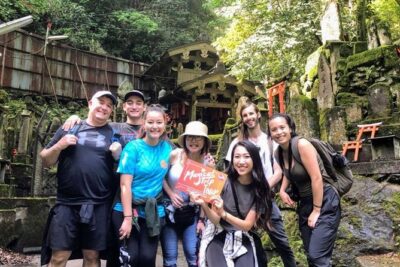
Fushimi Inari, Kinkakuji, Bamboo Grove 1 Day Bus Tour
Read our review →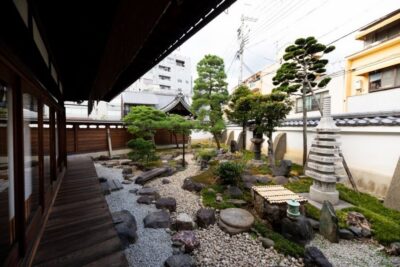
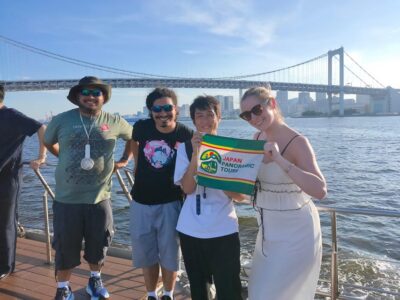
Meiji Shrine, Asakusa, Skytree Bus Tour and Cruise
Read our review →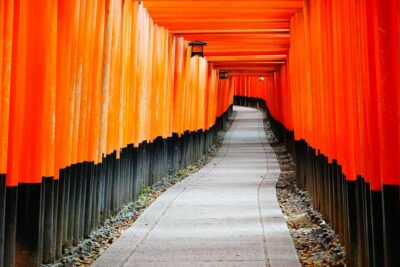
Osaka/Kyoto:Kinkakuji,Arashiyama,FushimiInariShrine,NaraPark
Read our review →
Asakusa Walking Tour with Sensoji Temple Visit
Read our review →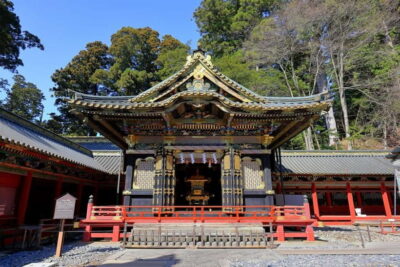
Nikko: Kegon Falls, Lake Chuzenji & Toshogu Temple
Read our review →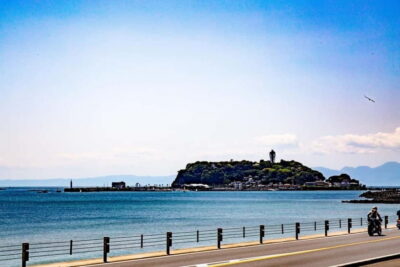
Kamakura & Enoshima Day Trip including Temple Tickets
Read our review →
Nikko Toshogu Shrine and Kegon Waterfall Tour
Read our review →Browse the lists this tour appears in