
Reviewed · WALKING TOURS
Old Town Tokyo: Shinagawa-Juku Walking Tour
This tour is interesting because it takes you off the main roads and into the older lanes of Shinagawa-Juku, where Edo-era life still shows up in street patterns, temples, and post-town history. It’s built for people who want culture without spending half their time checking maps.
I like the format a lot: it’s small-group (max 8), so you can actually hear your English-speaking guide, plus you get hot coffee and/or tea to keep you comfortable on the walk. And I really like that the focus is practical, you get guided access to spots you might skip or miss on your own.
One consideration: it is a walking tour that runs about 3 hours, and it depends on good weather. If you’re trying to squeeze Tokyo into a strict, minimal-walking schedule, you may want to think twice.
Quick hits before you go
- Max 8 people, so the guide can keep the pace and answer questions without the group stretching out
- Hot drinks included, a small detail that makes a big difference when you’re on foot for hours
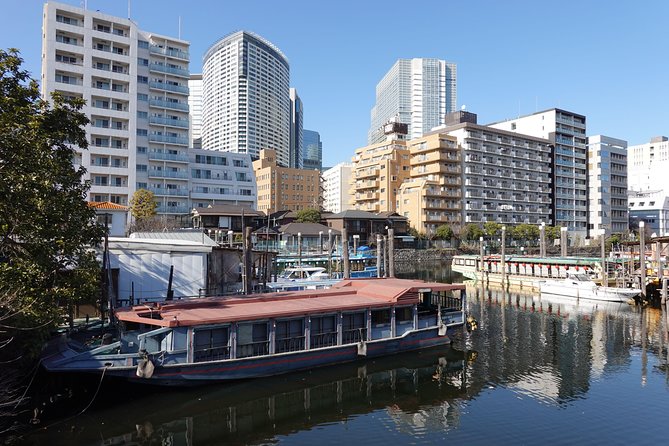
- Shinagawa-Ura Park connects the area to Edo-era shore life and the old fishing village story
- Kyu-Tokaido Street gives you a full hour on the old road that linked Tokyo toward Kyoto
- Multiple free stops (most of the itinerary), then Shinagawa Shrine is included for about 50 minutes
- You start near Kitashinagawa Station and end near Shimbamba Station, so you finish ready to keep exploring
Why Shinagawa-Juku is a smart target for an Edo-era tour
Tokyo can feel too big, too fast, and too easy to do “by accident” instead of by intention. What I appreciate about this Shinagawa-Juku experience is how it narrows your focus to one older post-town area, without pretending you will magically learn the whole city in three hours.
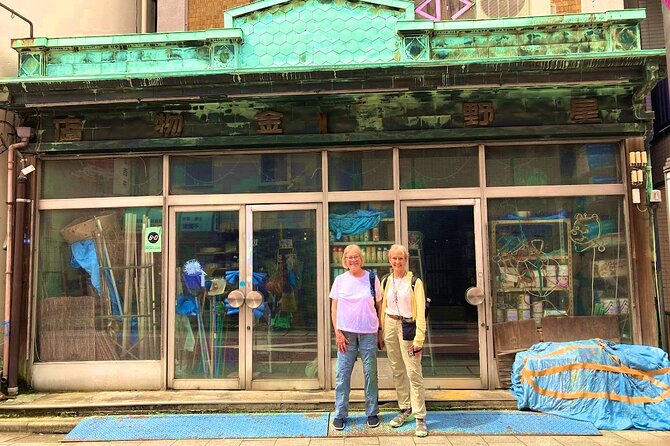
Shinagawa was part of the old travel world. You’re following threads tied to the Old Tokaido Road, the route travelers used as they moved between Tokyo and Kyoto. You get history that connects directly to what you’re looking at, not history that stays in a museum.
Another thing I like: the stops include both public-facing landmarks and those tucked-away local corners you usually only find by wandering. That means you get more “street-level Tokyo” and less checklist tourism.
More Walking Tours in Tokyo
- Tokyo Tsukiji Fish Market Food and Culture Walking Tour
★ 5.0 · 3,184 reviews - Tokyo: Imperial Palace and Shogun Historical Walking Tour
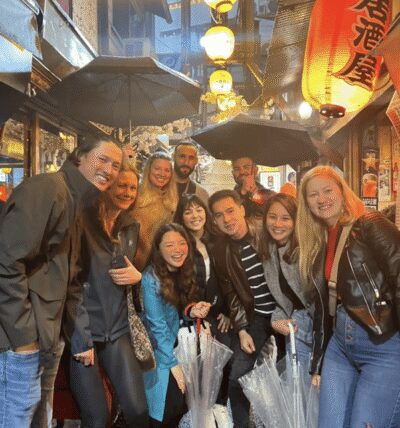
★ 5.0 · 2,251 reviews - Tokyo: Shinjuku Local Bar and Izakaya Guided Walking Tour
★ 4.9 · 1,794 reviews
Price and value for $94.88 per person
At $94.88 per person, this isn’t the cheapest way to fill three hours in Tokyo. But the value comes from how it’s put together.
You’re paying for three things that matter in real life:
- A small group of up to 8, with an English-speaking guide you can actually hear
- Hot drinks included, which keeps the experience comfortable
- A structured route, so you avoid the time sink of figuring out what’s worth seeing and where it is
Also, you’re not paying for lunch, and that’s on purpose. There are no lunch inclusions listed, so you can choose something you truly want based on your tastes and dietary needs.
One more timing note that’s worth your attention: this tour is commonly booked about 37 days in advance on average. If your dates are fixed, I’d plan ahead. Popular Tokyo walks often sell out sooner than you expect.
The simple logistics that make the walk easier
The tour meets at Kitashinagawa Station (1 Chome-1, Kitashinagawa, Shinagawa City). It’s one stop from major Shinagawa Station, which is helpful if you’re already using Shinagawa as a hub.
You finish at Shimbamba Station (2-chōme-18-1, Kitashinagawa). Ending at a different station can be a plus. You’re less likely to feel stuck retracing your steps just to get back to transit.
A couple practical tips that help:
- Wear comfortable shoes. This is a walking route with short temple stops, not a quick drive-by.
- Bring a light layer. The tour includes hot drinks, but weather can still swing your comfort level.
- If you hate carrying things, plan to travel light. The itinerary includes several stops where you’ll likely want your hands free for photos.
Good to know: mobile ticket is used, and the meeting points are described as near public transportation. Service animals are allowed too.
Walking “old Tokyo” without getting lost, and why that matters
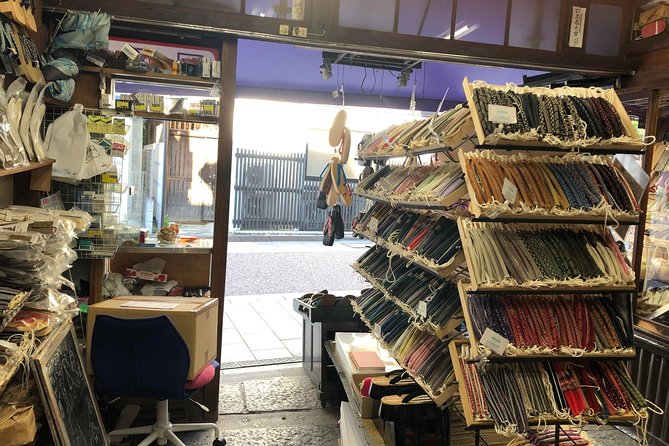
The biggest advantage of a guided old-neighborhood walk is not the facts. It’s the way the guide helps you read the neighborhood.
In this itinerary, you keep moving through different types of places:
- a shore-area park tied to fishing village origins
- an old road street associated with travelers
- tucked-away temples and a shrine area with long-running traditions
As you go, you’re less likely to get stuck in the common Tokyo trap: you walk somewhere pretty, but you don’t know what you’re looking at. With a small group, your guide can pace you, point out what connects to the Old Tokaido Road, and keep the story grounded in what’s in front of you.
And yes, it helps that you won’t have trouble hearing. A max of 8 people makes a difference when groups are otherwise too spread out for good conversation.
A change of pace from Tokyo:
- Mt Fuji and Hakone 1-Day Bus Tour Return by Bullet Train
★ 5.0 · 26,383 reviews - 1-Day Tokyo Bus Tour
★ 5.0 · 14,250 reviews - Tokyo: TOKYO SKYTREE® Admission ticket
★ 4.5 · 11,192 reviews - Tokyo: teamLab Planets TOKYO Digital Art Museum Entry Ticket
★ 4.6 · 9,779 reviews
Stop 1: Shinagawa-Ura Park, the shore that started as fishing life
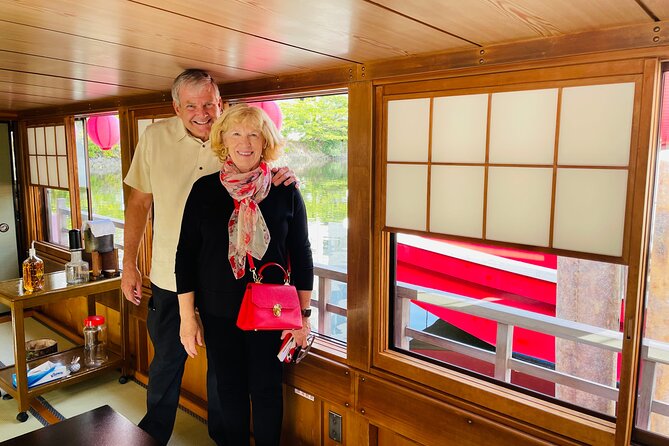
Your first stop is Shinagawa-Ura Park, about 15 minutes, and the admission is free.
This is a smart opening stop because it sets the stage. In Edo times, the shore near Shinagawa was used for fishing, and a small but prosperous fishing village grew around it. Even though the area no longer serves commercial fishing, the park and surrounding area give you a sense of why the geography mattered.
Why you’ll probably enjoy this first:
- It’s an easy way to transition from modern Tokyo into Edo-era thinking.
- It anchors the trip to the idea that post-towns were not just roads and inns, they were also tied to water, food, and daily work.
A drawback? Because it’s only 15 minutes, it’s more of a “set the scene” stop than a deep dive.
Stop 2: Kyu-Tokaido Street for an entire hour of old-road atmosphere
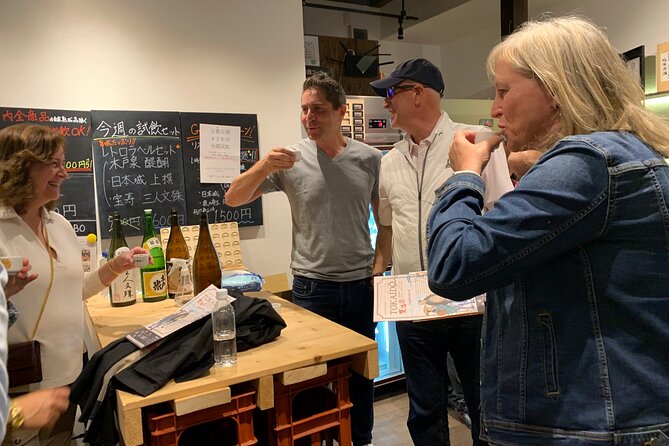
Next you’ll spend about 1 hour at Kyu-tokaido Street (free admission).
This is one of the most important concept stops in the whole tour. Kyu-Tokaido Road is described as the first stop for travelers moving from Tokyo toward Kyoto. It was a lively area with inns and shops built around the needs of travelers.
If you’re the kind of person who likes walking and imagining, this stop is made for you. After the shoreline context, Kyu-Tokaido helps you understand how people actually moved and lived while traveling. Food, lodging, supplies, and services all had to cluster somewhere.
What to keep in mind:
- An hour is plenty to take photos and absorb the street feel.
- If you’re expecting a theme-park level “authentic Edo street,” you may find it more layered and real-world than staged. That’s usually a good thing, but it depends on what you want from your photos.
Hozenji Temple: short stop, good payoff, and an eye for hidden details

Stop 3 is Hozenji Temple, about 10 minutes with free admission.
This part of the walk shifts you into the smaller scale world. Branching off the main Tokaido Road are smaller streets and alleyways where local temples and quaint old houses can be tucked away under greenery. The itinerary notes you can even see a water well in the middle of a residential lane.
This is the kind of stop that changes how you see the neighborhood. Instead of thinking of “Tokyo sights” as isolated icons, you start noticing how religious places, homes, and everyday routes share the same small footprint.
The only possible drawback is the time. Ten minutes is tight. Plan on quick observation: look for the well, notice the lane layout, then move on with the story.
Shotokuji Temple and the autumn maple clue
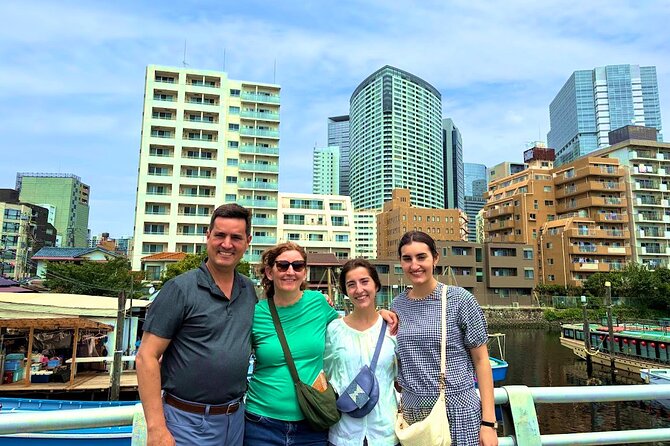
Stop 4 is Shotokuji Temple, about 5 minutes (free admission), reached after a stroll down Shinbaba Street.
This stop is brief, but there are two reasons it’s included. First, it’s said to be especially pretty in autumn because it’s surrounded by maple trees. Second, there’s an unusual fence mentioned as part of what makes the temple noticeable.
If you’re in Tokyo during autumn, this stop could feel more rewarding. If not, you’ll still likely appreciate the way the guide uses this place as a contrast point, a reminder that seasons change the look of religious and residential spaces.
Because the stop is only five minutes, keep your expectations as a “quick highlight,” not a leisurely temple visit.
Ebara Jinja Shrine: a rain prayer tradition by the Meguro River
Stop 5 is Ebara Jinja Shrine, about 10 minutes (free admission).
This shrine has a deep timeline. It is established in 709, and it’s worshipped as the place of the dragon god where people pray for rain. The itinerary also ties it to a story from 1062, when people took water from the nearby river for use connected to the shrine tradition.
It’s located next to the Meguro River, which helps with atmosphere even if you do not spend long here. The river setting gives you a geography-based reason for the shrine’s theme of water and rain.
Why this works in the tour flow:
- After the temple stops, you move from Buddhist space to Shinto worship, and the guide’s connections help you see the difference in purpose.
- The rain-dragon story gives you a meaningful reason to care about the river setting.
A drawback: ten minutes means you should treat it like a focused moment, not a full shrine excursion.
Shinagawa Shrine: the centerpiece stop with a “mini-Fuji”
Stop 6 is Shinagawa Shrine, about 50 minutes, and admission is included.
This is the biggest time block on the tour, and it’s for a good reason. Shinagawa Shrine was founded in 1187 as a guardian of the nearby post-town. You’ll also hear about the fujizuka, a mini-Fuji built for worshippers who didn’t have the strength or money to climb the actual Mount Fuji.
In other words, the shrine is not just about today. It’s about who needed spiritual access and how the community created a version they could manage.
I like this as the closing stop because it ties the entire walk together. You start with the shore, then follow the old travel road, then move through tucked-away religious places, and finally land at a shrine that reflects the identity of the post-town itself.
Practical tip: since this is your longest stop, this is where you should slow down. Take a little extra time to look at details rather than sprinting for photos.
Hot drinks, English guidance, and how to get the most from 3 hours
The tour includes coffee and/or tea, and it’s specifically described as hot drinks. That matters more than you might think. In Tokyo, a short pause can reset you, especially if you’re walking through older alleys where the pace is slower.
And because the group is small, your guide can manage the tempo. That helps you avoid the common issue with longer walking tours, where you end up rushing through the last half just to keep up.
The guide name that stands out from experience is Charlotte. The feedback emphasizes that she’s friendly and knows how to connect city culture, subway systems, and the district’s history in a way that feels easy to follow. If you meet Charlotte on your date, you’re likely in for a very human, practical style of guiding.
Who this tour suits best, and who may want another plan
This is a great fit if you:
- care about history and culture, especially Edo-era Japan
- want a guided plan that helps you avoid getting lost in older neighborhoods
- like temple and shrine stops, and you enjoy short “story stops” along the way
- prefer small groups where you can hear the guide without shouting across streets
It may be less ideal if you:
- hate walking and want a sit-down style tour
- need lunch included (it’s not part of the package)
- are traveling on a tight weather window. The tour requires good weather, and poor conditions can trigger an alternative date or a refund
If your Tokyo trip is first-time focused, this also works well as a reset. Instead of only “big ticket” sights, you get neighborhood-level context that helps everything else make more sense.
Should you book the Old Town Tokyo: Shinagawa-Juku Walking Tour?
If you want Edo-era Tokyo ideas that connect to what you’ll actually see on the sidewalk, I think this is a strong buy. The small group size, the hot drinks, and the fact that you get a structured route through key spots along the Old Tokaido Road direction are the real reasons to choose it.
Book it if you love walking with a guide and you want to understand the neighborhood, not just take pictures. Skip it if you’re looking for a slow, fully seated experience, or you’re counting on lunch being included.
My final advice is simple: if your dates are flexible and the weather looks steady, this is the kind of tour that makes Tokyo feel more legible fast.
FAQ
How long is the Shinagawa-Juku walking tour?
It runs for about 3 hours.
What is the price per person?
The price is $94.88 per person.
What is included in the tour price?
You get coffee and/or tea, plus an English speaking guide.
Is lunch included?
No, lunch is not included.
Where do I meet the tour, and where does it end?
You start at Kitashinagawa Station (1 Chome-1, Kitashinagawa, Shinagawa City, Tokyo). The tour ends at Shimbamba Station (2-chōme-18-1, Kitashinagawa, Shinagawa City, Tokyo).
How big is the group?
The tour has a maximum of 8 travelers.
Is there free cancellation, and what happens with poor weather?
Yes, there is free cancellation. You can cancel up to 24 hours in advance for a full refund. The tour requires good weather, and if it is canceled due to poor weather you will be offered a different date or a full refund.
Latest write-ups near Tokyo
- Tokyo Customized Private Tour: See Top Attractions in 1 Day★ 4.8 · 67 reviews
- From Tokyo: Top 5 Scenic Spots of Mount Fuji Full-Day Tour★ 4.5 · 67 reviews
- Tokyo: Shinjuku Izakaya and Golden Gai Bar Hopping Tour (2h)★ 4.9 · 67 reviews
- Traditional Japanese Music ZAKURO SHOW in Tokyo★ 5.0 · 67 reviews
- Tsukiji: Unlimited Sake Tasting Experience★ 4.9 · 67 reviews
- Samurai Ninja Museum Asakusa: Kid-Friendly Ninja Training★ 4.7 · 67 reviews
- Tokyo: Not a show- a professional sumo practice with experts★ 4.9 · 67 reviews
- Private Harajuku Omotesando Architecture Walking Tour★ 5.0 · 67 reviews
Walking Tours, compared.
Kyoto Geisha Walking Tour: Gion District & Hidden Gems
Read our review →
Tokyo Tsukiji Fish Market Food and Culture Walking Tour
Read our review →
Gion Magical Night Walking Tour with Geisha Trivia
Read our review →
Imperial Palace and Shogun Historical Walking Tour
Read our review →
Gion Geisha District Walking Tour – Stories of Geisha
Read our review →
Shinjuku Local Bar and Izakaya Guided Walking Tour
Read our review →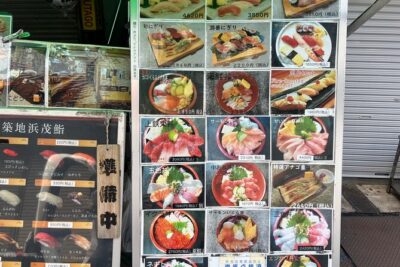
Browse the lists this tour appears in