
Reviewed · WALKING TOURS
Osaka: Deep Backstreets Walking Tour with Dinner Option
This tour is interesting because it shows Osaka at street level, where the neon is paired with aging buildings, uncomfortable truths, and local routines you will not stumble into on a standard sightseeing loop. I love the way it mixes retro night Osaka with real alley wandering, and I also love that the food is built into the route, so you taste while you walk, not after you finish. It is not for everyone, mainly because the themes can get blunt and the pace is built around tight lanes where being late can mean getting separated.
The second big draw for me is the Taisho-era red light district option in UNESCO-listed streets, presented with context rather than spectacle. I also like that the guides keep the conversation serious when it needs to be serious, covering topics like yakuza, illegal gambling, sex work, and war in a way that helps you understand how the city works. The one drawback to consider is that it is intentionally unfiltered, and it is not suitable for children under 16, pregnant women, or people with mobility impairments.
Key Things You’ll Notice on This Osaka Backstreets Walk
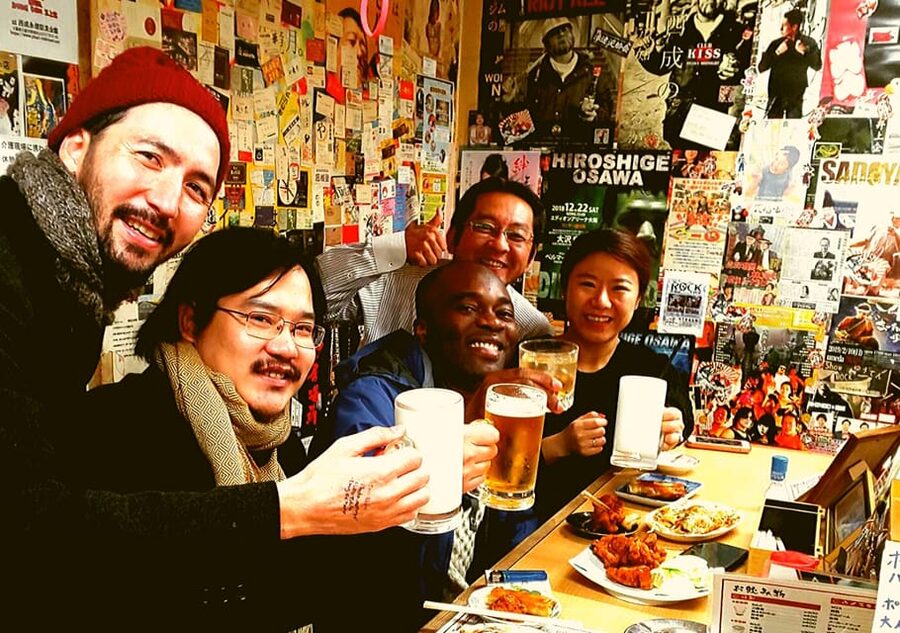
- Retro Osaka starters like video game parlors, old-school markets, and late-night entertainment habits
- Two side-dish stalls included, so you get real tastes from back-alley kitchens
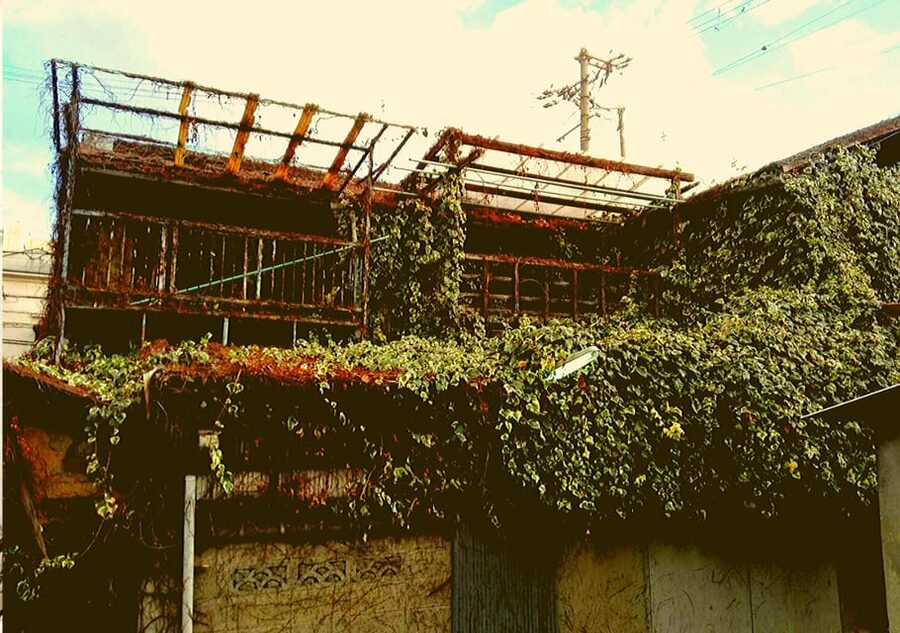
- Abandoned buildings area energy, a surreal contrast in the middle of the city
- Taisho-era red light district option, with a preserved feel and UNESCO-listed buildings
- Taboo topics covered directly, from pachinko to yakuza to sexism and welfare
- Respect-first route design, and it does not go through the homeless district
Why This Tour Feels Like a Different Osaka After Dark
Osaka is often sold as easygoing fun, and yes, there is plenty of that. But this tour adds another layer: the kind you only see when you follow locals into older streets where doors are half-closed, signs look dated, and the city’s past is still physically present.
What makes the walk work is the pacing. You do not just get facts in a classroom voice. You walk through settings that match the stories, then you stop to eat, ask questions, and absorb what you are seeing. The group stays together as the streets get narrower and more surprising, and the guide uses humor and frank talk to keep it human instead of grim.
This is also one of those Osaka experiences where your mindset matters. If you want postcard Japan only, you will feel like you are watching someone else’s movie. If you want the full picture, including the messy parts, it can feel like a smart shortcut to understanding how people navigate the city at night.
More Walking Tours in Osaka
- Osaka: Hotspots & Hidden Gems Walking Tour Private or Group
★ 4.9 · 1,300 reviews - Osaka Local Foodie Walking Tour in Dotonbori and Shinsekai
★ 5.0 · 985 reviews - Osaka Bar Hopping Night Walking Tour in Namba (3 bars, 6 tastes)
★ 5.0 · 958 reviews
Retro Osaka Warm-Up: Games, Markets, and Nightlife Clues
The tour starts by turning you toward retro Osaka. Expect to pass through scenes that feel like another decade, including video game arcades that are part of the local entertainment rhythm and older markets with smaller-scale energy than the big shopping areas.
This early section is not random. It sets the frame for how Osaka entertains itself. In a city where people plan nights out like it is normal business, arcades, side streets, and small venues create a map of where locals go when they want fun that is not staged for tourists.
You might also catch glimpses of oddball local food culture and performance spaces mentioned in the tour format, like a theater moment or a wild-sounding fishing restaurant concept. Even when you only see the sign or doorway, the guide ties it back to daily life, not just trivia. That is what helps you connect the dots later when you hit the more controversial areas.
The practical tip here is simple: comfortable shoes. This part is mostly walking, and the whole tour relies on steady movement through alley-heavy streets.
Back Alley Food Stops: Two Side Dishes That Teach You How to Eat Here
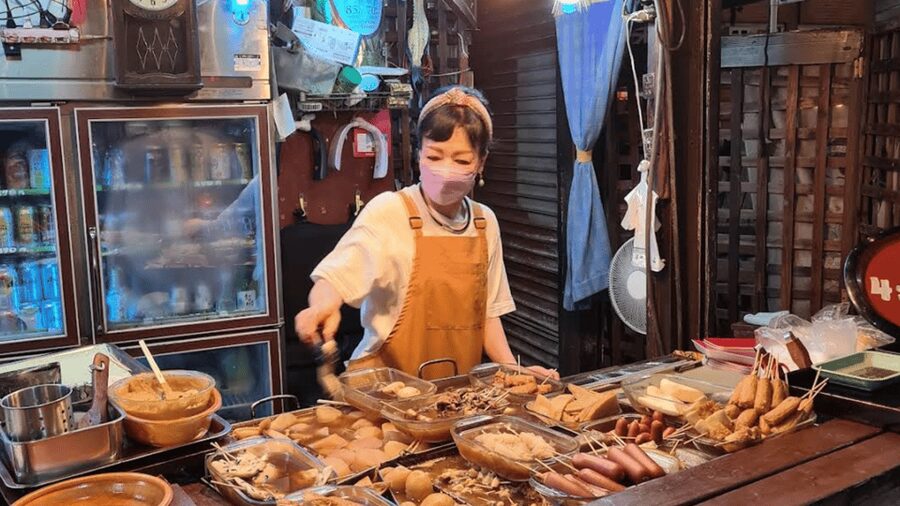
One of the best values in this experience is that food is included, and it is built into the route. You will visit two stalls, and you will sample two different side dishes. That means you are not stuck with a single set meal where everything tastes the same.
These side dishes matter because they are the kind of food that locals grab fast between plans. The portion sizes are usually practical for walking, and the setting is part of the experience. You get to see how a stall works at night, how people order, and how the food fits into the neighborhood schedule.
From the guide style described in the reviews, many groups feel like they are getting a guided snack break with context. Guides like Knox, Rudy, Maria, and Tim show up repeatedly in comments, and the consistent theme is that they can answer odd questions without making you feel awkward. That matters when the food stops sit in places that tourists might ignore.
If you have dietary restrictions, the data you provided does not list specifics. So I would treat this as a normal street food tasting, and if you have serious restrictions, message the operator before booking.
The Abandoned Buildings Area With a Controversial Past
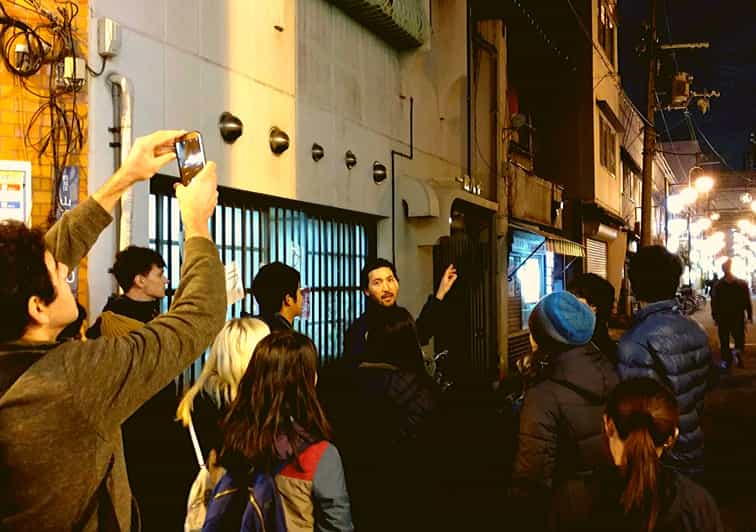
After the retro warm-up and the snack breaks, you move into one of the tour’s most striking sections: an area with abandoned properties and a controversial past.
This is the point where the walk can feel surreal. You are still in the city, but suddenly you see the other side of urban life, where neglect, past decisions, and uncomfortable history remain visible. The guide’s job here is crucial. Without context, abandoned buildings become just creepy photos. With context, they become evidence of how a city changes, who benefits, who gets left behind, and why rumors and power dynamics can shape whole neighborhoods.
The reviews emphasize that guides handle sensitive material with seriousness and respect. They also stress that the tour is designed to feel safe while walking through “shady” feeling streets. You should still use common sense. Stay with the group, keep your phone away, and follow the guide’s cues. This is not a free-roam night walk.
Also, this section reinforces something the tour does repeatedly: it does not sugarcoat. You are shown the good, the bad, and the gray in between, which is exactly what makes it different from a standard photo tour.
More Dining Experiences in Osaka:
- Deep Backstreet Osaka Tours (Option to add Dinner)
★ 5.0 · 1,290 reviews - Tokyo Bar Hopping Tour in Shinjuku (All-You-Can-Drink + Dinner)
★ 5.0 · 3,587 reviews - Tokyo: Sumo Show and Dining Experience
★ 4.8 · 2,742 reviews - Tokyo: Samurai Restaurant Show Ticket with 2 Drinks
★ 4.5 · 1,307 reviews
Walking the Taisho-Era Red Light District, UNESCO-Listed Streets
Here is the big branching choice. After the abandoned buildings area, you have the option to walk through the Taisho-era red light district, or skip it and take another path.
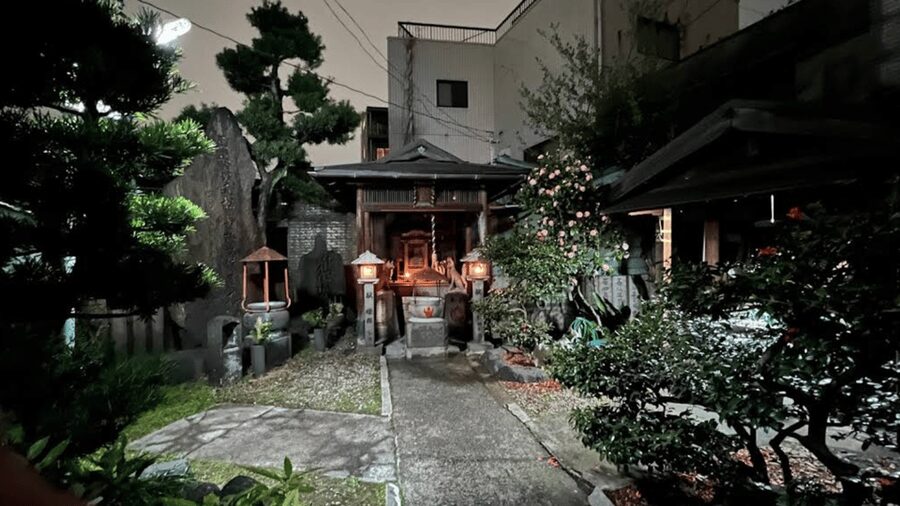
If you choose to go in, you will be walking through streets where buildings from the period are incredibly preserved, including UNESCO-listed buildings tied to Osaka culture. That “preserved” part is important. The tour does not treat it as a generic nightlife district. It frames it as architecture and history that shaped a whole way of organizing nightlife.
You will also get context that helps you understand why such places exist and how social rules, stigma, and business realities overlap. Because the tour is built around taboo topics and candid talk, the conversation in this section can be heavy for some people. It is also why it is not recommended for families and why the age limit is strict.
One more practical note: because this is part of a nighttime backstreet route, the guide will keep you moving through winding lanes. That is another reason punctuality is so emphasized on this tour.
Taboo Topics Without the Shock Value, If You Want Real Context
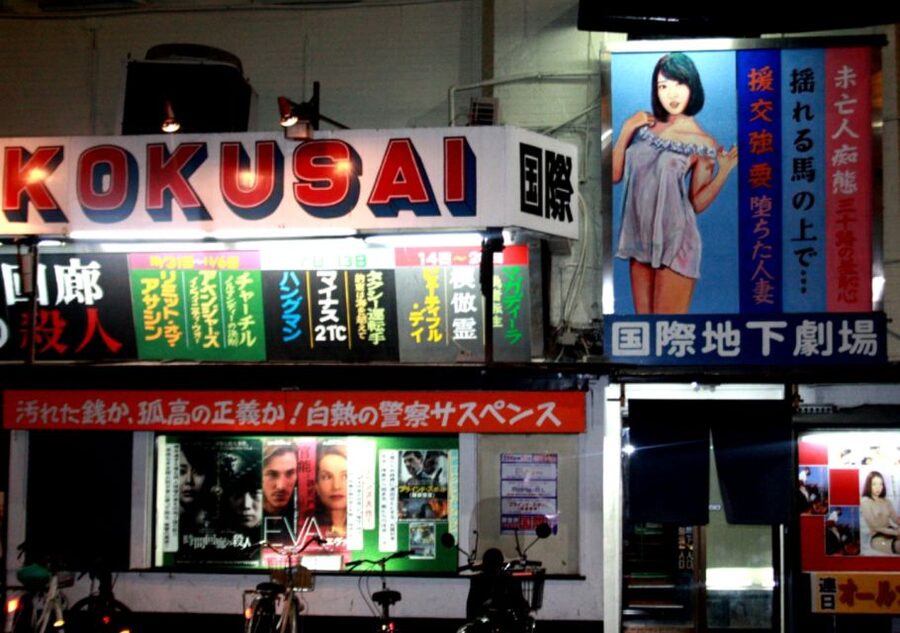
If you book this, you are signing up for frank discussion. The tour includes taboo topics such as yakuza, sexism, war, illegal gambling, sex work, illicit businesses, pachinko, homelessness, welfare, and more.
The key is not that the topics exist. It is how they are handled. Reviews repeatedly mention that guides answer questions freely, stay respectful, and avoid cheap sensationalism. Many comments point out how safe the walk feels even when the areas are described as dodgy. That does not mean the topic is light, it means the guide’s tone and behavior keep it grounded.
Also, the tour does not go through the homeless district. That is a meaningful boundary. You get awareness of hardship as part of the broader city picture, but you are not routed through an area the operator avoids.
If you are the kind of traveler who wants a city’s rules and contradictions explained, this tour can click quickly. If you prefer a clean itinerary with only optional learning, it might feel too direct.
A good way to decide is to ask yourself what you want Osaka to mean to you. Not just sights, but how people live with the city’s systems, power, and past.
Optional Dinner After the Walk: How to Use the Extra Time
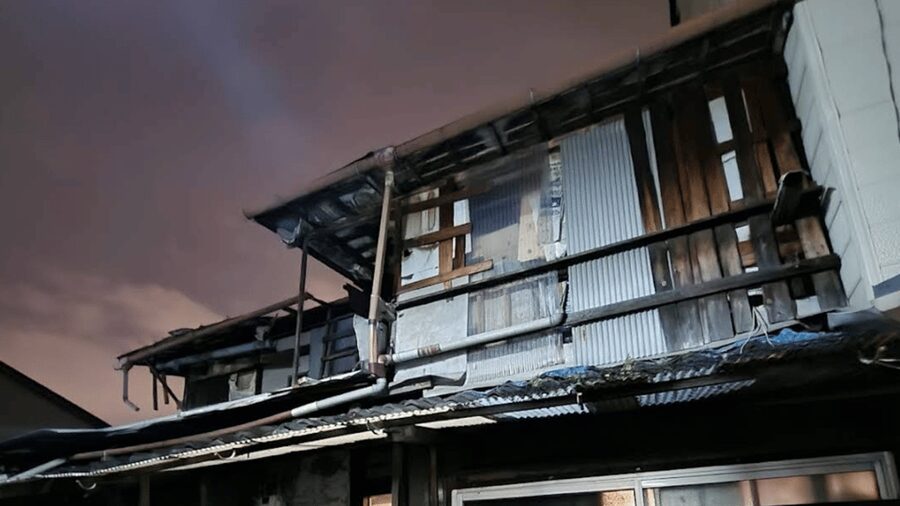
At the end, you can choose the dinner option. The data says dinner is provided after the tour ends if you select it, and it is part of the value for people who want a complete evening instead of splitting plans.
From reviews, the dinner tends to include traditional Japanese dishes, and people also mention that it is delicious and satisfying. One review highlights dishes like fried chicken and beef soup, plus dessert, and another mentions a dinner lineup that includes pasta and other comfort-food style choices.
Two practical things:
- Drinks are not included, so budget for beverages separately.
- You will finish around the 3-hour mark. The exact clock time depends on the start time, but the structure is built so dinner lands right after the walking portion.
If you hate waiting, the dinner option can simplify your night. You also get more time with the guide and group, which many reviewers describe as feeling more like a chat than a lecture.
Price and Value: Where $40 Actually Goes
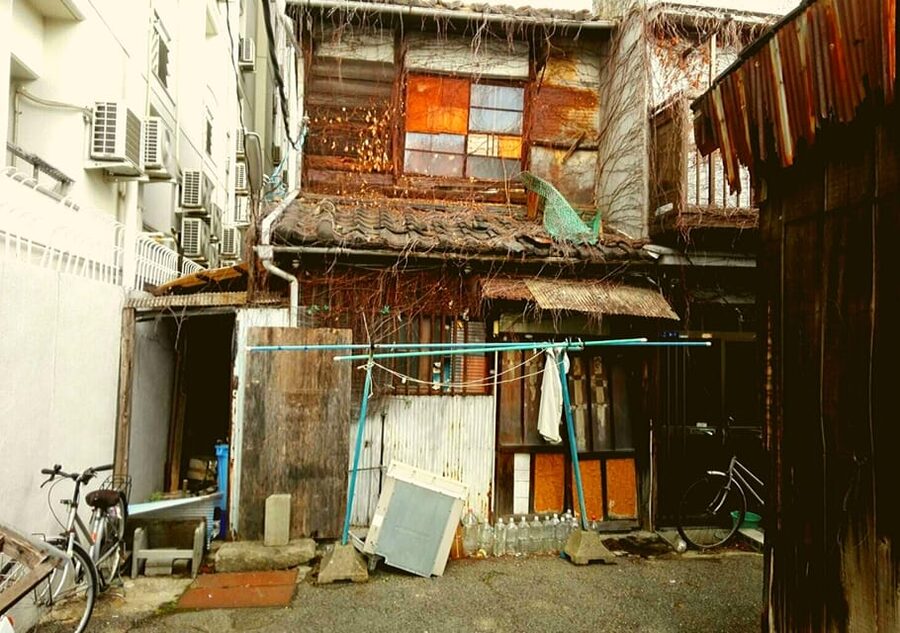
At $40 per person for a 3-hour, English-guided experience, the value comes from three places.
First, you get professional guiding. The tour relies on storytelling plus explanations tied to what you are seeing. That kind of access is hard to replicate on your own, because the streets and history are not presented through signage that tourists would understand.
Second, you get two side-dish tastings at two stalls. That is not a full meal included automatically, but it offsets part of the cost and makes the walking feel like an actual night out, not just sightseeing.
Third, you get the big decision point: the Taisho-era district option plus the taboo discussion. If you want a tour that changes how you see Osaka, that conceptual value is real.
The only cost factor to plan for is drinks, since they are not included. If you also add the dinner option, you may spend more than the base $40, but you also likely avoid the hassle of choosing a restaurant right after a long alley-heavy walk.
One Big Practical Rule: Be On Time or You Lose the Group
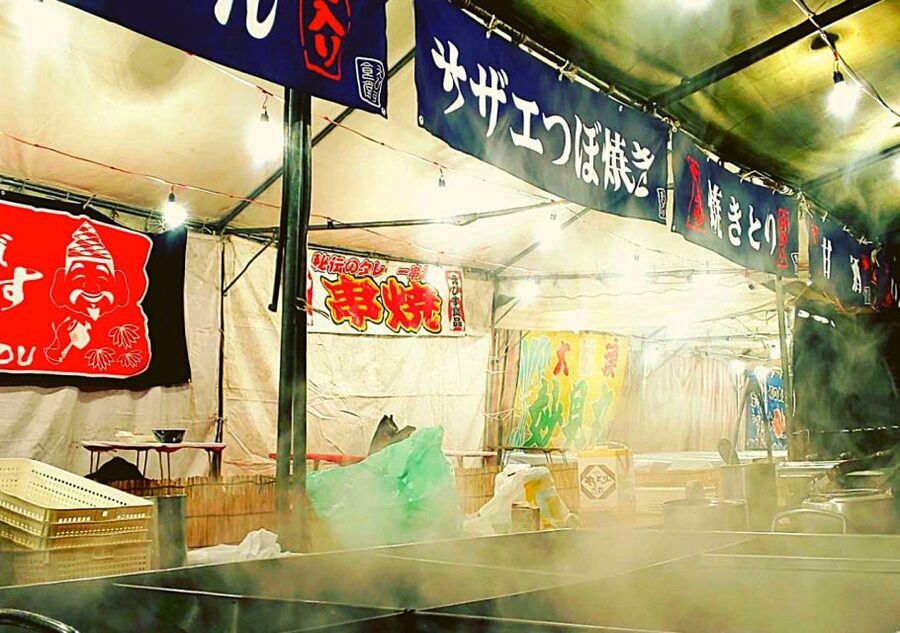
Japan runs on punctuality, and this tour is strict about it. The data makes it clear: being on time is very important, there is no chance of catching up if you are late, and the route enters winding alleys where it becomes impossible to find the group.
This is not just a policy line. It shapes your success. You should treat this like a timed appointment, not a flexible stroll.
So do this:
- Arrive early enough to find the meeting point variation for your booking.
- Use a map and plan for a little transit delay.
- Wear shoes that let you move quickly.
If you are the kind of traveler who likes to wander before tours, you may want to skip that habit here. Start focused and stay with the plan.
Who This Osaka Backstreets Tour Fits Best
This tour is best for adults who enjoy street-level learning and do not need sanitized culture. The tour is not suitable for children under 16, pregnant women, or people with mobility impairments. That matters because the route is described as winding and built around alley walking.
It is also not for families in the usual sense, since the guide covers taboo topics like sex work, illegal gambling, and war. Even if you are comfortable, the conversation may feel intense.
On the other hand, it can be a great fit for:
- Solo travelers who want local context fast, especially if you would not feel confident finding the areas yourself
- Couples looking for a shared, unusual night out
- Travelers who are tired of only seeing the polished parts of cities
Guides featured in reviews include Knox, Rudy, Maria, Tim, Taka, Joseph, Bennet, Brian, and Mari, and a repeating praise point is that they keep the talk respectful and tailored to questions.
If you want a tour that feels like a chat with a local who is willing to explain Osaka’s contradictions, this is one of the better bets.
Should You Book This Deep Backstreets Tour?
Book it if you want Osaka in full color: the retro fun, the back alley foods, the preserved Taisho-era streets, and the serious context behind why places exist. The combination of two side-dish tastings, optional dinner, and candid taboo topics is exactly the kind of value that works when your goal is understanding, not just photos.
Skip it if you want a kid-friendly evening, if you are easily shocked by adult themes, or if you have mobility constraints that make alley walking hard. Also skip it if punctuality is a challenge for you, because this is a tour where catching up is not a thing.
If you do book, go in with curiosity and respect. Ask questions. Stay with the group. And wear shoes you can walk in for three solid hours through changing streets and changing moods.
FAQ
How long is the tour?
The tour lasts 3 hours, listed as 210 minutes.
What’s included in the price?
It includes a professional English-speaking guide and two stall visits where you sample two side dishes. If you choose the dinner option, dinner is included after the tour.
Is dinner included, or is it optional?
Dinner is an option. You can select the dinner option, and then dinner is provided after the tour ends.
Are drinks included?
No. Drinks are not included.
Does the tour go through the homeless district?
No. The tour does not go through the homeless district.
Is this tour suitable for children or pregnant women?
No. It is not suitable for children under 16 and not suitable for pregnant women.
Is it wheelchair accessible?
The tour is listed as wheelchair accessible, but it also says it is not suitable for people with mobility impairments, so you should think carefully about whether the walking route works for your needs.
What should I wear or bring?
Bring comfortable shoes. High-heeled shoes are not allowed.
Latest write-ups near Osaka
- 90 min Shared Handmade Udon Experience★ 5.0 · 70 reviews
- Ramen and Gyoza Cooking Class in Osaka Dotonbori★ 5.0 · 73 reviews
- Osaka: Sushi Making in Spacious Studio (SAME-DAY OK!)★ 5.0 · 75 reviews
- Osaka E-Bike Tour With A Local Guide★ 4.7 · 75 reviews
- 1.5〜2 Hours Traditional Kintsugi Work Shop in Namba Osaka★ 5.0 · 75 reviews
- Retro Osaka Street Food Tour: Shinsekai★ 4.5 · 77 reviews
- Osaka: Osaka Castle Guided Tour with Local Guide★ 4.7 · 78 reviews
- Osaka Okonomiyaki Cooking Experience!★ 5.0 · 79 reviews
Walking Tours, compared.
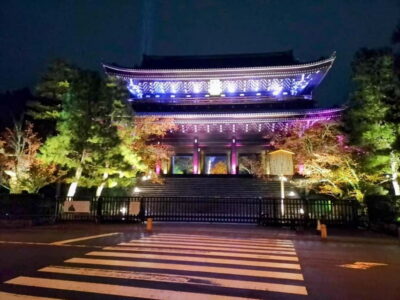
Kyoto Geisha Walking Tour: Gion District & Hidden Gems
Read our review →
Tokyo Tsukiji Fish Market Food and Culture Walking Tour
Read our review →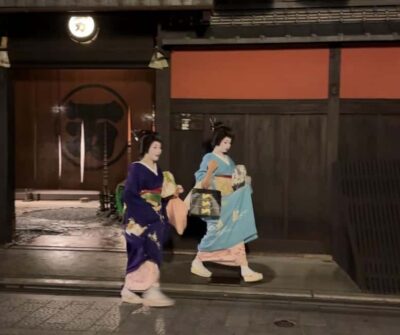
Gion Magical Night Walking Tour with Geisha Trivia
Read our review →
Imperial Palace and Shogun Historical Walking Tour
Read our review →
Gion Geisha District Walking Tour – Stories of Geisha
Read our review →
Shinjuku Local Bar and Izakaya Guided Walking Tour
Read our review →
Browse the lists this tour appears in