
Reviewed · RAMEN EXPERIENCES
Osaka: Gluten-Free Ramen and Gyoza Cooking Class
Osaka has plenty of ramen shops, but this experience is interesting because you build your own gluten-free ramen and gyoza step by step, inside a real Japanese home. It is hands-on, small-group, and focused on technique you can reuse later.
I love the practical payoff: you learn rice-flour noodles and dumpling wrappers from scratch, then cook gyoza until the bottoms turn crisp and golden. I also love that the menu is split into classic soy sauce ramen and a less-common tomato ramen twist, so you get two ramen styles instead of one.
One drawback to consider: you are doing real prep and cooking for the full 3 hours, so it helps to be comfortable standing, mixing, and folding. Also, transportation to the venue is on you.
Key highlights worth circling
- Small group of up to 4, so you get direct help and don’t feel rushed
- Hands-on gluten-free ramen noodles made from rice flour, with tips for chew
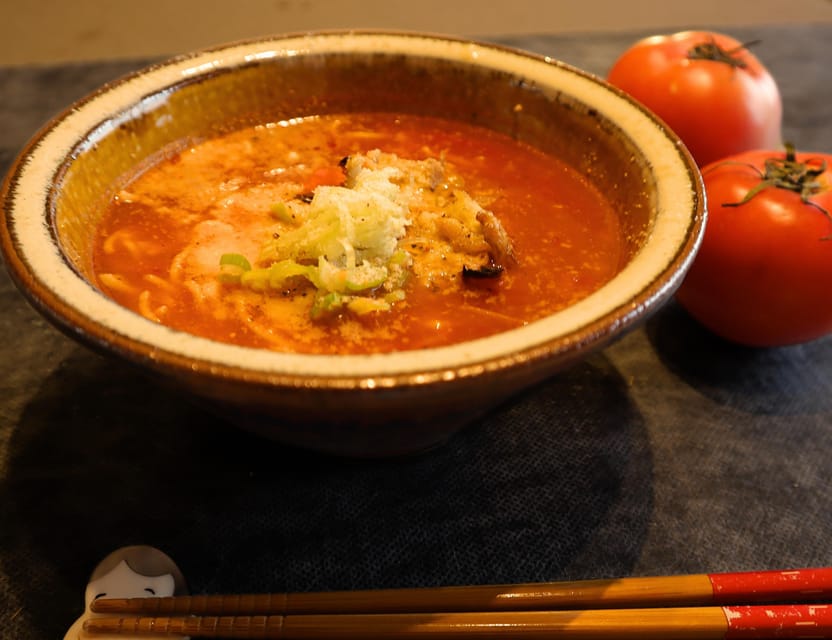
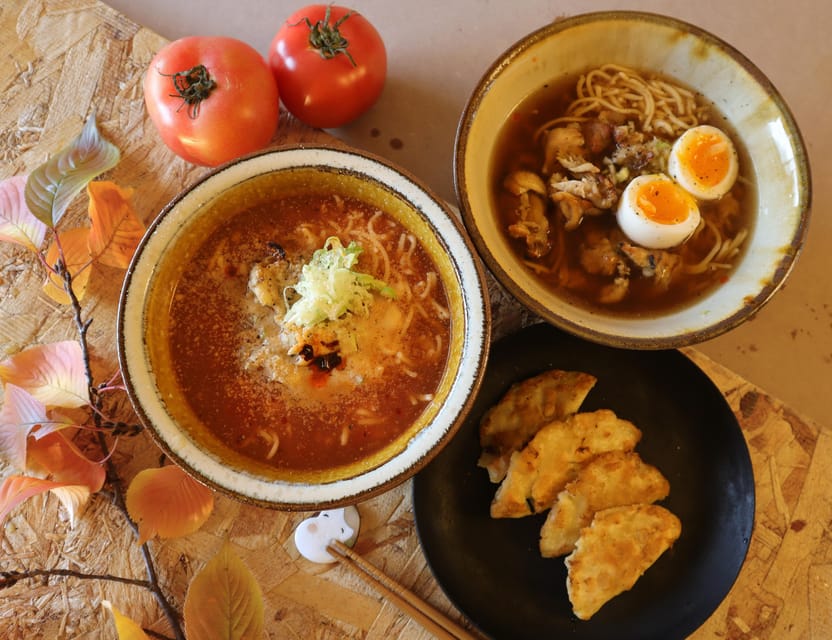
- Two ramen styles, soy sauce ramen plus tomato ramen
- Gyoza wrappers from scratch, then folding and pan-frying for crisp bottoms
- Optional sake pairing, including Junmai and Junmai Ginjo in 45 ml servings
A Small Osaka Home Class For Gluten-Free Ramen and Crispy Gyoza
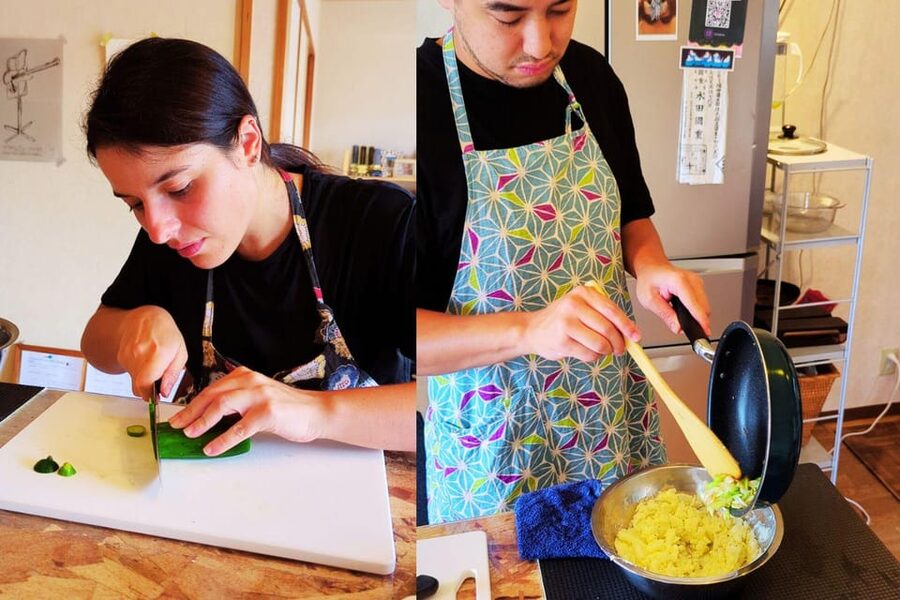
This is not a sit-and-watch cooking class. You are in the kitchen for real work, making dough, shaping wrappers, folding dumplings, and cooking them on a pan until they hit that crunchy-on-the-outside, tender-inside goal.
What makes it especially appealing is the gluten-free focus. Traditional ramen and gyoza are wheat-heavy, so the value here is in learning how to reproduce the texture and structure without wheat-based flour. You end the class with a full meal of what you made, which is the best kind of souvenir. You do not just leave with photos. You leave with a flavor you understand.
The class is hosted by Yuki, in a cozy and intimate setting, and it stays small. Most of the people I’d suggest this to are the ones who want to learn how things are made, not just eat the final dish.
More Cooking Classes in Osaka
- Osaka: Ramen and Gyoza Cooking Class in Dotonbori
★ 5.0 · 378 reviews - Osaka Cooking Class: Okonomiyaki &Japanese cuisines experience
★ 5.0 · 261 reviews - Ramen and Gyoza Cooking Class in Osaka
★ 5.0 · 202 reviews
Meet Yuki, the Instructor, and Why the Teaching Style Matters
This is a sole instructor experience, and that changes the feel fast. With only up to 4 participants, you can ask questions without waiting your turn, and you get feedback on your noodle texture or your gyoza fold.
From the way the class is described, Yuki brings a professional cooking background and also a teaching approach that works for different skill levels. If you are a beginner, that matters. If you are an experienced cook, it still helps because you are getting guidance tailored to gluten-free methods, which can be tricky.
Language support is another practical point. The class is listed as English, and the description also notes guidance in both English and Japanese, so you are unlikely to feel stranded if you do not know Japanese cooking terms.
Finding the Venue in Osaka: Nukata-cho and Nukata Station
The meeting point is 4-19 Nukata-cho, Osaka, and it is a short 5-minute walk from Nukata Station. It’s in a quiet neighborhood, so you’re not walking through crowds or tourist streets to get there.
Look for a welcoming sign at the entrance and a residential-style building. The location is described as easy to find once you have the details sent after booking, so make sure you check that message before you go. If you arrive early, you’ll have time to orient yourself calmly before class starts.
Also note what is not provided: transportation to the venue is not included. So I recommend planning your route from wherever you’re staying, especially if you are traveling with a suitcase or you prefer not to over-walk.
The 3-Hour Flow: From Rice-Flour Noodles to Gyoza Dumplings
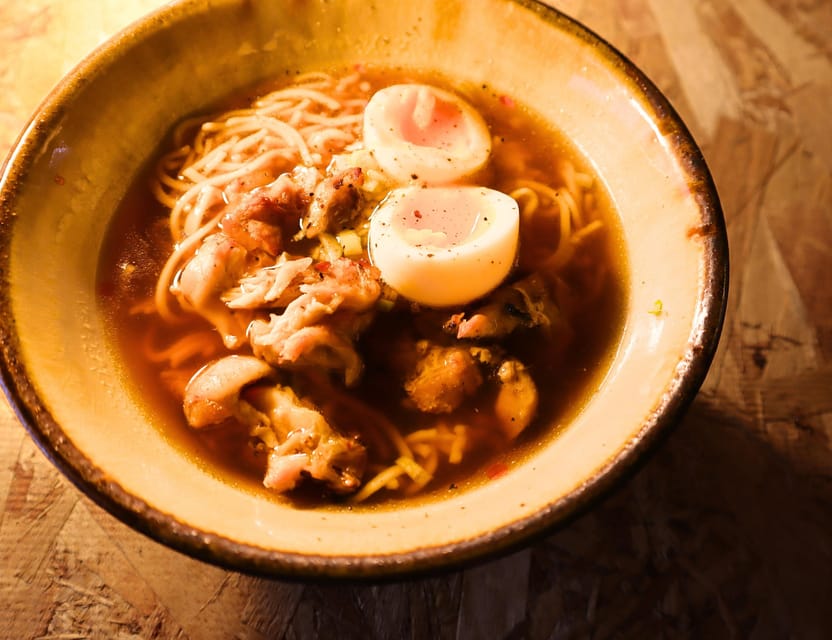
The day runs on a tight cooking rhythm. You start with a welcome and an introduction to ingredients and tools, then you move into making components that build toward your meal.
Here is how the timing and work tends to stack up:
More Ramen Experiences in Osaka
- Osaka: Five Must-See Highlights Walking Tour & Ramen Lunch
★ 4.7 · 411 reviews - Walking Tour of Osaka’s 5 Must-See Sights, with Ramen for Lunch
★ 5.0 · 158 reviews - Cooking Ramen&Gyoza/KatsuCurry/Bento/Okonomiyaki+Store Tour@Osaka
★ 5.0 · 138 reviews - Three Types of Ramen Cooking Class in Osaka
★ 5.0 · 119 reviews
1) Welcome and ingredient setup
You begin with an overview of what you’ll use and the techniques you’ll practice. This is where you learn the gluten-free logic behind the recipes, not just the recipe itself. You also get guidance on tools, so you know what each step is trying to accomplish.
2) Gluten-free ramen noodles from rice flour
You make the ramen noodles using rice flour. The key teaching point is how to get that chewy texture without wheat gluten. That usually comes down to technique, timing, and how you handle the dough, and this class is built around step-by-step coaching.
If you’ve ever made gluten-free dough that turns crumbly or stiff, this is the section where you learn what to watch for so the noodles stay satisfying.
3) Soy sauce ramen broth and flavor building
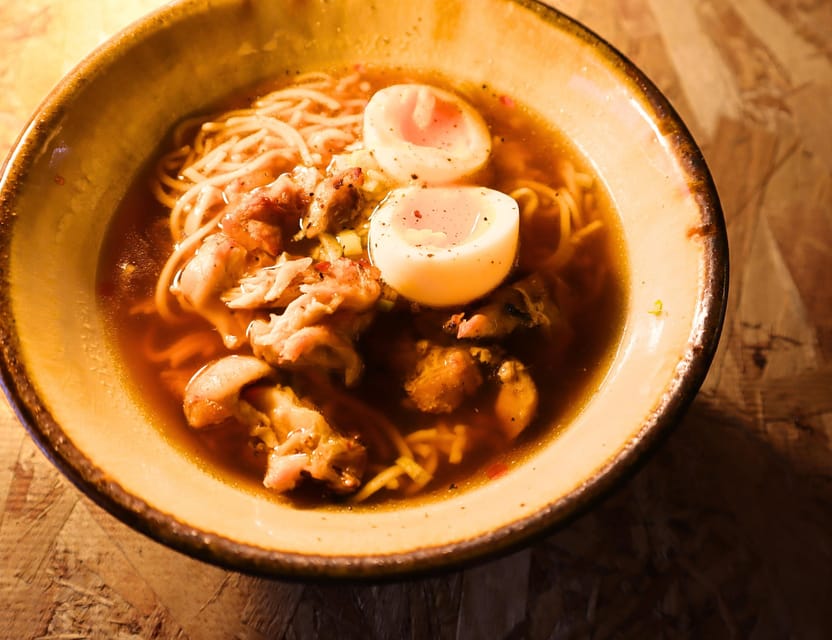
After the noodles, you work on the soy-based broth for soy sauce ramen. Soy sauce ramen is a classic, and the point of this step is learning how the broth carries the dish. You’ll pair your handmade noodles with the broth you make, so you taste the connection between technique and flavor.
4) Tomato ramen, a modern twist
Then comes the second ramen style: tomato ramen. It’s described as a tangy variation that is still rare in Japan, and that’s exactly why it’s a good learning experience. It shows you that you can keep a ramen framework while changing the flavor direction.
5) Gyoza wrappers from scratch
You then switch to gyoza. You make gluten-free gyoza wrappers from rice flour too. This matters because wrappers are structurally different from noodles. Getting the dough workable enough to roll or form, without tearing, is a real skill.
6) Filling, folding, and pan-frying
You prepare a savory filling, fold the dumplings, and then pan-fry them until golden. The practical goal is the classic gyoza contrast: crisp outside, tender interior. You’ll learn the folding method and the cooking timing that helps the bottoms get that crunch.
7) Sit down to eat, with optional sake pairing
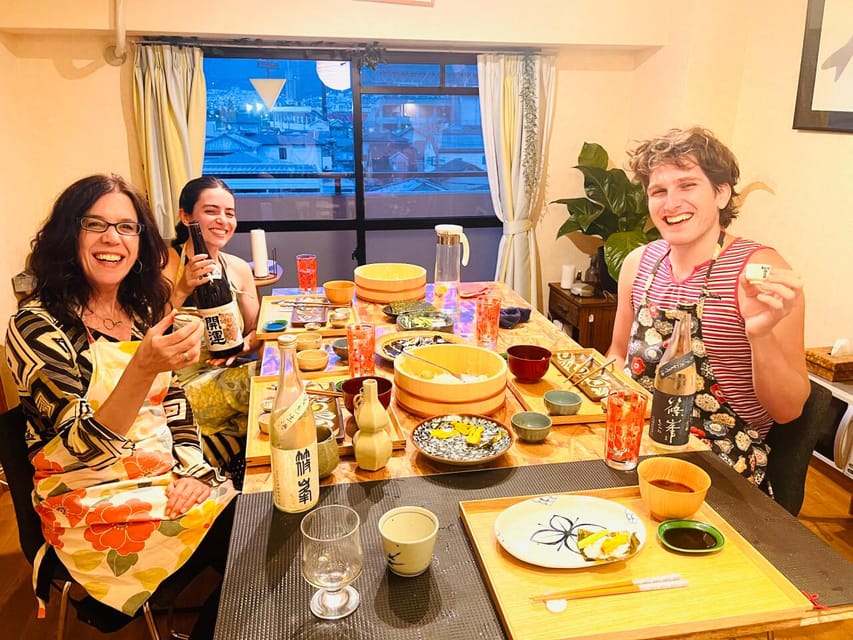
When cooking is done, you gather for the meal you made. The instructor guides you through the flavors, and there is an optional sake pairing described as three 45 ml servings: two chilled (Junmai and Junmai Ginjo) and one warm Junmai.
That’s not just a bonus drink. It’s a structured tasting moment, and it helps you understand what changes when the ramen and dumplings meet something alcoholic and aromatic.
Gluten-Free Ramen Noodles: The Skill You Can Reuse
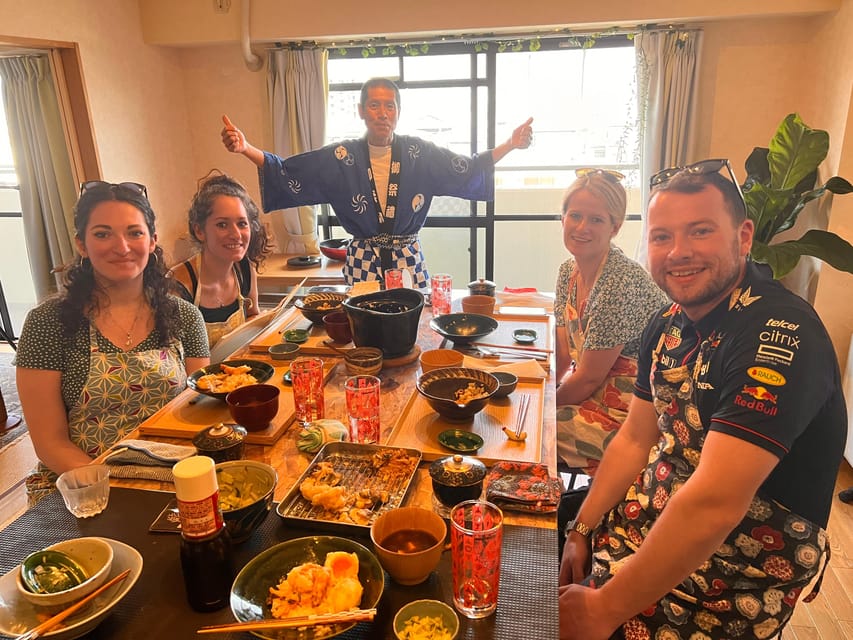
Most cooking classes teach you a list of steps. This one leans into the technique behind gluten-free ramen noodles.
You start with rice flour and work toward a chew you can feel when you bite. The teaching approach is built to help you understand what texture looks like during the process, not just the final picture. That’s valuable because gluten-free baking often fails when you rely only on timing, since different flours and room temperatures can behave differently.
Once your noodles are ready, you pair them with soy sauce ramen broth. This matters because ramen is more than noodles. The broth’s depth is what makes the whole dish taste complete. In this class, you’re actively connecting the two, which makes it easier to repeat the recipe at home later.
Then you get the other direction with tomato ramen, where tang and richness come from a different flavor base. If you like variety, this is a smart way to learn. You don’t just learn one noodle shape and one broth. You learn how the same noodle concept can carry different sauce personalities.
Soy Sauce Ramen Plus Tomato Ramen: Two Flavors, One Method
Soy sauce ramen is the backbone here. You learn to build a savory broth and then let it do the heavy lifting for the dish.
I like that tomato ramen is included as well. It is described as a refreshing and tangy variation, and it’s called out as rarer in Japan, which makes it a fun contrast against the expected. It also pushes you to think about balancing flavors, because tomatoes naturally change acidity and sweetness compared with a soy-forward base.
You’re not just tasting two bowls. You’re tasting two frameworks:
- soy sauce style, savory and deep
- tomato style, tangy and modern
That makes the class useful even if you never cook ramen again. You still come away with a clearer sense of how Japanese flavors can be tuned by the base ingredients.
Gyoza Wrappers, Folding, and the Crisp-Bottom Goal
Gyoza can look simple until you try to make it. The wrapper has to be thin enough to fold, sturdy enough not to tear, and flexible enough to close properly.
Here, you make wrappers from rice flour, which is the kind of gluten-free detail most people skip. That’s where the class earns its name. You learn how to handle gluten-free wrapper dough so it works for dumplings.
Then comes the step many people enjoy most, the folding. If you’ve only ever ordered gyoza, this is where you see the tiny decisions that create the signature pleats and the seal.
Finally, you pan-fry. The goal is that crisp, golden bottom. You get instruction on how to get that texture, which is the difference between pale fried dumplings and the real restaurant vibe.
Sake Pairing and the Meal Moment That Makes It Stick
You do not rush out right after cooking. You sit down with what you made, and Yuki guides you through it.
Food learning sticks best when you eat it immediately. The class is built for that. You’ll taste your gluten-free noodles alongside the soy and tomato broths you prepared. You’ll also eat your gyoza fresh from pan-frying, so you can connect the cooking technique to what your palate experiences.
The optional sake pairing can add a nice layer. You get three 45 ml servings, including Junmai chilled, Junmai Ginjo chilled, and a warm Junmai. Even if you do not consider yourself a sake person, the structure helps. You can notice how chilled sake feels lighter with dumplings, and how warm Junmai can read differently with broth and tomato.
Price and Value: Is $103 Worth It?
At $103 per person for about 3 hours, the price lands in the “worth it if you want to learn” category.
Here’s why it can feel like good value:
- You get hands-on instruction from a single chef-host
- The class is small, limited to 4 participants, so you get attention
- You make multiple components from scratch: noodles, broth styles, wrappers, and dumplings
- You eat a full meal that includes what you cooked
- You receive recipes and tips, which is what helps you repeat at home
If you mainly want a quick food stop, this is pricier than a ramen meal. But if you want a skill you can bring back, the structure justifies the cost.
One more subtle value point: gluten-free cooking is often frustrating because recipes can be inconsistent. When the instructor is focused on gluten-free methods, you reduce guesswork. That alone is worth something.
Who Should Book This Class, and Who Might Pass
This class fits best if:
- You need gluten-free ramen and gyoza, and you want to make them with confidence
- You enjoy hands-on cooking and want a real process, not just tasting
- You want a small, friendly group setting in a home kitchen
- You like variety and want both soy sauce ramen and tomato ramen
It may be a mismatch if:
- You do not want to cook, stand, and fold dumplings for 3 hours
- You are very sensitive to kitchen smells from cooking and frying
- You’re looking for a fully hands-off experience, because this is skill building
The activity is listed as not suitable for people over 95 years, so double-check your comfort level if mobility is a concern.
Should You Book This Osaka Gluten-Free Ramen and Gyoza Class?
If gluten-free Japanese cooking is on your must-do list, I think this is a strong pick. You get real training in making ramen noodles and gyoza wrappers from rice flour, then you practice folding and pan-frying until you understand the crisp-bottom goal. The meal is included, and you get recipes and tips to take the skills home.
I’d also book it if you like the idea of learning two ramen styles in one session, soy sauce and tomato. That variety makes the time feel efficient.
If you’re traveling with someone who isn’t gluten-free, it can still work as a fun cooking lesson. But you should still go in expecting hands-on work in a small home kitchen.
FAQ
How long is the Osaka gluten-free ramen and gyoza cooking class?
It lasts 3 hours.
How many people are in the class?
It is a small group, limited to 4 participants.
Where do I meet, and how do I find it?
The meeting point is 4-19 Nukata-cho, Osaka, about a 5-minute walk from Nukata Station. It is in a quiet neighborhood, with a welcoming sign at the entrance. Detailed directions are provided after booking.
What dishes will I learn to make?
You’ll make gluten-free ramen noodles from rice flour, then prepare soy sauce ramen and tomato ramen. You’ll also make gluten-free gyoza wrappers, prepare the filling, fold the gyoza, and pan-fry them until crisp.
Is the class taught in English?
Yes. The instructor is listed as English.
Do I need prior cooking experience?
No. The class states no prior cooking experience is required.
Is sake pairing included?
Sake pairing is optional. It’s described as three 45 ml servings, including chilled Junmai and Junmai Ginjo, plus one warm Junmai.
Latest write-ups near Osaka
- Osaka Private Tour with Government-Licensed Guide★ 4.8 · 20 reviews
- Guided Photography Tour in Osaka: Capturing Memories★ 4.5 · 20 reviews
- Osaka: Food Tour at Night with Tastings★ 4.9 · 20 reviews
- Kansai/KIX Airport to or from Osaka/Kyoto Private Transfer★ 5.0 · 20 reviews
- Osaka: City Highlights Bike Tour★ 4.7 · 20 reviews
- From Osaka/Kyoto: Amanohashidate Day Tour【Including tickets】★ 3.7 · 20 reviews
- Osaka Okonomiyaki Cooking Class “Learn here and make it at home”★ 5.0 · 20 reviews
- Volleyball in Osaka & Kyoto with Locals!★ 5.0 · 21 reviews
Ramen Experiences, compared.

Ramen Cooking Class at Ramen Factory in Kyoto
Read our review →
Eat and Drink Like a Local: Tokyo Ueno Food Tour-Taverns&Ramen
Read our review →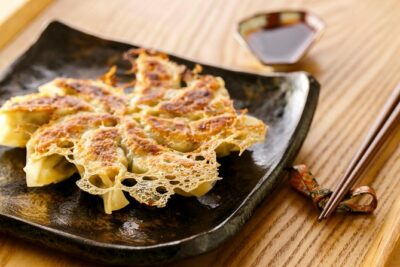
Ramen & Gyoza Cooking Class in Tokyo with Local Supermarket Visit
Read our review →
Ramen Cooking Class at a Ramen Factory with Souvenir
Read our review →

Five Must-See Highlights Walking Tour & Ramen Lunch
Read our review →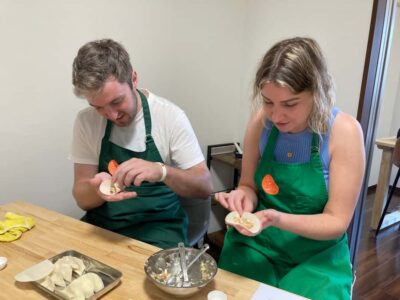
Browse the lists this tour appears in