
Reviewed · RAMEN EXPERIENCES
Kyoto: Ramen, Gyoza, and Onigiri Cooking Class
What makes this Kyoto cooking class interesting is that you learn the core skills behind three street-food favorites in one go: ramen broth plus gyoza technique, and then onigiri for your next lunch. It is not just watching, it is doing, and you leave with a recipe in hand.
I love the small group size, up to 8 people, because you get real attention at each station instead of queueing for help. I also like that instructors such as Nori and Kairi keep things clear, friendly, and funny, then you get to sit down and eat what you made.
One consideration: the class has firm diet limits. You cannot choose vegan, pescatarian, gluten-free, or other special diets, so you need to be comfortable with the menu options.
Key things that make this class worth your time
- You focus on broth, not making ramen noodles from scratch.
- Two ramen styles are taught: miso and shoyu (with simple, balanced toppings).
- Gyoza wrapping is the main skill, not just mixing filling.
- Onigiri shaping trains you to make rice balls that look right and hold together.
- Up to 8 people means you get hands-on guidance throughout.
- English-speaking instructors and printed recipes make it easier to cook at home.
Why this ramen-and-gyoza class is a smart Kyoto stop
Kyoto is great for strolling and snacking, but I like one thing that goes beyond eating: you get a repeatable skill. This class hits that sweet spot. In 90 minutes, you practice the things that usually feel intimidating when you try them at home, like wrapping gyoza so they seal cleanly and making ramen broth flavor that actually tastes like ramen, not just soup.
The best part is that the format is practical. You are not sent home with a vague idea of what ramen is. You are walked through ingredients you can find again, and you build broth based on measured seasonings and clear steps. Then you apply that same hands-on approach to gyoza and onigiri, finishing with a meal that feels like a reward, not a lesson tax.
More Cooking Classes in Kyoto
- Ramen Cooking Class at Ramen Factory in Kyoto
★ 5.0 · 1,937 reviews - Kyoto: Ramen Cooking Class at a Ramen Factory with Souvenir
★ 4.9 · 532 reviews - Kyoto: Japanese Washoku Bento Small Group Cooking Class
★ 5.0 · 380 reviews
Getting to B1 of Life Building, without stress
The meeting point is at B1 of Life Building. It is not on the main street, so give yourself a little buffer time to find the entrance.
If you are using a cab, get off in front of Family Mart at Sanjo Keihan. It is about a 2-minute walk from there. On Google Maps, search for Manryo cooking class. You want to aim for that exact pin so you are not hunting down the wrong alley.
What I’d do: arrive in comfortable shoes and plan to walk a short distance on foot. The classroom setup is a typical B1-street level situation, and you will be moving around your station.
How 90 minutes is structured, and why it feels fast
This class is built to move. That is not a downside if you actually want to cook. It is a positive if your idea of fun includes short bursts of instruction and then doing the next step while things are fresh, warm, and ready.
Here is what the flow is designed to cover:
- Start with ramen broth focus, including the two style options.
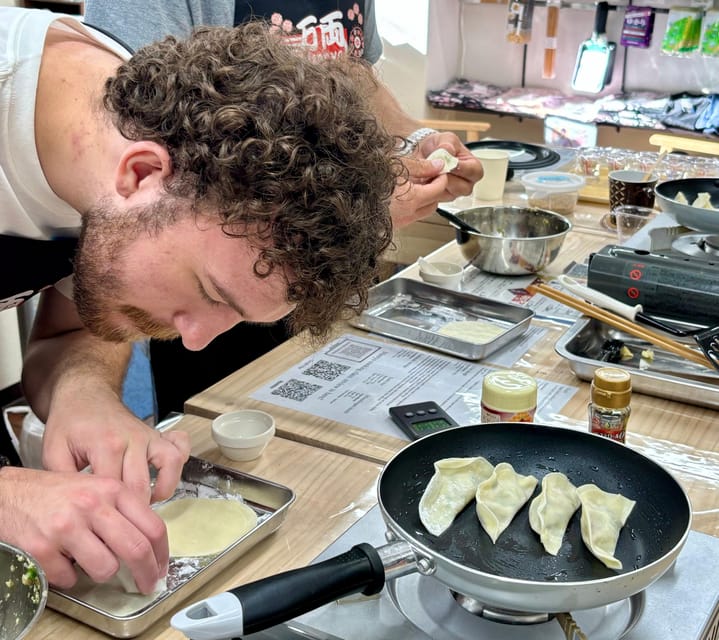
- Build your gyoza filling and practice the wrapping and sealing process.
- Shape onigiri so they look neat and become a practical snack you can repeat later.
- Finish by eating what you made, with coffee or tea available.
Because you are active through most of the session, the time passes quickly. A bunch of past participants highlighted that it is lots of food for 90 minutes and it can feel a bit fast-paced, but very organized.
Ramen broth is the star: miso or shoyu, no noodle-making
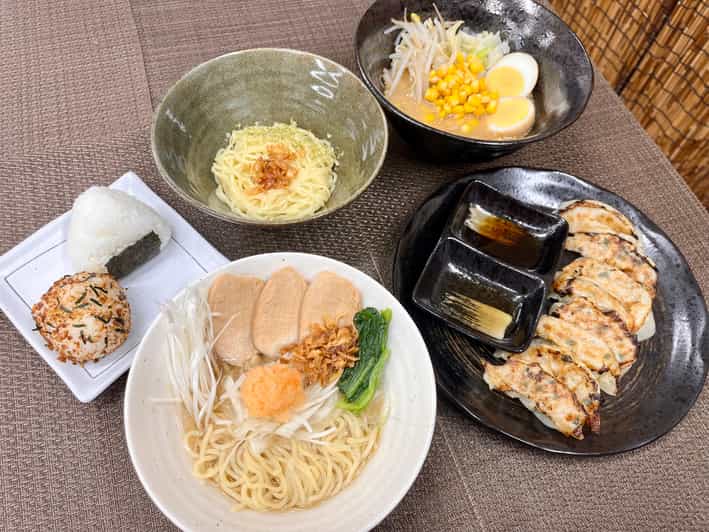
A key detail that makes this class valuable: it teaches broth, not noodles. That means your main takeaway is the part that usually trips people up at home. You will learn how to make a rich, flavorful base using simple ingredients and Japanese pantry staples you can find again.
You choose between:
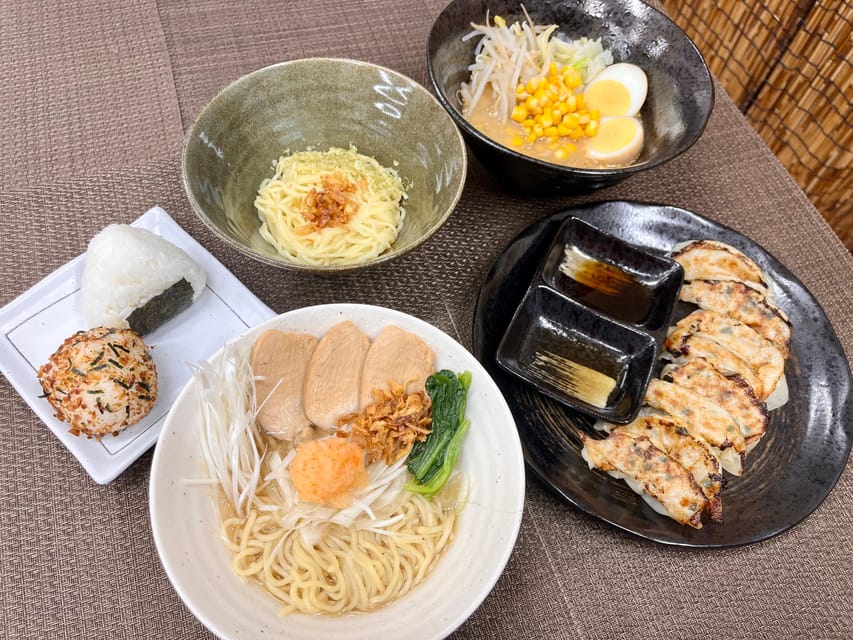
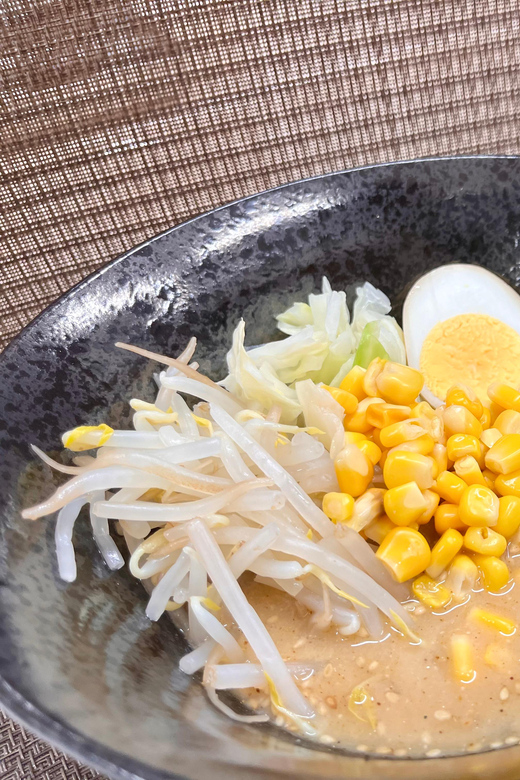
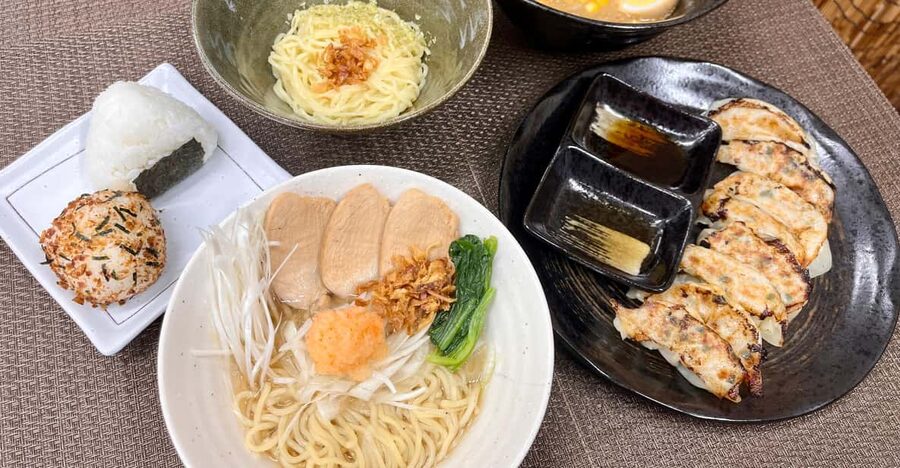
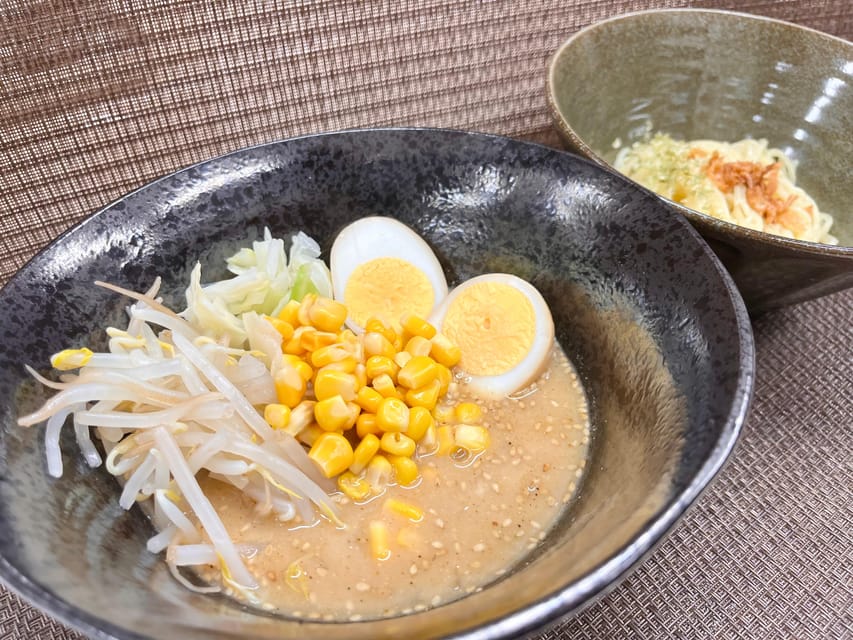
- Miso ramen toppings such as boiled egg, bean sprouts, green onions, and sweet corn.
- Shoyu ramen toppings such as chicken, bamboo shoots, and green vegetables.
You also learn what is going on in the broth itself. The ingredient list for the class includes items like soy sauce, miso, mirin, ginger, garlic, sesame oil, lard, butter, oyster sauce, chicken stock powder, fish powder, chili oil, and salt and pepper. In other words, this is not a sad, under-seasoned broth. You are practicing how to balance depth, saltiness, aroma, and fat.
One practical tip that comes through in the way the class is taught: ramen toppings should not overpower the soup. The lesson reinforces the idea that toppings are supporting actors. You aim for balance, so the broth stays the lead.
More Ramen Experiences in Kyoto
- Kyoto Ramen and Gyoza Cooking Class with Professional Chefs
★ 5.0 · 282 reviews - Home style Ramen and Homemade Gyoza in Kyoto
★ 5.0 · 152 reviews - Kyoto Michelin Ramen Workshop or Painting Ramen Essentials
★ 4.9 · 100 reviews - Kyoto Ramen & Gyoza Cooking Class with Professional Chefs
★ 4.8 · 100 reviews
The gyoza lesson: filling balance and wrapping technique
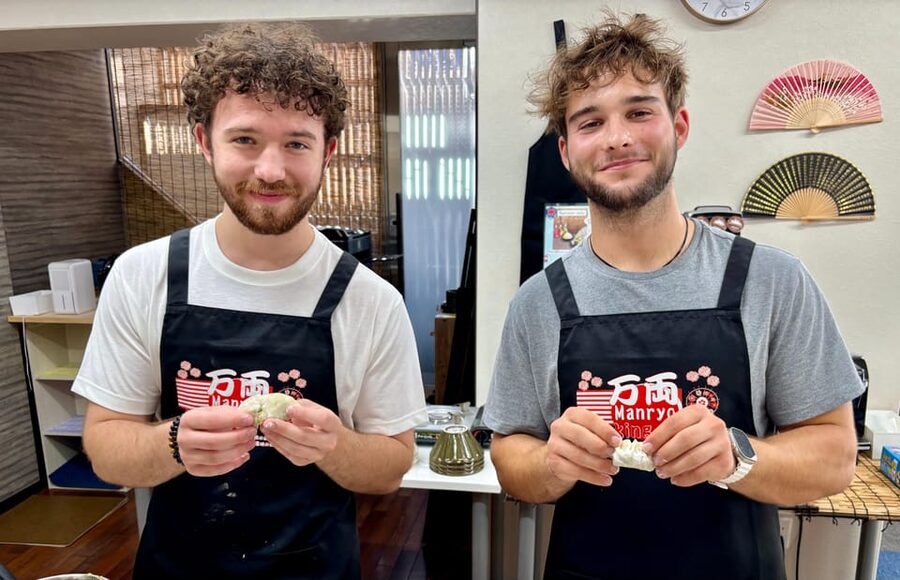
If you are coming for one skill you can show off later, make it gyoza. This class is structured so you fully practice wrapping and sealing until your technique clicks.
Here is what you get out of it:
- You work with gyoza filling that mixes meat, vegetables, and seasonings.
- You learn how to portion and distribute so each bite has the right ratio.
- You practice the wrap until it holds its shape and seals properly.
The wrapping part is the real payoff. A lot of cooking classes teach you how to make filling. This one keeps you busy with the folded dough, so you leave understanding how that signature gyoza look is made.
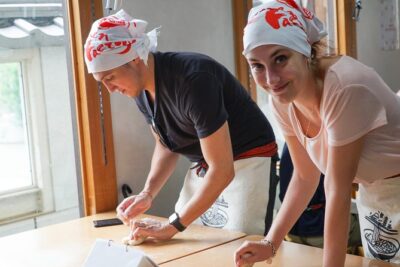
The class also includes simple station organization, with instructors and helpers circulating to correct the small stuff fast. Past participants frequently praised that the team was patient and encouraging, especially when it came to getting the wrap right.
Onigiri shaping: fast, satisfying, and lunch-box ready
Onigiri is the third skill, and it is a smart addition to the ramen-and-gyoza combo because it trains a different kind of cooking brain. You are not cooking a soup or frying a dumpling. You are shaping rice into a snack that looks correct and holds together.
In class, you learn:
- How to properly portion rice
- How to shape onigiri so it stays intact
- How to finish it with the right seasoning approach so it tastes like onigiri, not plain rice
For home use, this is one of the best wins. You can treat it as a quick meal prep option when you are too tired to plan a full dinner.
Vegetarian option reality check: tofu swap, same rest
There is a vegetarian option, but it is not a free-for-all. The vegetarian menu replaces pork with tofu, while other ingredients remain the same.
That matters for two reasons:
- If you avoid certain non-vegetarian ingredients for ethical reasons, the vegetarian option might still include items you do not want, because the rest of the ingredients are described as unchanged.
- If you have food sensitivities beyond pork, you need to confirm before booking, because the class does not list broader accommodation.
The class information is clear that vegan, pescatarian, gluten-free, and other special diets are not accommodated. If you are even slightly unsure, contact the provider before you buy so you do not end up with an experience that does not fit your needs.
Price and value: what $90 really covers
At $90 per person for a 90-minute session, you are paying for more than entertainment. You are paying for a guided skill-building meal.
Here is what your money includes:
- English-speaking instructors
- All cooking ingredients and equipment
- The food you make
- Recipes for ramen and gyoza
- Free coffee and tea
What you should notice is what is not included: hotel pickup and drop-off. So it is on you to get to the classroom.
For value, the strongest argument is the combination of:
- Hands-on practice (broth, gyoza wrapping, onigiri shaping)
- You eat the results immediately
- You get recipes so it is not a one-day memory
And because it is a small group (limited to 8), you are not paying for a crowd experience. You are paying for attention, station guidance, and correction while your hands are still learning.
Who should book this class (and who should skip it)
This is a strong choice if you:
- Want a hands-on cooking experience, not just a tasting
- Like ramen and gyoza and want to recreate them at home
- Enjoy short, structured cooking sessions where you finish with a full meal
- Prefer English instruction and clear, step-by-step coaching
It is not a fit for everyone. The class is not suitable for children under 12 and it requires participants to be 13 and able to cook by themselves without staff help. It is also not suitable for wheelchair users or people with recent surgeries.
If you have dietary restrictions, take diet limits seriously. The class states it cannot accommodate vegan, pescatarian, gluten-free, or any other special diets. Even with a vegetarian option, pork is the only substitution explicitly stated.
What the class atmosphere is like, based on real teaching style
A lot of the praise in the feedback centers on how the instructors teach, not just what they teach.
Common themes you can expect:
- Clear explanations with quick correction at the stations
- Humor and encouragement that make gyoza wrapping less stressful
- Organization that keeps the pace moving so you are cooking the whole time
- A friendly team style where helpers assist efficiently without taking over your hands
Names you might hear during your session include Nori, Kairi, Aoi, Ayuna, Riho, Mia, Kiara, and Minori. Even if your instructor lineup changes, the teaching style seems consistent: hands-on, supportive, and practical.
If you are food-motivated, you will also appreciate the “come hungry” factor. You end up making multiple things, and the portion of food feels substantial for the time.
Should you book this Kyoto ramen, gyoza, and onigiri class?
I think you should book it if you want a cooking skill you can actually use after your Kyoto trip. The broth focus makes it especially worth it because that is the hardest part of ramen to get right at home. Then gyoza wrapping and onigiri shaping give you two more repeatable wins, not just one.
Skip it if your trip depends on vegan, pescatarian, or gluten-free options, or if you need accommodation beyond what the menu explicitly offers. Also think twice if you do not like fast, hands-on classes. This one is active from start to finish.
If you fit the age and dietary requirements, this is one of those experiences that turns Kyoto into something you can bring home.
FAQ
How long is the Kyoto ramen, gyoza, and onigiri cooking class?
The class lasts 90 minutes.
What will I learn to cook in this class?
You will learn to make ramen broth (miso or shoyu), gyoza including filling and wrapping, and onigiri (rice balls). The class focuses on broth, and you do not make the noodles.
Is there a vegetarian option?
Yes. The vegetarian menu replaces pork with tofu, while other ingredients remain the same.
Can the class accommodate vegan, pescatarian, or gluten-free diets?
No. The class states it cannot accommodate vegan, pescatarian, gluten-free, or other special diets.
What should I bring with me?
Bring comfortable shoes and comfortable clothes.
Do I get recipes to take home?
Yes. You receive recipes for ramen and gyoza.
Where is the meeting point?
The meeting point is at B1 of Life Building. For cabs, you can get off in front of Family Mart at Sanjo Keihan, then walk about 2 minutes. Search for Manryo cooking class on Google Maps.
Latest write-ups near Kyoto
- Kyoto: Nishiki Market Tour with a Local Foodie & Tastings★ 4.5 · 67 reviews
- Kyoto Kimono Rental mimosa |Kimono/Yukata Rental Couple Plan★ 4.8 · 67 reviews
- Kyoto: Traditional Kimono Fabric Handicrafts Workshop★ 5.0 · 67 reviews
- Kyoto Tea Ceremony and Samurai Photo Session★ 5.0 · 70 reviews
- Kyoto: Replica food making experience★ 4.8 · 70 reviews
- Kyoto: Kinkakuji, Golden Pavilion Guided Tour★ 4.7 · 71 reviews
- Private departure transfer from Kyoto city to Kansai International airport★ 5.0 · 72 reviews
- Uji: Green Tea Tour with Byodoin and Koshoji Temple Visits★ 4.8 · 72 reviews
Ramen Experiences, compared.
Ramen Cooking Class at Ramen Factory in Kyoto
Read our review →
Eat and Drink Like a Local: Tokyo Ueno Food Tour-Taverns&Ramen
Read our review →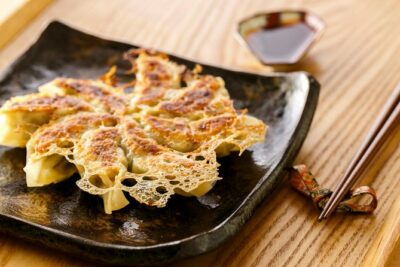
Ramen & Gyoza Cooking Class in Tokyo with Local Supermarket Visit
Read our review →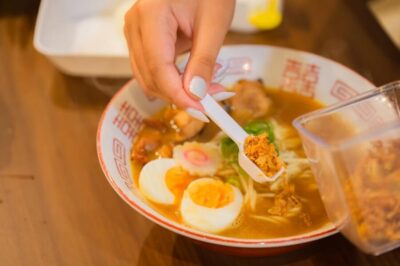
Ramen Cooking Class at a Ramen Factory with Souvenir
Read our review →

Five Must-See Highlights Walking Tour & Ramen Lunch
Read our review →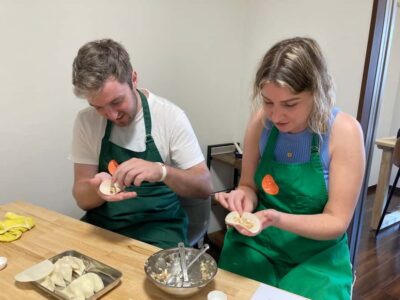

Easy Ramen Cooking Experience in Kabukicho, Shinjuku
Read our review →Browse the lists this tour appears in