
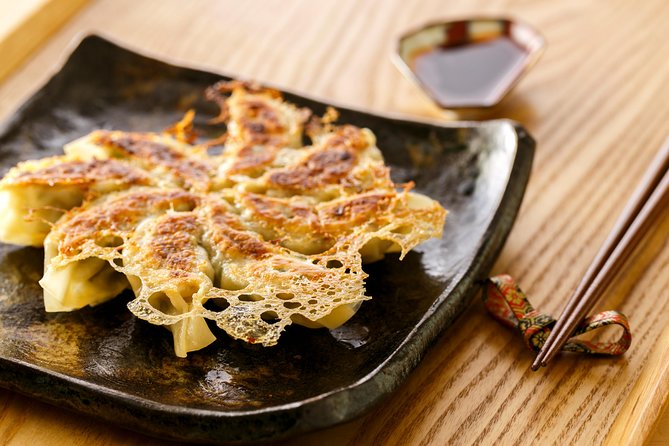
Reviewed · RAMEN EXPERIENCES
Ramen & Gyoza Cooking Class in Tokyo with Local Supermarket Visit
Tokyo has plenty of food tours, but this one is different because you actually cook. I like that it mixes real Japanese home-kitchen vibes with learning the basics behind ramen and gyoza you can repeat later, not just admire.
Two things I especially like: you get a friendly, encouraging teacher in a real kitchen, and you eat what you make in a relaxed setting. One consideration: depending on the flow (and group size up to 7), you may do a bit less physical prep than you imagined, and the local supermarket stop is listed as optional.
Key Things to Know Before You Go
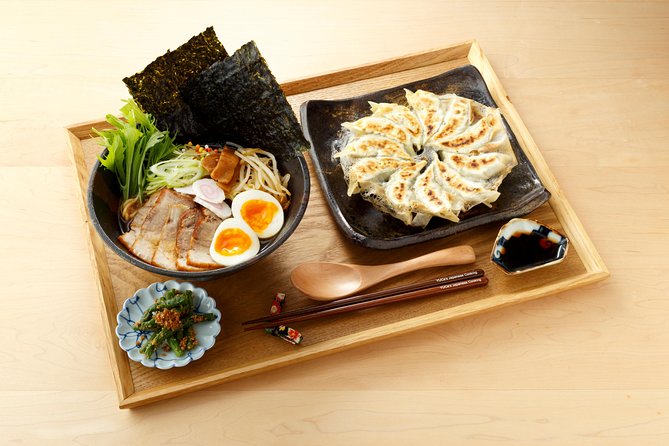
- Small group size (max 7) keeps the class from feeling like a factory.
- Chef-led in a home kitchen gives you the practical feel of Japanese everyday cooking.
- Ramen plus gyoza in one session means you leave with two core techniques, not just one dish.
- Short lifestyle lecture (Japanese home cooking and day-to-day food culture) helps you understand the why, not only the what.
- Optional supermarket tour can be great if you want ingredient independence for cooking later.
- Dietary needs are handled with a vegetarian option available if you request it in advance.
Why This Tokyo Ramen and Gyoza Class Feels More Like Cooking Than Watching
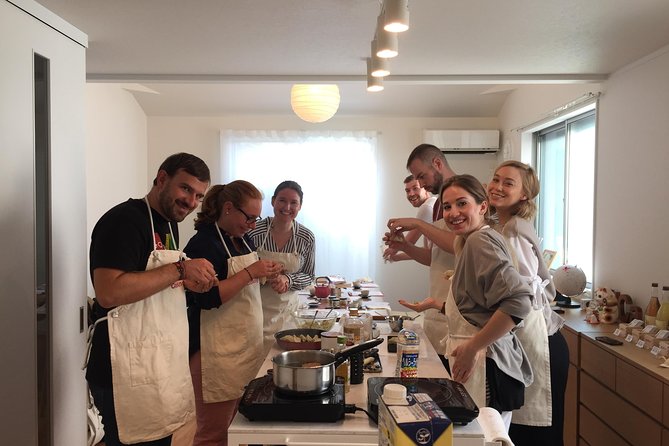
This experience works because it’s built around two iconic comfort foods, ramen and gyoza, and because it’s taught by someone who shares how she actually cooks at home. You start with a short talk about Japanese home cooking and lifestyle, then you move into cooking and tasting. It’s a tight format, so you stay focused.
If you care about value, this class is a good bet because you’re not paying just for a meal. You’re paying to learn steps, get ingredient guidance, and understand technique enough to recreate the dishes. And for a first cooking class in Japan, ramen and gyoza are smart choices because they teach you flavors and textures you can carry forward.
The class is also a social win. In this kind of small, shared-kitchen setup, it’s easy to talk with the other people in your group while food is going, rather than standing around waiting for a show to start.
More Cooking Classes in Tokyo
- Tokyo: Easy Ramen Cooking Experience in Kabukicho, Shinjuku
★ 4.6 · 321 reviews - Ramen and Sushi Cooking Class with Sake Pairing Set in Tokyo
★ 5.0 · 291 reviews - Tokyo: Wagyu and 7 Japanese Dishes Cooking Class
★ 4.9 · 273 reviews
Meeting at YUCa’s Japanese Cooking in Nishiogu: Location and Timing That Matter
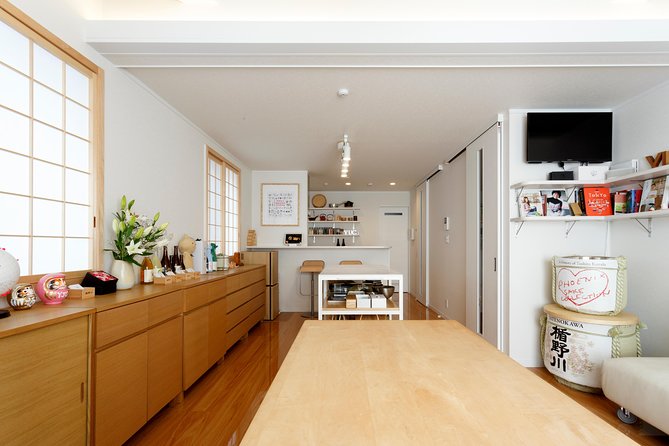
You meet at YUCa’s Japanese Cooking in Nishiogu, Arakawa City, Tokyo, at 2-chōme-34-8 Nishiogu, Tokyo 116-0011. Start time is 10:00 am, and the activity ends back at the meeting point.
Here’s how I’d plan it: arrive a little early, even if you’re not rushing. Tokyo neighborhoods run on a tight rhythm, and you want time to settle in before the schedule starts moving. Also, you’ll have a mobile ticket, so have it ready on your phone before you arrive.
One practical note: the class is near public transportation. That’s helpful if you’re using trains most of the day, or if you want to avoid the stress of a last-minute taxi. If you prefer rideshares, you can still use them, but public transit is the simplest baseline.
The 10:15 Mini-Lesson: Japanese Home Cooking and Lifestyle in Plain English
From about 10:15 to 10:30, you get a lecture about Japanese home cooking and lifestyle. This matters more than it sounds. Ramen and gyoza are not just recipes, they’re an example of how Japanese cooking fits into daily routines, how ingredients are chosen, and how home cooks think about flavor and balance.
What you gain here is context. When the instructor explains what you’re doing next, you understand why certain ingredients get attention, why timing matters, and why some approaches feel different from typical Western home cooking. Even if you only catch part of it, it makes the hands-on part easier to follow.
For English-speaking visitors, this segment is especially helpful because it sets a tone: clear instructions, friendly guidance, and a sense that you don’t need to be a pro to participate.
10:30 to 12:30 Cooking and Tasting: Ramen and Gyoza You Can Rebuild at Home
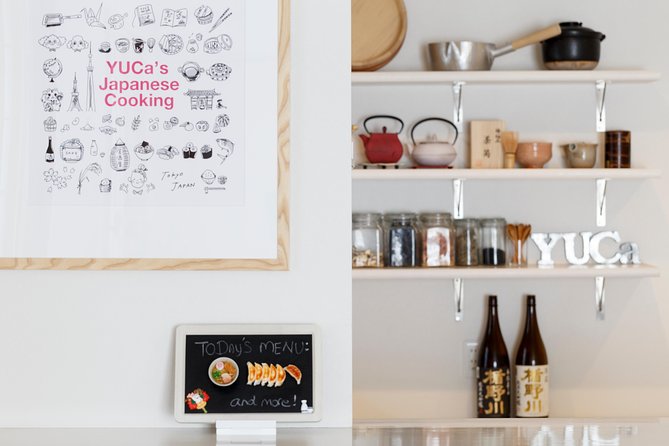
The heart of the experience is 10:30 to 12:30 for cooking and tasting. This is where you learn to prepare ramen noodle soup and minced pork gyoza dumplings, using different vegetables and meat options.
More Ramen Experiences in Tokyo
- Eat and Drink Like a Local: Tokyo Ueno Food Tour-Taverns&Ramen
★ 5.0 · 957 reviews - Tokyo: Ramen Tasting Tour with 6 Mini Bowls of Ramen
★ 4.9 · 432 reviews - Professional Ramen & Gyoza with Ramen Chef in a restaurant!
★ 5.0 · 223 reviews - Shibuya: Ramen Dojo Tokyo | Make All 3 (Tonkotsu/Shoyu/Miso)
★ 5.0 · 214 reviews
Ramen: Learning the Building Blocks
Ramen is often treated like a restaurant mystery. In a cooking class like this, the goal is to translate it into steps you can handle. You’ll focus on creating your noodle soup with attention to flavor and balance, and you’ll learn how vegetables and meat factor into the overall taste.
What I like about ramen education in general is that even if your first attempt is not restaurant-perfect, you can still get delicious results. You’ll also understand what to shop for later if you want to recreate it at home.
Gyoza: Dumpling Basics With Real Confidence
Gyoza is the other half of the lesson, and it’s a great pairing with ramen because it gives you a hands-on texture project while the ramen is coming together. You’ll learn to make dumplings, specifically minced pork gyoza, and work with different ingredients like vegetables as part of the filling.
A heads-up on participation: some classes run fully hands-on, with every minute hands busy. In this one, the setup can lean more demo-style at times, and you might do tasks like adding ingredients, assembling parts, or helping at key steps rather than doing every single action start to finish. If you prefer a class where you’re constantly chopping and folding for long stretches, consider that before booking.
Tasting: You Eat What You Make
After cooking, you taste your creations in a fun, comfortable atmosphere. That part is important because it’s where you learn your own results. If something tastes too salty or not rich enough, you get feedback right away, and next time you cook it, you know what to adjust.
Also, eating together is part of the value. Even if you’re a confident cook at home, tasting what you made with a guide’s help is usually where the real learning clicks.
The Optional Local Supermarket Tour: Worth It If You Want Ingredient Independence
After class, there is an optional local supermarket tour from about 12:30 to 1:00. Whether you go depends on how your morning runs and how the group schedule works on the day.
If you want to cook ramen and gyoza again at home, a market stop can be one of the most useful parts of the entire trip. You get to see ingredients in a real shopping environment, and you get explanations about items that might look confusing when you’re staring at Japanese packaging in a grocery store without context.
I’d go for the supermarket tour if you’re:
- planning to shop for pantry staples like sauces, seasonings, and gyoza-related ingredients
- curious about what’s normal in everyday Tokyo neighborhood cooking
- traveling beyond the busiest tourist zones and want a more local view
Just keep in mind: the supermarket segment is explicitly optional, and there have been cases where it did not happen as originally expected on a particular day for reasons tied to timing. So, if the market tour is your number-one goal, you should treat it as a bonus you’ll try to catch, not something you can 100 percent count on.
Price and Value: Is $122.70 a Good Deal?
At $122.70 per person, you’re paying for a short, high-focus class, the instruction from a chef, and the food you prepare. For Tokyo, that price can still be reasonable because you’re not just buying ramen and gyoza at a restaurant, you’re buying guided technique in a small-group format.
Here’s why I think the price works for many people:
- Small group size (max 7) reduces the feeling that you’ll be watching from the sidelines.
- You get both ramen and gyoza, which is more efficient than taking two separate classes.
- You leave with practical knowledge and shopping guidance, especially if you add the optional market visit.
The main cost question is how hands-on you want it to be. If you’re imagining intense, nonstop cooking participation, double-check your expectations. If you’re happy with a mix of guided steps and hands-on moments, this kind of class is usually worth it.
Who Should Book This Class (And Who Might Reconsider)
This is a strong fit if you want:
- a family-friendly food experience, including kids and teens, because the format is structured and engaging
- an activity that works for singles, couples, and groups
- a non-touristy glimpse of Tokyo through neighborhood food shopping and a home kitchen setting
It can also be great for both cooking beginners and people who already cook, because you learn Japanese cooking logic, not just a list of ingredients. And because ramen and gyoza are teachable, you can practice without needing restaurant-level equipment.
I’d consider your fit carefully if:
- you’re extremely focused on doing every physical step yourself for the entire session
- you only want a full supermarket tour as a guaranteed part of the package
Practical Tips to Make the Most of Your Morning
A few things can make your experience smoother right away.
Arrive on time and wear comfy clothes. You’ll be in a kitchen setting, and even if the cooking is partly guided, you’ll likely stand, mix, and taste.
Tell them your dietary needs early. A vegetarian option is available if you request it when booking. If you have allergies or other restrictions, share them at booking too, so the instructor can plan.
Plan your Tokyo route with a buffer. The meeting point is in Arakawa City, near public transport, so map your transit route the day before. If you rely on rideshares, it can still work, but I’d still confirm your pickup drop-off location ahead of time.
Bring curiosity for the lecture part. The lifestyle talk is short, but it helps you interpret what you’re making. Ask questions if you can, especially about ingredients and why certain steps happen when they do.
Should You Book This Ramen and Gyoza Class?
If you want an authentic Tokyo food experience that goes beyond tasting, I’d book it. This class is built around learning, cooking, and eating in a real home-style kitchen, with a small group feel that makes it easier to connect with your chef and the people next to you.
I’d especially recommend it if ramen and gyoza are high on your list, you like interactive food experiences, and you’re open to a mix of hands-on cooking and guided instruction. If the optional supermarket tour is a major goal, go into it with flexible expectations, since it is not guaranteed.
Overall, this is the kind of class where you leave with fuller stomachs and a clearer idea of how to recreate Japanese comfort food at home.
FAQ
What is included in the Tokyo ramen and gyoza class?
You’ll attend a short lecture about Japanese home cooking and lifestyle, then do cooking and tasting of ramen noodle soup and minced pork gyoza. There is also an optional local supermarket tour after the class.
How long is the experience?
The duration is about 2 hours 30 minutes. The schedule includes a meeting at 10:00 am, cooking and tasting from about 10:30 am to 12:30 pm, and an optional supermarket tour from about 12:30 pm to 1:00 pm.
Where do I meet for the class?
You meet at YUCa’s Japanese Cooking, 2-chōme-34-8 Nishiogu, Arakawa City, Tokyo 116-0011, Japan. The activity ends back at the meeting point.
Is there a vegetarian option?
Yes. A vegetarian option is available, and you should advise the host at the time of booking if you need it.
How many people are in the group?
The class has a maximum of 7 travelers, keeping it relatively intimate.
Is the supermarket tour included?
The supermarket tour is listed as optional and takes place after the cooking and tasting segment.
What should I do if I have dietary requirements?
You should advise any specific dietary requirements at the time of booking. The experience also notes that you can request vegetarian options.
Can I cancel and get a refund?
Yes. You can cancel for free up to 24 hours in advance for a full refund. Changes made less than 24 hours before the start time are not accepted, and refunds are not available if you cancel less than 24 hours before the experience begins.
Latest write-ups near Tokyo
- Tokyo Customized Private Tour: See Top Attractions in 1 Day★ 4.8 · 67 reviews
- From Tokyo: Top 5 Scenic Spots of Mount Fuji Full-Day Tour★ 4.5 · 67 reviews
- Tokyo: Shinjuku Izakaya and Golden Gai Bar Hopping Tour (2h)★ 4.9 · 67 reviews
- Traditional Japanese Music ZAKURO SHOW in Tokyo★ 5.0 · 67 reviews
- Tsukiji: Unlimited Sake Tasting Experience★ 4.9 · 67 reviews
- Tokyo: Not a show- a professional sumo practice with experts★ 4.9 · 67 reviews
- Samurai Ninja Museum Asakusa: Kid-Friendly Ninja Training★ 4.7 · 67 reviews
- Private Harajuku Omotesando Architecture Walking Tour★ 5.0 · 67 reviews
Ramen Experiences, compared.

Ramen Cooking Class at Ramen Factory in Kyoto
Read our review →
Eat and Drink Like a Local: Tokyo Ueno Food Tour-Taverns&Ramen
Read our review →
Ramen Cooking Class at a Ramen Factory with Souvenir
Read our review →

Five Must-See Highlights Walking Tour & Ramen Lunch
Read our review →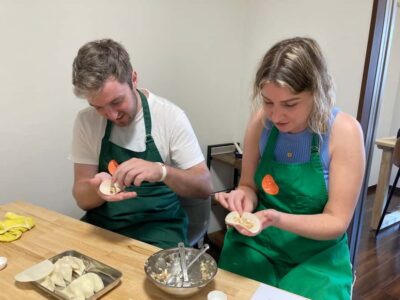

Easy Ramen Cooking Experience in Kabukicho, Shinjuku
Read our review →Browse the lists this tour appears in