
Reviewed · WALKING TOURS
Osaka: Main Sights and Hidden Spots Guided Walking Tour
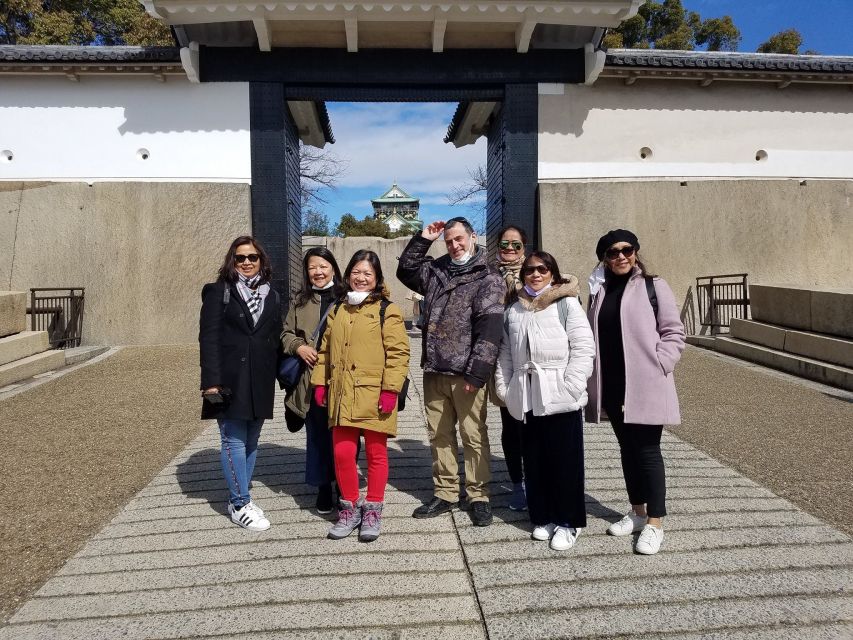
Osaka moves to a different rhythm than Tokyo, and this guided walk strings together the city’s old-world commerce and modern swagger in one easy half-day loop. Starting at Osaka Castle Park gives you the big visuals first, and then your guide helps you read the city like a story, with names like Ferdinand, Kevin, and Oisin showing up often as standout guides for narration and flow.
I especially like that you get the Osaka Castle Park experience without the hassle of going inside. You stroll the grounds, take in the imposing exterior, and learn what made this area so important when Osaka was fighting for survival centuries ago.
One thing to consider: it is a lot of walking and you use public transport between zones, but there are no food stops set into the schedule. You can still buy snacks along the way, just don’t plan on a sit-down meal included in the tour.
Quick take on this Osaka walking tour
- Osaka Castle Park start, with the exterior and surrounding park walk plus history built into the route
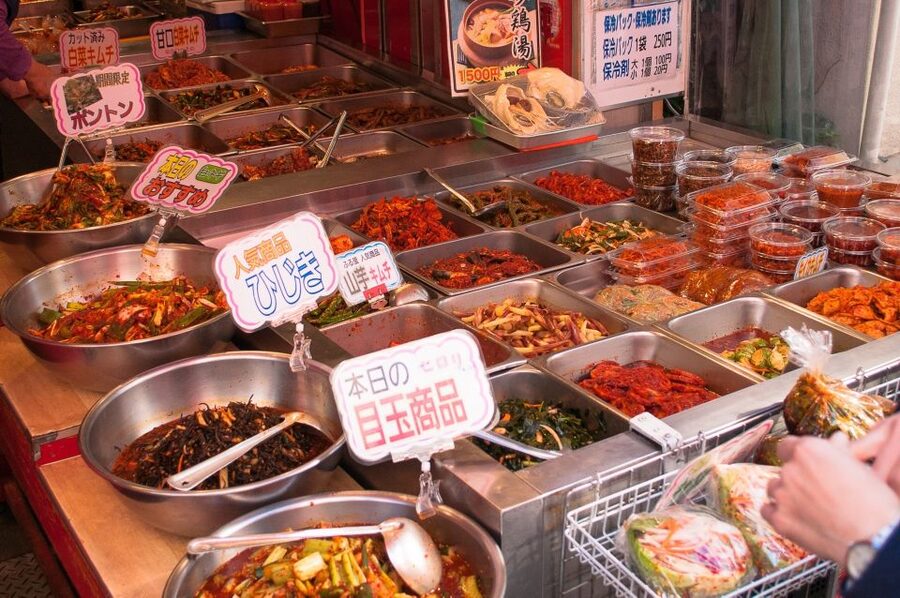
- Tsuruhashi Korea Town, where narrow pre-war streets feel like a different Osaka
- Harukas 300 + underground food hall, including a look at high-end products like Kobe beef and puffer fish
- Shin-sekai, a slightly crumbling throwback district that looks like it froze in time
- Namba and Dotonbori area, with shopping and neon energy matched to market stops like Kuromon
- Doguyasuji kitchen district, where wax food models and storefront noren curtains make the food culture real
Why Start at Osaka Castle Park Instead of Jumping Straight to Dotonbori?
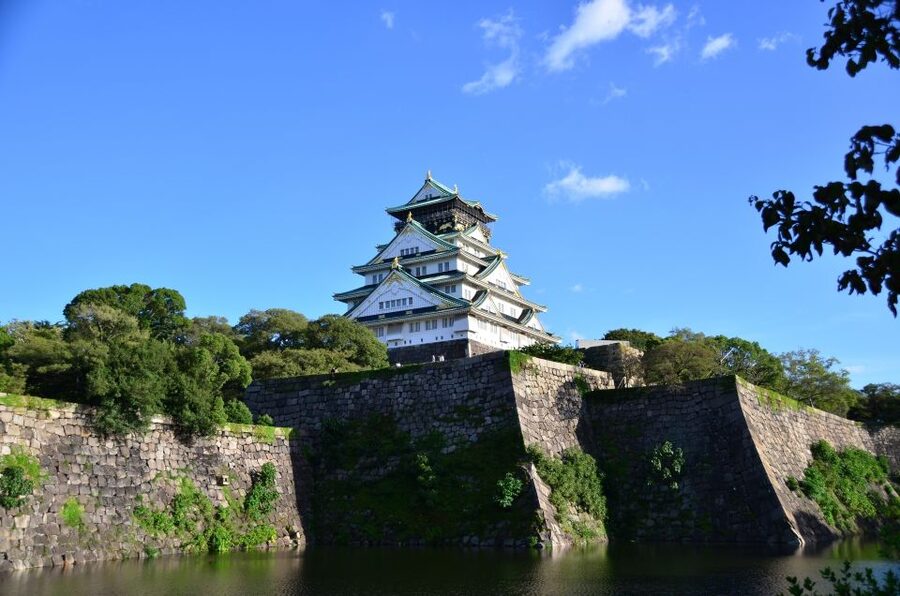
The best Osaka tours do one smart thing: they teach you how to look before you start looking for photos. This one begins at Osaka Castle Park, so you get context first. Even though you will not go inside the castle, the exterior still lands. You get the scale, the setting, and the sense that this was not just scenery, it was power and strategy.
What I like is that the tour keeps its focus. You stroll the park, and your guide ties the landscape to real history. You also get a clear sense of how Osaka’s identity formed around trade, entertainment, and everyday people, not just monuments.
There is also a practical payoff. Castle Park is a clean starting point, with an easy meeting spot and a natural place to gather your group, adjust your expectations, and settle into a walking pace. Then, later in the afternoon, you are not just chasing sights. You understand why the city built itself the way it did.
More Walking Tours in Osaka
- Osaka: Hotspots & Hidden Gems Walking Tour Private or Group
★ 4.9 · 1,300 reviews - Osaka Local Foodie Walking Tour in Dotonbori and Shinsekai
★ 5.0 · 985 reviews - Osaka Bar Hopping Night Walking Tour in Namba (3 bars, 6 tastes)
★ 5.0 · 958 reviews
Meeting at Tanimachiyonchome Station Exit 2, Plus the Subway Pass Plan
Your meeting point is in front of Tanimachiyonchome Station Exit 2, above ground. If you arrive by taxi, the intersection name you can use is tanimachi 3-chome (谷3交差点). This matters because Osaka stations can look identical when you are tired and carrying a bag you should not have brought.
From there, the tour uses walking plus short public transport hops. Transportation is not included, so you should plan to pay fares yourself. The tour specifically suggests buying a subway day pass and using it to reach the meeting point and while you are out on the route.
Two more real-world notes. The tour runs rain or shine, so pack for that mindset, not for perfect weather. And the tour is four hours long, so comfortable shoes are not optional. If you can walk 8,000 to 12,000 steps without drama, you will feel fine by the end.
Osaka Castle Park: The Exterior View, the Park Walk, and the Big Story
This part is about orientation. You get a grand, imposing look at Osaka Castle from the outside, then you walk around the park grounds with your guide talking through the city’s past. The vibe is calm compared to the later neon districts, which gives your brain a chance to absorb what comes next.
A major detail: you do not go inside the castle. That might sound like a compromise until you realize what it buys you. The tour keeps your time for other zones that are harder to navigate alone, like Tsuruhashi and the markets. You still get the defining visual and the history, without losing half your morning to lines or limited access.
If you like your history with context, this is a strong start. The guide helps connect Osaka’s earlier power struggles to why the city became known for merchant culture and urban life. That theme keeps showing up throughout the rest of the walk, from markets to back streets.
Tsuruhashi Korean Town: Maze Streets, Pre-War Commerce, and a Real Neighborhood Feel
After the castle, the route jumps to Tsuruhashi, described as a Korea Town area with lots of narrow streets and alleyways. This is the kind of place where Osaka stops feeling like a list of attractions and starts feeling like a lived-in city.
Here, you do not just see an ethnic-food district. You walk through a pre-war commercial vibe, with streets that feel like they existed before the modern branding era. Your guide leads you through the maze, and that guidance matters. Without it, it is easy to wander in circles or miss the small streets where the neighborhood energy is strongest.
I also like how this stop changes the tone. Castle Park was broad and open. Tsuruhashi is tight and detailed. You go from wide views to close-up city textures, and your guide connects that to how Osaka’s merchant life shaped what you see today.
If you enjoy shopping for snacks, browsing, and taking photos without hunting for a viewpoint, this is a good mid-tour moment to slow down slightly and just watch.
A change of pace from Osaka:
- Osaka Go Karting Tour with Funny Costume
★ 5.0 · 2,658 reviews - Osaka Castle: Museum and Tower Entry Ticket
★ 4.5 · 2,380 reviews - Osaka: Shinsekai Food Tour with 13-15 Dishes at 5 Eateries
★ 4.8 · 2,204 reviews - Osaka Food Tour: 13 Dishes at 5 Local Eateries
★ 5.0 · 2,149 reviews
Abeno Harukas 300: The View From High Above, Then the Underground Food Hall
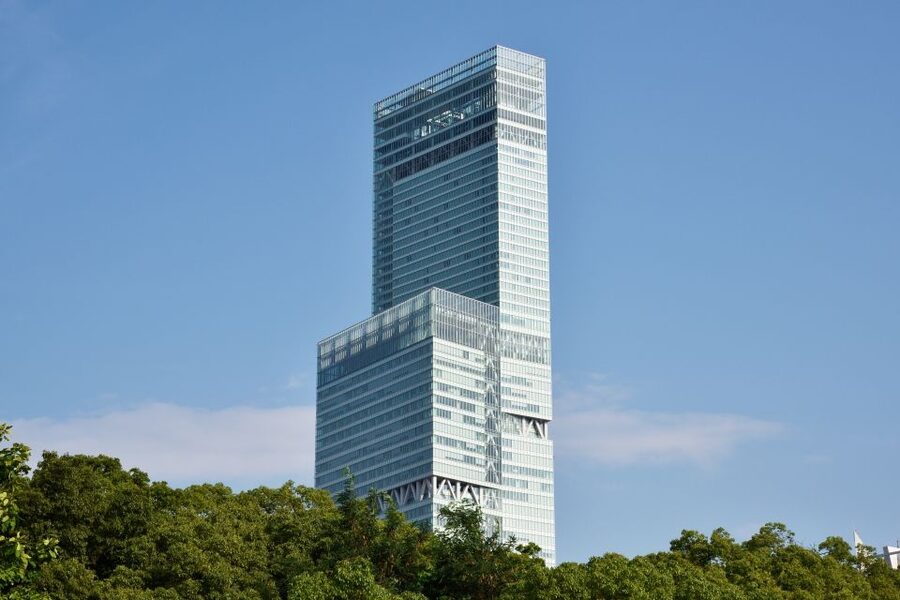
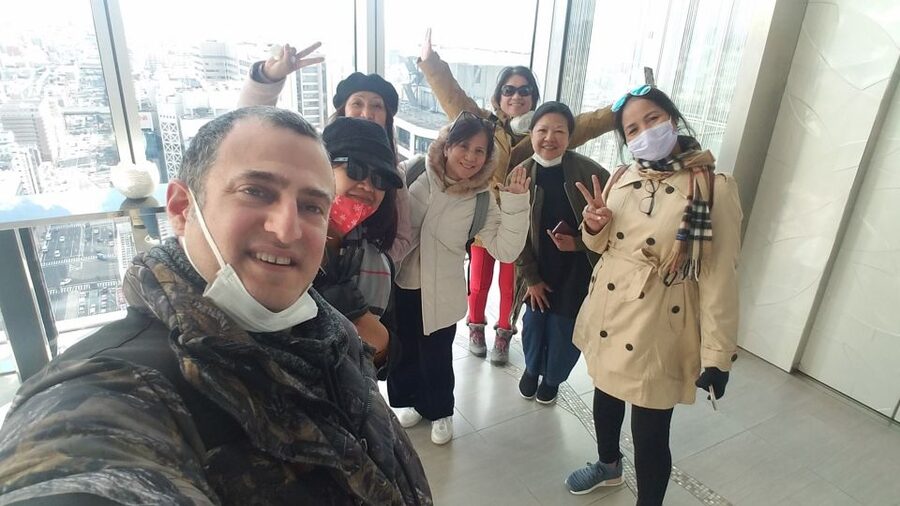
One of the most practical reasons to take this tour is the Harukas stop. You get up high to see the city from above, then you return to street level energy by heading underground.
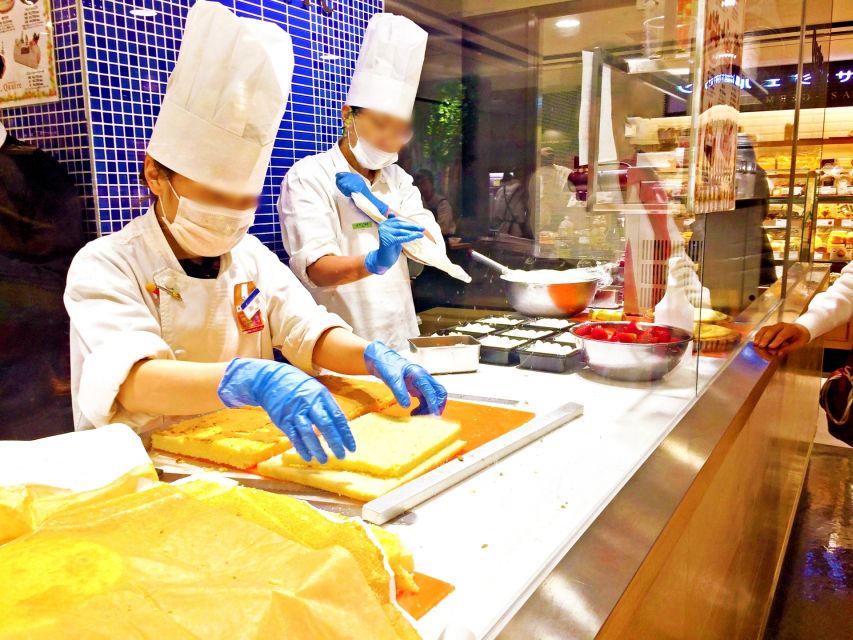
At Harukas, you visit the building area to enjoy views from high floors. Then you go underground to explore the department store’s food hall. This is not just a generic mall stop. You get a chance to see what high-end Japanese food commerce looks like, including high quality products your guide points out, like puffer fish and Kobe beef.
Why this works for you: you get the “big picture” skyline view, then you get the “how Osaka shops and eats” story right under your feet. It’s a simple two-step that makes the city feel less random.
Also, this stop is a good reset. After walking through alleyways, you get a different kind of space, plus a chance to regroup, check your photos, and decide what snack cravings to feed later in Namba and Dotonbori.
Shin-sekai: A Slightly Crumbling District That Feels Frozen in Time
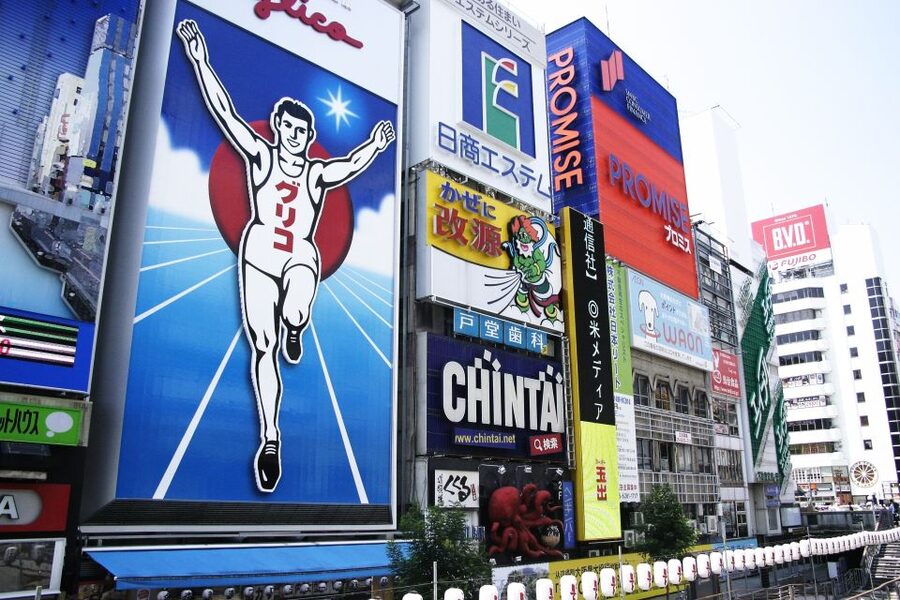
From Harukas, the tour heads to Shin-sekai. This district is known for a traditional feel, and it is described as slightly crumbling, the kind of local scene that seems to preserve older Osaka impressions.
What I like about Shin-sekai in a guided format is that your guide helps you read what you are seeing. You are not just looking at old buildings. You are learning how entertainment, street life, and neighborhood identity overlap in Osaka.
This stop also balances out the tour. Namba and Dotonbori can feel like lights and crowds, while Shin-sekai feels like personality and texture. You get a sense of continuity, that Osaka has always been a city where people build culture in the streets, not only in official landmark zones.
Namba, Dotonbori, Kuromon Ichiba, and Doguyasuji: How the Food Culture Gets Specific
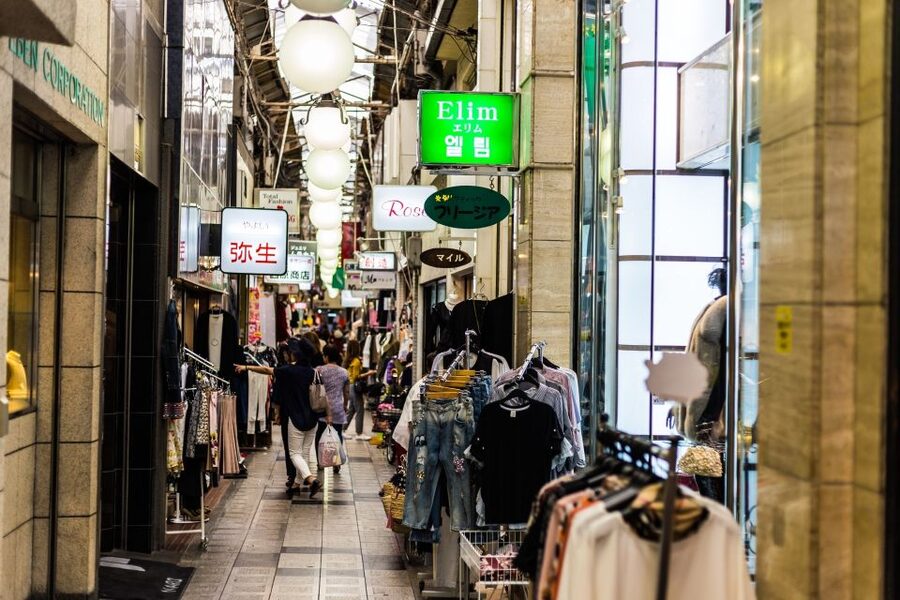
The final stretch is where Osaka earns its reputation. You head to Namba, the center of present-day shopping, dining, and entertainment. From there, you explore Dotonbori, Osaka’s version of Times Square, then branch into market and kitchen streets.
Dotonbori is the show, neon and energy and the kind of street theater Osaka does well. But the tour does something smarter than just standing in the obvious spots. You also visit Kuromon Ichiba, a fresh fish market known for more than 150 years of role in the city. This is where “food city” becomes real logistics: what sells, how stalls operate, and why fish markets are cultural anchors, not just tourist traps.
Then you finish with Doguyasuji, a kitchen and cooking district. This is one of my favorite types of stops on any food-focused tour because it explains the supply chain behind the meal. You look at wax food models, noren curtains hanging at kitchen entrances, and giant pottery pieces. It turns “I ate something great” into “I understand the world that makes it.”
Two practical notes here. The tour has no food stop, but you do get chances to buy snacks. If you want a full meal, you will need to plan for it yourself after the tour ends. Also, this area is where you will most want your walking legs, because the streets can feel long even when the stops are close together.
What the $59 Price Covers, and Why This Tour Can Be Good Value
For $59, you get a four-hour guided route built around Osaka’s most important zones: castle park context, Korea Town wandering with direction, a skyline viewpoint, Shin-sekai atmosphere, and then Namba and market streets.
The big value is not the number of locations. It is the logic. Many people arrive in Osaka and bounce between “main sights” without any thread connecting them. This tour gives you that thread, so your day in Osaka feels like learning, not just hopping.
The cost is also realistic for what you get. You are paying for a live English-speaking guide and the structure of a route that uses both walking and public transport. Transportation fares and any food purchases are not included, so you should budget for subway day pass coverage and some snack spending.
If you are traveling with only one day in the city, this is a strong way to get bearings fast. If you have multiple days, it still helps because it shows you where to return when you find something you like.
Pace, Weather, and Practical Tips for a Smooth Half-Day Walk
This is a rain or shine tour. That means the smartest move is dressing for Osaka weather, not for hope. Bring layers you can adjust quickly, especially if you swing between higher floors and street level.
Wear comfortable shoes. The tour is designed for walking, and the route covers several distinct neighborhoods. Even when breaks happen, you should expect real movement.
Plan to use public transport as part of your plan. The tour includes a few quick train ride segments between key zones. That is fine if you have a subway day pass. It can feel annoying if you rely on single tickets and then realize you need a different line or route.
Finally, use your guide like a tool. Many guides on this route are praised for giving photo spots, answering questions, and offering practical cultural context. If you care about how to order food, how neighborhoods differ, or what to do next after the tour, ask while you have the person with the local map in their head.
Who Should Book This Osaka Tour, and Who Might Not Love It?
This tour is a great match if you want an overview day with real neighborhood variety. If you like food-focused sightseeing, it helps a lot. If you enjoy history but do not want to spend your time stuck in queues, the castle exterior and park start is a good compromise.
It is also a solid choice as a first Osaka experience because you cover both the “official postcard” sides and the everyday commercial culture sides. You will walk through different eras of the city without needing to plan inter-neighborhood logistics yourself.
One caution: the tour is listed as wheelchair accessible, but it also says it is not suitable for people with mobility impairments. If accessibility matters for you, confirm details with the operator before booking.
Final Verdict: Should You Book the Osaka Main Sights and Hidden Spots Walking Tour?
I would book this tour if your goal is to understand Osaka quickly. The route makes sense, the stops are varied, and the guidance helps you read what you are seeing instead of just collecting stamps.
Skip it if you want a lot of included food, a slow museum-style day, or a route that avoids public transport. You will be walking, you will be riding a bit, and you will buy your own snacks if you want them.
If you do book it, do two things. Start with comfortable shoes, and bring curiosity. This one works best when you treat it as a guided walkthrough of Osaka’s personality, not just a checklist.
FAQ
Where is the meeting point for the Osaka walking tour?
Meet above ground at Tanimachiyonchome Station Exit 2. If you come by taxi, use the intersection name tanimachi 3-chome (谷3交差点).
How long is the tour?
The tour duration is 4 hours.
What is included in the price?
The price includes the guide and the walking tour.
What is not included?
Hotel pickup and drop-off, transportation, and food and drink are not included.
Do I need to buy a subway pass?
The tour suggests buying a subway day pass and using it to get to the meeting point and during the tour.
Are there food stops during the tour?
There are no food stop set into the schedule, but you will have chances to buy snacks along the way if you get hungry.
Does the tour run rain or shine?
Yes, the tour takes place rain or shine.
Is the tour wheelchair accessible?
It is listed as wheelchair accessible, but it also notes it is not suitable for people with mobility impairments. It is worth confirming details with the operator.
What languages are the live guides available in?
The live tour guide is available in English, French, and Spanish.
Can I cancel or pay later?
Free cancellation is offered up to 24 hours in advance for a full refund. There is also a reserve now and pay later option.
Latest write-ups near Osaka
- PRIVATE 6hr, Food tour from Osaka Castle, Kuromon, Dotonbori.★ 5.0 · 68 reviews
- 90 min Shared Handmade Udon Experience★ 5.0 · 70 reviews
- Ramen and Gyoza Cooking Class in Osaka Dotonbori★ 5.0 · 73 reviews
- Osaka: Sushi Making in Spacious Studio (SAME-DAY OK!)★ 5.0 · 75 reviews
- Osaka E-Bike Tour With A Local Guide★ 4.7 · 75 reviews
- 1.5〜2 Hours Traditional Kintsugi Work Shop in Namba Osaka★ 5.0 · 75 reviews
- Retro Osaka Street Food Tour: Shinsekai★ 4.5 · 77 reviews
- Osaka: Osaka Castle Guided Tour with Local Guide★ 4.7 · 78 reviews
Walking Tours, compared.
Kyoto Geisha Walking Tour: Gion District & Hidden Gems
Read our review →
Tokyo Tsukiji Fish Market Food and Culture Walking Tour
Read our review →
Gion Magical Night Walking Tour with Geisha Trivia
Read our review →
Imperial Palace and Shogun Historical Walking Tour
Read our review →
Gion Geisha District Walking Tour – Stories of Geisha
Read our review →
Shinjuku Local Bar and Izakaya Guided Walking Tour
Read our review →
Browse the lists this tour appears in