
Reviewed · SAMURAI & NINJA EXPERIENCES
Osaka: Samurai Training Experience KENDO in Osaka
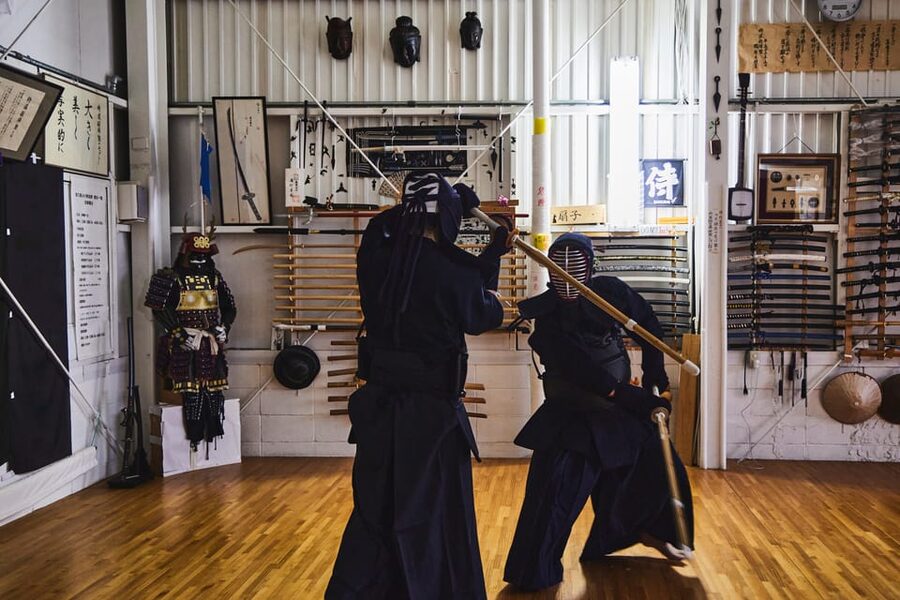
Putting on full Kendo armor and practicing in a real dojo is one of the most fun, grounded ways to experience Japanese martial tradition in Osaka. You learn the rules, you move correctly, and then you get to test it in match-style sparring with a shinai. Master Toshi and his team have a reputation for teaching in a way that makes first-timers feel safe and capable.
Two things I really like: the focus on proper etiquette (reiho), not just hitting with a bamboo sword, and the fact that you are trained step-by-step until you can spar. One consideration is the intensity. Even beginners often end up sweaty and with tired legs from the footwork and controlled, fast-paced exchanges.
Key Things That Make This Kendo Experience Worth Your Time
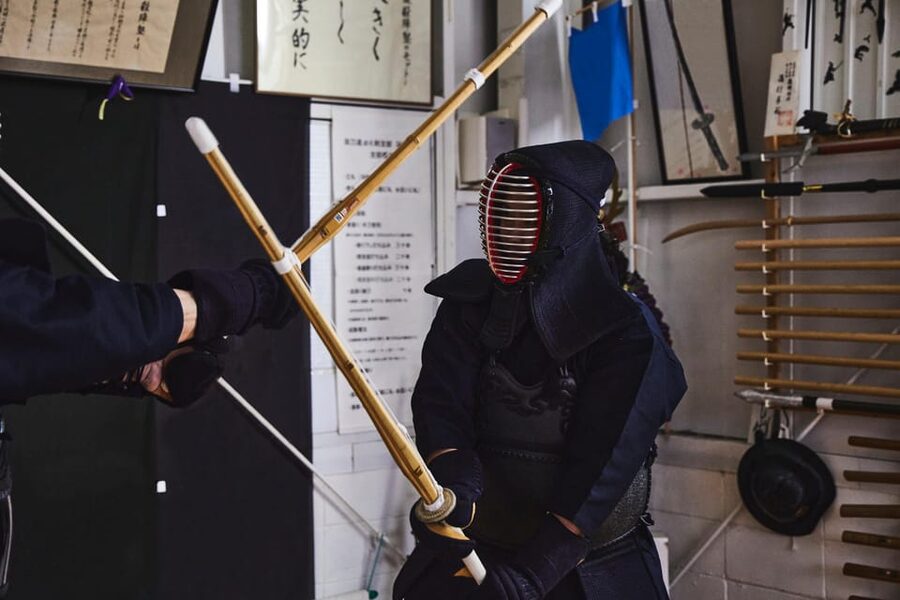
- Full bogu armor setup (men, kote, dō, tare) so you can train without that tourist feeling.
- Reiho and Samurai mindset first, so the sparring has structure and meaning.
- Beginners welcome, with instruction matched to your level and comfort.
- English support from instructors and assistants like Kumiko, Kumi, Vicky, or Nao (depending on the session).
- Hands-on paired practice that leads into a rules-based, match-style experience.
- Samurai photo time in an authentic dojo, using swords and props for memorable pictures.
Why This Osaka Kendo Class Feels Real, Not Staged
Osaka has plenty of “samurai” activities that are basically costuming. This one starts earlier. You do history and etiquette first, then you get dressed in real Kendo clothing and protective gear, and you actually practice the movements that make Kendo work. The result is that you leave understanding what you did, not just wearing a costume.
The dojo setting matters. A working training space keeps the experience grounded in discipline and respect. Several people mention the training room as clean, bright, and spacious, which makes a difference when you are trying to learn unfamiliar stances and footwork.
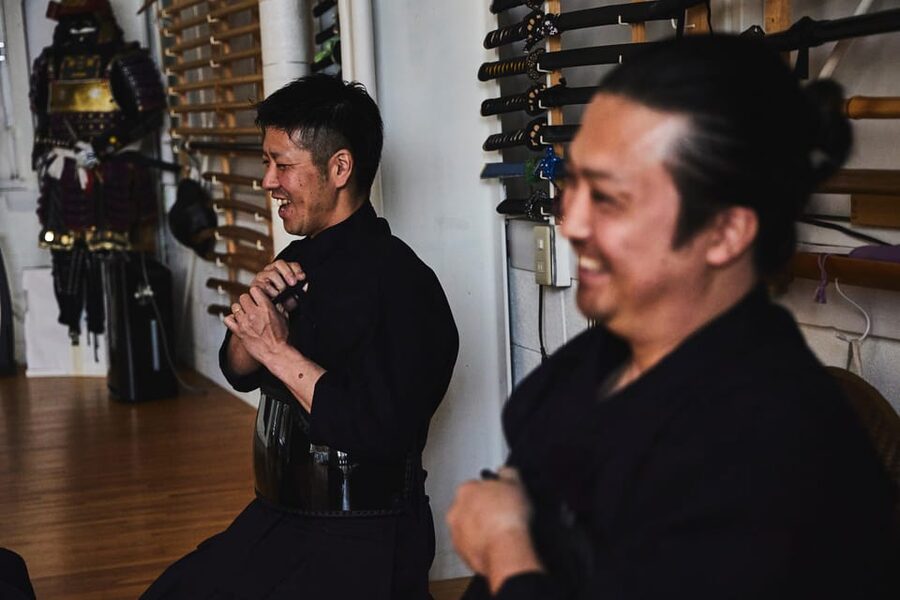
I also like that the tone is serious, but not stiff. The instructors often bring humor and patience into the lesson. That combo helps a lot when you are trying to remember where your hands go on a shinai, and you are also trying to bow the right way at the right moment.
One more reality check: this is physical. Two hours sounds short until your legs start working hard. The sparring part can feel intense, even when you are not doing anything reckless. It is competitive energy, with safety rules keeping things controlled.
More Samurai & Ninja Experiences in Osaka
- Samurai Training Experience KENDO in Osaka
★ 5.0 · 515 reviews - OSAKA NIGHT FUSION Japanese Taiko Kabuki Samurai Dance Show
★ 4.8 · 155 reviews - Honor – Experience Samurai & traditional Culture to the fullest
★ 5.0 · 32 reviews
Your 2-Hour Flow: From Bowing Rules to Match-Style Sparring
Your session is designed like a proper lesson, just compressed into about two hours.
1) Intro to Kendo, Samurai values, and reiho
You begin with a lecture that ties Kendo to Samurai culture and its moral code, often referred to as Bushidō. You also learn reiho, the etiquette that guides how you move and how you treat your training partner. This is not filler. In Kendo, etiquette is part of the technique, because it shapes timing, distance, and intent.
People consistently praise the English clarity of the instructor and assistants. If you are worried you will miss the meaning because you do not speak Japanese, you probably will be fine. You are also taught what to watch for, not just what to do.
2) Uniform and armor fitting, then safety rules
Next you step into the “Kendo practitioner” look. You wear traditional Kendo clothing, including dōgi and hakama. Then comes the protective armor, full bogu including men (helmet), kote (gloves for wrists), dō (chest protector), and tare (waist protector). You are holding a shinai once you are ready.
A key value here is safety. You learn the rules of handling the equipment and training protocols before sparring starts. That matters because the shinai can move fast, and your body will want to react on instinct. This is where step-by-step instruction pays off.
A change of pace from Osaka:
- Osaka Go Karting Tour with Funny Costume
★ 5.0 · 2,658 reviews - Osaka Castle: Museum and Tower Entry Ticket
★ 4.5 · 2,380 reviews - Osaka: Shinsekai Food Tour with 13-15 Dishes at 5 Eateries
★ 4.8 · 2,204 reviews - Osaka Food Tour: 13 Dishes at 5 Local Eateries
★ 5.0 · 2,149 reviews
3) Basic posture, footwork, and shinai mechanics
Once you are geared up, you practice the fundamentals. Expect work on posture and footwork first. In Kendo, good footwork is everything. If your stance and steps are wrong, your strikes become awkward and your timing gets off.
You will also learn basic safety and movement rules that help you control your distance. The lesson is paced so you can repeat motions enough to get comfortable, not just watch and then forget.
4) Technique practice with counters, blocks, and paired drills
After the basics, the lesson becomes interactive. You practice in pairs, learning how to attack and respond in a respectful, rules-based way. Some people specifically mention learning a mix of offensive and defensive moves, including counters.
This is one of the most rewarding parts for beginners. Even if you only catch a few patterns, you start to feel how Kendo is a conversation. It is not “spam strikes.” It is timing, focus, and reading what your partner intends to do.
5) Match-style sparring experience
At the end, you do match-style combat following real Kendo rules. The emphasis is on spirit and focus rather than raw strength. That is good news if you are not an athlete. You can do well with correct technique and controlled intensity.
One thing to know: the sparring can be described as intense and fun. That means you should bring an open mind and expect your heart rate up. You are still learning, but you are not doing a slow demo.
Getting Dressed in Kendo Armor: What It’s Like and What to Wear for Comfort
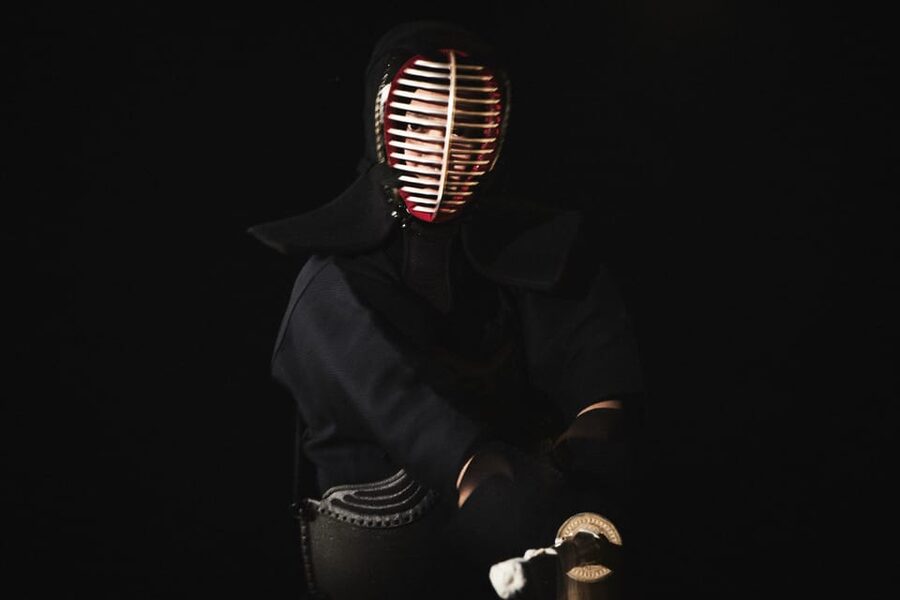
The gear is a huge part of why this experience works. You go beyond a costume. You wear protective armor designed for training, which lets you move confidently when sparring begins.
Here is what you should expect as you get dressed:
- Dōgi and hakama to set your posture and base clothing.
- Full bogu: men, kote, dō, tare.
- A shinai provided for you to hold and practice with.
What helps most: being honest about your body details ahead of time. They ask for your height, weight, and gender so the armor fits comfortably and safely. If you have any fit concerns, communicate them early. This kind of gear is only fun when it is stable, not shifting around while you try to step correctly.
What to bring is simple: drinks. It is a workout, and you will likely work up a sweat. Wearing the provided clothing and armor means you do not need to bring specialty gear.
The Etiquette Part (reiho) Is Not Boring, It’s the Point
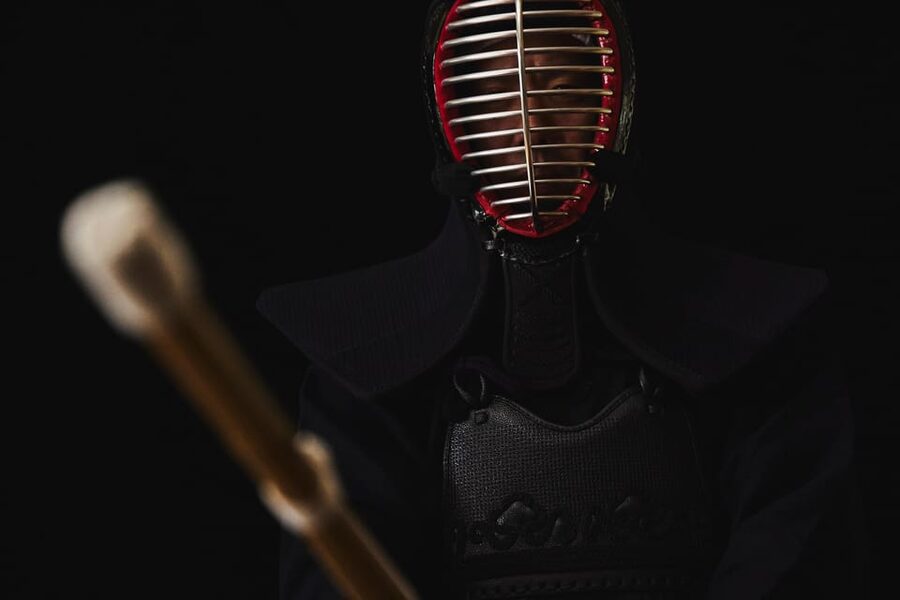
Some martial arts classes treat etiquette like a small lecture at the start. Here, reiho is treated like a real foundation. You practice bows and protocols as part of the training flow, which helps you understand why Kendo feels structured.
You also learn how Kendo connects to discipline and self-control, not just striking. That matters because many people come for the sword action, then realize the deeper piece is restraint and respect. You will feel that in how the instructor runs partner practice.
I especially like that the lesson is approachable. You do not need martial arts background to start. Even people new to martial arts have said they were taken care of step-by-step, with clear explanations and patient corrections.
One practical tip: when you get confused, slow down and watch what everyone else is doing. In Kendo, the rhythm of the room matters. Following the instructor’s cues and the group pace is the fastest route to getting it right.
Sparring as a Beginner: How This Class Keeps It Fun and Controlled
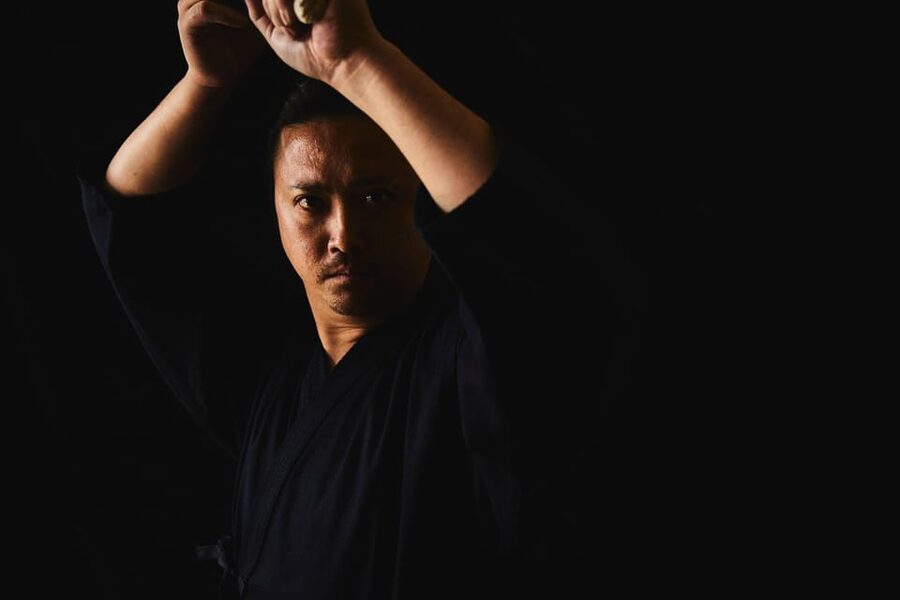
Sparring is where a lot of activities fall apart, either too timid or too chaotic. This one seems to aim for controlled intensity with respect for your level.
If you are a first-time participant, you get taught the basic strikes and blocks, then you practice in a structured way with partners. By the time match-style sparring arrives, you have a few “moves you can actually perform,” not just instructions you heard.
In several accounts, people describe strong sparring that still feels injury-free because of the full armor and safety protocols. That is a huge value factor. You are getting the real experience without the fear that you might get hurt just for trying.
Also, if you have prior martial arts or Kendo experience, the class does not ignore you. You can often expect training that still challenges you, while keeping it respectful. That is why it works for mixed groups, including couples or families with different comfort levels.
Samurai Photos Inside the Dojo: More Than a Quick Snapshot
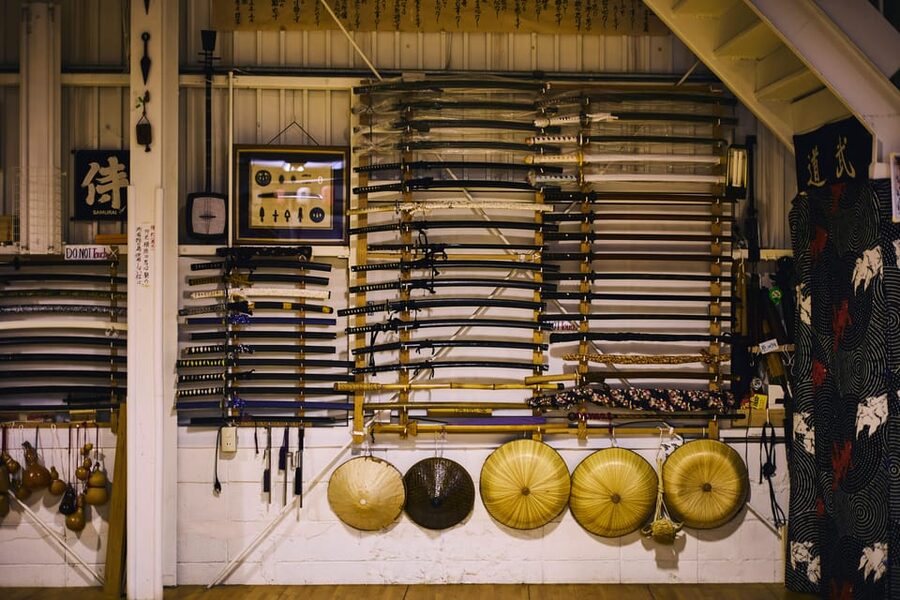
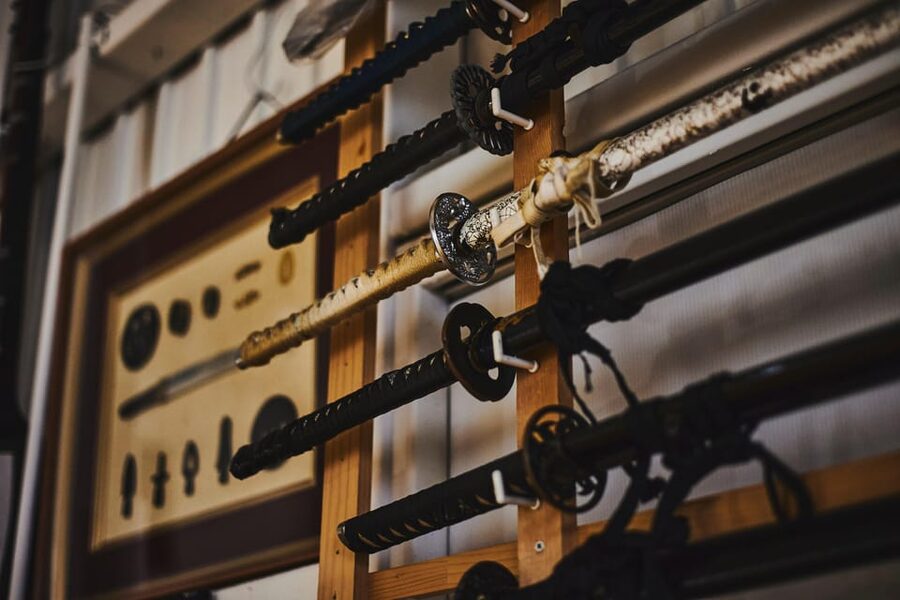
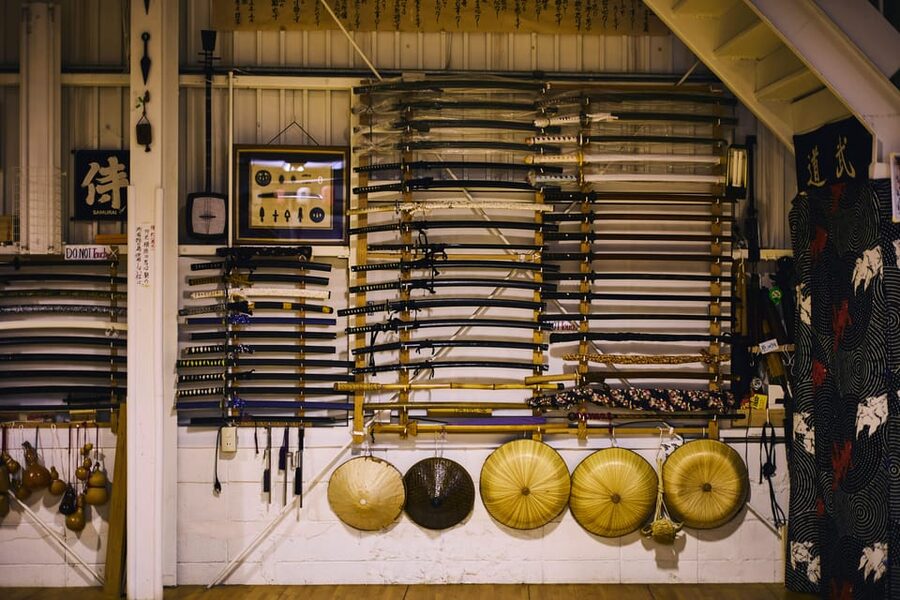
Most Kendo lessons end when you take off the armor. This one adds a photo session inside the dojo, with Samurai items, swords, and props. It is not just a quick selfie moment. The setting is the authentic training space, which makes the pictures feel like a real memory instead of a generic tourist shot.
You also get photos taken by the staff. Several people mention being photographed posed and action-style. That means you do not have to multitask like a one-person film crew.
One good approach: during the photo time, ask for a couple of different looks. Wear the gear again and get both a still pose and a moment that shows the stance. You will get a wider range of results, and it makes the lesson feel complete.
Price and Value: Is $127 for Two Hours Reasonable?
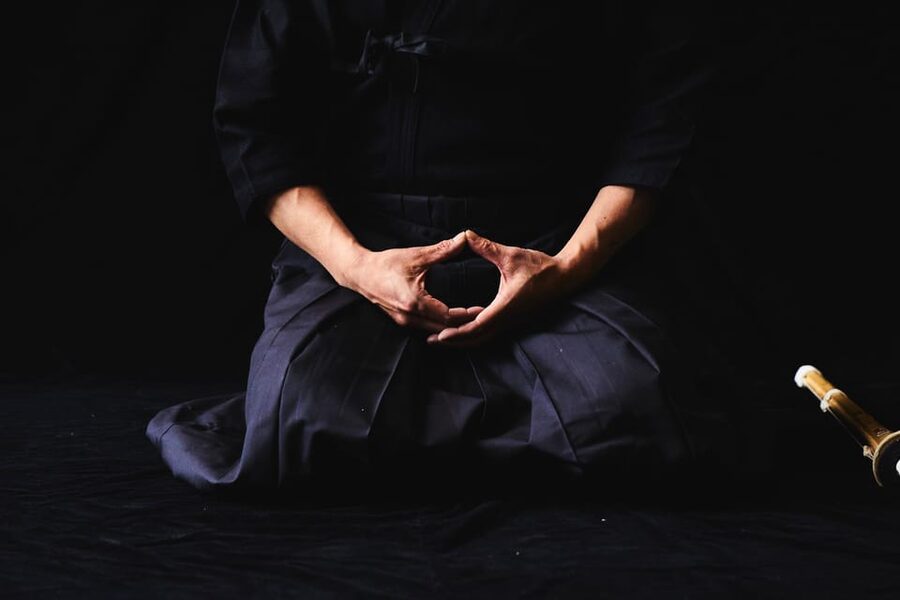
At $127 per person for about two hours, you are paying for three things that are hard to replace cheaply:
1) Real instructor time and translation support in English and Japanese.
2) Full protective armor and clothing setup.
3) A guided progression that ends with match-style sparring plus photos.
If you just wanted a souvenir sword photo, you could do that cheaper. But you would not get bogu training, reiho etiquette instruction, and partner practice that builds toward sparring. That is the value.
Two hours also keeps it realistic in an Osaka itinerary. You can fit it between other sightseeing without losing half a day. Still, because it is physical and equipment-heavy, plan for it like a real class, not a casual stroll.
The best value comes if you treat it as a learning session. Pay attention to footwork and protocols, not just the end fight. You will feel the difference in how much you understand by the time you spar.
Who Should Book, and Who Should Skip
This experience is a strong fit for:
- Anime and Samurai culture fans who want the real training context.
- Active visitors who do not mind leg work and controlled sparring.
- First-timers who want an instructor who is patient and clear in English.
It is also family-friendly in a specific way. For kids aged 3 to 5, the program mainly focuses on wearing uniforms, trying on armor, and taking photos. That means it is safe and fun, but it is not the same training experience as an adult.
Important age limits to know:
- People over 76 cannot try Kendo, they can only view.
- Children under 2 cannot try Kendo.
- People over 75 are not suitable for trying.
If you are in that age range, you can still enjoy the event as a viewer depending on the session setup, but you should not plan on taking part in the training.
Fitness-wise, you do not need to be athletic to start. But you should be ready for sweat, because the combination of armor and footwork makes it a workout.
Practical Tips for Osaka: How to Prepare and Get the Best Session
This part is simple, and it can make a big difference in how smoothly your lesson goes.
- Arrive with enough time to change. One person recommended arriving about 30 minutes early so changing gear does not squeeze the training.
- Bring drinks. You are moving in full protective equipment.
- Give your height, weight, and gender when asked, so the armor fits well.
- Wear comfortable, practical clothes to get to the dojo. You will change into dōgi and hakama there.
- Skip alcohol. Alcohol and drugs are not allowed.
Also, read the room once you arrive. In a dojo environment, following the instructor’s rhythm matters. If you are nervous, that is normal. The staff’s patience and humor seem to help people settle fast.
Should You Book This Osaka Kendo Experience?
I think you should book it if you want a hands-on Osaka activity that goes beyond costumes. The biggest win is that you learn etiquette, you train with real protective armor, and you end with match-style sparring, all under English support from instructors and assistants like Toshi, Kumiko, Vicky, Kumi, or Nao (depending on the session).
Skip it if you are in the restricted age ranges for trying Kendo, or if you cannot handle a physical session with footwork and intense partner practice. Also skip it if you only want a passive show. This class is training, not just watching.
For most visitors who are curious about Samurai discipline and want a real workout, this is a top choice in Osaka.
FAQ
How long is the Osaka Samurai Training Experience KENDO?
It lasts 2 hours.
What is the price per person?
The price is $127 per person.
Can kids try Kendo?
Children under 2 years old cannot try Kendo. Children between 3 and 5 mainly have uniform and armor try-on plus photo shoots, and they cannot have the same experience as adults.
What should I bring?
Please bring drinks.
What languages are used during the experience?
Instruction is available in English and Japanese.
Is there an age limit for trying Kendo?
Yes. People over 76 are not allowed to try Kendo (viewing only). People over 75 are not suitable for trying.
Is it refundable if I cancel?
You can cancel up to 2 days in advance for a full refund.
Latest write-ups near Osaka
- PRIVATE 6hr, Food tour from Osaka Castle, Kuromon, Dotonbori.★ 5.0 · 68 reviews
- 90 min Shared Handmade Udon Experience★ 5.0 · 70 reviews
- Ramen and Gyoza Cooking Class in Osaka Dotonbori★ 5.0 · 73 reviews
- Osaka: Sushi Making in Spacious Studio (SAME-DAY OK!)★ 5.0 · 75 reviews
- Osaka E-Bike Tour With A Local Guide★ 4.7 · 75 reviews
- 1.5〜2 Hours Traditional Kintsugi Work Shop in Namba Osaka★ 5.0 · 75 reviews
- Retro Osaka Street Food Tour: Shinsekai★ 4.5 · 77 reviews
- Osaka: Osaka Castle Guided Tour with Local Guide★ 4.7 · 78 reviews
Samurai & Ninja Experiences, compared.
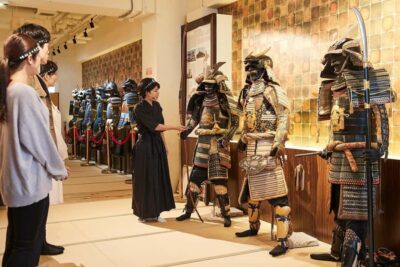
Samurai Ninja Museum Guided tour and Experience
Read our review →
Kendo and Samurai Experience with Uniform and Gear
Read our review →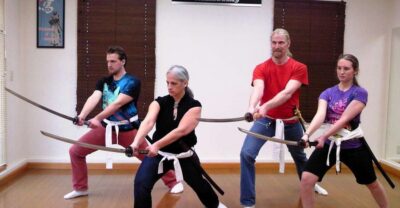
Samurai Sword Class by Experts in Traditional Arts
Read our review →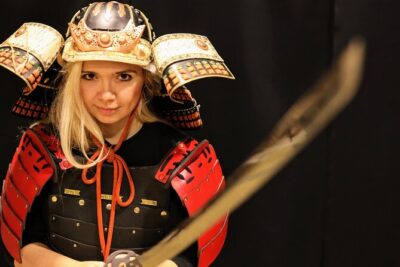
Skip the lines Basic Ticket at SAMURAI NINJA MUSEUM KYOTO
Read our review →
Samurai Sword & Archery Class from Samurai Descendant
Read our review →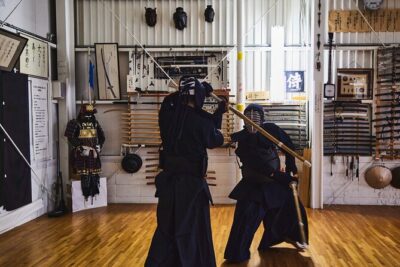
Browse the lists this tour appears in