
Reviewed · SAMURAI & NINJA EXPERIENCES
Kyoto: Samurai Sword Class by Experts in Traditional Arts
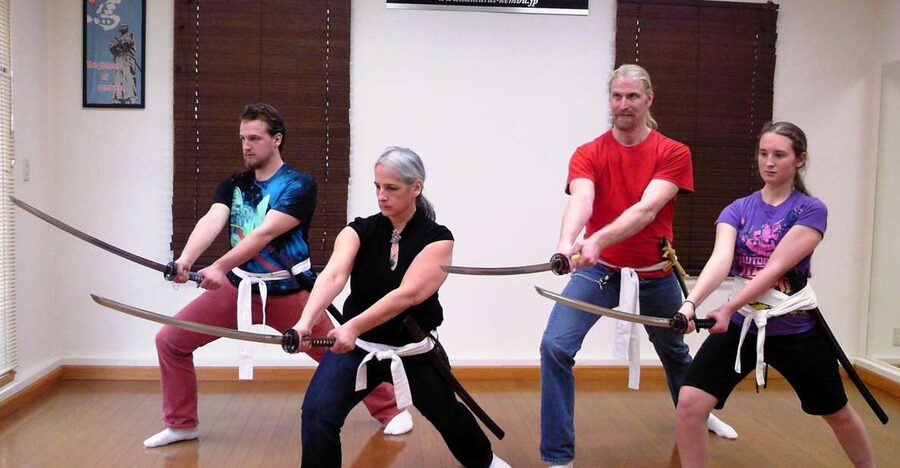
A Kyoto samurai sword class is interesting because you learn Kenbu in your own body, not just on a stage. You practice the bow, the draw, and stylized katana movements, then finish with a short performance that ties it together.
I love that the session is hands-on from the start, including a proper lesson in respectful bowing and sword etiquette. I also like the way you get a real keepsake day, with samurai costume dressing, a focused photo shoot, and a completion certificate.
One consideration: this is not a sit-and-watch show. There is no observation only, plus there is no waiting room, and costume changes can be awkward if you show up in the wrong kind of clothes.
Key points you will notice fast
- Small-group training limited to 10 participants means you actually get hands-on coaching
- A 4-minute film sets the basics before you touch the sword
- Bow, draw, strike training emphasizes form and etiquette, not chaotic swinging
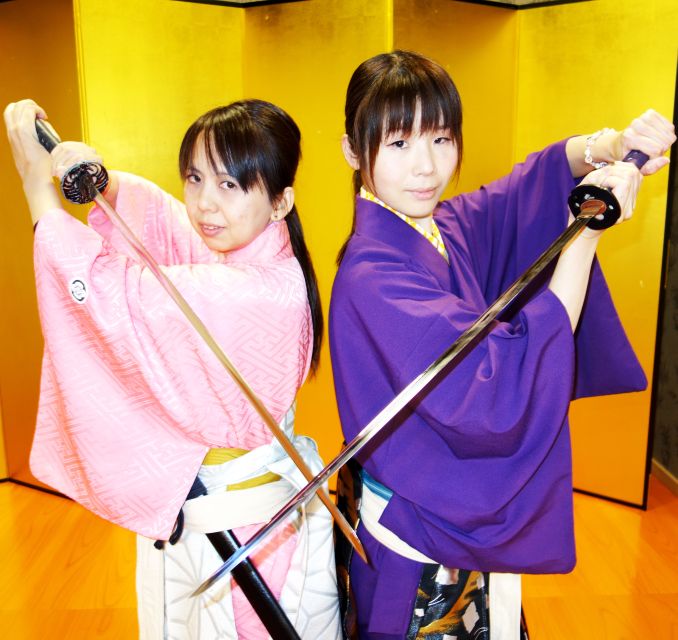
- Costume + photo shoot turns the lesson into a memorable, personal experience
- Optional 10- or 30-minute performance helps you see the techniques with instructor commentary
- The dojo hands you a tenugui towel and a completion certificate to take home
Kenbu in Kyoto: What You Are Really Learning
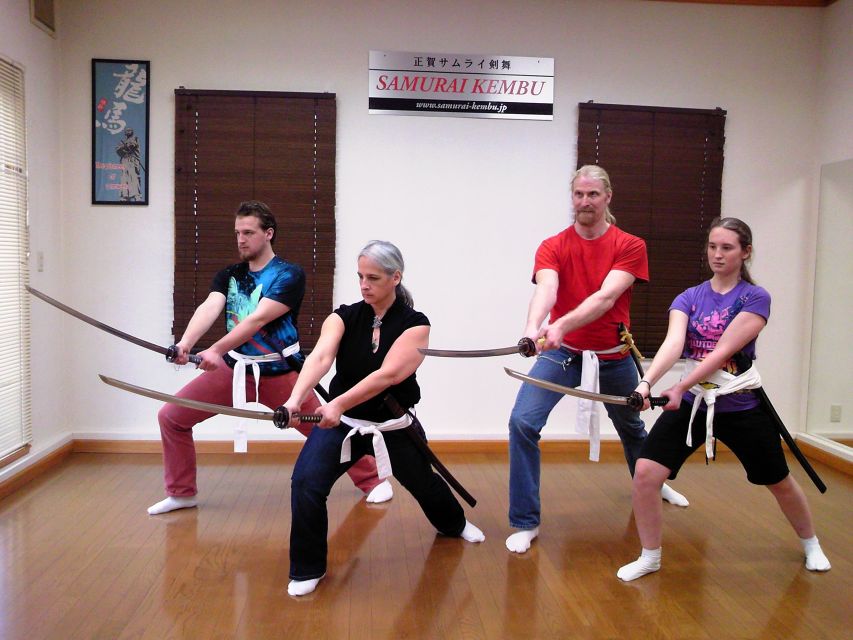
Kenbu is not just fighting. It is controlled movement, timing, and respect made visible. In this class, you learn a short set of stylized techniques that connect body posture to sword motion, so it feels closer to performance training than a gym workout.
You start with basics like how to bow before training begins, then you move into the sword sequence. That sequence matters because it teaches what comes before the strike. You are practicing discipline, not speed.
And yes, you will still get the fun part, the part with a sword and dramatic stances. But the class frames those moves as a craft, passed down through generations, and demonstrated with clarity by the instructors.
More Samurai & Ninja Experiences in Kyoto
- Kyoto Samurai Experience
★ 5.0 · 1,294 reviews - Kyoto: Kendo and Samurai Experience with Uniform and Gear
★ 4.9 · 815 reviews - Skip the lines Basic Ticket at SAMURAI NINJA MUSEUM KYOTO
★ 4.5 · 632 reviews
Getting to Samurai Kembu Theater (and What to Wear)
Your meeting point is Samurai Kembu Theater (Kyoto dojo), B1F Gozan Building, 35-7 Sanchome (Higashi-iru, Sanjo-hanamikoji), Higashiyama-ku, Kyoto 605-0005. It is in central Kyoto, where getting there is mostly about finding the right street and the building entrance.
Plan for a hands-on session with costume changes. Wear clothes suited for moving around, and do not rely on a single hoodie or tights, since they may not work well for costume changes. I would bring layers you can get on and off easily, and something breathable for the training.
You also need to travel light. Large bags and luggage are not allowed, and there is no waiting room. If you want a calm start, arrive early enough to settle in without rushing.
The 4-Minute Film, Then the Bow: Starting with Discipline
The class begins with a short 4-minute film that covers the basics. It is brief on purpose, just enough to get you oriented before you start moving with the sword.
Then you suit up and learn how to bow correctly to your instructor. This is not a random ritual step. It sets the tone for everything that follows, because Kenbu is about form and respect, not aggression.
A big reason I like this approach is that it gives you mental structure. Even if your sword skills are brand new, you can focus on the sequence you are being taught.
Costume Dressing and the Tenugui Keepsake Angle
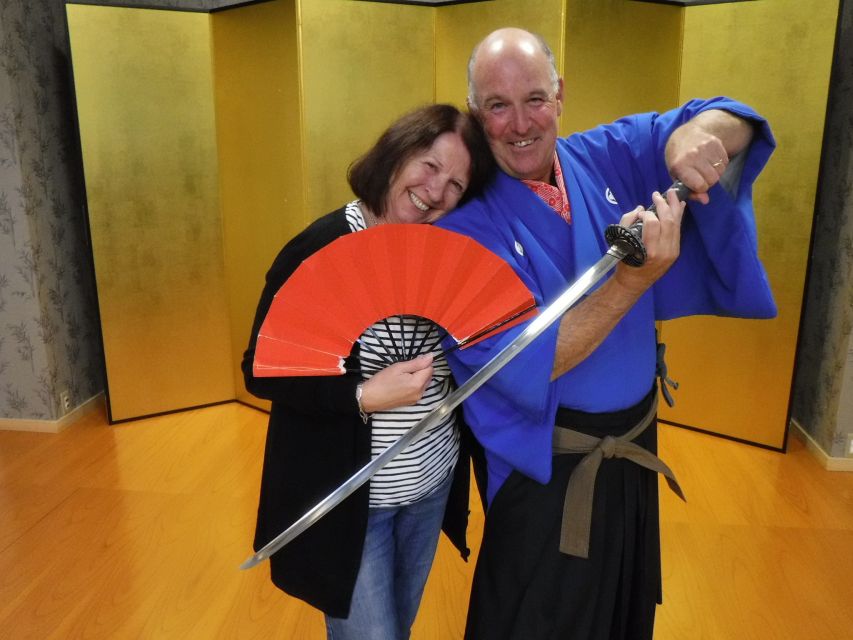
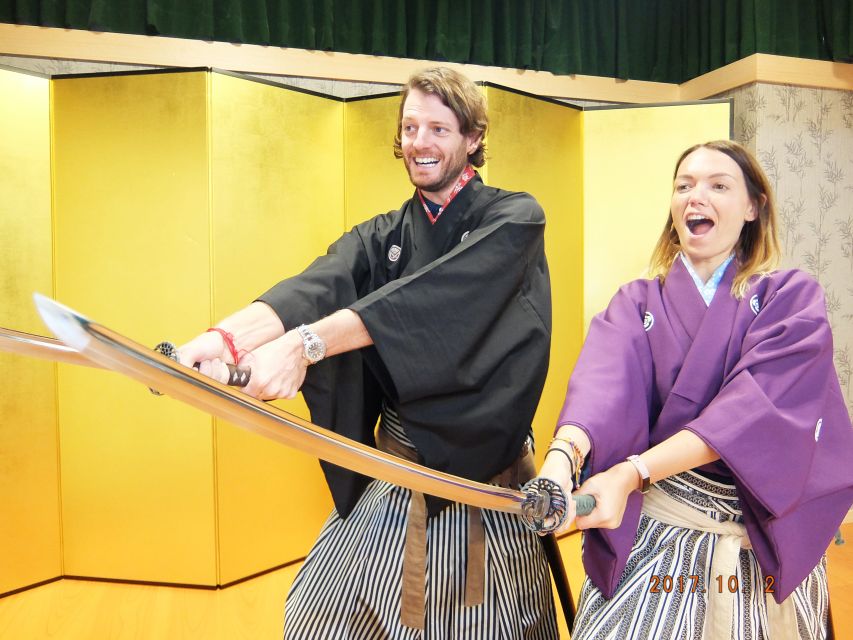
Costume dressing is a standout part of the experience. You get to wear a traditional samurai outfit and you even have a photo session in costume, so you leave with images that look like you actually belong in old Kyoto.
You are also given a tenugui towel and a completion certificate. Small souvenir items are easy to dismiss in many activities, but here they feel connected to the lesson. You are not just buying a photo op, you are finishing a training sequence.
One tip from the experience style: think of the costume as part of the training time. Move carefully during dressing, and follow the instructor’s guidance so you can get into your stance safely.
A change of pace from Kyoto:
- PERFECT KYOTO 1-Day Bus Tour
★ 5.0 · 13,518 reviews - Kyoto: Fushimi Inari, Kinkakuji, Bamboo Grove 1 Day Bus Tour
★ 4.8 · 4,316 reviews - Kyoto: Tea Ceremony in a Traditional Tea House in Kiyomizu
★ 4.9 · 3,519 reviews - Kyoto Geisha Walking Tour: Gion District & Hidden Gems
★ 4.7 · 3,273 reviews
Bow to Draw: How the Sword Sequence is Taught
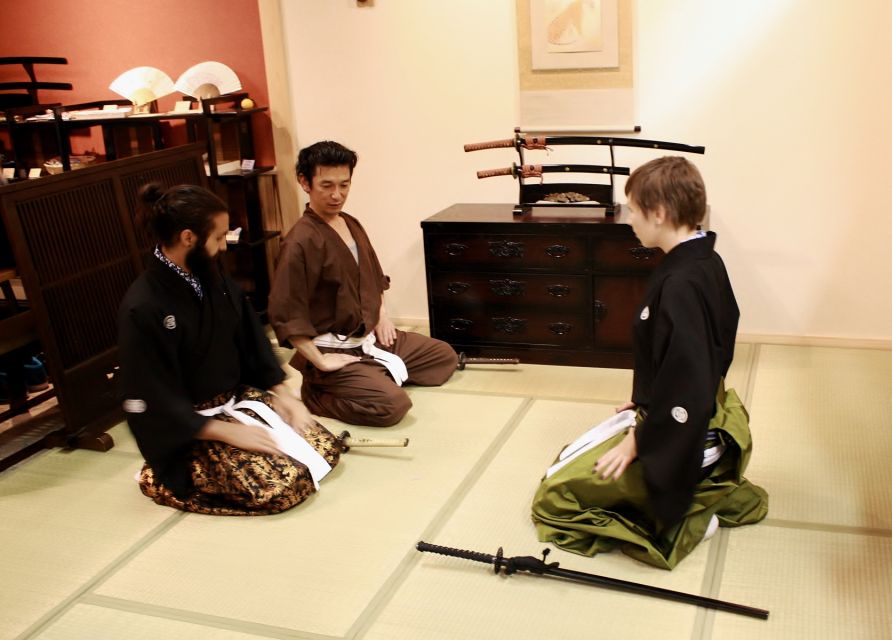
After the bow, you learn how to draw the sword and return it to its protective scabbard. The class breaks it into steps rather than demanding one big leap of coordination.
This is where the instructors make the difference. People mention sensei names like Hoga sensei and Kazu, and the instruction consistently sounds patient and precise, especially with newcomers. You are being taught what to do with your hands, your posture, and how to keep the movement controlled.
Then comes the stylized strikes. You are not trying to win a fight. You are learning patterns, angles, and timing that make the sword movement look like Kenbu, not like random swinging.
Photo Session: Getting Great Shots Without Losing the Momentum
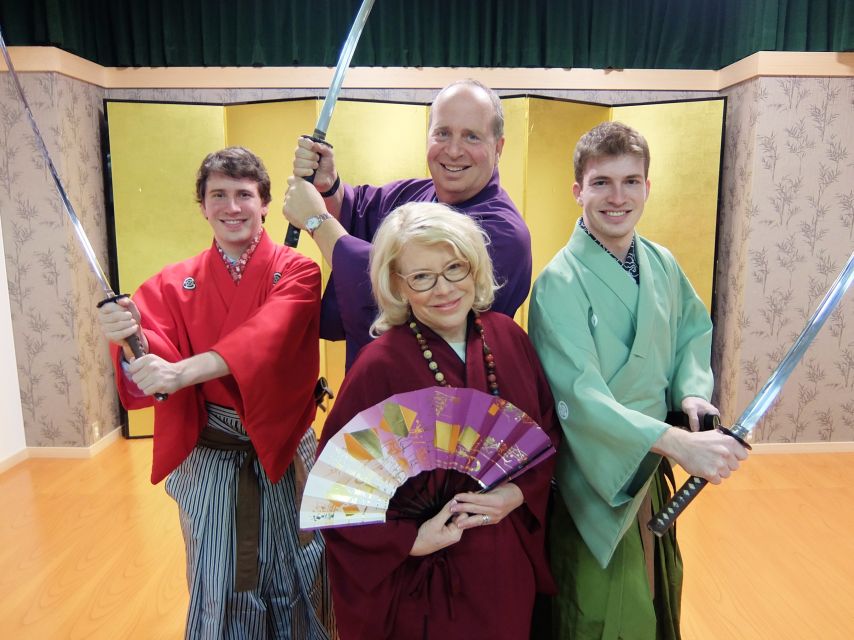
You get a short photo session in your costume. It is timed so you do not lose the thread of training, and the focus is on capturing you in the right positions.
If you care about photos, this is one of the better ways to do it. Many Kyoto experiences start with the photos and leave you with little else. Here, the photos come after you understand the movements, so your stance looks intentional.
Because the group is small, it tends to feel orderly. You can usually expect staff to organize who goes when so you do not spend the whole time waiting.
Respect to Your Opponent: Turning Technique into Etiquette
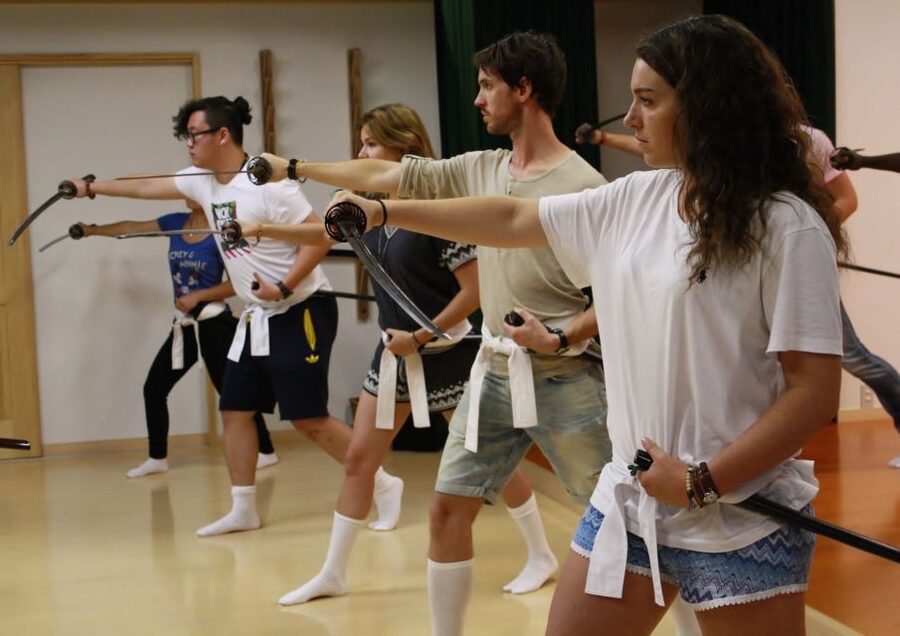
Midway through the lesson, you learn how to show respect to your opponent with the sword. This is not theatrical for the camera. It is a repeatable behavior, tied to bowing and controlled movement.
That section is valuable because it changes how you think about the sword. Instead of treating it like an object for impact, you treat it like something you handle with care, with your body in a stable stance.
I also appreciate the way the class uses a short performance at the end to show how the etiquette and technique connect in real Kenbu choreography. It makes the earlier steps make more sense.
The Optional Performance: 10 Minutes or 30 Minutes
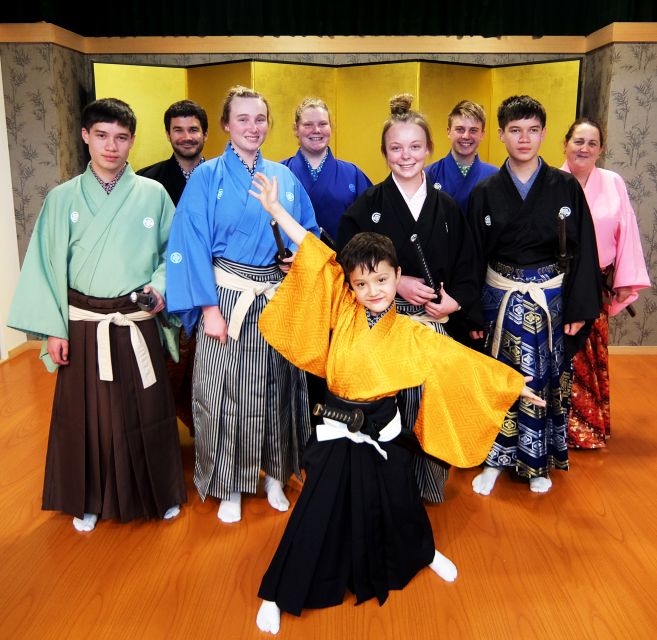
After you finish the training and get your certificate, you can watch a performance option. Depending on what you choose, it is either a 10-minute or 30-minute demonstration with commentary by a sword dance instructor.
This is one of the clever parts of the schedule. When you only learn individual motions, you might not know why they are arranged that way. Watching the performance helps you see how the moves flow and how the style reads when done by masters.
People describe the demonstrations as beautiful and entrancing, and the point is not spectacle for its own sake. The commentary is there so you can connect what you just practiced to what you are watching.
Price and Value: Is $64 Worth It
At about $64 per person for 90 minutes to 2 hours, the value comes from three things: real coaching, real costume, and a real performance. This is not a long day, but it is also not a token experience.
You are paying for a sequence: film orientation, bow training, draw and scabbard practice, stylized strikes, plus a photo moment and certificate. And you are doing it in a small group of up to 10, which usually means you get more attention than in larger demonstrations.
If you are the type of traveler who wants hands-on culture, this is a strong fit. If you want a quick photo and then to move on, the training time might feel like more than you expected. But even then, the class is designed so beginners can keep up.
Safety and Practical Limits You Should Know Up Front
For safety, you must follow the instructor’s instructions. That is standard anywhere you handle a sword, but here it matters because the lesson includes bowing, drawing, and striking sequences.
Also note what you cannot bring: pets, weapons or sharp objects, and large luggage or travel bags. No smoking is allowed, and food and alcohol are not permitted.
One more practical thing: you cannot treat this like a casual classroom visit. There is no waiting room, and it is not observation-only. If someone in your group expects to sit out, this is not the right activity.
Who Should Book This Kyoto Samurai Class, and Who Should Skip It
This is best for you if you want an activity that combines Japanese cultural etiquette with physical, guided practice. You will probably enjoy it if you like photos, enjoy learning a craft with your hands, and appreciate demonstrations that explain what you practiced.
It is also a good option for families with older kids. The data says children under 4 are not allowed, and for children aged 5 to 10 it is desirable that they attend a martial arts class or have learning something, since lessons are conducted with adult participants.
You might want to skip it if you dislike structured movement, if you only want to watch from a distance, or if you are traveling with bulky luggage. The session is designed around participation, not passive viewing.
My booking verdict: should you try it?
Yes, you should book it if you want a short, high-impact Kyoto experience that teaches Kenbu basics and leaves you with photos plus a certificate. The small group size, the bow etiquette, the step-by-step sword sequence, and the option to watch a 10- or 30-minute performance all make it more than a costume photo shoot.
If you are coming in expecting a full martial arts curriculum, reset your expectations. This is an introduction to Kenbu discipline and sword dance style, and that is exactly why it works in 90 minutes to 2 hours.
FAQ
Where is the meeting point for the samurai sword class?
The class meets at Samurai Kembu Theater (Kyoto dojo), B1F Gozan Building, 35-7 Sanchome (Higashi-iru, Sanjo-hanamikoji), Higashiyama-ku, Kyoto 605-0005, Kyoto Prefecture.
How long does the class last?
The duration is 90 minutes to 2 hours. Specific starting times depend on availability.
Is this a small group experience?
Yes. The group is limited to 10 participants.
What languages do the instructors speak?
The instructor is English and Japanese.
What is included in the price?
Included are an English-speaking instructor, a photo shoot, a tenugui towel, and a completion certificate.
Is hotel pickup and drop-off included?
No. Hotel pickup and drop-off are not included.
Are there restrictions on bringing items or on child participants?
Weapons or sharp objects are not allowed, and luggage or large bags are not allowed. Pets and smoking are not allowed either. Children under 4 years are not suitable, and for ages 5 to 10 it is desirable that the child attends a martial arts class or has learning experience since the lessons are conducted with adult participants.
Latest write-ups near Kyoto
- Kyoto Tea Ceremony and Samurai Photo Session★ 5.0 · 70 reviews
- Kyoto: Replica food making experience★ 4.8 · 70 reviews
- Kyoto: Kinkakuji, Golden Pavilion Guided Tour★ 4.7 · 71 reviews
- Private departure transfer from Kyoto city to Kansai International airport★ 5.0 · 72 reviews
- Uji: Green Tea Tour with Byodoin and Koshoji Temple Visits★ 4.8 · 72 reviews
- Kyoto: Geisha Dinner & Gion Cultural Walk★ 5.0 · 73 reviews
- Kimono and Yukata Experience in Kyoto★ 4.5 · 73 reviews
- Kyoto: Toei Kyoto Studio Park Admission Ticket★ 4.1 · 73 reviews
Samurai & Ninja Experiences, compared.
Samurai Ninja Museum Guided tour and Experience
Read our review →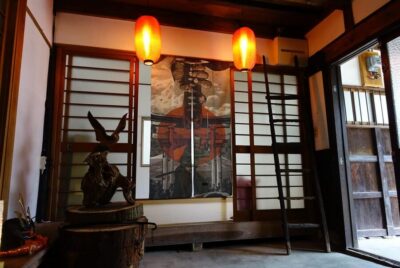
Kendo and Samurai Experience with Uniform and Gear
Read our review →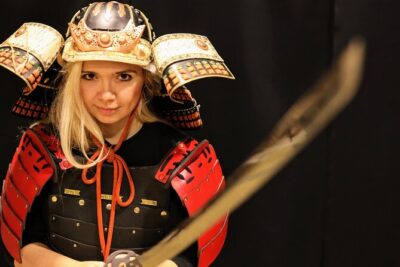
Skip the lines Basic Ticket at SAMURAI NINJA MUSEUM KYOTO
Read our review →
Samurai Sword & Archery Class from Samurai Descendant
Read our review →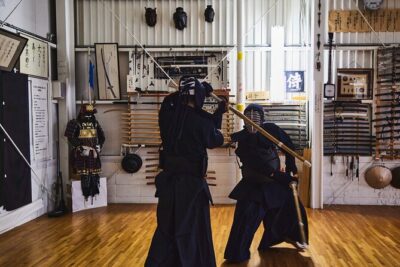
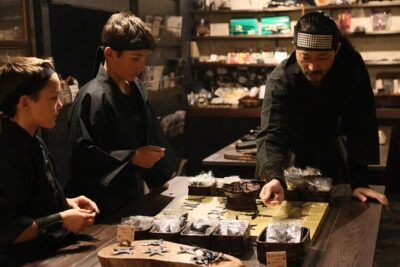
Ninja 1-hour Hands-on Lesson by Japanese master in Kyoto -Entry
Read our review →Browse the lists this tour appears in