

Reviewed · SAMURAI & NINJA EXPERIENCES
Tokyo: Samurai Sword & Archery Class from Samurai Descendant
This Tokyo class is interesting because you do more than watch sword tricks, you train in a real dojo and learn swordsmanship plus traditional horseback archery from the same master. I love the iai lesson that teaches correct handling with a practice sword, and I love that you try horseback archery with a real bow and shoot at targets. The drawback is that this is not entertainment. It is real, hands-on training, so if you hate physical effort or have certain health limits, it may not be the right match.
I went in expecting a demo-style experience. What you get at Toyama-ryu Bizen-kai is instruction that feels closer to being allowed into class than being herded through a performance. Instructors like Yoshioki Sumida (and his team, including assistant Harry in some sessions) guide you through etiquette, form, cutting, and sparring, then bring in a live Toyama-ryu 7th grade demonstration.
At about $193 per person for 3 hours, it is not cheap. But you are paying for small group size, direct coaching, and a mix of disciplines that almost never show up together in one place, sword plus traditional horseback archery.
Key highlights worth your attention
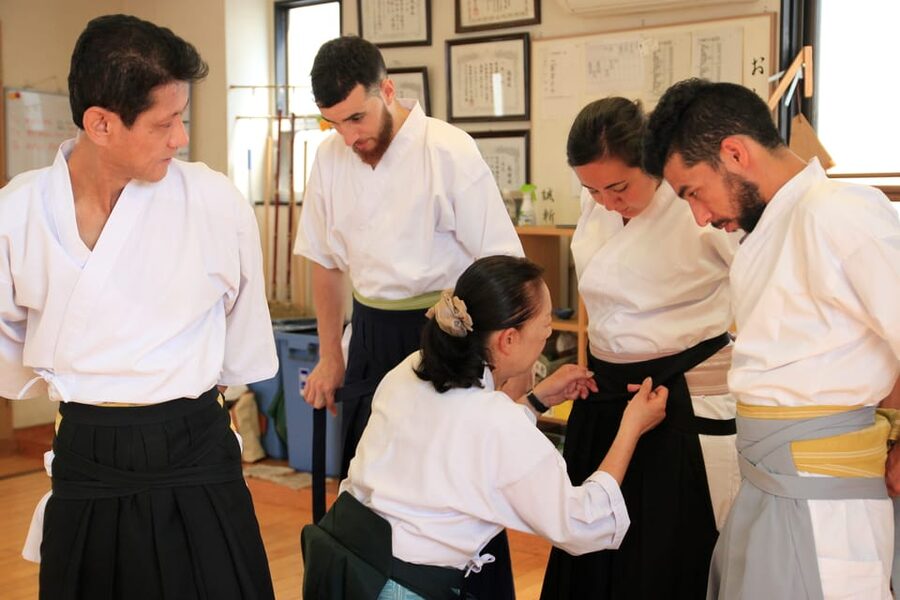
- Iai kata and blade control: You learn correct technique for drawing, cutting, and form basics, not just flashy swings.
- Cutting targets while moving: A hard skill that forces you to think about balance and timing.
- Gekken sparring practice: You practice attack and defense timing with a practice sword.
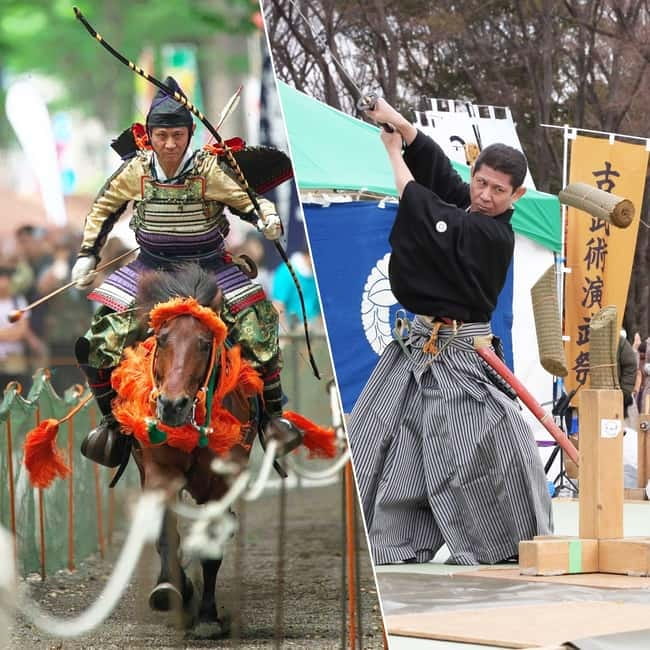
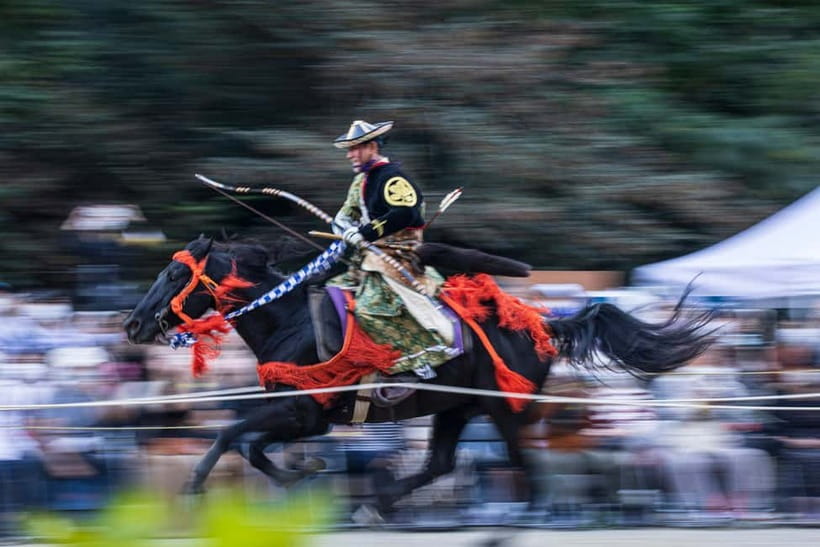
- Horseback archery longbow shooting: You try a real horseback archery bow and shoot arrows.
- Dojo culture, not a show: You get lecture, demonstrations, and a training atmosphere with rules for safety and respect.
Meeting Toyama-ryu Bizen-kai Dojo and Getting Set Up Right
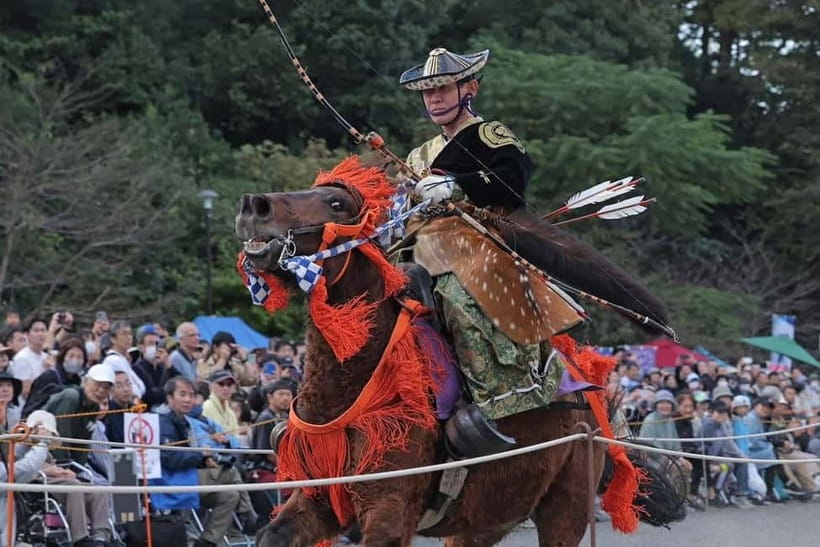
You meet at Toyama-ryu Bizen-kai (戸山流備前会 BIZENKAI), about a 10-minute walk from JR Machida Station. The dojo is on the third floor, and the route matters because it is inside a building with a sword shop and vending machines on the first floor. Use the stairs at the back to reach the third floor, not the obvious front entrance.
I like this kind of meeting point because it feels “local.” You are not backstage in some tourist venue. It is a real training space where the setup tells you this class cares about process.
Plan to arrive a bit early if you can. People recommend getting there around 30 minutes before class starts so you can observe practice and get your bearings. That small habit helps a lot because once the lesson begins, attention shifts quickly from “tour mode” to “student mode.”
Group size is capped at 15 people. That matters. In a larger group, coaching turns generic. Here, you have a better chance of getting corrections and feedback in your stance, grip, and swing.
More Samurai & Ninja Experiences in Tokyo
- Tokyo: Samurai Restaurant Show Ticket with 2 Drinks
★ 4.5 · 1,307 reviews - Tokyo: Samurai Ninja Museum Guided tour and Experience
★ 4.6 · 1,010 reviews - Best Samurai Experience in Tokyo
★ 5.0 · 458 reviews
Iai Sword Lesson: How You Learn to Cut Without Making It a Movie
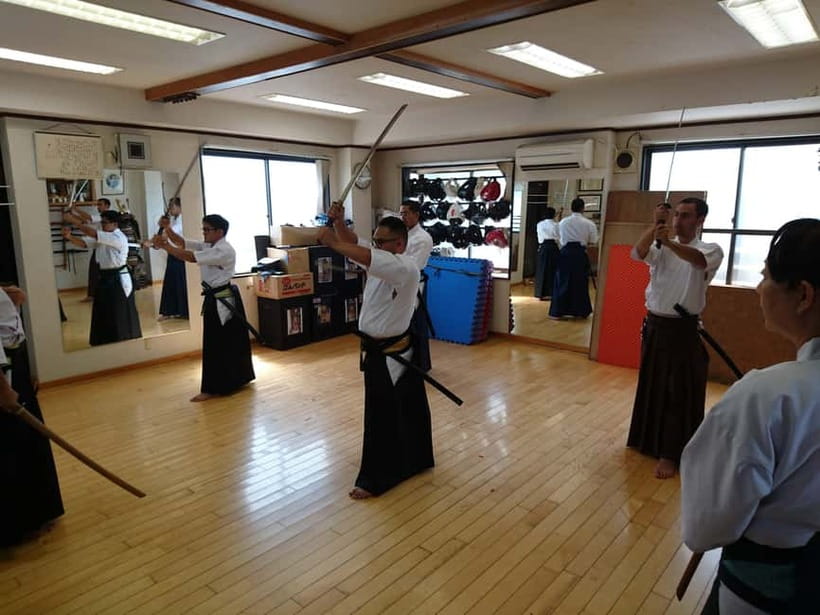
The biggest reason people love this class is that you do not just hold a sword. You learn how to hold it correctly and why. The iai portion focuses on handling and swinging the mock sword first, then moving into more formal sword practice with a practice sword.
One review detail that keeps coming up is the correction style. The instructors aim to fix what you are doing wrong until it becomes what it should be. That sounds basic, but in sword training it is everything. A sword motion can look okay and still be unsafe or ineffective. Here, the coaching keeps pushing for correct form.
You will also work on kata, those slashing forms that teach structure. Kata is not just tradition for tradition’s sake. It gives your body a reference pattern so your movement stops being random.
Then comes the part that gets people talking: cutting targets while moving. Yes, you are slashing multiple targets, and yes, it is difficult. The real challenge is coordination, because you are combining balance, footwork, and blade path at once. It forces you to pay attention to timing rather than swinging hard.
You may also do a blade line check activity. That is a quiet but important detail. Blade line is the idea that the sword travels along the correct track through space. If you nail the line, your cut becomes cleaner. If you miss, you tend to compensate with power.
Gekken Sparring and Timing: When the Dojo Feels Real
After iai, you shift into gekken training. Gekken is where timing of attack and defense becomes the main event. You practice sparring in a controlled way with a practice sword, learning how to react, not just how to swing.
This is one area where the “not a tourist trap” claim earns its keep. Safety rules and instructor supervision are part of the lesson, not an afterthought. You are not encouraged to freestyle. You are coached through what to do and when to do it, especially during sparring drills.
In a lot of martial arts classes, the sparring portion either becomes too gentle or too chaotic. Here, the feedback stays practical, and you are guided toward a safer rhythm. You learn to think about distance and timing, and that pays off even if you have never handled a sword before.
One nice perk: multiple reviews mention a certificate being signed at the end. That is not what makes the training valuable, but it is a real souvenir of doing the work, not just watching someone else do it.
Horseback Archery With a Traditional Bow: Shooting Arrows the Hard Way
Then you move from steel to wood and string: horseback archery practice. The standout here is that you use a real horseback archery bow, not a toy replica.
Shooting is where technique becomes visible fast. Even if you only do a short session, you learn quickly what your body is doing wrong. That includes things like anchor consistency, posture, and how your release affects arrow flight.
One practical note to consider: the course uses right-handed setups. If you are left-handed, you might find the bow and movement feel unfamiliar at first. One person mentioned being left handed and needing a bit of adjustment with archery, though they were still pleased with the experience overall. If you are left handed, go in with patience. You will likely need to adapt your stance and how you follow through.
If you plan to film, bring a camera that can handle close action with a wide lens capability for the bow section. That tip comes from people who tried recording the archery part, where framing can be tricky.
You might not become an archer in three hours. But you will leave understanding why archery training is so respected in samurai history: it trains patience, repeatable form, and calm under small pressures.
A change of pace from Tokyo:
- Mt Fuji and Hakone 1-Day Bus Tour Return by Bullet Train
★ 5.0 · 26,383 reviews - 1-Day Tokyo Bus Tour
★ 5.0 · 14,250 reviews - Tokyo: TOKYO SKYTREE® Admission ticket
★ 4.5 · 11,192 reviews - Tokyo: teamLab Planets TOKYO Digital Art Museum Entry Ticket
★ 4.6 · 9,779 reviews
The Samurai Weapons Timeline: Why the Lecture Matters During Training
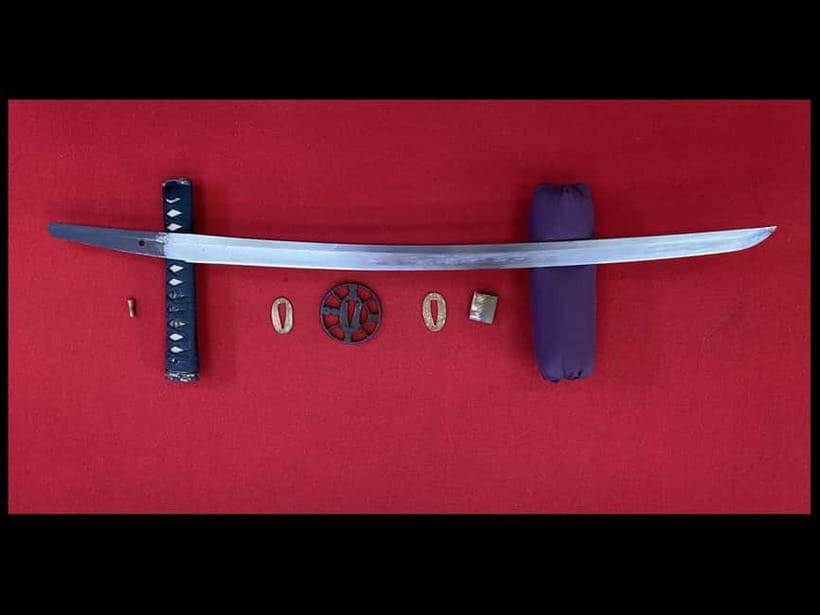
You get a lecture on Japanese swords and samurai culture, and the lesson ties history to what you are doing. One of the clearest historical threads is the shift in primary battlefield weapons over time.
About 1000 years ago, the main weapon of the samurai was the bow. Around 450 years ago, matchlock guns became more powerful. About 400 years ago, after the civil war ended, the main weapon became the sword. That timeline is not just trivia. It explains why this class can credibly teach both swordsmanship and horseback archery, because both belong to different eras of the warrior toolkit.
You also get context about traditions and training in a real dojo setting. That matters because samurai arts are not only about the weapon. They are about discipline, respect, and controlled movement.
There is also hands-on cultural access mentioned in the class description. You can even hold an antique matchlock gun in your hands. I would treat that as a moment to slow down. Even brief contact like that makes the history feel physical, and it helps you understand why earlier weapon systems shaped warrior training so strongly.
The Training Vibe: Pass Down Tradition, Not a Theme Park Script
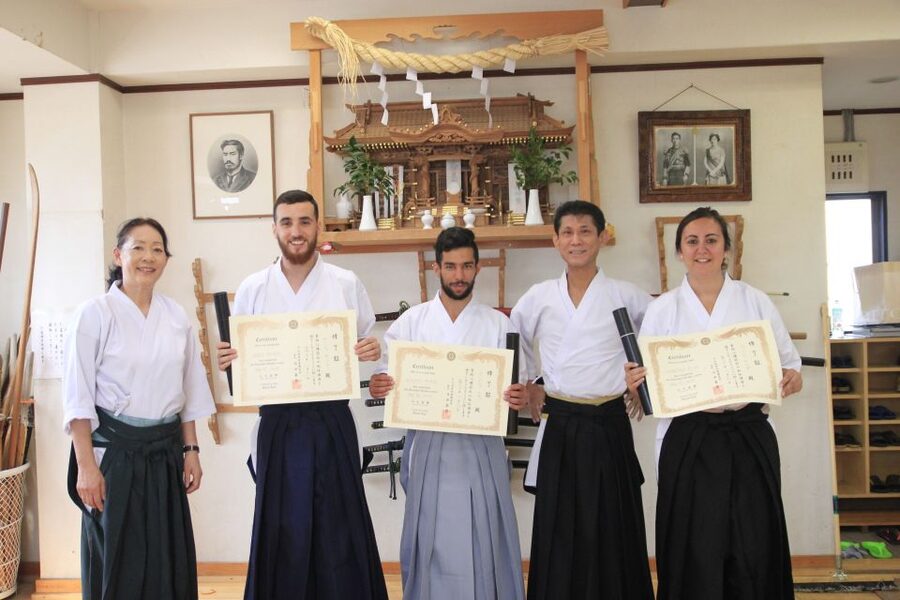
This class is described as training, not entertainment, and the vibe in the descriptions and reviews matches that. You are expected to participate. You are corrected. You are asked to follow safety guidance. You wear proper training wear provided by the dojo.
The “shared class” format also plays a role. You are not getting a private lesson, so your pace is guided by the group. But small size helps. You still get enough attention to feel like you are learning, not just being passed through stations.
If you care about dojo etiquette, you will probably appreciate the structure. This is not about breaking out a sword for selfies. The instructors bring a sense of pride and seriousness about the craft, plus enough humor to keep the class from feeling cold.
That mix shows up in how people describe the teaching style: patient instruction, clear explanations, and corrections that are firm about safety and form. The goal is for you to succeed within the rules of the art.
Physical Reality Check: Who Should Skip and Why
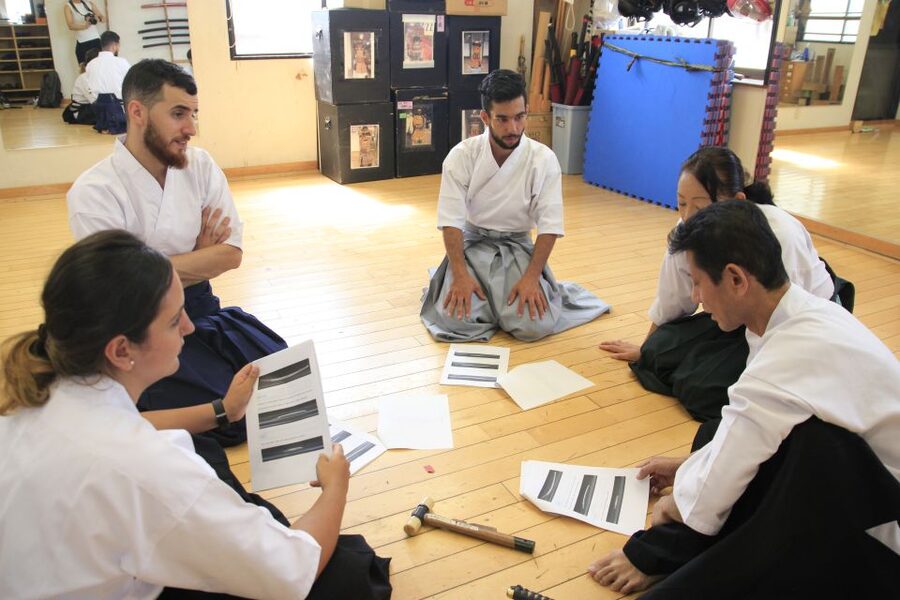
This is a workout. Multiple people mention soreness the next day. Even with practice swords and controlled drills, swinging with correct posture, moving while cutting, and repeating form is athletic work.
The class is not suitable for certain participants, including:
- Pregnant women
- People with back problems
- People with mobility impairments
- People with heart problems
- Wheelchair users
- Children under 18 years
- People with epilepsy
- Visually impaired people
Also, children under 18 may participate with parental permission and supervision, but they need muscle strength to swing the sword. That sounds contradictory at first, but it means the organizer sets specific rules based on safety and physical capability.
Two other practical considerations:
- This course uses right-handed setups for the activities, so left-handed participants may need to adapt during sword or archery.
- You should be ready for strict form coaching. If you want only casual fun, this might feel demanding.
Price and Value: Is $193 Worth 3 Hours of Sword and Archery?
At $193 per person, this is one of the pricier activities in Tokyo for a three-hour block. The honest question is value. Here is where the math starts to make sense.
You get:
- Sword training with iai and gekken components, including sparring
- Cutting practice with targets and difficulty added by movement
- Traditional horseback archery with a real bow and shooting practice
- A lecture component covering swords and samurai culture
- Training wear and a practice sword included
What you are paying for is not just access. It is coaching from an instructor who is presented as a master of both swordsmanship and horseback archery. That combination is rare. Many experiences teach one discipline well and treat the other as a quick add-on. This class treats both as real training.
Small group size also matters for value. With a cap of 15 people, you are more likely to get feedback that changes how your cut looks, not just vague encouragement.
Is it expensive? Yes. But compared to a “watch and take photos” style tour, you are buying instruction and practice time, and that is where the satisfaction tends to land.
Tips That Make Your Session Smoother
Before you go, handle the easy practicals so you can focus on training.
- Bring a camera and drinks. Alcohol and drugs are not allowed.
- Tell the organizer your height and weight so you get the right practice uniform fit. Training wear is provided, but sizing still matters for safe movement.
- If you are short on time, remember the dojo is about a 10-minute walk from Machida Station, but it is on the third floor. Give yourself a few extra minutes so you do not rush stairs while thinking about a meeting point.
- Arrive early if you can, people recommend arriving around 30 minutes ahead to watch practice or demonstrations.
- If you are left handed, mentally plan for a few minutes of adjustment. You will still be able to participate, but your body might need time to learn the setup.
Also, keep your expectations grounded. The class is for people who want to train. If you come in wanting a costume show, you will probably feel annoyed. If you come in wanting to learn, you will probably leave with a skill memory, not just a photo.
Should You Book Samurai Descendant Sword and Archery in Tokyo?
Book this class if you want hands-on samurai training where you actually cut, spar, and shoot arrows. I would especially recommend it if you care about technique, safety, and learning from an instructor who teaches with corrections, not just a scripted explanation.
Skip it if your health limits make physical movement risky, or if you hate the idea of being coached into better form. This is not a gentle try-it-once class. It is real training, and that is exactly why it works.
If you can handle soreness and you want a rare sword plus traditional horseback archery combination, this feels like one of the more meaningful ways to spend a few hours in Tokyo. For many people, it becomes a trip highlight because the memory is tied to effort you did yourself.
FAQ
Where is the meeting point for the class?
You meet at Toyama-ryu Bizen-kai (戸山流備前会 BIZENKAI), about a 10-minute walk from JR Machida Station. The dojo is on the third floor. Use the stairs at the back between the sword shop and the vending machines on the first floor.
How long is the experience?
The class lasts 3 hours.
What’s included in the ticket price?
You get the instructor, a samurai experience, a practice uniform, and a practice sword.
What should I bring?
Bring a camera and drinks.
Are practice uniforms provided?
Yes. Practice uniforms are provided. You should also let the organizer know your height and weight for sizing.
Who can participate, and who should not?
The class is not suitable for pregnant women, people with back problems, mobility impairments, heart problems, wheelchair users, children under 18 years, people with epilepsy, or visually impaired people. Children under 18 may participate with parental permission and supervision, but they need muscle strength to swing the sword.
What languages are available, and can I drink alcohol?
The instructor provides Japanese and English. Alcohol and drugs are not allowed.
Latest write-ups near Tokyo
- Tokyo Customized Private Tour: See Top Attractions in 1 Day★ 4.8 · 67 reviews
- From Tokyo: Top 5 Scenic Spots of Mount Fuji Full-Day Tour★ 4.5 · 67 reviews
- Traditional Japanese Music ZAKURO SHOW in Tokyo★ 5.0 · 67 reviews
- Tokyo: Shinjuku Izakaya and Golden Gai Bar Hopping Tour (2h)★ 4.9 · 67 reviews
- Tsukiji: Unlimited Sake Tasting Experience★ 4.9 · 67 reviews
- Samurai Ninja Museum Asakusa: Kid-Friendly Ninja Training★ 4.7 · 67 reviews
- Private Harajuku Omotesando Architecture Walking Tour★ 5.0 · 67 reviews
- Tokyo: Not a show- a professional sumo practice with experts★ 4.9 · 67 reviews
Samurai & Ninja Experiences, compared.

Samurai Ninja Museum Guided tour and Experience
Read our review →
Kendo and Samurai Experience with Uniform and Gear
Read our review →
Samurai Sword Class by Experts in Traditional Arts
Read our review →
Skip the lines Basic Ticket at SAMURAI NINJA MUSEUM KYOTO
Read our review →
Ninja 1-hour Hands-on Lesson by Japanese master in Kyoto -Entry
Read our review →Browse the lists this tour appears in