Reviewed · KYOTO TOURS
Private Kyoto Tour by Car with Optional Nara or Osaka Add-Ons
Kyoto is a feast for the senses, and this private car tour makes it easier to eat the whole meal without sprinting between stops. You start with Fushimi Inari Taisha, then build the rest of your day around the temples, markets, and forests you care about most, with the option to add Nara or Osaka.
Two things I like a lot: the day feels genuinely flexible because your guide will adjust the order and timing to match your energy and interests, and the experience is led by Katsu, who brings clear explanations in good English and a friendly, funny vibe. The one tradeoff to keep in mind is that temple and shrine entrance fees are not included (they note about $9 per person), so you should budget for extra paid sites.
Key Points at a Glance
- Private car comfort: Air-conditioned transport and parking fees handled for a smoother day.
- Flexible route with a real local guide: Katsu adjusts the schedule so you do not feel rushed.
- Temple highlights without the stress: Classic Kyoto stops plus a Nara add-on when you want more.
- Admission split you should plan for: Some stops are free, others are paid separately.
- Family-friendly pacing: The format works well when kids need patience and breaks.
- Photo help and practical stops: Your guide can help with photos and quick add-ons when you ask.
A Private Car Day That Feels Like You, Not a Schedule
If you picture Kyoto as a long list of places you have to tick off, this tour is a better fit if you want something closer to a day that’s actually yours. The big advantage is simple: you ride in an air-conditioned private vehicle and let a local guide handle the route, timing, and navigation between major sights.
I also like that the itinerary comes in clear “tracks” that you can choose from, then fine-tune. You can do a Kyoto highlights day, add Nara for deer and giant Buddha scale, or choose an Osaka add-on for more city energy. And if you already visited a place, you can tell the guide and the day can be rearranged.
The other quiet benefit is crowd management by design. You cannot avoid every line in Kyoto, but a private day gives you room to spend less time where you want to move faster, and more time where you slow down.
Also on the shortlist for Kyoto:
- PERFECT KYOTO 1-Day Bus Tour
★ 5.0 · 13,518 reviews - Kyoto: Fushimi Inari, Kinkakuji, Bamboo Grove 1 Day Bus Tour
★ 4.8 · 4,316 reviews - Kyoto: Tea Ceremony in a Traditional Tea House in Kiyomizu
★ 4.9 · 3,519 reviews
Start at Fushimi Inari Taisha, Then Build Your Day
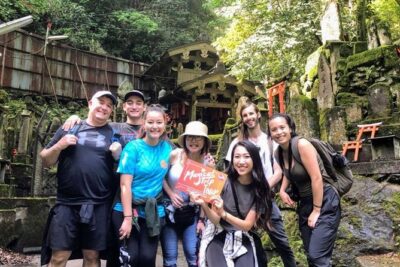
Most versions of the day start at Fushimi Inari Taisha, the shrine famous for its thousands of red torii gates. It’s included, and the admission there is listed as free, which is nice because you get a major wow-factor early without needing to pay extra at the first stop.
Plan for a bit of walking and photo time. The gates turn the route into a series of frames, and the whole place is easy to enjoy at your own pace because you control how far you go before turning back. A good guide also helps you understand what you are looking at, so the place feels more than just a photo backdrop.
From there, the day branches depending on which option you chose and what you want next. In practice, this is where flexibility matters most: if your priorities are temples, you will likely spend more time in that direction. If markets or scenery are your thing, you can shift the balance.
Arashiyama Bamboo Forest: The Classic Stop That Sets the Mood
If you choose the Kyoto-focused track, Arashiyama is one of the headline moments, with the bamboo forest as the key attraction. The stop is given as about 45 minutes, and the bamboo forest entrance is listed as free, so you get a famous Kyoto experience without paying an extra ticket.
This is a short stop, but that can be a good thing. The bamboo paths can be crowded, and when time is tight, a focused walk lets you enjoy the atmosphere without turning it into a long, shuffle-for-hours situation. If you want more time here, tell your guide early so they can protect it in the schedule.
A common add-on pairing here is Tenryu-ji, which is listed in the Kyoto track at about 45 minutes. Tenryu-ji often pairs well with bamboo because it adds calmer, garden-temple energy right after the forest buzz.
Kinkaku-ji and the Golden Pavilion: Beautiful, but Budget for Entry
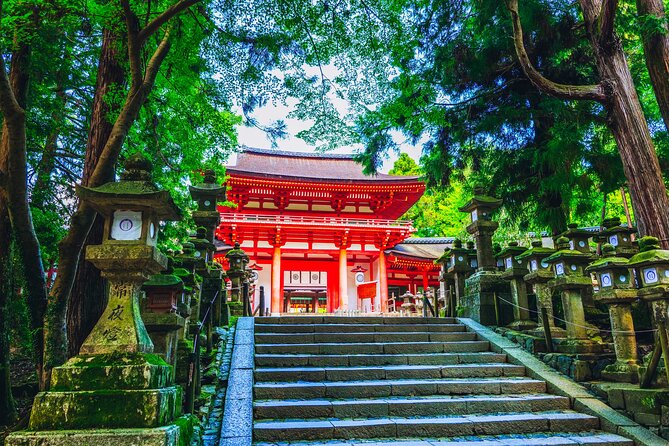
Another Kyoto must-see on the track is Kinkakuji, the Golden Pavilion. It is about 45 minutes, and admission is listed as not included, meaning you will need to pay the site fee on your day.
I think Kinkakuji is worth it if you are the type who enjoys iconic landmarks, but it helps to go in with realistic expectations. The attraction is the visual impact, and the whole site can feel intense if you arrive during peak visitor moments. Having a private guide does not erase crowds, but it helps you manage the time so you can see what you came for without feeling trapped in a long wait.
Also, if you are not into polished landmark photography, you might prefer putting that time into a slower temple or a food-focused neighborhood. Since the day is customizable, you can make that trade if your priorities run that way.
A change of pace from Kyoto:
- Kyoto Geisha Walking Tour: Gion District & Hidden Gems
★ 4.7 · 3,273 reviews - Kyoto: Tea Ceremony Ju-An at Jotokuji Temple
★ 4.9 · 3,207 reviews - Kyoto: Gion Magical Night Walking Tour with Geisha Trivia
★ 4.9 · 2,393 reviews - Kyoto: 45-Minute Tea Ceremony Lesson Experience
★ 4.3 · 2,378 reviews
Kiyomizu-dera and Tenryu-ji: Where Kyoto Gets Poetic
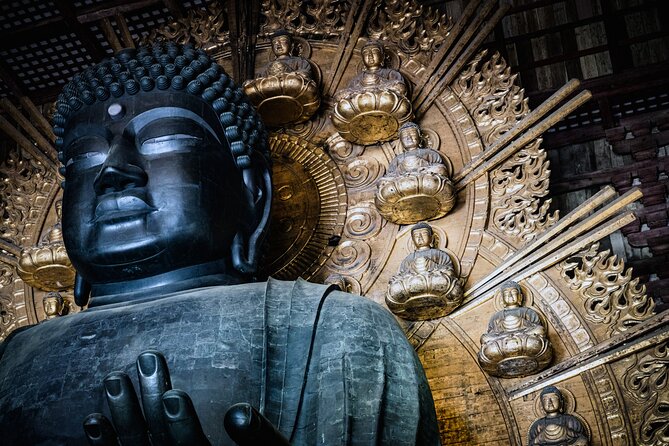
The Kyoto itinerary includes Kiyomizu-dera at about 45 minutes. Admission is listed as not included, so again, plan for paid entry. Kiyomizu-dera is one of those places where the setting and views become part of the story, and the guide’s explanations can make the experience feel grounded in how the site works and why it matters.
Right after that, or later depending on the flow you choose, you may visit Tenryu-ji for about 45 minutes. Tenryu-ji is also listed as not included for admission. If bamboo was the sensory wow, Tenryu-ji can slow you down and let you connect with the quieter side of the temple complex.
A practical note: these paid sites are often the places where time really matters. If you care about photos and detail, ask your guide to give you the extra minutes at the start rather than scrambling at the end.
Nishiki Market: A Food and Shopping Stop That Actually Works in a Day Plan
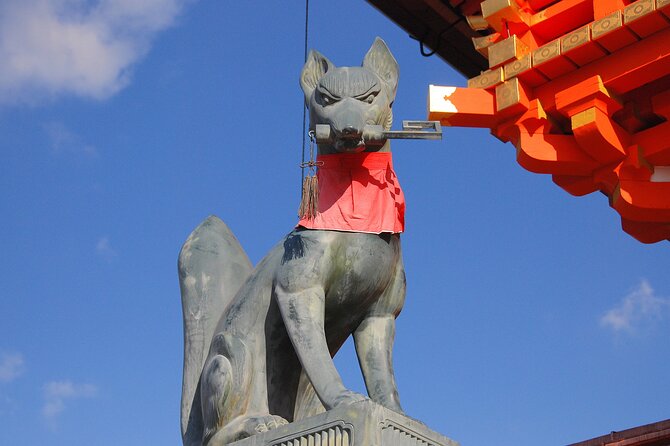
The Kyoto track ends with Nishiki Market, about 1 hour. Admission is listed as free here, which is handy because it keeps your paid stops limited mostly to the temples and shrines.
Nishiki is not just souvenir hunting. It’s a food street feel, and it’s the kind of place where you can snack your way around while still walking comfortably. Since lunch is not included on the tour, this stop can function as a natural place to eat, if you want something casual and easy.
One of the smartest ways to use Nishiki on a private day is to let your guide point out what to try and where to pause. In my experience, a guide can save you from missing the good counter-style food because they know what is popular and what is practical to order.
If shopping is not your thing, you can still use this as a stretch break and a browse stop, then head back out.
Nara Add-On: Deer Park and Big Temple Scale
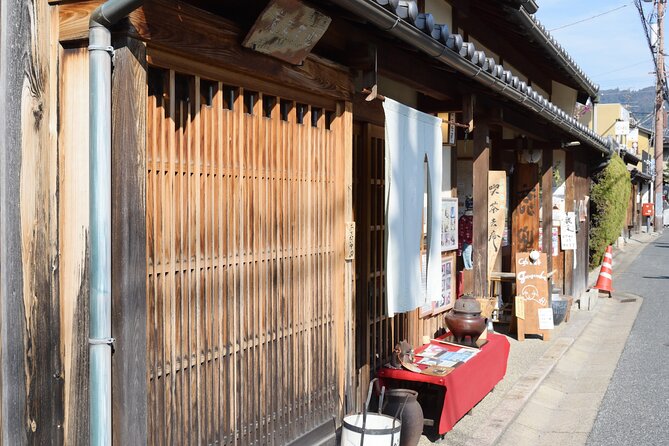
Choosing the Kyoto & Nara option adds a whole new rhythm. Instead of staying locked in Kyoto’s temple-and-forest theme, you move into a place where scale is the headline.
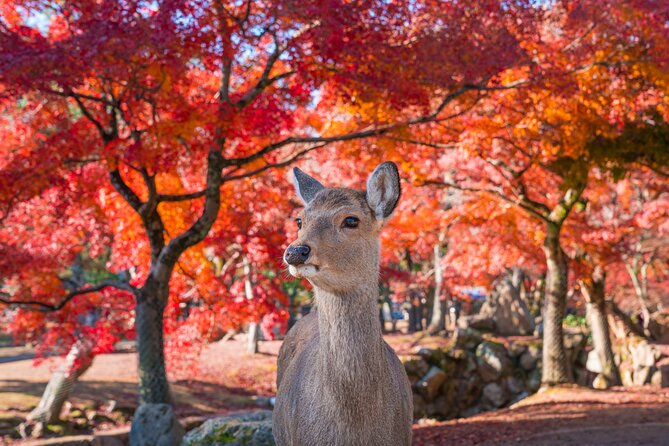
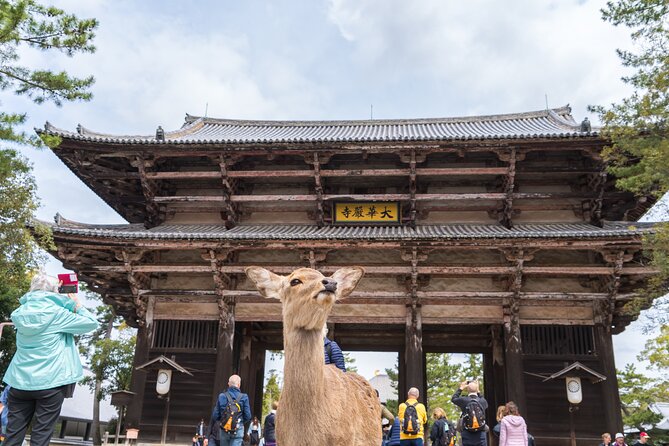
The Nara sequence starts with Nara Park, about 1 hour, and admission is listed as free. The star here is the deer, and you get time to experience the park’s character, plus your guide can help with practical things like getting deer crackers and navigating the area calmly.
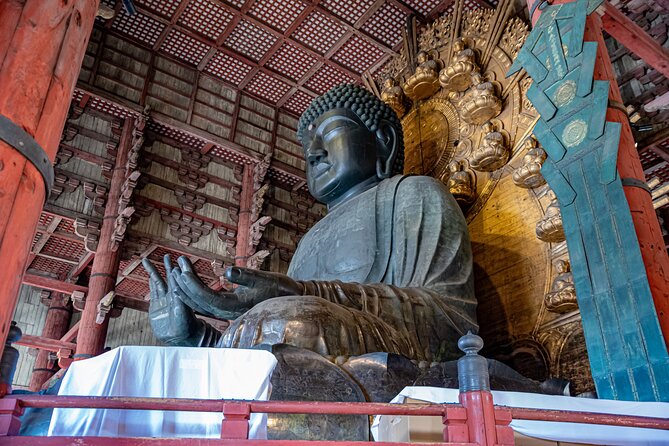
Next comes Todai-ji, about 40 minutes, with admission listed as not included. Todai-ji is famous for the giant Buddha presence, and the guide’s context matters here. Without explanation, it can turn into just a quick look. With it, you understand what you are seeing and why the site feels so monumental.
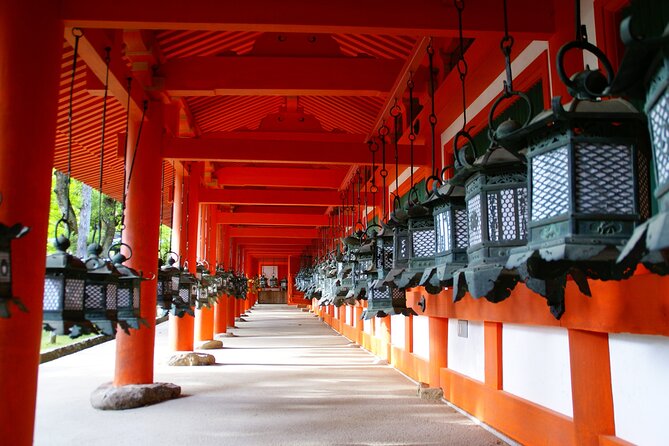
Then you may visit Kasuga Grand Shrine, about 30 minutes, also not included for admission. Kasuga has a quieter, woodland path vibe, and it pairs well after Todai-ji. It gives your eyes and legs a change of pace.
If you have limited time in Japan, the Nara add-on is a smart way to get a bigger cultural contrast in one day. You will not “learn Nara” deeply like a multi-day trip, but you will walk away with the core images that make Nara unforgettable.
Osaka Add-On: How to Make a City Day Fit Kyoto Time
The tour also offers an optional Osaka add-on, but the exact Osaka sights are not fixed. That actually plays in your favor because Osaka is broad. You might want a classic food street feeling, a shopping area, or a specific landmark, and your guide can shape the route around your preferences.
The key is time budgeting. Kyoto temples and shrines can already fill a day, so if you choose Osaka, tell your guide what you want to feel most, not just what you want to see. That helps them choose practical stops that fit the drive time and keep you from turning the day into nonstop transit.
A nice part of a private car format is that you can still get Kyoto classics even with Osaka added. You are not locked into a mass-tour route.
Price and Value: What $175 Actually Buys You
At $175 per person, you are paying for more than a ride. You are buying convenience, time, and an expert translator who knows how to shape the day.
Here is what’s included: an air-conditioned vehicle, fuel surcharge, and parking fees. You also get a mobile ticket, and the experience is private, meaning only your group participates.
What is not included is the daily meals and bottled water, plus entrance fees. The pricing note says temple and shrine admission is not included, listed as $9 per person. Even though a few stops are marked as free entry (like Arashiyama bamboo forest, Fushimi Inari, and Nishiki Market), many of the headline temples have paid admission listed as not included.
So the real value question is this: does the private, flexible format save you stress and decision-making, and is your day packed enough to justify the cost? If you hate planning routes, wrestling with buses, or splitting the family into transit chunks, then this price can feel fair fast. If you are an efficient transit expert and your group loves squeezing in more stops with public transport, you might compare options. But if your goal is comfort plus “we will see what we want without rushing,” this fits.
What You’ll Notice Most About the Guide (Katsu)
A standout theme from real experiences on this kind of private day is how much the guide can change the feel. In this case, the guide associated with the tour, Katsu, shows up again and again in the way people describe the experience.
What stands out in his style is the mix of practicality and personality. He is described as professional and friendly, with strong English, and he works to match the pace of the group. If you move slower, he can slow down. If you want faster walking and more sites, he can adjust too.
People also highlight his flexibility with day changes. If something you want is added or moved, he will often work with it rather than treating the plan like a rigid script. And if you ask for suggestions on places to eat, he can steer you toward local choices instead of leaving you to guess.
Finally, there’s a “small touches” factor. Several guests mention photo help and comfort in the car, plus safety when driving. That matters more than it sounds when you are visiting multiple temple areas with tight timing.
How to Plan Your Day to Avoid the Usual Kyoto Trap
Kyoto is beautiful, and it can also be tiring. The private car format helps, but you still want a plan that protects your energy.
Here are a few practical moves:
- Pick your “must do” and your “nice to do.” Then let your guide build the rest around it.
- Decide in advance whether you want to prioritize temples or scenery. Arashiyama and Tenryu-ji are a different vibe than Golden Pavilion and Kiyomizu-dera.
- If you add Nara, treat it as a full second chapter, not a quick detour. The deer park plus Todai-ji plus Kasuga is a lot in one day, even with private transport.
- Build in time for food. Since lunch is not included, use Nishiki Market as a natural eating option, or ask your guide for a local spot that fits your taste.
Also pay attention to pickup. Pickup is offered, but your hotel needs to be reachable for the car. If you are staying at a place with tricky access, message ahead so you know where you should meet.
Who This Tour Is Best For
This is a strong fit for:
- First-time visitors who want Kyoto highlights without dealing with transit transfers.
- Families who need a day that can flex when kids get tired.
- Couples who want a relaxed pace and a guide who can recommend what to do next.
- Anyone who cares about photo-friendly stops and clear explanations, not just checking boxes.
If you travel solo and love public transport, you might find cheaper options. But if you want the “I’m on vacation, not in logistics mode” feeling, this private format delivers.
Should You Book This Private Kyoto Tour With Optional Nara or Osaka?
I think you should book it if your top priorities are comfort, flexibility, and seeing the big Kyoto images in one smooth day. With Katsu guiding, the experience is built around adjusting to your pace instead of forcing you into a one-size-fits-all itinerary.
You might hesitate if you are very budget-focused and do not want to pay for private transportation, especially once you factor in paid temple admissions. But if you plan to visit multiple paid sites anyway, the private day can still feel like a good trade for time and stress.
My final advice: tell your guide what you care about most before the day starts. If you do, this tour becomes less about a checklist and more about a Kyoto day shaped around you.
FAQ
How long is the private Kyoto tour?
The duration is listed as about 7 to 8 hours.
What is included in the tour price?
The tour includes an air-conditioned vehicle, fuel surcharge, and parking fees.
Are entrance fees included for temples and shrines?
No. Temple and shrine admission fees are not included, and the tour notes about $9 per person. Some stops are listed as free, such as Fushimi Inari Taisha, Arashiyama bamboo forest, and Nishiki Market.
Which stops are part of the Kyoto and Nara options?
Nara Park, Todai-ji, and Kasuga Grand Shrine are part of the Kyoto & Nara option. Fushimi Inari Taisha is included in all options.
Can I customize the route during the tour?
Yes. The itinerary is described as fully customizable to your interests and pace, and your guide can adjust the route if you want to add or skip places.
Is hotel pickup available?
Pickup is offered, but your hotel needs to be reachable for the car to pick you up.
Is this tour private?
Yes. It is a private tour, so only your group participates.
What is the cancellation policy?
You can cancel for a full refund up to 24 hours in advance of the experience start time. If you cancel less than 24 hours before, the amount paid is not refunded.
Latest write-ups near Kyoto
- Kyoto: Nishiki Market Tour with a Local Foodie & Tastings★ 4.5 · 67 reviews
- Kyoto Kimono Rental mimosa |Kimono/Yukata Rental Couple Plan★ 4.8 · 67 reviews
- Kyoto: Traditional Kimono Fabric Handicrafts Workshop★ 5.0 · 67 reviews
- Kyoto Tea Ceremony and Samurai Photo Session★ 5.0 · 70 reviews
- Kyoto: Replica food making experience★ 4.8 · 70 reviews
- Kyoto: Kinkakuji, Golden Pavilion Guided Tour★ 4.7 · 71 reviews
- Private departure transfer from Kyoto city to Kansai International airport★ 5.0 · 72 reviews
- Uji: Green Tea Tour with Byodoin and Koshoji Temple Visits★ 4.8 · 72 reviews
Kyoto Tours, compared.
Fushimi Inari, Kinkakuji, Bamboo Grove 1 Day Bus Tour
Read our review →
Tea Ceremony in a Traditional Tea House in Kiyomizu
Read our review →
Kyoto Geisha Walking Tour: Gion District & Hidden Gems
Read our review →
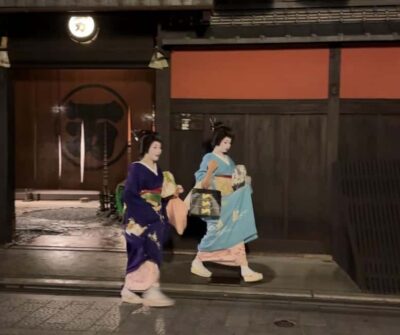
Gion Magical Night Walking Tour with Geisha Trivia
Read our review →