Reviewed · KYOTO TOURS
Scenic Green Tea Fields of Hidden Kyoto & Local Tea Exp (Private)
Kyoto’s tea country has a different pace than the city, and this private tour is built for that shift. You’ll go beyond the usual stops, into Wazuka’s countryside where green tea fields look endless and even winter still feels photogenic.
I especially like the balance of tea tasting + real temple time, including Byodo-in Phoenix Hall, the one that appears on Japan’s 10-yen coin. The only real catch: you’ll pay separate temple admissions (Byodo-in and Shoju-in), and there are short walks plus some stairs.
Why Wazuka Tea Country Feels Like Kyoto’s Hidden Side
This outing is designed for people who want Kyoto, minus the crowds and bus routes. The big idea is simple: ride out to tea-growing villages, taste matcha at local spots, then wrap it up with two iconic temple experiences.
What makes it work is how the day alternates between stillness and motion. You get scenic field time for photos, then you get cultural time at temples where the story of tea and spirituality actually lands.
One more detail I like: the guide, Daiki, is praised for being patient with picture-taking and for sharing context on Japanese history and culture. That matters on a day like this, where you’re moving around a lot and you want the meaning, not just the scenery.
Key Highlights Worth Planning Around
- Wazuka tea fields with sky-high photo views in every season, including winter
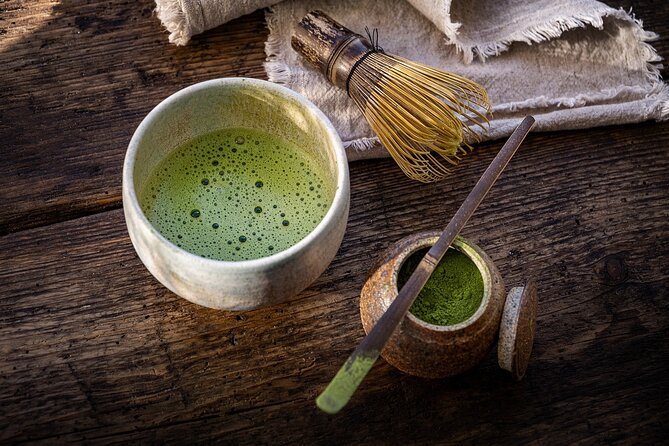
- Matcha and green tea tasting at a local farmer-style cafe, plus desserts
- Byodo-in Phoenix Hall time at a landmark connected to the Buddhist Pure Land idea
- Ujitawara-cho quick walk for farm photos, timed for a good shot
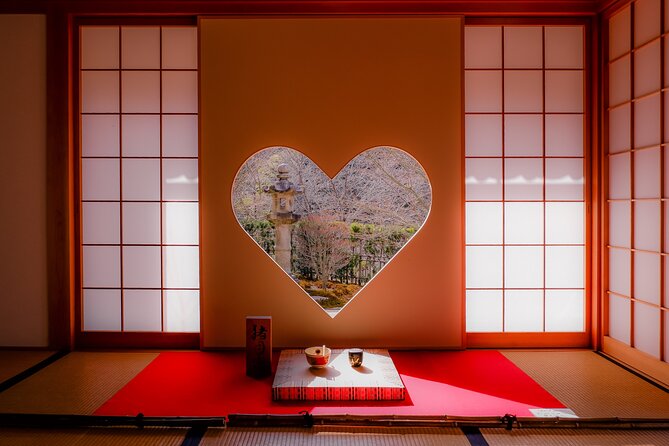
- Shoju-in temple stop with the famous love-heart window in the tea room
Also on the shortlist for Kyoto:
- PERFECT KYOTO 1-Day Bus Tour
★ 5.0 · 13,518 reviews - Kyoto: Fushimi Inari, Kinkakuji, Bamboo Grove 1 Day Bus Tour
★ 4.8 · 4,316 reviews - Kyoto: Tea Ceremony in a Traditional Tea House in Kiyomizu
★ 4.9 · 3,519 reviews
Pickup, Van Comfort, and Why the Vehicle Choice Matters
Your day starts at 1:00 pm, and it’s a private format, so your group stays together the whole time. Pickup and drop-off are built in, with pinpoint service and the option to set different starting and ending goals.
For groups, you ride in an air-conditioned Nissan van (up to 6). If you’re solo, you may go in an open-air convertible Mini Cooper style vehicle. That difference is not just fun. Open-air driving can make the mountain and cedar-road portions of the day feel more alive, and it makes casual roadside photos easier when the road scenery opens up.
Also keep in mind you’ll do some short walking and stairs at the temple stops. It’s not described as a long hike, but if you have tight mobility, you’ll want comfy shoes and a slower pace.
Stop 1: Byodo-in Phoenix Hall for Pure Land Meaning and Iconic Views
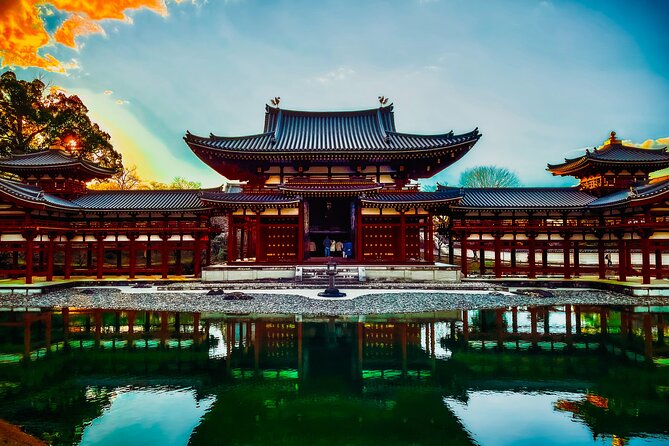
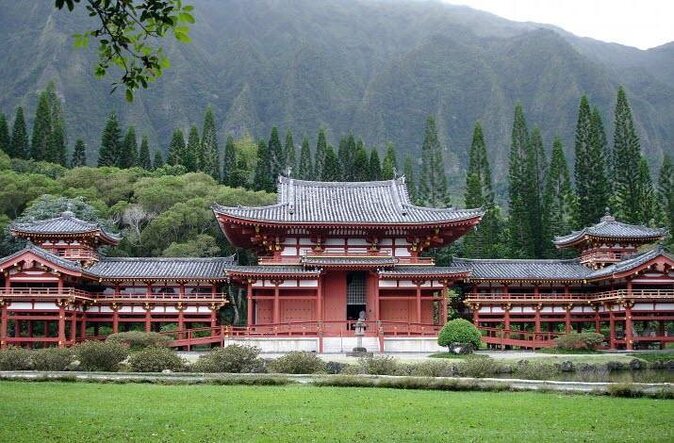
Byodo-in Phoenix Hall is the first major cultural anchor of the day, and it’s worth treating as the calm start before the tea stops. You’ll spend about 2 hours here.
The big reason this place hits is that it’s not just pretty. The hall represents the Buddhist Pure Land concept, meaning the idea of paradise on earth. It also connects to mainstream Japanese culture because it’s featured on the 10-yen coin design, which makes it one of those sights that feels instantly recognizable once you’re there.
Practical note: the admission ticket is not included, so budget extra for entry. Expect a short learning curve too, because tea culture in Kyoto is often tied to monks and ritual life, and the guide can connect that theme to what you see here.
Stop 2: Wazuka-cha Cafe for No. 1 Tea, Matcha Desserts, and Bargain Shopping

After the temple, the day shifts to flavor. At Wazuka-cha Cafe, you’ll spend about 1 hour focused on tasting and tea culture.
This is the stop built for people who don’t want matcha tasting to feel like a quick sample. The experience is positioned around tasting green tea and matcha that are said to be world-class, and it’s described as Japan’s No. 1 awarded tea. You’ll also have matcha desserts, which is where many people really understand the difference between sweet matcha treats and the deeper flavor that higher-quality tea brings.
Here’s the value angle I like: the tour description promises tea shopping at half to one-third of city prices. If you plan to bring matcha home, this is the moment to do it, because tea shops in Kyoto can add up fast.
One more practical detail: coffee and your own tea purchases are not included. That’s normal, but it means your final tea bill will depend on what you choose to buy.
A change of pace from Kyoto:
- Kyoto Geisha Walking Tour: Gion District & Hidden Gems
★ 4.7 · 3,273 reviews - Kyoto: Tea Ceremony Ju-An at Jotokuji Temple
★ 4.9 · 3,207 reviews - Kyoto: Gion Magical Night Walking Tour with Geisha Trivia
★ 4.9 · 2,393 reviews - Kyoto: 45-Minute Tea Ceremony Lesson Experience
★ 4.3 · 2,378 reviews
Stop 3: Ishitera Tea Plantation, The Sky-High Green Fields Shot
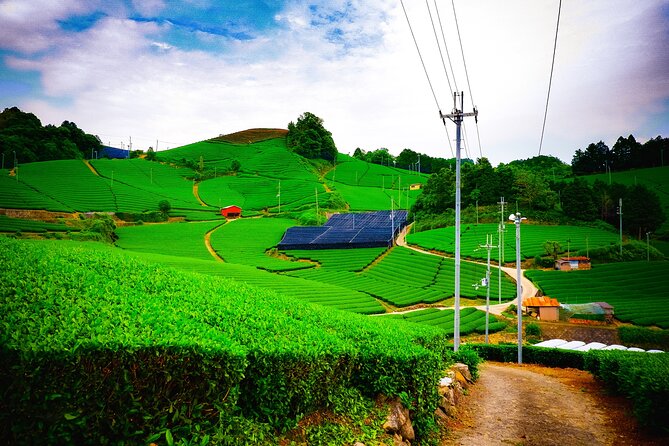
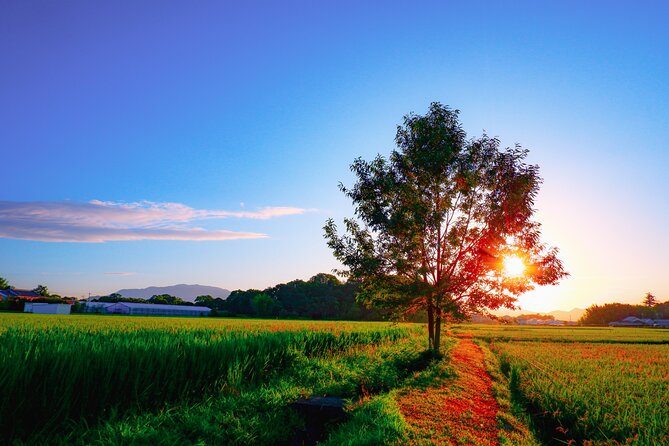
Next you’ll go to Ishitera Tea Plantation for about 30 minutes. This is one of the “camera in hand” stops, because the signature visual is that famous look of green tea fields reaching to the sky.
This is not a sit-down museum stop. It’s a photo and atmosphere stop. The plantations are described as beautifully planted with Kyoto’s original Uji tea style, and the views are the point.
If you’re the type who likes getting your photos done quickly so you can slow down and enjoy the moment, this is perfect. Keep expectations realistic, though: 30 minutes is short, so if you want multiple angles or a full family photo session, start early in the stop.
Stop 4: Ujitawara-cho for a Farm Walk and Matcha Origins
Ujitawara-cho is the next tea production area, also around 30 minutes. This is one of the places where the tour leans into tea origins, because it’s described as one of the most famous regions of tea production in Japan, and it’s linked to the creation of green tea and matcha.
You’ll stop at a tea field where you can walk in one farm area and take photos. That short walk is a big deal because it helps you understand the scale of tea growing, not just see it from the roadside.
I’d treat this stop as a practical “get your bearings” moment. The fields are photogenic, but the best results come when you find a good viewing angle early, then take a few measured shots as the light shifts.
Stop 5: Shoju-in (Seiju-in) for the Heart-Window Tea Room
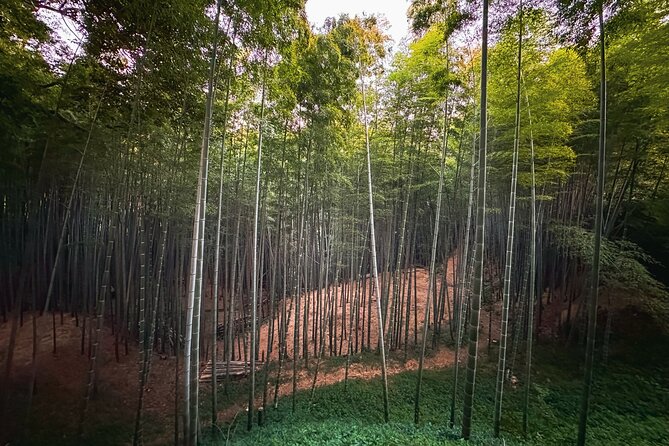
The final temple stop is Shoju-in, and it’s described as being in the south countryside area of Kyoto. It can involve an about one-hour drive from Kyoto downtown, so this is one of those days where you’ll feel the countryside shift.
You’ll spend about 1 hour 30 minutes, and the highlight is the famous love-heart window in the tea room. That detail is specific enough that it becomes a clear goal for your time there. It also makes Shoju-in feel like a place that works on multiple levels: temple atmosphere outside, then a more intimate tea-room view inside.
Again, admission is not included (¥1,000 per person). If you’re planning your spending, add both temple admissions ahead of time so you don’t get surprised at the end of the day.
This stop also ties into tea culture beyond the cup. The overall tour story includes monks and even references to how samurai and ninjas shaped aspects of tea culture, which helps turn tea from a product into a slice of lived history.
Tea Culture in Motion, From Monks to Ninjas
One of the reasons this tour earns such high marks is how the day connects the dots. You’re not only seeing tea fields and temples. You’re also hearing how tea culture developed around monastic life and how it intersected with periods of Japanese history that included warriors and famous stealth legends.
Even if your main goal is matcha, this context helps you taste differently. When you understand that tea wasn’t just a drink for comfort but part of ritual and social life, the tasting feels less like consumption and more like learning.
And because the guide is described as energetic and enthusiastic, you can expect the history moments to feel like part of the day, not a lecture you need to escape.
Price and Value: When It Makes Financial Sense
The price is $250.38 per group, for up to 6 people, and the day runs about 5 hours 30 minutes. That means the value changes depending on how many people you bring.
For a solo traveler, the fixed price still has value because you get private transportation and a focused route. You’re also more likely to ride in the open-air convertible Mini style vehicle, which adds an experience bonus.
For small groups, it’s where the math gets interesting. A group of 4 to 6 can make this feel efficient because you split the cost of private transport, fuel, and highway fees. Those transportation costs are often the hidden budget killer on Kyoto day trips, and here they’re included.
Just remember what is not included:
- Byodo-in admission (¥600 per person)
- Shoju-in admission (¥1,000 per person)
- Any extra coffee and tea you buy beyond tastings
- Your guide can take you to shopping, but what you spend on tea is up to you
So is it cheap? No. But it can be good value if you want a private, driver-based day with countryside access, tea tastings, and two major temple stops, instead of trying to stitch the route together yourself.
Timing, Seasonal Scenery, and What to Wear
One of the most useful promises here is that the tea field views are said to be stunning year-round, including winter. That matters because many Kyoto nature photos look best only in certain months. If you’re traveling in off-season, this is the kind of tour that still gives you strong visuals.
Weather still matters, so plan like a local photographer. Bring something light for warmth if it’s cool out, and keep a small layer for temple air. Tea country roads can feel chilly even when Kyoto downtown feels mild.
For footwear, I’d prioritize comfort over style. There are short walks and stairs at temple stops, and you’ll want traction. Also bring your camera strap or a small bag you can keep close, since you’ll be moving between scenic fields and indoor tea-room moments.
Who This Tour Fits Best
This private tour is a great match if you:
- Want Wazuka and Uji-area tea culture without the stress of transit changes
- Like photography but also want clear cultural context at temples
- Prefer a private schedule that can work with your pace and your group’s needs
It may not be ideal if you:
- Want a strictly city-only Kyoto day with minimal driving
- Dislike paying extra temple admissions
- Have difficulty with stairs, even if the walking is short
Should You Book This Private Hidden Kyoto Tea Tour?
I think you should book it if your travel style is part scenery, part story, and you want a day that feels local instead of rushed. The combination of Byodo-in Phoenix Hall, a proper Wazuka tasting stop, sky-high tea field views, and Shoju-in’s heart-window moment makes the itinerary feel coherent, not random.
If you’re budget-sensitive, do a quick check: add the temple admissions to your plan and decide how much tea shopping you want to do. After that, the day becomes easier to justify because transportation and tea experiences are already handled.
For me, the deciding factor is the private format. It’s the kind of day where a guide’s timing and patience with photos can make a real difference, and where getting out to the tea-growing countryside is the whole point.
FAQ
How long is the Scenic Green Tea Fields of Hidden Kyoto tour?
The tour runs about 5 hours 30 minutes.
What does the price include?
It includes air-conditioned transportation in a Nissan van for groups up to 6, or a Mini Cooper convertible for 1 pax, plus pinpoint pickup and drop-off, and fuel and highway fees.
What is not included in the tour price?
Temple admissions are not included for Byodo-in (¥600 per person) and Shoju-in (¥1,000 per person). Coffee or tea fees for your own purchases are also not included.
How many people can be in a group?
The group size can be up to 6 people for the private tour.
What time does the tour start?
The start time is 1:00 pm.
Is there pickup and drop-off?
Yes. The tour offers pickup and drop-off with pinpoint service, and you can set different start and goal points.
Is the itinerary mostly walking?
There is short distance walking and stairs needed, especially around the temple stops, but it is not described as a long hike.
Latest write-ups near Kyoto
- Kyoto Private Tour Full Day with Local Guide&Nara Option(PerGroup★ 5.0 · 20 reviews
- Sacred Pathways: Discover the Philosopher’s Path of Kyoto★ 4.9 · 20 reviews
- Kyoto UNESCO World Heritage Site Private Tour with a Premium Van★ 5.0 · 20 reviews
- Hammer Pattering Experience of Ring★ 5.0 · 20 reviews
- KYOTO: Private Tea Ceremony in Hidden Townhouse (Kid-Friendly)★ 5.0 · 20 reviews
- Sushi or Traditional Japanese Cuisine in a Kyoto Home with Emika★ 5.0 · 20 reviews
- The Kyoto VIP Experience!★ 5.0 · 20 reviews
- Kyoto Customized Private Tour: See Top Attractions in 1 Day★ 4.7 · 20 reviews
Kyoto Tours, compared.
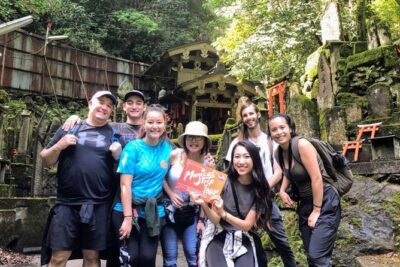
Fushimi Inari, Kinkakuji, Bamboo Grove 1 Day Bus Tour
Read our review →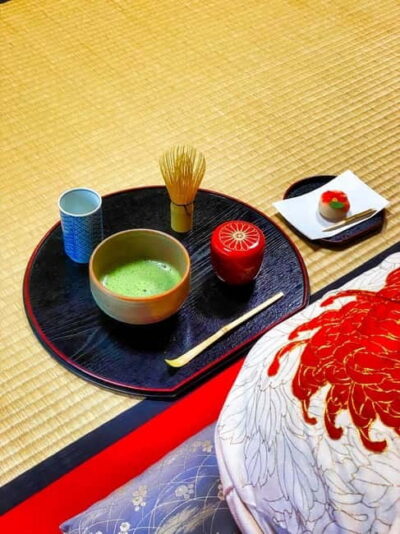
Tea Ceremony in a Traditional Tea House in Kiyomizu
Read our review →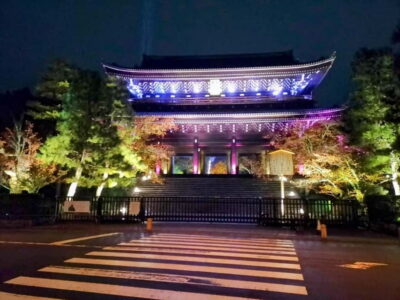
Kyoto Geisha Walking Tour: Gion District & Hidden Gems
Read our review →
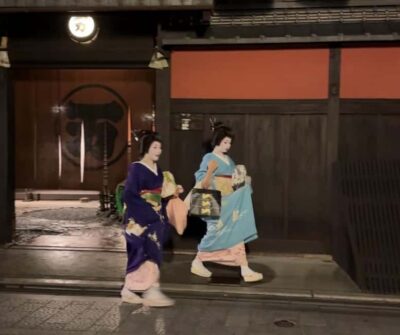
Gion Magical Night Walking Tour with Geisha Trivia
Read our review →