Reviewed · KYOTO TOURS
Single- & multi-day Adventures within Kyoto Nara Osaka Kobe
A tour that strings together Kyoto, Nara, Osaka, and Kobe in one private ride is interesting for one simple reason: you get to triangulate the Kansai region without fighting transfers. You set the pace with a flexible itinerary, so the day can lean more temple, more food, or more photo stops.
Two things I really like are the practical comfort and the control. The Wi-Fi on board keeps you synced with maps and tickets, and the private vehicle means you are not stuck waiting on strangers. If you are traveling as a small group, that alone changes how the trip feels.
One consideration: the schedule is full, and admission fees are not included for stops and attractions. Many sights are short time blocks, and you will want to plan bathroom breaks too, since there is no restroom on board.
Key highlights to know before you go
- Private car for up to 8 people gives you real control over timing and pacing
- Wi-Fi and 100V AC power help you charge devices and stay connected during drives
- Hotel, airport, and custom pickup drop-off helps you stitch together multi-city days fast
- A stop list across Kyoto, Osaka, Nara, Kobe plus side excursions means you check off a lot
- Flexible routing lets you swap priorities when you want a slower walk or a quicker photo stop
Why this Kyoto Nara Osaka Kobe private tour works better than train hopping
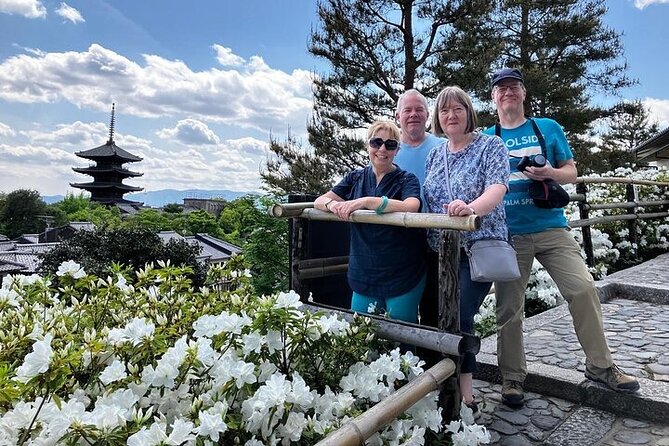
The best use of a private tour is simple. You move where you want, when you want, with someone steering the route so you are not doing logistics math all day. With this one, you are not locked into a single city either. One itinerary can cover major Kyoto sights, classic Nara landmarks, Osaka’s food streets, and then roll into Kobe, with extra stops along the way.
That matters because the Kansai region has two different travel problems. One is distance, like getting from central Kyoto to outer Kyoto areas and back. The other is crowd flow. In Kyoto and Osaka, you can plan all you want and still hit peak foot traffic. A private vehicle helps because you can use your time for walking, not waiting.
Also, this is designed as a private group experience, not a shared bus tour. With up to 8 people, you can actually talk about what you want next, instead of hearing everyone else’s must-sees.
Also on the shortlist for Kyoto:
- PERFECT KYOTO 1-Day Bus Tour
★ 5.0 · 13,518 reviews - Kyoto: Fushimi Inari, Kinkakuji, Bamboo Grove 1 Day Bus Tour
★ 4.8 · 4,316 reviews - Kyoto: Tea Ceremony in a Traditional Tea House in Kiyomizu
★ 4.9 · 3,519 reviews
Price and value: $385 per group adds up fast when you split it
The price is listed as $385 per group, up to 8 people. That is the key value lever. If you are traveling with more than two people, the per-person cost drops quickly, and the private car starts to look like a smart trade for time and stress.
What you get for that money is also very practical:
- an air-conditioned vehicle
- pickup and drop-off where you request
- stable Wi-Fi and 100V AC power for charging
- a flexible itinerary that can shift based on your preferences and suggestions
What you do not get is just as important. Admission fees and sightseeing tickets are not included. So plan for entrance charges at temples, castles, museums, and any ticketed experiences. In Kyoto and Nara, those add up, and it is better to think about it early rather than at the gate.
Day 1 in Kyoto: Arashiyama, Kinkakuji, Nishiki, Gion, and Fushimi Inari
Day 1 is a big mix day, and that can be great if you want variety. It also means you should treat the day like a marathon, with comfortable shoes and a water plan. Many stops are temple and shrine entrances, so you should expect ticket lines and walking time. The nice part of a private car is you can move between areas without wrangling transfers.
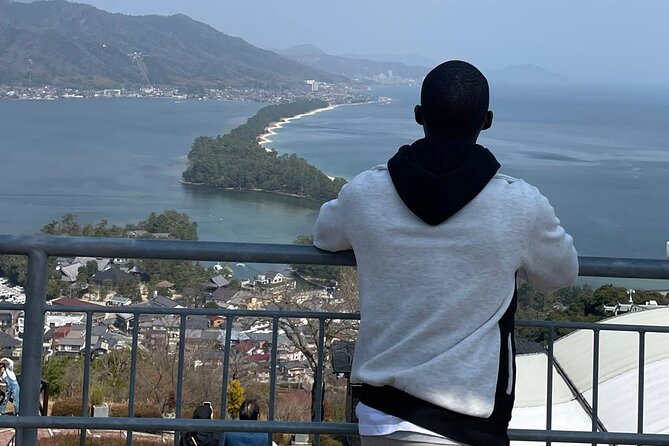
Start with the outer Kyoto-area vibe: Amanohashidate is a pine-lined sandbar across Miyazu Bay. It is the kind of place that makes you stop and look around, even when you are tired. Next is Ine no Funaya, known for its seaside fishing boathouses, plus a shrine connection to the Urashima Taro folk tale. These early stops set the tone: nature, then village atmosphere.
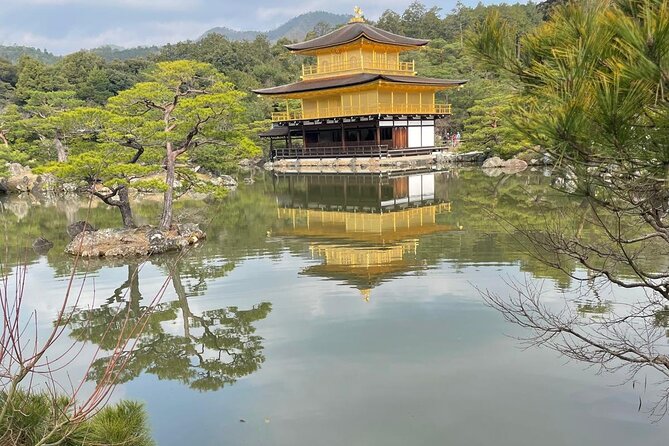
Then you swing into Kyoto proper with Arashiyama, a district that has been a destination for centuries, and still feels like a classic Kyoto day even with crowds. From there, Kinkakuji Temple (the Golden Pavilion) is quick but memorable, set overlooking a pond. Expect this to be a contrast stop, from landscape to landmark.
You continue with palace and castle-era Kyoto. Nijo Castle is a World Heritage site, tied to the Tokugawa era. Kyoto Imperial Palace gives you the imperial footprint of the city after it stopped being the capital. If you like seeing how power shaped space, these make sense together.
For food and street life, Nishiki Market is the place to do it. It is narrow and busy, but it is built for sampling, browsing, and quick bites. After that, the day returns to eastern hillside Zen culture with Ginkakuji Temple and Nanzen-ji Temple. You can feel the tone shift at these spots: more space to slow down, more gardens and temple grounds to notice.
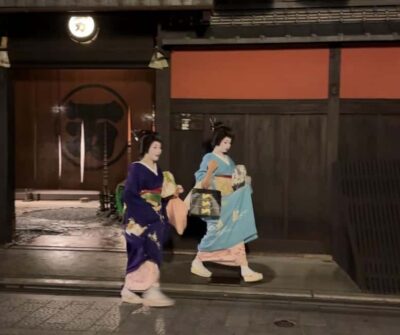
Then come Kyoto’s most iconic evening mood areas. Gion is the geisha neighborhood, and it is easy to imagine older eras when the streets narrow and the lanterns come alive. If you want a cultural anchor, Sanjusangendo Temple with its 1001 Kannon statues is a striking stop. It is not a quick glance kind of place, even when your visit time is limited.
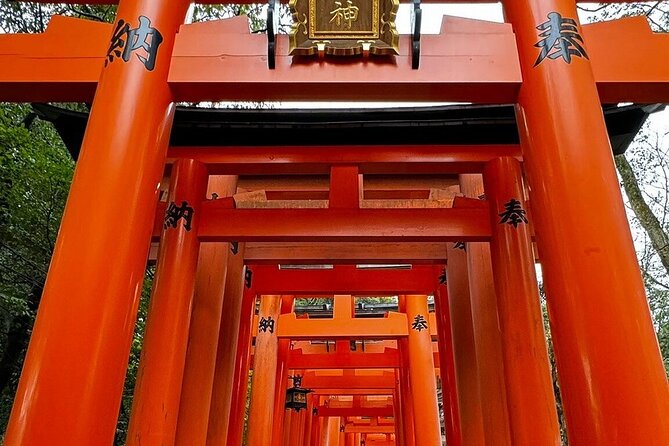
To finish the Kyoto classics, Fushimi Inari-taisha Shrine is your wish and business-prosperity stop, built for that signature walk through the torii gates. After that, Day 1 pivots back to adventure with a Hozugawa River experience at the river boat ride endpoint. This is the kind of stop that breaks up the temple concentration.
The outer-day finale looks like a road-trip style cap. You reach Kyotango for beaches like Shotenkyo and the singing sand concept, then end with Amanohashidate Winery for a calmer, nature-focused break. If you are wine-inclined, this is one of the more relaxed ways to close the day.
Possible drawback for Day 1: the day spans a lot of geography, and many stops are short. You get breadth, but you must keep your expectations realistic about time at each place.
Day 2 in Osaka: Castle views, Kuromon Market, Hozenji Yokocho, and Dotonbori
Osaka on Day 2 is structured like a choose-your-own-adventure for tastes. You start with Osaka Castle, the landmark everyone recognizes. Even if you do not love castles, the views and the setting are usually worth the ticket.
Then you get a modern pop-culture detour: CUP NOODLES MUSEUM OSAKA IKEDA. It is focused on instant ramen cups and the variety of flavors, plus a look at the story behind the product. If you are traveling with anyone who likes design, food brands, or interactive museums, this is a smart inclusion.
After that, you shift toward green calm at Minoo Park and the nearby Minoosan Ryuanji Temple area. This gives your legs a break from the city grind, and it works as a palate cleanser after museums and landmarks.
Next come the old-meets-new entertainment neighborhoods. Shinsekai and its Tsutenkaku-area vibe feel very Osaka, and Sennichimae Doguyasuji Shopping Street is more niche, more local trade, and good for practical shopping like kitchenware.
For food shopping energy, Kuromon Market is the big hit. It is covered, it has seafood, meat, and produce, and it is built for quick stops and browsing. Just plan to eat something small there and something else later, because markets tend to trigger the do-I-try-this reflex.
You then get a photo-friendly alley break with Hozenji Yokocho, famous for its lanterns and old-style cobblestone feel. After that, it is full-on Osaka nightlife energy at Dotonbori District, with neon lights and street food culture. This is where you slow down a little just to watch the scene and decide what looks good.
Shopping continues with Shinsaibashi-suji, a covered street that stays lively for hours. Then you add a historical deep breath with Sumiyoshi Taisha Shrine, one of the long-standing shrines with unique architecture.
The day continues to the bay side at Tempozan Harbor Village, where you can access the aquarium area if it appeals. You also get Hoshi no Buranko Bridge, a suspension bridge viewpoint, which sounds simple but can reward you with a wide-angle perspective of Osaka-bay style scenery.
To round it out, there is a brewery-adjacent activity at Asahi Beer Museum. It is built for tastings and beer-world experiences, so it is a good choice if you want something fun without being too serious. If you like preserved town atmosphere, Tondabayashi Jinaimachi offers a quick look at traditional townhouse blocks.
Possible drawback for Day 2: you cover a lot of neighborhoods. Even with a private car, Osaka can feel like a pattern of move, walk, snack, move again. Keep your shopping list short so you do not lose the day to decision fatigue.
A change of pace from Kyoto:
- Kyoto Geisha Walking Tour: Gion District & Hidden Gems
★ 4.7 · 3,273 reviews - Kyoto: Tea Ceremony Ju-An at Jotokuji Temple
★ 4.9 · 3,207 reviews - Kyoto: Gion Magical Night Walking Tour with Geisha Trivia
★ 4.9 · 2,393 reviews - Kyoto: 45-Minute Tea Ceremony Lesson Experience
★ 4.3 · 2,378 reviews
Day 3 in Nara: deer, Todai-ji, temple lanterns, machiya lanes, and Uji tea
Day 3 is built around Nara’s signature triad: animals, mega-temples, and old streets. It is also a calmer day compared with some Osaka sections because you are walking in a more spread-out park-and-temple rhythm.
Start with Nara Park and its free-roaming deer. The deer are adorable, but they also act like they own the place. Keep your snacks secured and give them space, because they are bold when you are holding food.
From there, you go straight to the big one: Todai-ji Temple and its giant bronze Buddha statue, Daibutsu. This is a UNESCO World Heritage anchor, and it gives you a sense of scale that is hard to capture in photos. Even if your time at the complex is around an hour, you can still appreciate the sheer size and the way the building commands the area.
You then walk into local browsing at Higashimuki Shopping Street. If you want a rainy-day option with covered arcades and small stores, this fits. Next is Kofuku-ji Temple, another historic temple site in Nara, with pagodas and gardens.
If you like old street strolls, Sanjodori Street connects Gion to Kawaramachi vibes in name, and it is focused on shopping and dining. Then the tour slows things down with nature and gardens at Isuien Garden. This is one of the few stops on this day marked as admission included, so it is a good moment to think of the day as paying for a calmer experience, not just walking through.
To add a shrine with a visual identity, Kasuga Grand Shrine is known for lanterns. The approach with stone lanterns and bronze lanterns creates a specific mood, and it is one of the best stops if you want something photogenic without needing a long hike.
Then you do the old-town feel at Naramachi, a neighborhood of historic Machiya merchant townhouses and small alleys. Even with a short time block, it is the kind of place where you see the details in doorways and shop fronts.
Finally, you escape to the south edge of Kyoto with Uji. This stop is framed around tea and green terraced scenery, plus the idea of a quieter detour. If you want a reset after Nara crowds, Uji’s pace can feel like a relief.
Possible drawback for Day 3: it is a lot of walking across different areas, and deer plus temple crowds means you should plan for slower movement and occasional detours.
Day 4 in Kobe and beyond: Rokko views, sake country, Earthquake Memorial, Himeji, and Arima Onsen
Day 4 leans into scenery and historic contrasts. Kobe offers modern city edges, but the itinerary also pushes into mountains, sake districts, and a major castle day trip component with Himeji Castle.
You start with Mt. Rokko, where you can enjoy mountain views over Kobe’s backdrop. This is paired with Kobe Nunobiki Herb Gardens as part of the same area in the description. Then you visit Nada no Hitotsubi, a sake-famous district, where sake breweries cluster because of conditions like rice, water, and weather.
Next comes Kobe Shushinkan Brewery. The description notes a shop, a restaurant, and free-guided warehouse tours held once per day. If you are into sake, this is one of the days that turns beer and spirits knowledge into a real experience rather than just a drink.
Then you shift into remembrance at Port of Kobe Earthquake Memorial Park, tied to the Great Hanshin Awaji Earthquake in 1995. This is a sobering stop, and it is worth keeping your phone camera ready but your headspace respectful.
In the afternoon arc, you explore neighborhoods that show Kobe’s international history. Kitano Ijinkan-gai covers former foreign merchant and diplomat residences after the port opened. Nearby, Chinatown (Nankinmachi) gives you the Chinese merchant neighborhood story in the port era.
For a harbor mood, Kobe Harborland is the commercial waterfront zone. Then the itinerary jumps to one of Japan’s most famous castles with Himeji Castle, often called White Heron Castle in English. It is recognized as Japan’s first UNESCO World Cultural Heritage site in the description, so this is a major box-check.
After Himeji, you go to Koko-en, a garden listed as a national special scenic spot. This is one of the stops where the tour turns from monuments to slower footwork and scenery, with bridges, lakeside moments, and traditional buildings.
Next, you head to Arima Onsen, an old and famous hot spring resort. The listing includes a comfortable bath, plus a hot spring footbath. Even if you do not think of yourself as a spa person, this is a great fatigue-killer after temple and castle walking.
The final swing returns to the Rokko area for English-garden style views at Rokko Garden Terrace, then an observatory-style stop at Rokko-Shidare Observatory with a tree-like dome and panoramic views of Osaka Bay. It is a fitting end, because it gives you a wide view after days of close-up details.
Possible drawback for Day 4: it can be the most time-stuffed day. You have multiple districts, then Himeji, then onsen. Plan to be flexible about how much you want to linger at each place, because the day is designed to cover a lot.
What the private car adds in real life: Wi-Fi, charging, and pacing
A lot of tours say private. This one also gives you the behind-the-scenes comforts that make private actually feel private.
The vehicle includes Wi-Fi and 100V AC power supply for charging laptops and cameras. That sounds minor until you are out all day, your phone is at 8 percent, and you still need maps, translations, and ticket access.
Pickup and drop-off are also a big deal. You can request pickup at hotels, the airport, or other locations you want. When you are hopping multiple cities, that avoids the time cost of finding a station, then switching trains, then walking again.
The flexible itinerary is where the tour becomes useful instead of just scenic. If you are tired, you can request a lighter next step. If someone in your group is extra into shrines, you can shift attention there. If you want more shopping time at places like Nishiki Market or Kuromon Market, you can shape the day around it.
One more practical note: there is no restroom on board. That is not a deal-breaker, but you should treat every major stop as a chance for a quick break and do not expect roadside convenience while you are traveling.
Who should book this, and who should look for a different format
This tour is a great fit if you want:
- a multi-city hit list across Kyoto, Nara, Osaka, and Kobe without train logistics
- a private group of up to 8 with shared decision-making
- a schedule that you can tweak, instead of a rigid bus tour
It can also work well for families, couples, and friends who want one vehicle and one plan for everything, from temples to food streets to gardens and even hot springs.
If you are someone who prefers slow days with fewer stops and longer time at each site, you might want to reduce the number of days or ask for a more light-touch version of the route. The stop list is ambitious, and Kyoto and Osaka crowds are real.
Also, read your expectations about admissions carefully. Since entrance fees are not included, you are responsible for tickets on site. That is normal for Japan, but it does change the trip budget.
Should you book this Kyoto Nara Osaka Kobe private adventure?
I would book it if you want to see a lot of Kansai without turning your trip into a spreadsheet. The value is strongest when you have a group of 4 to 8 people sharing the $385 per group cost. You also get the practical support of a private ride, Wi-Fi, and charging power, plus pickup and drop-off where you want.
I would hesitate if you know you get overwhelmed by packed schedules. Day 1 and Day 4 in particular cover lots of areas, so you will be walking on and off all day. If you prefer one or two neighborhoods per day, you may enjoy a shorter or more focused route more.
If you do book, do one smart thing before you start: confirm your pickup time and priorities early, then communicate changes quickly. The difference between a smooth day and a messy one is usually timing, and private tours run best when everyone stays aligned.
FAQ
How many cities are included on this private tour?
This experience is designed around Kyoto, Nara, Osaka, and Kobe, with options that can include outer-sight stops in those regions.
How long is the tour?
The tour offers one to four days as options, with the listed duration shown as about 4 days.
Is hotel pickup and drop-off included?
Yes. Pickup and drop-off are offered at hotels, airports, and other locations you request.
What group size is this tour limited to?
It is a private tour for your group only, and the group size is listed as up to 8 people.
Is there Wi-Fi on the vehicle?
Yes. The vehicle has Wi-Fi access to help you stay connected during the excursions.
Are admission tickets included?
No. Admission fees and sightseeing tickets are not included.
Is there a mobile ticket?
Yes. A mobile ticket is listed as a feature of this tour.
Is there a restroom on board?
No. Restroom on board is listed as not included.
What’s included in the vehicle besides comfort?
The vehicle is air-conditioned, and it includes stable Wi-Fi plus 100V AC power supply for charging devices like laptops and cameras.
Where can the tour take me in terms of sightseeing?
The itinerary includes a long list of stops such as Kinkakuji, Ginkakuji, Fushimi Inari-taisha, Nishiki Market, Nara Park, Todai-ji, Osaka Castle, Kuromon Market, Himeji Castle, Arima Onsen, and more.
Latest write-ups near Kyoto
- Kyoto: Nishiki Market Tour with a Local Foodie & Tastings★ 4.5 · 67 reviews
- Kyoto Kimono Rental mimosa |Kimono/Yukata Rental Couple Plan★ 4.8 · 67 reviews
- Kyoto: Traditional Kimono Fabric Handicrafts Workshop★ 5.0 · 67 reviews
- Kyoto Tea Ceremony and Samurai Photo Session★ 5.0 · 70 reviews
- Kyoto: Replica food making experience★ 4.8 · 70 reviews
- Kyoto: Kinkakuji, Golden Pavilion Guided Tour★ 4.7 · 71 reviews
- Private departure transfer from Kyoto city to Kansai International airport★ 5.0 · 72 reviews
- Uji: Green Tea Tour with Byodoin and Koshoji Temple Visits★ 4.8 · 72 reviews
Kyoto Tours, compared.
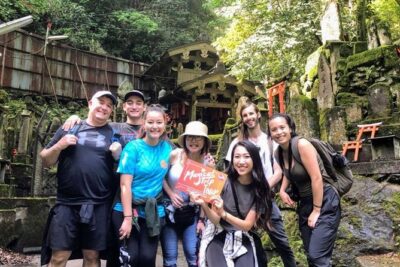
Fushimi Inari, Kinkakuji, Bamboo Grove 1 Day Bus Tour
Read our review →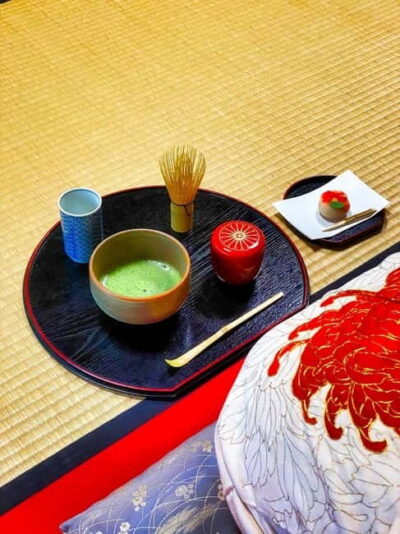
Tea Ceremony in a Traditional Tea House in Kiyomizu
Read our review →
Kyoto Geisha Walking Tour: Gion District & Hidden Gems
Read our review →
Gion Magical Night Walking Tour with Geisha Trivia
Read our review →