Reviewed · KYOTO TOURS
The right way to know Kyoto
Kyoto is the kind of city where a wrong turn can cost you an hour. This tour is interesting because it uses a private walking route to keep you moving toward the sights that matter, without the stress of plotting every bus stop.
I like two things right away. First, you get personal attention on a small private group up to 6, so the pace and photo stops are actually your pace and your photos. Second, the route hits the big names, but it also gives you context for what you are seeing, which makes Kinkaku-ji and Ginkaku-ji feel more than postcard stops.
One possible drawback is time. In 6 hours, you can’t linger forever at every photo angle, and the temples with paid entry can eat into your schedule. Also, entrance tickets and transportation are not included, so you should budget a bit more than the tour price.
Key things to know before you go
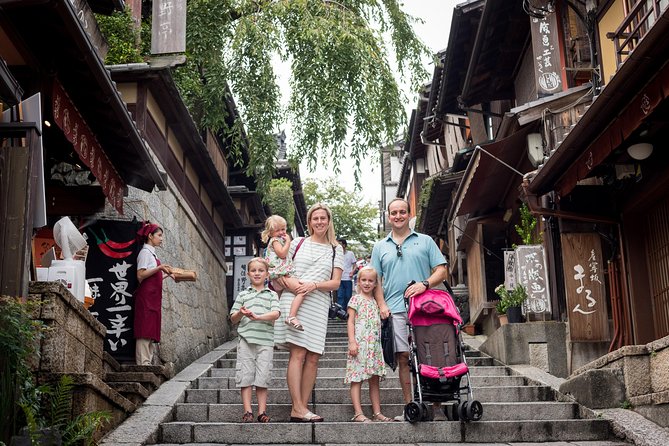
- Private group up to 6 means you stay with your guide and your people, not a crowd shuffle
- Mobile ticket helps reduce last-minute confusion at the start
- Fushimi Inari and the bamboo area are free on this plan, so your paid time is focused on the temples
- Hotel pickup is offered, with the meeting point set at Kyoto Station area
- A guide-led walk plus local transit is the whole point, so plan on walking and moving most of the day
A private Kyoto route that keeps you from guessing
Kyoto has a reputation for being confusing, and it’s not wrong. Streets bend, train and bus lines crisscross, and temple districts can be spread out. With this tour, you get a plan with built-in sequencing: shrine, bamboo, then the two pavilion temples.
I like that it is private. Reviews from people who toured with guides such as Paco and Adrian highlight the same theme: the guide doesn’t just point, they steer. When you have a flexible guide, you can slow down for a shrine detail, speed up when the line grows, and ask for one extra stop without turning the day into a DIY project.
You also get real value from the fact that it is guided history and culture, not just a route. When guides like Jose David explain Shinto or Zen practices at the right moment, it changes what you notice. Instead of seeing torii gates and calling it done, you start noticing the why.
Also on the shortlist for Kyoto:
- PERFECT KYOTO 1-Day Bus Tour
★ 5.0 · 13,518 reviews - Kyoto: Fushimi Inari, Kinkakuji, Bamboo Grove 1 Day Bus Tour
★ 4.8 · 4,316 reviews - Kyoto: Tea Ceremony in a Traditional Tea House in Kiyomizu
★ 4.9 · 3,519 reviews
Price and logistics, what adds up in real life
The tour price is $371.41 per group up to 6, and it runs about 6 hours. That can sound like a lot until you do the math the way Kyoto actually costs money: you are bundling a guide, private pacing, and route planning for multiple places that are not close to each other.
But here is the tradeoff. Entrance tickets are not included, and transportation and meals are not included. Even though Fushimi Inari and the bamboo trail are listed as free in this itinerary, you will likely pay at Kinkaku-ji and Ginkaku-ji. Also, you’ll need to cover transit between stops, especially if you want to stay within the 6-hour window.
The sweet spot for this price is when you want less friction. If you are only in Kyoto for a short window, a guided half-day can prevent wasted time, missed routes, and last-minute scrambling. If you already know you’ll hop on transit confidently and you love planning every detail, you might find it less necessary.
Your 6-hour itinerary: shrine, bamboo, then the pavilion temples
This plan is built around four classic Kyoto experiences in a sensible order. It starts at Fushimi Inari-taisha Shrine, moves to the bamboo forest trail, then heads to Kinkaku-ji (Golden Pavilion) and Ginkaku-ji (Silver Pavilion).
What makes this itinerary work is that it alternates the mood. You go from orange torii gates and shrine atmosphere to a quieter natural walk, then back into carefully composed Zen space at the pavilion temples. It is not just a checklist. The contrast is the point.
Here’s the reality check: even though the itinerary lists time per stop (1 hour, 45 minutes, then about 1 hour each for the last two), the travel time between them affects how long you feel you can linger. A good guide handles this by managing pacing, crowd timing, and route shortcuts where possible. That is exactly what multiple reviews praised.
Stop 1: Fushimi Inari-taisha, the torii gates with meaning
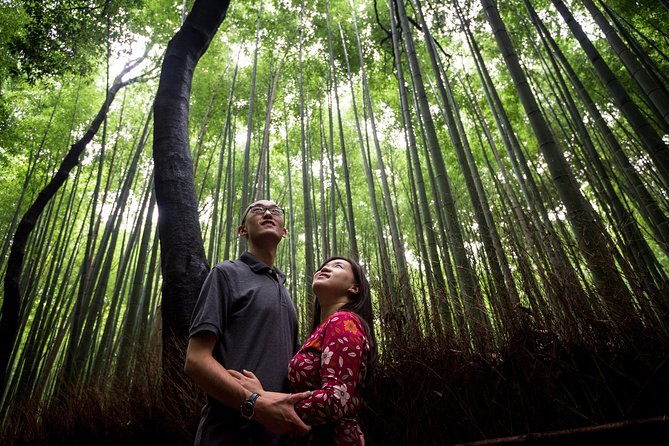
Fushimi Inari is famous for its endless rows of orange torii gates, and it earns the hype. The tricky part is that the place can overwhelm you if you treat it like a photo farm. The guide’s job is to help you understand what you are seeing as you walk under the gates.
I like how this stop is placed first. Arriving early in the day makes it easier to move before the crush. You get about 1 hour here, and that is enough time to walk into the main gate corridor, pause for the big views, and still have energy for the next stops.
Practical tip: wear shoes you trust. Even if you only walk partway, the ground adds up quickly. Also bring a small water bottle. Temple districts can be deceptively warm, and you’ll want your energy later at the paid sites.
If it rains, Fushimi Inari can still be beautiful, but watch your footing. One review mentioned how rain affected enjoyment for their group, so don’t count on perfect weather. Plan to move carefully and keep the spirit light.
A change of pace from Kyoto:
- Kyoto Geisha Walking Tour: Gion District & Hidden Gems
★ 4.7 · 3,273 reviews - Kyoto: Tea Ceremony Ju-An at Jotokuji Temple
★ 4.9 · 3,207 reviews - Kyoto: Gion Magical Night Walking Tour with Geisha Trivia
★ 4.9 · 2,393 reviews - Kyoto: 45-Minute Tea Ceremony Lesson Experience
★ 4.3 · 2,378 reviews
Stop 2: Bamboo Forest Trail, what to expect in 45 minutes
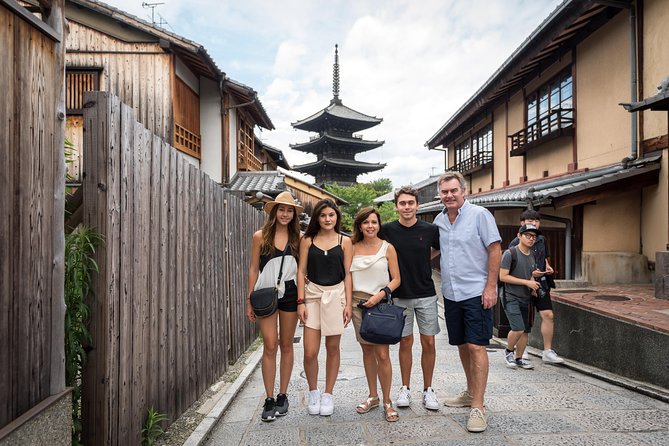
Next is the bamboo forest trail, about 45 minutes. People often come in expecting silence. Instead, you get something more honest: a mix of nature sounds, occasional footsteps, and that cool green light bamboo creates as you pass through.
This stop is useful even if you’ve seen bamboo on photos before. Walking in that corridor helps your brain accept the scale. It also breaks up the day. If you have legs that are already tired from city walking, this is one moment where the terrain feels simpler even if the crowd levels can vary.
What a guide adds here is pacing and perspective. Reviews praised guides for taking people to areas away from the main crush, so your route might not be the exact same entrance and exit pattern you would pick on your own. That can make the difference between feeling rushed and feeling present.
If you go expecting the bamboo to be a full meditation session, adjust your expectations. Think of it as a reset, then get ready for the pavilion temples where you’ll want to be a bit more alert and respectful about ticketed areas.
Stop 3: Kinkaku-ji, Golden Pavilion and the paid-entry reality
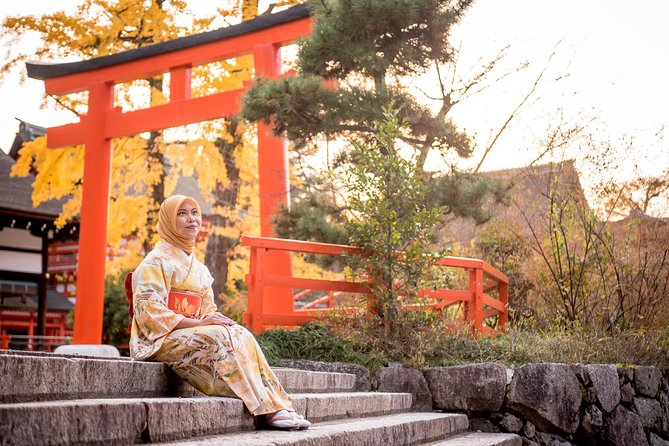
Kinkaku-ji, the Golden Pavilion, is the most visually dramatic stop on this route. You’re given about 1 hour, and that feels right. The pavilion itself is the headline, but the gardens and surrounding views also matter.
The note to take seriously: entrance tickets are not included. So as you plan your budget, don’t forget that you’ll pay for Kinkaku-ji on site. This is also one of those places where lines and crowd flow can change how much you actually see in the time you have.
I like that the tour positions Kinkaku-ji after you’ve already gotten your shrine and bamboo “hits.” That means you can slow down where it counts. Reviews highlight guides who keep pace appropriate, like Tom when touring with older family members. That kind of pacing matters here because there is a lot to look at, but you also need to move with the crowd.
Practical tip: go for the angles, not just the center view. Even within one hour, your guide can help you find spots where the pavilion photograph works without you fighting shoulder to shoulder. You’re paying for guidance here as much as the ticket.
Stop 4: Ginkaku-ji, Silver Pavilion and the calmer Zen vibe
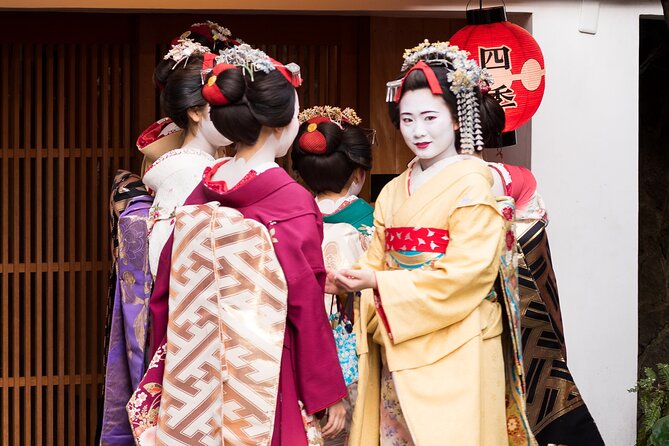
After Kinkaku-ji, you head to Ginkaku-ji, the Silver Pavilion. In many ways, it’s the emotional opposite of the Golden Pavilion. This stop is described as serene, known for elegant gardens and wabi-sabi beauty, and that tone is real once you slow down.
You get about 1 hour here, and it is perfect for a guided approach. A guide can point out what you are supposed to notice in a Zen setting. If you only look for big flashy sights, you can miss the subtler design cues that make Ginkaku-ji feel peaceful even when people are around.
This is where I think personalized guiding pays off most. Reviews mention guides responding to requests, adapting the route, and taking people to quieter areas. If your guide is doing crowd-smart timing, Ginkaku-ji can feel like a breathing space rather than one more attraction.
Also, remember this stop is in the paid-entry category on this plan. So again, budget for it. The ticket cost is part of why the tour is priced the way it is. You are paying the guide for smarter time use, and you pay the temple for the right to enter.
Why the guide matters more than you expect

The best guides on this kind of tour don’t just narrate. They manage the whole day. You can see this in the reviews. People praised guides like Paco for tailoring tours and for helping them avoid the busiest pressure points. Others called out how guides helped them navigate trains and buses without getting lost or wasting time.
That matters in Kyoto. Even if you can read a map, stations and bus stops can still feel confusing when you’re tired. A guide also handles logistics you might not think about: which direction to walk, when to pause, and how to keep the group from turning into a string of impatient individuals.
You’ll also hear better questions come from your guide. One review talked about shrine etiquette and what to do, and that is the kind of small cultural guidance that makes the temples feel less like sets and more like real places. Another review praised a guide for explaining Japanese culture details people would miss on their own. That is the heart of the value here.
Finally, remember the tour is private. That means your guide can answer your questions directly. If you care about Shinto versus Zen, you can steer the conversation. If you care more about practical sightseeing, you can ask for routes that reduce walking strain.
Who this tour suits best, and who might want a different plan
This tour fits well if you want a focused introduction to Kyoto’s most famous temple and shrine cluster. It is also a strong choice if you have limited time and you hate the guesswork. Private half-day structure works great for first-timers.
It also suits families. Reviews included groups with teens and multiple ages, with guides adjusting pace and keeping everyone engaged. If your group includes different mobility levels, you can ask your guide to set a pace that works.
Here’s who might not love it. If you want a long, slow, wandering day with lots of extra stops, 6 hours can feel tight. One criticism was simply not enough time for everything mentioned. That’s a fair consideration. The route is set, and while it can be customizable, you can’t magically double the hours.
Also, you should treat this as a walking and transit experience. One review gave a real warning about being prepared to walk and that public transportation can be packed. That doesn’t mean it’s bad, it means you should wear good shoes and plan for movement.
Should you book the Right Way to Know Kyoto tour?
I’d book it if you want Kyoto in one organized day, with someone who can explain what you are seeing and help you manage your time between major sights. At $371.41 per group up to 6, you are paying for fewer decision headaches, and you’re getting the kind of route planning that is hard to replicate on your first day.
Skip it or consider another option if you hate walking, or if you want to spend lots of time lingering without transit. Also, if you are extremely budget-focused, keep in mind that entrance tickets and transportation are on you.
If you do book, do one thing that makes the tour better immediately: decide what you want to learn most. Shrine basics, Zen garden design, or just how to move through Kyoto efficiently. Then tell your guide early. Guides such as Paco, Adrian, Tom, and Jose David were praised for tailoring the experience, and your requests help them do that.
FAQ
Is this a private tour?
Yes. It is a private tour/activity, and only your group participates.
How long is the tour?
It runs for about 6 hours.
What is the group size?
The price is per group for up to 6 people.
Where do we meet?
The tour starts at Kyoto Station in the Higashishiokoji Kamadonocho area, Shimogyo Ward, Kyoto. The activity ends back at the meeting point.
Are entrance tickets included?
No. Entrance tickets are not included.
Is transportation included?
No. Transportation is not included.
Do I need to bring tickets for Fushimi Inari and the bamboo forest?
For this itinerary, Fushimi Inari-taisha Shrine and the Bamboo Forest Trail are listed as free admission.
Are Kinkaku-ji and Ginkaku-ji tickets included?
No. Admission tickets for Kinkakuji and Ginkakuji are not included.
Can I cancel for free?
Yes. Free cancellation is available if you cancel up to 24 hours in advance of the experience start time (local time).
Latest write-ups near Kyoto
- Kyoto: Nishiki Market Tour with a Local Foodie & Tastings★ 4.5 · 67 reviews
- Kyoto Kimono Rental mimosa |Kimono/Yukata Rental Couple Plan★ 4.8 · 67 reviews
- Kyoto: Traditional Kimono Fabric Handicrafts Workshop★ 5.0 · 67 reviews
- Kyoto Tea Ceremony and Samurai Photo Session★ 5.0 · 70 reviews
- Kyoto: Replica food making experience★ 4.8 · 70 reviews
- Kyoto: Kinkakuji, Golden Pavilion Guided Tour★ 4.7 · 71 reviews
- Private departure transfer from Kyoto city to Kansai International airport★ 5.0 · 72 reviews
- Uji: Green Tea Tour with Byodoin and Koshoji Temple Visits★ 4.8 · 72 reviews
Kyoto Tours, compared.
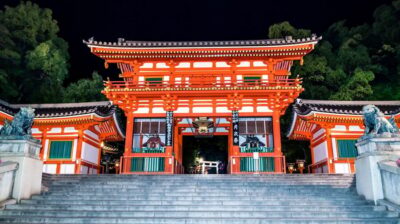
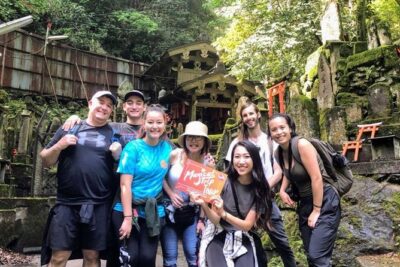
Fushimi Inari, Kinkakuji, Bamboo Grove 1 Day Bus Tour
Read our review →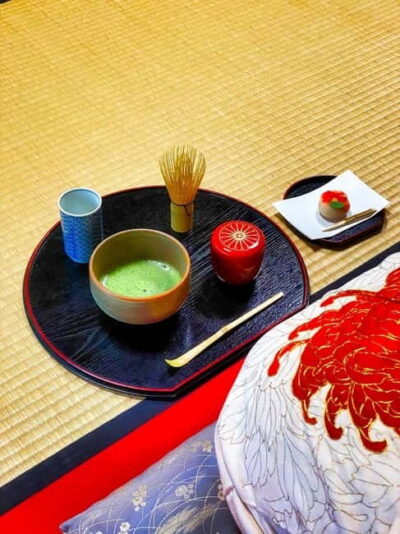
Tea Ceremony in a Traditional Tea House in Kiyomizu
Read our review →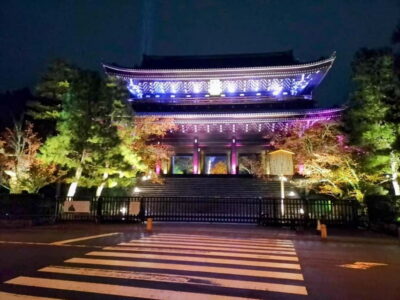
Kyoto Geisha Walking Tour: Gion District & Hidden Gems
Read our review →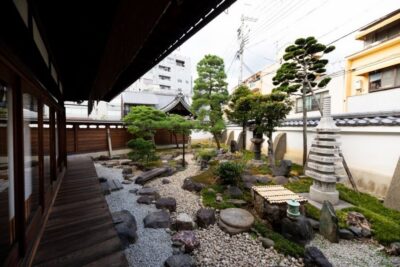
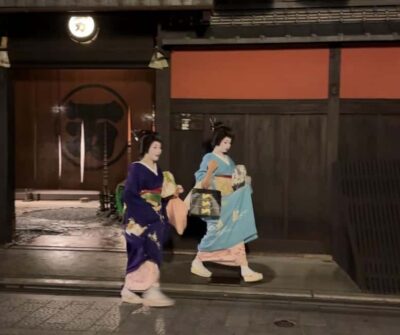
Gion Magical Night Walking Tour with Geisha Trivia
Read our review →